标签: Cuba

古巴

  • Those innocent young people

    Those innocent young people

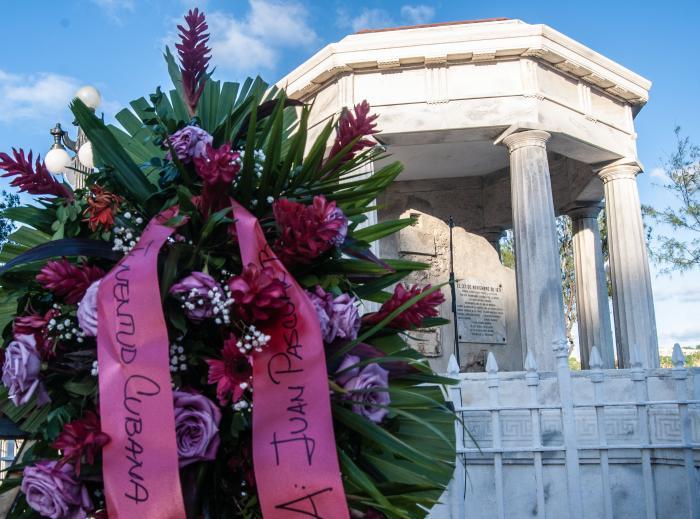
    HAVANA – The haunting memory of November 27, 1871, continues to cast a profound shadow over Cuba’s historical consciousness, marking one of the most tragic judicial miscarriages in the nation’s colonial history. On this date, eight young medical students—most still in their teenage years—faced a firing squad for crimes they never committed, their lives extinguished by Spanish colonial authorities in an act that would become symbolic of colonial oppression.

    The sequence of events began innocuously when first-year medical students gathered at the San Dionisio Asylum amphitheater adjacent to Espada Cemetery, awaiting their anatomy professor. When the instructor failed to appear promptly, several students ventured into the cemetery grounds—an action not prohibited—where some engaged in minor mischief including climbing onto a corpse transport cart. The most trivial act, plucking a single rose from the garden by 16-year-old Alonso Álvarez de la Campa, would ultimately carry fatal consequences.

    Spanish authorities fabricated charges accusing the students of desecrating the burial niche of Gonzalo de Castañón, a Spanish journalist who had advocated for the extermination of Cubans. Despite conclusive evidence proving the vandalism predated the students’ presence, colonial officials proceeded with a sham trial. The accused ranged from 16 to 21 years old, with Carlos Verdugo not even present in Havana during the alleged incident.

    At 4:20 PM on that fateful November afternoon, three volleys of gunfire ended the lives of eight promising young scholars. Their executions were compounded by the additional killing of five Abakuá men who attempted to rescue the students, amplifying the tragedy’s human toll. Contemporary accounts describe how the victims’ parents succumbed to grief and helplessness, while the students themselves faced their final moments bewildered by the unjust accusations against them.

    Now commemorated 154 years later, this episode remains etched in Cuba’s national memory as both a testament to colonial brutality and a symbol of resilience. Annual ceremonies honor the students’ legacy, ensuring that new generations understand the price paid by those who fell victim to unjust power.

  • 6th Ordinary Session of the National Assembly of People’s Power, in its 10th Legislature, convened

    6th Ordinary Session of the National Assembly of People’s Power, in its 10th Legislature, convened

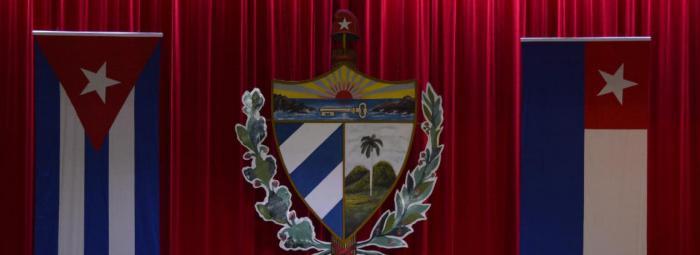
    Havana, Cuba – The National Assembly of People’s Power has officially announced the convocation of its 6th Ordinary Session, marking a significant moment in Cuba’s legislative calendar. President Esteban Lazo Hernández, exercising constitutional authority under Article 111, has scheduled the parliamentary gathering for December 18, 2025, at Havana’s Convention Center.

    The session will commence at 9:00 a.m. with a comprehensive agenda focused on critical national issues. Central to the discussions will be the evaluation of Cuba’s Government Program measures designed to address economic distortions and stimulate growth. Lawmakers will examine the implementation effectiveness and socioeconomic impact of these ongoing reforms.

    Additionally, the assembly will review proposed economic objectives and targets for the upcoming year, with particular emphasis on the draft State Budget Law for 2026. This budgetary deliberation comes at a crucial juncture as Cuba continues to navigate complex economic challenges.

    The legislative schedule also includes accountability sessions featuring the Ministry of Science, Technology and Environment alongside the Provincial Government of Ciego de Ávila. The Ministry of Justice will present a report on its oversight activities, while various legislative bills will undergo thorough analysis and debate.

    Preceding the main session, permanent working committees will convene from December 15-17 to examine over 90 agenda items affecting Cuban citizens’ daily lives. The official announcement, published November 26 on the parliamentary website, will be distributed to deputies, central state administration agencies, and relevant authorities. Full documentation will appear in the Official Gazette of the Republic and various media outlets for public transparency.

  • The irrevocable oath of the new generations

    The irrevocable oath of the new generations

    As Cuba approaches the 100th anniversary of Fidel Castro’s birth, the nation has reaffirmed its commitment to preserving his revolutionary legacy. The commemorative event, held at the historic University of Havana, was attended by prominent political figures, including President Miguel Díaz-Canel Bermúdez and members of the Communist Party’s Central Committee. Meyvis Estévez Echevarría, a key leader in the Union of Young Communists, delivered a poignant speech, emphasizing Fidel’s enduring influence on Cuban society and the global socialist movement. She highlighted how Fidel’s revolutionary ideals, rooted in the teachings of José Martí, continue to inspire the younger generation. The event also featured the slogan ‘One Hundred Years with Fidel,’ symbolizing the deep emotional and ideological connection the Cuban people maintain with their former leader. The gathering served as a reminder of Fidel’s warning about the fragility of the Revolution and the collective responsibility to safeguard it. The evening concluded with a solemn oath to ensure that Fidel’s legacy remains alive, particularly as the nation faces ongoing economic and political challenges.

  • China to reopen its embassy in Damascus in early 2026

    China to reopen its embassy in Damascus in early 2026

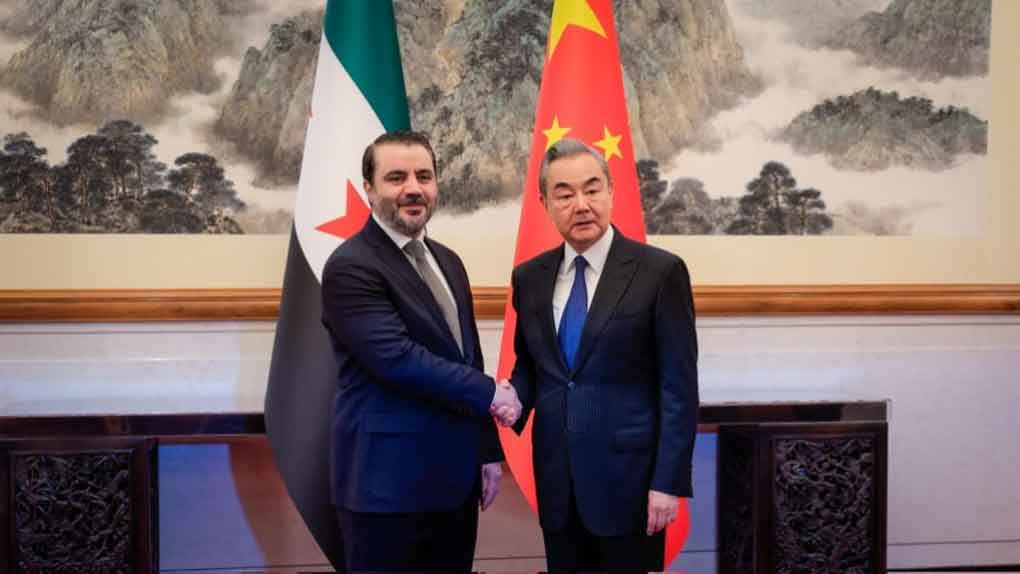
    In a significant development for Syria’s foreign policy, a high-level delegation led by Foreign Minister Assad Hassan Shaybani recently concluded a pivotal visit to Beijing. The trip, described by Syrian officials as the dawn of a “new era,” marks a strategic shift in Syria’s international relations, particularly with China, a permanent member of the UN Security Council. The visit focused on revitalizing bilateral trade, reopening diplomatic missions, and securing Chinese support for Syria’s reconstruction efforts. Officials highlighted that pre-2011 trade between the two nations exceeded $1.5 billion, accounting for nearly 9% of Syria’s national budget. Today, Syria urgently seeks Chinese products, technology, and investment to aid its post-conflict recovery. During the talks, China pledged a substantial humanitarian aid package and expedited preparations for reopening its embassy in Damascus. Additionally, Syrian officials denied claims by AFP regarding the alleged transfer of 400 Uighur fighters to China, stating the issue was never discussed. The delegation emphasized the importance of detailed discussions on security and operational logistics for Chinese companies interested in participating in Syria’s reconstruction. The recent absence of Chinese vetoes in UN Security Council resolutions favorable to Syria was attributed to the steady progress of bilateral agreements and Beijing’s commitment to safeguarding its citizens and investments in the region. Syrian leaders reiterated their commitment to ensuring that Syria poses no threat to any nation, including China, and that its territory will not be used against third parties.

  • Ethiopia emphasized importance of multilateralism at AU-EU Summit

    Ethiopia emphasized importance of multilateralism at AU-EU Summit

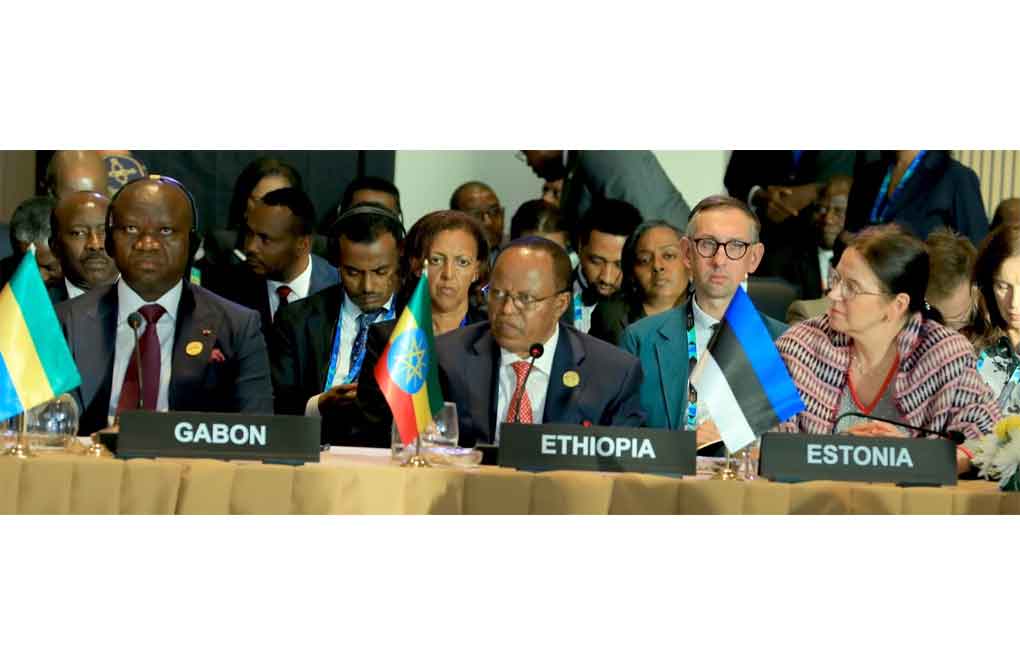
    At the VII African Union-European Union Summit held on November 24 and 25, African leaders emphasized the urgent need for global reforms to ensure equitable representation and decision-making power for developing nations. Selassie, a prominent voice at the summit, highlighted the necessity for Africa and other developing regions to have a permanent and influential role in global governance. He specifically called for structural changes in international institutions, including a permanent seat for Africa on the United Nations Security Council and the modernization of multilateral financial systems to better address the needs of these nations. The summit, which brought together leaders from the African Union and European Union member states, focused on critical issues such as peace, security, climate action, economic integration, and global governance. Local authorities reported a record-breaking attendance of over 80 delegations, underscoring the event’s significance. African leaders also urged for fairer financial support, accelerated implementation of joint initiatives, and a more robust presence in international institutions. Additionally, they emphasized the importance of increased investment in clean energy and sustainable development to foster long-term growth and stability.

  • Chilean TV refuses to air campaign against gender violence

    Chilean TV refuses to air campaign against gender violence

    The Chilean National Television Council (CNTV) has sparked widespread criticism for its decision to prohibit a campaign addressing violence against women, citing the ongoing electoral process as justification. Social organizations and government officials have condemned the move, arguing that it undermines efforts to combat gender-based violence and disregards Chile’s international commitments. The Network of Feminist Journalists and Communicators issued a statement declaring, ‘We will not accept that the protection of women be subordinated to electoral calculations.’ They emphasized that the CNTV’s decision, based on vague reasoning, trivializes the severity and urgency of gender violence and sets a dangerous precedent for relativizing women’s rights. Antonia Orellana, the Minister for Women and Gender Equity, labeled the council’s decision as misguided. She highlighted that campaigns against gender violence have historically been broadcast on November 25th, the International Day for the Elimination of Violence against Women, regardless of electoral periods. The controversy has reignited debates about the prioritization of women’s rights in Chile and the role of media in addressing societal issues.

  • Suspected fourth member of Louvre robbery gang arrested

    Suspected fourth member of Louvre robbery gang arrested

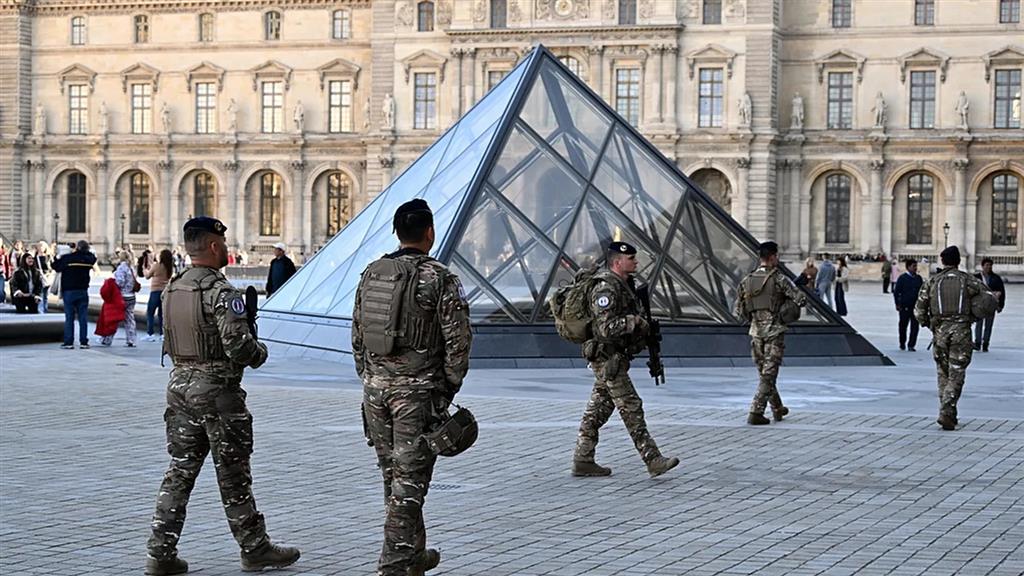
    In a dramatic turn of events, authorities have detained an individual at the Anti-Bandit Brigade headquarters, accusing them of organized robbery and criminal association. These charges mirror those faced by three other suspected gang members already under prosecution. Meanwhile, three additional individuals—a man and two women—were apprehended today, though the specifics of their arrests remain undisclosed. The arrests are linked to a high-profile theft at the Louvre’s Apollo Gallery on October 19, where intruders broke in through a window and made off with priceless jewelry, including necklaces, earrings, a corsage, and a tiara once owned by Empresses Eugénie, Marie Louise of Austria, Marie Amelie, and Hortense. Despite the arrests and substantial evidence collected at the scene, the stolen artifacts, deemed irreplaceable in heritage and historical value, remain missing. This incident has reignited concerns over the security of cultural landmarks in France, particularly the Louvre, which safeguards over half a million artworks, with approximately 36,000 on public display.

  • FIHAV announces new developments for Cuba’s high tourism season (+Photo)

    FIHAV announces new developments for Cuba’s high tourism season (+Photo)

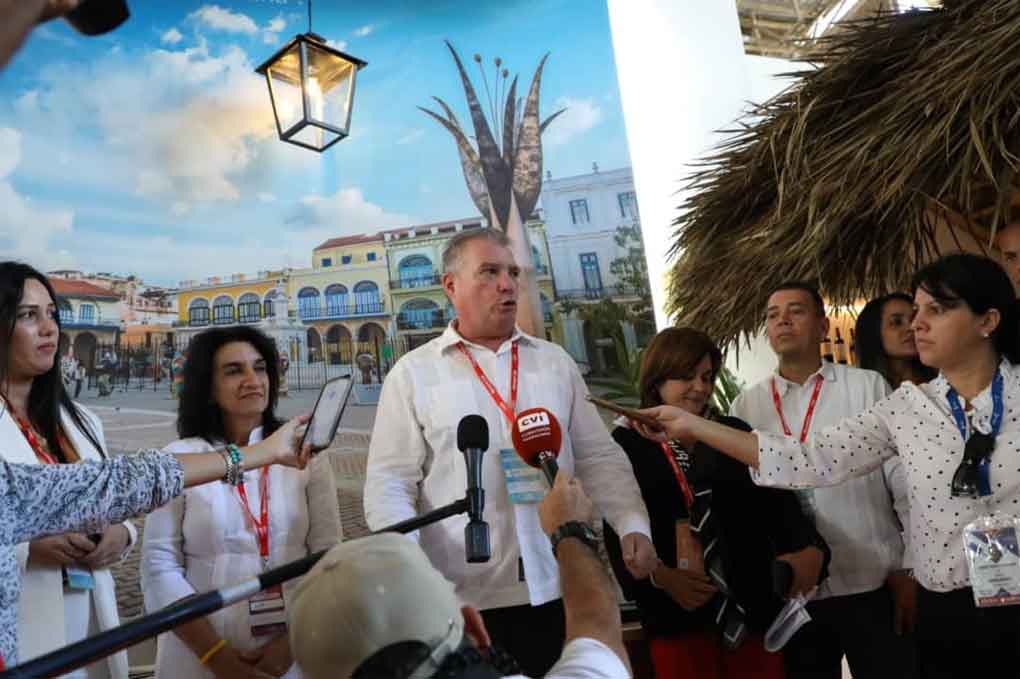
    During the inauguration of the ‘Unique Cuba’ thematic area at the Ministry of Tourism’s FIHAV exhibition, which continues until November 29, officials highlighted significant advancements in the country’s tourism sector. Garcia, addressing the press, noted that the establishment of four wholesale markets managed by fully foreign-owned companies has markedly improved supply logistics for hotels in less than a year. This development underscores Cuba’s commitment to enhancing its tourism infrastructure through foreign investment. Deputy Prime Minister and Minister of Foreign Trade and Foreign Investment, Oscar Perez-Oliva, is set to announce new measures aimed at attracting foreign investment and bolstering business operations in Cuba. The tourism sector, which relies heavily on foreign investment, with nearly 70% of projects involving management-oriented investments, is also exploring hotel leasing models to grant greater autonomy to investors. Garcia also discussed the favorable impact of Canada’s shift away from American products, which has redirected travelers to Caribbean destinations like Cuba. Looking ahead, the 2026 International Tourism Fair in Varadero, Matanzas, will focus on Canada, reflecting a strategic approach to market expansion. While sun and beach tourism remain central, Cuba is also diversifying its offerings and targeting Latin American markets, including Mexico, Colombia, Peru, Brazil, and Argentina, to strengthen its position as a leading tourist destination by 2026.

  • Protests on Syrian coast demand decentralization (+Photos)

    Protests on Syrian coast demand decentralization (+Photos)

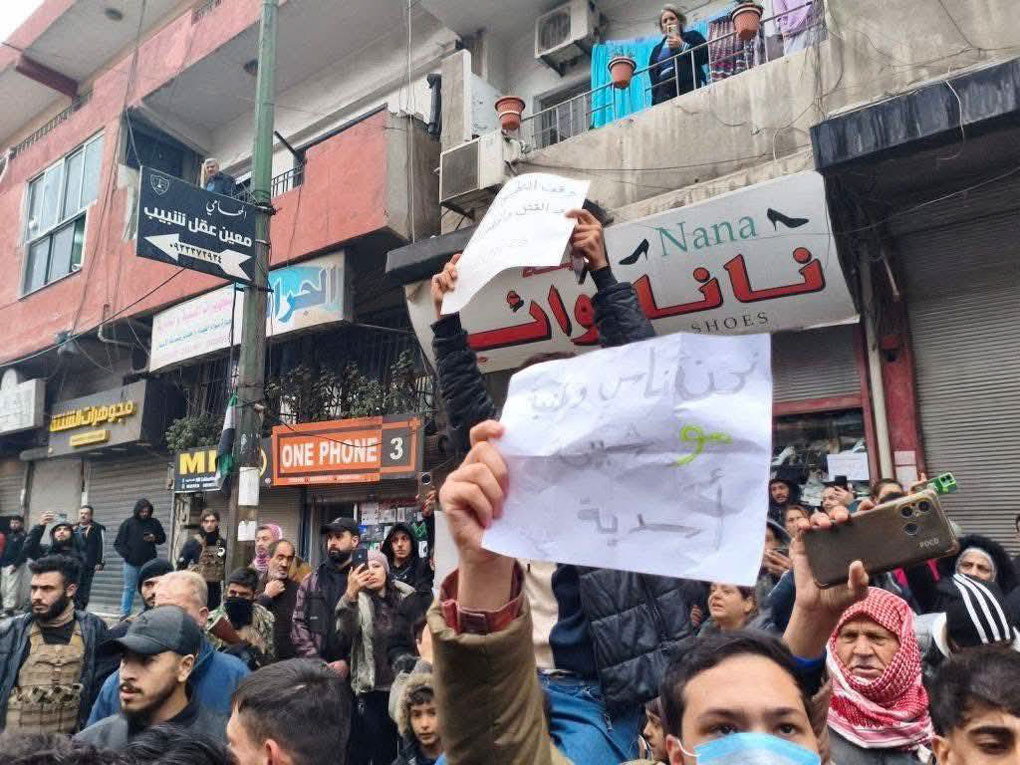
    In a significant display of public dissent, demonstrations unfolded across several provincial capitals in Syria, including Tartus, Latakia, and Homs. Participants, hailing from both rural and urban areas, united to voice their grievances. The protests were marked by chants condemning violence and advocating for enhanced administrative decentralization. Additionally, demonstrators called for the release of former military personnel currently held in detention. The Syrian state news agency, SANA, responded by publishing images of security forces deployed in these areas, emphasizing that their presence was aimed at safeguarding citizens and public infrastructure. The protests were catalyzed by a video message from Sheikh Ghazal Ghazal, president of the Alawite Supreme Islamic Council. In his address, Ghazal criticized what he described as ‘sectarian score-settling’ and urged the implementation of federalism and political decentralization as measures to protect the rights of all communities, particularly the Alawite minority.

  • South Africa welcomes COP30 climate agreements in Brazil

    South Africa welcomes COP30 climate agreements in Brazil

    South Africa has pledged to actively collaborate in implementing the landmark agreements established at the 30th Conference of the Parties (COP30) to the UN Framework Convention on Climate Change, held in Belem, Brazil. The summit, which concluded with a series of decisive measures, focused on enhancing Nationally Determined Contributions (NDCs), boosting climate finance, and creating a just transition mechanism to ensure equitable climate action. South African Minister Aucamp emphasized the country’s readiness to leverage its robust national instruments to meet both domestic and global climate commitments. ‘We will work with all Parties to transform these resolutions into tangible actions,’ Aucamp stated. The Ministry highlighted the summit’s emphasis on updating NDCs, which are critical national climate action plans under the Paris Agreement. Additionally, the ‘Global Mutirão’ initiative was launched to accelerate the implementation of these plans, providing support to countries in developing adaptation strategies. Maesela Kekana, Deputy Director-General of the South African Department and chief negotiator at COP30, underscored the establishment of a two-year work program on climate finance, designed to mobilize resources for developing nations. Kekana also called on developed countries to triple their adaptation funding by 2035 and progressively increase their financial contributions to support global climate efforts.