标签: Cuba

古巴

  • Europe is determined to thwart agreement on Ukraine, Russia denounces

    Europe is determined to thwart agreement on Ukraine, Russia denounces

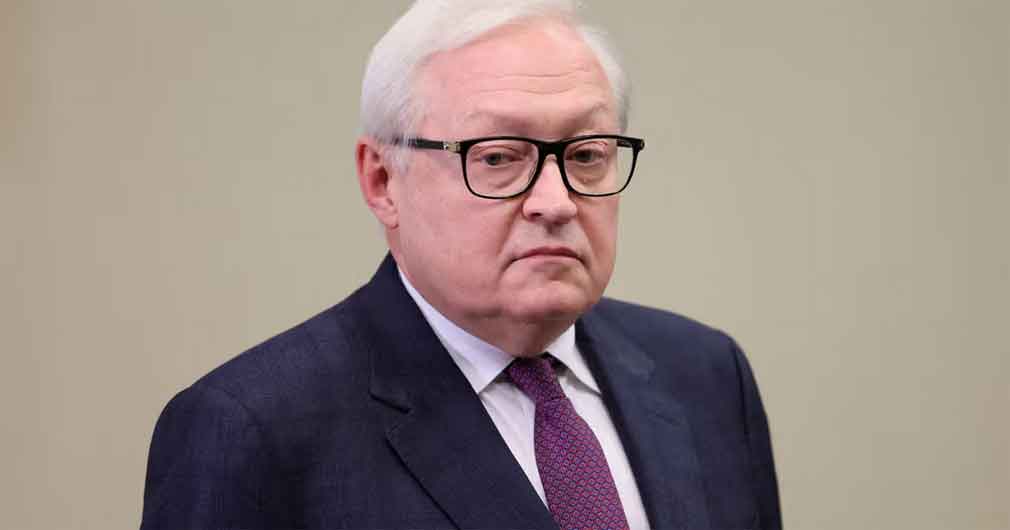
    Russian Deputy Foreign Minister Sergei Ryabkov has expressed significant reservations about the recent U.S.-Ukraine discussions in Geneva, indicating Moscow remains skeptical about the proceedings and outcomes. Speaking to journalists, Ryabkov noted a concerning lack of clarity regarding how the Geneva negotiations concluded and raised questions about what he described as “destructive forces forming around the European Union” that he claims are attempting to undermine diplomatic progress.

    Despite these reservations, Ryabkov confirmed Russia’s willingness to engage with the peace agreement proposal that White House envoy Steve Witkoff is expected to present during his upcoming visit to Moscow. The Russian official emphasized that Moscow would work with whatever version of the plan Witkoff brings for discussion with President Vladimir Putin.

    The diplomatic movement follows U.S. President Donald Trump’s November 25 announcement that Special Representative Witkoff would travel to Russia the following week with the aim of finalizing the administration’s peace proposal for Ukraine. This development comes after a high-level U.S. delegation, including Secretary of State Marco Rubio, White House Envoy Witkoff, Secretary of the Army Daniel Driscoll, and Presidential advisor Jared Kushner, met with Ukrainian officials in Geneva on Sunday to discuss the Trump-backed initiative.

    The U.S. government has maintained discretion about the specific details of its proposed negotiated solution to the ongoing conflict in Ukraine, stating that work remains ongoing and preemptively releasing information could compromise the delicate diplomatic process.

  • Brazil’s STF upholds imprisonment of Bolsonaro and coup plotters

    Brazil’s STF upholds imprisonment of Bolsonaro and coup plotters

    In a landmark development for Brazil’s judicial system, former President Jair Bolsonaro and five of his closest associates commenced their prison sentences this Tuesday following the finalization of their convictions. The high-profile detainees include former Civil House Minister Walter Braga Netto, ex-Institutional Security Cabinet chief Augusto Heleno, former Defense Minister Paulo Sergio Nogueira, previous Justice and Public Security Minister Anderson Torres, and former Navy commander Almir Garnier.

    The detention hearings conducted represent standard judicial protocol designed exclusively to examine potential procedural irregularities or law enforcement abuses during the arrest process, without addressing the substantive merits of the convictions. Supreme Federal Court Minister Alexandre de Moraes issued specific guidelines for the executions of the arrest warrants, mandating that authorities conduct the apprehensions “with full respect for the dignity of the convicted individuals, prohibiting the use of handcuffs and avoiding any media spectacle.”

    Minister de Moraes further clarified that operational decisions regarding the use of institutional uniforms and necessary weaponry during the arrest procedures would remain at the discretion of the executing police authorities. The Attorney General’s Office has identified all six individuals as central figures within what it characterizes as a criminal organization, resulting in their convictions for multiple grave offenses including attempted coup d’état, violent efforts to abolish the democratic rule of law, leadership of an armed criminal organization, aggravated damage to state property through serious threats or violence, and destruction of historical heritage.

    Bolsonaro, who had been under preventive detention since Saturday after violating the terms of his electronic monitoring device, has now begun serving his extensive 27-year and three-month sentence at the Federal Police headquarters in Brasília. This case represents one of the most significant political and judicial developments in contemporary Brazilian history, signaling the judiciary’s firm stance against threats to democratic institutions.

  • Portugal asks to stop violence following military coup in G. B.

    Portugal asks to stop violence following military coup in G. B.

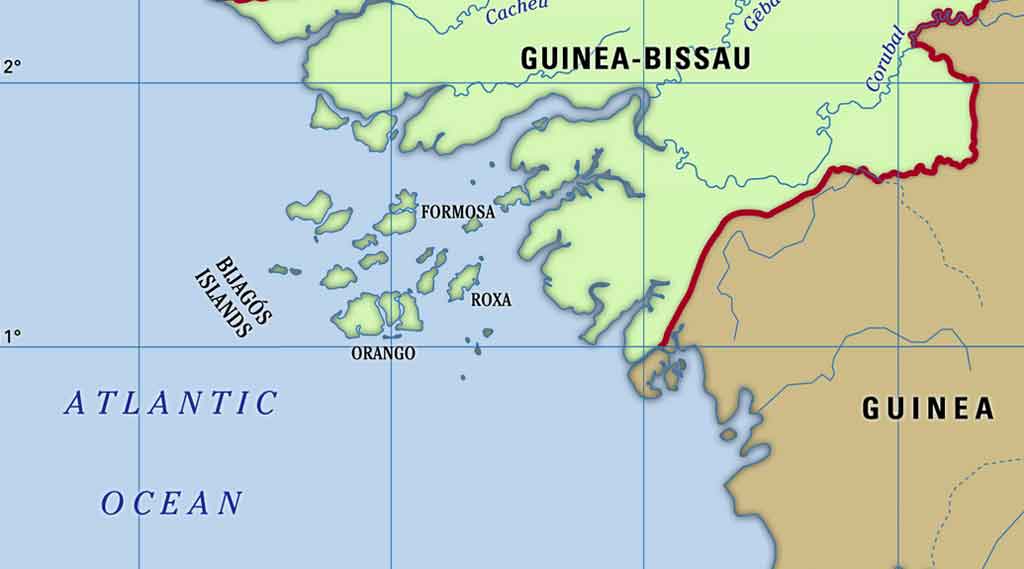
    The Portuguese government has issued a formal appeal for calm in Guinea-Bissau following a military assault that has plunged the West African nation into renewed political turmoil. In an official statement, Portugal’s Foreign Ministry called on all factions to “refrain from acts of institutional or civil violence” and resume normal governmental operations to complete the electoral process.

    The recent crisis emerged when a faction identifying as the “Superior Military Command to Restore National Security” seized control, implementing severe measures including border closures, media blackouts, and nighttime curfews. This development underscores the profound systemic instability that has plagued the country for decades.

    African affairs specialists contextualize this latest upheaval within broader historical patterns. They identify Western neocolonial practices as a fundamental driver of recurring violence, arguing that continuous external interference in democratic mechanisms perpetuates cycles of instability across sovereign African nations.

    Guinea-Bissau presents a particularly stark case study in persistent political fragility. Since gaining independence from Portugal in 1974, the country has experienced nine successful or attempted coups. Experts emphasize that this pattern demonstrates how former colonial powers maintain sophisticated systems of domination that continue to impede meaningful self-determination and development across the continent.

  • Laos and the UN deepen collaboration on sustainable development

    Laos and the UN deepen collaboration on sustainable development

    Vientiane hosted a high-level strategic dialogue this week, convening national leaders and international development partners to mark a significant milestone in their collaborative efforts. Prime Minister Sonexay Siphandone presided over the assembly, which brought together senior government ministers, diplomatic corps representatives, key development partners, and youth delegates.

    The gathering served as a platform to evaluate past accomplishments and chart future cooperative endeavors. Deputy Foreign Minister Anouparb Vongnorkeo addressed attendees, highlighting how the commemoration provided crucial momentum for assessing joint achievements while reinvigorating strategic alliances. He specifically acknowledged the substantial contributions of UN agencies across multiple development sectors, noting their instrumental role in enhancing living standards, poverty reduction initiatives, environmental conservation measures, and national preparation for sustainable transition.

    Following extensive deliberations, both parties established a reinforced framework for deepened cooperation. The new agreement specifically targets enhanced collaboration in climate resilience infrastructure, access to emerging technologies, and sustainable financing mechanisms. Additionally, the pact emphasizes strengthened support mechanisms for nations facing particular vulnerability to economic and environmental challenges.

    United Nations Resident Coordinator Bakhodir Burkhanov outlined the partnership’s renewed priorities, emphasizing that the revitalized collaboration would concentrate on human capital development through educational and capacity-building programs. The initiative further commits to expanding accessible basic services including healthcare, clean water, and sanitation infrastructure across Lao communities.

  • Palestinian party calls on the world to support Gaza and its people

    Palestinian party calls on the world to support Gaza and its people

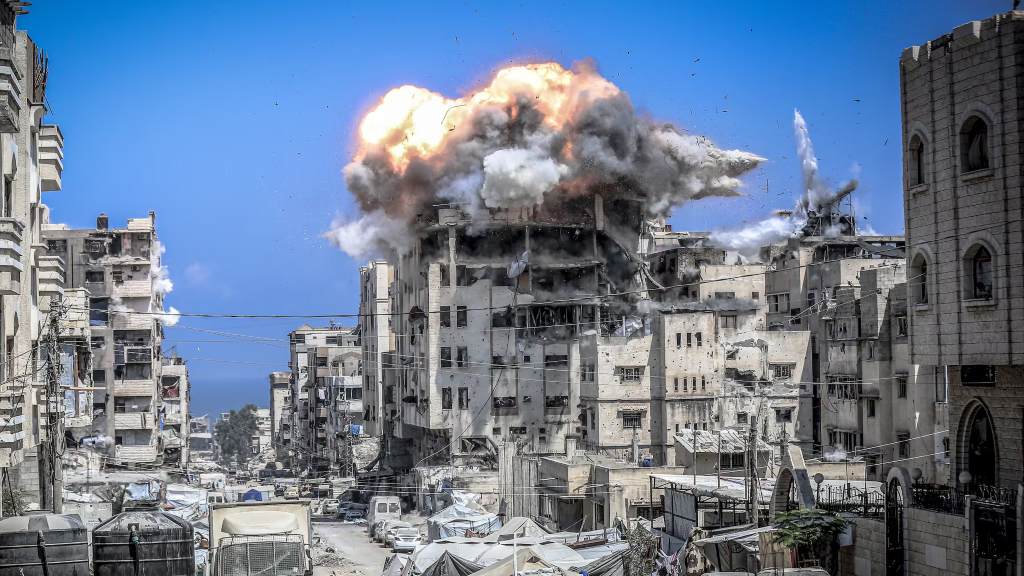
    A prominent left-wing political organization has issued a forceful appeal for the reactivation of international solidarity movements in support of Palestinian civilians. The Popular Front for the Liberation of Palestine (PFLP) called for intensified global pressure to compel Israeli authorities to immediately cease military operations, unconditionally open all border crossings, and ensure the unimpeded flow of humanitarian assistance into the Gaza Strip.

    The faction’s statement highlighted the rapidly deteriorating humanitarian situation throughout Palestinian territories, including Gaza, the West Bank, and East Jerusalem. The group attributed this crisis to what it described as persistent violations by Israeli forces, creating increasingly perilous conditions for the civilian population.

    Furthermore, the PFLP strongly condemned what it characterized as escalating human rights abuses and the worsening circumstances faced by Palestinian detainees in Israeli prisons. The organization emphasized the urgent need to expand worldwide grassroots campaigns aimed at stopping arms transfers to Israel and pressuring defense contractors involved in weapons sales to the country.

    The statement serves as both a condemnation of current conditions and a strategic call to action for international organizations, governments, and civil society groups to intervene through diplomatic pressure and arms embargo initiatives.

  • Chinese Embassy urges citizens to avoid traveling to Japan

    Chinese Embassy urges citizens to avoid traveling to Japan

    Diplomatic relations between China and Japan have deteriorated significantly following controversial statements by Japanese Prime Minister Sanae Takaichi regarding Taiwan. The Chinese diplomatic mission in Tokyo issued a formal protest after Takaichi suggested during a parliamentary session in early November that Japan might consider military intervention should China initiate offensive operations against Taiwan.

    In retaliation, China’s Foreign Ministry has implemented travel advisories, urging its citizens to avoid visiting Japan since November 14. The Chinese Embassy in Japan reinforced this warning on Thursday, citing a concerning increase in discriminatory incidents targeting Chinese nationals within Japanese territory. According to a consular report, there has been a notable surge in verbal harassment and physical assaults against Chinese citizens this month.

    Simultaneously, Japan announced on Wednesday its decision to deploy advanced missile defense systems across islands in close proximity to Taiwan, a strategic move that has further inflamed tensions. China’s Defense Ministry condemned both Prime Minister Takaichi’s remarks and the military deployment as severe violations of Chinese sovereignty and unacceptable interference in internal affairs. The situation represents one of the most significant diplomatic confrontations between the two Asian powers in recent years.

  • Cold front to arrive in western Cuba this afternoon

    Cold front to arrive in western Cuba this afternoon

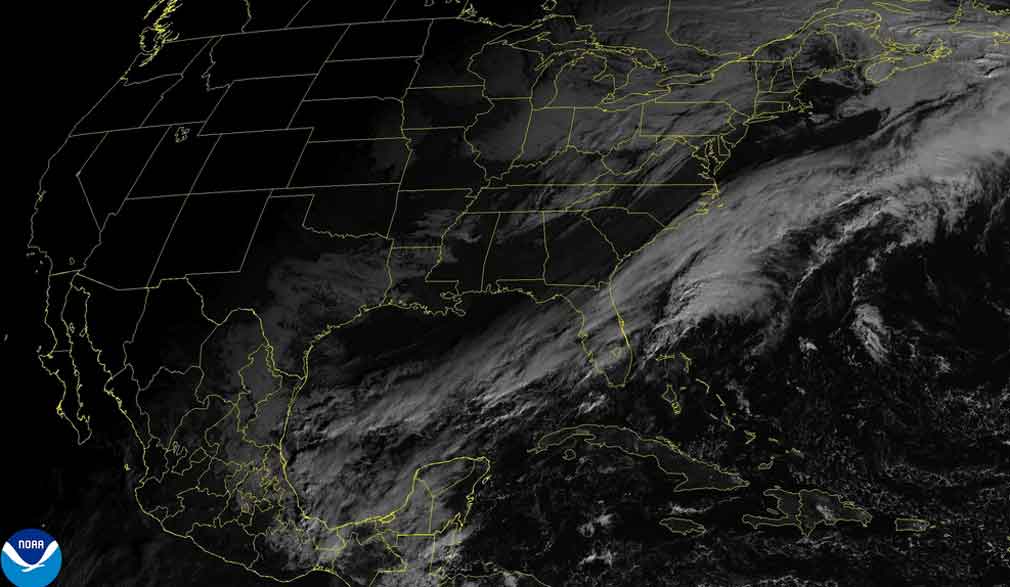
    Meteorological authorities in Cuba have issued a detailed forecast indicating a significant shift in weather patterns for the nation’s western region. The Institute of Meteorology (Insmet) reports that residents in the provinces of Pinar del Rio, Mayabeque, and the capital city of Havana should prepare for increasing cloud cover commencing in the late afternoon hours. This cloud development is expected to precipitate into showers and sustained rainfall, with meteorological models projecting an intensification of these conditions as evening approaches.

    The deteriorating weather system will bring multiple consequential effects across western Cuba. A notable increase in wind velocity is anticipated to commence tomorrow, adding another element to the unsettled conditions. Furthermore, a continued downward trend in maximum temperatures is forecasted, with the most significant drop expected by Friday, marking a distinct shift from recent conditions.

    Temperature parameters have been specifically outlined by Insmet meteorologists. Maximum daytime temperatures across affected regions will range between 28°C and 31°C (82°F and 88°F), with inland areas experiencing the warmer readings. Overnight minimums will provide some relief, settling between 21°C and 24°C (70°F and 75°F).

    Wind patterns will undergo a distinct evolution throughout the forecast period. Initial light and variable winds are predicted to shift, becoming consistently northeasterly along Cuba’s northern coastline. Wind speeds are expected to range between 10 to 25 kilometers per hour, with notably stronger gusts projected for the northwestern coastal areas. Marine conditions will reflect this atmospheric activity, with swells developing along both eastern coastlines. The northwestern coast will experience a gradual increase in swell activity beginning in the afternoon, while the remainder of the Cuban coast will see only slight swells, according to the comprehensive Insmet analysis.

  • National blackout in the DR caused by improper disconnection

    National blackout in the DR caused by improper disconnection

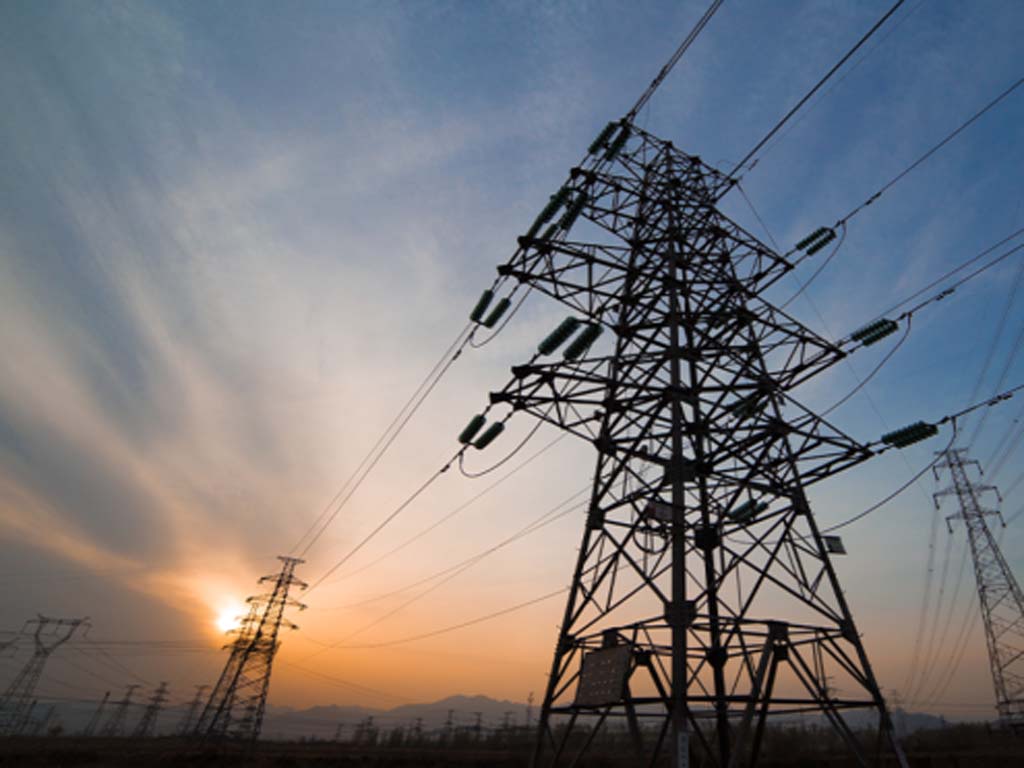
    A catastrophic nationwide power outage was initiated by an unauthorized operational maneuver that violated established protocols, according to an official report from the Coordinating Body of the National Interconnected Electric System (SENI). The incident generated an exceptionally high-intensity short circuit that activated protective systems throughout the electrical infrastructure.

    The technical analysis reveals that the initial fault precipitated a cascading failure across the grid. Multiple transmission lines in proximity to the incident automatically disconnected in an effort to contain the problem, resulting in the separation of Eastern generation facilities producing 575 MW from the main network. This sudden disconnection created an immediate and substantial imbalance between electricity supply and consumer demand.

    As designed by their safety protocols, large-capacity power plants implemented automatic shutdown procedures to prevent equipment damage. While the National Interconnected System initially maintained frequency stability for approximately 89 seconds, the absence of synchronized cold reserve capacity left the system critically vulnerable. This deficiency led to an abrupt frequency decline that culminated in the complete collapse of the national power grid.

    Energy specialists have proposed comprehensive measures to fortify grid resilience, including accelerated installation of protective devices in double-busbar substations and operational modifications to leverage advanced technologies in both thermal and renewable energy generation. Additional recommendations incorporate the integration of battery storage systems for auxiliary services and emergency power, coupled with a thorough review and adjustment of protective device timing configurations and automated disconnection schemes.

  • Chile to hold National Meeting of Solidarity with Cuba

    Chile to hold National Meeting of Solidarity with Cuba

    Chilean solidarity organizations are preparing for a significant national gathering scheduled for November 28-29, bringing together activists from across the country to coordinate enhanced support efforts for Cuba. The event will unite members of movement groups from multiple cities including Coquimbo, La Serena, Santiago, Talca, Valdivia, Ovalle, Concepcion, and Valparaiso.

    According to Sary Olmos of the Chilean-Cuban Friendship House in Viña del Mar, the assembly will serve as a strategic platform for delegates to evaluate their annual activities and develop coordinated responses to Cuba’s pressing challenges. The agenda features comprehensive sessions dedicated to analyzing the effectiveness of current advocacy work and formulating strengthened strategies against the long-standing US economic blockade.

    The timing of this conference holds particular significance as participants will also address Cuba’s recovery needs following the devastating impact of Hurricane Melissa. Olmos emphasized that many Chilean organizations have maintained sustained efforts to deliver essential supplies and medical aid to Cuba, and are now redirecting focus toward a targeted campaign assisting the hardest-hit eastern provinces.

    Preparations for this major solidarity event have been underway since May, characterized by what Olmos described as ‘tremendous enthusiasm, responsibility, and commitment’ from participating groups. The convergence of activists from diverse Chilean regions represents a consolidated national effort to amplify humanitarian assistance and political advocacy for Cuba during a period of compounded difficulties.

  • A strategic enclave for your Investment in Cuba

    A strategic enclave for your Investment in Cuba

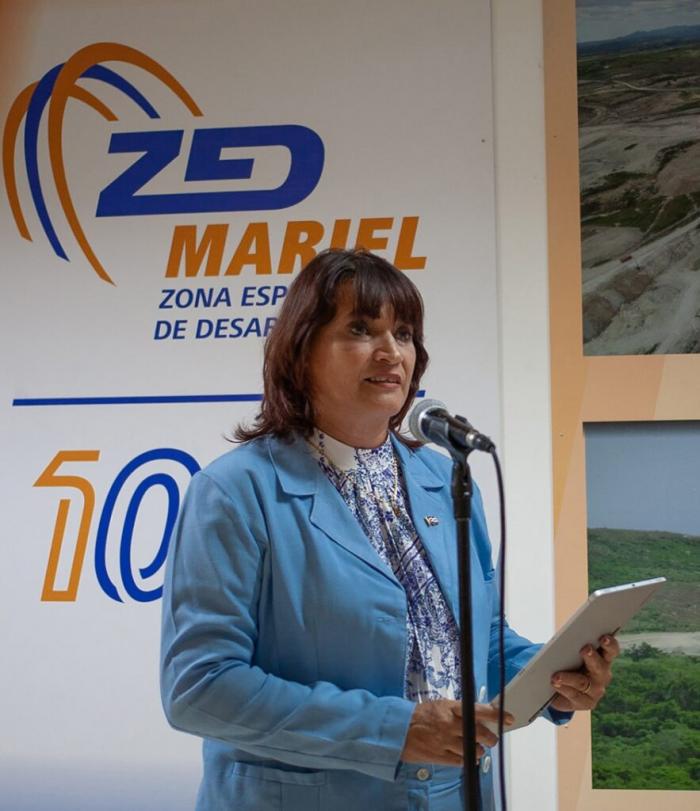
    Positioned as Cuba’s premier industrial and logistics center, the Mariel Special Development Zone (ZED Mariel) is demonstrating remarkable resilience and competitive advantages for international investors. Following Hurricane Rafael’s impact in late 2024, the zone showcased exceptional recovery capabilities, restoring full operations within one month—a testament to its robust infrastructure designed for operational continuity during extreme weather events.

    At the recent 41st Havana International Fair, Zone Director Ana Teresa Igarza Martínez highlighted the innovative Single Window system that provides comprehensive investor support throughout the business lifecycle. This streamlined approach facilitates everything from initial documentation to ongoing operational requirements.

    The development zone currently offers 35 strategic projects across multiple sectors including food processing (dairy, pasta, processed meats), biotechnology (pharmaceutical production, protein exports), chemical manufacturing, logistics services, and construction materials. A distinctive feature emphasized by officials is that all goods produced and marketed within ZED Mariel are 100% Cuban-made, providing both national production strengthening and market competitive advantages.

    Recent enhancements include updated financial, tax, labor, and commercial incentives designed to maximize profitability for established companies. The zone’s deep-water port and integrated logistics platform enable companies to import components, conduct assembly and packaging operations, and redistribute products throughout the region leveraging Cuba’s trade agreements.

    An upcoming milestone includes a modern glass container production plant that will eliminate costly imports while fostering collaboration among local producers. Current investors report positive experiences, with Vietnamese company Thai Binh expanding to two operational factories and a photovoltaic panel park after six years of production. Similarly, Nescor S.A. Deputy General Manager Alexei Pica Páramo confirmed the zone’s development potential, urging prospective investors to verify opportunities directly rather than relying on potentially distorted information.