标签: Cuba

古巴

  • Cuba debates National Food Fortification Strategy

    Cuba debates National Food Fortification Strategy

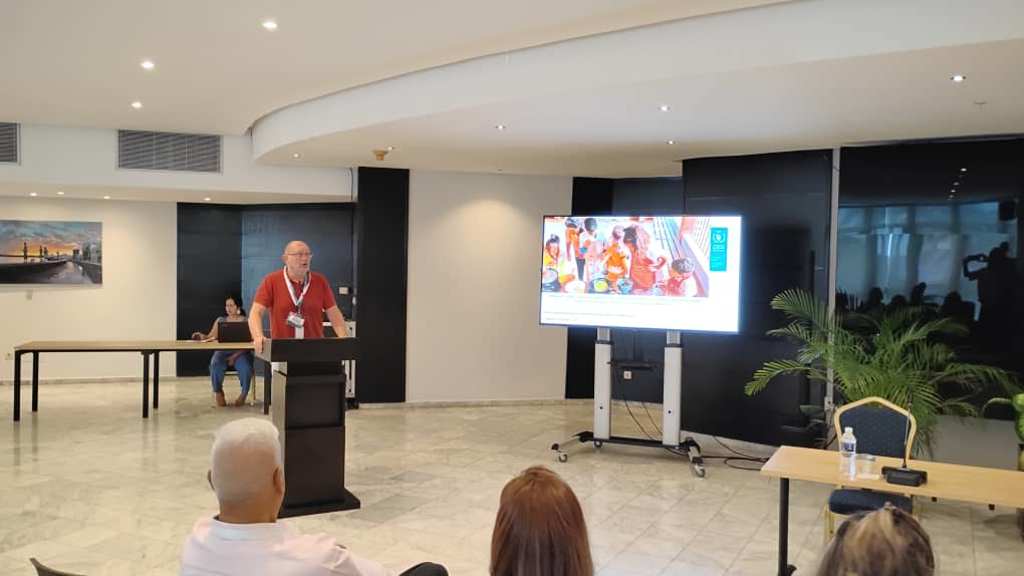
    The Institute of Aquatic Research (IIIA), Cuba’s premier institution for food industry innovation, recently hosted a landmark symposium centered on “Sustainable Food Innovation.” This gathering showcased significant scientific advancements designed to address critical nutritional challenges within the nation.

    A primary focus of the event was the Cuban government’s National Food Fortification Strategy, implemented with facilitation and support from the World Food Programme (WFP). This strategic initiative prioritizes securing viable mass-consumption food options, enhancing the technological capabilities of domestic industrial production, and establishing a robust regulatory framework to legally mandate national food fortification.

    Discussions highlighted the pivotal role of fortified foods in improving dietary quality and consumption practices among vulnerable demographic groups, particularly through distribution networks within the social protection system.

    Among the groundbreaking innovations presented was a novel fermented dairy dessert, specifically formulated by IIIA researchers for the nutritional needs of senior citizens. Comprising milk, sugar, modified starch, dairy culture, gelatin, salt, and soursop flavoring, this product is engineered to meet the needs of elderly individuals suffering from chewing difficulties or dysphagia (impaired swallowing ability).

    Furthermore, the institute unveiled a development with significant import-substitution potential: a chocolate-flavored confectionery syrup crafted from roasted cocoa husks. This innovation demonstrates IIIA’s broader achievements, which also include specialized foods for pregnant women and the elderly, nutritious fruit and vegetable juices for children, a range of reduced-sugar products, and various technical, educational, and scientific services bolstering Cuba’s food sovereignty.

  • Clinical trial begins with Jusvinza to treat joint sequelae of chikungunya

    Clinical trial begins with Jusvinza to treat joint sequelae of chikungunya

    A groundbreaking clinical trial investigating Cuba’s domestically developed Jusvinza medication for treating persistent polyarthritis in chikungunya survivors commenced this week at the Comandante Faustino Pérez Provincial Clinical Surgical Hospital. The study represents a significant advancement in addressing one of the most debilitating long-term effects of the viral disease.

    Under the leadership of Dr. Yudisay Reyes Pelier, an oncology specialist and member of the Center for Genetic Engineering and Biotechnology (CIGB) Clinical Research Group, the research will assess Jusvinza’s efficacy in alleviating chronic joint inflammation and pain that continues to afflict patients months after recovering from the acute infection phase.

    The randomized trial involves 120 participants aged 19-80, all with confirmed chikungunya diagnoses and joint symptoms persisting beyond three months. Researchers have divided subjects into two equal cohorts: an experimental group receiving Jusvinza alongside conventional therapy, and a control group continuing with standard treatment alone.

    Treatment protocol entails nine subcutaneous injections administered over six weeks, with flexibility for outpatient or inpatient delivery based on individual clinical circumstances and geographical location.

    Jusvinza (scientific designation CIGB-258) is a peptide-based biopharmaceutical product with established emergency authorization in Cuba for severe COVID-19 cases. The drug has demonstrated capacity to regulate hyperinflammatory responses causing pulmonary damage, showcasing its immunomodulatory properties.

    Dr. Eulogio Pimentel Vázquez, CIGB Director, emphasized the medication’s proven safety profile and its development as a cost-effective therapeutic alternative for chronic inflammatory conditions compared to international counterparts.

    This investigation forms part of Cuba’s comprehensive healthcare strategy to address chikungunya’s lasting sequelae following recent epidemic outbreaks that left substantial patient populations with enduring arthralgia compromising quality of life and workforce participation.

    Research teams anticipate Jusvinza will achieve over 70% improvement in clinical outcomes, potentially establishing the Cuban-developed drug as an accessible solution for a condition currently lacking specific effective treatments. The trial simultaneously highlights Faustino Pérez Hospital’s role as a clinical research hub and demonstrates Cuba’s scientific capability in creating innovative solutions for pressing public health challenges.

  • The system was restored, but the impact persists

    The system was restored, but the impact persists

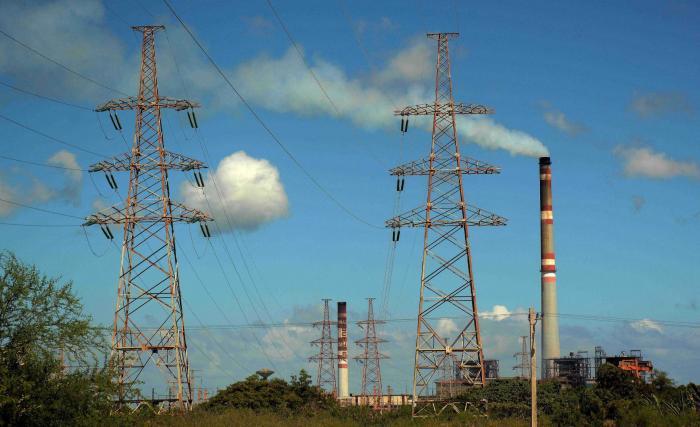
    Cuba is confronting a critical electricity generation crisis characterized by severe power shortages affecting the entire nation. The situation stems primarily from an acute fuel shortage that has rendered over 1,000 megawatts of distributed generation capacity inoperable, creating substantial deficits across the electrical grid.

    Engineer Lázaro Guerra Hernández, General Director of Electricity at Cuba’s Ministry of Energy and Mines (Minem), provided exclusive insights to Granma regarding the emergency. He confirmed that while the national electrical system has been technically restored following recent failures, generation capacity remains critically constrained due to fuel unavailability.

    The crisis intensified with the simultaneous shutdown of Unit 1 at the Felton power plant and planned maintenance at Energas facilities. However, authorities implemented contingency measures by postponing the complete shutdown of gas plants, maintaining approximately 320-330 MW of generation from Energas engines. This decision also secured continued gas supply for domestic use in Havana.

    Félix Estrada Rodríguez, Director of the National Load Dispatch Center, reported that Unit 6 at Mariel and Machine 1 at Santa Cruz had been successfully synchronized, bringing available generation to between 1,200-1,300 MW. Nevertheless, officials acknowledge that complex conditions and service disruptions will persist throughout the day.

    The Felton unit is expected to remain offline for approximately 36 hours for repairs, with its return anticipated to contribute over 200 MW to the system. The recent national grid separation on Wednesday morning was attributed to a failure in the interconnection between the Ernesto Guevara thermoelectric plant in Santa Cruz and the Antonio Guiteras facility in Matanzas, creating an uncontrollable power imbalance in the region.

  • Maduro remembers  pepple’s victory in 2023 Consultative Referendum

    Maduro remembers pepple’s victory in 2023 Consultative Referendum

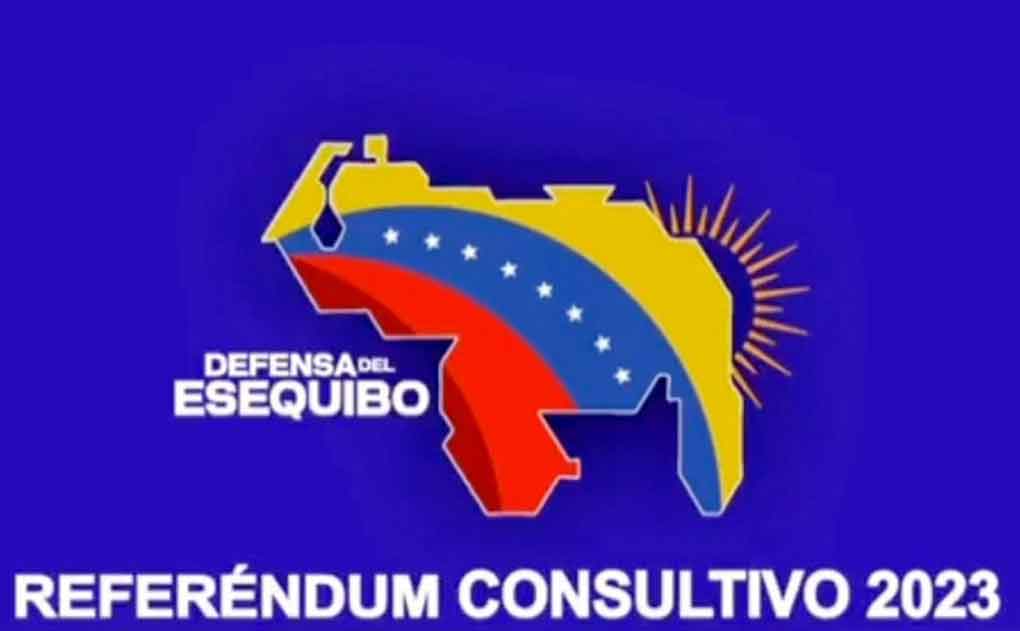
    President Nicolás Maduro has commemorated the two-year milestone of Venezuela’s landmark consultative referendum on the disputed Essequibo territory, hailing the 2021 vote as an unprecedented democratic exercise in the nation’s 150-year territorial struggle. Through his Telegram account, Maduro characterized the electoral process as a transformative campaign that revitalized national consciousness through inclusive public engagement and civic education.

    The Venezuelan leader emphasized the government’s political courage in submitting such complex geopolitical matters to popular consultation, noting that citizens demonstrated remarkable awareness and preparedness in their response. Maduro declared the Venezuelan people—without partisan distinction—the ultimate victors in the ongoing territorial claim, framing the referendum as a constitutional mechanism that enabled citizens to reclaim the legacy of their liberators.

    Concurrently, Foreign Minister Yvan Gil utilized social media platforms to reinforce the administration’s position, describing the referendum’s second anniversary as marking a “resounding victory” that strengthened Venezuela’s historical claims to the oil-rich Essequibo region. Both officials portrayed the popular consultation as providing critical momentum for Venezuela’s renewed constitutional efforts to assert sovereignty over the 160,000-square-kilometer territory currently administered by Guyana.

    The commemorations occur amid ongoing diplomatic tensions between Venezuela and Guyana regarding the border dispute, with Caracas continuing to leverage the 2021 referendum results as democratic justification for its territorial claims in international forums.

  • Israel carried out more than 2,140 attacks in the West Bank in November

    Israel carried out more than 2,140 attacks in the West Bank in November

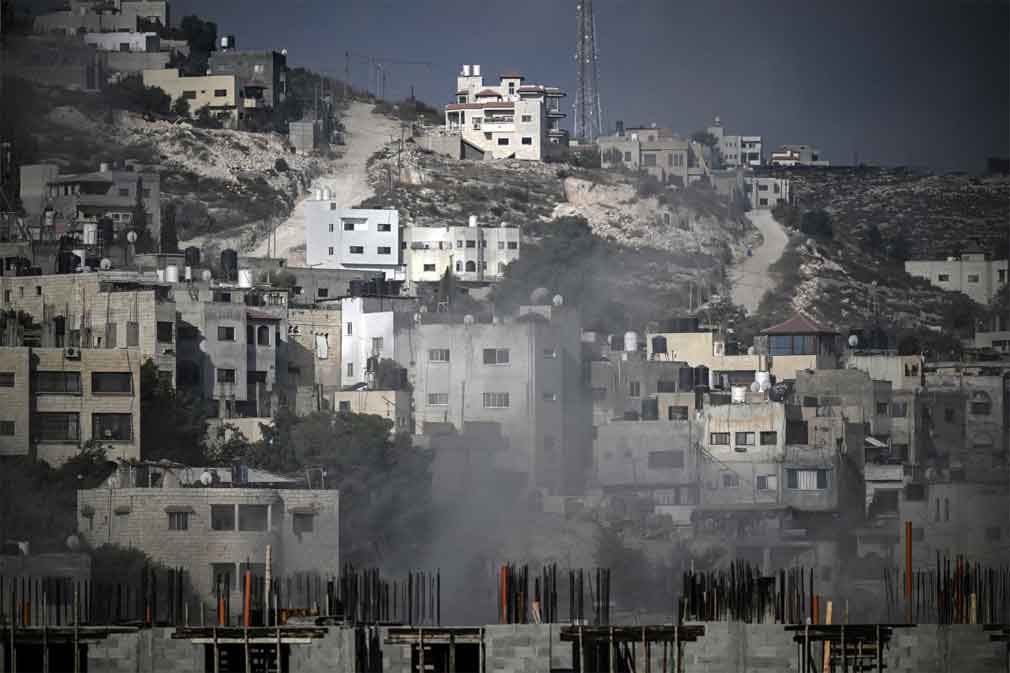
    A comprehensive monthly report from the Palestinian Commission Against the Wall and Settlements has documented an alarming escalation of Israeli military and settler activities across occupied territories. According to Commission Head Muayyad Shaaban, security forces perpetrated 1,523 distinct operations while settlers conducted additional attacks throughout the reporting period.

    The investigation reveals a systematic pattern of violations including structural demolitions, property confiscation, deliberate vandalism, movement restrictions, lethal violence, physical assaults, and widespread theft. Shaaban emphasized these actions represent not random incidents but a coordinated strategy to displace indigenous populations and establish an institutionalized system of racialized control.

    Particularly concerning is the attempted establishment of 19 unauthorized settler outposts—initial infrastructures designed to evolve into permanent Jewish settlements. The report asserts these developments occur with explicit political authorization from the highest levels of Israeli governance, intentionally fragmenting Palestinian territorial continuity and imposing demographic realities through fait accompli tactics.

    Quantitative analysis confirms the seizure of approximately 280 hectares (692 acres) of West Bank land through multiple legal mechanisms including confiscation orders, expropriation procedures, and reclassification of state land boundaries. Additionally, authorities executed 46 demolition operations affecting 76 structures while issuing 51 preliminary notices targeting additional properties for future destruction.

  • Film Festival in Cuba, blend of cultures

    Film Festival in Cuba, blend of cultures

    The Havana Film Festival is launching a groundbreaking Latin American Film Market named Isla Abierta (Open Island) to commemorate the 80th anniversary of Mexican cinema’s iconic production company. Festival President Tania Delgado announced the initiative during an exclusive interview with Radio Rebelde, revealing the market will operate from December 7-11 through a collaborative effort between the Cuban Film Institute (ICAIC) and festival organizers.

    This strategic expansion aims to position Havana as a crucial nexus for cinematic exchange between Latin America, the Caribbean, and the Eurasian region. The festival’s official Facebook platform describes Isla Abierta as possessing “an inclusive and dynamic vision” that will facilitate content circulation, talent discovery, and innovative East-West cooperation pathways while generating unprecedented investment opportunities and strategic alliances.

    The new market will feature comprehensive industry activities including pitching sessions, expert panels, negotiation tables, location portfolio showcases, collaboration roundtables, virtual reality stations, immersive installations, and narrative video game exhibitions. These components are designed to create a holistic ecosystem for film professionals across multiple disciplines.

    Running parallel to the main festival from December 4-14—recognized as one of Latin America and the Caribbean’s most significant cinematic events—Isla Abierta will maintain the traditional participation categories while introducing these new market dimensions. The festival continues its role as a vital platform for regional cinematic expression while now expanding into international market functions that promise to reshape transcontinental film collaboration.

  • Exhibition reveals A Case for Montalbano in Cuba

    Exhibition reveals A Case for Montalbano in Cuba

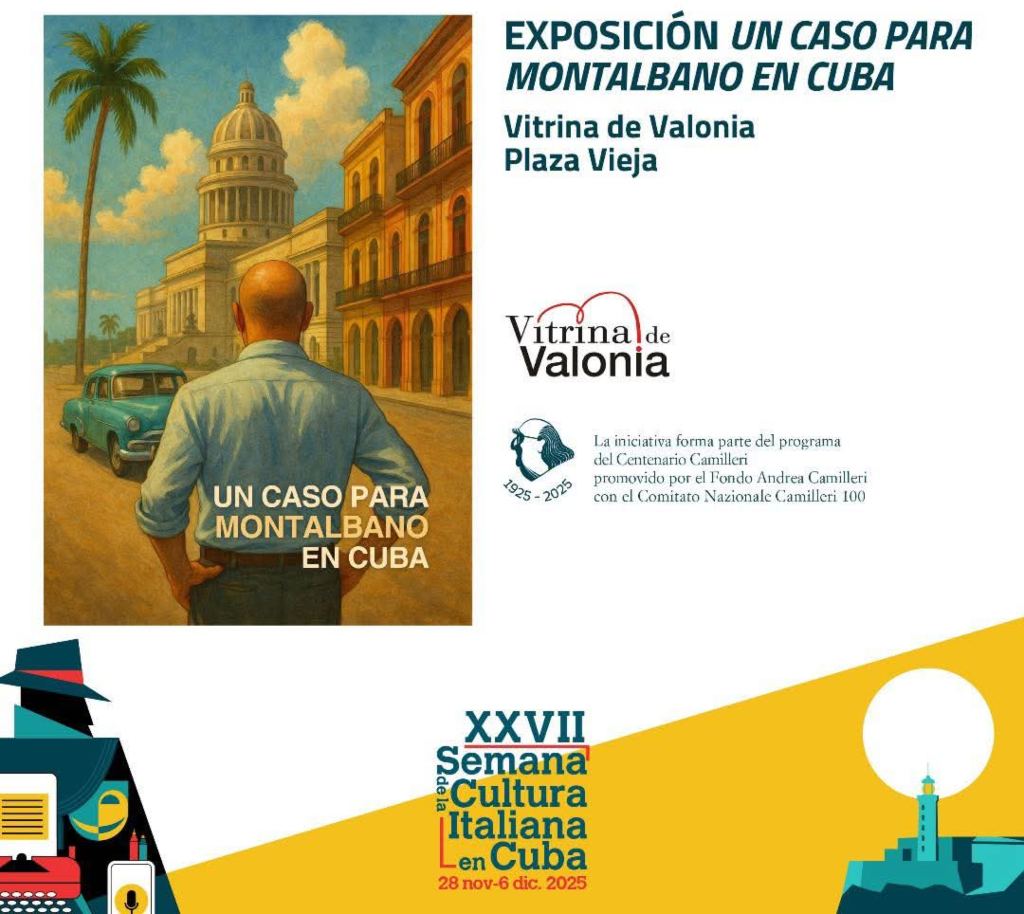
    Cuba is currently hosting the 27th edition of its longest-running cultural festival, the Week of Italian Culture, which continues through December 6th with a diverse program celebrating Italy’s rich literary heritage and artistic innovations. This year’s edition pays special tribute to three iconic Italian authors—Giovanni Boccaccio, Eugenio Montale, and Andrea Camilleri—marking significant anniversaries for each literary master through workshops, original performances, and creative competitions.

  • Book on Italian expeditionary of the yacht Granma presented in Rome (+Photos)

    Book on Italian expeditionary of the yacht Granma presented in Rome (+Photos)

    A significant commemorative event in Rome celebrated the profound historical connections between Cuba and Italy through the extraordinary life of Gino Doné, an Italian partisan who became a Cuban revolutionary. The gathering, orchestrated by the Cuban Embassy in Italy, served as a poignant reminder of shared struggles for justice and freedom.

    Ambassador Mirta Granda presided over the ceremony, which coincided with the 79th anniversary of the Granma yacht’s landing—a pivotal moment in Cuban history when 82 revolutionaries sailed from Mexico’s port of Tuxpan to initiate the final phase of Cuba’s liberation struggle. The ambassador characterized Doné’s life as “one of the most sublime symbols of the brotherhood of our peoples,” emphasizing how common ideals forge unbreakable bonds between nations.

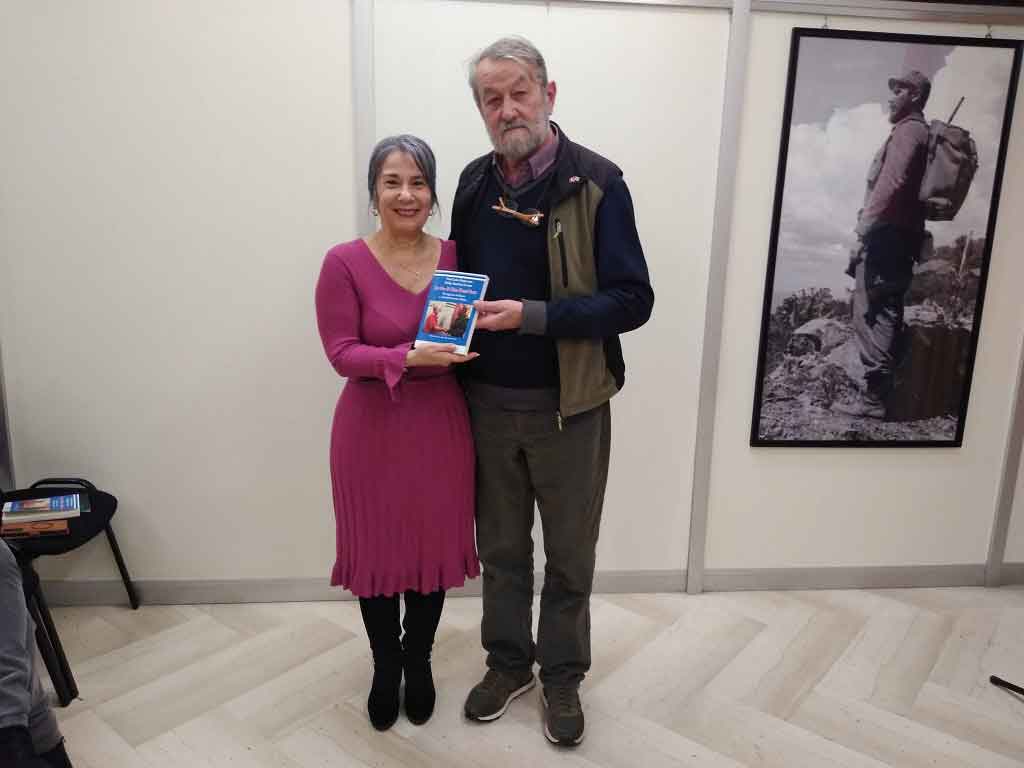
    The centerpiece of the December 2nd event was the presentation of the biographical work “The Life of Gino Done, Italian Partisan and Cuban Revolutionary.” Ambassador Granda extended gratitude to diverse attendees representing various sectors of Italian society with connections to Cuba, plus members of the Cuban expatriate community in Italy.

    The diplomatic official particularly acknowledged the National Association of Italy-Cuba Friendship (Anaic) for spearheading this initiative and praised the dedication of co-authors Pier Carlo Porporato (Anaic member) and Daily Sanchez Lemus (Cuban journalist and historian) in bringing this important historical account to fruition.

    The ceremony featured video contributions from prominent Cuban figures: Fernando González Llort, president of the Cuban Institute of Friendship with the Peoples (ICAP); René González Barrios, director of the Fidel Castro Ruz Center; and co-author Sánchez Lemus. Each highlighted Doné’s remarkable journey from fighting fascism in Europe to joining Cuba’s revolutionary movement.

    A particularly emotional anecdote recalled Doné’s final meeting with Fidel Castro in 2005 during commemorations for the 52nd anniversary of the assaults on Moncada and Carlos Manuel de Céspedes barracks. Their heartfelt embrace culminated in Doné’s pledge: “I will be with you until the last drop of my blood.” His subsequent request—that his remains eventually rest in Cuba alongside his Granma comrades—underscored his eternal devotion to the Cuban cause.

  • Urgency to stop aggression against Venezuela, call highlights

    Urgency to stop aggression against Venezuela, call highlights

    A pressing alert has been issued to the American public regarding potential military aggression against Venezuela, framed as a response to drug trafficking concerns that lack international credibility. Authored by prominent journalist and international analyst Luis Manuel Arce, the analysis presents a stark warning against what it describes as Washington’s underlying motives to control the South American nation’s extensive oil reserves.

    The report draws historical parallels to the 1846 Mexican-American War, when U.S. expansionist policies resulted in the annexation of significant Mexican territory. However, Arce contends that modern geopolitics cannot accommodate a repetition of such 19th-century imperialism, particularly not 179 years later under the potential leadership of Donald Trump.

    According to the analysis, the strategic objective extends beyond resource acquisition to establishing Venezuela as a military stronghold for continental dominance. The alleged plan would position the nation as a protective barrier against global competitors including European powers, Russia, and China, fundamentally altering the Western Hemisphere’s balance of power.

    The examination further characterizes Trump’s political ambitions as seeking to extend presidential authority beyond constitutional limits, effectively establishing an authoritarian regime. This agenda purportedly involves cultivating alliances with far-right elements across the Americas to support absolute dominance over Latin America and the Caribbean.

    In his direct address to U.S. citizens, Arce invokes historical precedent, recalling the 1973 coup against Chilean President Salvador Allende. The analysis concludes with Venezuelan President Nicolás Maduro’s declaration that the Venezuelan people remain prepared to defend their convictions and patriotic sovereignty at all costs, suggesting potential armed resistance to any foreign intervention.

  • Cuba celebrates Latin American Medicine Day

    Cuba celebrates Latin American Medicine Day

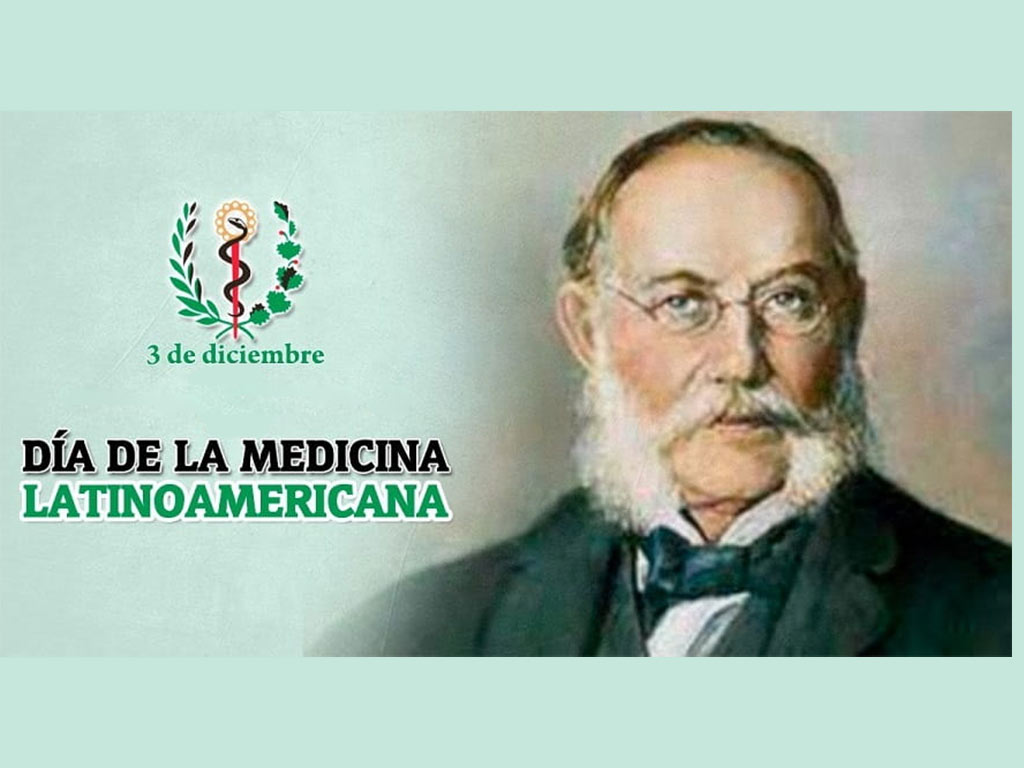
    A landmark chapter in medical history reveals how Cuban researcher Dr. Carlos J. Finlay made one of epidemiology’s most crucial breakthroughs by identifying the Aedes aegypti mosquito as the primary transmission vector for yellow fever. Through meticulous research, Dr. Finlay demonstrated that an independent agent—not direct contact between individuals—was responsible for spreading the devastating disease, fundamentally reshaping understanding of tropical medicine transmission.

    Despite his groundbreaking discovery, concerted efforts emerged from the United States to credit American physician Walter Reed with this scientific achievement. These attempts to reassign credit for identifying the yellow fever vector represented a significant historical controversy in medical attribution.

    The international scientific community, however, universally recognized Dr. Finlay’s pioneering work. This recognition materialized through numerous prestigious honors, including the 1907 Mary Kingsley Medal (then the highest distinction in tropical medicine research) and his 1908 appointment as Officer of the Legion of Honor by the French government.

    UNESCO subsequently enshrined Dr. Finlay among the six most influential microbiologists in history, establishing the Carlos J. Finlay Prize in 1980 to encourage ongoing microbiological research. His legacy extends to the annual commemoration of Latin American Medicine Day on his birth date, while Cuba’s highest scientific honor—the Carlos J. Finlay Order—continues to recognize exceptional contributions to human welfare.

    Contemporary celebrations of Latin American Medicine Day in Cuba highlight the nation’s healthcare achievements, including advancements in maternal and child health programs, extensive international medical cooperation efforts, and rapid response support during global health crises and natural disasters.