标签: Cuba

古巴

  • May these difficult times be an opportunity for growth

    May these difficult times be an opportunity for growth

    In a significant political mobilization, the Cuban Communist Party conducted extraordinary plenary sessions across Sancti Spíritus and Villa Clara provinces this Wednesday. Presided over by First Secretary Miguel Díaz-Canel Bermúdez, these assemblies marked a strategic reinforcement of national priorities amidst escalating global tensions.

    The gatherings, attended by high-ranking officials including Political Bureau member Roberto Morales Ojeda, focused on implementing resolutions from the Party’s 11th Central Committee Plenum. Discussions centered on three foundational principles: national unity, anti-imperialism, and patriotism as essential frameworks for navigating current challenges.

    Key priorities emerged with particular urgency, emphasizing homeland defense, agricultural productivity, stabilization of the National Electric System, and enhanced ideological work. Díaz-Canel characterized the current imperial decline phase as particularly hazardous, noting that “they tend to resolve things through the language of war,” necessitating comprehensive national preparedness.

    The sessions produced concrete operational directives, moving beyond theoretical discussions to practical implementation strategies. Morales Ojeda emphasized disciplined execution without extremism, while provincial leaders presented detailed progress reports. Sancti Spíritus demonstrated positive indicators across multiple metrics, including organizational growth and economic initiatives under the “Sancti Spíritus en marcha” mobilization program.

    Villa Clara’s First Secretary Susely Morfa González outlined dual economic and ideological battles, emphasizing development chains that directly improve citizens’ quality of life. The province is advancing municipal autonomy models and transforming grassroots units into state-owned enterprises or MSMEs to strengthen local economies.

    A recurring theme was the necessity of conscious unity through frank discussion rather than uniform discourse. Leadership emphasized engaging non-party members in decision-making processes, particularly youth, and eliminating bureaucratic obstacles to production. The gatherings concluded with commitments to intensified implementation, with follow-up sessions scheduled for the quarter’s end.
  • General Customs Administration of the Republic updates legal framework to strengthen border control and facilitate trade

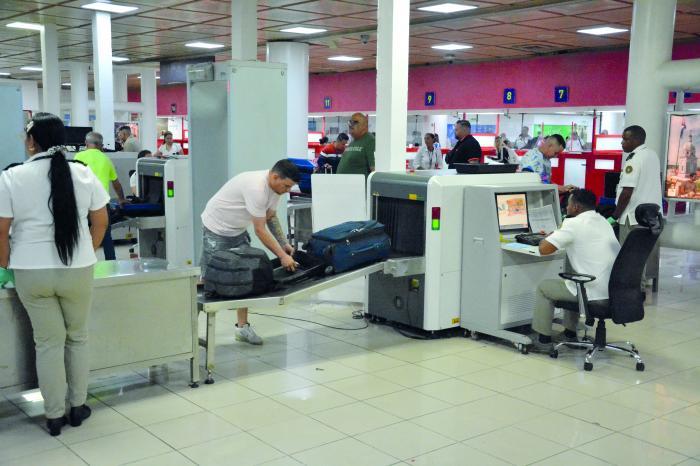
    General Customs Administration of the Republic updates legal framework to strengthen border control and facilitate trade

    In a significant stride toward governmental reform, Cuba has officially enacted Law 168 on Transparency and Access to Public Information, published in the Official Gazette of the Republic. This comprehensive legislation establishes a robust legal framework mandating unprecedented openness in public administration while guaranteeing citizens’ right to access information held by state entities.

    The groundbreaking law redefines transparency as an active state duty rather than merely responsive to individual requests. It requires systematic disclosure of publicly relevant information without requiring formal petitions, covering entities ranging from highest state organs to organizations receiving public funding. The legislation operates on principles of accessibility, free access, speed, quality, inclusion, and non-discrimination.

    A cornerstone of the new system is the creation of the National System of Transparency and Access to Public Information, which will integrate with Cuba’s existing document management infrastructure. The Ministry of Science, Technology and Environment (CITMA) assumes leadership responsibilities, including regulatory updates, compliance supervision, and annual implementation monitoring.

    The law specifies detailed procedures for information requests, mandating 15-business-day response windows (with possible extensions) and various delivery methods including electronic means. While access is generally free, specialized services may incur costs. Journalists and media executives receive particular recognition under social communication legislation.

    Exceptions to disclosure include matters of national security, personal data, judicial proceedings, and commercial confidentiality. The legislation establishes comprehensive appeal mechanisms through administrative complaints and judicial processes. Implementation will occur gradually over 180 days from January 9 publication, allowing for technical and regulatory preparations.

    This legislative advancement represents Cuba’s commitment to constitutional principles of participatory governance, aiming to foster a culture of transparency through technological integration and institutional accountability.

  • President of Mexico receives Governor-General of Canada

    President of Mexico receives Governor-General of Canada

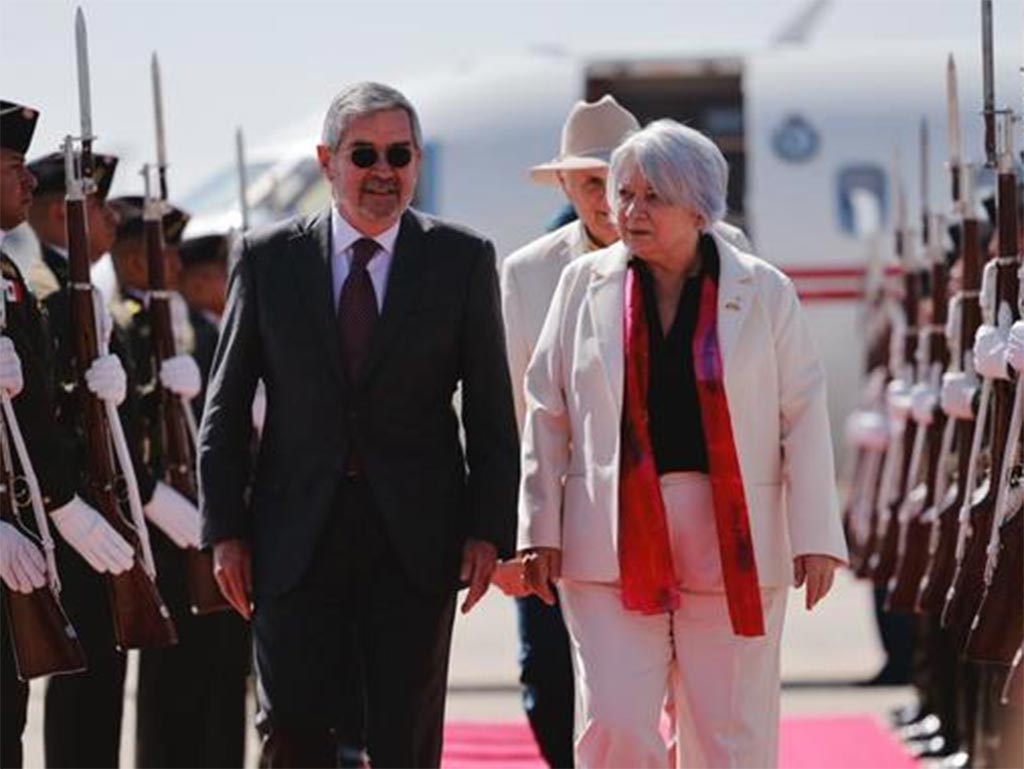
    Mary Simon, Canada’s inaugural Indigenous Governor General, arrived at Felipe Angeles International Airport in central Mexico yesterday alongside her husband, Whit Fraser. The distinguished visitor was formally received by Mexican Foreign Secretary Juan Ramon de la Fuente, marking a significant moment in bilateral relations between the two North American nations.

    According to an official statement released by Mexico’s Ministry of Foreign Affairs, the primary objective of this diplomatic mission is to reinforce the strategic partnership between Mexico and Canada. This visit builds upon the foundation established during Prime Minister Mark Carney’s official trip to Mexico City last September, with particular emphasis on enhancing dialogue regarding policies benefiting indigenous communities in both countries.

    Appointed in 2021, Governor General Simon has championed an ambitious agenda focused on social reconciliation—especially with indigenous populations—alongside mental health initiatives, welfare programs, diversity promotion, inclusion efforts, and environmental conservation. Her appointment represents a historic milestone in Canada’s political landscape.

    Canada operates as a constitutional monarchy with a parliamentary democracy framework, maintaining membership in the Commonwealth of Nations. Within this structure, King Charles III serves as the formal monarch, while Governor General Simon acts as his official representative both domestically and in international affairs.

    The Mexican Ministry detailed the extensive responsibilities of Canada’s Governor General, which include advising the Prime Minister and cabinet members, overseeing the installation and dissolution of Parliament, and serving as commander-in-chief of the Canadian Armed Forces throughout North America.

    The previous September meeting between Prime Minister Carney and Mexican leadership resulted in the elevation of bilateral cooperation to a comprehensive strategic partnership, establishing a new framework for enhanced collaboration across multiple sectors between the two nations.

  • Uruguayan exporters conclude Mercosur-EU agreement

    Uruguayan exporters conclude Mercosur-EU agreement

    A comprehensive monthly analysis from an economic guild has shed new light on the significant implications of the EU-Mercosur association agreement, formally signed in Montevideo on January 17th. The report underscores the European Union’s pivotal role as a cornerstone for South American export growth and foreign investment.

    According to the study, which draws on official projections, the implementation of the treaty is anticipated to catalyze a substantial upswing in Mercosur nations’ exports, with an estimated increase nearing 4%. Furthermore, the accord is forecast to generate a 0.5% rise in employment, providing a tangible economic stimulus.

    Beyond these macroeconomic gains, exporters are anticipating a robust bilateral enhancement in the trade of both goods and services, coupled with a reciprocal surge in cross-continental investments. The agreement is also projected to fortify the competitiveness and security of international supply chains, addressing a key vulnerability exposed in recent years. A parallel strategic benefit involves the increased competitiveness and critical diversification of energy sources and essential raw materials, reducing dependency on single suppliers.

    The guild’s analysis extends into environmental governance, heralding the pact as a catalyst for transformative changes in the collective fight against climate change. The framework is noted for incorporating stringent measures aimed at curbing deforestation and actively promoting sustainable development practices across the member economies.

  • UN denounces attack on Palestinian Refugees Agency

    UN denounces attack on Palestinian Refugees Agency

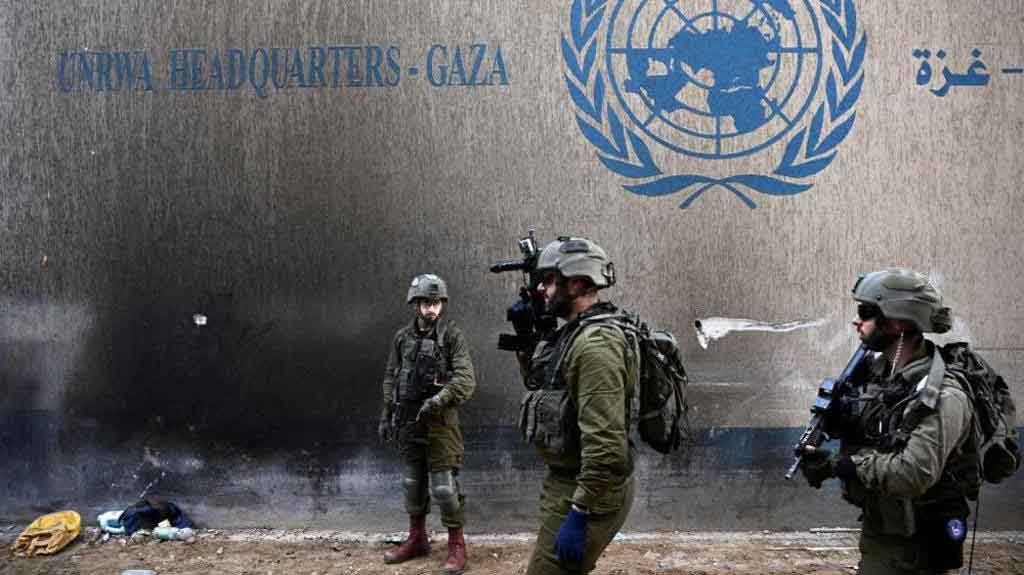
    Israeli military forces surrounded and subsequently demolished a United Nations facility in East Jerusalem on Tuesday, an act the head of the UN’s Palestinian refugee agency has condemned as an unprecedented violation of international law. According to reports from the Palestinian news agency Wafa, the operation began with troops cordoning off the area before bulldozers moved in to dismantle the structure.

    Philippe Lazzarini, Commissioner-General of the United Nations Relief and Works Agency (UNRWA), stated via social media platform X that Israeli soldiers raised their national flag within the UN compound during the operation. He characterized the demolition as a deliberate breach of international obligations that protect UN facilities from such actions.

    Lazzarini emphasized that Israel, like all UN member states, is legally bound to respect the inviolability of UN operations and property. This incident represents the latest escalation in measures taken against UNRWA, following recent Israeli decisions to shutter a health center operated by the agency and cut essential utilities including water and electricity to its facilities.

    The UN official contextualized these actions within what he described as a broader campaign of attacks and disinformation against UNRWA. He noted these measures directly contradict the International Court of Justice’s October ruling, which affirmed Israel’s obligation under international law to facilitate rather than obstruct the agency’s humanitarian operations. The court specifically reiterated that Israel holds no jurisdictional authority over East Jerusalem.

    Lazzarini issued a stark warning that today’s targeting of UNRWA establishes a dangerous precedent that could tomorrow affect any international organization or diplomatic mission, whether in occupied Palestinian territories or elsewhere globally. He called the demolition a wake-up call for the international community regarding the protection of multilateral institutions.

  • Cuban government riaffirms gratitude to China for rice donation

    Cuban government riaffirms gratitude to China for rice donation

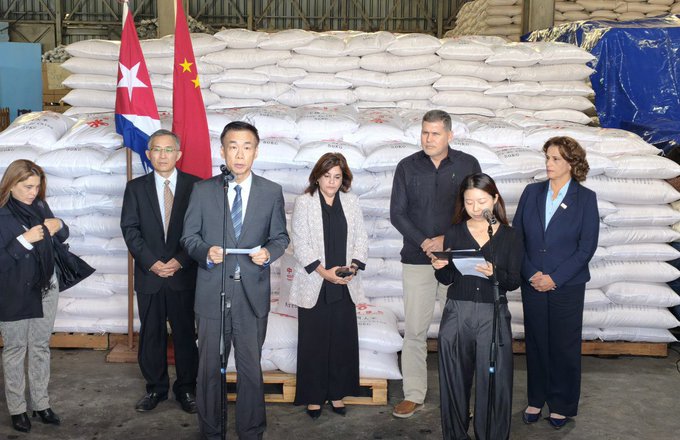
    In a significant demonstration of international solidarity, Cuba has formally received the initial shipment of a 30,000-ton cereal donation from China. The arrival of the aid was officially confirmed during a reception ceremony held on Monday, attended by high-ranking officials from both nations.

    Cuban Foreign Minister Bruno Rodríguez Parrilla publicly acknowledged the contribution on social media platform X, characterizing it as a profound symbol of the ‘close brotherhood and historical ties of friendship’ that bind the two countries. The humanitarian assistance is specifically designated to bolster Cuba’s basic food basket, addressing critical nutritional needs of the Cuban population.

    Cuban Vice Prime Minister Oscar Pérez-Oliva provided operational details during the reception, confirming that two initial deliveries totaling 2,400 tons had already arrived through the Mariel container terminal and the port of Santiago de Cuba. He further announced that two additional shipments are scheduled to reach the island during the first half of the year, completing the full donation pledged by Chinese authorities and its people.

    The ceremony featured remarks from Chinese Ambassador to Cuba Hua Xin, who emphasized the strategic importance of the bilateral relationship. Ambassador Hua noted that the cereal donation ‘not only embodies the deep bonds of special friendship between both nations, but also demonstrates the unwavering commitment to remain united even in difficult times,’ highlighting the resilience of Sino-Cuban relations amid global challenges.

    This substantial food aid package arrives as Cuba continues to navigate complex economic circumstances, with the cereal shipment representing both practical support and diplomatic reinforcement of the longstanding partnership between the two socialist nations.

  • Syria recovers country’s largest oilfield

    Syria recovers country’s largest oilfield

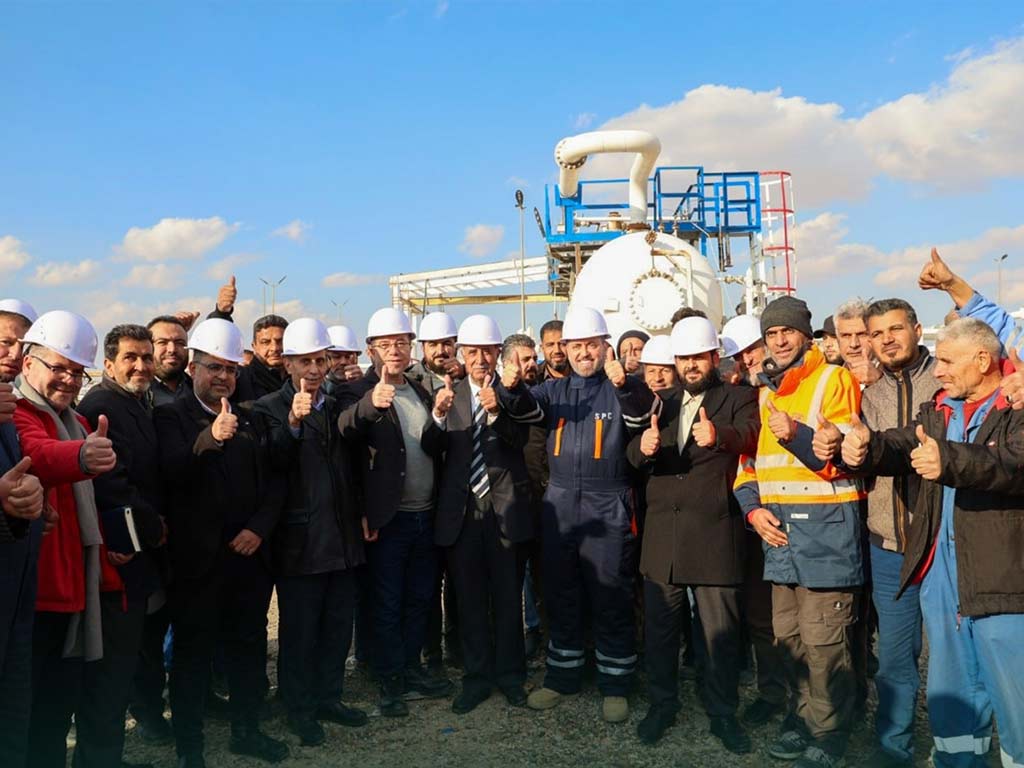
    In a significant development for Syria’s energy sector, senior officials have outlined ambitious plans to restore production at the nation’s largest oilfield using domestic expertise and international partnerships. During a press conference at the strategically vital al-Omar oilfield in Deir Ezzor Governorate, SPC executive Qablawi detailed the comprehensive rehabilitation strategy.

    The rehabilitation initiative will leverage national technical capabilities while fostering cooperation with both local enterprises and international corporations. Qablawi emphasized the field’s critical importance to Syria’s economic infrastructure, revealing ongoing negotiations with previous operator Shell to facilitate complete ownership transfer to the Syrian government.

    The official provided stark production figures highlighting the field’s dramatic decline: from approximately 50,000 barrels per day before the conflict to current output of merely 5,000 barrels. This precipitous drop is attributed to substandard extraction methods employed in recent years that disregarded environmental considerations.

    To address this shortfall, the Syrian Petroleum Company has formulated a comprehensive recovery blueprint aligned with global operational standards. The plan targets production restoration to pre-conflict levels of 40,000-50,000 barrels daily, representing a potential tenfold increase from current output that could significantly boost national energy independence and economic stability.

  • Israel begins demolishing UNRWA complex in occupied Jerusalem

    Israel begins demolishing UNRWA complex in occupied Jerusalem

    Israeli military forces have conducted a controversial operation at a United Nations facility, according to reports from the Wafa news agency. The incident involved multiple military units establishing a security perimeter around the area before deploying bulldozers that proceeded to demolish structures within the compound.

    In a particularly symbolic act, soldiers reportedly raised the Israeli flag inside the headquarters of the United Nations Relief and Works Agency (UNRWA) during the operation. This event represents the latest escalation in a longstanding conflict between Israel and the UN agency that dates back to 2014, when the Israeli government passed legislation effectively banning UNRWA from operating within both Israel and the occupied Palestinian territories.

    UNRWA has served as a critical humanitarian provider for decades, delivering education, healthcare, and essential aid services to millions of Palestinian refugees across the Gaza Strip, West Bank, Lebanon, Syria, and Jordan. The current tensions stem from Israeli allegations that the agency employed Palestinian militants who participated in the October 2013 strike against Israel. These claims have been subsequently refuted by United Nations investigations, though they continue to fuel diplomatic friction.

    The demolition operation and flag-raising incident have drawn international attention, reviving concerns about the delicate relationship between humanitarian operations and political conflicts in the region.

  • DRC government organizes humanitarian aid and operations in Uvira

    DRC government organizes humanitarian aid and operations in Uvira

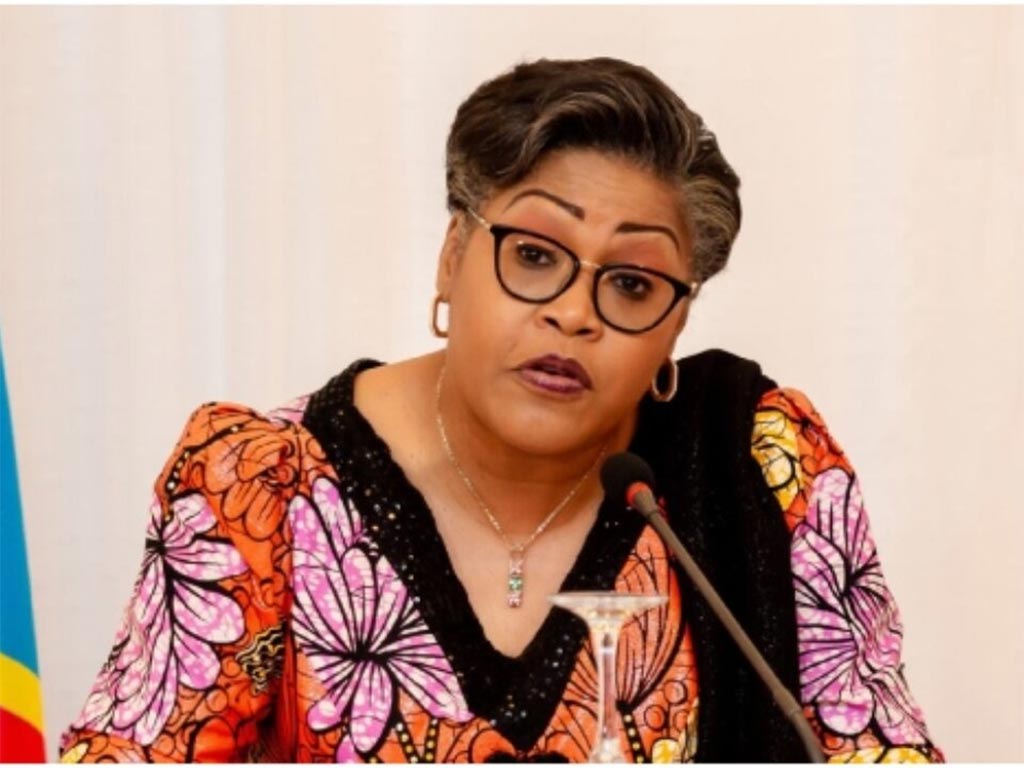
    In response to the recent withdrawal of the Congo River Alliance-March 23 Movement (AFC/M23), Prime Minister Judith Suminwa Tuluka has convened an emergency cabinet meeting to address the humanitarian crisis. The meeting, attended by senior security officials and government ministers, focused on developing a comprehensive response to the extensive displacement caused by the nearly two-month occupation.

    The Prime Minister revealed that the rebel occupation has resulted in the displacement of approximately 267,000 individuals, including a particularly vulnerable group of 12,000 unaccompanied minors. Addressing this mass displacement, Suminwa Tuluka identified facilitating the safe return of these populations as the government’s immediate priority.

    However, the Prime Minister established strict protocols for repatriation efforts, mandating that no return operations be authorized without thorough preliminary assessments of residential conditions. This cautious approach aims to prevent further vulnerability among returning populations. The Ministry of Social Affairs and the General Directorate of Migration (DGM) have been tasked with implementing these assessment protocols and managing the return process.

    Government Spokesperson Patrick Muyaya further elaborated that the administration faces significant challenges in restoring public services in Uvira, where suspected AFC/M23 elements may still operate. The effective reestablishment of governmental authority and public services in these areas remains a critical component of the stabilization strategy.

  • Djibouti hosts International Forum on Adaptation to Climate Change

    Djibouti hosts International Forum on Adaptation to Climate Change

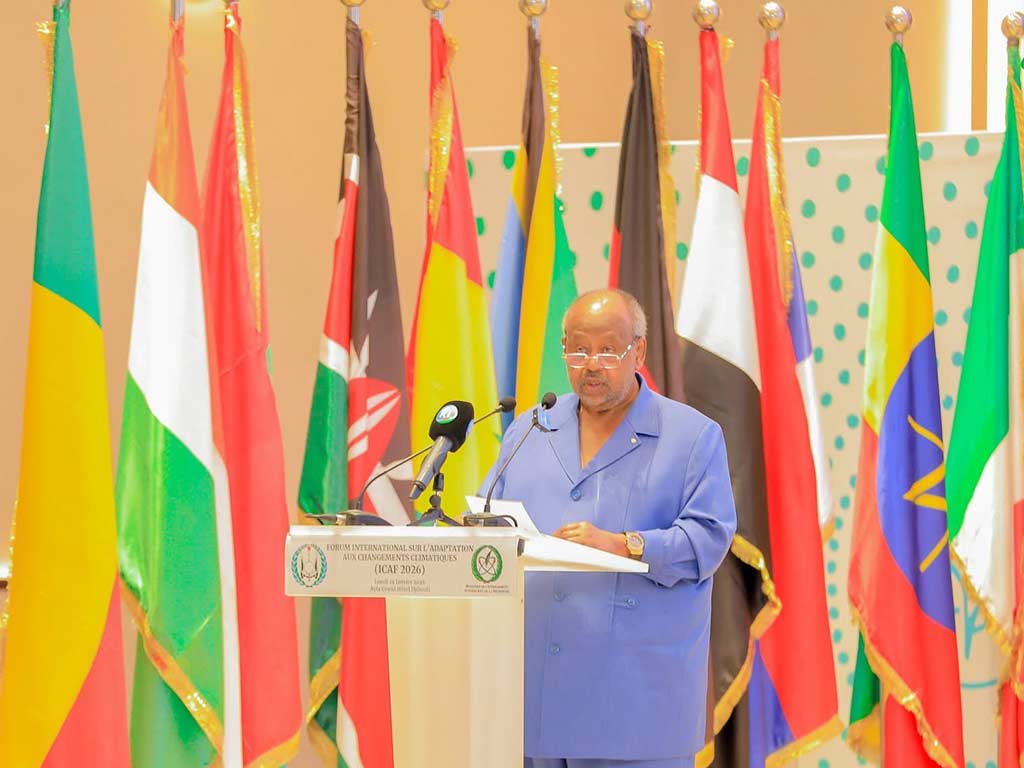
    Under the high patronage of Djiboutian President Ismail Omar Guelleh, a landmark international conference convened from January 19-21, assembling a distinguished cohort of scientists, political leaders, climate specialists, and representatives from global organizations. This pivotal gathering focused on developing innovative solutions to the escalating climate crisis affecting the Horn of Africa and beyond.

    Dr. Jalludin Mohamed, Director General of Djibouti’s Center for Research Studies, set the tone with an urgent call to action, emphasizing the immediate threats posed by climate change to regional stability and ecosystems. His address highlighted the critical window for implementing effective mitigation strategies.

    Professor Daniel Olago, Director of the Institute for Climate Change and Adaptation at the University of Nairobi, presented a forward-looking vision for climate research. He advocated for equipping emerging scientists with cutting-edge technological tools, specifically highlighting the transformative potential of artificial intelligence and machine learning in analyzing complex climate data and predicting environmental trends.

    Djibouti’s Minister of Higher Education and Research, Nabil Mohamed Ahmed, reinforced the nation’s strategic commitment to positioning scientific innovation and international collaboration as central pillars of its climate adaptation framework. This declaration signals Djibouti’s ambition to become a regional hub for climate research excellence.

    The summit featured an extensive program of thematic sessions, technical workshops, and scientific presentations specifically designed to translate theoretical discussions into practical, actionable recommendations. Participants worked to develop concrete initiatives that combine traditional knowledge with modern technological approaches to create sustainable climate resilience models.