标签: Cuba

古巴

  • Syrian city imposes curfew after sectarian violence

    Syrian city imposes curfew after sectarian violence

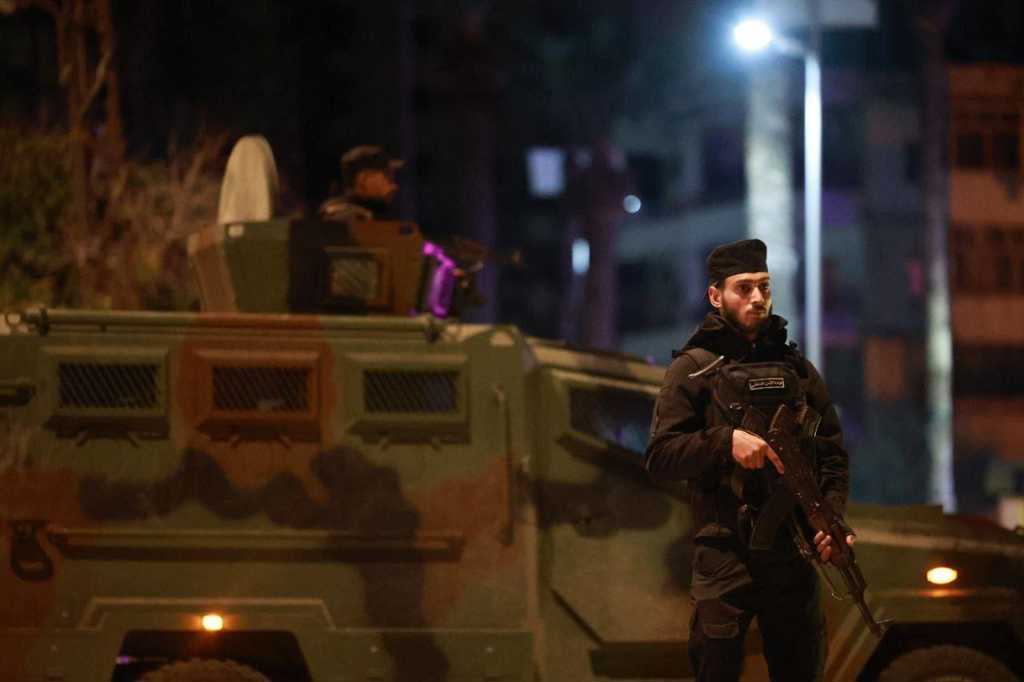
    The Syrian government has declared an overnight curfew for the coastal province of Latakia, effective from 5:00 PM local time Tuesday through 6:00 AM Wednesday, in response to escalating sectarian violence. The security measure exempts emergency personnel including medical workers, ambulance services, and firefighters from the restrictions.

    Interior Ministry spokesperson Noureddine al-Baba, in official communications with the state-run SANA news agency, called upon Latakia’s residents to maintain lawful conduct and preserve public safety. The spokesman specifically cautioned citizens against responding to provocative language and destabilizing actions that threaten national cohesion.

    al-Baba emphasized the state’s firm stance against acts of vandalism and aggression targeting civilian property or dignity, characterizing such behavior as explicit violations of Syrian law. He warned that perpetrators would face full legal consequences for actions undermining stability.

    The curfew implementation follows reports from local sources and monitoring groups indicating several western Syrian regions have experienced violent riots and sectarian clashes in recent hours. These disturbances have primarily targeted members of the Alawite community, representing a significant escalation in regional tensions.

  • Unemployment in Brazil falls to 5,2% in November

    Unemployment in Brazil falls to 5,2% in November

    Brazil’s labor market has achieved a significant milestone, recording its lowest unemployment rate since the inception of the National Continuous Household Sample Survey (PNAD Continua) in 2012. This historic low underscores a notable improvement in the country’s employment landscape.

    According to the latest data, approximately 5.6 million Brazilians actively sought employment without success between September and November. This figure marks a slight improvement from October, which saw 5.9 million workers in search of jobs.

    The formal employment sector has demonstrated substantial growth, with the Brazilian Institute of Geography and Statistics (IBGE) identifying 39.4 million formal workers in the quarter ending November. This expansion reflects strengthened economic stability and increased formalization in the workforce.

    Concurrently, Brazil’s overall employment numbers have reached unprecedented levels. The nation now boasts 103 million employed individuals, representing an increase of 1.1 million jobs compared to November 2015. This record-breaking employment figure highlights the sustained recovery and growth of Brazil’s labor market amid broader economic challenges.

  • Noboa declares prison perimeters in Ecuador security zones

    Noboa declares prison perimeters in Ecuador security zones

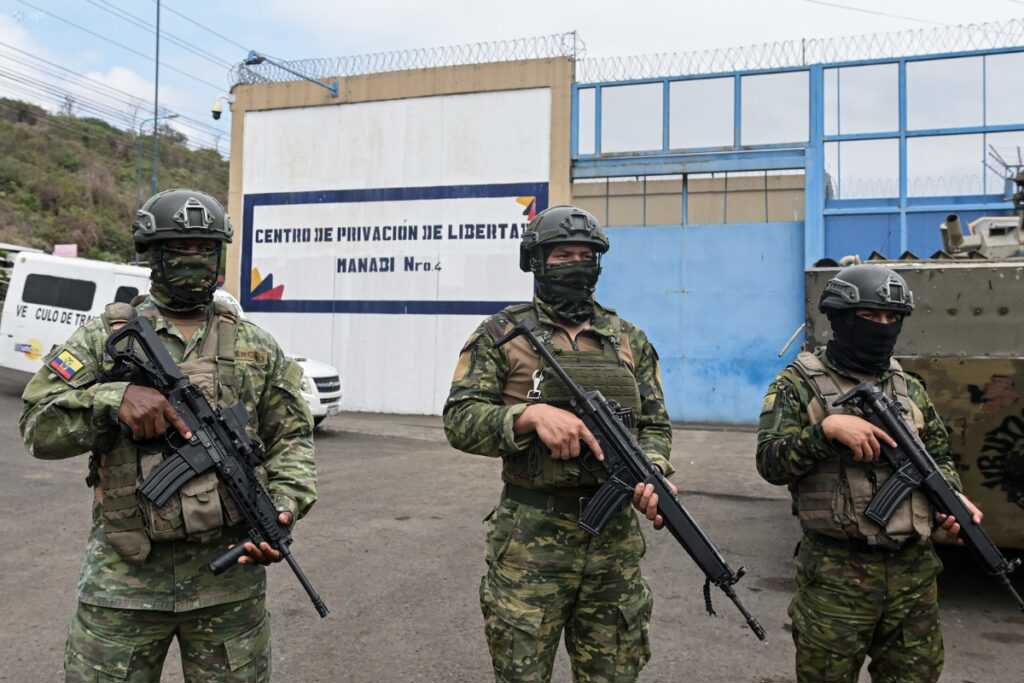
    In a decisive move to confront organized crime, the Ecuadorian government has authorized the establishment of classified security perimeters under military jurisdiction within the nation’s prison system. This strategic initiative, formally documented on April 7, 2024, stems directly from President Daniel Noboa’s declaration of an internal armed conflict, which mandated the Ministries of Defense and the Interior to develop comprehensive technical frameworks for securing penitentiary facilities.

    The newly implemented measures represent a significant militarization of prison security. The Armed Forces are now vested with full control and operational responsibility over these restricted zones, though the policy explicitly clarifies that this does not equate to military ownership of the physical locations. The multi-faceted security protocol includes the deployment of advanced anti-drone technology systems, capable of remotely inhibiting or destroying unauthorized unmanned aerial vehicles attempting to breach prison airspace.

    Further bolstering the crackdown, the government has enacted stringent telecommunications controls, including signal jamming within prison confines to sever illicit communication channels. Construction activities near penitentiaries face severe restrictions, with an outright ban on tunnel excavation and limitations on the erection of any vertical or horizontal structures within the newly defined security boundaries.

    This aggressive policy is a direct response to the government’s assessment that Ecuador’s prisons serve as primary epicenters of criminal violence. Statistical evidence underscores the crisis: since 2021, nearly 600 inmates have been killed, predominantly in violent clashes between rival gangs operating from within the penitentiary centers, highlighting the urgent need for enhanced security intervention.

  • Warnings about AI and the electoral risks in Brazil for 2026

    Warnings about AI and the electoral risks in Brazil for 2026

    The integrity of democratic elections worldwide is facing an unprecedented threat from sophisticated artificial intelligence tools capable of generating convincing fake multimedia content. Since 2018, electoral processes have been systematically undermined by disinformation campaigns, but the emergence of accessible deepfake technology in 2025 has dramatically accelerated this concerning trend.

    Cybersecurity authority Rodolfo Avelino, speaking with Brasil de Fato’s radio station, characterized 2025 as a period of ‘impressive growth’ for AI manipulation tools. These advanced systems can now seamlessly replicate voices and visual appearances, creating fabricated content that challenges human discernment capabilities. The technological evolution has effectively blurred the line between authentic media and synthetic manipulations, creating unprecedented challenges for voters, journalists, and election authorities.

    The Brazilian legislative response, known as the AI Regulation Bill (PL 2338, 2023), remains stalled in the Chamber of Deputies despite the escalating threat. Professor Avelino attributes this legislative paralysis to multiple factors, including significant corporate lobbying efforts regarding technology governance. The expert expressed minimal optimism for substantial regulatory progress in 2026, anticipating that more comprehensive policy measures are unlikely to reach voting stages.

    The proposed legislation, under discussion for approximately five years, seeks to establish critical accountability frameworks including control mechanisms, impact responsibility protocols, and economic benefit distribution structures for AI technologies. Its continued stagnation leaves a dangerous regulatory vacuum during a period of rapidly advancing synthetic media capabilities.

  • UN warns of complex situation in Gaza

    UN warns of complex situation in Gaza

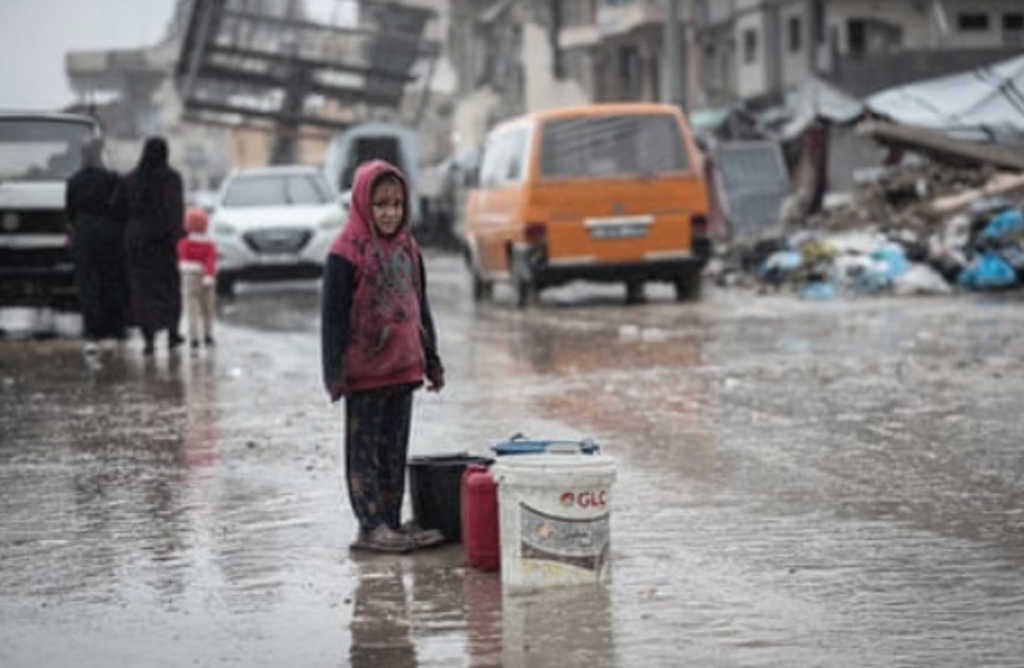
    A severe weather system has exacerbated the already dire humanitarian situation in Gaza since Saturday, with powerful winds and torrential rains causing widespread destruction across the territory. The storm has triggered the collapse of multiple buildings that had previously sustained structural damage from military operations, while simultaneously flooding the tent settlements that currently serve as home for the majority of Gaza’s displaced population.

    Philippe Lazzarini, Commissioner-General of the United Nations Relief and Works Agency for Palestine Refugees (UNRWA), issued a stark assessment of the deteriorating conditions. He emphasized that Gaza’s residents are being subjected to escalating levels of suffering, desperation, and mortality due to the compounding effects of natural disasters and human-made restrictions. Lazzarini specifically criticized Israeli authorities for maintaining stringent limitations on humanitarian aid operations, stating that essential supplies are not reaching the enclave at required volumes despite the emergency conditions.

    The UN humanitarian coordination office (OCHA) documented numerous weather-related casualties in recent hours, including multiple cases of pediatric hypothermia and numerous illnesses linked to sewage system failures and wastewater overflow contamination. This latest storm follows another severe weather event earlier this month that resulted in 13 fatalities, among them two infants.

    Structural damage assessments reveal at least 17 complete building collapses and significant damage to over 42,000 tents and temporary shelters, either partially or completely destroyed. This infrastructure damage has directly impacted no fewer than 235,000 individuals, further straining the territory’s limited resources and emergency response capabilities. The cumulative effect of these disasters has created what aid agencies describe as an unsustainable humanitarian emergency with growing health risks for the vulnerable population.

  • Cruise missile launch exercise conducted in DPRK

    Cruise missile launch exercise conducted in DPRK

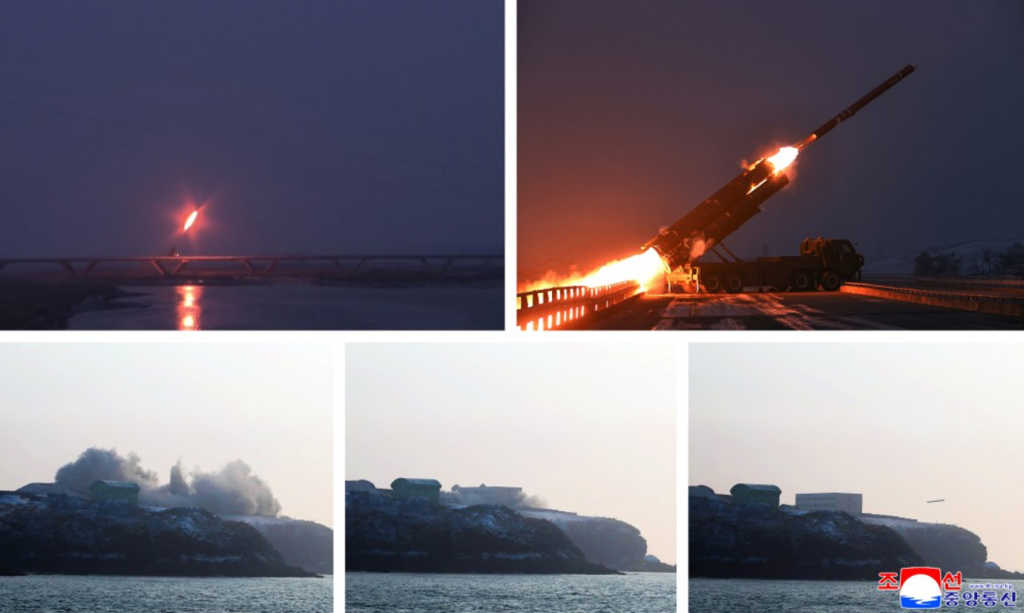
    North Korea has conducted a significant strategic missile test, with state media reporting the successful launch of long-range projectiles. The Korean Central News Agency (KCNA) detailed that the primary objective of this military exercise was to comprehensively assess the counterattack preparedness and operational effectiveness of specialized missile units.

    The drill focused on enhancing personnel proficiency in rapid mobility and the precise execution of fire missions. According to official reports, the test missiles traveled for approximately 10,199 to 10,203 seconds along predetermined trajectories before accurately striking their targets in the West Sea of Korea.

    North Korean leader Kim Jong-un personally oversaw the exercises and expressed considerable satisfaction with the results. He characterized the successful test as both a practical verification and unambiguous demonstration of what he termed the ‘absolute credibility’ of the nation’s strategic counterattack capabilities and combat readiness.

    Chairman Kim further emphasized that such regular testing of critical nuclear deterrent components represents a responsible exercise of North Korea’s right to self-defense. He framed these continued demonstrations of military capability as necessary measures for war deterrence amid what he described as ongoing security threats to the Democratic People’s Republic of Korea.

  • India expresses concern over attack on Putin’s residence

    India expresses concern over attack on Putin’s residence

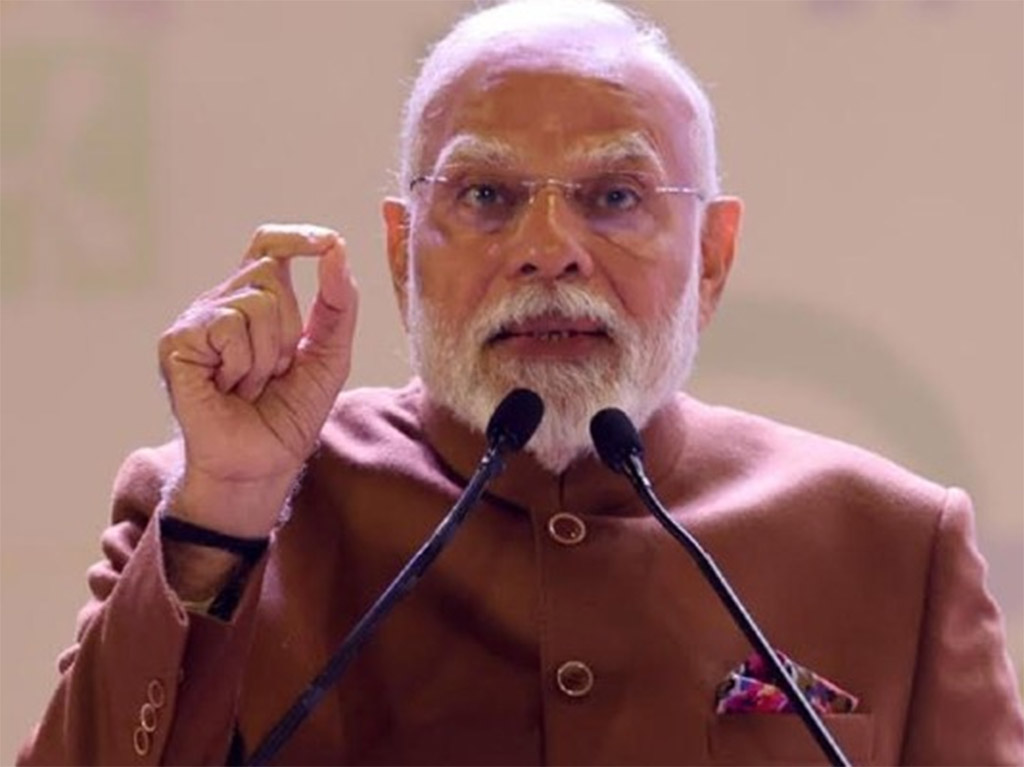
    Indian Prime Minister Narendra Modi has emphasized the critical importance of sustained diplomatic engagement to resolve ongoing hostilities and secure enduring peace in Eastern Europe. In a recent social media statement, the leader urged all involved nations to maintain focus on negotiation efforts and refrain from actions that could jeopardize these delicate peace processes.

    This appeal for calm coincides with serious allegations from Russian officials. Foreign Minister Sergey Lavrov reported that Ukrainian forces launched a significant aerial assault involving 91 long-range attack drones targeting President Vladimir Putin’s official residence in the Novgorod region during the night of December 28-29. According to Lavrov, Russian air defense systems successfully intercepted and destroyed all incoming drones, with no casualties or property damage resulting from falling debris.

    The timing of this alleged attack has drawn particular attention from Moscow. Lavrov highlighted that the incident occurred during intensive negotiations between Russian and American diplomats working toward a resolution to the Ukrainian conflict. In subsequent remarks, Russian Foreign Ministry spokeswoman Maria Zakharova delivered a strongly worded condemnation during an appearance on Rossiya 1 television. She characterized Kyiv’s leadership as ‘a genuine, bloodthirsty terrorist regime with neo-Nazi foundations’ and promised that Ukraine would face consequences for what she described as acts of terrorism.

    The juxtaposition of India’s call for diplomatic resolution with Russia’s accusations against Ukraine highlights the complex international dimensions of the ongoing conflict and the challenges facing peace negotiations.

  • Unemployment and corruption, two big concerns for Argentinians

    Unemployment and corruption, two big concerns for Argentinians

    A comprehensive study by Synopsis Consultores has revealed a dramatic erosion of public trust in Argentina’s libertarian government, with corruption concerns surging significantly throughout 2025. The research, which evaluated public opinion during President Javier Milei’s initial two years in office, identifies multiple high-profile scandals as primary drivers of this discontent.

    Foremost among public grievances are the administration’s controversial pension reductions and perceived neglect of legitimate social demands. Equally damaging has been the president’s consistently aggressive and insulting rhetorical approach, which ranks as the fourth most-cited annoyance among citizens.

    The corruption landscape has been particularly damning, with the fraudulent $Libra cryptocurrency scheme emerging as a central controversy. This multi-million dollar scam, which the president personally promoted, has ensnared both Milei and his sister in concurrent criminal and congressional investigations. The case has become emblematic of the administration’s ethical challenges.

    Further compounding public outrage was the Aeroparque Airport incident, where a government-aligned businessman imported ten suitcases without standard customs inspection or oversight. This blatant circumvention of security protocols raised serious questions about preferential treatment for administration allies.

    Additional investigations have uncovered a pharmaceutical bribery scheme involving inflated invoices for medications destined for disabled citizens. Court documents indicate that 3% of these illicit payments were allegedly funneled to Karina Milei, the Secretary General of the Presidency and the president’s sister.

    The political damage continued with the spectacular downfall of former national deputy Jose Luis Espert, whose reelection campaign collapsed amid criminal allegations. After initially issuing vehement denials, Espert admitted to receiving substantial financial contributions from a drug trafficker subsequently extradited to the United States, creating yet another scandal for the governing libertarian movement.

  • Cuba unmasks true intentions of US escalation

    Cuba unmasks true intentions of US escalation

    Cuban officials have issued a forceful condemnation of longstanding United States economic policies, characterizing them as a calculated strategy to undermine sovereign nations in the region. In a recent statement published on the social media platform X, a government representative asserted that American actions to restrict Venezuela’s oil trade and intercept fuel shipments destined for Cuba are components of a broader, persistent agenda.

    The official declared that these measures, which include a naval blockade and trade obstructions, are not novel developments nor are they exclusively tied to recent military movements in the Caribbean. Instead, they are depicted as integral to a clear US objective: the systematic destruction of the Cuban Revolution, the overthrow of the legitimate Bolivarian and Chavista government in Venezuela, and the forcible appropriation of the region’s vital natural resources.

    Furthermore, the statement elaborated that this objective is pursued through a daily intensification of a ‘pressure and suffocation’ policy directed at Cuba. This campaign, according to the official, has a direct and detrimental impact on critical infrastructure, notably the national power grid. The consequent energy shortages and instability are portrayed as severely affecting the daily lives and well-being of the Cuban population, framing the economic sanctions as a direct attack on civilian livelihood.

  • Colombian Pacific Culture celebrated at Cali Fair

    Colombian Pacific Culture celebrated at Cali Fair

    The vibrant cultural tapestry of Colombia’s Pacific coast will be on full display at an upcoming festival organized by the Raices Negras Cultural Foundation. Scheduled for San Francisco Plaza in front of the Departmental Government building, the event promises an immersive experience into Afro-Colombian traditions and contemporary expressions.

    The festival program features a diverse array of cultural offerings, including culinary demonstrations of traditional Pacific cuisine and beverages, artisanal craft exhibitions and sales, Afro-beauty services, and various artistic interpretations inspired by coastal life. A highlight of the event will be the Inculturated Mass, a unique spiritual ceremony that harmonizes religious faith with indigenous customs and practices.

    Music enthusiasts can anticipate performances by acclaimed folk groups representing multiple departments including Valle del Cauca, Cauca, Narino, and Choco. The afternoon programming includes a special vinyl listening session transporting attendees back to the musical soundscape of the 1960s Pacific coast.

    According to Colombia’s Ministry of Commerce, Industry, and Tourism, the Cali Fair continues to strengthen its status as one of the nation’s premier cultural and tourism events, drawing attention to the rich heritage of the Pacific region while boosting local economic activity through cultural tourism.