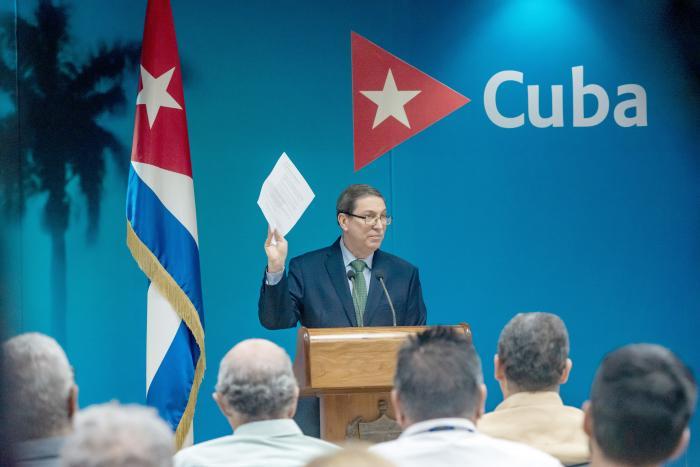
In a press conference on October 22, 2025, Bruno Rodríguez Parrilla, Cuba’s Minister of Foreign Affairs, addressed the international community regarding the upcoming United Nations General Assembly sessions on October 28 and 29. The sessions will focus on a resolution titled ‘Necessity of ending the economic, commercial, and financial embargo imposed by the United States of America against Cuba.’ Rodríguez Parrilla emphasized that this resolution represents a nearly unanimous global call to end the U.S. blockade, which has been overwhelmingly rejected by the UN for decades. He accused the U.S. government of intensifying economic aggression against Cuba and employing coercive tactics to pressure other nations into altering their traditional support for the resolution. Rodríguez Parrilla presented evidence of what he described as a ‘mendacious and slanderous’ misinformation campaign by the U.S. State Department, aimed at distorting Cuba’s image and intimidating member states. He highlighted a leaked State Department document that included threats and misinformation, such as claims that Cuba is a ‘threat to international peace and security.’ Rodríguez Parrilla refuted these allegations, asserting that the blockade is the primary cause of Cuba’s economic challenges and a violation of international law. He expressed confidence that the international community would once again vote overwhelmingly in favor of ending the blockade, calling it a victory for justice and humanity.
标签: Cuba
古巴
-
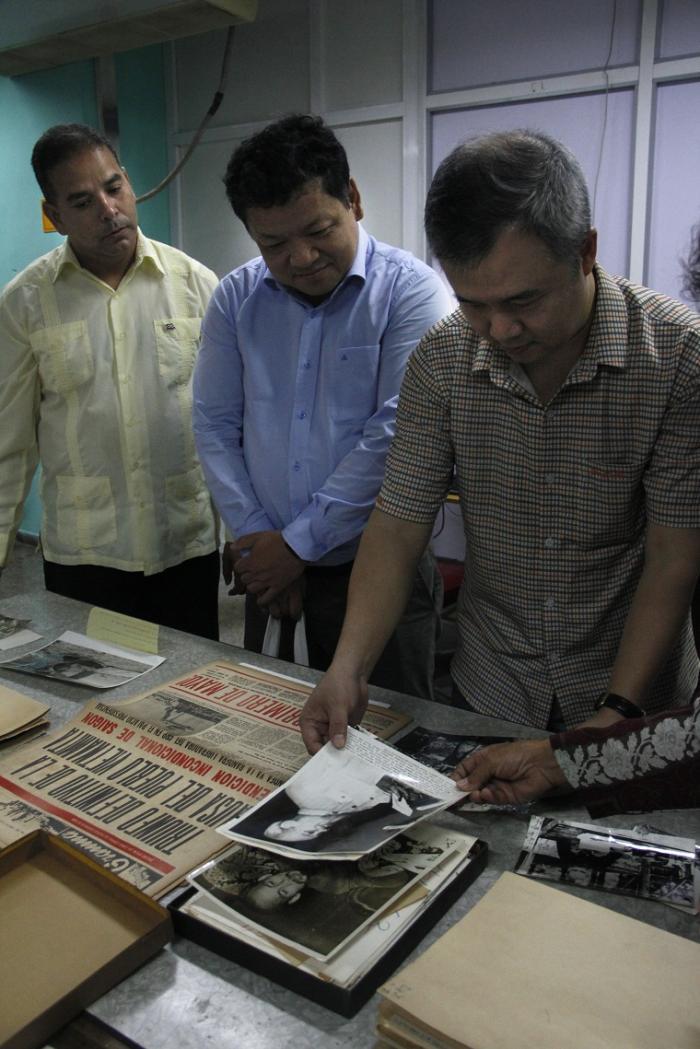
Granma and Nhan Dan: a growing path of respect and collaboration
In a significant move to bolster diplomatic and media relations, a high-profile Vietnamese media delegation recently concluded a working visit to Cuba. This visit, which took place from October 16th to 21st, 2025, was part of the ongoing exchange programs between the official newspapers of the Communist Parties of Cuba and Vietnam—Granma and Nhan Dan, respectively. The visit coincided with the upcoming 65th anniversary of diplomatic relations between the two nations, set to be commemorated in December 2025. The delegation’s agenda was packed with activities aimed at fostering mutual understanding and collaboration. Key highlights included participation in the First Granma-Rebelde Festival, where both media outlets showcased their work alongside other significant platforms from Cuba and around the world. Yoerky Sánchez Cuellar, a member of the Central Committee and editor-in-chief of Granma, expressed deep admiration for the Vietnamese people and thanked them for their financial support to Cuba amidst renewed economic challenges. He also highlighted the successful outcomes of the collaboration between the two newspapers, including the creation of a special microsite titled ‘Cuba and Vietnam: The Walk,’ which has published over 80 articles. Dinh Song Linh, head of the Science and Environment Department at Nhan Dan, led the delegation and outlined the latest organizational developments at his media outlet. He emphasized the potential for further collaboration in areas such as artificial intelligence training, content exchange, and the establishment of a special Cuba-Vietnam fund at the Granma Documentation and Archive Center. The delegation also toured various sites, including the Fidel Castro Ruz Center, Vietnamese companies in the Mariel Development Zone, and rice-growing areas in Pinar del Río, where cultivation is carried out with Vietnamese expertise. These visits underscored the practical benefits of the bilateral relationship, particularly in economic and agricultural sectors. The working meeting concluded with specific points for advancing the collaboration agenda, including the signing of a memorandum of understanding and the revitalization of content exchange. The visit not only reinforced the strong bond between the two nations but also set the stage for future cooperation in media and beyond.
-
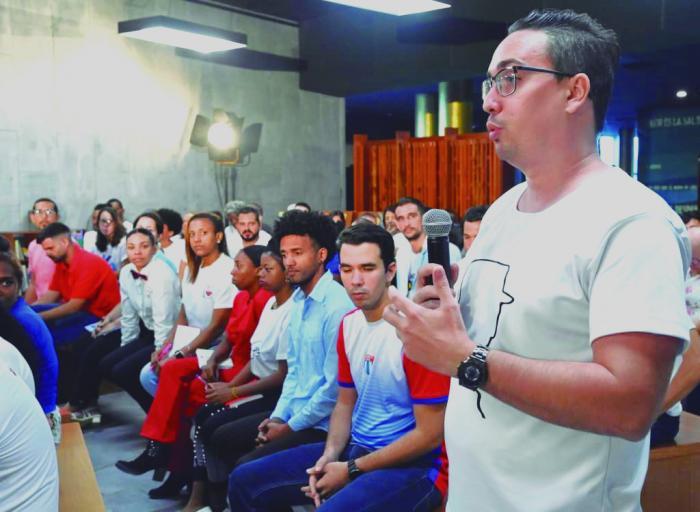
Two youth anniversaries that represent the past, present, and continuity
In a historic gathering at the José Martí Memorial, Cuban President Miguel Díaz-Canel Bermúdez joined veterans and young leaders to commemorate the 65th anniversary of the Association of Young Rebels (AJR) and the 60th anniversary of the Juventud Rebelde newspaper. The event, attended by prominent figures such as Roberto Morales Ojeda, highlighted the enduring legacy of Cuba’s revolutionary youth movements and their media outlets.
Díaz-Canel emphasized the importance of unity and continuity within the revolutionary forces, drawing parallels between the AJR’s founding in 1960 and the establishment of the Juventud Rebelde in 1965. He underscored the significance of these milestones in shaping Cuba’s revolutionary identity and media landscape.
Founders of the AJR, including Amalia Catalá Álvarez and Luis Enrique Colomé Dagnesses, shared personal reflections on the challenges and triumphs of their generation. They praised the current youth for their resilience in the face of modern adversities, such as the sophisticated use of social media by ideological adversaries.
Leaders from the Union of Young Communists (UJC), the Federation of University Students (FEU), and the Federation of High School Students (FEEM) also spoke, detailing their efforts to engage young people in discussions on critical issues like the U.S. blockade, drug prevention, and community service.
Juana Carrasco Martín, a National Journalism Award winner, and Raciel Guanche Ledesma, a young reporter for Juventud Rebelde, discussed the evolving role of media in fostering critical thinking and community engagement. Yurisander Guevara, deputy director of Juventud Rebelde, highlighted the transformative impact of recent events on the UJC’s media strategy.
Díaz-Canel concluded the meeting by reflecting on the UJC’s motto, ‘Study, Work, and Rifle,’ urging young Cubans to embrace their revolutionary heritage, contribute to the nation’s development, and defend their sovereignty. He reaffirmed the necessity of socialism as the path to Cuba’s independence and prosperity, calling for collective participation and resilience in the face of ongoing challenges.
-
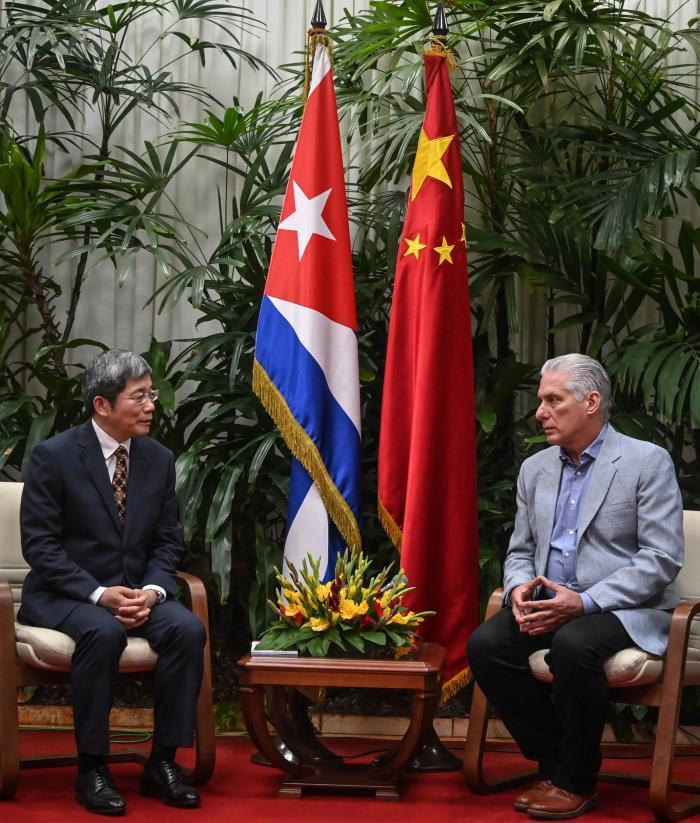
Cuba and China for strengthening cooperation in the study of the history of their revolutions and communist parties
In a significant diplomatic engagement, Miguel Díaz-Canel Bermúdez, the First Secretary of the Party’s Central Committee and President of Cuba, welcomed Li Zongyuan, Director General of the History Museum of the Communist Party of China (CPC), at the Palace of the Revolution in Havana. The meeting underscored the deepening ties between the two nations, particularly in the realms of historical and political collaboration. Li Zongyuan emphasized that the primary goal of his visit was to enhance cooperation between Cuban and Chinese institutions in studying the revolutionary histories and the roles of their respective Communist Parties. This visit follows Díaz-Canel’s earlier tour of the CPC Museum in Beijing, where he gained insights into China’s reform process and the CPC’s leadership under President Xi Jinping. Díaz-Canel highlighted the importance of interparty relations as the foundation of Cuba-China ties, describing both nations as building a ‘community with a shared future.’ He also expressed gratitude for the warm reception he received during his visit to China last September, which coincided with the 80th anniversary of the Victory in the Chinese People’s War of Resistance against Japanese Aggression. Li Zongyuan noted that 2025 marks the 65th anniversary of diplomatic relations between the two countries, a milestone celebrated through the exchange of congratulatory letters between Presidents Xi Jinping and Díaz-Canel. The CPC Museum, Li explained, plays a crucial role in preserving China’s revolutionary history and fostering bilateral relations. This visit marks the first international delegation of the CPC Museum, with Cuba chosen as the inaugural destination. The meeting was attended by high-ranking officials from both sides, including Hua Xin, China’s Ambassador to Cuba, and Emilio Lozada García, head of Cuba’s Department of International Relations.
-

The genocide against the Cuban people in denouncing its civil society
The Cuban Association of the United Nations (ACNU) is set to convene the 21st Forum of the Cuban Civil Society against the Blockade on October 24. This significant event will serve as a platform for denouncing and reflecting on the detrimental effects of the US-imposed economic blockade, which has been criticized for violating human rights and impeding Cuba’s national development. The forum coincides with an upcoming United Nations vote addressing the economic siege, offering a timely opportunity to explore the profound human, social, and economic repercussions of the policy on the Cuban population. Recent reports presented by Bruno Rodríguez Parrilla, a member of the Political Bureau and Cuba’s Foreign Minister, reveal that the blockade has caused an estimated $7.5 billion in damages over the past year alone, with cumulative losses exceeding $170 billion over six decades. Rodríguez Parrilla highlighted that over 80% of Cubans have lived their entire lives under the blockade’s shadow, enduring daily hardships. The forum aims to galvanize international support to demand an immediate end to what is described as an unjust and illegal policy.
-
In the work and legacy of Martí, roots of national culture
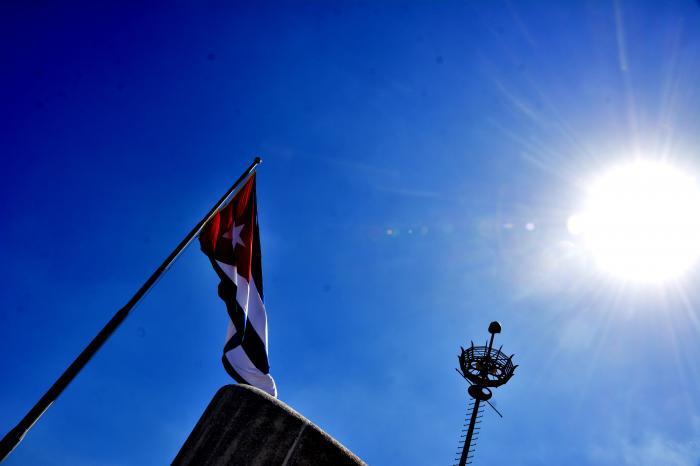
The José Martí Cultural Society celebrated its 30th anniversary with a grand event at the José Martí Memorial in Havana, attended by prominent Cuban leaders and cultural figures. Lizette Martínez Luzardo, Deputy Minister of Culture, described the Society as a dynamic platform that transforms the legacy of José Martí into a tool for civic engagement. She emphasized its global influence in fostering unity and ethical values, both within Cuba and internationally. The celebration also honored the centenary of Fidel Castro and the 95th birthday of intellectual Armando Hart Dávalos, both pivotal in shaping Cuba’s cultural policies. Víctor Hernández Torres, Vice President of the Society, recounted its founding during the challenging ‘Special Period’ of the 1990s, highlighting its growth to over 20,000 members nationwide. The event paid tribute to the late historian Eduardo Torres Cuevas, with his widow receiving the Order Félix Varela. Additionally, the Society’s founders and provincial branches were recognized for their contributions to promoting Martí’s ideals. The festivities extended to Bayamo, where the ‘La Patria en mi Voz’ gala celebrated Cuban culture and independence, underscoring the enduring significance of the National Anthem as a symbol of resilience and identity.
-
Law on Science, Technology and Innovation, a legal standard for the whole of society
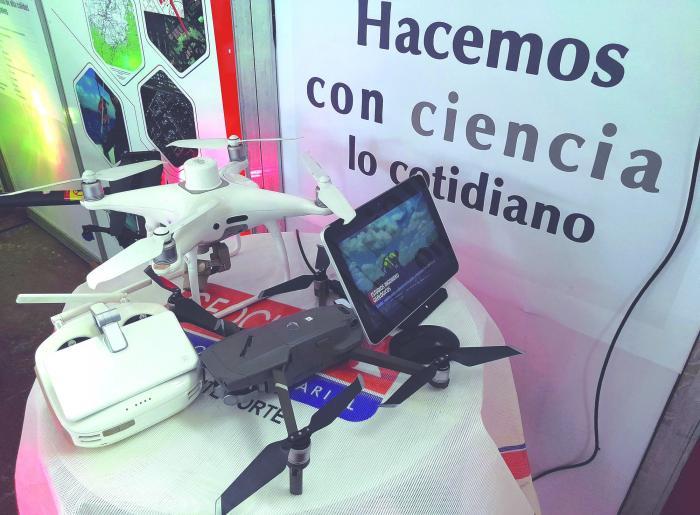
The October session of Cuba’s National Innovation Council marked a pivotal moment in the nation’s pursuit of scientific and technological advancement. Chaired by President Miguel Díaz-Canel Bermúdez, the council conducted an in-depth examination of the draft Science, Technology, and Innovation Act, initiating a nationwide debate on its provisions. This legislative effort aims to address existing barriers, fill regulatory gaps, and align with the aspirations of Cuban scientists, as highlighted in numerous consultations. The President emphasized the necessity of broad public engagement, ensuring the law reflects diverse perspectives from the science, technology, and innovation sectors, as well as other societal stakeholders. Armando Rodríguez Batista, Minister of Science, Technology, and Environment (CITMA), presented the draft, underscoring its comprehensive approach to fostering a robust innovation ecosystem. The draft identifies key challenges, including fragmented regulations, inadequate funding, and insufficient integration of social sciences with natural sciences. It proposes 20 foundational principles, such as establishing a high-ranking legal framework, enhancing governance, and recognizing innovative enterprises as integral to the system. The proposed law, structured into eight chapters, seeks to integrate innovation, transition to a knowledge economy, and international collaboration. Over 1,500 individuals, including academics, researchers, and government officials, have already contributed to the consultation process, reinforcing the draft’s potential to drive Cuba’s economic and social development.
-
jornalism, Juventud Rebelde, Granma, 60 anniversary
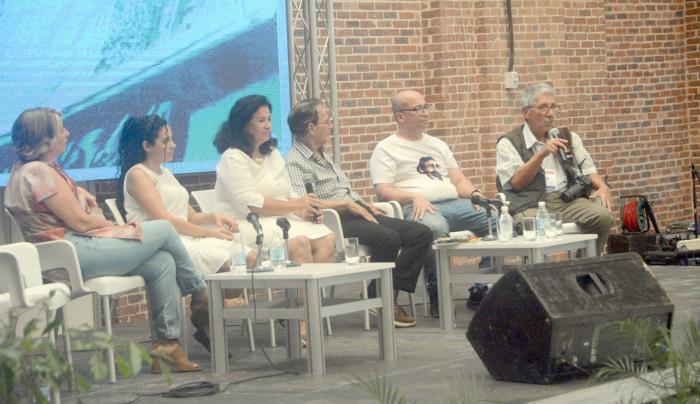
The First Granma-Rebelde International Festival, held recently, served as a vibrant platform for nearly twenty media outlets and projects aligned with left-wing parties and organizations to showcase their efforts in fostering transparent and emancipatory journalism. The event, open to the public, featured exhibition spaces, panel discussions, and interactive dialogues, bringing together journalists, intellectuals, and communicators dedicated to alternative media practices.
-
rom communication, setting up a project for the people
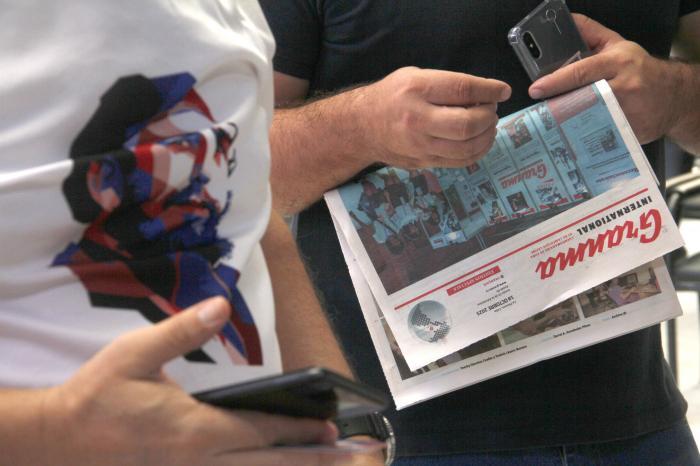
The inaugural Granma-Rebelde International Festival, a three-day event dedicated to fostering ideological debate and cultural exchange, concluded yesterday in Havana. The festival, which aimed to create a collaborative space for public engagement, brought together diverse projects, experiences, and communication strategies. The closing ceremony was attended by prominent figures, including Yudí Rodríguez Hernández, a member of the Secretariat of the Party’s Central Committee, and Yuniasky Crespo Baquero, head of the Ideological Department. During the event, the newspaper Juventud Rebelde was honored for its 60 years of activism and dedication to Cuba’s youth. Yuniel Labacena Romero, editor-in-chief of Juventud Rebelde, highlighted the festival’s success in integrating debate, cultural expression, and community participation. Yoerky Sánchez Cuellar, editor-in-chief of Granma, announced plans for a second edition next year, emphasizing the importance of defending peace against illegal blockades and imperialist threats. The festival’s impact was evident in the quality of public interaction and the fusion of political and cultural activities, which united national and international media in a shared vision for a better world. Other notable attendees included Emilio Lozada García, Roberto Pérez Jiménez, and Meyvis Estévez Echevarría, further underscoring the event’s significance.
-
“We must give our all for Venezuela”
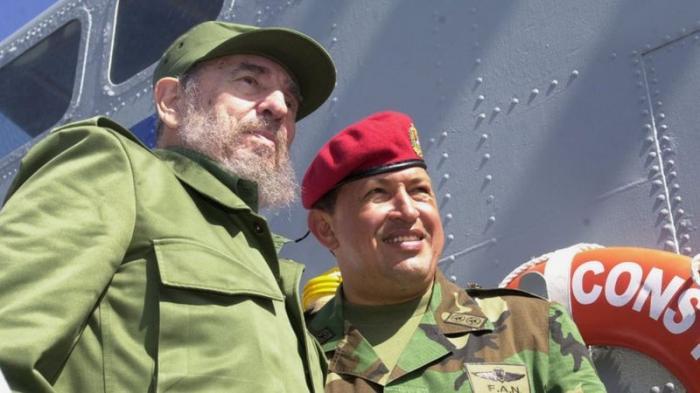
In a powerful display of unity, Cuba has reaffirmed its unwavering support for Venezuela, a nation currently facing significant military pressure from the United States. Miguel Díaz-Canel Bermúdez, First Secretary of the Central Committee of the Communist Party of Cuba and President of the Republic, expressed solidarity with Venezuela and its President, Nicolás Maduro, during a public statement on X. He emphasized that Venezuela, the homeland of Simón Bolívar and Hugo Chávez, will not stand alone amidst the escalating tensions. Díaz-Canel condemned the US military deployment, which includes approximately 1,200 missiles, as well as covert CIA operations targeting Venezuela. He invoked the words of Cuban national hero José Martí, who famously declared, ‘Give me Venezuela to serve, she has a son in me,’ and echoed Fidel Castro’s sentiment that ‘For Venezuela, we must give our all.’ The Cuban people have also demonstrated their solidarity, gathering at the equestrian statue of Simón Bolívar to express their support. Díaz-Canel further quoted Bolívar, who once warned that the United States ‘seems destined by Providence to plague America with misery in the name of freedom.’ This statement underscores Cuba’s commitment to defending Venezuela against external aggression and its broader critique of US interventionism in Latin America.