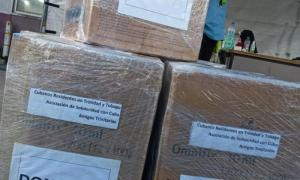
In response to the widespread devastation caused by Hurricane Melissa in eastern Cuba, the Cuban government has outlined the procedures for receiving and managing international donations. Granma interviewed William Díaz Menéndez, Director General of International Cooperation, and Zoe Hernández Portales, Director of ProCuba, both officials from the Ministry of Foreign Trade and Investment (Mincex), to provide clarity on the process. They explained that Decree Law No. 16 governs emergency situations, granting Mincex the authority to approve international donation offers. All legal entities in Cuba are permitted to manage and receive donations from various sources, including multilateral, bilateral, governmental, private, and individual contributors, including Cuban expatriates. Mincex oversees this process through its International Aid Group, ensuring that all state bodies report and coordinate donation offers for evaluation and approval. For in-kind donations, an expedited customs procedure is in place once Mincex grants approval, though designated importers must follow specific protocols. Financial donations can be directed to accounts in three Cuban banks: Banco Popular de Ahorro, Banco Financiero Internacional, and Banco Internacional de Comercio. The government clarified that there are no restrictions on donations, except for items with inherent limitations. A preliminary list of needed resources has been shared with Cuban missions abroad to facilitate the process. Both officials emphasized that while Cuba does not solicit aid, it deeply appreciates and facilitates the channels of solidarity offered during these challenging times.
标签: Cuba
古巴
-
Cuba reaffirms support for Palestinian people’s rights
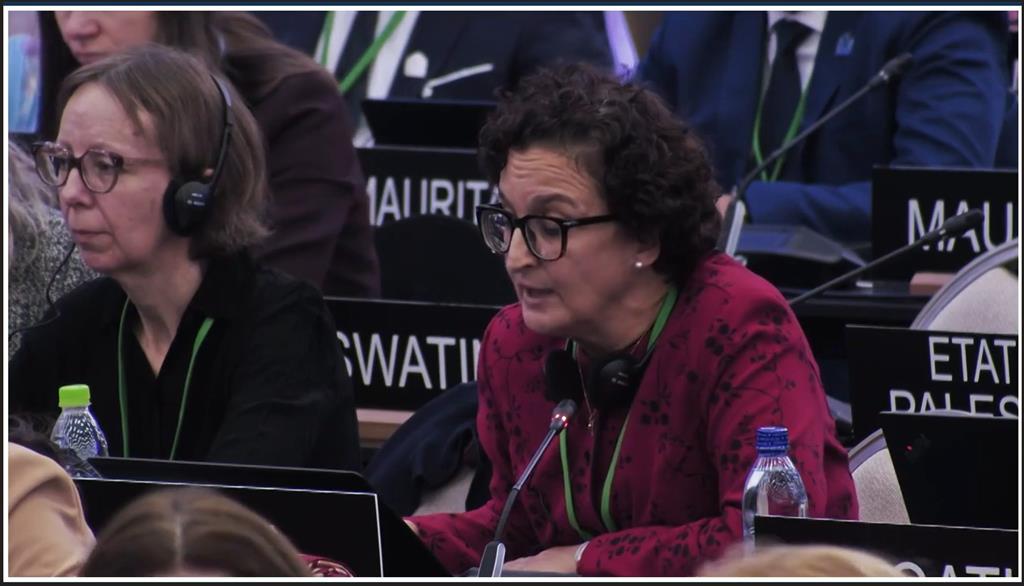
During recent discussions in the Committees on Education and Financial and Administrative Affairs, the Cuban delegation voiced strong support for draft resolutions aimed at enhancing educational and cultural initiatives in the occupied Arab territories. The delegation emphasized its endorsement of the United Nations Relief and Works Agency for Palestine Refugees in the Near East (UNRWA) and its educational programs, particularly in the Gaza Strip, where ongoing violations of international law continue to severely impact Palestinian civilians. Cuba underscored the necessity of a peace agreement that ensures the establishment of an independent and sovereign Palestinian State within the pre-1967 borders, with East Jerusalem as its capital. Such an agreement, the delegation argued, must uphold the Palestinian people’s right to self-determination and the return of refugees. Additionally, Cuba reaffirmed its commitment to UNESCO’s Action Plan in Gaza, which faces significant challenges due to the occupation’s restrictive conditions, hindering the organization’s operational effectiveness.
-
Australian Deputy PM meets Cuban Ambassador
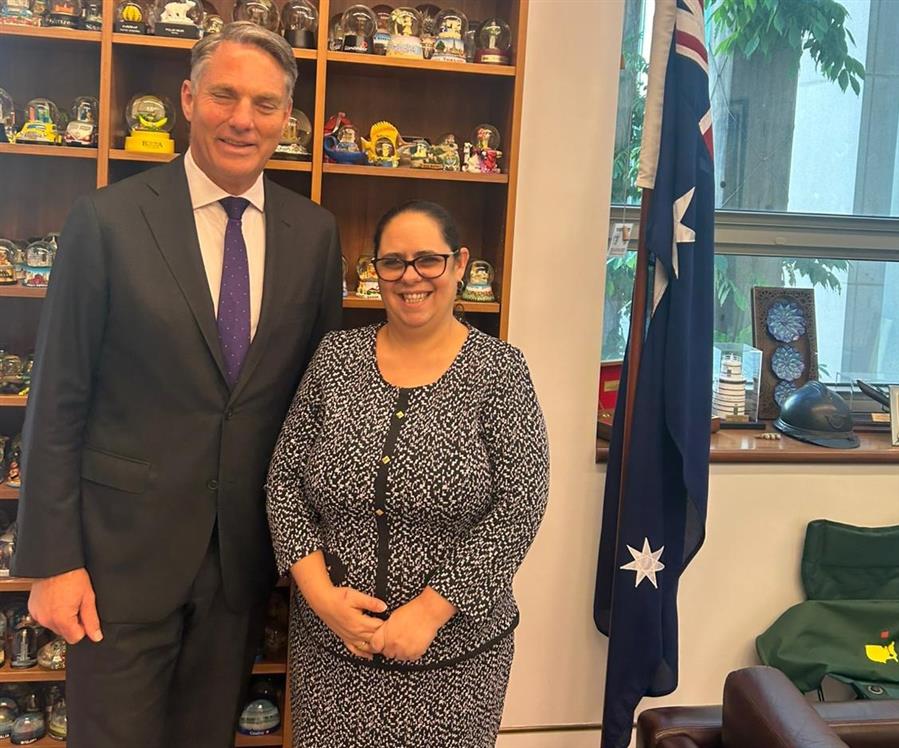
In a recent meeting at the Australian Federal Parliament, officials from both Australia and Cuba explored avenues to enhance their bilateral relationship, focusing on key sectors such as education, health, biotechnology, and mining. Deputy Prime Minister Richard Marles extended warm greetings to the Cuban people and wished Cuban diplomat Leydey Dieguez success in her future endeavors. Dieguez, who was also received by Australia’s Governor-General Samantha Joy Mostyn, discussed the progress of bilateral ties and shared experiences in educational collaboration. Notably, Dieguez highlighted the success of the Cuban literacy program ‘Yo Si Puedo’ (Yes, I Can), implemented in 13 Aboriginal communities across New South Wales, Queensland, and the Northern Territory since 2012, which has seen over 300 graduates. Additionally, Dieguez met with Assistant Foreign Minister Matt Thistlethwaite and officials from the Latin America division of the Australian Foreign Office to mark the conclusion of her diplomatic mission. She expressed gratitude for Australia’s support in the recent United Nations vote against the U.S. economic, commercial, and financial blockade on Cuba.
-
Good work has been done, but now comes the most complex stage: recovery
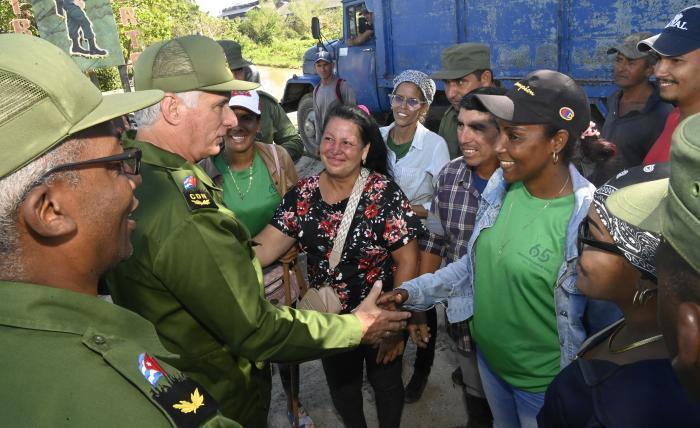
Miguel Díaz-Canel Bermúdez, President of Cuba’s National Defense Council, recently concluded a comprehensive tour of the Holguín municipalities most devastated by Hurricane Melissa. The storm, which struck as a Category 3 hurricane on October 29, left significant destruction in its wake, particularly in Urbano Noris and Cacocum. During his visit, Díaz-Canel emphasized the importance of transparency and solidarity in the recovery process, acknowledging that while immediate solutions are not feasible, sustained efforts are underway to restore normalcy. Key priorities include sanitation, agricultural revitalization, and the restoration of essential services such as electricity, water, and telecommunications. The President also stressed the need for equitable distribution of aid and expedited construction of temporary housing. In addition to meeting with local authorities, Díaz-Canel visited affected communities, including the Guillermón Moncada Polytechnic and the Estrada neighborhood, where he assured residents of ongoing support. The hurricane caused extensive damage, with over 10,000 homes affected, 546 completely destroyed, and significant losses in agriculture and infrastructure. Despite these challenges, recovery efforts are progressing, with 60% of communication services restored and 56.95% of electricity customers back online. The President reiterated the government’s commitment to ensuring no one is left helpless during this critical phase.
-
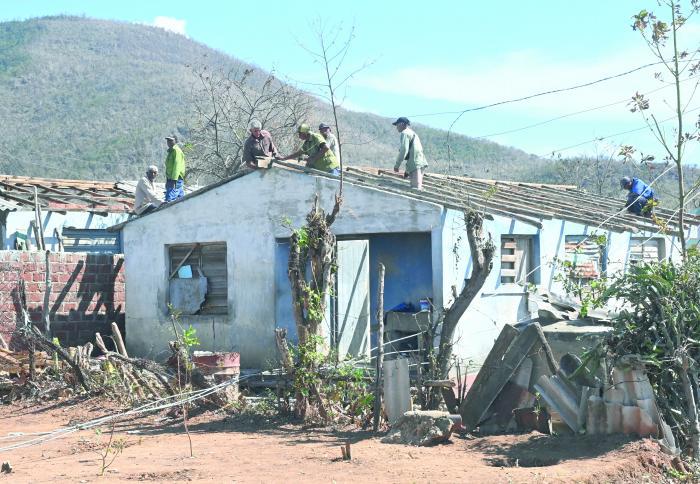
Santiago recovers, it is the will of its people
Cuban President Miguel Díaz-Canel Bermúdez has been actively overseeing recovery operations in the eastern regions of Cuba, particularly in Guamá and El Cobre, areas severely impacted by Hurricane Melissa. The hurricane, which struck with devastating force, caused significant damage to infrastructure, homes, and natural landscapes. Díaz-Canel, accompanied by key government officials, visited affected communities to assess the damage and coordinate relief efforts. In Guamá, the president emphasized the urgency of restoring critical roadways, such as the Granma Highway, which was rendered impassable due to landslides. He also inspected the Uvero Bridge, where a sinkhole had disrupted traffic, and called for long-term solutions to enhance the resilience of infrastructure against future extreme weather events. In the Aserradero community, where the hurricane’s eye lingered, materials for home repairs, including 2,500 fiber cement tiles, have begun to arrive. The president urged collective efforts to restore the area’s natural beauty and the spirit of its residents. In El Cobre, a town of historical significance, Díaz-Canel witnessed the extensive damage and the ongoing restoration work. He highlighted the importance of solidarity and support from specialized brigades, the FAR, and the Minint. Despite the challenges, the community remains resilient, with efforts underway to rebuild homes and restore essential services. The president also addressed concerns about the timely delivery of aid to remote areas and the resolution of pre-existing issues, such as access to drinking water. Throughout his visit, Díaz-Canel expressed his commitment to ensuring that no one is left behind in the recovery process.
-
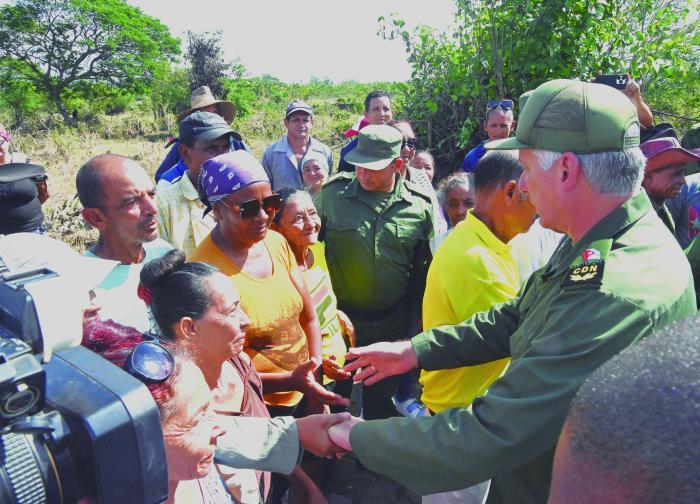
Working together to defend Cuba
Cuban President Miguel Díaz-Canel Bermúdez has intensified efforts to assess and accelerate recovery in the eastern regions devastated by Hurricane Melissa. Over the past week, Díaz-Canel has focused on the hardest-hit areas, including Cauto Cristo and Río Cauto, which remain under hurricane alert. Accompanied by high-ranking officials, he engaged with local residents, emphasizing the importance of community solidarity and government responsiveness during this challenging period. The President highlighted the critical role of the Revolutionary Armed Forces (FAR) and Ministry of Interior (Minint) in rescue operations, particularly in flood-affected zones. He also stressed the need for swift action to restore infrastructure, agriculture, and housing, while ensuring the safety and well-being of displaced families. Despite significant losses in crops and livestock, Díaz-Canel expressed optimism about the recovery process, urging collective effort and resilience. The President’s visit underscored the importance of updating disaster response plans to better handle future crises of similar magnitude.
-
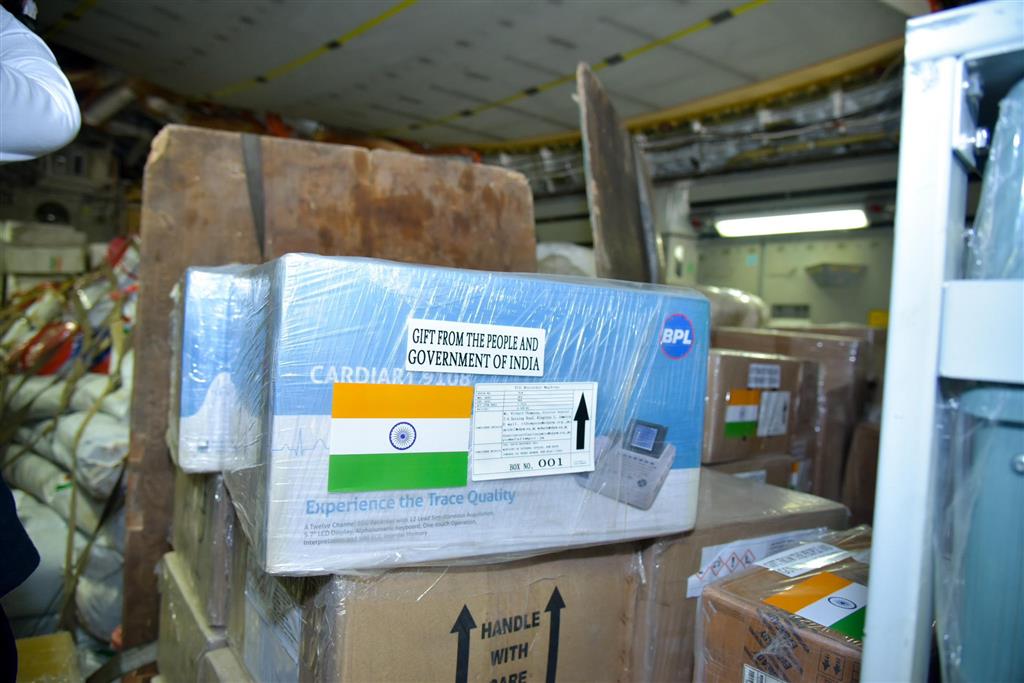
India sends aid to Cuba & Jamaica for recovery from Hurricane Melissa
India has dispatched a significant humanitarian aid shipment to Cuba, Bolivia, and Ecuador, each receiving 20 tons of essential supplies. The consignment, which departed from New Delhi on Tuesday, includes rehabilitation materials, food, medicine, medical equipment, generators, hygiene kits, and other critical items, as confirmed by the Indian Foreign Ministry. This initiative underscores India’s commitment to supporting its Global South partners in times of natural disasters, aiding their recovery and reconstruction efforts. Indian Foreign Minister highlighted the nation’s solidarity with these countries, emphasizing the importance of collective action in addressing global challenges. India has a longstanding history of providing humanitarian assistance to Cuba, particularly in the aftermath of hurricanes and earthquakes. The aid for Cuba is timed to coincide with the upcoming visit of Pabitra Margherita, India’s Minister of State for External Affairs and Textiles, who will also tour Bolivia and Ecuador. During his visit to Cuba, Margherita is expected to discuss enhancing bilateral relations, with a focus on health and medicine, digital public infrastructure, and capacity building.
-
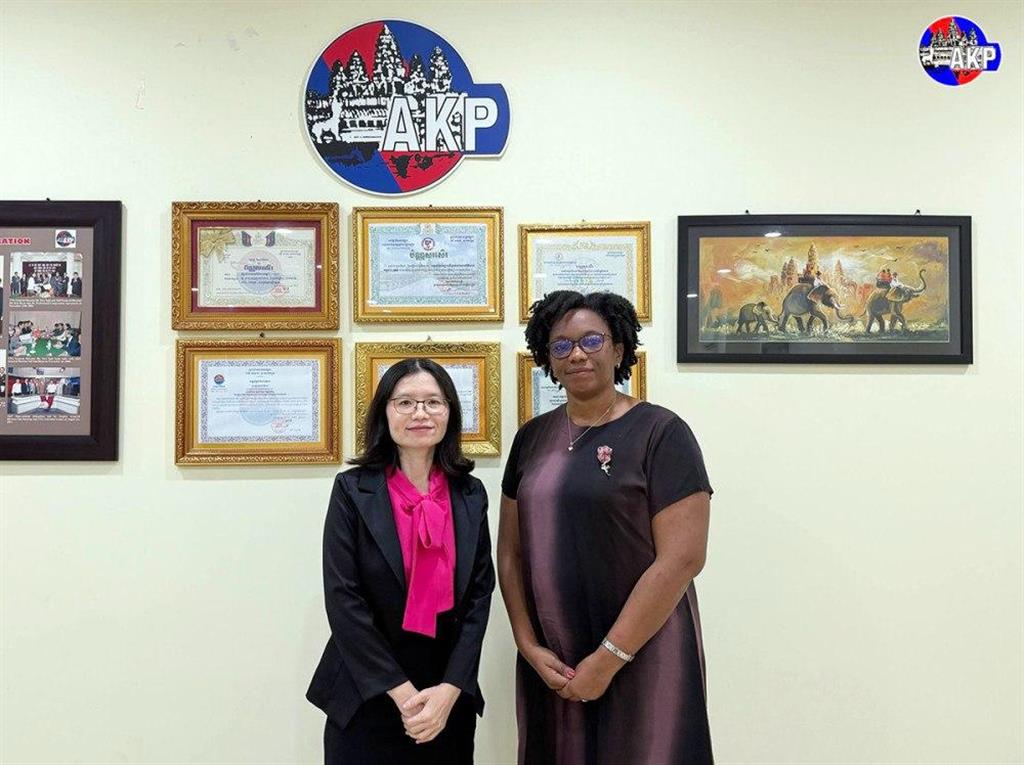
Prensa Latina and AKP highlight positive collaboration
The enduring partnership between the Agence Kampuchea Presse (AKP) and Prensa Latina, Cuba’s leading news agency, has been a cornerstone in fostering mutual understanding and cooperation between Cambodia and Cuba. Initially established in 2012 and revitalized in October 2022, this collaboration is rooted in a shared dedication to truth and the objective dissemination of information about their respective nations. AKP Director General Nimul Sokmom and Cuban Ambassador to Cambodia, Milena Zaldivar, recently highlighted the significance of this alliance during a cordial meeting. Since the renewal of their agreement, AKP has published over 500 news reports about Cuba in English, Khmer, and French, showcasing the resilience, achievements, and unwavering solidarity of the Cuban people. Ambassador Zaldivar emphasized the pivotal role of this media partnership in strengthening the bonds of friendship and cooperation between the two nations. She also commended AKP’s consistent coverage of Cuba’s struggles, particularly its condemnation of the U.S. government’s prolonged economic, commercial, and financial blockade, which has persisted for over six decades.
-
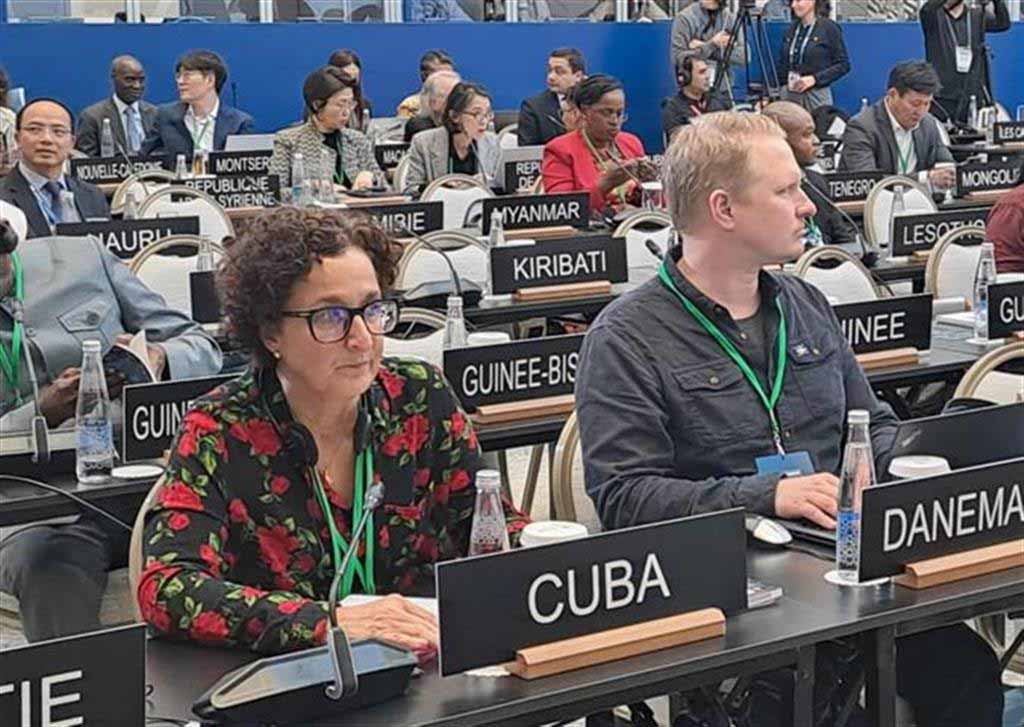
Cuba attends 12th Meeting of UNESCO National Commissions
Dulce Buergo, President of the Cuban National Commission for UNESCO (CNCU), emphasized Cuba’s steadfast dedication to multilateralism, peace, and international law during her address at the 43rd UNESCO General Conference in Central Asia. Speaking on behalf of the Caribbean nation, Buergo highlighted the severe challenges posed by the U.S. economic, commercial, and financial blockade against Cuba, further intensified by its inclusion on the U.S. State Sponsors of Terrorism (SSOT) list. Despite these adversities, she underscored Cuba’s active engagement in various UNESCO-led initiatives, including cultural and creative industries, heritage preservation, UNESCO-associated schools, Geoparks, Biosphere Reserves, and artificial intelligence (AI), all of which contribute to the nation’s development. Additionally, Buergo used the platform to condemn the ongoing genocide against Palestine and reaffirm Cuba’s unwavering solidarity with the Palestinian people, advocating for their right to peace and the establishment of a sovereign state with East Jerusalem as its capital. The conference, running until November 13, serves as a critical forum for addressing global challenges and fostering international cooperation.
-
Cuba: Ibero-Am Congress on Science and Technology Management opens
The Knowledge and Technology Management Company (GECYT), a collaborative entity formed by the InnoMAX Business Group and the Havana Delegation of the Ministry of Science, Technology, and Environment (CITMA), is set to host a significant Congress from November 4 to 7. The event aims to foster the exchange of ideas and experiences among participants in the fields of knowledge management, innovation, and technology. Yadira Carrillo Frias, General Director of GECYT, emphasized to Prensa Latina that the Congress will serve as a platform for diverse stakeholders, including entrepreneurs, government officials, innovators, scientists, academics, and students, to collaborate and share insights. Additionally, representatives from universities, information centers, science and technology parks, and various economic sectors are expected to attend, making it a comprehensive gathering for advancing technological and innovative endeavors.