标签: Belize

伯利兹

  • UNESCO Adds Belize’s Krismos Bram and Sambai to Intangible Heritage List

    UNESCO Adds Belize’s Krismos Bram and Sambai to Intangible Heritage List

    The vibrant cultural traditions of Gales Point Manatee Village have received global recognition as UNESCO officially inscribed Belize’s “Krismos Bram and Sambai” celebration onto the Representative List of the Intangible Cultural Heritage of Humanity. The prestigious designation was conferred during UNESCO’s 20th session in New Delhi, India, with the announcement reaching Belize in the early hours of Tuesday morning.

    A distinguished Belizean delegation comprising representatives from the Institute for Social and Cultural Research, the National Kriol Council, and cultural ambassadors from Gales Point attended the international gathering to witness this milestone achievement. UNESCO’s evaluation highlighted how this centuries-old tradition remains “deeply rooted in African heritage” while fostering social cohesion and reinforcing cultural identity among community members.

    The Krismos Bram and Sambai festivities represent a dynamic cultural performance featuring rhythmic house-to-house singing, energetic drumming, and traditional dancing. The distinctive sounds of gombay and sambai drums provide the musical foundation for celebrations that commence on Christmas Day and extend through Boxing Day. The Sambai dance, historically associated with agricultural rituals and courtship practices, unfolds around nighttime bonfires where performers blend traditional and contemporary songs reflecting community narratives.

    Cultural roles within the tradition follow established patterns: men typically assume responsibility for drumming and instrument craftsmanship, while women serve as guardians of musical compositions, dance techniques, and oral historical knowledge. This gender-based specialization has ensured the preservation of artistic elements that might otherwise face erosion through modernization and development pressures.

    This recognition marks Belize’s second inscription on UNESCO’s Intangible Cultural Heritage list, following the 2008 designation of Garifuna language, music, and culture. Belize further boasts the UNESCO World Heritage Site status of its Barrier Reef System, demonstrating the nation’s rich cultural and natural heritage portfolio.

    Rolando Cocom, Director of the Institute for Social and Cultural Research, emphasized that this international acknowledgment represents a significant advancement in supporting community-led preservation initiatives. The inscription underscores Belize’s ongoing commitment to safeguarding intangible heritage under the framework of UNESCO’s 2003 Convention.

    The Belizean delegation, led by Arreini Palacio-Morgan (UNESCO Secretary General for Belize), included cultural luminaries such as Master Drummer Emith Young and Master Dancer Sharlene Andrewin. Attendees at the session were treated to an immersive live demonstration of Krismos Bram and Sambai, offering international observers a glimpse into the tradition’s enduring vitality and cultural significance.
  • Belize Unemployment Falls to 1.9 Percent; 35% classified as ‘Informally Employed’

    Belize Unemployment Falls to 1.9 Percent; 35% classified as ‘Informally Employed’

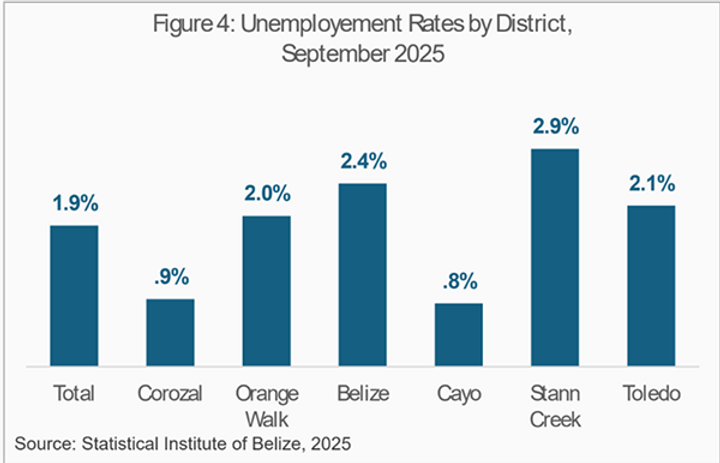
    Belize’s official unemployment rate plummeted to a historic low of 1.9% in September 2025, yet this superficially robust figure masks significant structural vulnerabilities within the nation’s labor market. According to preliminary data from the national Labour Force Survey, merely 3,421 individuals were classified as unemployed—a figure that dips below the standard economic threshold for ‘full employment,’ typically ranging from 3% to 5%. While this suggests near-total workforce absorption, economists caution that the headline number obscures deeper complexities.

    The survey reveals that from a total employed population of 178,442, a substantial proportion—64,129 workers or 35.9%—operate within the informal economy. These workers, largely concentrated in wholesale/retail trade and community/personal services, typically function without formal registration or social security protections. This prevalence of informal employment indicates widespread limitations in income security and job stability, despite their statistical classification as employed.

    Further complicating the picture is underemployment, which affects 2,465 persons or 1.4% of the workforce. Although statistically modest, these individuals work fewer than 35 hours weekly despite availability for additional work and earn significantly below the national average income. Their situation highlights a segment of the labor force that remains economically constrained despite being technically employed.

    Labor force participation rates, standing at 58.1%, also play a crucial role in interpreting the unemployment metric. With over 130,000 Belizeans outside the workforce due to household responsibilities, education, or other factors—and thus excluded from unemployment calculations—the reported rate fails to capture the full spectrum of labor market engagement. Significant gender disparities in participation further nuance this dynamic.

    Collectively, Belize’s labor market indicators paint a multifaceted economic portrait. The record-low unemployment rate, while historically notable, coexists with substantial informal employment, persistent underemployment, and moderate participation rates. These factors necessitate careful monitoring to accurately assess both the quantity and quality of employment opportunities in Belize’s evolving economy.

  • ‘Disappearing Workers’ Coming Back? Labour Force Edges Toward Pre-2024 Levels

    ‘Disappearing Workers’ Coming Back? Labour Force Edges Toward Pre-2024 Levels

    Recent Labor Force Survey data reveals a significant economic recovery underway in 2025, marking a substantial improvement from the dramatic contraction experienced the previous year. The latest figures demonstrate that workforce numbers are gradually returning to pre-decline levels, suggesting the 2024 reduction may have been transitional rather than permanent.

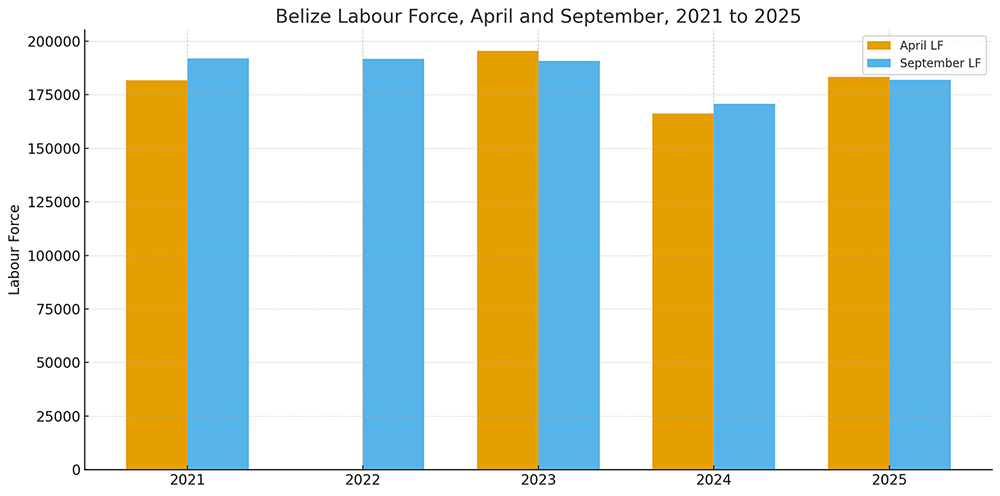
    In September 2024, the labor force experienced one of its most severe contractions on record, plummeting to 166,206 individuals after maintaining stable numbers between 190,000-195,000 for several preceding years. This sharp decline prompted serious concerns among economists and policymakers about fundamental structural changes in the labor market.

    The 2025 data, however, presents a markedly different picture. April’s figures climbed to 183,368 employed persons, followed by a September count of 181,863—both measurements representing significant improvements over 2024’s lows and moving closer to historical norms. This upward trajectory indicates that the factors driving last year’s decline may have been temporary disruptions rather than permanent alterations to workforce dynamics.

    Simultaneously, the unemployment rate has continued its positive trend, dropping to 1.9% in September 2025 with only 3,421 individuals classified as unemployed. This figure sits below September 2024’s 2.1% rate and remains consistent with economic conditions typically associated with full employment.

    The broader employment landscape reveals additional insights: approximately 64,129 workers (35.9% of all employed persons) operate within the informal economy, while underemployment affects 2,465 individuals who work fewer than 35 weekly hours but desire additional work opportunities.

    Beyond the active workforce, more than 130,000 persons remained outside the labor force in September 2025, primarily due to household responsibilities, educational commitments, or other circumstances preventing active job seeking. These demographic factors continue to influence both participation rates and unemployment measurements.

    While current labor force totals haven’t yet reached the peak levels observed between 2021-2023, the measurable recovery from 2024’s lows represents a positive development. Economists emphasize that continued monitoring will be essential to determine whether this upward movement signifies a sustained return to historical norms or reflects shorter-term adjustments in workforce participation patterns.

  • Two Sarita Deliverymen Murdered in Broad Daylight

    Two Sarita Deliverymen Murdered in Broad Daylight

    The Belizean nation has been plunged into mourning and collective outrage following the brutal daylight execution of two Sarita delivery drivers on December 12, 2025. Raynard Garbutt, 22, and Alexander Crawford, 43, were discovered with fatal gunshot wounds to the back of their heads beside their abandoned delivery truck in western Belize.

    According to police investigators, the tragedy unfolded during what appeared to be a routine delivery operation. The vehicle’s GPS data indicates the truck had been stationary since 3:48 PM, though authorities weren’t alerted until approximately 7:00 PM when a local farmer noticed the abandoned vehicle. The cash pan within the truck had been completely emptied, though the precise amount stolen remains undetermined.

    Assistant Superintendent of Police Stacy Smith suggested the drivers may have been deceived into stopping under false pretenses. ‘The vehicle was parked on the side of the road, indicating the driver may have believed he was stopping for legitimate purposes,’ Smith stated, emphasizing the importance of public vigilance regarding unauthorized checkpoints.

    The human toll of this tragedy extends deeply into both victims’ families. Garbutt leaves behind a one-month-old daughter, while Crawford was one of nine siblings. His mother, Cecilia Crawford, expressed unimaginable grief: ‘I can’t even talk straight or think straight. It’s so sad I lose my son… Now I know how it feels.’

    Elmer Juarez, Logistics and Importation Manager at Recinos Imports (Sarita’s parent company), revealed that communication lapses during the drivers’ shift initially raised minimal concern due to known signal dead zones along the Dangriga to Santa Elena route. The company is now reevaluating security protocols, including potential dashboard camera installations and reduced cash transportation practices.

    Police investigation suggests the delivery truck may have been followed before the interception. Authorities are urging businesses to enhance security measures for delivery operations while continuing their pursuit of justice for the murdered men.

  • Court Hands Down Jail Terms for False Statements

    Court Hands Down Jail Terms for False Statements

    In a significant ruling that underscores the judicial system’s intolerance for corruption within its own ranks, two law enforcement officers have received substantial prison sentences for perverting the course of justice. The verdict was delivered on December 12, 2025, by a Senior Magistrate who condemned the actions of BDF soldier Ramon Alberto Alcoser and police officer Juan Carlos Morales as a direct assault on legal integrity.

    The court determined that both officers deliberately provided falsified testimony in December 2021, with their positions of authority adding gravity to their misconduct. While the maximum penalty for such offenses reaches five years imprisonment, the magistrate calibrated sentences after careful consideration of contextual factors. Alcoser received a term of one year and two months, while Morales was sentenced to one year and eleven months incarceration.

    Despite submitting strong character references, neither defendant demonstrated genuine remorse for their actions—a factor that influenced the magistrate’s decision against leniency. The court acknowledged pretrial detention periods, resulting in reduced active sentencing.

    During proceedings, Morales—who has been under suicide watch—became emotionally distressed and alleged previously undiscovered evidence implicating a sergeant in false testimony. The magistrate formally advised pursuing this claim through the High Court, with Morales’ legal counsel confirming intentions to appeal the verdict.

    The ruling emphasizes that those entrusted with upholding justice will face severe consequences when betraying that sacred duty, sending a clear message about institutional accountability.

  • Orange Guayaberas Set Off Tense Parliamentary Exchange

    Orange Guayaberas Set Off Tense Parliamentary Exchange

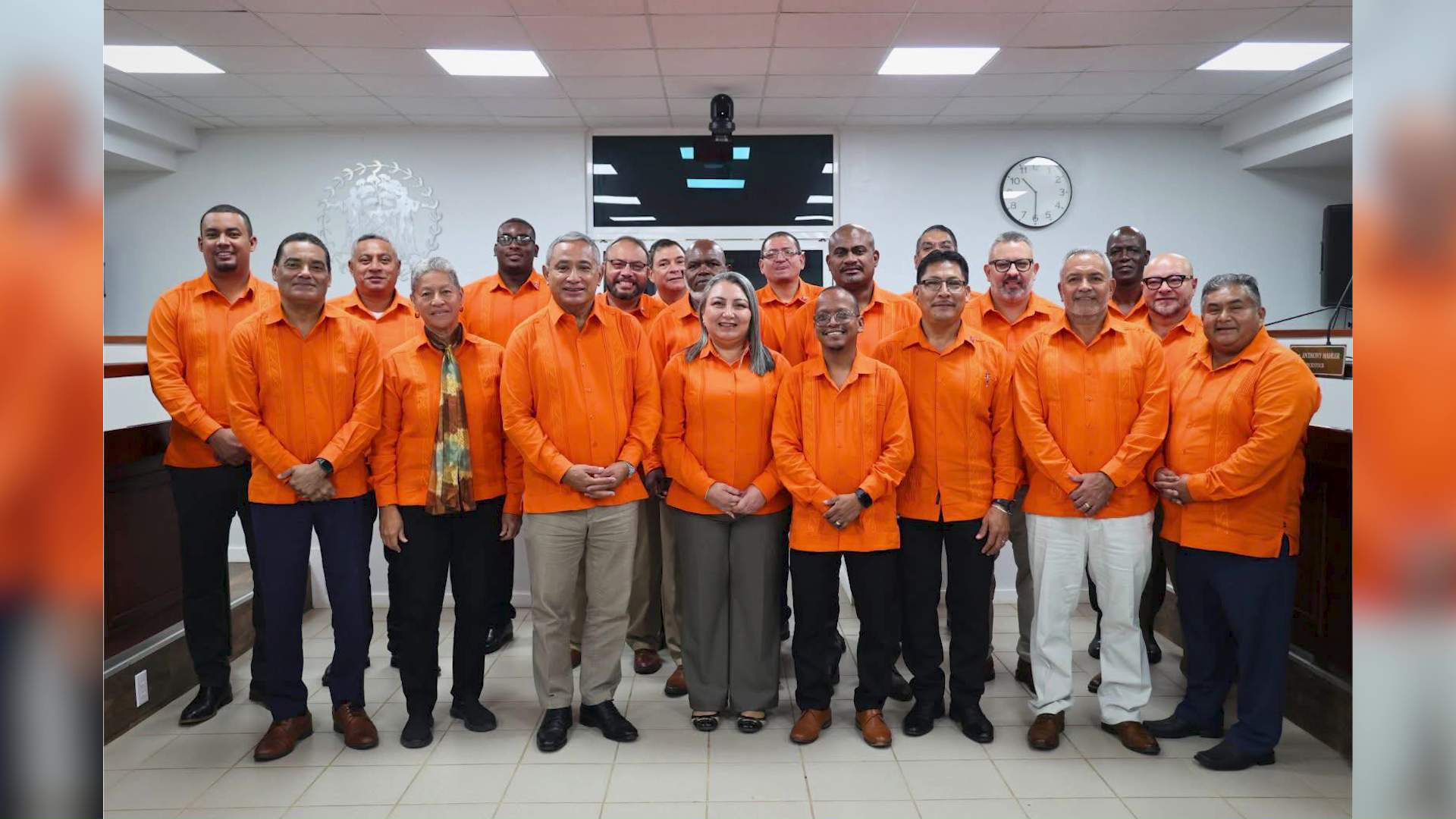
    BELIZE CITY – A symbolic display of solidarity during the Sixteen Days of Activism against gender-based violence erupted into a tense political confrontation in Belize’s Parliament on December 12, 2025, as Prime Minister John Briceno’s administration donned vibrant orange guayaberas to mark the occasion.

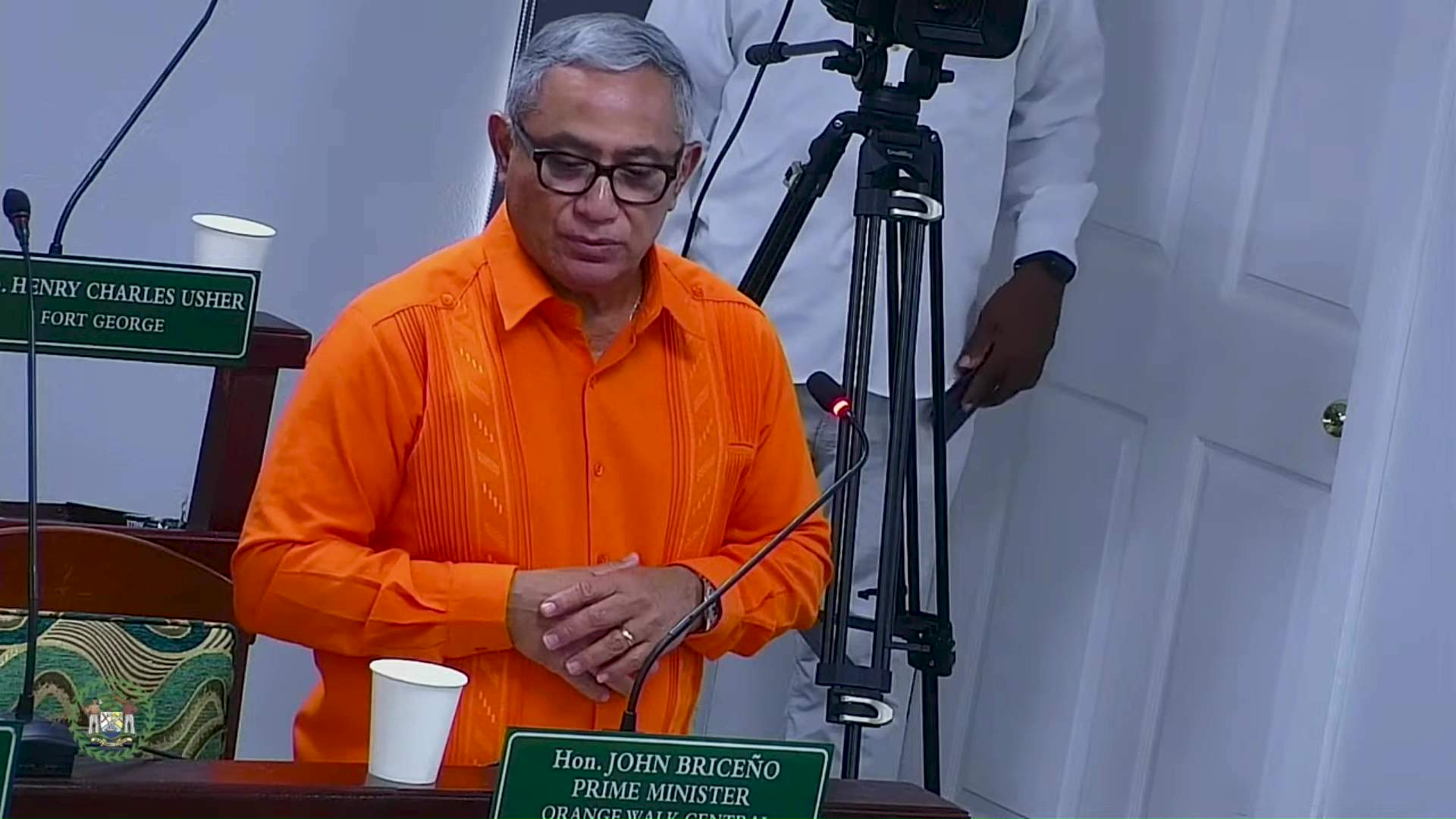
    The carefully orchestrated demonstration of support for anti-violence initiatives quickly devolved into acrimonious exchange when Prime Minister Briceno drew a direct comparison between his government’s orange attire and the opposition UDP party’s controversial ‘Who Thief Budna’ t-shirts. The Prime Minister’s remarks immediately ignited a fiery debate across the parliamentary aisle.

    ‘We will have our honorable Minister of Human Development make a statement,’ Briceno stated before launching his critique. ‘But I want to make a big difference between the opposition and our side. The opposition comes with t-shirts defending a criminal, defending a child predator wanted by Interpol.’

    The comparison prompted an immediate response from Opposition Leader Tracy Panton, who raised a point of order challenging the Prime Minister’s characterization. ‘The point of order is that he is attributing some kind of clandestine motive to the opposition when he well knows that is not the intention,’ Panton asserted. ‘The intention of the opposition is to ensure justice for all Belizeans.’

    Prime Minister Briceno maintained his position, declaring, ‘I am not insinuating anything – it is just a fact. Here we come standing up for gender-based violence for the sixteen days of activism, and you can see a big difference.’

    The exchange grew increasingly tense as Panton challenged the Prime Minister’s authority, asking, ‘When did you become judge, jury and executioner? Again the prime minister insists on suggesting that we were here with improper motives, and that is not acceptable, Madam Speaker.’

    The parliamentary session highlighted how even symbolic gestures in Belize’s political landscape can quickly become flashpoints for deeper political divisions and unresolved tensions between the governing and opposition parties.

  • Minister Calls for United Front Against Domestic Violence

    Minister Calls for United Front Against Domestic Violence

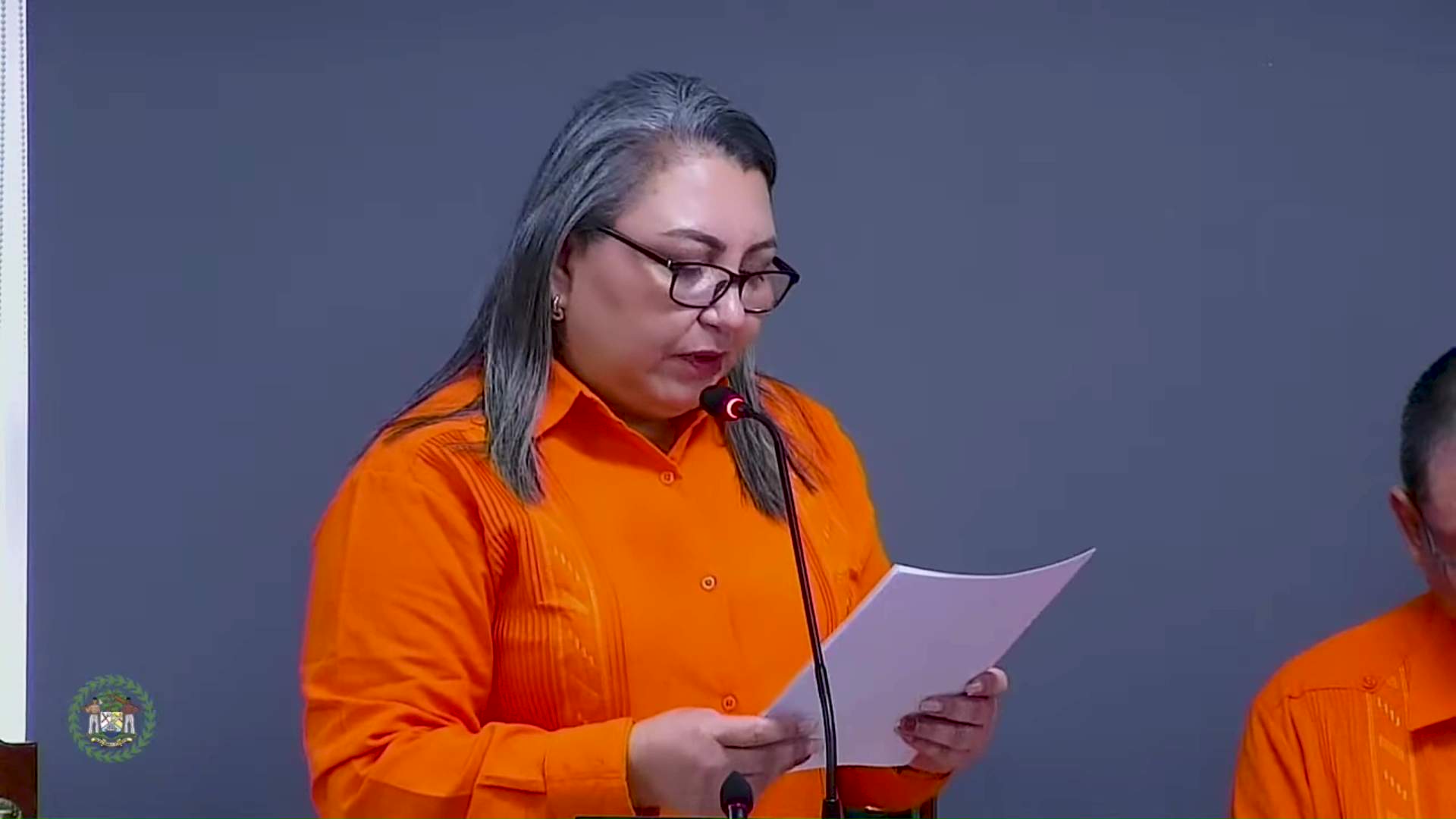
    Belize’s Minister of Human Development, Thea Garcia Ramirez, has issued a powerful call for national solidarity in confronting the nation’s escalating domestic violence epidemic. Addressing the grave social crisis with urgent solemnity, Minister Garcia Ramirez presented alarming statistics that paint a disturbing picture of gender-based violence across the country.

    The minister emphasized that the symbolic wearing of orange shirts by government members represents both solidarity with survivors and the administration’s absolute zero-tolerance stance toward gender-based violence. While the visual demonstration serves as an important symbol, Garcia Ramirez stressed that the underlying issue demands concrete action rather than mere gestures.

    Official national data reveals a troubling persistence of domestic violence cases, with police recording 1,250 incidents in 2023 followed by 1,277 cases in 2024. The statistics reveal particularly distressing patterns: approximately 90% of complainants are women, predominantly between the ages of 18 and 45. Even more alarming, sexual violence data shows that 90% of 2023’s victims were female, with half being girls aged 10 to 19.

    Minister Garcia Ramirez highlighted the emerging threat of femicide, noting that one in ten murdered females in 2023 is believed to have been killed due to gender-related motives. The minister concluded with a poignant reminder that these statistics represent real people whose lives have been devastated by violence, underscoring the critical need for immediate and coordinated national response.

  • GOB Pushes to Renew Sugar Industry Tax Breaks Amid Opposition Criticism

    GOB Pushes to Renew Sugar Industry Tax Breaks Amid Opposition Criticism

    The Belizean government, led by Prime Minister John Briceño, is advancing legislation to prolong substantial tax incentives for ASR/BSI and its BELCOGEN energy facility for an additional two-year period. These tax concessions, originally established in 2012 under prior leadership, provide the corporation with exemptions from business levies and import duties.

    Prime Minister Briceño has characterized the sugar sector as confronting severe operational challenges, prompting his administration to advocate for the renewal of these financial incentives. Following a presentation by BSI executives to the Cabinet, Briceño emphasized the industry’s critical situation, citing insufficient sugarcane yields, escalating operational expenses, and the pressing requirement for continued modernization investments in both milling and energy generation infrastructure.

    Conversely, Opposition Leader Tracy Panton has raised substantive concerns regarding the fiscal responsibility of extending these tax holidays. While acknowledging the sugar industry’s vital economic role, particularly in northern employment and agricultural sustainability, Panton questioned whether this approach demonstrates balanced policymaking and equitable treatment for all stakeholders. She highlighted the particular irony that despite these substantial tax exemptions, Belizean consumers face potential energy cost increases of nearly fourteen percent currently under consideration by the Public Utilities Commission.

    The emerging debate encapsulates broader tensions between industrial support mechanisms and responsible fiscal governance, with significant implications for Belize’s agricultural economy and energy affordability.

  • Rodwell Ferguson Endorses Sugar Industry Incentives

    Rodwell Ferguson Endorses Sugar Industry Incentives

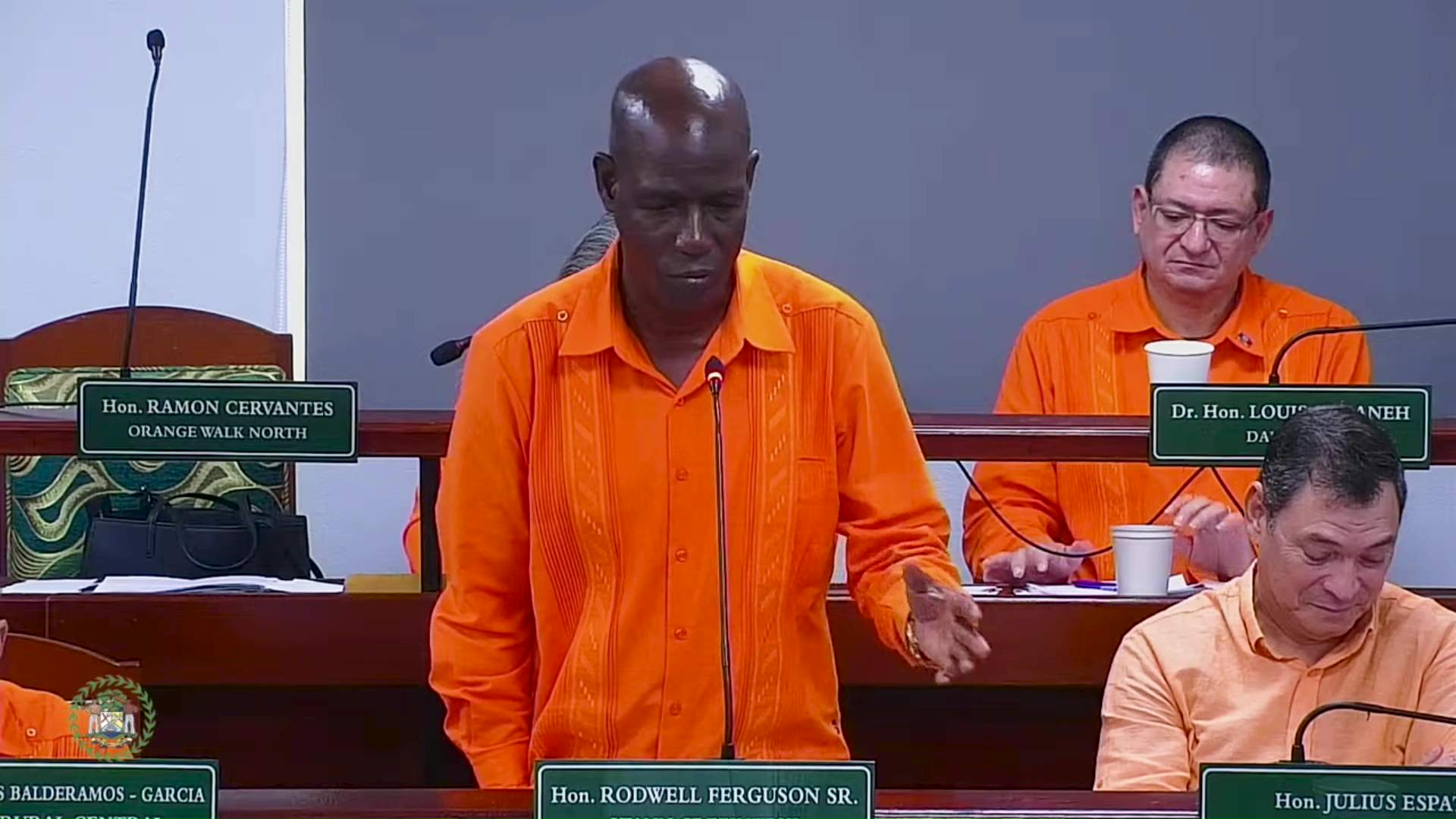
    In his inaugural parliamentary address, Belize’s newly appointed Agriculture Minister Rodwell Ferguson strongly endorsed proposed tax exemption extensions for the nation’s sugar industry giant ASR/BSI. Drawing upon his substantial background in the agricultural sector, Minister Ferguson emphasized the critical importance of governmental support mechanisms for ensuring industry viability and national economic benefit.

    The minister articulated a clear philosophy regarding industrial incentives, stating that initial investments inherently require support during their developmental phases. “An initial investment will always require an incentive because you never know what the outcome will be,” Ferguson explained to parliamentary colleagues. He further elaborated that once enterprises establish profitability, they subsequently contribute fully to national revenues through tax obligations.

    Ferguson’s perspective is rooted in extensive personal experience, having dedicated twenty-three years to agricultural work prior to entering the political arena. This background provides him with firsthand understanding of the challenges confronting agricultural workers. The minister emphasized that responsible governance necessitates creating conditions where industries can not only survive but achieve sustainable profit margins, ultimately securing Belize’s economic future.

    The proposed tax exemptions represent a continuation of government policy aimed at maintaining competitiveness in the crucial sugar sector, which employs thousands of Belizeans and contributes significantly to export earnings. Minister Ferguson’s endorsement signals policy continuity despite the recent ministerial appointment.

  • Sugar Season Delay: Blessing and Burden?

    Sugar Season Delay: Blessing and Burden?

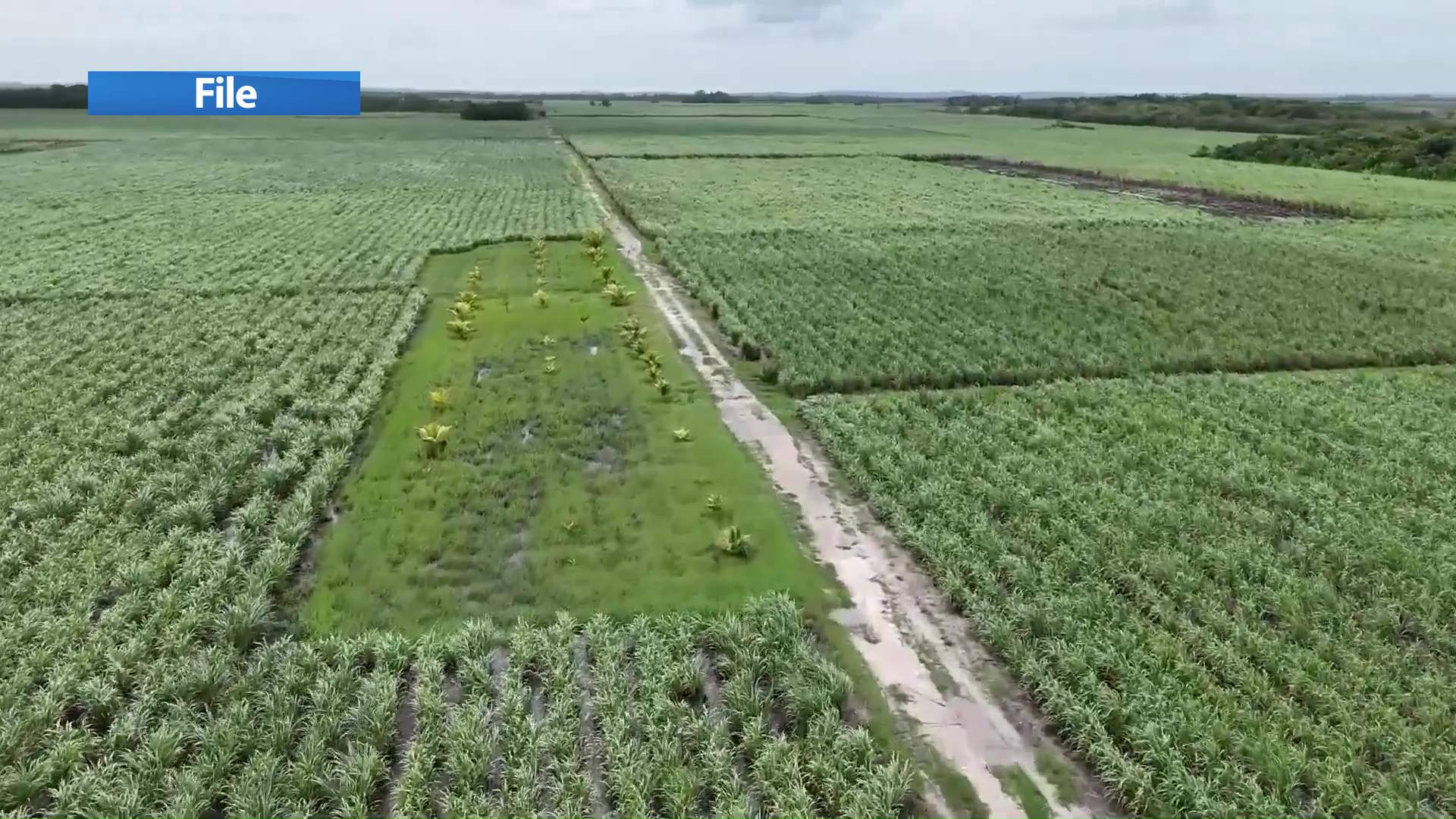
    In northern Belize, the postponed commencement of the sugar harvesting period is creating a complex scenario of economic hardship and potential agricultural benefits. The delay, impacting numerous cane farming families reliant on December revenues for holiday expenses, presents a dual reality of immediate financial strain against long-term operational advantages.

    Industry representatives characterize the situation as possessing both positive and negative dimensions. While the absence of early cash flow creates significant Christmas season difficulties for agricultural families and local businesses, the additional time permits recovery of weather-damaged fields and allows milling facilities to complete essential maintenance.

    Alfredo Ortega, Vice-Chairman of the Belize Sugarcane Farmers Association, confirmed the industry’s operational unreadiness, noting that extended preparation could ultimately strengthen both farming and milling operations. Ortega emphasized the broader community impact, stating that delayed crop initiation affects regional economic circulation beyond the agricultural sector.

    Association Chairman Salvador Martin identified multiple challenges affecting cultivation readiness, including fusarium fungal infections, persistent drought conditions, and pest infestations throughout the farming region. Martin indicated mid-January as a potential timeframe for improved conditions, expressing hope for more favorable operational circumstances.

    The delayed season timing may yield mutual benefits according to stakeholders. Ortega explained that mill maintenance requirements align with farmers’ needs for extended preparation periods following disappointing third payment distributions in previous cycles. This unexpected additional time enables reinvestment in replanting efforts and improved crop management strategies throughout the cultivation region.