
As Oscar Mira assumes the role of Belize’s Minister of Home Affairs, he faces the dual challenge of addressing rising crime rates and managing the fallout from the Joseph Budna investigation, a case that has severely undermined public trust in the Belize Police Department. The investigation file has been handed over to the Director of Public Prosecutions (DPP), with Mira emphasizing a hands-off approach to ensure impartiality. Despite mounting pressure, Mira has refrained from interfering, stating, ‘That file has been sent to the DPP. It is her job to give us the advice we need.’ When questioned about the lack of substantial evidence in the police investigation, Mira maintained his stance, asserting that he has not seen the file and will not influence the process. The controversy has sparked debates about transparency, with reporters pressing Mira on whether the investigation tape should be released. Mira reiterated his commitment to justice but stressed that his role does not involve meddling in concluded investigations. ‘The trust that we will work for, we will get it back,’ he affirmed, highlighting his dedication to restoring public confidence in law enforcement. However, critics question how he plans to rebuild trust while distancing himself from a scandal that continues to haunt the department.
标签: Belize
伯利兹
-

Can New Home Affairs Minister Secure Corozal Free Zone?
In a strategic move to enhance security and streamline governance, Prime Minister John Briceño has merged the Ministry of Enterprise with the Ministry of Home Affairs. This decision comes amid growing concerns over safety in the Corozal Free Zone, a critical economic hub. The newly appointed Minister of Home Affairs, Oscar Mira, has outlined his immediate priorities to address these issues. Mira emphasized his commitment to ensuring a secure environment for businesses to operate without fear. ‘I am scheduled to meet with the CEO of the Freezone and the chairman of the board shortly,’ Mira stated. ‘Our goal is to thoroughly examine all aspects and ensure that businesses can thrive in a safe and secure environment.’ While Mira acknowledged that he has yet to receive a comprehensive briefing on the current situation, he assured that his team would mobilize all necessary resources to address any security challenges. When questioned about the police department’s capacity to counter alleged cartel influence in the Freezone, Mira responded cautiously, stating, ‘I need to understand the specifics of these allegations first. Our focus is on pooling all resources to make the area safe for business.’ This development underscores the government’s proactive approach to safeguarding economic interests while addressing security concerns in the region.
-
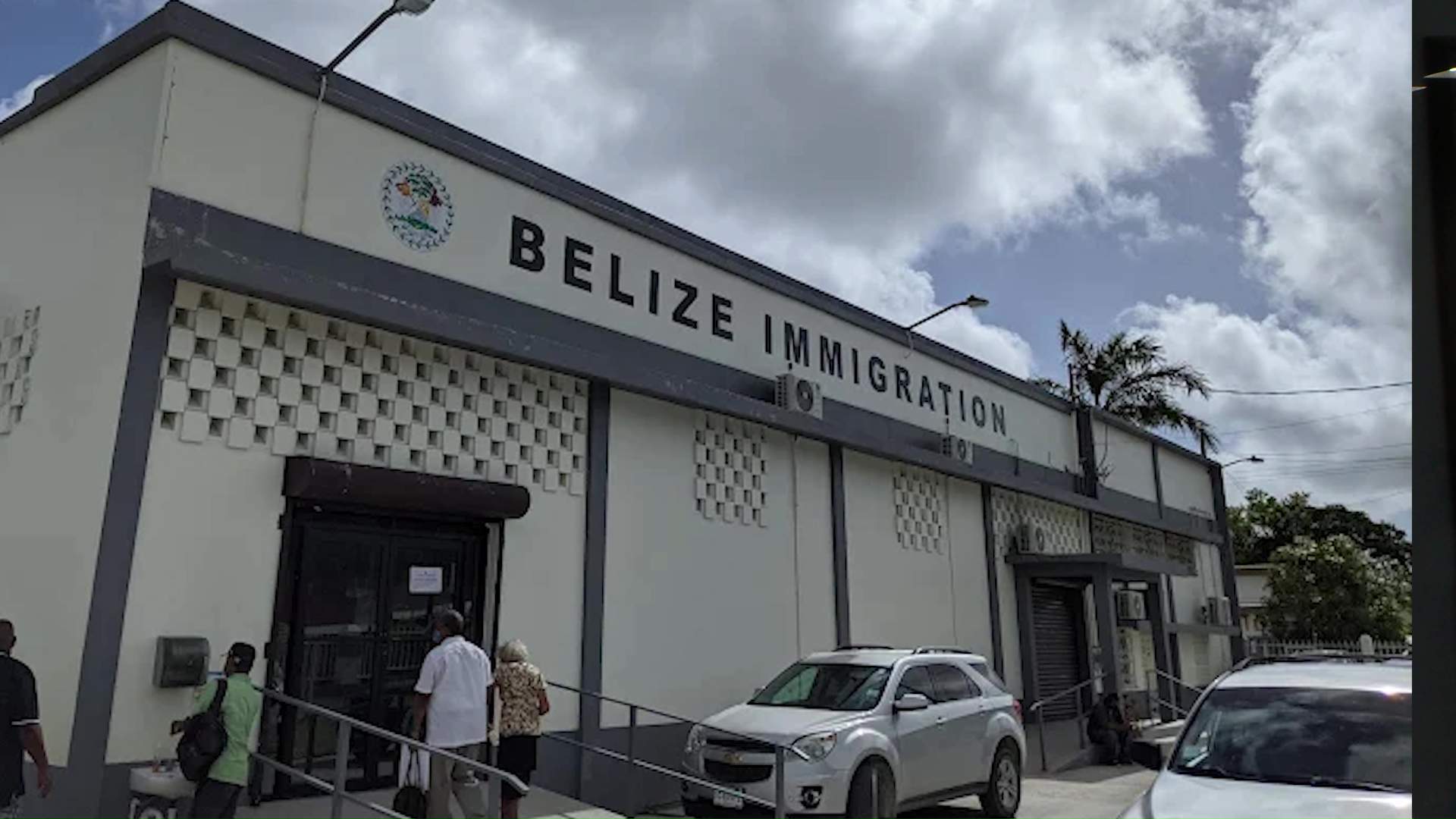
Kareem Musa’s Big Switch from Home Affairs to Immigration
In a significant Cabinet reshuffle, Kareem Musa has transitioned from his role as Minister of Home Affairs to take charge of the Ministry of Immigration, Labor, and Governance. This move has ignited widespread speculation and debate across Belize. While some critics view this as a demotion, Musa firmly asserts that it is a promotion, emphasizing the complexity and importance of his new responsibilities. He expressed optimism about his new role, highlighting the challenges in immigration, labor, and governance, and underscored the Prime Minister’s confidence in his legal expertise to navigate these critical areas. The timing of this reshuffle has raised questions, particularly in light of the ongoing investigation into the kidnapping of Joseph Budna. Musa has categorically denied any involvement in the case, stating that the Prime Minister and the Cabinet are fully aware of his innocence. He also addressed concerns about the investigation’s progress, noting that there is substantial evidence, including video footage and officer statements, which could be revisited. This transition marks a pivotal moment in Musa’s political career, with implications for Belize’s governance and public perception.
-
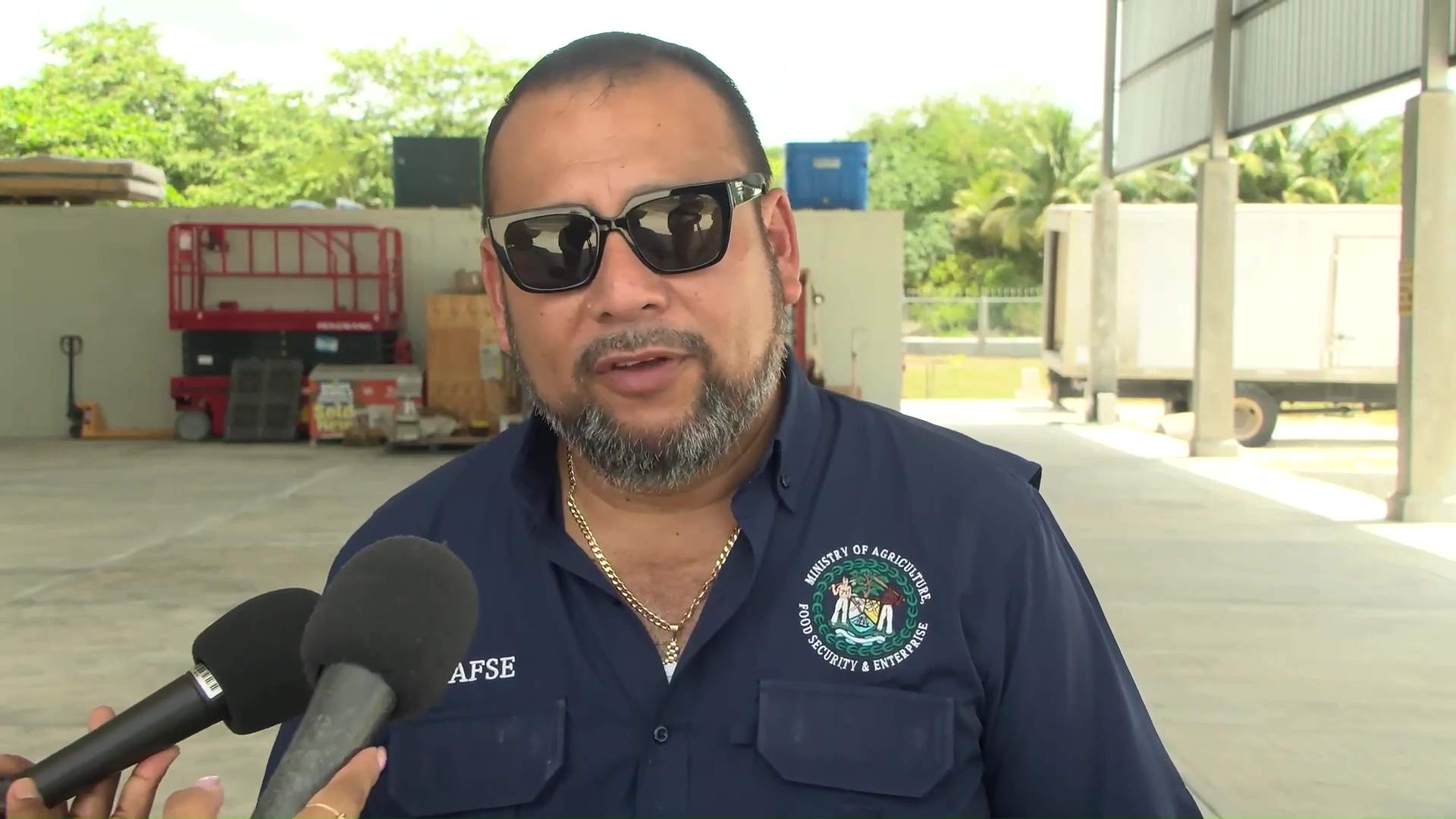
Horse Fall or Washington Pressure? Abi Mai Steps Down
In a surprising turn of events, Belize’s Prime Minister John Briceño announced on Tuesday that Minister of Agriculture Jose Mai has taken a leave of absence due to health reasons. According to Briceño, Mai sustained a back injury from a horse fall approximately a year ago and now requires surgery. However, this explanation has been met with growing skepticism, as rumors suggest that Mai’s departure may have been influenced by external pressures, particularly from Washington. The situation has sparked intense speculation and debate within Belize’s political circles. When questioned, Mai’s Cabinet colleagues offered mixed responses. Oscar Mira, Minister of Home Affairs, acknowledged that Mai had indeed suffered an accident but refrained from elaborating further, stating, “All of us decide and know how we feel. Sometimes we need to take a break.” Kareem Musa, Minister of Immigration and Labor, admitted he had not been able to reach Mai for comment but noted that the minister had been complaining of pain for some time. The prime minister’s account, while supported by some, continues to be scrutinized as the public seeks clarity on the true reasons behind Mai’s sudden leave.
-

CCJ Delivers Judgment in Belize’s LPG Import Showdown
In a landmark ruling, the Caribbean Court of Justice (CCJ) has upheld Belize’s legislation centralizing the importation of liquid petroleum gas (LPG) under the National Gas Company. The decision marks the culmination of a protracted legal battle between the Belizean government and four private gas companies—Gas Tomza, Western Gas, Southern Choice Butane (Zeta Gas), and Belize Western Energy—who challenged the policy as a violation of their constitutional rights to work and property. The government, represented by the Controller of Supplies, the Minister of Economic Development, and the Attorney General, argued that the reforms were essential to address systemic issues in the LPG sector, including supply insecurity, transfer pricing, poor product quality, and smuggling. Senior Counsel Eamon Courtenay emphasized that the legislation aimed to dismantle monopolistic practices and establish a fairer, more stable system. The private companies had previously won a $60 million claim at the High Court, but the Court of Appeal overturned the decision, prompting the government to escalate the case to the CCJ. The CCJ ultimately ruled that the Court of Appeal erred, affirming that no constitutional rights were breached and dismissing the companies’ claims. This decision reinforces the government’s authority to regulate critical sectors in the public interest.
-
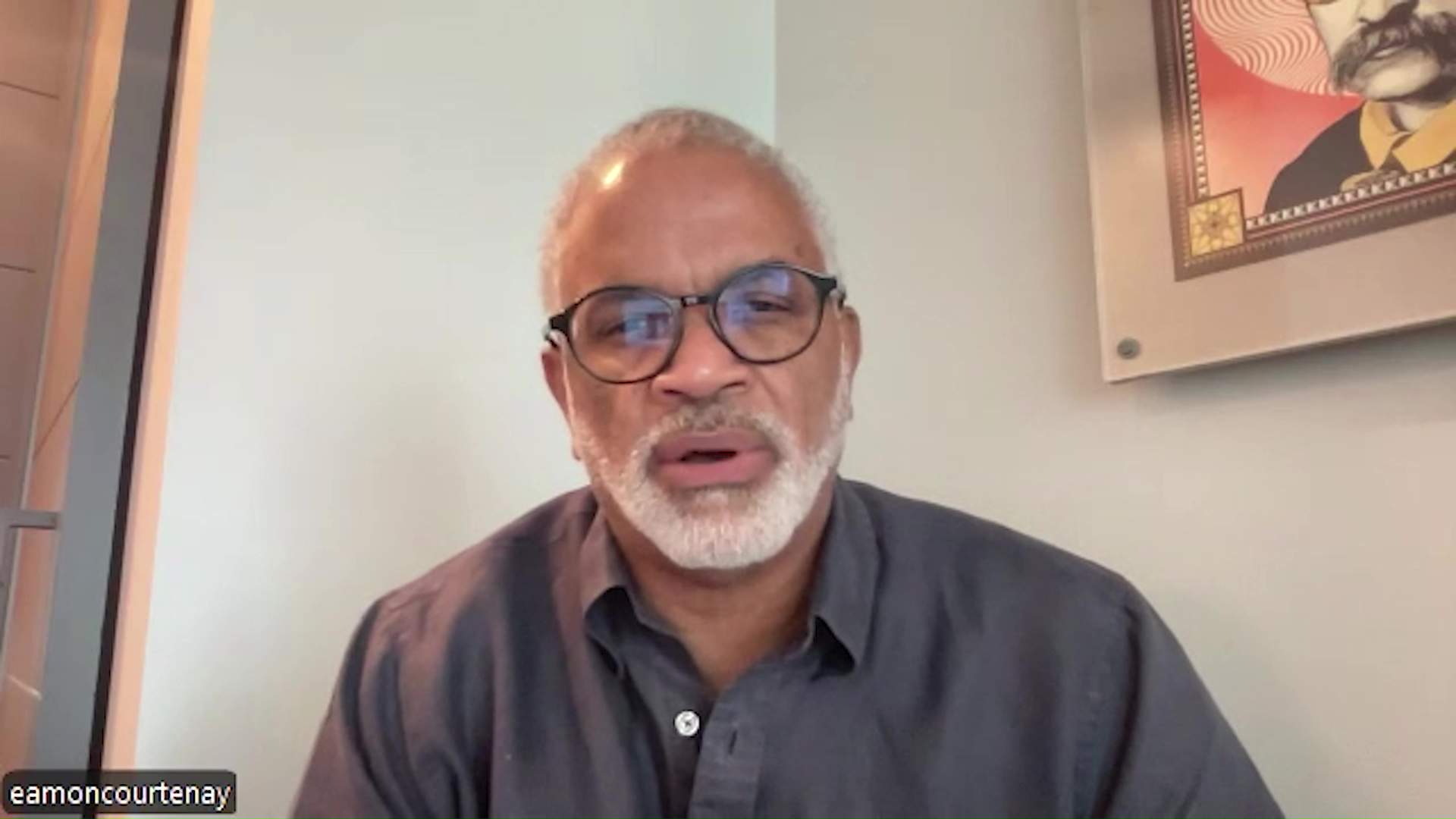
CCJ Upholds Government’s LPG Market Reforms
In a landmark decision on November 20, 2025, the Caribbean Court of Justice (CCJ) upheld the Belizean government’s restructuring of the Liquefied Petroleum Gas (LPG) market, marking the culmination of a years-long legal battle. The ruling validates the transition from a system of multiple importers to a streamlined model featuring a single main importer and local distributors. This reorganization, deemed constitutionally sound by the court, effectively shields the government from a $60 million claim previously pursued by private gas companies. Senior Counsel Eamon Courtenay emphasized the significance of the judgment, stating that the legislation is now confirmed as constitutionally compliant. He further clarified that the court’s decision underscores the continued existence of goodwill among gas companies, despite their claims of financial losses. The ruling not only resolves a major legal dispute but also sets a precedent for the future organization of Belize’s LPG market, ensuring stability and clarity for industry stakeholders.
-
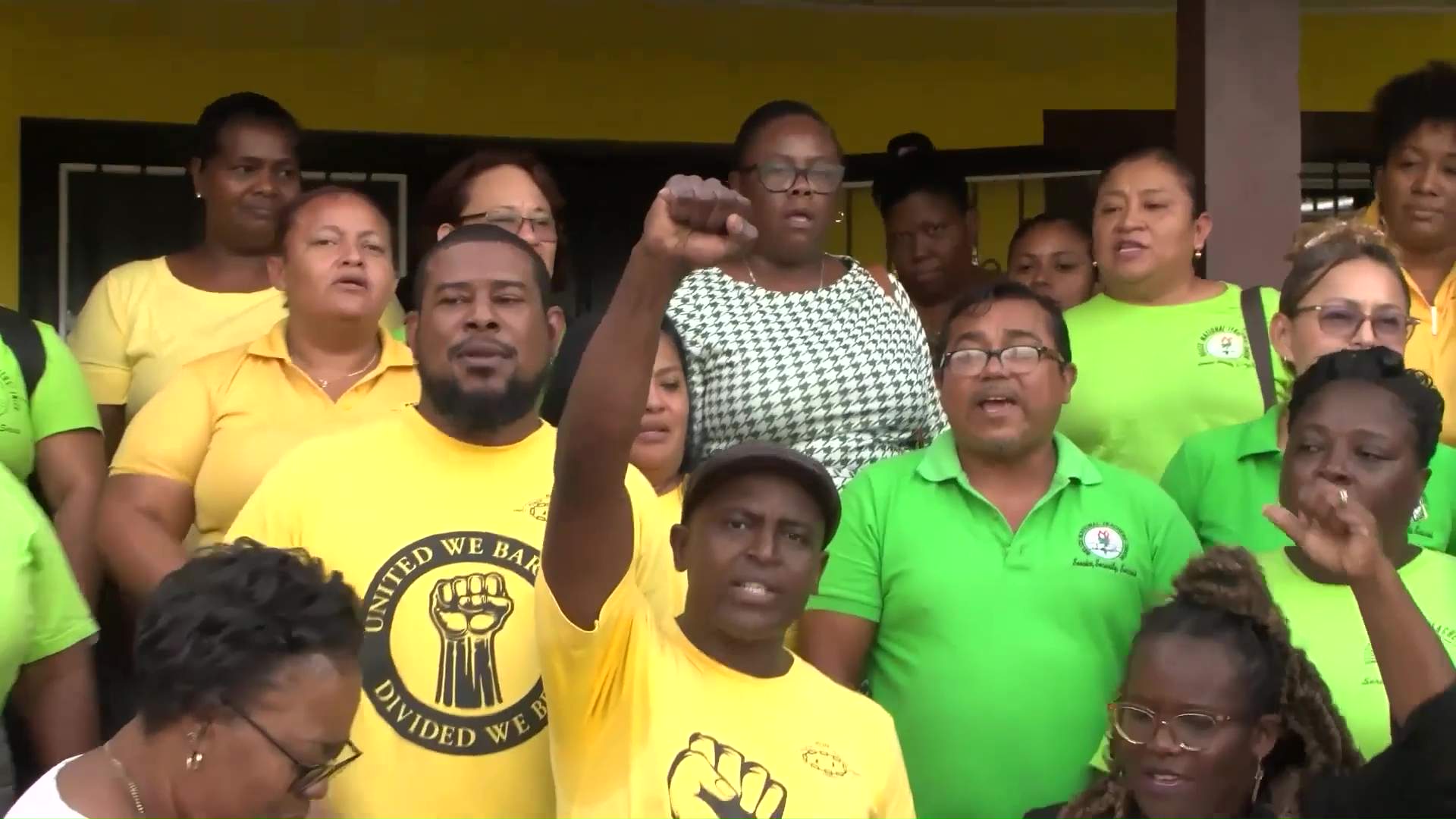
Historic Pay Raise at Heart of $210M Spending Plan
The Briceño administration has unveiled a groundbreaking $210 million spending plan, urging Parliament to approve two significant bills aimed at addressing both immediate and long-term financial needs across various ministries. At the heart of this proposal is a historic salary and pension increase for public officers, teachers, and security personnel, marking the largest pay raise ever granted by any government in Belize. Prime Minister John Briceño emphasized the importance of this initiative, stating that it reflects the administration’s commitment to recognizing the hard work and dedication of these essential workers. The wage hike, negotiated earlier this year with the Joint Unions, includes an initial 4.5% increase effective from October 1, 2025, to March 31, 2026, costing nearly $15 million. Once fully implemented, the total increase of 8.5% will amount to an annual expenditure of $60 million. This move is expected to significantly boost morale and productivity among public sector employees, including the police department, the Belize Defence Force (BDF), and the Belize Coast Guard. The spending plan also allocates funds for other critical areas, ensuring comprehensive support for the nation’s development.
-
Why Does a ‘Strong’ Economy Need More Cash?
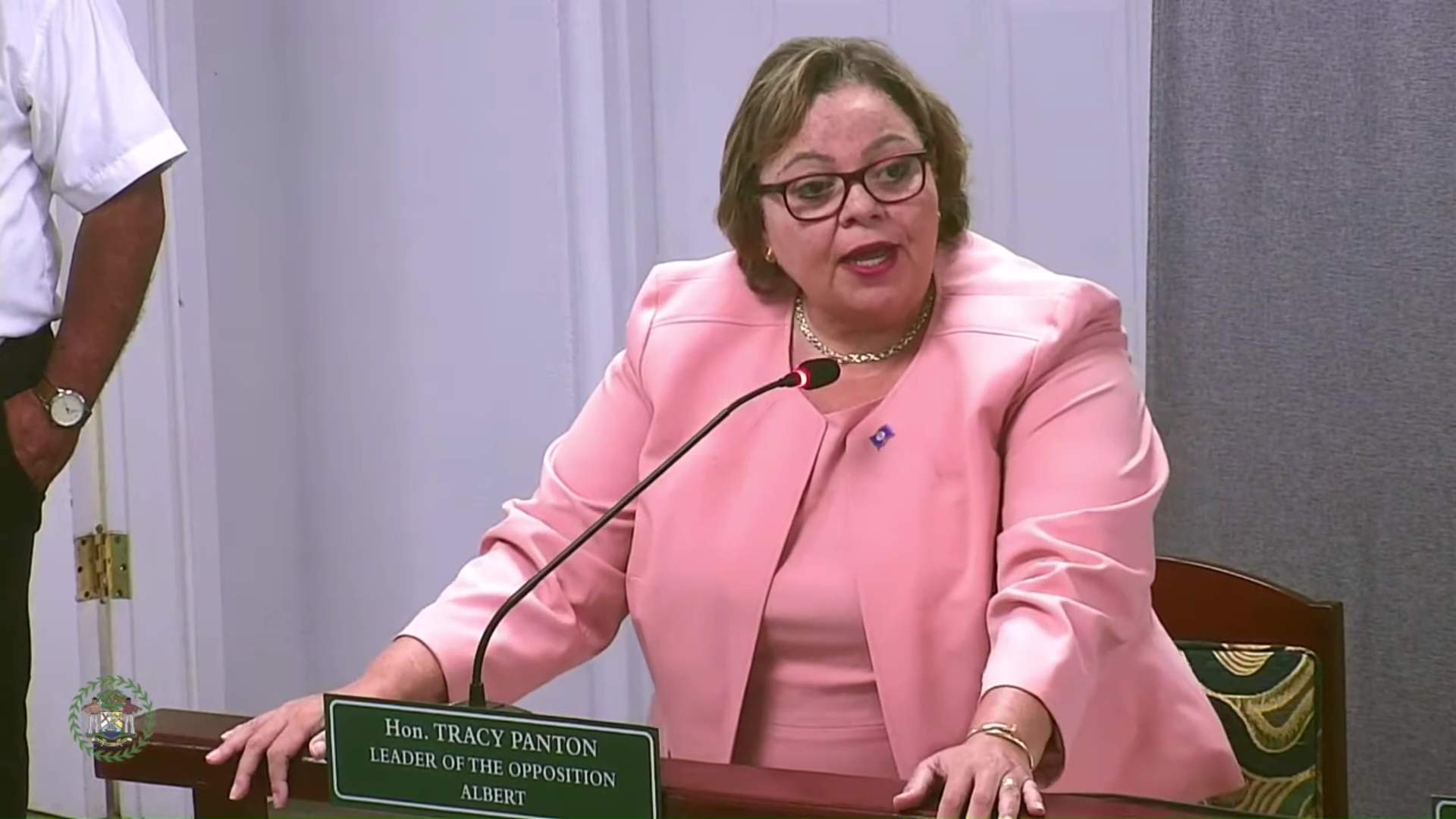
In a heated parliamentary session on November 20, 2025, Belize’s Opposition Leader Tracy Taegar-Panton strongly criticized the government’s request for additional funding through two supplementary appropriation bills, totaling $210 million. Panton argued that the repeated need for budget adjustments contradicts the administration’s claims of a robust economy. She highlighted discrepancies in the reported economic growth figures, noting that while the Prime Minister cited an 8.2% growth rate, the actual figure was only 3.5%. Panton accused the government of severe underbudgeting, questioning why a supposedly strong economy requires constant financial injections. She declared that the Opposition would not support the bills in their current form, emphasizing the need for greater fiscal transparency and accountability.
-
Espat Defends $69M George Price Highway Upgrade
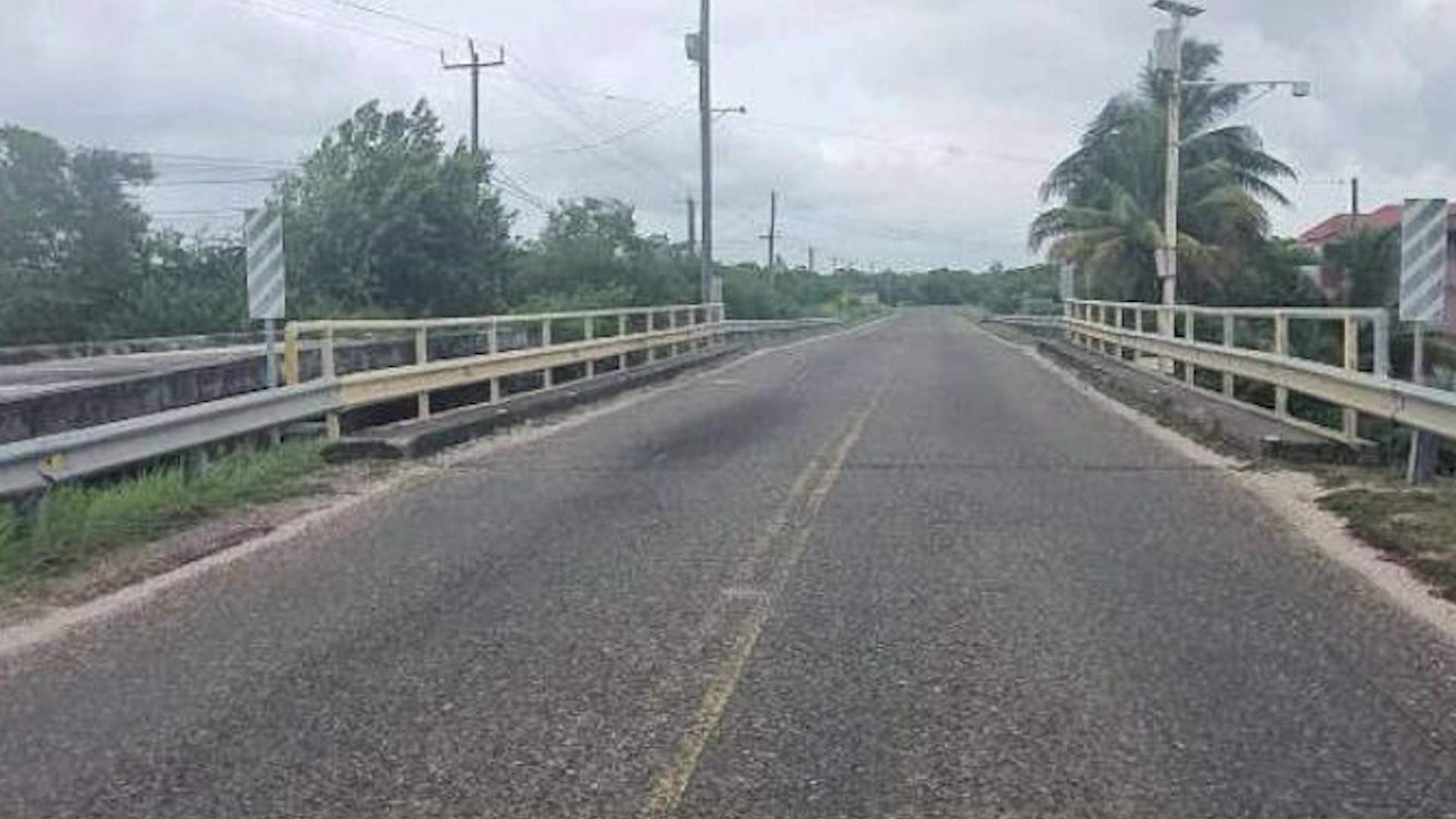
The Belizean government’s proposed $69 million loan for the George Price Highway upgrade has sparked intense debate, with the Opposition strongly criticizing the move as an unnecessary financial burden. The loan, aimed at funding roadworks between Belize City and Hattieville, has been labeled by critics as a reckless decision that will saddle the country with two decades of repayments, diverting resources from pressing social and economic issues. Minister of Infrastructure Development Julius Espat, however, has vehemently defended the project, emphasizing its urgency and priority for the Briceno administration. Espat dismissed claims of inadequate feasibility studies, asserting that international financial institutions (IFIs) would not approve loans without thorough documentation. He invited critics, including Corozal North Area Representative Hugo Patt, to review the studies firsthand. Patt, meanwhile, questioned the project’s cost-effectiveness and standards, citing structural failures in recent infrastructure projects. Opposition Leader Tracy Panton also condemned the loan agreement, accusing the government of prioritizing debt over the nation’s welfare. The debate highlights the ongoing tension between infrastructure development and fiscal responsibility in Belize.
-

Phillip Wright Becomes First Belizean Archbishop of the West Indies
Belize has achieved a historic milestone with the appointment of Phillip S. Wright as the first Belizean Archbishop of the Anglican Church’s Province of the West Indies. Archbishop Wright, a native of Belize City, was celebrated during a homecoming event on Friday, marking a moment of national pride and recognition of his decades-long dedication to ministry. Born and raised in the southside of Belize City, Wright felt a calling to priesthood as early as nine years old, a path that led him to seminary and eventually to the highest ecclesiastical position in the region. At 58, Archbishop Wright reflects on his journey, from serving as an acolyte in his youth to becoming a bishop at 38 and now an archbishop. His role involves overseeing the province’s dioceses, chairing meetings of bishops, and representing the Anglican Church on international platforms. Reverend Elswith Clare, Methodist Bishop, praised Wright’s election as a testament to his spiritual guidance, pastoral wisdom, and commitment to the gospel. Archbishop Wright emphasized the privilege of accompanying people through life’s significant moments and helping them find purpose. Addressing the timeless question of evil in a world governed by a benevolent God, Wright acknowledged the complexity of the issue but expressed hope in a brighter future under divine control. The archbishop has received widespread congratulations from across Belize and the region, cementing his legacy as a beacon of faith and service.