标签: Belize

伯利兹

  • Marie Sharp Honored on Forbes’ 2026 “50 Over 50” List

    Marie Sharp Honored on Forbes’ 2026 “50 Over 50” List

    Marie Sharp, the visionary founder behind Belize’s iconic condiment empire, has secured a prestigious position on Forbes magazine’s 2026 “50 Over 50 Global” list. This distinguished recognition celebrates exceptional leaders and innovators who have achieved significant international impact during their later careers.

    Sharp’s culinary journey began modestly in 1981 when she started producing pepper sauces from her home kitchen. Through decades of relentless refinement and dedication, she transformed her homemade recipes into a globally recognized brand that now distributes authentic Belizean flavors across nearly forty international markets. Her product line has expanded to include diverse offerings from signature pepper sauces to fruit jams, becoming essential culinary staples both within Belize and worldwide.

    In an exclusive interview following the announcement, Sharp expressed profound gratitude while emphasizing the collective nature of this achievement. “This recognition transcends individual accomplishment,” she noted. “It belongs equally to my dedicated team, my supportive family, and the Belizean community that championed our products from the very beginning.”

    The entrepreneur recounted her humble beginnings, detailing how she personally marketed early product batches door-to-door with refried tortillas as tasting accompaniments. Her persistence through continuous product improvements—responding to feedback about color intensity, heat levels, and flavor profiles—eventually led to the construction of her first manufacturing facility on the family farm.

    Sharp’s inclusion on the Forbes list highlights the growing recognition of entrepreneurs who achieve global success while preserving cultural authenticity. Her story embodies the spirit of continuous innovation and cultural ambassadorship that defines the most impactful late-career achievements in today’s interconnected business landscape.
  • Mayors Association Requests Fair Pay and Post-Service Benefits

    Mayors Association Requests Fair Pay and Post-Service Benefits

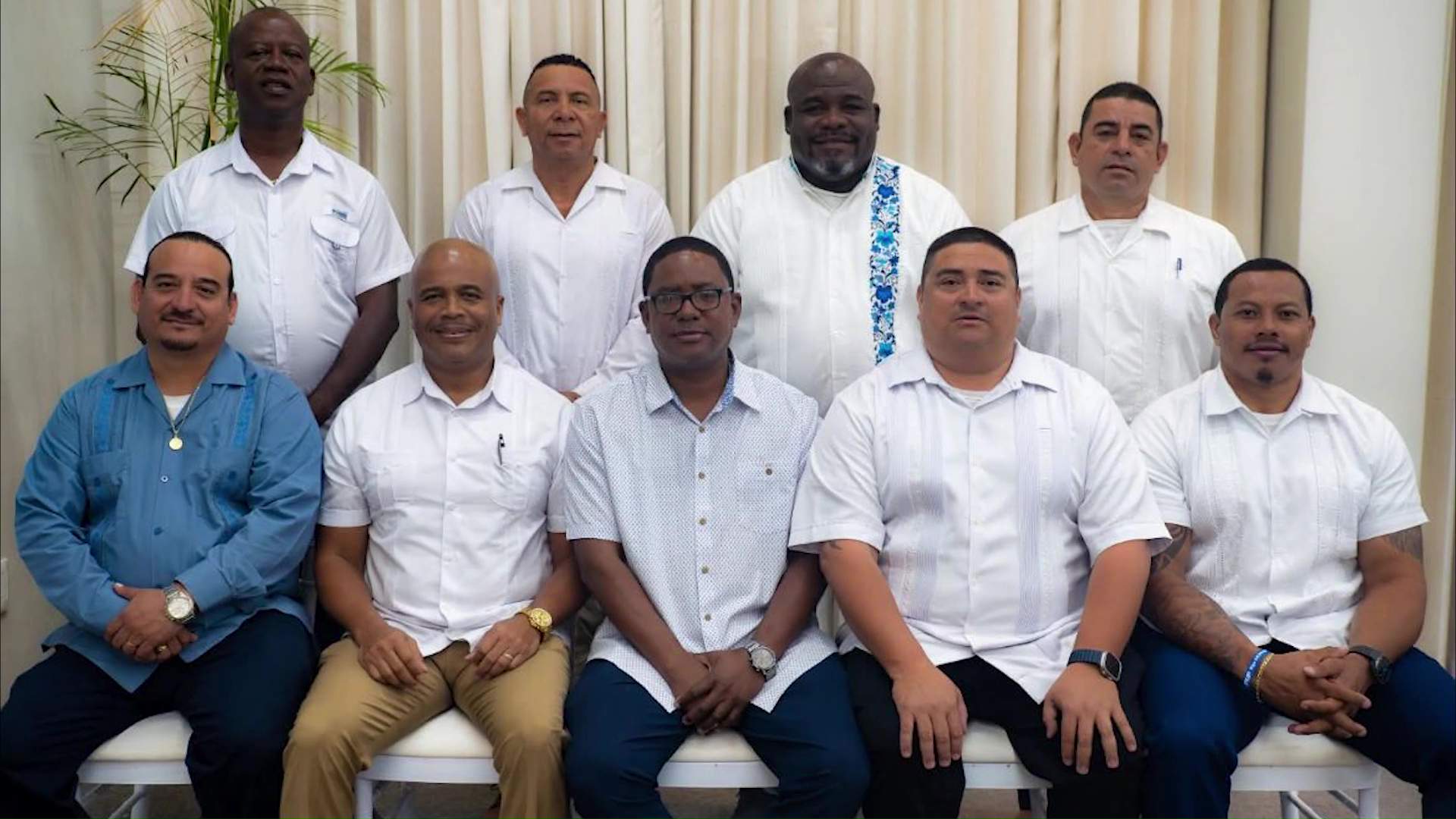
    In a revealing examination of municipal governance in Belize, a significant disparity in compensation and post-service benefits for mayors and councilors has come to light. The Belize Mayors Association is currently advocating for systemic reforms to address what they describe as inadequate remuneration structures and the complete absence of retirement security for long-serving public officials.

    While public perception often portrays municipal leaders as well-compensated figures, investigative reporting reveals stark contrasts in stipends across municipalities. Belize City councilors receive approximately $2,800 monthly—roughly half the compensation of their counterparts in the smaller San Pedro municipality. This discrepancy occurs despite Belize City’s significantly larger population and more complex budgetary responsibilities.

    Belize City Mayor Bernard Wagner exemplifies the financial sacrifice many leaders make. Prior to public service, Wagner earned a six-figure salary as a senior banking executive. His current compensation package totals $6,100 monthly after taxes, including a base salary of $5,500 supplemented by allowances for transportation, communications, and expenses. For professionals qualified to manage multimillion-dollar public budgets, this represents a substantial financial reduction.

    The situation becomes particularly acute regarding post-service benefits. San Ignacio and Santa Elena Mayor Earl Trapp, with twenty-three years of continuous service across various municipal positions, faces the prospect of departing office without pension benefits or any form of financial security. This reality affects all municipal leaders equally, regardless of tenure or performance.

    Minister of Local Government Oscar Requena acknowledges the compensation review requests, emphasizing that any adjustments must prioritize municipal service delivery to residents. “We must ensure that residents’ services are met first and foremost before considering any increase,” Requena stated, noting that compensation varies significantly between municipalities based on available finances.

    The Ministry maintains ultimate authority over salary determinations, requiring thorough discussion and analysis before implementing changes. This ongoing dialogue between municipal leaders and national government officials highlights the complex balance between fair compensation for public service and fiscal responsibility to taxpayers.

  • BPO Industry Responds as Credit Card Scam Probe Widens

    BPO Industry Responds as Credit Card Scam Probe Widens

    The burgeoning credit card fraud investigation in Belize has prompted a decisive response from the nation’s Business Process Outsourcing (BPO) sector. This development follows an explosive investigative report by News Five that exposed alleged fraudulent activities connected to individuals within the industry.

    Prime Minister John Briceño has officially confirmed that multiple investigations are currently underway, triggered by international complaints from victims who reported unauthorized credit card transactions traced back to Belizean operations.

    The Belize Business Process Outsourcing Association has adopted a transparent approach to addressing these serious allegations. While acknowledging the existence of illicit activities within certain segments of the sector, the association emphatically states that these practices do not reflect the operational standards of legitimate BPO enterprises in Belize.

    Industry representatives have highlighted the rigorous compliance protocols maintained by established BPO operators, including Payment Card Industry (PCI) certification, secured data environments, and regular external audits. These measures are implemented to ensure data integrity and financial security for international clients.

    The association simultaneously emphasized the sector’s critical economic importance to Belize, noting that the industry employs approximately 20,000 Belizeans and generates an estimated $150 million in annual wages. This economic significance underscores the urgency of addressing security concerns while preserving the industry’s legitimate operations.

    In response to the unfolding scandal, the BPO association has initiated collaborative efforts with member companies to enhance security frameworks and facilitate full cooperation with law enforcement agencies. The industry’s proactive stance aims to mitigate reputational damage while addressing systemic vulnerabilities.

    Further developments are anticipated as the investigation progresses, with additional revelations expected in subsequent news coverage.

  • Government Unveils Ambitious Strategy for Rural Belize

    Government Unveils Ambitious Strategy for Rural Belize

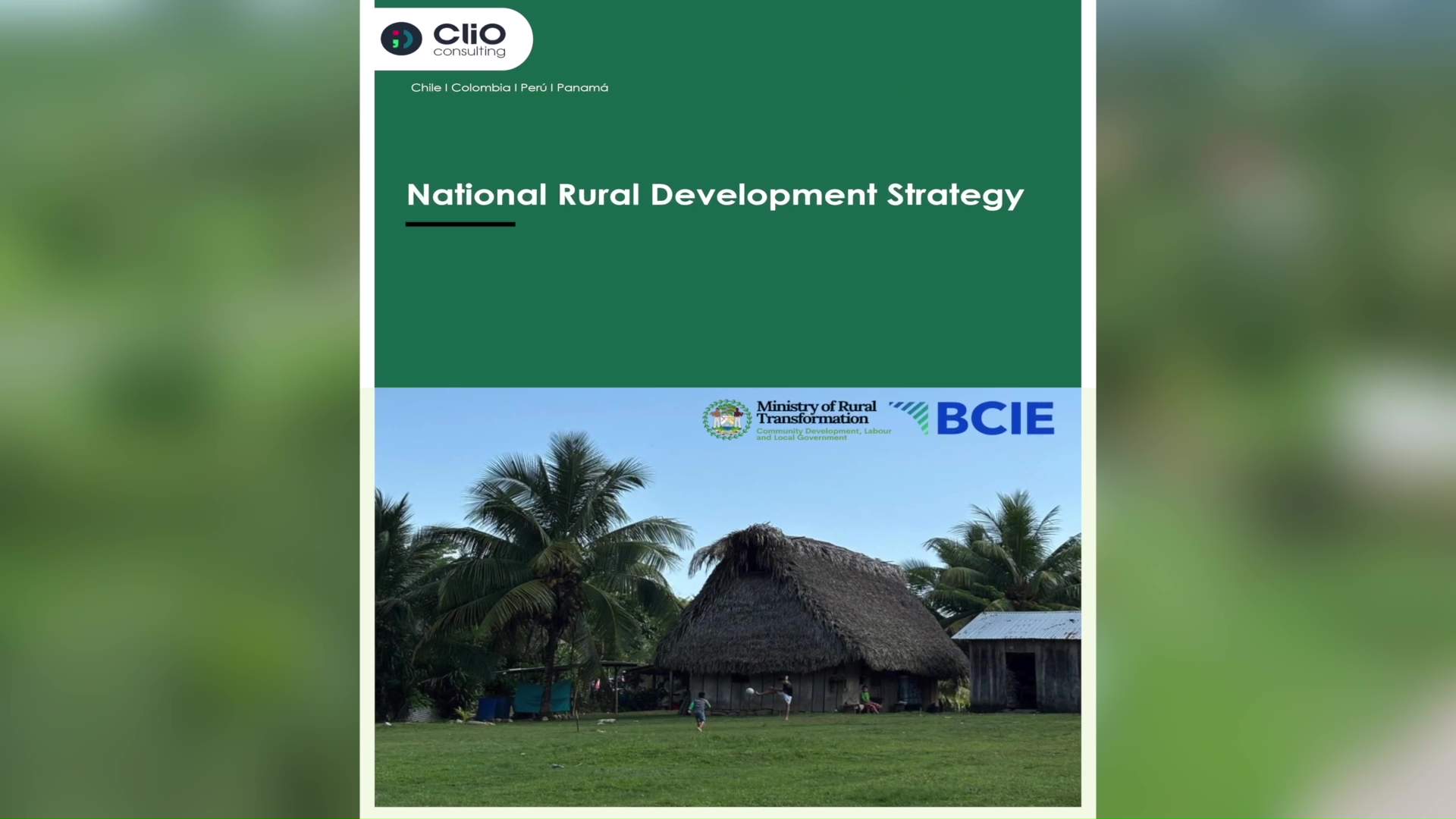
    In a landmark announcement on January 21, 2026, the Belizean government unveiled a comprehensive National Rural Development Strategy designed to address decades of systemic neglect in the nation’s villages and countryside. Prime Minister John Briceño declared that Belize’s true wealth originates not in urban centers but within its rural communities, which drive the nation’s agriculture and tourism sectors—accounting for approximately 42-60% of GDP.

    The strategic framework, developed by the Ministry of Rural Transformation in collaboration with the Central American Bank for Economic Integration and Clio Consulting, represents a five-year commitment to transformative change. The initiative targets four critical development challenges: territorial governance and financing leverage, inclusive and competitive rural economics, skilled human capital development, and resilient infrastructure improvements.

    Chief Executive Officer Valentino Shal emphasized that the strategy emerged from extensive research documenting persistent deprivation in rural areas despite their economic contributions. The blueprint outlines 14 specific action areas and 32 concrete initiatives aimed at creating sustainable improvements in living standards.

    Minister of Rural Transformation Oscar Requena highlighted the program’s focus on restoring opportunities for youth, women, farmers, and entrepreneurs—groups he identified as vital to the nation’s future. The government has already secured increased budgetary allocations through the Ministry of Finance and is actively engaging international development partners to supplement funding requirements.

    While officials acknowledge the ambitious scope of the undertaking, they emphasize that success will depend on strengthened administrative structures and sustained financial support from both domestic and international sources.

  • NEBL Returns With Record Prize; Sporting Community Demands Equal Support

    NEBL Returns With Record Prize; Sporting Community Demands Equal Support

    BELIZE CITY – The National Elite Basketball League (NEBL) has made a triumphant return after a five-year hiatus, marked by unprecedented government backing and a record-breaking $100,000 championship prize—the largest in Belizean sports history. The relaunch at the Belize Civic Center signals more than just basketball’s revival; it represents a strategic national initiative to transform athletic development across multiple disciplines.

    Sports Minister Devin Daly unveiled the NEBL as the flagship project under a new government policy designed to cultivate high-performance leagues that generate genuine professional opportunities, athlete development, and structural professionalism. The comprehensive support package includes government-subsidized transportation, marketing, security, and venue rentals, requiring only a $7,000 registration fee from participating teams.

    Minister Daly emphasized the pilot nature of the initiative: “This evaluation will identify best practices and lessons learned. Our commitment is to refine this model post-season and present partnership proposals to other sporting federations for nationwide replication.”

    The league’s commissioner, Leeroy Banner, highlighted the transformative potential beyond athletics: “This creates pathways to education, discipline, and economic opportunity. Studies globally demonstrate sports’ capacity to reduce crime rates while providing scholarship opportunities and international competition exposure.”

    However, the substantial investment arrives amid widespread frustration over deteriorating national sports infrastructure. The closure of Rogers Stadium and the inadequate condition of Marion Jones Stadium have raised questions about prioritization. Critics challenge the six-figure allocation to a privately-backed league while essential facilities remain in disrepair.

    Minister Daly addressed these concerns by announcing simultaneous Memorandums of Understanding with both basketball and football federations for synthetic court and pitch installations. He acknowledged public discontent but stressed the necessity of establishing proper foundational frameworks before implementing visible infrastructure projects.

    The NEBL season commences February 20th, with its performance potentially determining the future of government-backed athletic development. Success could catalyze semi-professional leagues for women’s volleyball and softball—long-awaited advancements in Belizean sports. This season transcends basketball, representing a pivotal test case for national sports transformation.

  • Stitching Culture into Business with Santa Ana Embroidery Group

    Stitching Culture into Business with Santa Ana Embroidery Group

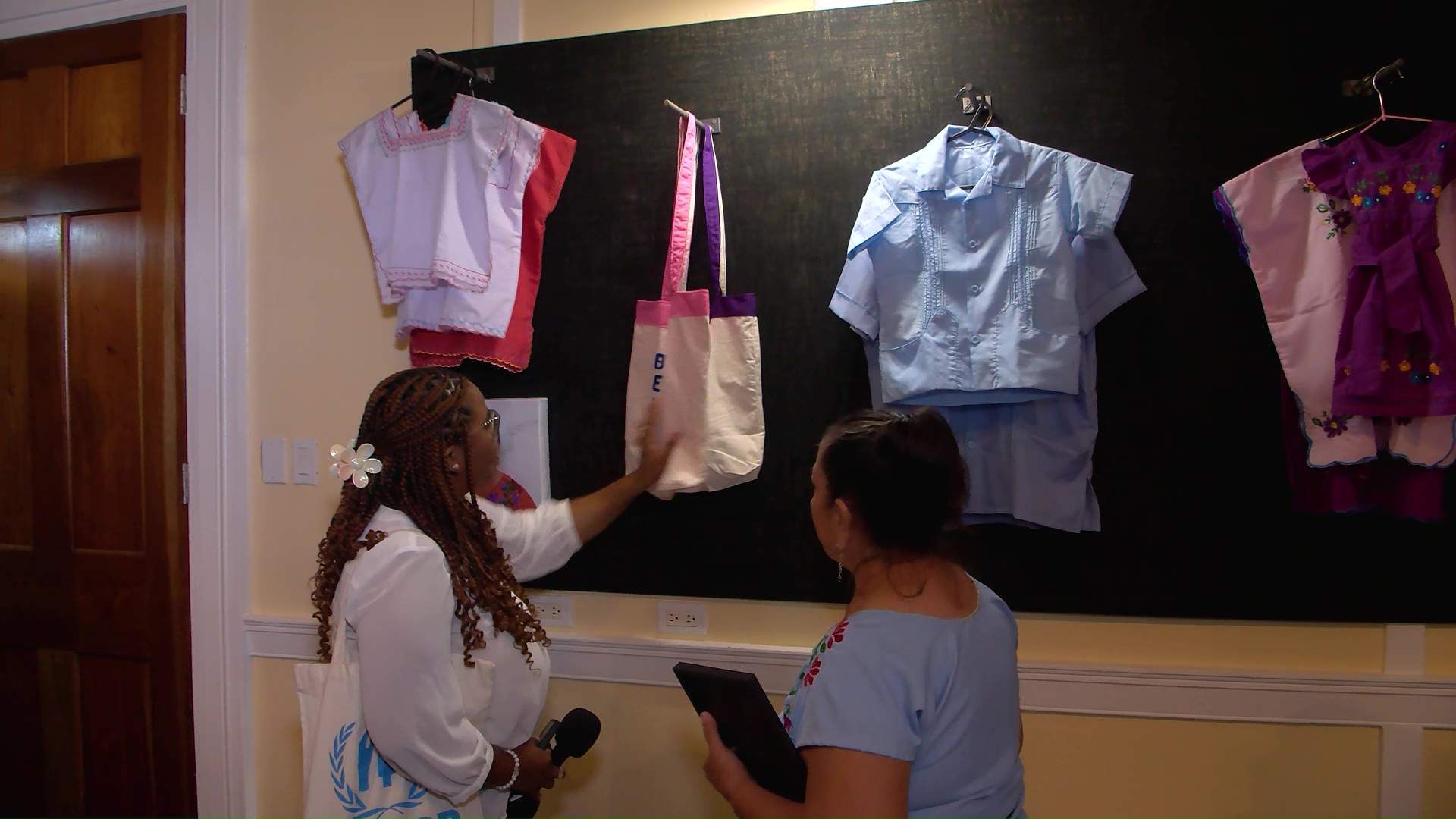
    In a vibrant fusion of cultural preservation and economic development, a collective of skilled artisans from San Joaquin Village has embarked on a transformative journey. The Santa Ana Cultural Sewing and Embroidery Group, comprising predominantly mature women, recently celebrated their graduation from an intensive technical training program during a special ceremony at the Museum of Belizean Art.

    The National Institute of Culture and History partnered with the Institute of Creative Arts to facilitate this innovative initiative that bridges traditional craftsmanship with contemporary market demands. Seven participants received formal certification after mastering advanced sewing and embroidery machine techniques, effectively converting their lifelong domestic skills into viable commercial enterprises.

    Ana Marie Herstig, one of the program’s graduates, proudly showcased a self-designed blouse completed within just two days using her newly acquired expertise. “They introduced us to embroidery machinery, and I immediately embraced the opportunity,” Herstig expressed with visible enthusiasm. “This advancement allows me to enhance my creative capabilities beyond previous limitations.”

    Exhibition curator Gilvano Swasey highlighted the project’s broader implications for Belize’s creative economy. “When traditional embroidery integrates with modern products like eco-bags, the value increases significantly,” Swasey explained. “We’re witnessing cross-disciplinary collaborations between embroiderers, fashion designers, and artisans that collectively expand their market reach and creative potential.”

    Originally scheduled for three months, the training program extended to six months due to overwhelming participant engagement and demonstrated success. Despite concluding the formal curriculum, the artisans continue pursuing advanced opportunities through partnerships with established artists and participation in fashion exhibitions and trade events. Their handcrafted works remain available for purchase at the ongoing exhibition, with future collaborative projects already in development.

  • Man Nearly Threw Away $5K Scratch and Win Ticket

    Man Nearly Threw Away $5K Scratch and Win Ticket

    In a remarkable turn of fortune, an Orange Walk resident experienced an extraordinary financial windfall after nearly discarding what he believed to be a minimal-value lottery ticket. The man, who has chosen to remain anonymous, secured a five-thousand-dollar prize from a Scratch and Win game purchased on impulse at Sky City Supermarket in Ladyville.

    The winner recounted his initial misconception during an interview, explaining: “I actually was going to toss the ticket because I thought it was just a dollar. But when I looked more carefully, I noticed a five followed by two zeros. I continued scratching, initially believing I had won fifty dollars. The revelation of three additional zeros brought overwhelming excitement and gratitude.”

    When questioned about his plans for the unexpected funds, the fortunate player demonstrated familial devotion, stating his intention to primarily assist his siblings. “It’s not an enormous amount, but I’ll share portions with them,” he commented, adding that remaining funds would be allocated for his child’s future needs.

    Despite his recent success, the winner maintained a balanced perspective on lottery participation. When asked whether he would encourage others to play, he responded: “Of course they should try. You can win if you attempt. I’ve been trying for a while and ultimately succeeded, so others can too.”

    The incident highlights the unpredictable nature of instant lottery games and serves as a cautionary tale about carefully verifying tickets before disposal. This win follows recent reports of nine jackpot winners in Belize’s Million Dollar Lottery, indicating a period of notable lottery success throughout the region.

  • BPO Association Speaks on Credit Card Fraud

    BPO Association Speaks on Credit Card Fraud

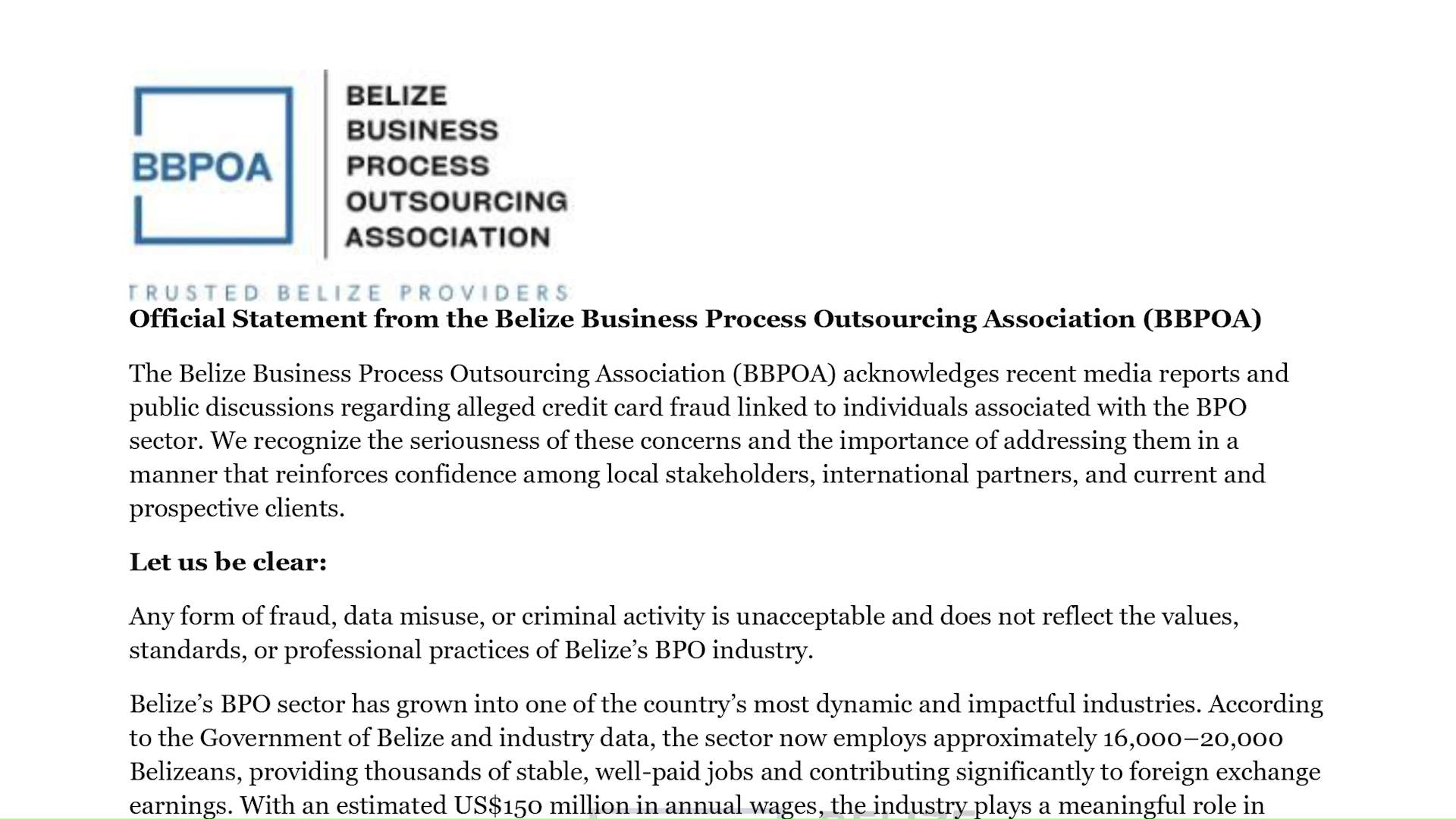
    The Belize Business Process Outsourcing Association (BBPOA) has formally addressed mounting concerns regarding sophisticated credit card fraud operations potentially linked to the nation’s BPO sector. This response follows an investigative report by News Five that uncovered substantial financial losses suffered by local businesses through fraudulent transactions originating from compromised payment data.

    In its official statement, the BPO trade group unequivocally condemned all forms of financial fraud and data misuse while emphasizing its commitment to cooperate with ongoing investigations. Notably absent from the association’s communication was any acknowledgment regarding whether specific member companies are currently under investigation or if internal security breaches might have facilitated the alleged criminal activities.

    The association’s response strategically highlighted the industry’s substantial economic contributions, noting that Belize’s BPO sector employs approximately 16,000-20,000 citizens and generates roughly US$150 million in annual wages. While underscoring this significant economic footprint, the statement provided limited concrete information addressing potential security vulnerabilities within member organizations.

    BBPOA officials pointed to existing compliance measures including Payment Card Industry Data Security Standard (PCI DSS) certification, advanced encryption systems, restricted access protocols, and regular third-party audits as evidence of robust governance frameworks. The association further announced collaborative efforts with member companies to reexamine security procedures and strengthen compliance standards.

    Despite pledging support for a ‘thorough and transparent investigation,’ the trade group stopped short of committing to public disclosure of internal review findings or outlining potential consequences for member companies where security deficiencies might be identified. This cautious approach has raised questions about accountability mechanisms within the rapidly growing industry.

  • Belize City Councillors Want a Stipend Increase

    Belize City Councillors Want a Stipend Increase

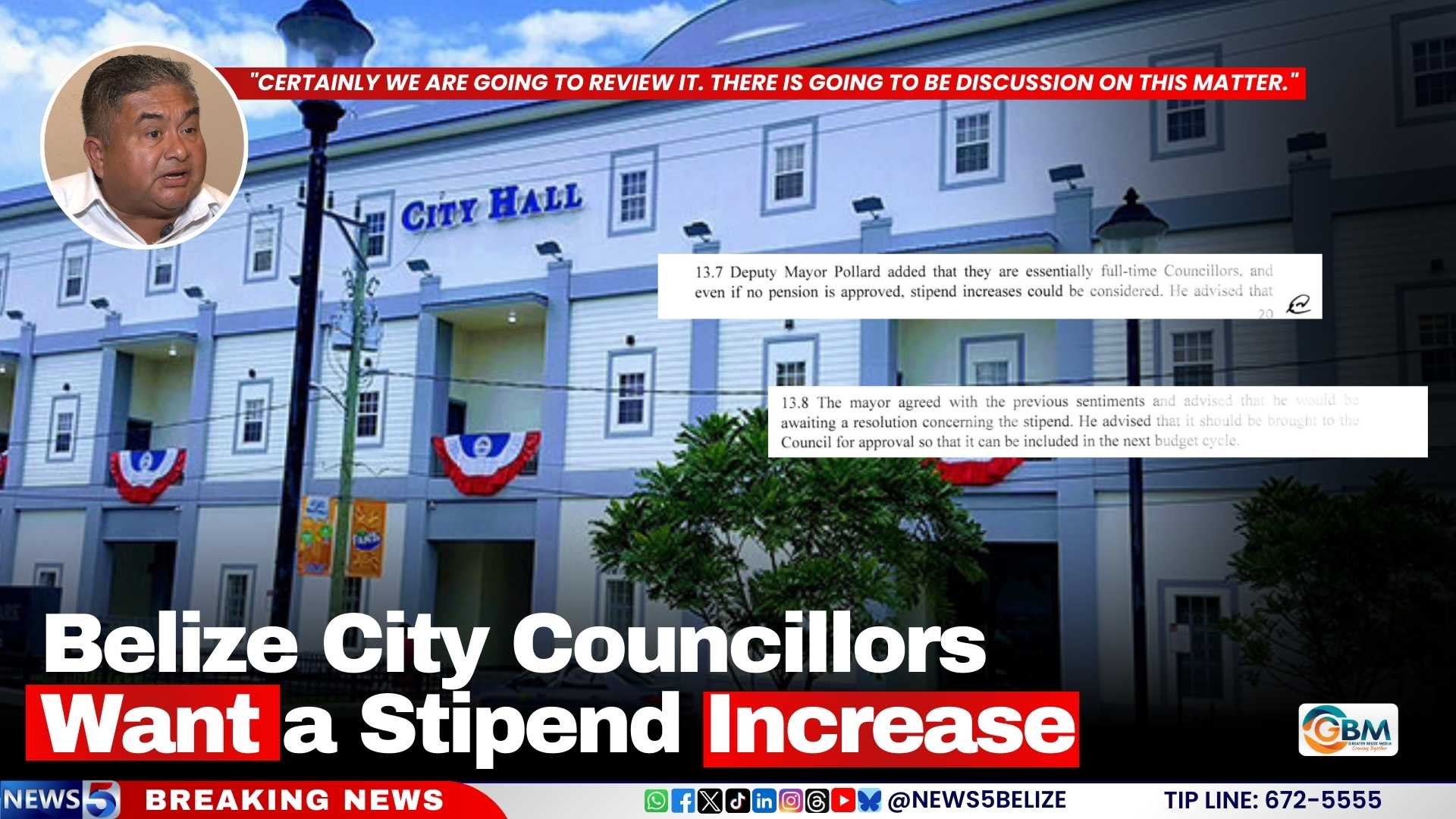
    Belize City Council’s push for increased stipends and pension benefits for its members has encountered a measured response from the national government, with officials emphasizing that such enhancements must not compromise essential public services.

    Oscar Requena, Minister of Rural Transformation and Local Government, confirmed that his ministry is reviewing compensation requests from multiple municipal councils across Belize. However, he clarified that no formal proposal has been officially submitted by Belize City Council leadership despite ongoing discussions.

    “I am cognizant of their appeal but haven’t received documented particulars,” Minister Requena stated. “While we will thoroughly examine this matter, any financial considerations must align with broader fiscal responsibilities.”

    The movement for improved compensation gained momentum during an August 2024 council session where Deputy Mayor Allan Pollard advocated for structural reforms. Pollard contended that contemporary municipal governance has evolved into a full-time commitment requiring professional expertise, thereby justifying enhanced remuneration packages.

    Pollard specifically proposed implementing pension benefits for council members completing two or more terms, arguing that such incentives would attract and retain qualified individuals in local government positions. Alternatively, he suggested significant stipend increases could serve as a compensatory measure if pension provisions proved unfeasible.

    Minister Requena emphasized the variable nature of municipal compensation across Belize’s jurisdictions, noting that “remuneration structures differ substantially between municipalities, primarily determined by their respective financial capacities and revenue generation.”

    The minister reiterated that any potential salary adjustments for elected municipal officials would only receive consideration after local governments demonstrably fulfill their primary service obligations to residents, establishing a clear hierarchy of governmental priorities.

  • PM Says Rural Residents Forgotten for Too Long

    PM Says Rural Residents Forgotten for Too Long

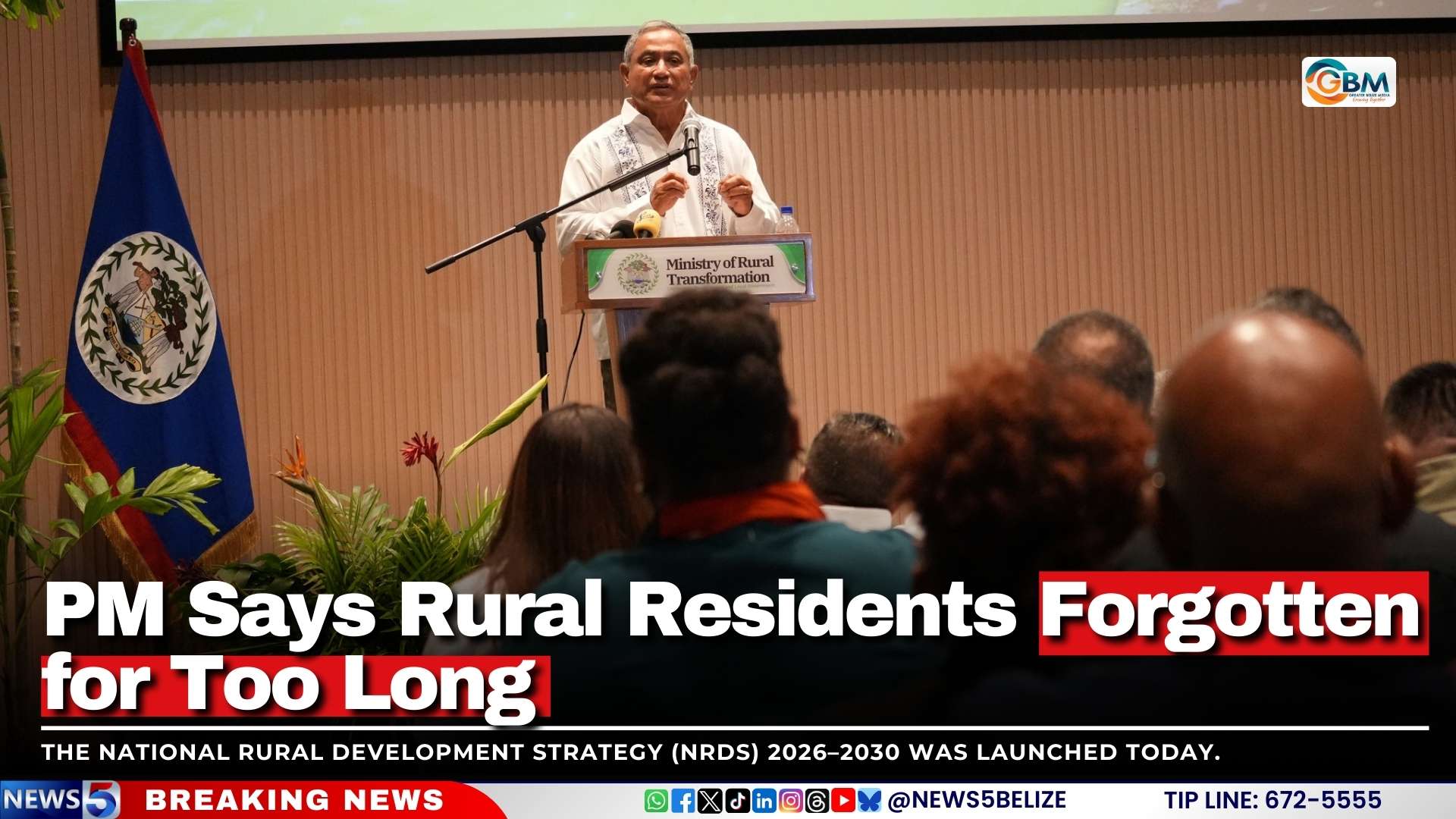
    In a landmark announcement on January 21, 2026, Belizean Prime Minister John Briceño unveiled the National Rural Development Strategy (NRDS) 2026–2030, declaring an end to decades of neglect toward rural populations. The comprehensive five-year blueprint represents a paradigm shift in national development priorities, targeting systemic poverty reduction through enhanced economic opportunities and infrastructure modernization.

    Prime Minister Briceño delivered a powerful critique of historical development disparities, stating, ‘For generations, we have failed to allocate proper attention and resources to our rural citizens.’ He emphasized that despite housing over half of Belize’s population, these regions continue to experience severe infrastructure deficits, including unreliable electricity access, inadequate water systems, and underdeveloped road networks.

    The Prime Minister drew stark contrasts between urban and rural living conditions: ‘In urban centers, residents enjoy immediate access to basic utilities—switches deliver instant electricity, faucets provide running water. Meanwhile, rural communities face the complete opposite reality.’

    Briceño reframed the national conversation by identifying rural Belize as the nation’s economic backbone, highlighting its concentration of agricultural production, tourism assets, food security capabilities, and natural reserves. ‘The very elements that define Belize’s unique character and generate national wealth originate in our rural territories,’ he asserted.

    The NRDS establishes a coordinated framework for governmental investment, prioritizing strategic infrastructure development including farm-to-market road networks, land accessibility programs, affordable credit systems, reliable electrification projects, and educational support mechanisms designed to interrupt intergenerational poverty cycles.

    This initiative marks the most significant rural development commitment in Belize’s recent history, signaling a fundamental reorientation of national policy toward inclusive, equitable growth across all geographical regions.