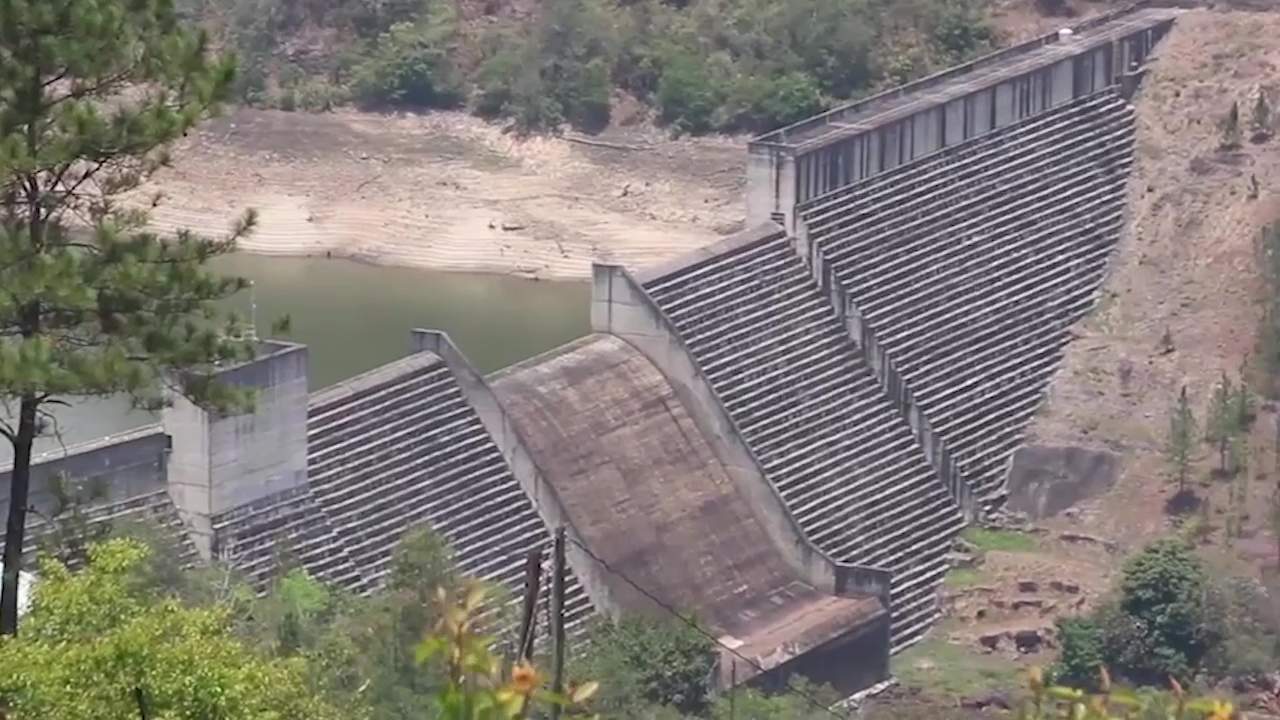
The Briceño administration has made a landmark move by investing $256 million to acquire full control of Fortis Belize Limited, which will soon be rebranded as Hydro Belize. This acquisition includes three major dams and a significant stake in Belize Electricity Limited (B.E.L.). The deal has sparked widespread interest, particularly regarding the potential for public investment in this energy giant. Prime Minister John Briceño emphasized that the initiative is designed to benefit Belizean citizens, with plans to allow thousands of Belizeans to invest in the company. The government aims to allocate a portion of the shares to the public, potentially setting aside up to 10% for individual investors. Additionally, the administration is exploring ways to involve Social Security in the investment, ensuring solid returns for the national fund. The Prime Minister also assured transparency, stating that the beneficial owners of Hydro Belize Limited will be publicly accessible through the registry. This move is part of a broader strategy to enhance public participation in key national assets, including the upcoming development of the Port of Belize.
标签: Belize
伯利兹
-
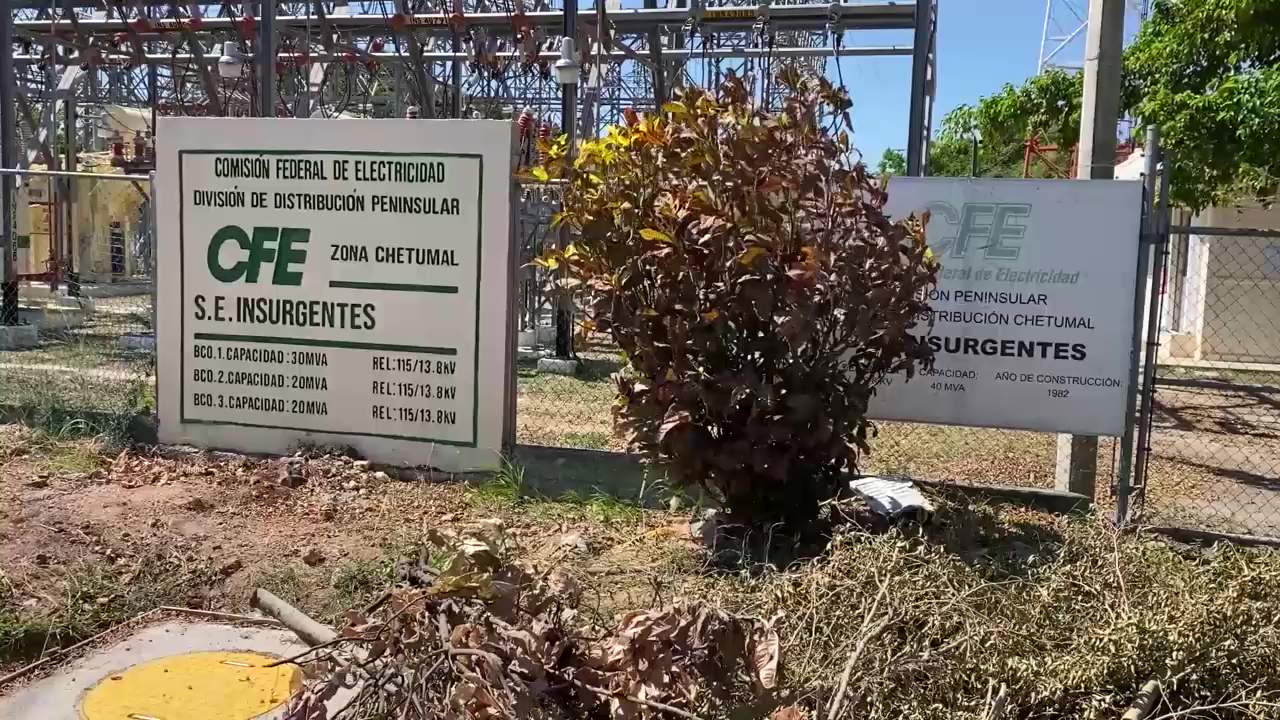
Soaring Power Costs Strain Belizeans as CFE Supply Falters
Belize is grappling with a severe energy crisis as soaring electricity costs from Mexico’s Comisión Federal de Electricidad (CFE) place immense strain on its citizens. Prime Minister John Briceño revealed this week that during peak hours, Belizeans are paying up to one U.S. dollar per kilowatt, a rate that is significantly higher than global standards. This alarming situation has prompted the government to explore alternative solutions, including a potential connection to the Central American power grid.
-
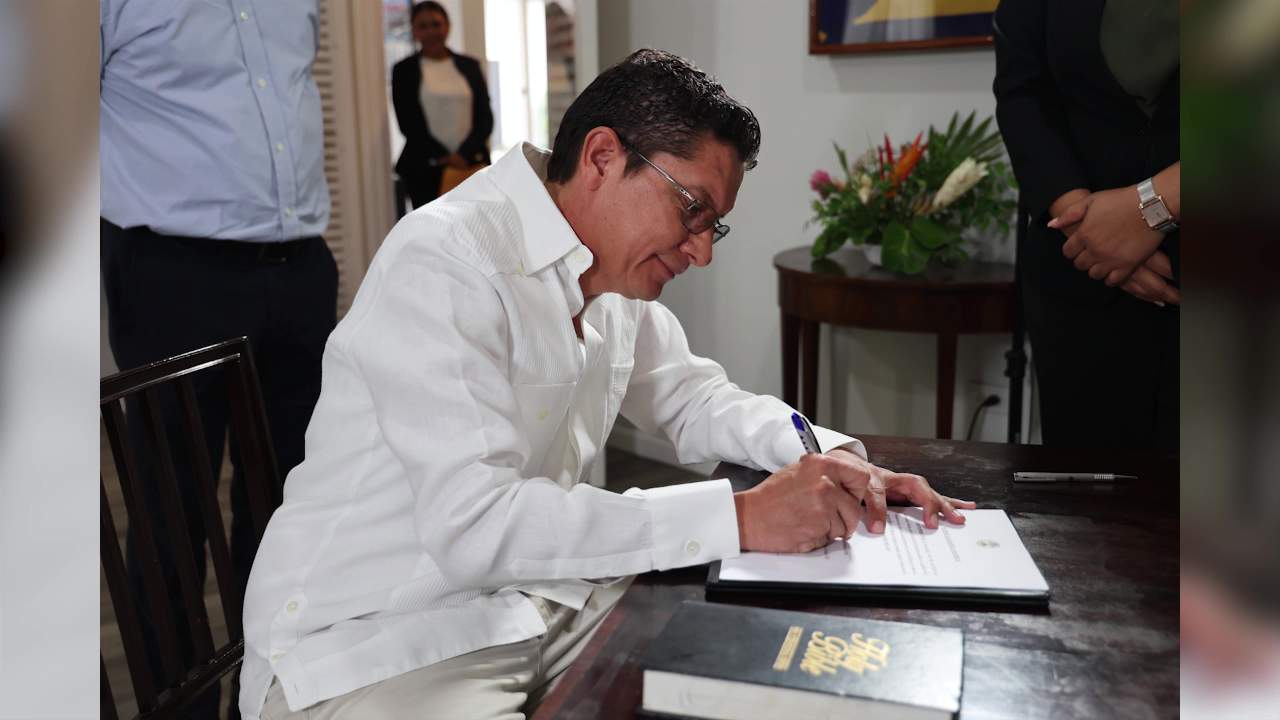
Chris Coye’s Exit Fuels Talk of Trouble in Briceno’s Second Term
In a significant development within Belize’s Ministry of Finance, Christopher Coye, a key ally of Prime Minister John Briceño, has announced his resignation as Minister of State. Coye, who has been a pivotal figure in the government since November 2020, is set to return to private legal practice. This move has ignited widespread speculation about its implications for the Briceño administration, particularly as it comes early in their second term. Prime Minister Briceño addressed the situation, emphasizing that Coye’s departure is a personal decision driven by professional obligations. Briceño assured the public that Coye would continue to support the government in an advisory capacity, ensuring the Ministry of Finance remains on track. The Prime Minister also hinted at forming a small team to oversee financial matters, maintaining the administration’s successful track record over the past five years. Despite these reassurances, the timing of Coye’s exit has raised questions about potential challenges within the administration.
-
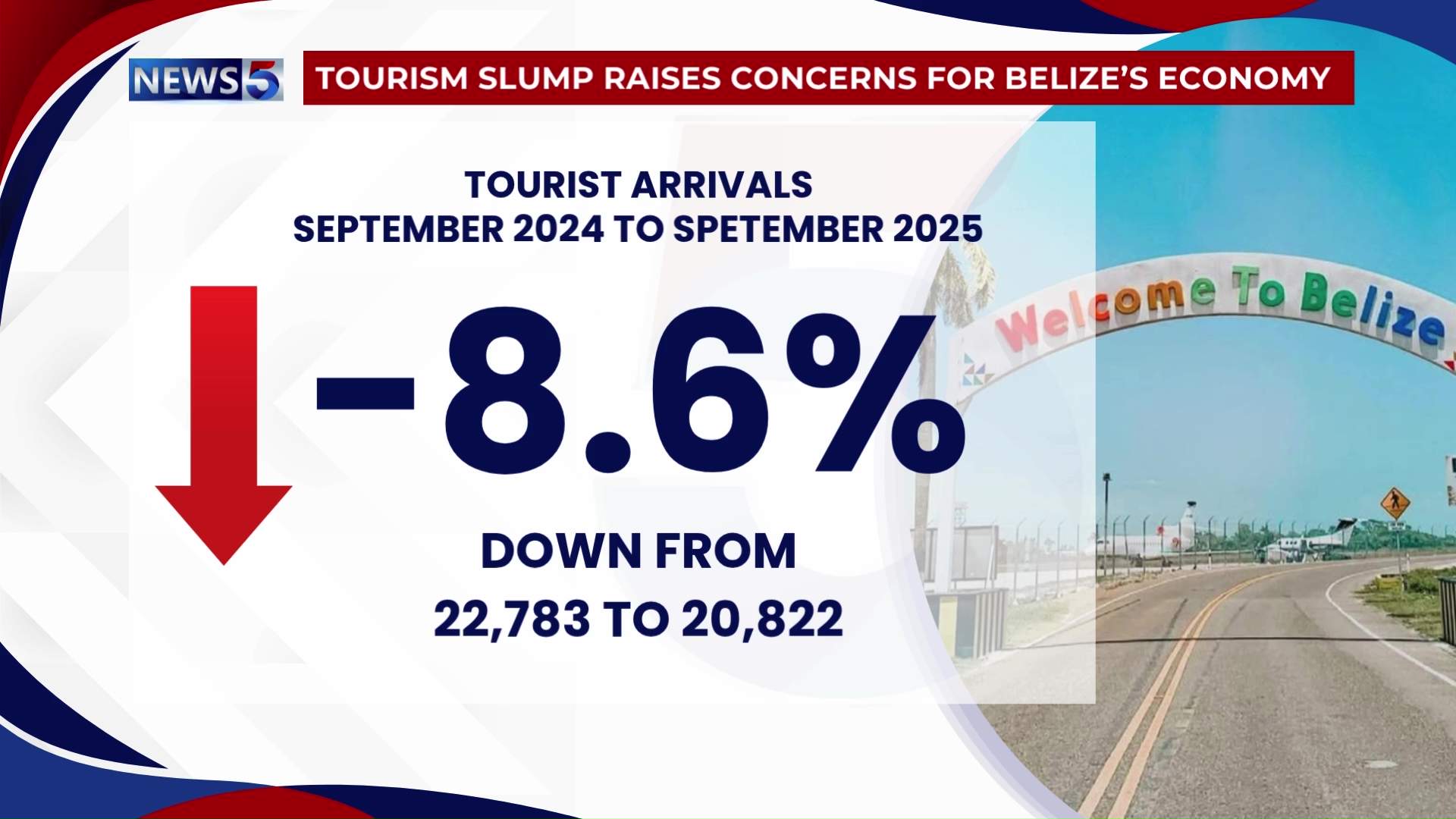
Low September Tourist Arrivals Signal Hard Times Ahead
Belize’s tourism industry, a cornerstone of its economy, is bracing for challenging times as recent data reveals a significant drop in overnight tourist arrivals. According to the Belize Tourism Board, September 2025 saw an 8.6% decline in overnight visitors compared to the same period last year, with numbers falling from over 22,000 to just under 21,000. This downturn is particularly concerning given that overnight tourism is the primary revenue generator for the sector. The extended U.S. federal government shutdown, coupled with global geopolitical tensions and economic uncertainties, is exacerbating the situation, causing American and international travelers to reconsider their travel plans. Tourism Minister Anthony Mahler acknowledged the strong start to the year but highlighted the adverse effects of global instability, including trade wars and conflicts, on travel behavior. BTB Director Evan Tillett emphasized the critical role of overnight tourism, describing it as the ‘lifeblood’ of the industry. The recent decline starkly contrasts with 2024, a record-breaking year that saw over 562,000 overnight visitors, marking a 21% increase from 2023. As the industry prepares for a potential slowdown, stakeholders are hopeful for a recovery before the peak tourist season begins.
-
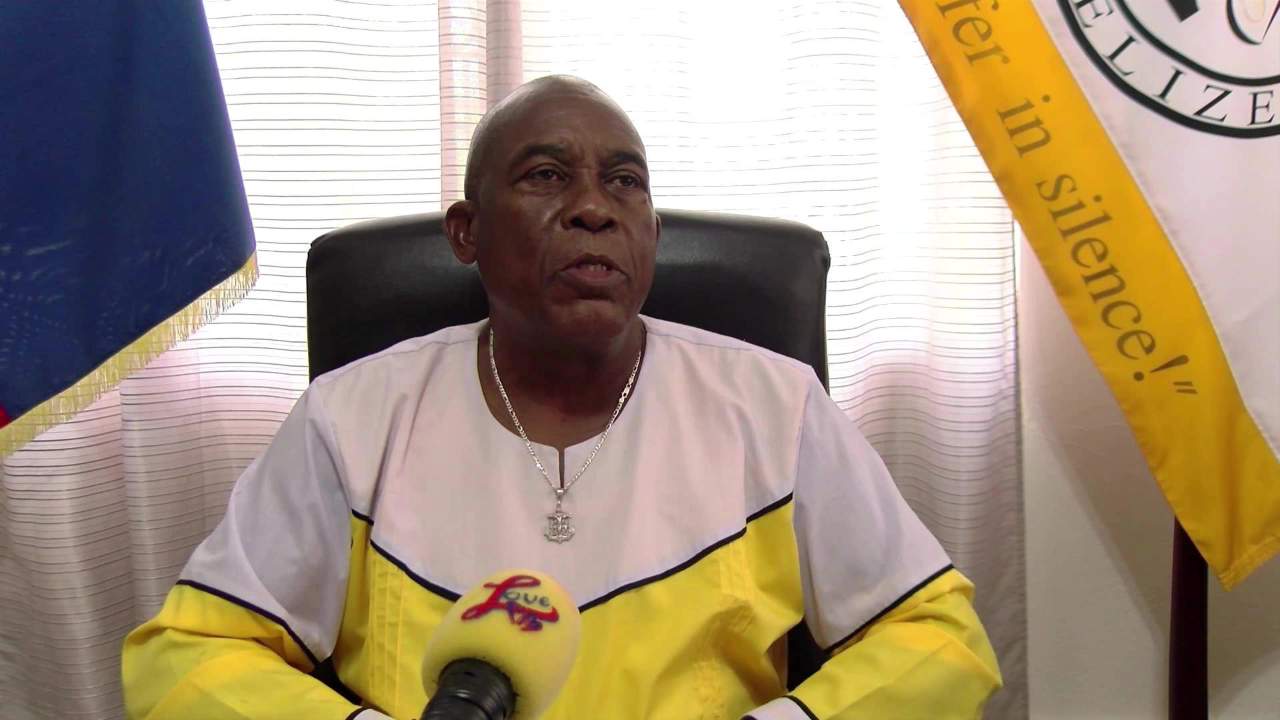
Prime Minister Questions Ombudsman’s Authority on FOIA Request
In a recent development surrounding a Freedom of Information Act (FOIA) request, Prime Minister John Briceño has cast doubt on the authority of the Office of the Ombudsman. The Ombudsman had previously directed the Attorney General to release information sought by social activist Jeremy Enriquez. However, during a press interaction on Monday, the Prime Minister refrained from confirming whether the Ombudsman possesses the legal mandate to issue such directives.
When questioned about the matter, Briceño stated, ‘I think that’s a question to ask the Attorney General, because I don’t know. I’m not a lawyer. I don’t know if the Ombudsman even has that authority, but that’s a matter for I don’t know, so I don’t want to, so don’t twist anything that I am saying.’
The Prime Minister’s comments have sparked debate over the extent of the Ombudsman’s powers and the broader implications for government transparency. While Briceño affirmed his general support for transparency, he emphasized that the responsibility for public accountability extends beyond his office. ‘As much as you do,’ he remarked to a reporter, adding, ‘But you do give a public good. So, you also have a responsibility.’
This incident highlights the ongoing tension between government institutions and the public’s right to access information, raising questions about the mechanisms in place to ensure accountability and openness in governance.
-

Belize Urges Calm Amid U.S.-Venezuela Tensions
In the wake of escalating tensions between the United States and Venezuela, Belize has reaffirmed its commitment to maintaining the Caribbean Community (CARICOM) as a zone of peace. The situation intensified after the U.S. military destroyed four vessels suspected of drug trafficking, resulting in over a dozen casualties. Trinidad and Tobago, caught in the crossfire, has expressed support for the U.S. military presence in the region. Belizean Prime Minister John Briceño has called for calm, urging all parties to de-escalate the situation. He emphasized the importance of preserving the Caribbean as a peaceful region and highlighted Venezuela’s role as a partner within CARICOM. Briceño also condemned the recent violent actions, stressing the need to avoid inflammatory rhetoric and discussions of military intervention in Venezuela. While pressed to condemn the U.S. for its actions, Briceño maintained a balanced stance, focusing on dialogue and conflict resolution rather than assigning blame.
-

Jerome Palma is New SSB CEO
The Social Security Board (SSB) has officially named Jerome Palma as its new Chief Executive Officer (CEO), effective immediately. Palma, who has been serving as Acting CEO since February 2025 and Deputy CEO since October 2024, brings a wealth of expertise in executive leadership, risk management, organizational governance, and investment strategies to the role.
-

When “Zero Tolerance” Meets Silence in Belize’s Healthcare System
The healthcare system in Belize is under intense scrutiny following two tragic deaths that have exposed systemic failures in medical care. The first incident involved two-year-old Kaleel Nah, who died while his parents attempted to transport him from Ambergris Caye to Belize City for treatment unavailable on the island. This heartbreaking event highlighted the severe shortages of trained staff, medications, and emergency equipment in rural and island communities. Over a month later, on October 25, 92-year-old Eusebio Espinosa Sr. passed away while waiting for medical attention in the triage area of the Northern Regional Hospital. His son, Eusebio Espinosa Jr., recounted how he pleaded with nurses to attend to his father, only to be told they were ‘too busy.’ By the time help arrived, it was too late. The Ministry of Health and Wellness has promised thorough investigations into both cases, but updates have been scarce. Dr. Jorge Polanco, Director of Hospital Services and Allied Health, stated on September 12 that the ministry is examining potential flaws in the system. However, no further details have been disclosed. On October 26, Minister Kevin Bernard emphasized a ‘zero tolerance’ policy for staff failing to provide timely and dignified care. Despite these assurances, the lack of transparency and accountability has left many questioning the effectiveness of Belize’s healthcare system.
-

China Now Requires Influencers to Have Degrees
In a significant move to combat online misinformation, China has enacted a new regulation mandating that social media influencers possess verified professional qualifications to discuss specialized topics such as medicine, law, education, and finance. The law, enforced by the Cyberspace Administration of China (CAC), took effect on October 28, 2025, and has reportedly rendered up to 90% of influencers ineligible to continue their work. Influencers are now required to demonstrate expertise through recognized degrees, certifications, or licenses, while major platforms like Douyin, Bilibili, and Weibo are responsible for verifying these credentials. Additionally, content must include clear citations, disclaimers, and transparency about sources. While the CAC asserts that the regulation aims to enhance the accuracy and reliability of online information, critics argue that it may suppress free speech and restrict the diversity of voices sharing knowledge. Influencers, often valued for their relatability rather than formal qualifications, have become trusted sources on topics ranging from finance to mental health. The new law has sparked debate over the balance between curbing misinformation and preserving open discourse in the digital age.
-
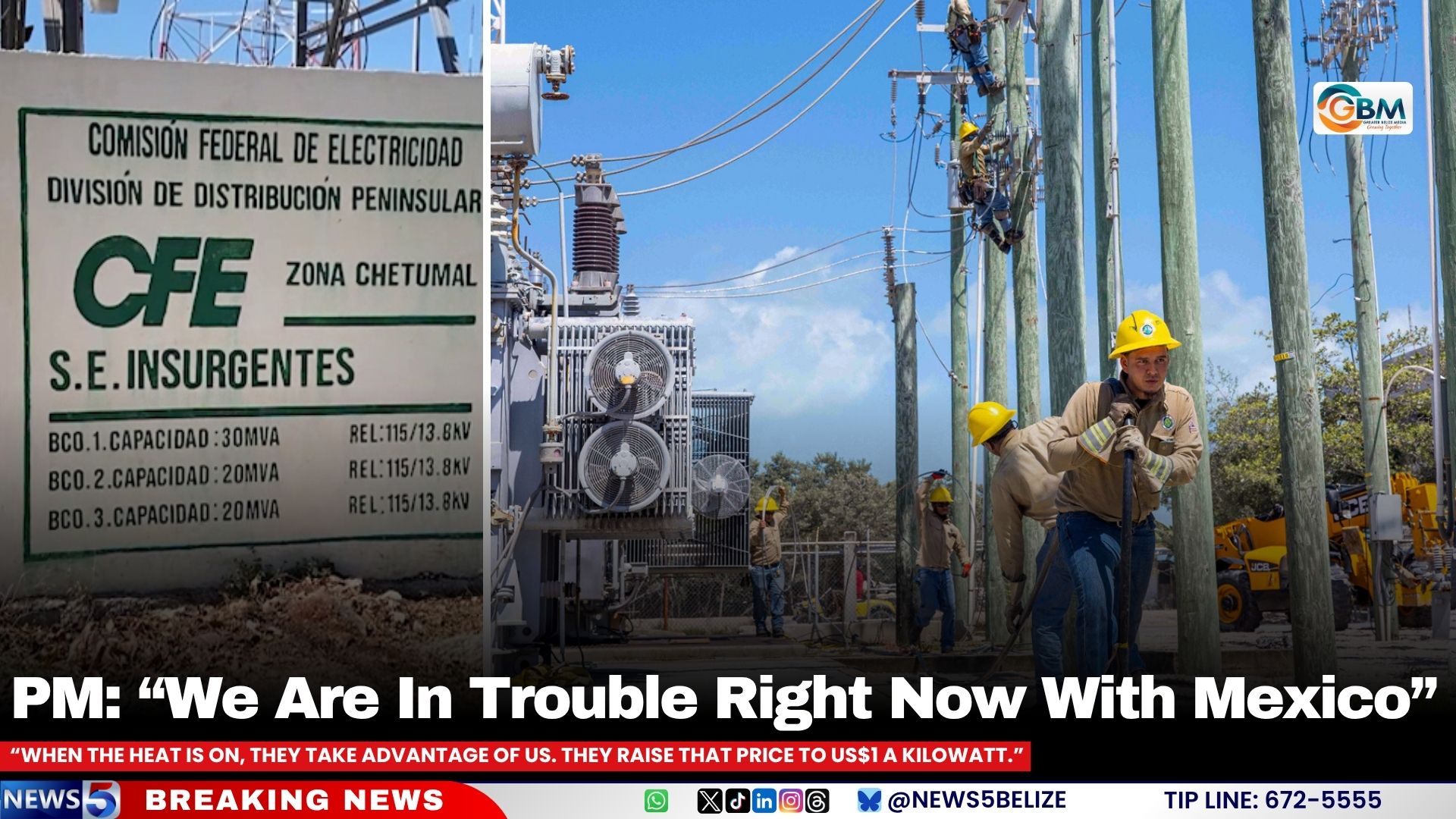
PM: “We Are In Trouble Right Now With Mexico”
Belize is grappling with escalating electricity prices and strained relations with Mexico, its primary energy supplier. Prime Minister John Briceño has openly acknowledged the challenges, stating, ‘We are in trouble right now with Mexico, as much as you might not want to accept it, we are in trouble.’ During peak demand periods, Mexico’s Comisión Federal de Electricidad (CFE) has reportedly increased electricity prices to US$1 per kilowatt, exacerbating the financial burden on Belizeans. Belize Electricity Limited (BEL) has expressed deep concern over these developments. To address this crisis, the Belizean government has signed a non-binding memorandum of understanding (MOU) with U.S.-based Energy Transfer. The agreement proposes generating 50 megawatts of power locally, aiming to reduce reliance on imported electricity and enhance long-term energy security. Prime Minister Briceño emphasized that this initiative would not only improve domestic energy reliability but also position Belize as a potential energy exporter to neighboring Central American countries. This project is part of a broader strategy to diversify Belize’s energy portfolio, which includes the recent acquisition of Fortis hydroelectric dams, currently supplying approximately one-third of the nation’s power. While still in its early stages, the initiative reflects Belize’s commitment to achieving energy independence and mitigating the impact of external market fluctuations.