标签: Belize

伯利兹

  • Inside the Drum Corps Powering Independence High School

    Inside the Drum Corps Powering Independence High School

    At Independence High School, an extraordinary educational transformation occurs not within traditional classrooms but through the powerful rhythms of its celebrated Drum Corps. For over a decade, this program has evolved into a cornerstone of student development under the expert guidance of Band Director Aretha Flores.

    The ensemble’s remarkable journey includes a gold medal triumph at the 2023 Belize Band Fest, followed by silver in 2024, and a triumphant return to championship status in 2025. With the 2026 competition approaching, the group demonstrates that musical excellence stems from profound discipline and communal dedication.

    Comprising 120 members who move in perfect synchronization, the Drum Corps represents a microcosm of Belize’s rich cultural tapestry. Director Flores emphasizes this diversity: “If you look at the members on the band, it’s like Belize. You see Garifuna, East Indian, Mestizo, Maya, Mennonite, Creole—it is beautiful.

    The program’s creative process begins with original composition, a point of pride for the organization. Flores insists on complete originality: “We don’t duplicate. We don’t do replicas. We try to be very creative.” Her son Iley Flores, the band’s musical leader, draws inspiration from multiple genres including Spanish, Soca, Dancehall, and Punta to create the group’s distinctive sound.

    Beyond musical achievement, the Drum Corps instills life-changing values in participants. Senior member Alyssa Watson describes the program as transformative: “It makes my school life enjoyable and better because some days I can be stressed about schoolwork and just thinking about practice makes all that stress leave.”

    The program maintains strict academic standards, with performance privileges tied directly to classroom achievement. Flag Leader Caidyn Pandy reflects on personal growth: “I came to this band with no confidence, and now I have confidence in myself.” This emphasis on holistic development creates what members consistently describe as a family environment that extends far beyond musical performance.

    As these young musicians prepare for their next national appearance, they carry not only instruments but the enduring values of discipline, diversity, and excellence that define their school community.

  • Ruta Maya 2026 Prepares for a Fresh Finale

    Ruta Maya 2026 Prepares for a Fresh Finale

    BELIZE CITY – The iconic La Ruta Maya Belize River Challenge, Central America’s premier canoe racing event, is poised for a historic transformation as organizers announce potential changes to its traditional finale after nearly three decades. Scheduled for March 6-9, 2026, this endurance spectacle is simultaneously calling for early registrations while reconsidering its security protocols and finish line configuration.

    Committee Vice Chair Roberto Harrison revealed that while the initial stages of the four-day marathon will maintain their classic routes—commencing beneath the San Ignacio Bridge toward Banana Bank on day one, progressing to Double Head Cabbage on day two, and advancing to Burrell Boom on day three—the culminating segment may undergo significant revision. For the first time in the event’s 29-year history, organizers are contemplating relocating the finish line from Belize City’s Civic Center to the more secure confines of Grand Resort at the entrance to Haulover Creek.

    ‘The rationale fundamentally concerns security management,’ Harrison explained. ‘The Civic Center’s open layout presents substantial challenges for crowd control and event safety. After evaluating multiple alternatives, the committee identifies Grand Resort as the most viable option for enhanced operational oversight.’

    The proposed modification reflects evolving security standards for major public gatherings while preserving the race’s essential character. Harrison emphasized that the core wilderness experience—traversing Belize’s intricate river systems—remains untouched, ensuring competitors will still encounter the same physical demands and scenic beauty that have defined the competition since its inception.

    Organizers are actively encouraging participation from new and youth competitors, signaling commitment to the event’s renewal while honoring its legacy as Belize’s foremost community tradition. The potential venue shift represents the latest evolution of an event that blends athletic excellence with cultural celebration, adapting to contemporary requirements while maintaining its distinctive identity.

  • Resort, Architecture Firm Named in U.S. Wrongful‑Death Case

    Resort, Architecture Firm Named in U.S. Wrongful‑Death Case

    A wrongful-death lawsuit filed in the United States has drawn international attention to a tragic incident at Belize’s Royal Kahal Beach Resort that claimed the lives of three Massachusetts women in February 2025. The case centers on the deaths of Wafae El-Arar, Imane Mallah, and Kaoutar Naqqad, initially speculated to be drug-related but later confirmed by investigators as carbon monoxide poisoning.

    The civil suit alleges design or construction flaws contributed to the lethal accumulation of the odorless gas within the victims’ suite. Defendants include both the resort and an architecture firm connected to Minister Julius Espat’s family. The legal filing suggests structural deficiencies may have enabled the deadly gas leak—claims the architecture firm vehemently denies.

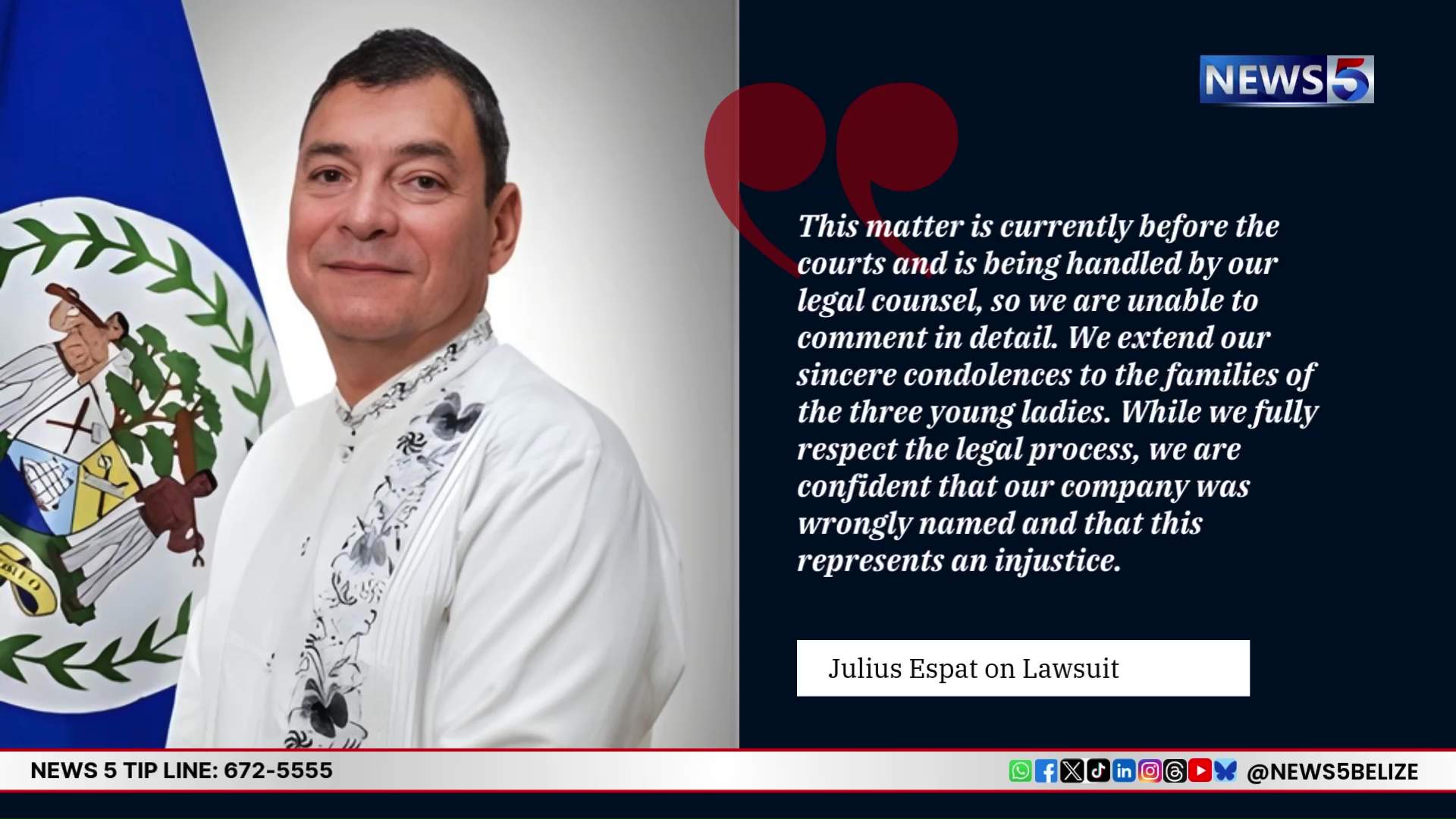
    In response to the litigation, Minister Espat extended condolences to the bereaved families while maintaining his firm was incorrectly named in the lawsuit. He characterized the inclusion as an injustice and emphasized the matter now rests with the judicial system.

    The case continues to raise pressing questions about accountability in international tourist safety standards and construction oversight. As proceedings advance in U.S. courts, the tragedy highlights broader concerns regarding regulatory compliance and safety protocols within hospitality venues across popular Caribbean destinations.

  • Was the Port Loyola Polyclinic Looted?

    Was the Port Loyola Polyclinic Looted?

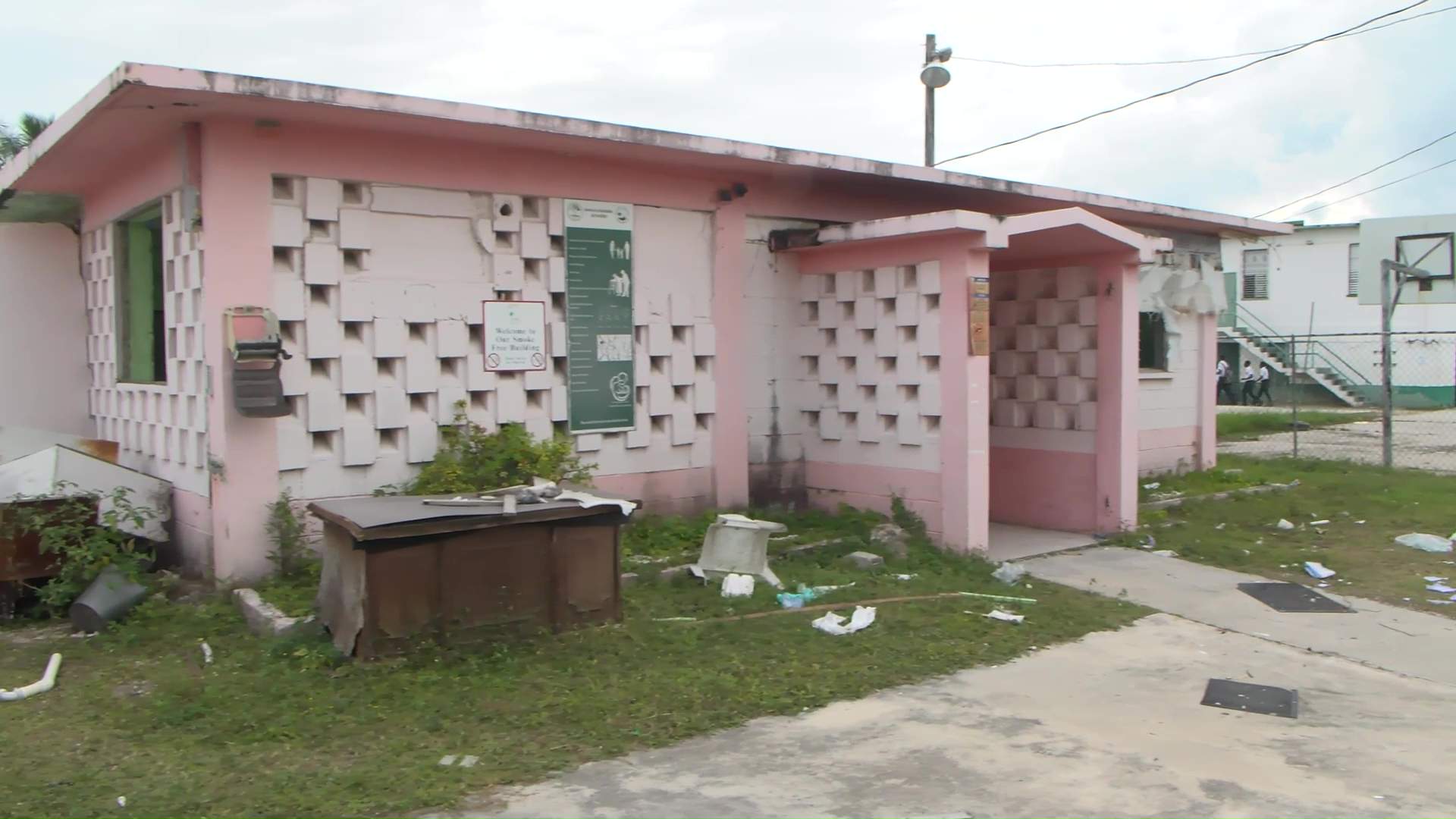
    PORT LOYOLA – February 17, 2026 – A critical healthcare crisis is unfolding in southside Port Loyola, where the community’s primary polyclinic now stands as a hollowed-out shell. The facility, which previously served thousands of local families, has been completely stripped of its doors, windows, and even bathroom fixtures. While initial appearances suggested rampant looting, official sources confirm to News Five that the dismantling operation is being conducted under a legally authorized demolition order. This action was triggered after the clinic was officially condemned last year due to a severe and hazardous mold infestation. Government authorities acknowledge that reconstruction efforts face significant delays, citing constrained budgetary allocations and the substantial scope of the required rebuild. In the interim, residents who once relied on this clinic for immediate medical needs are now compelled to undertake lengthy journeys across the city for basic healthcare services, amplifying calls for a clear and expedited timeline on the restoration of these essential community services.

  • Prematurity Drives Alarming Child Mortality in Belize

    Prematurity Drives Alarming Child Mortality in Belize

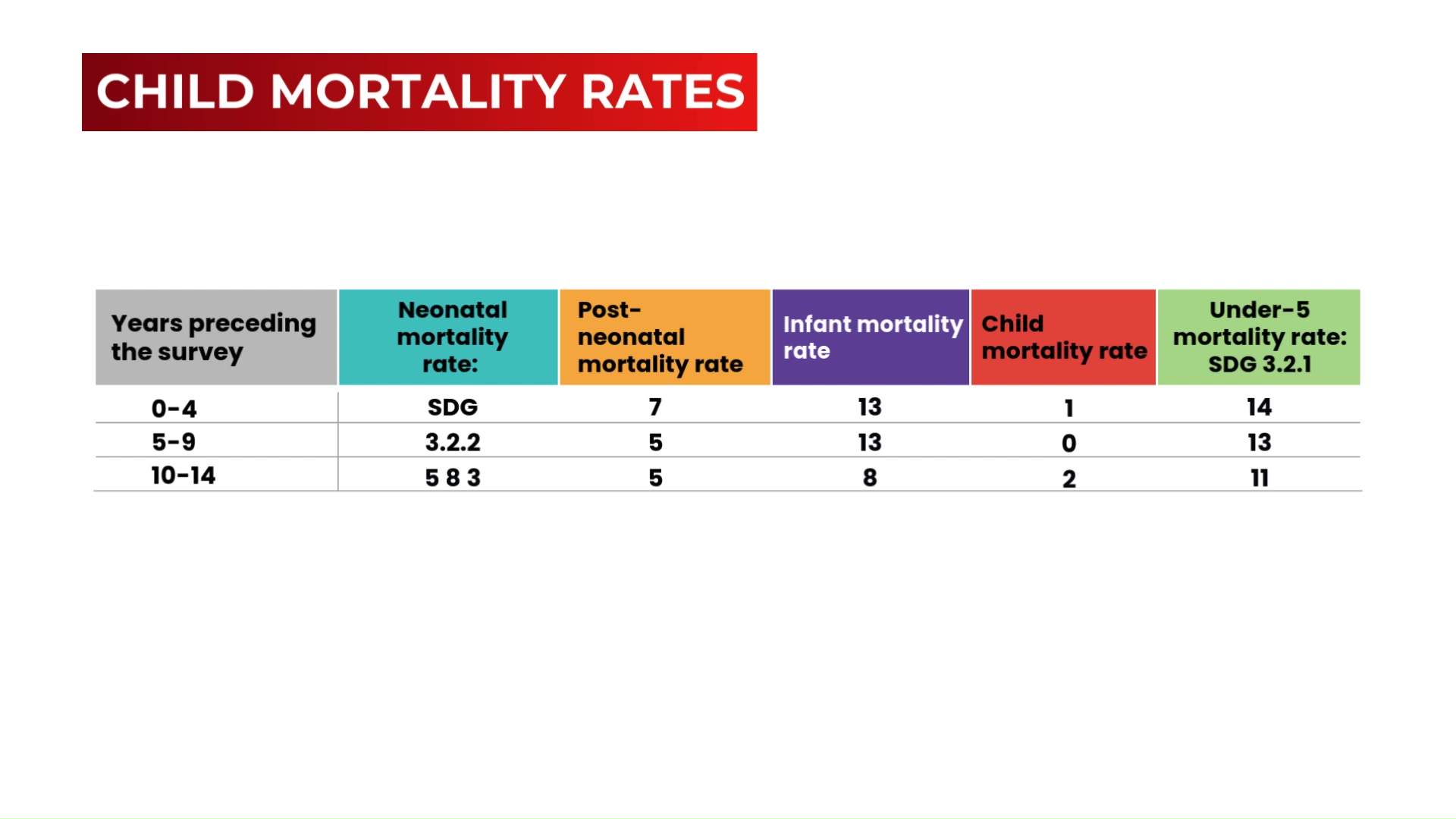
    Belize confronts a severe pediatric health emergency as new data reveals prematurity constitutes the predominant factor in child mortality rates nationwide. Current statistics indicate that approximately 14 out of every 1,000 Belizean children succumb before reaching their fifth birthday, with premature births accounting for a staggering 60% of these tragic fatalities.

    Dr. Natalia Beer, Maternal & Child Health Technical Advisor at the Ministry of Health and Wellness, provides critical insight into this pressing health crisis. “Globally, prematurity remains the leading cause of child mortality, and Belize reflects this troubling pattern with 8-9% of all live births occurring before 37 weeks of gestation,” explains Dr. Beer.

    The medical complexities associated with premature birth create multifaceted vulnerabilities for newborns. Underdeveloped organs—particularly lungs, brain, and liver—significantly elevate risks for respiratory distress syndrome, severe infections, and neurological complications. Low birth weight, frequently accompanying prematurity but also occurring in full-term infants, further compounds these health challenges.

    Dr. Beer emphasizes the direct correlation between gestational age and survival outcomes: “The earlier the child is born, the higher the risk of mortality. This biological reality underscores the urgent need for enhanced prenatal care and specialized neonatal support services throughout Belize’s healthcare system.”

    These findings emerge from comprehensive health surveys that paint a concerning portrait of pediatric healthcare challenges in Belize, highlighting critical gaps in maternal health services and neonatal care infrastructure that require immediate policy intervention and resource allocation.

  • Two Imported Cases of Malaria Confirmed in Belize

    Two Imported Cases of Malaria Confirmed in Belize

    Health authorities in Belize have confirmed two imported malaria cases in Crique Sarco Village, Toledo District, while emphasizing the nation’s hard-earned malaria-free certification remains intact. The Ministry of Health and Wellness reported both infections originated from foreign travel to endemic regions, highlighting persistent transmission risks through international mobility.

    Chief Vector Control Officer Kim Bautista clarified that imported cases don’t constitute local reestablishment of the disease, explaining that WHO revocation requirements involve three consecutive years of domestic transmission. “These cases demonstrate patterns of travelers returning from endemic areas positive,” Bautista stated, “which creates risks for malaria reestablishment in vulnerable communities.”

    The ministry has intensified surveillance measures and public awareness campaigns, offering free testing and treatment services. Health officials specifically warned travelers visiting rural, forested, or border communities to implement enhanced mosquito bite prevention measures. Bautista emphasized that prompt detection and reporting remain crucial, particularly since local populations might lack familiarity with malaria symptoms after years without domestic cases.

    The World Health Organization officially certified Belize as malaria-free in 2023, marking a significant public health achievement for the Central American nation. Current protocols require continuous monitoring and rapid response systems to maintain this status amid global travel patterns that frequently introduce disease vectors across borders.

  • GOB Rolls Out Protection Policy Amid PSU Concerns

    GOB Rolls Out Protection Policy Amid PSU Concerns

    The Government of Belize has initiated a comprehensive Anti-Sexual Harassment Policy designed to establish safer public workplaces and provide enhanced protections for employees. Announced on February 17, 2026, this policy framework explicitly defines prohibited behaviors, outlines formal reporting mechanisms, and specifies disciplinary consequences for violations.

    Despite widespread acknowledgment of the policy’s necessity, the Public Service Union (PSU) has raised significant concerns regarding its development process. Anissa Perdomo, First Vice President of the PSU, emphasized the union’s full support for the policy’s objectives while criticizing the government’s failure to engage the recognized bargaining agent during its formulation.

    Perdomo referenced constitutional provisions and the Trade Unions Act, which mandate consultation with worker representatives on matters affecting employment conditions and disciplinary procedures. The union contends that without meaningful participation from those representing government workers, the policy’s effectiveness remains questionable.

    Key concerns highlighted by the PSU include the policy’s enforcement mechanisms, alignment with international standards, and responsiveness to contemporary women’s rights movements. The union maintains that genuine worker protection requires inclusive decision-making processes that incorporate frontline perspectives through their elected representatives.

    The development underscores the ongoing tension between policy implementation and stakeholder engagement in public sector reforms, with the PSU advocating for revised consultation protocols before full implementation.

  • Year of the Horse Celebrated with Belizean Flair

    Year of the Horse Celebrated with Belizean Flair

    BELIZE CITY – While Chinese New Year celebrations typically bring to mind images of East Asia, the vibrant festivities have found a distinctive Caribbean expression in Belize. The commencement of the Year of the Horse has transformed local communities through explosive firecracker displays, vivid crimson decorations, and culturally infused celebrations that merge ancient Chinese customs with Belizean warmth.

    The Lunar New Year, a fifteen-day period emphasizing familial bonds, culinary traditions, and prosperity rituals, is being personally commemorated by Belizeans of Chinese heritage. Prominent local entrepreneur Lee Mark Chang, proprietor of the renowned Chon San Palace, provided exclusive insight into this cultural synthesis.

    “I experience dual annual celebrations—the conventional January first New Year and the Chinese Lunar New Year,” Chang remarked. “More festivities are always welcome, though operational demands require my presence at the restaurant to serve loyal patrons seeking their customary Chon San experience.”

    Chang detailed his holiday itinerary which balances business commitments with family traditions: “Today involves a multi-generational dinner with my parents, son, and daughter. The Chinese Association has orchestrated significant weekend events, including a grand Sunday function for which we’re providing catering services. The menu will feature an elaborate nine-course buffet banquet.”

    When questioned about cultural dissemination, Chang reflected on Belize’s multicultural fabric: “Cultural diversity expands horizons—more knowledge, broader perspectives, and certainly more culinary exploration. Our nation’s melting pot identity continues to evolve through these shared experiences.”

    The celebrations represent more than ceremonial observance—they signify the ongoing integration of Chinese heritage into Belize’s national identity, creating unique traditions that honor ancestral customs while embracing Caribbean inclusivity.

  • Where Does Belize Rank on the World’s Corruption List?

    Where Does Belize Rank on the World’s Corruption List?

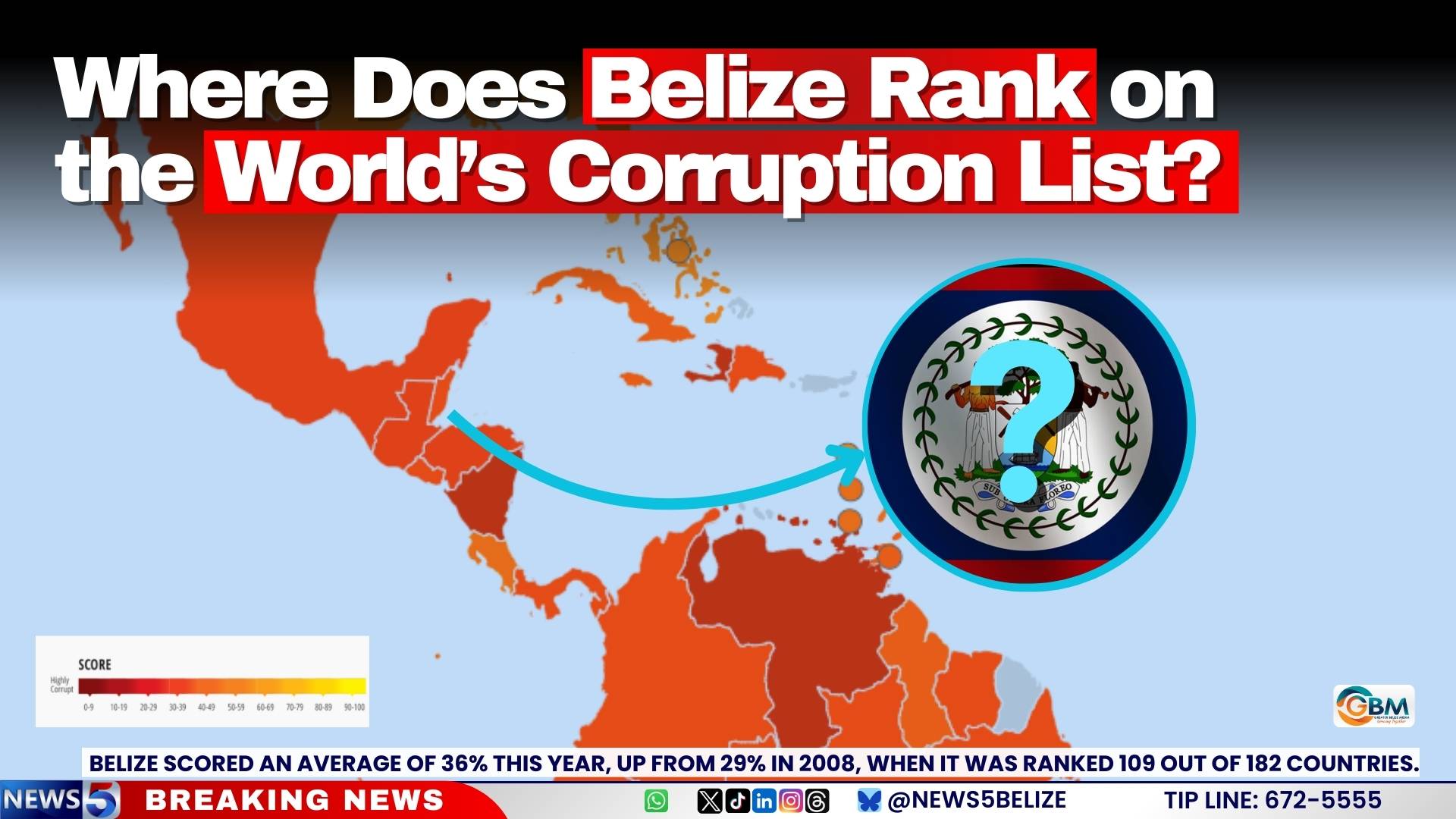
    After an 18-year absence from international corruption monitoring, Belize has regained its position on Transparency International’s influential Corruption Perceptions Index (CPI). The Central American nation’s reappearance on the 2026 index marks a significant development in global governance tracking, providing both encouraging signals and sobering realities about the country’s anti-corruption efforts.

    According to Cesar Ross, Director of Belize’s Good Governance Unit, the country’s return to the index followed concerted efforts to meet Transparency International’s stringent data requirements. “The absence since 2008 resulted from insufficient international analysis,” Ross explained. “Only two agencies had been producing data assessments for Belize, while the CPI mandate requires at least three independent evaluations.”

    The newly published index reveals Belize achieved a score of 36%, representing a seven-point improvement over its last recorded assessment in 2008. This advancement moved the country from position 109 to 104 among the 182 nations evaluated. However, Ross emphasized that while numerically positive, this progress must be contextualized within global anti-corruption developments. “We must consider why we haven’t been advancing more rapidly compared to international standards,” he noted.

    Ross characterized the CPI not as an endorsement but as a diagnostic tool offering external perspective on governance quality. The ranking provides comparative analysis against global counterparts and illuminates international perceptions regarding corruption levels within Belize’s public institutions.

    The director highlighted that Belize’s reinstatement creates new accountability pressures, particularly regarding recently enacted legislation. Laws including the 2023 Civil Asset Recovery and Unexplained Wealth Act now face heightened scrutiny to demonstrate tangible impacts rather than merely existing as statutory accomplishments.

    This development positions Belize within a framework of measurable international standards, offering benchmarks for future governance reforms and anti-corruption initiatives. The country’s return to the index establishes a foundation for tracking progress and identifying areas requiring intensified anti-corruption focus in coming years.

  • New Finish Line for La Ruta Maya 2026?

    New Finish Line for La Ruta Maya 2026?

    Organizers of Belize’s premier river racing event, the La Ruta Maya Belize River Challenge, are contemplating significant changes for the upcoming March 6-9, 2026 competition. The four-day endurance race may witness a historic relocation of its traditional finishing point from Belize City’s Civic Center to the Grand Resort near Haulover Creek’s entrance.

    Security considerations have emerged as the primary catalyst for this potential venue alteration. Vice Chair Roberto Harrison emphasized the organizational challenges posed by the current endpoint, stating, “The Civic Center is too open, and we need to have better control of what happens.” The committee continues to evaluate both locations, with a final determination pending.

    Concurrently, event coordinators are addressing demographic concerns within the competition’s participant pool. Despite maintaining consistent registration numbers of 60-65 paddlers in recent editions, organizers have identified an urgent need for youth infusion in the sport. Harrison noted the aging cohort of veteran competitors, explaining, “Those paddlers that have been running this race over the last 20, 25 years are getting old now.” The committee seeks to balance the preservation of institutional knowledge with the introduction of new talent, emphasizing the importance of retaining experienced guidance while encouraging younger athletes.

    The race’s traditional route remains largely unchanged for the initial three stages: commencing beneath San Ignacio’s Hawkesworth Bridge to Banana Bank (Day 1), progressing to Double Head Cabbage (Day 2), and advancing to Burrell Boom (Day 3). The potential modification exclusively affects the final segment from Burrell Boom.

    In a heartening development, the village of Double Head Cabbage will leverage the event’s visibility to support local resident Keemar, an 18-month-old requiring specialized medical treatment in Mexico for an undiagnosed condition. His family intends to utilize the race weekend for fundraising initiatives.

    Despite anticipated reduced river flow due to arid seasonal conditions, organizers confirm the event will proceed as scheduled. Participants are encouraged to submit early registrations to facilitate logistical planning.