标签: Belize

伯利兹

  • How Does BWS Water Testing Differ from MICS7?

    How Does BWS Water Testing Differ from MICS7?

    Belize Water Services Limited (BWS) has issued a definitive rebuttal to circulating rumors regarding an E. coli contamination in the national water supply. The utility company maintains that tap water across its network remains entirely safe for consumption, emphasizing its commitment to rigorous daily testing protocols.

    The controversy emerged following the release of the Multiple Indicator Cluster Survey 7 (MICS7) by the Statistical Institute of Belize, which detected E. coli in some residential water samples. However, officials clarified that the survey’s methodology was specifically designed to assess household hygiene practices rather than evaluate the quality of water provided by utilities.

    Hugo Rancharan, Assistant Operations Manager at BWS, provided detailed insight into the organization’s comprehensive testing procedures. “We adhere to strict international guidelines and protocols,” Rancharan explained. “Our process begins with disinfecting faucets and allowing water to flow for two to five minutes before collecting samples in sterile containers under controlled conditions.”

    The samples are immediately transported in temperature-controlled coolers to laboratories where technicians employ membrane filtration methods. These filters undergo incubation at precise temperatures for a minimum of twenty-four hours before microscopic examination for bacterial presence. This methodology aligns with standards established by the World Health Organization, the US Environmental Protection Agency, and the American Water Works Association.

    The distinction between MICS7’s household-focused assessment and BWS’s utility-level testing explains the apparent discrepancy in findings, confirming that the national water distribution system maintains proper safety standards.

  • Attempted Murder Charge Questioned as Teen Walks Free

    Attempted Murder Charge Questioned as Teen Walks Free

    In a remarkable judicial development, a nineteen-year-old fourth-form student from western Belize has been released on bail after facing attempted murder charges that now appear fundamentally flawed. The case, stemming from a stabbing incident during Garifuna Settlement Day celebrations in Dangriga on November 19th, took an unexpected turn when the alleged victim provided sworn testimony exonerating the accused.

    Justice Candace Nanton granted bail under stringent conditions following compelling arguments from defense attorney Orson ‘OJ’ Elrington. The court approved release upon payment of six thousand dollars plus two sureties, but imposed rigorous restrictions including mandatory weekly reporting to San Ignacio Police, residence with his father, attendance at all court proceedings, and a prohibition against contacting the victim or witnesses. International travel remains prohibited without judicial authorization.

    The case unraveled when Gavin Armstrong, the purported victim, submitted a sworn affidavit explicitly stating he cannot identify his attacker and confirming the accused teenager was not responsible for his injuries. According to court documents, Armstrong made three unsuccessful attempts to provide this critical information to investigators, who allegedly failed to collect his follow-up statement. The victim formally requested dismissal of all charges, asserting the young man’s complete innocence.

    The Office of the Director of Public Prosecutions raised no objection to bail, acknowledging the evidentiary complications. This development raises significant questions about police investigative procedures and the initial basis for the attempted murder charge against the minor. Legal experts suggest the case may collapse entirely given the victim’s testimony and lack of supporting evidence.

  • Torrential Rains Soak Belize: More Downpours on the Way

    Torrential Rains Soak Belize: More Downpours on the Way

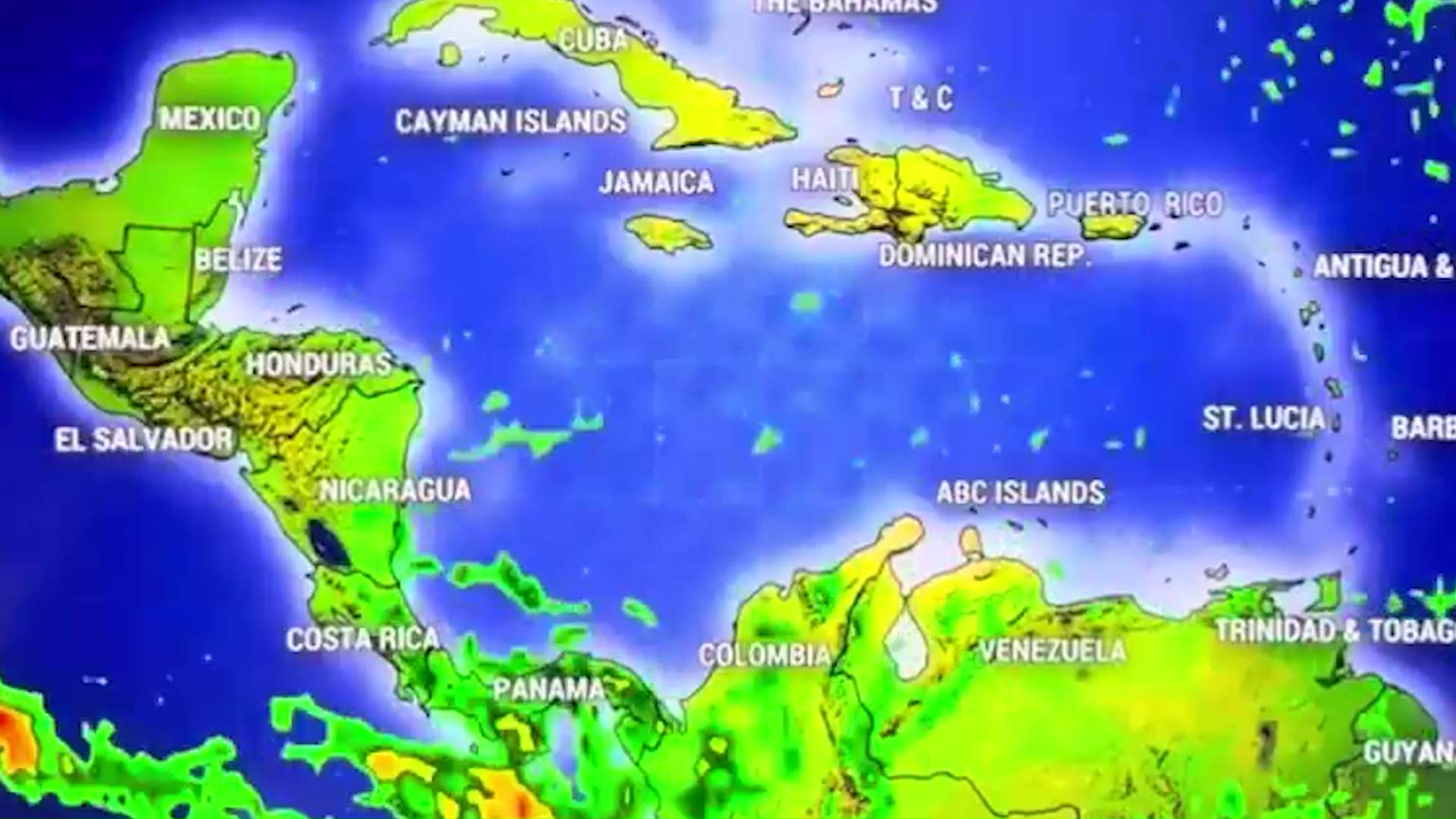
    A sustained period of intense rainfall has inundated Belize, with meteorological authorities forecasting continued precipitation throughout the weekend. A stationary frontal boundary interacting with moist northeasterly winds has created optimal conditions for persistent thunderstorms, particularly across central and southern districts.

    Precipitation measurements reveal significant regional variations, with Belize City recording 1-3 inches of rainfall while Hattieville experienced substantially heavier accumulation of 5-6 inches. The precipitation commenced overnight and continued through morning hours, resulting in slick road conditions and elevated flood risks in low-lying areas.

    Chief Meteorologist Ronald Gordon of the National Meteorological Service provided detailed analysis of the developing situation: ‘We’re observing a frontal boundary approaching our region that’s expected to become stationary, creating extended precipitation conditions. Unlike typical cold fronts that bring dry air, this system will function primarily as a rain front, maintaining substantial moisture content across our atmospheric column.’

    Gordon further elaborated on the meteorological mechanics: ‘The combination of surface-level frontal boundary stalling and supportive upper-level conditions is enhancing thunderstorm development. This convergence of factors explains the pronounced thunderstorm activity witnessed this morning in urban and Hattieville regions.’

    The precipitation pattern is expected to initially concentrate across northern and central territories before gradually extending nationwide. Meteorological models indicate probable continuation of rainfall through Saturday and Sunday, with improvements anticipated by Monday as the frontal system eventually dissipates or moves eastward.

    Residents are advised to exercise caution in flood-prone areas and monitor official weather updates. The National Meteorological Service maintains active monitoring of the system and will issue further advisories as conditions evolve.

  • 2025 Hurricane Season Brings Fewer Storms, Fiercer Impact

    2025 Hurricane Season Brings Fewer Storms, Fiercer Impact

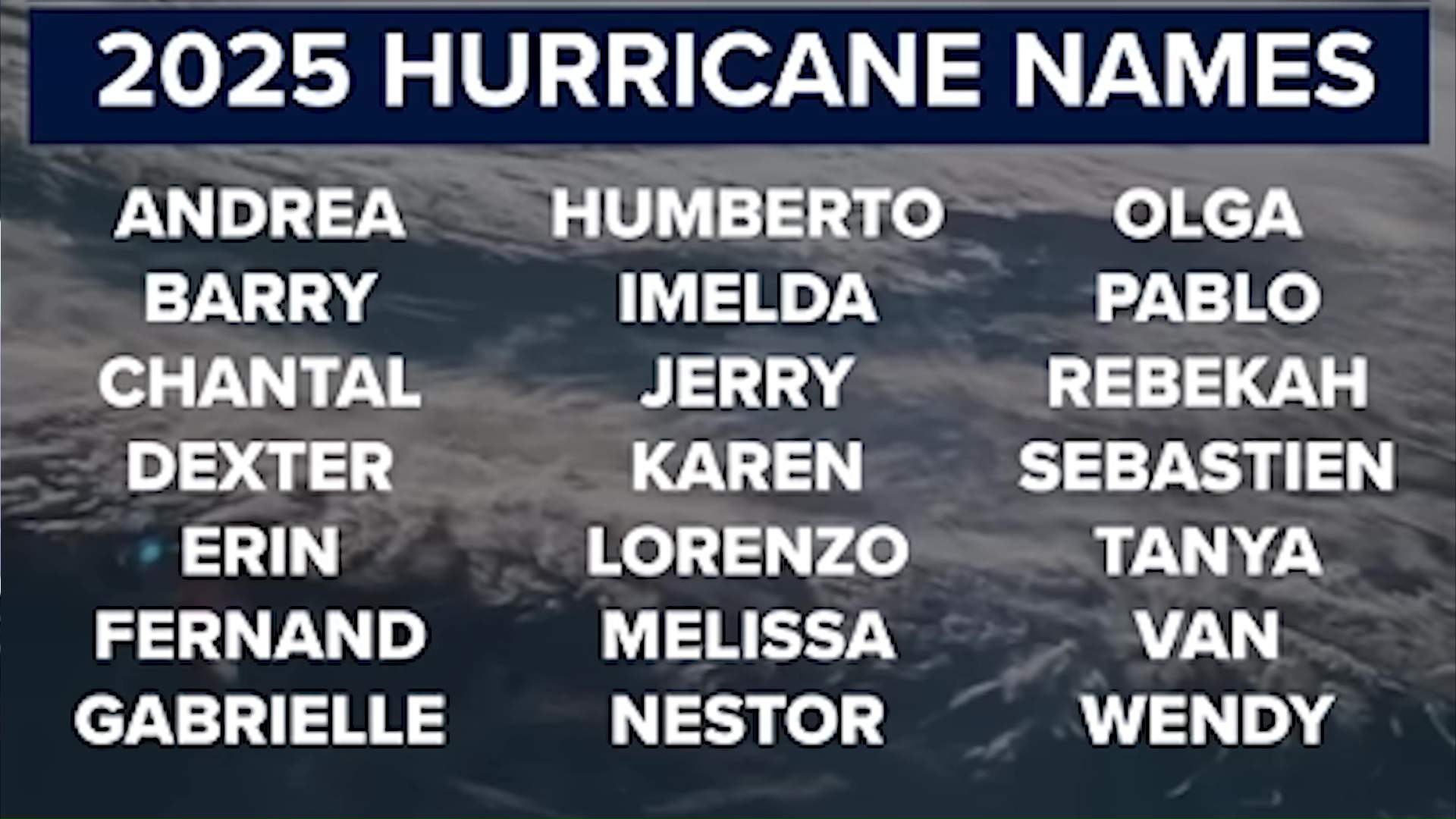
    As the 2025 Atlantic hurricane season approaches its official conclusion, meteorological data reveals a paradoxical trend that has characterized this year’s cyclonic activity. While the total number of named storms fell slightly below historical averages, the season produced an alarming concentration of exceptionally powerful hurricanes that caused catastrophic damage across the Caribbean region.

    According to Ronald Gordon, Chief Meteorologist at Belize’s National Meteorological Service, the 2025 season generated thirteen named storms compared to the typical fourteen. Hurricane formation also decreased significantly, with only five systems reaching hurricane status versus the normal seven. However, the most striking statistic emerges from the intensity metrics: four of these five hurricanes intensified into major hurricanes (Category 3 or higher), with three reaching the maximum Category 5 classification.

    The most devastating event was Hurricane Melissa, which made landfall in Jamaica during the season’s final weeks as a Category 5 monster. The storm inflicted catastrophic damage estimated at over eight billion dollars, making it one of the most financially destructive hurricanes in Caribbean history.

    Meteorological analysis confirms these patterns align with long-term climate projections. Although the total number of storms may not increase, climate models consistently predict that tropical systems will demonstrate more rapid intensification and achieve greater peak intensities. This season’s data provides compelling evidence supporting these projections, with several hurricanes undergoing explosive development.

    Gordon emphasized that weather vigilance remains crucial beyond the traditional hurricane season. The region now faces other climate hazards including potential December and January flooding events, followed by drought conditions and heightened wildfire risks during the February-April dry season. Meteorological authorities continue to advise Caribbean nations to maintain emergency preparedness protocols throughout the year, recognizing that climate change has fundamentally altered traditional weather patterns and associated risks.

  • Lee Mark Says Motorcycle Training is Too Long, Too Expensive

    Lee Mark Says Motorcycle Training is Too Long, Too Expensive

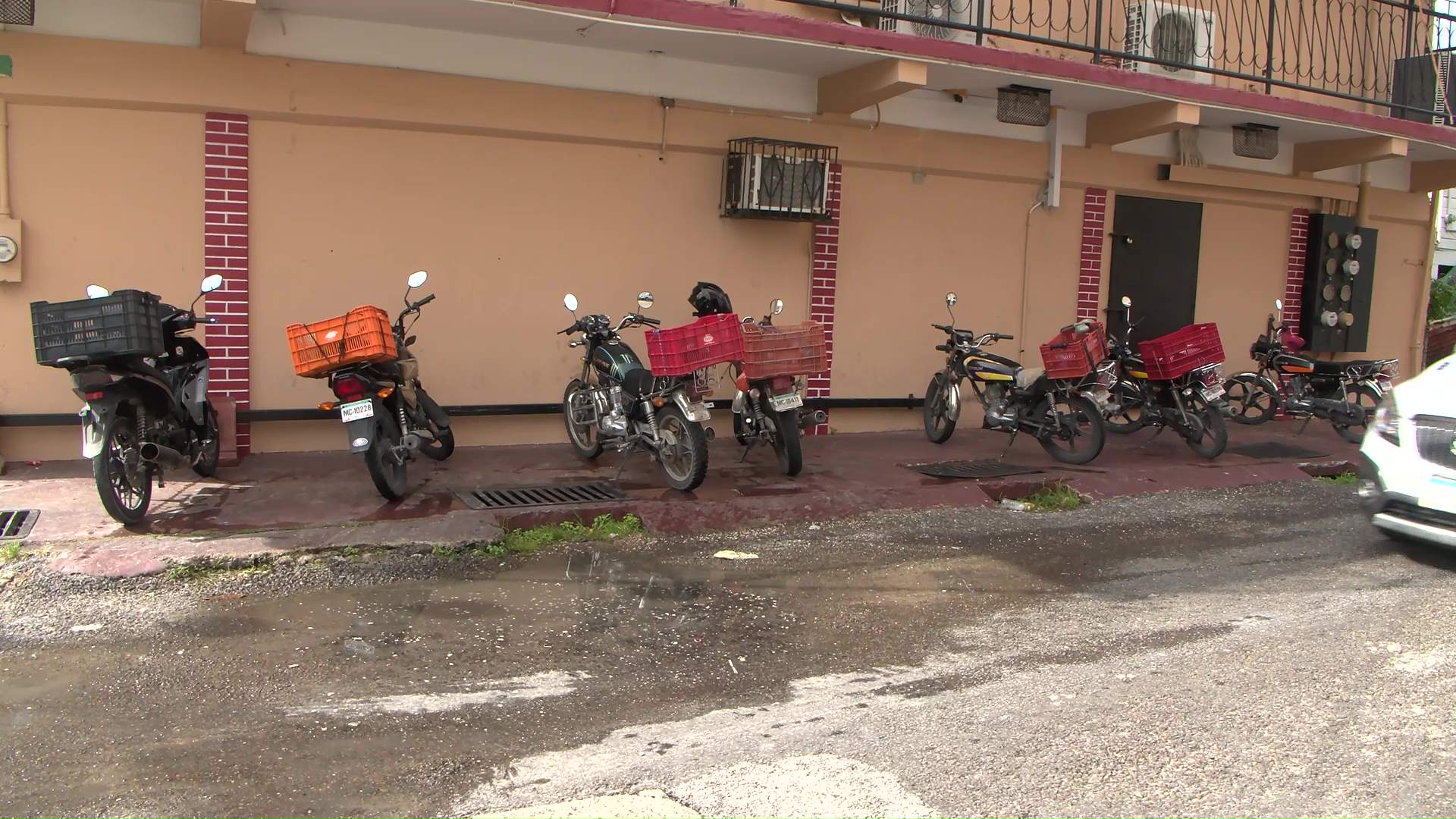
    A proposed mandate from Belize’s Ministry of Transport requiring compulsory motorcycle training is generating significant controversy, with critics warning the measures could disproportionately impact the nation’s working class. While government officials frame the initiative as a critical road safety measure aimed at saving lives, prominent businessman Lee-Mark Chang has emerged as a vocal opponent, citing economic hardships faced by existing riders.

    Chang, speaking to News Five, expressed particular concern about the financial burden and time commitment the program would impose. The training course, estimated to cost between two to three hundred Belize dollars, coupled with a mandatory two-week instruction period, presents what Chang describes as an insurmountable barrier for many employed riders who live ‘hand to mouth’ and depend on weekly wages to support their families.

    The businessman proposed implementing a more flexible approach that would distinguish between new and experienced drivers. While acknowledging the necessity of training for novice riders, Chang advocated for existing drivers to undergo a simplified driving test or crash course rather than the comprehensive two-week program. He further suggested implementing arrangements that would allow trainees to maintain employment while completing their certification, thereby preventing income disruption for vulnerable households.

    The debate highlights the tension between public safety objectives and socioeconomic realities in the Central American nation, where motorcycles serve as essential transportation for many low-income workers. The government has yet to respond to these specific concerns regarding the proposed rollout.

  • After a Dip in Arrivals, Belize Tourism Banks on Holiday Surge

    After a Dip in Arrivals, Belize Tourism Banks on Holiday Surge

    BELIZE CITY – Following a period of market volatility, Belize’s tourism industry is demonstrating remarkable resilience as it enters its peak season with strong forward momentum. The recent conclusion of the U.S. federal government shutdown has provided timely relief to the sector, coinciding perfectly with Belize’s traditional high tourism period from December through March.

    Industry data revealed a concerning 8.6% decline in overnight arrivals during September, marking the beginning of a downward trend that persisted through recent months. Evan Tillett, Director of the Belize Tourism Board, characterized 2025 as “a very volatile year” that included both record-breaking months and significant dips in visitor numbers.

    Despite these challenges, multiple positive factors are converging to create favorable conditions for recovery. The devastation caused by Hurricane Melissa in Jamaica and ongoing cartel violence in Mexico have redirected tourist traffic toward Belize’s more stable environment. Simultaneously, U.S. federal workers receiving back pay after the government shutdown now possess additional discretionary income for vacation spending.

    The Belize Hotel Association reports exceptionally strong booking patterns for the upcoming high season, with some properties approaching full capacity. Reynaldo Malik, President of the association, emphasized that the current three-and-a-half-week period typically generates approximately 60% of the following year’s revenue.

    Beyond these temporary market shifts, strategic diversification efforts are yielding significant results. Nicole Usher, CEO of the Ministry of Tourism, highlighted successful expansion into non-traditional markets including Italy, Spain, and Switzerland. The ministry has additionally strengthened regional partnerships through a new cooperation agreement with El Salvador and enhanced collaboration with the Mundo Maya organization, signaling a deliberate shift toward reducing dependency on North American markets.

    While U.S. visitor numbers have experienced a 1.7% decrease overall, the combination of redirected tourism from neighboring destinations, increased consumer spending capacity, and successful market diversification initiatives positions Belize’s tourism sector for a potentially record-breaking high season that could firmly reestablish its upward trajectory.

  • Victoria Street Transformation Turns Heads Downtown

    Victoria Street Transformation Turns Heads Downtown

    Downtown Belize City is undergoing a significant transformation with the establishment of an innovative fish market and restaurant complex on Victoria Street, a previously overlooked area now at the forefront of urban renewal. Spearheaded by the Belize Tourism Board, this development represents a strategic effort to boost economic activity through tourism-driven initiatives.

    The project, located at the intersection of Victoria and North Front Streets in the Pickstock constituency, features vibrant structures that have already become local landmarks. Tourism Minister Anthony Mahler’s constituency is set to benefit from this culinary tourism concept, which draws inspiration from successful Caribbean models.

    Evan Tillett, Director of Tourism, explained the vision behind the development: “This facility will allow visitors to purchase fresh fish and have it prepared immediately at adjacent restaurants. While inspired by Barbados’ famous Oistins fish market, our implementation will operate at an elevated standard, enhancing the overall Belize City tourism product and aligning with our sustainable tourism masterplan.”

    Reynaldo Malik, President of the Belize Hotel Association, emphasized the broader economic implications: “Such projects create opportunities for small entrepreneurs to access markets while simultaneously improving quality of life. This holistic approach uses tourism as an economic catalyst to empower local businesses, their families, and employees through sustainable development.”

    The Victoria Street revitalization forms part of a comprehensive strategy to position Belize City as a competitive Caribbean destination while addressing urban economic disparities through targeted infrastructure investment.

  • Captain America Anchors Briefly in Belizean Waters

    Captain America Anchors Briefly in Belizean Waters

    In a routine maritime procedure, the Mexican-flagged offshore supply vessel ‘Captain America’ has entered Belizean waters for a brief regulatory stopover. According to the Belize Port Authority, the unusual visit stems from Mexican maritime regulations requiring vessels to depart national waters and register at a foreign port before returning home.

    The distinctive vessel, whose name references the popular Marvel superhero, anchored temporarily in Belize on November 27, 2025. Belizean authorities confirmed they would conduct standard boarding procedures for inspection before granting clearance for the ship’s return journey to Mexico.

    This operation represents standard international maritime practice rather than commercial activity. The Belize Port Authority emphasized that the visit poses no concerns, serving purely as a legal formality under maritime regulations. Such administrative stops are common in global shipping operations, though rarely attract public attention unless vessels bear distinctive names like ‘Captain America.’

    The incident highlights how international maritime regulations occasionally bring foreign vessels to unexpected locations for brief technical stops, demonstrating the complex administrative framework governing modern shipping operations.

  • Modern Tools Power Agriculture’s Next Chapter

    Modern Tools Power Agriculture’s Next Chapter

    Belize’s agricultural landscape is undergoing a technological transformation following the successful implementation of a groundbreaking statistical modernization initiative. The Ministry of Agriculture has officially launched an advanced data collection system through a strategic partnership with the Korea International Cooperation Agency (KOICA) and the United Nations Food and Agriculture Organization (FAO).

    The innovative program, formally designated as “The Enabling of Belize’s Statistical System,” represents a significant leap forward in agricultural monitoring capabilities. The recently concluded handover ceremony showcased an impressive array of technological assets, including sophisticated drone systems for aerial crop surveillance, state-of-the-art surveying equipment, and real-time data processing software.

    Field demonstrations conducted during official visits revealed the practical application of these technologies, featuring computer-assisted personal interviewing systems and unmanned aerial vehicles conducting precision crop assessments. The newly acquired Utility Task Vehicle with specialized trailer will enable ministry teams to access remote agricultural regions previously difficult to monitor, facilitating on-site data collection in challenging terrain.

    This technological enhancement addresses critical gaps in agricultural data accuracy and timeliness. By transitioning from traditional manual methods to automated, precision-based systems, Belize establishes a framework for evidence-based policy formulation. The comprehensive data ecosystem will support informed decision-making regarding food security initiatives, rural community development programs, and sustainable agricultural practices.

    The modernization effort directly contributes to Belize’s progress toward achieving multiple Sustainable Development Goals, particularly those targeting zero hunger, sustainable communities, and climate action. This represents a paradigm shift in how developing nations can leverage international partnerships and cutting-edge technology to transform essential agricultural infrastructure.

  • Caribbean Organic Foodstuff Promises Cheaper, Better Flour

    Caribbean Organic Foodstuff Promises Cheaper, Better Flour

    In a strategic expansion beyond its brewing origins, Caribbean International Brewery has launched a significant venture into the food production sector through its subsidiary, Caribbean Organic Foodstuff. The company unveiled its newest product, Mana Flour, on November 27, 2025, marking a substantial shift from its initial bottled water business established merely six years prior.

    The flour product enters a market long dominated by established brands, with Caribbean Organic Foodstuff positioning Mana Flour as both more affordable and higher quality than existing alternatives. According to Communications Director Fortunato Noble, the pricing strategy represents approximately an 11% reduction compared to government-mandated control prices for hundred-pound sacks, ranging between seventy-nine to eighty-five dollars.

    This initiative aligns with broader national economic objectives, receiving strong governmental endorsement evidenced by Prime Minister John Briceño’s personal attendance at the ribbon-cutting ceremony directly upon his return from international travels. The Prime Minister emphasized the project’s significance in job creation, foreign exchange conservation, and enhanced food security for Belize.

    The company’s vision extends beyond domestic market disruption. With a state-of-the-art milling facility capable of processing 150 metric tons daily, Caribbean Organic Foodstuff possesses sufficient capacity to supply the entire Belizean market while pursuing export opportunities. The company is actively engaged in negotiations with potential partners across the Caribbean region, exploring distribution channels not only for flour but also for complementary products including noodles, cooking oil, biscuits, and snacks.

    The manufacturing operation currently employs over one hundred workers, predominantly women, contributing to local economic development. This expansion represents part of a continuous strategic planning process initiated in 2023 to identify and locally produce goods that Belize traditionally imports, thereby strengthening national economic resilience and self-sufficiency.