标签: Belize

伯利兹

  • Mexico Raises Wages, Proposes Shorter Workweeks; Could Belize be Next?

    Mexico Raises Wages, Proposes Shorter Workweeks; Could Belize be Next?

    In a significant overhaul of its labor policies, Mexico has announced a dual-pronged approach to worker compensation and work-life balance. The administration of President Claudia Sheinbaum confirmed a substantial 13% increase to the national minimum wage, set to take effect in January 2026. This adjustment will elevate daily earnings to 315.04 pesos ($17.27 USD), with a higher rate of 440.87 pesos ($24.27 USD) established for the northern border zone to address economic disparities.

    Concurrently, the government has put forward a groundbreaking legislative proposal to reduce the standard workweek. The plan outlines a gradual transition from the current 48-hour benchmark down to 40 hours, with a target completion date of 2030. This initiative represents one of the most progressive shifts in working conditions in the region’s recent history.

    President Sheinbaum defended these economic policies against traditional criticisms, highlighting that minimum wage rates have surged by 154% since 2018 without deterring foreign investment. “Contrary to long-held economic doctrines that warned against wage increases, we are experiencing record levels of foreign investment,” Sheinbaum stated during her weekly press briefing.

    These developments emerge against a backdrop of recent economic contraction, with Mexico’s GDP reporting a 0.3% decline in the last quarter. Meanwhile, neighboring Belize appears to be observing these changes with interest. Prime Minister John Briceño announced in September plans to raise the national minimum wage to $6 BZD per hour ($3 USD) in the coming year, potentially signaling a broader regional trend toward enhanced worker compensation standards.


  • Four-Legged Melissa Survivors Find New Homes Abroad

    Four-Legged Melissa Survivors Find New Homes Abroad

    In a heartening development emerging from the devastation of Hurricane Melissa, over fifty dogs rescued from flood-ravaged areas of Jamaica have successfully been relocated to adoptive families overseas. The initiative, which saw the canines transported to new homes primarily in the United States and Canada, represents a significant secondary outcome of the disaster response efforts.

    Jamaican Agriculture Minister Floyd Green provided details at a recent governmental press conference, clarifying that while the primary mission remained the preservation of human life, concurrent operations were launched to save domestic animals trapped by the catastrophic flooding. Official figures confirm that 58 dogs were evacuated internationally through these coordinated efforts, with a substantial number already integrated into their new households. Minister Green formally noted, ‘The ministry facilitated the export of 58 dogs rescued through these missions.’

    Beyond the immediate rescue, the ministry has initiated a broader support program for the island’s animal population. A series of complimentary veterinary clinics are now being operated nationwide, delivering essential services including medical treatment, vaccination programs, wound management, and nutritional assistance for both livestock and pets affected by the storm.

    The context of this animal rescue is the immense destruction wrought by Hurricane Melissa, which made landfall as a Category 5 hurricane on October 28th. The agricultural sector suffered catastrophic losses, with initial damage assessments of $30 billion subsequently revised upward to a staggering $60 billion following a comprehensive World Bank evaluation. The storm decimated livestock populations, resulting in the loss of thousands of pigs, goats, sheep, and cattle, alongside the death of nearly half the nation’s egg-laying hens and hundreds of thousands of broiler chickens. Total physical damage across the island is currently valued at approximately $8.8 billion. The human toll remains profound, with authorities confirming 45 fatalities and 18 individuals still unaccounted for.

  • BEL Seeks Two-Year Rate Increase to Recover Rising Energy Supply Costs

    BEL Seeks Two-Year Rate Increase to Recover Rising Energy Supply Costs

    Belize Electricity Limited (BEL) has formally petitioned the Public Utilities Commission for authorization to implement a 5.55-cent average rate increase per kilowatt-hour. This strategic proposal aims to address a significant financial shortfall while simultaneously preparing the national grid for anticipated future demand surges.

    The utility company’s application reveals an accumulated BZ$87.5 million in unrecovered supply costs spanning from July 2023 through October 2025 under existing tariff structures. Additionally, BEL projects a further BZ$20.9 million in unfunded energy expenses between November 2025 and June 2026. Company executives emphasize that the requested rate adjustment is essential to stabilize cash flow, meet operational requirements, and sustain critical infrastructure investments in the national grid system.

    Several converging factors are driving the proposed increase. BEL anticipates substantial supply-side pressures in early 2026, including seasonal demand spikes during warmer, drier months that will necessitate increased reliance on higher-cost generation sources such as gas turbines. The company is preparing to deploy temporary generation units to bridge capacity gaps until new medium-term projects become operational. Furthermore, projected increases in electricity import prices from Mexico’s CFE between April and July 2026 are expected to create additional cost pressures.

    In a measured approach to consumer protection, BEL recommends implementing the rate increase through a phased two-year schedule. This gradual implementation strategy aims to balance the utility’s financial requirements for maintaining safe, reliable service against the national priority of keeping electricity rates affordable and predictable for consumers. The company emphasizes that even with the proposed adjustment, BEL would maintain its position as Belize’s lowest-cost electricity provider and remain among the most competitive utilities in the Caribbean and Central American regions.

    The utility company acknowledges that electricity pricing changes have far-reaching implications for households, businesses, and community development initiatives nationwide. BEL frames the proposed adjustment as an essential investment in grid reliability and national development, ensuring stable energy delivery supports Belize’s continued economic growth and infrastructure modernization.

  • UDP Leader Sets Internal Reform as First Order of Business

    UDP Leader Sets Internal Reform as First Order of Business

    The United Democratic Party (UDP) is initiating a sweeping internal reorganization, with constitutional reform serving as the cornerstone of its strategy to prevent future governance failures. Hon. Tracy Panton announced that the party’s primary immediate objective involves fortifying its institutional framework to avert any recurrence of recent leadership instability.

    Panton underscored that forthcoming reforms will establish robust mechanisms to prevent any individual chairman or leader from circumventing institutional checks or dismantling party infrastructure. These measures aim to embed accountability, stability, and inclusive decision-making processes into the party’s core operations.

    The restructuring involves a comprehensive reconfiguration of the National Party Council and the reappointment of the Central Executive Committee, forming the structural basis for the UDP’s operational reset. This recalibration seeks to broaden participatory governance by granting constituency leaders and delegates more clearly defined roles in determining the party’s strategic direction.

    Beyond constitutional overhaul, the UDP will implement motions ratified during its national convention, including specific initiatives to enhance women’s political leadership and amplify youth involvement. These initiatives will be supported by organizational frameworks designed to guarantee substantive influence for women and young members within the party’s hierarchy.

    To bolster policy development, Panton revealed plans to form specialized committees addressing critical national concerns. These panels will focus on education, healthcare, economic advancement, citizen security, and cost-of-living challenges. Their mandate includes formulating strategic proposals and generating actionable solutions for integration into a cohesive national agenda.

    Panton characterized this restructuring as a pivotal phase in the UDP’s efforts to restore public trust. She emphasized that combining organizational discipline with expanded engagement is essential for positioning the party as a credible national leadership alternative in the coming years.

  • Balancing Conservation and Survival in Belize

    Balancing Conservation and Survival in Belize

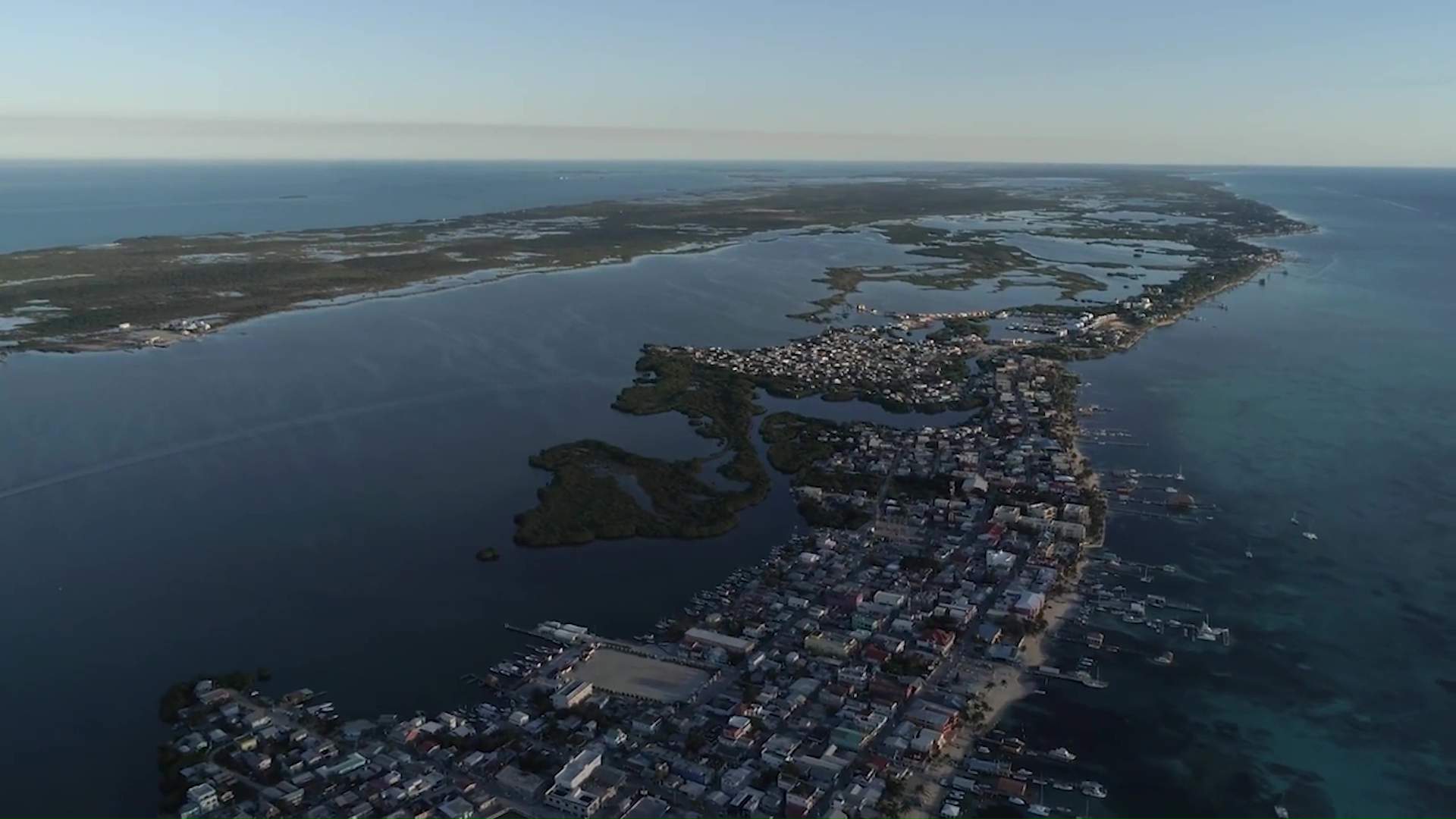
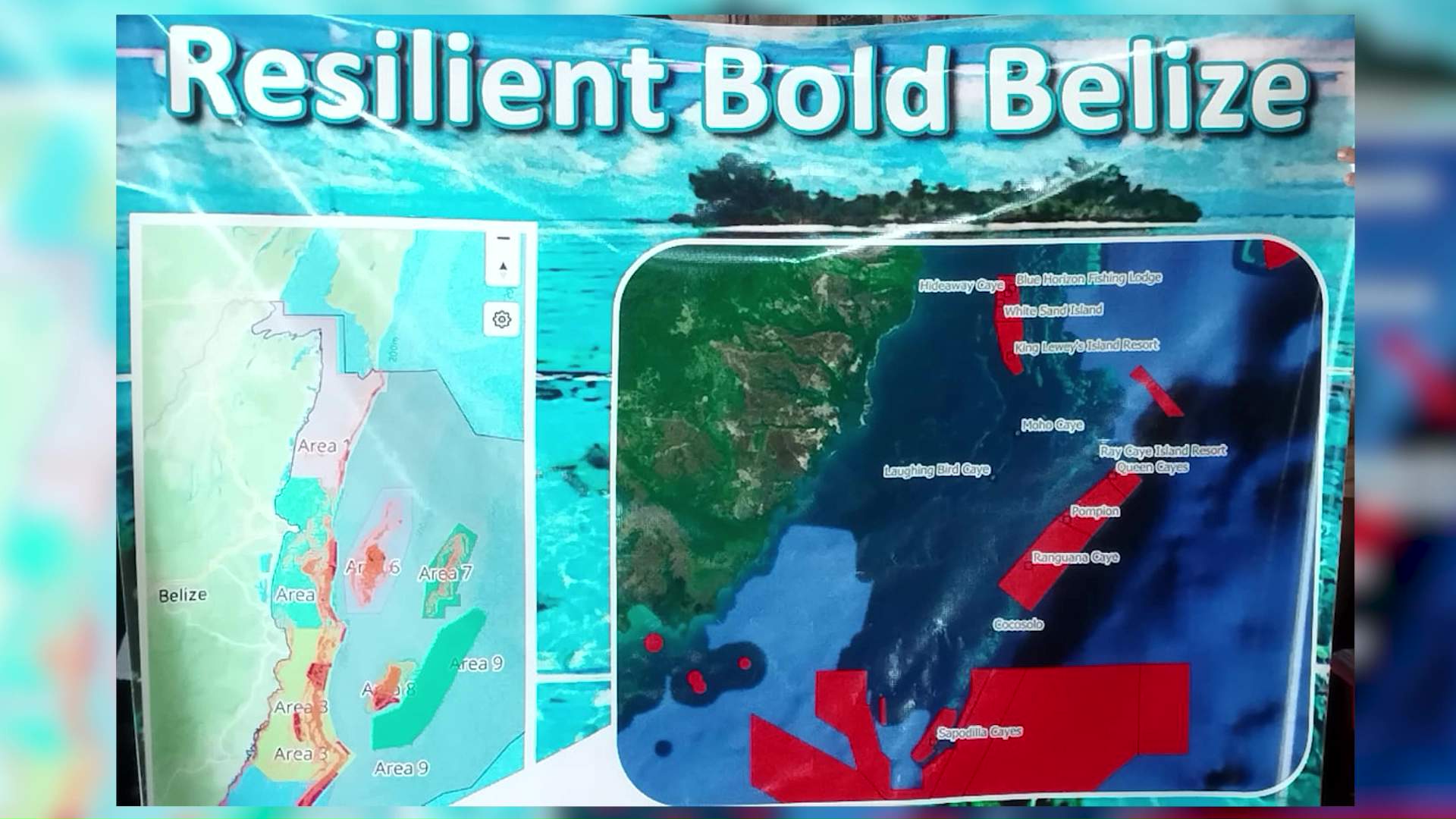
    BELIZE CITY, BELIZE – A profound environmental and economic dilemma is unfolding in Belize as the nation’s fishing industry confronts an ambitious marine conservation initiative. The Blue Bond agreement, designed to preserve twenty percent of the country’s vital coral reef ecosystems, has ignited intense debate regarding its socioeconomic repercussions.

    This conservation strategy aims to establish protected marine zones to ensure long-term ecological sustainability, safeguarding Belize’s portion of the Mesoamerican Barrier Reef System for future generations. However, coastal communities dependent on marine resources perceive these protective measures as potentially catastrophic to their economic survival.

    Eworth Garbutt, President of the Belize Flat Fishery Association, emerged as a vocal critic of the proposal’s current framework. During recent consultations, Garbutt articulated industry concerns regarding the geographical scope of protected areas. He emphasized that the reef system constitutes less than ten percent of Belize’s territorial waters, yet generates the majority of lobster and conch harvests that significantly contribute to national GDP.

    “When they claim it’s only two percent protection, it’s two percent from that critical ten percent where our fisheries operate,” Garbutt explained using a visceral analogy. “You have ten fingers and I cut off two – any Belizean can see this isn’t insignificant.”

    The fisheries representative further questioned the consultation process, noting that existing marine protections around the Sapodilla Cayes have already substantially reduced fishing grounds. Garbutt characterized the government’s approach as potentially counterproductive, suggesting conservation boundaries might undermine the very industries that drive Belize’s coastal economy.

    This confrontation highlights the complex challenge facing developing nations attempting to balance environmental stewardship with economic reality. The outcome will likely establish important precedents for marine conservation initiatives throughout the Caribbean region.

  • No-Take Zones Fuels Demand for Stronger Oversight

    No-Take Zones Fuels Demand for Stronger Oversight

    Fishermen, tour operators, and coastal residents across Belize are voicing strong opposition to proposed expansions of marine no-take zones, arguing that existing protected areas already suffer from critically inadequate enforcement. The growing consensus among stakeholders emphasizes that creating additional restricted zones without addressing current enforcement failures would be counterproductive to marine conservation efforts.

    Isela Martinez of the Blue Water Fisherman Association highlighted the prevalence of illegal activities within current protected areas, stating, ‘Without proper enforcement, it is like we are not doing anything.’ She joined other industry representatives in calling for meaningful consultation before implementing new restrictions.

    Nigel Martinez, Director of the Belize Federation of Fishers, criticized the consultation process as insufficient, noting that proposed zone changes would affect hundreds of livelihoods. He emphasized the need for broader stakeholder representation in decision-making processes.

    Coastal residents like Paula Jacob Williams from Punta Negra Village expressed frustration with the deteriorating state of existing protected areas. ‘Why should we protect more when we are not taking care of what we have already?’ she questioned, describing the decline of marine life in zones that lack proper protection.

    Michael Peralta, a flyfishing guide from San Pedro, pointed to contradictory enforcement practices, noting that while fishing restrictions are imposed, sediment-dumping by barges continues unchecked. This inconsistency underscores the need for comprehensive enforcement strategies rather than simply expanding restricted areas.

    The collective message from Belize’s fishing communities is clear: effective enforcement of current regulations must precede any expansion of marine protected areas to ensure both ecological sustainability and community livelihoods.

  • 30% Marine Protection Plan Meets Strong Opposition

    30% Marine Protection Plan Meets Strong Opposition

    The Briceño administration’s commitment to safeguard thirty percent of Belize’s maritime territory under the Blue Bond agreement is encountering substantial opposition from the nation’s fishing sector. With a November 2026 deadline looming, the government faces mounting pressure to reconcile international environmental commitments with domestic economic concerns.

    Eworth Garbutt, President of the Belize Flat Fishery Association, delivered a powerful critique of the current approach, questioning the administration’s priorities. “What do you think is more important?” Garbutt challenged, addressing Prime Minister Briceño directly. “Reaching an agreement with international souls that do not vote for you or reaching an agreement for the success of a country?” He emphasized the need for flexible solutions that prioritize Belizean livelihoods, stating that “the only unstoppable force in this world is to get a community with you, not against you.”

    Nigel Martinez, Director of the Belize Federation of Fishers, acknowledged the government’s constrained position while advocating for modification of the proposed protected zones. “We understand the government’s back was against the wall. They mortgaged our seas for thirty percent,” Martinez conceded. However, he insisted that recommended high biodiversity areas could be reassessed and adjusted to better protect the interests of grassroots fishing communities.

    The implementation deadline carries significant financial implications, as the debt-for-nature swap arrangement includes substantial penalty clauses should Belize fail to meet established milestones. This creates a complex balancing act for policymakers attempting to honor international environmental commitments while addressing domestic economic stability and community welfare concerns.

  • Gang Affiliate Shot Outside Home on East Canal

    Gang Affiliate Shot Outside Home on East Canal

    A violent shooting incident occurred in the East Canal district late Thursday afternoon, resulting in serious injuries to a local man with known gang affiliations. Law enforcement authorities confirmed that Jahmy Belgrave, 28, was targeted by gunfire directly outside his residence and required immediate medical evacuation to Karl Heusner Memorial Hospital via police mobile patrol units.

    Belgrave maintains an extensive criminal history with documented connections to the George Street Gang, according to police records. His involvement with organized crime dates back to 2015 when, at age eighteen, he faced formal charges related to an armed robbery at Cenies Restaurant. During that previous incident, law enforcement successfully intercepted the suspects and recovered the stolen cash register containing all missing currency.

    Criminal investigators are currently pursuing multiple lines of inquiry regarding potential motives behind the targeted attack. The ongoing investigation focuses on determining whether this violence stems from escalating territorial disputes between rival criminal organizations operating within the metropolitan area. Police officials have increased patrol presence in the neighborhood while forensic teams continue processing the crime scene for ballistic evidence and potential witness testimonies.

    Hospital authorities have not yet released information regarding Belgrave’s current medical condition following emergency treatment. The community remains alert as law enforcement intensifies efforts to combat gang-related violence that has recently affected several districts across the city.

  • Kolbe CEO Addresses Allegations After Mother of ‘32’ Cries Foul

    Kolbe CEO Addresses Allegations After Mother of ‘32’ Cries Foul

    BELIZE CITY – The Kolbe Foundation, which operates Belize Central Prison, is facing allegations of human rights violations regarding the treatment of inmate Jahreem Staine, a 22-year-old known by the street alias ’32’. Staine’s mother has publicly denounced prison conditions, claiming her son is being subjected to mistreatment while in custody.

    Virgilio Murillo, CEO of the Kolbe Foundation, addressed these allegations in an exclusive interview with News Five on Wednesday. Murillo confirmed that Staine is currently held in a restrictive housing unit, a measure he described as necessary for institutional safety rather than punitive.

    “We have what we call a restrictive housing unit for prisoners that we cannot manage in the general population,” Murillo stated. “For violent prisoners and that kind of prisoners, because you realize prison is about safe custody.”

    The CEO revealed that Staine’s segregated confinement stems from credible threats he posed to other inmates. “He has his rivals here and he would have made after his rivals if we did not intervene,” Murillo explained. “He wanted to get another prisoner killed. What he does in society will not play out in prison.”

    Regarding specific allegations of mistreatment, Murillo denied claims that Staine was pepper-sprayed without justification. Addressing complaints about inadequate sleeping arrangements, the CEO offered a stark perspective: “He is lucky to have a bed with a piece of sponge, unlike some people in Gungulung and other places in Belize City who may not have a bed or a piece of sponge.”

    Murillo extended an invitation to Staine’s mother, indicating that special visitation arrangements could be made upon formal request. Staine was denied bail and remanded to prison in October, with court documents citing concerns for his personal safety amid ongoing gang rivalries as partial justification for his incarceration.

  • Six-Year-Old Battles Injuries After Cotton Tree Motorcycle Hit-and-Run

    Six-Year-Old Battles Injuries After Cotton Tree Motorcycle Hit-and-Run

    A severe traffic incident in Cotton Tree Village has left a six-year-old child hospitalized after being struck by a motorcycle in a hit-and-run accident. The victim was walking with his older brothers on Monday evening when a sixteen-year-old motorcyclist traveling at high speed collided with him before fleeing the scene.

    The child’s mother, Josephine Jacobs, documented the traumatic aftermath on social media, sharing graphic images of her son’s injuries as he received emergency care at Western Regional Hospital. Her Facebook post characterized the teenage rider’s actions as “wicked and heartless,” expressing outrage that he abandoned her critically injured son on the roadway.

    Medical authorities have reported encouraging developments in the case, confirming that the young victim has now achieved stable condition and demonstrates responsiveness to treatment. While the recovery process continues, healthcare professionals indicate positive progress despite the severity of the injuries sustained.

    Local community members have expressed widespread concern regarding juvenile traffic safety and the prevalence of underage motorcyclists operating vehicles recklessly. The incident has sparked conversations about parental supervision and legal accountability for minor-operated vehicles in residential areas.

    Law enforcement continues investigating the circumstances surrounding the accident, though no official statements regarding potential charges against the sixteen-year-old rider have been released to the public.