
In a decisive show of unity, members of the Belize Sugar Cane Farmers Association (BSCFA) have overwhelmingly rejected a substantial settlement offer and chosen to proceed with their high-stakes litigation concerning Fairtrade earnings. The critical vote occurred during a Special General Meeting convened on Sunday, where approximately 75% of the participating membership opted to continue the legal fight against industry giants BSI and Tate & Lyle. The rejected proposal from the miller included a compensation package valued at one million dollars, primarily in fertilizer supplies, conditional upon the immediate dismissal of the lawsuit. BSCFA Chairman Alfredo Ortega characterized the membership’s decision as a clear and informed mandate, noting that farmers comprehensively grasped the long-term implications of the case as presented by their legal representative, attorney Magali Marin Young. Ortega stated that the collective judgment was that the proposed settlement terms did not offer a beneficial outcome for the farmers’ interests. This resolution ensures that the prominent lawsuit, which centers on the disputed allocation of Fairtrade Premiums, will advance through the judicial system, setting the stage for a prolonged legal confrontation between the agricultural association and the milling corporations.
标签: Belize
伯利兹
-

Triple Murder Arrest, But Family Says Wrong Man
A significant development has emerged in the San Pedro triple homicide investigation as local authorities have made an arrest that is now facing substantial public challenge. The San Pedro police department has formally charged Shelby Hernandez, a 22-year-old fisheries worker, with the brutal murders of three individuals: Karim Espat, Oscar Mas, and Yerlin Bueso Alvarez. The victims were fatally attacked inside a residential property located south of San Pedro Town last Thursday evening, with Espat and Mas pronounced dead at the scene while Bueso Alvarez tragically passed away hours later at a medical facility.
Despite the serious charges, Hernandez’s family has mounted a vigorous defense, asserting his complete innocence and presenting what they claim is conclusive evidence supporting his alibi. Family representatives state that comprehensive surveillance footage from their residential property demonstrates Hernandez was present within his home throughout the critical timeframe when the murders occurred. The timestamped video evidence reportedly shows Hernandez exiting his room on multiple occasions between 9:15 and 9:41 p.m., which the family maintains corresponds exactly with the window when the shooting took place.
In a concerning allegation regarding police procedure, Hernandez’s brother has publicly stated that investigators were presented with this video evidence but proceeded with charges regardless. According to family accounts, law enforcement officials confiscated mobile devices containing the relevant footage during their investigation. Hernandez is currently awaiting formal arraignment proceedings as the controversial case continues to develop.
-
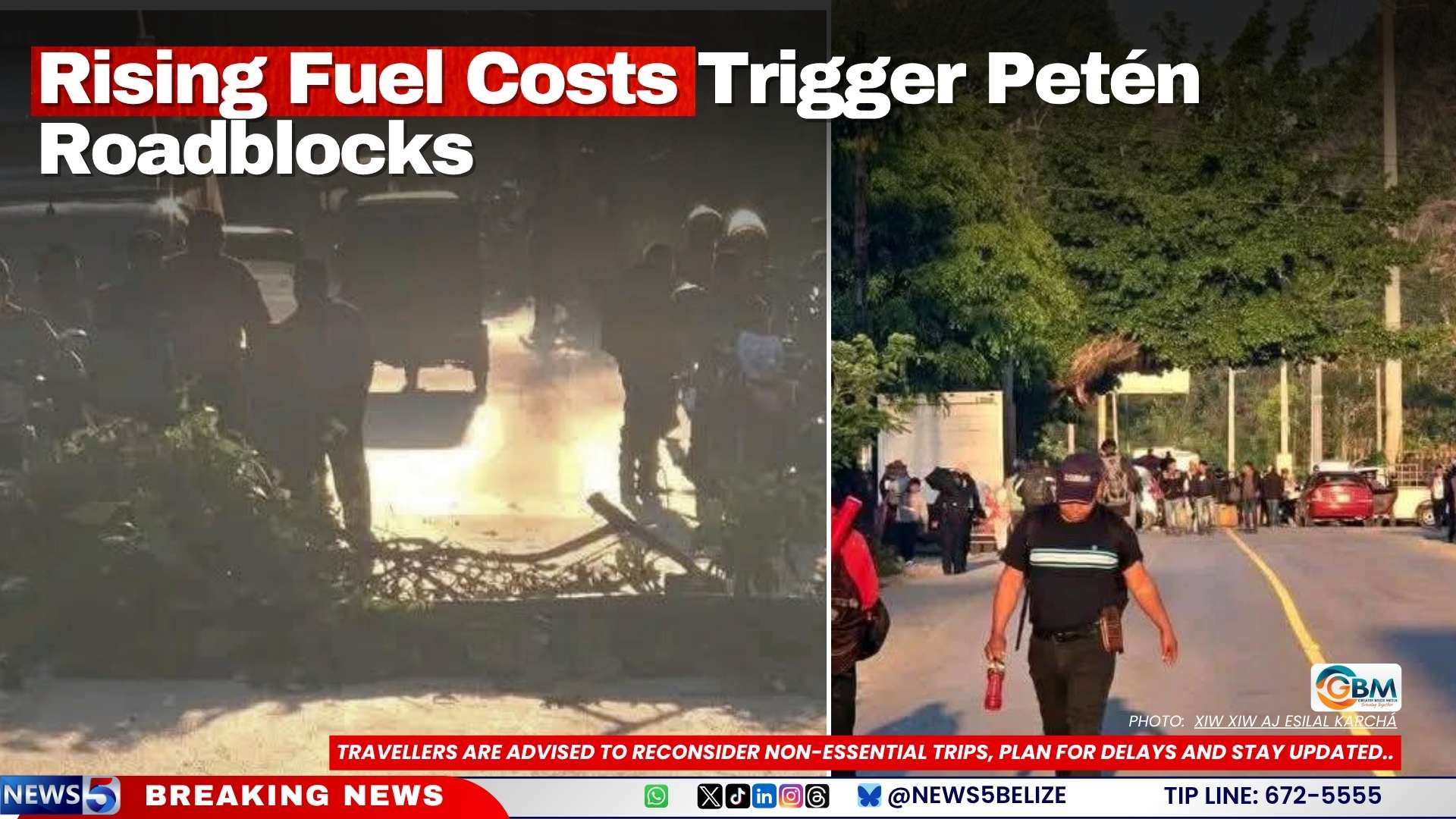
Rising Fuel Costs Trigger Petén Roadblocks
A severe transportation crisis has erupted across Guatemala’s Petén Department as organized road blockades disrupt critical border routes with Belize. The protests, initiated by Guatemalan transport operators at 6:00 a.m. on Monday, represent a coordinated national mobilization against escalating operational costs.
Transport leader Carmencita Deyadira Luna Corado issued an official notice identifying three primary grievances driving the demonstrations: excessive fuel price increases, rising costs of basic goods, and government-mandated use of E10 ethanol fuel. The protests have strategically targeted vital transportation corridors, significantly impacting the movement of goods and people.
Local news outlets confirm substantial disruptions in the Sayaxché region, particularly affecting exit routes toward Parque El Rosario. Additional blockages are anticipated along major entry and exit points serving surrounding communities. The protest movement has expanded to include strategic locations in Poptún, La Libertad, and critical border access routes at Melchor de Mencos—a primary transit corridor for Belizean travelers accessing Petén.
Transport authorities have issued urgent advisories recommending travelers reconsider non-essential journeys, anticipate significant delays, and maintain constant awareness of developing route conditions. The blockades represent growing tensions between transportation sector stakeholders and government policies affecting operational viability.
-

Russian Oil Tanker Bound for Cuba Diverts to Trinidad
A Russian diesel shipment originally destined for Cuba has been unexpectedly rerouted to Trinidad and Tobago, according to the latest vessel tracking intelligence analyzed by Reuters. This diversion exacerbates a severe energy crisis gripping the Caribbean nation, which now faces critically diminished fuel reserves with no immediate resupply prospects.
Cuba’s energy infrastructure is experiencing systemic collapse, with nationwide power outages becoming a daily occurrence. The island’s electrical grid was only fully restored last Tuesday following an unprecedented 29-hour total blackout. So far in 2026, Cuba has received merely two oil tankers—a fraction of the required imports to maintain basic electricity generation.
The Trump administration’s recent sanctions policy adjustment has significantly worsened Cuba’s predicament. Last week’s update to the Russian oil sanctions waiver explicitly excluded Cuba, creating a legal barrier that prevents the island nation from acquiring Russian-origin fuel already in maritime transit.
This convergence of scarce supplies and regulatory barriers has catalyzed a rampant black market for gasoline. Fuel now trades at approximately $8 USD per liter on the unofficial market—a staggering 600% premium over government-regulated pricing—further straining the Cuban population amid the escalating energy crisis.
-
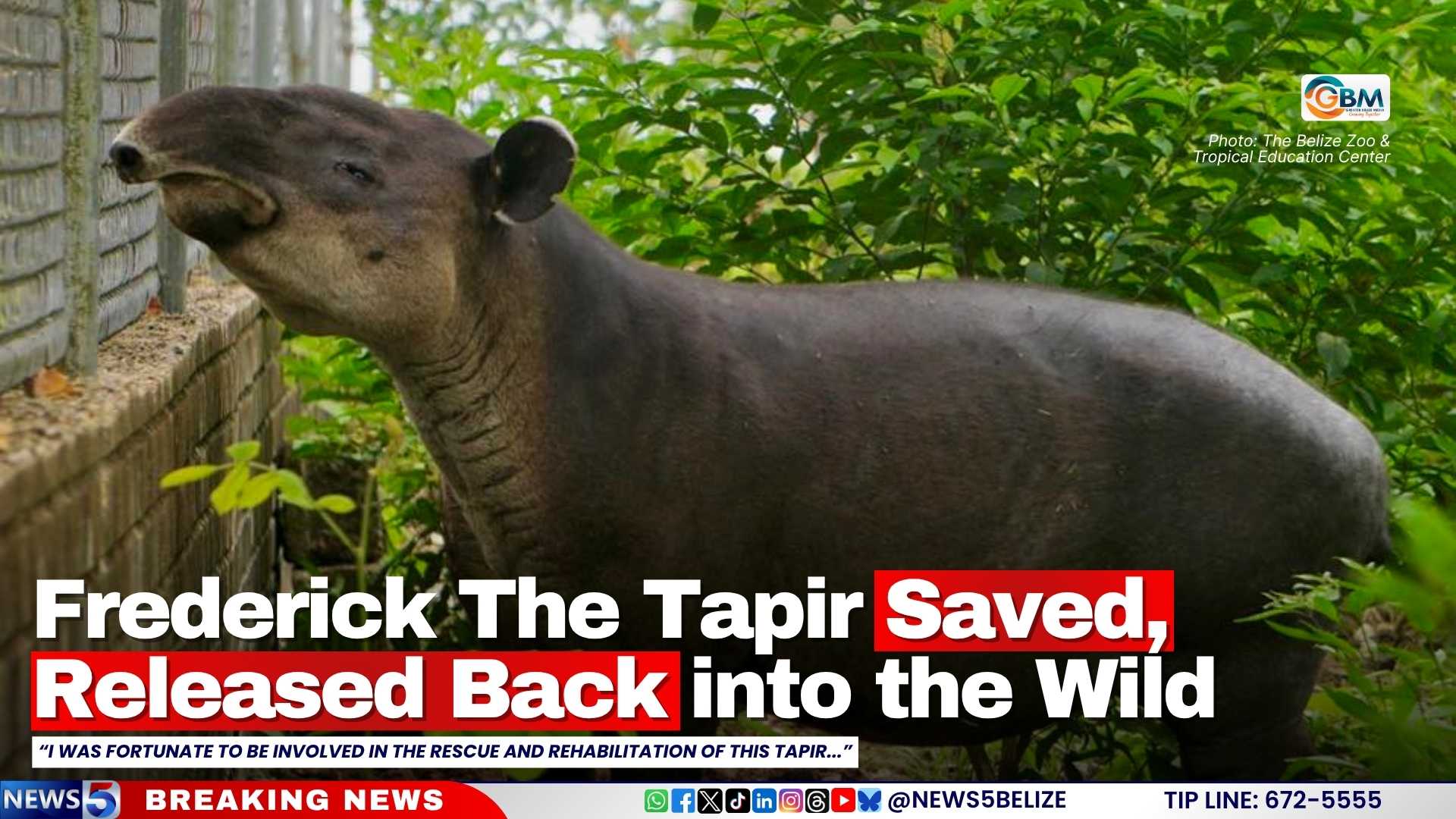
Frederick The Tapir Saved, Released Back into the Wild
In a heartening display of community-driven conservation, Belize celebrates the successful rehabilitation and release of an injured tapir named Frederick. The adult male Baird’s tapir, found critically injured in Blue Creek, Orange Walk last January, has been returned to his natural habitat following months of dedicated care.
The Belize Zoo and Tropical Education Center reported that Frederick was discovered suffering from a severe New World screwworm infestation that left him in dire physical condition. Wildlife authorities including the Belize Forest Department and Belize Agricultural Health Authority confirmed the diagnosis but determined the animal was too fragile for immediate transport.
Instead, Frederick remained within the community under the guardianship of the Dyck family, who provided secure shelter and nourishment while wildlife experts administered treatment. David Dyck, who participated directly in the rescue operation, described the experience as profoundly rewarding. “It has been rewarding to help and nurture him back to health,” Dyck stated.
Following extensive recovery, Frederick was released on March 21st into the protected wilderness of the Rio Bravo Conservation and Management Area. Dyck emphasized the importance of community vigilance, urging residents to observe wildlife carefully given the ongoing screwworm concerns affecting local fauna. This case sets a significant precedent for collaborative wildlife preservation efforts in Belize.
-

Trump Says Talks with Iran are “Productive”, Iran Says There Are No Talks
In a dramatic reversal of diplomatic posture, former U.S. President Donald Trump announced on Monday that military actions against Iranian infrastructure had been temporarily suspended following what he characterized as productive bilateral discussions. This declaration came merely 48 hours after he had issued threats to destroy Iranian power facilities.\n\nThrough his Truth Social platform, Trump revealed that the United States and Iran had engaged in \”very good and productive conversations\” throughout the preceding two days. Consequently, he claimed to have directed the Department of War to postpone any offensive operations targeting Iranian energy infrastructure for a five-day period, pending further diplomatic developments.\n\nThe Iranian government responded with immediate and categorical rejection of these claims. Iran’s Student News Network (SNN), citing anonymous foreign ministry sources, explicitly denied any ongoing negotiations with American officials. The network further emphasized that the strategic Strait of Hormuz remained \”closed to aggressors,\\” reinforcing Iran’s defensive posture.\n\nOther state-aligned media outlets including Fars and Tasnim news agencies uniformly echoed this position, asserting that no communications had occurred between Iranian and Trump administration representatives. These publications interpreted the delayed military action as evidence of American \”backdown\” in the confrontation.\n\nThe Iranian foreign ministry subsequently released an official statement, later corroborated by CBS News, providing unequivocal denial of Trump’s assertions. The ministry clarified that Tehran maintains its firm position against engaging in any diplomatic discussions before achieving its strategic objectives in ongoing regional conflicts, effectively dismissing Trump’s claims as fabrications.
-

Santa Familia Ranchers Call for Action Amid Suspected Screwworm Outbreak
Cattle ranchers in Belize’s Santa Familia region are issuing urgent appeals for government intervention as a suspected screwworm epidemic threatens both animal welfare and agricultural stability. Local agriculturalists report escalating livestock fatalities, with one established farmer confirming the loss of five cattle—including three calves and two mature cows—despite implementing preliminary treatment measures on infected animals.
The situation, initially observed as sporadic incidents nearly ten months ago, has rapidly evolved into a multi-farm crisis across the district. Farmers indicate that the Belize Agricultural Health Authority (BAHA) has conducted preliminary farm inspections and implemented cattle tagging procedures. However, producers assert these measures lack the coordinated strategy necessary to contain the worsening outbreak.
Screwworm parasites (Cochliomyia hominivorax) represent a historically devastating biosecurity threat capable of rapidly infesting open wounds in livestock. Without prompt and systematic intervention, the parasitic infestation proves fatal in most cases and demonstrates rapid transmission capabilities within herds.
“This transcends individual farm operations,” emphasized one affected rancher who requested anonymity. “We’re confronting a potential agricultural emergency that jeopardizes food security, rural livelihoods, and the regional meat supply chain. The current response fails to match the outbreak’s severity.”
Agricultural stakeholders are demanding enhanced public awareness campaigns, accelerated diagnostic confirmation, and implementation of large-scale containment protocols to prevent further dissemination of the parasitic infestation throughout Belize’s livestock sector.
-

Belize is the 27th Happiest Country in the World
In the newly released 2026 World Happiness Report, Belize has experienced a slight decline in global rankings, moving from 25th to 27th position among 140 nations surveyed. The comprehensive study, collaboratively produced by Gallup, the Oxford Wellbeing Research Centre, and the UN Sustainable Development Solutions Network, evaluates subjective well-being through a multifaceted lens that extends beyond mere economic indicators.
The report’s methodology incorporates a three-year average of self-assessed life evaluations, complemented by six key variables: gross domestic product per capita, social support networks, healthy life expectancy, perceived freedom to make life choices, general generosity, and perceptions of corruption within institutions. This holistic approach provides a nuanced understanding of national happiness levels that transcends simple economic metrics.
Nordic nations maintained their stronghold on the upper echelons of the rankings, with Finland securing the top position for an unprecedented ninth consecutive year. Iceland and Denmark followed closely, continuing their tradition of exceptional performance. Analysts attribute Finland’s consistent success to its robust social welfare infrastructure, high levels of institutional trust, and minimal perceived corruption.
The most remarkable development emerged from Latin America, where Costa Rica achieved a groundbreaking fourth-place ranking—marking the first instance in the report’s 14-year history that a Latin American nation has broken into the top five. This achievement highlights the country’s exceptional performance in social and environmental metrics despite its moderate economic output.
Meanwhile, major English-speaking economies continued to trail behind their European counterparts, with the United States ranking 23rd, Canada at 25th, and the United Kingdom at 29th position. Despite their considerable economic advantages, these nations consistently demonstrate lower performance in social support and perceived corruption metrics.
The annual report serves as a critical benchmark for policymakers worldwide, emphasizing that national well-being encompasses far more than economic prosperity alone.
-
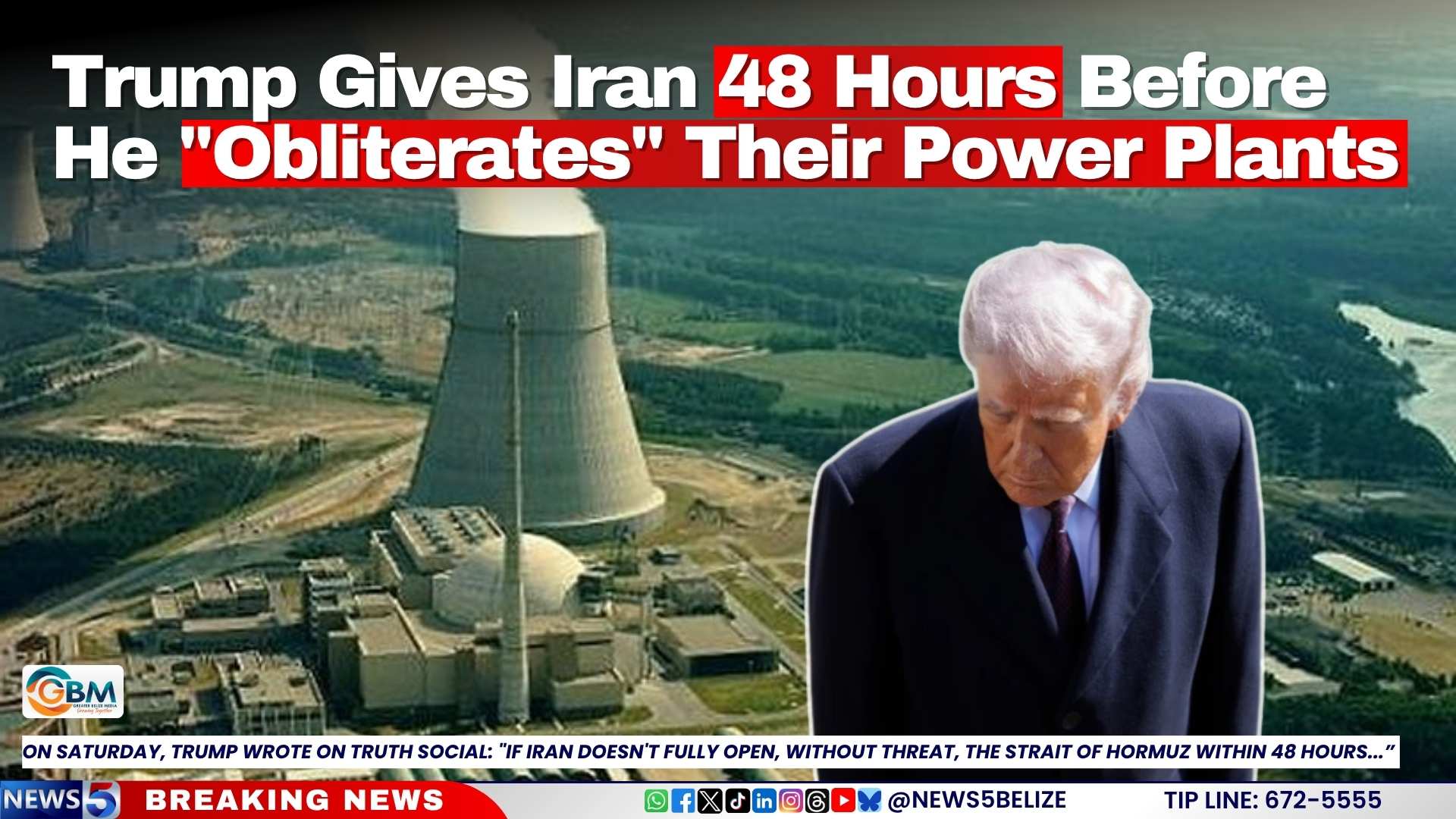
Trump Gives Iran 48 Hours Before He “Obliterates” Their Power Plants
In a dramatic escalation of tensions, former U.S. President Donald Trump has delivered a 48-hour ultimatum to Iran demanding the immediate reopening of the Strait of Hormuz. The strategic waterway, currently blockaded by Iranian forces, serves as a critical global oil transit route.
Through his Truth Social platform on Saturday, Trump issued an unequivocal warning: “If Iran doesn’t FULLY OPEN, WITHOUT THREAT, the Strait of Hormuz within 48 HOURS from this exact point in time, the United States of America will hit and obliterate their various POWER PLANTS, STARTING WITH THE BIGGEST ONE FIRST.”
The former president further asserted that U.S. military operations against Iran have exceeded expectations, claiming the elimination of Iranian leadership and the destruction of defense systems ahead of schedule. These assertions remain unverified by independent sources.
The economic implications of the strait’s closure have already manifested globally, with oil prices surging past $100 per barrel—a development that threatens to exacerbate worldwide inflationary pressures.
Iran responded sternly on Sunday, with Parliament Speaker Mohammad Baqer Qalibaf warning via social media platform X that any attack on Iranian power infrastructure would trigger retaliatory strikes against U.S. assets and critical energy and desalination facilities throughout the Gulf region. Such countermeasures, Qalibaf cautioned, could cause “irreversible destruction” to Middle Eastern infrastructure.
Military analysts note that targeting power plants would constitute an unprecedented escalation, potentially depriving millions of Iranian civilians of electricity and essential services, raising significant humanitarian concerns.
-
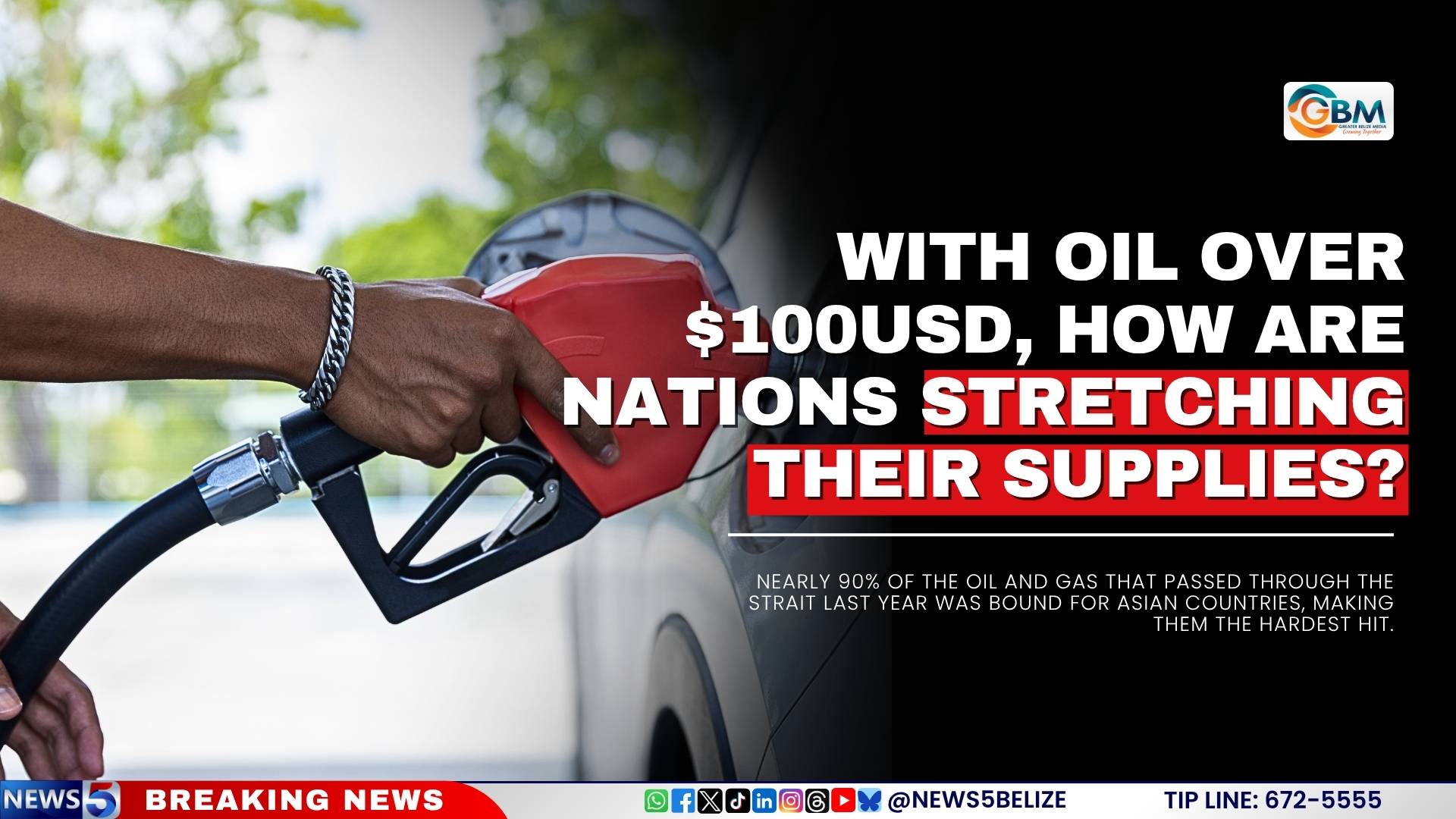
With Oil Over $100USD, How Are Nations Stretching Their Supplies?
As global oil prices surge beyond the $100 USD benchmark, nations across Asia are implementing unprecedented energy conservation strategies to mitigate economic strain. The price escalation stems from recent military engagements between US-Israeli forces and Iran, which have severely disrupted shipping through the critical Strait of Hormuz maritime corridor.
This strategic choke point, responsible for transporting approximately 90% of Asia’s oil and gas imports last year, has become substantially constrained due to regional hostilities. The resulting supply chain disruption has compelled multiple governments to enact emergency measures aimed at reducing national fuel consumption.
Sri Lanka has instituted a novel approach by designating every Wednesday as an official holiday for public institutions, directly targeting reduced transportation fuel demand. President Anura Kumara Dissanayake characterized the situation as requiring preparation for ‘the worst-case scenario’ while maintaining optimistic outlooks.
Thailand’s government has launched an initiative encouraging professional workers to abandon formal suits in favor of short-sleeved attire, thereby reducing air conditioning requirements in workplace environments. Simultaneously, Bangladesh has strategically rescheduled academic calendars by moving up Ramadan holidays and implementing systematic power rationing programs.
The Philippine administration has mandated that government employees work remotely at least one day weekly to decrease commuter traffic, while President Ferdinand Marcos Jr has imposed strict limitations on non-essential public sector travel.
Prime Minister John Briceño of Belize confirmed that limited options exist for mitigating fuel price inflation while Middle Eastern conflicts persist, highlighting the global interconnectedness of energy markets and the widespread impact of regional geopolitical tensions.