标签: Belize

伯利兹

  • BSI Diversifying Cane Varieties to Safeguard Sugar Industry

    BSI Diversifying Cane Varieties to Safeguard Sugar Industry

    Belize’s sugar sector is witnessing a remarkable transformation following one of its most challenging periods in recent history. The 2025 season brought unprecedented difficulties with Fusarium disease outbreaks, declining yields, and market instability that reduced production by approximately fifteen percent. In response, Belize Sugar Industries Limited (BSI) has launched an ambitious Clean Seed and Varieties Program to fundamentally restructure the industry’s agricultural foundation.

    The strategic initiative centers on replacing disease-compromised cane stocks with genetically pure, disease-resistant planting materials. Current industry vulnerability stems from over-reliance on the B-79 variety, which constitutes sixty percent of cultivation—creating critical systemic risk. The program aims to diversify genetic coverage, limiting any single variety to twenty-five percent of total cultivation while establishing balanced maturity distribution across early, mid, and late-season varieties.

    Advanced infrastructure including new greenhouse and shade-house facilities at BSI can now propagate up to 750,000 tissue-culture plantlets annually, sufficient for replanting approximately 5,000 acres. These plantlets, sourced through collaboration with Florida Crystals, undergo rigorous multiplication processes before distribution to farmers. BSI Country Manager Mac McLachlan emphasized the urgency, noting initial batches may reach farmers as early as March, calling the initiative “a game changer for farmers and the entire industry.”

    The comprehensive effort receives substantial governmental support, including emergency fungicide spraying across 34,000 acres during last year’s Fusarium crisis. Minister of State for Economic Transformation Osmond Martinez announced financial mechanisms wherein farmers will receive forty percent of necessary replanting funds through Climate Funds, with government bridging additional financial gaps. Minister Martinez highlighted the need for reformed lending practices, criticizing current banking interest rates of 13-15% as suffocating to agricultural productivity.

    Industry experts recognize this moment as critical for implementing long-overdue structural changes that could determine whether Belize’s sugar industry merely survives or returns to sustainable growth above its historical peak of 1.3 million tons processed.

  • BSI Rolls Out Packaged Sugar to Belize Market

    BSI Rolls Out Packaged Sugar to Belize Market

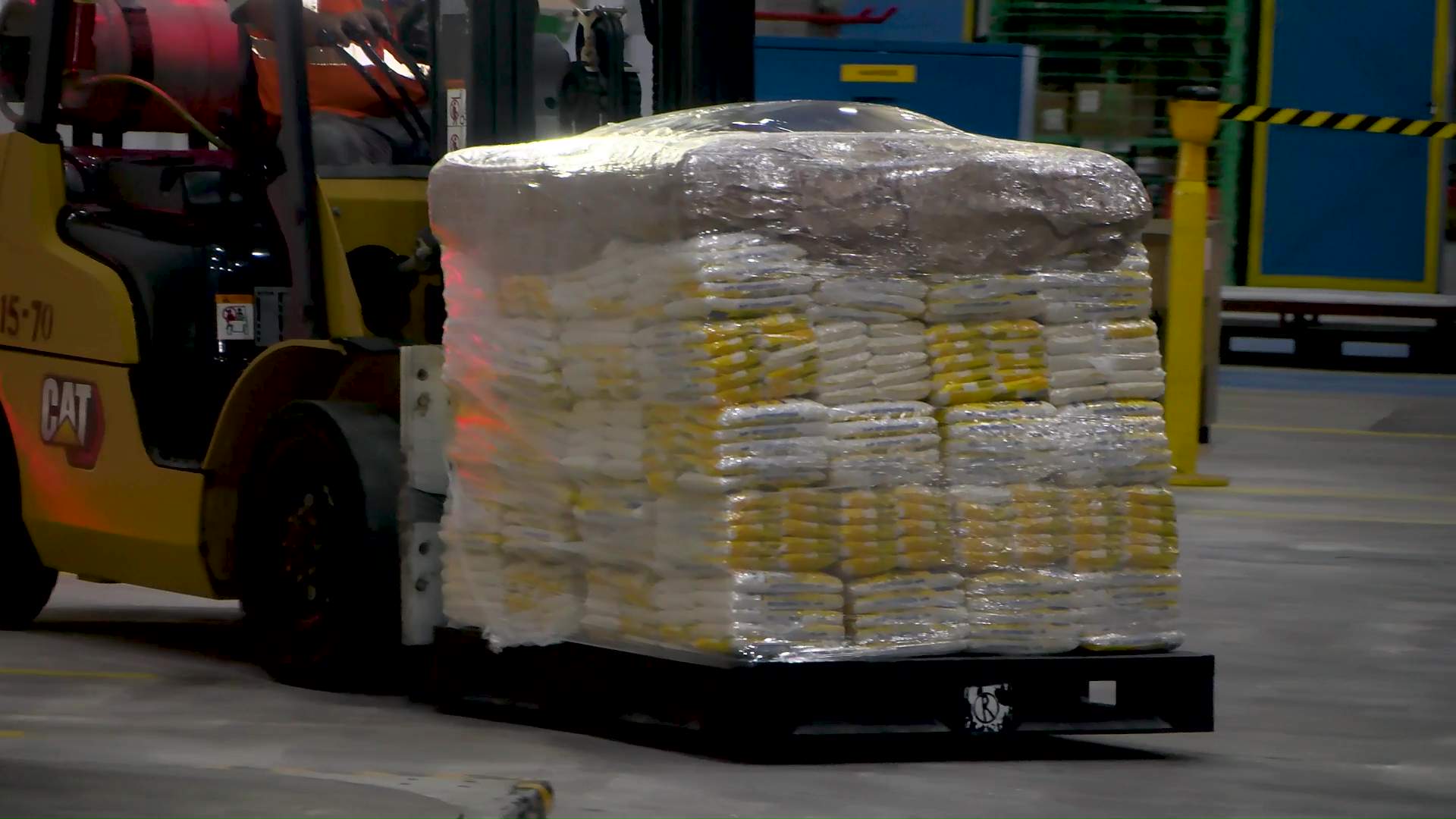
    In a significant departure from tradition, Belize Sugar Industries (BSI) has introduced commercially packaged sugar to the local market for the first time. The initial shipment of Domino brand products reached wholesalers on January 27, 2026, marking a transformative moment in Belize’s domestic sugar trade.

    Historically, Belizeans have purchased sugar through informal channels where retailers manually repackaged bulk industrial quantities into clear plastic bags with handwritten labels. According to Shawn Chavarria, BSI’s Director of Finance, this new initiative represents a substantial upgrade in food quality and safety standards. The change required recent legislative amendments that now permit BSI to offer both packaged brown and white sugar specifically for domestic consumers.

    The newly packaged sugar carries a modest price increase of approximately fifteen cents per pound at the mill level, though final retail pricing will depend on distributor and supermarket margins. BSI emphasizes that these adjustments better reflect true market prices while addressing longstanding issues with cross-border smuggling. The company anticipates that the professionally packaged products will significantly reduce illicit trade due to their recognizable branding and traceability.

    This strategic move not only modernizes Belize’s sugar distribution system but also aligns with international food safety standards, providing consumers with a more refined product than previously available through informal repackaging methods.

  • Special Sugar Price Concessions for Large Manufacturers

    Special Sugar Price Concessions for Large Manufacturers

    The Belizean sugar market is undergoing a significant transformation as Belize Sugar Industries (BSI) introduces packaged sugar at a premium price point. This strategic shift has raised pressing questions about cost distribution across the supply chain, from major manufacturers to end consumers. Beverage producers, bakeries, and restaurants—all substantial sugar users—are monitoring developments closely, concerned about potential cost increases that might eventually affect consumer pricing.

    Dr. Osmond Martinez, Minister of State in the Ministry of Economic Transformation, provided crucial insights into the government’s approach to managing this economic transition. While acknowledging that market forces will ultimately determine pricing structures, Martinez revealed that special concessions have been established to safeguard industries with high sugar dependency.

    The government has identified Bowen and Bowen as the nation’s largest sugar consumer and has incorporated protective clauses within official cabinet documentation to address industrial sugar costs. These provisions allow for negotiated agreements between major industrial users and BSI-ASR, with existing contracts serving as the foundation for ongoing discussions. Martinez expressed optimism that both parties would reach mutually beneficial arrangements, potentially maintaining or improving current conditions despite the broader market changes.

    The transition to packaged sugar represents both an operational cost increase and a quality control measure, addressing concerns about informal sugar distribution methods previously common in local markets. As negotiations continue, the government emphasizes its commitment to balancing market freedom with industrial protectionism to prevent excessive economic disruption.

  • Musa Seeks Dismissal of Budna Constitutional Case

    Musa Seeks Dismissal of Budna Constitutional Case

    In a significant legal development in Belize, former Home Affairs Minister Kareem Musa has formally requested the Supreme Court to dismiss a constitutional claim filed against him by Joseph Budna. The case, which represents a notable intersection of political accountability and constitutional law, saw Musa appearing as a private citizen with legal representation from the firm Courtenay and Coye.

    When questioned by journalists regarding whether he still maintains that Budna’s constitutional rights were initially violated, Musa delivered a comprehensive defense of his ministerial actions. He asserted his full confidence in having exercised his duties appropriately while acknowledging Budna’s legal right to pursue constitutional redress.

    “Joseph Budna retains every entitlement to bring this matter before the Supreme Court, just as I possess the unequivocal right to mount a vigorous defense,” stated Musa. “My position remains clear: I bear no responsibility for the alleged violations. Video evidence substantiates that a criminal act occurred, resulting in the removal of a dangerous individual from Belize’s streets, thereby enhancing public safety, particularly for vulnerable children.”

    Despite acknowledging procedural irregularities, Musa emphasized having utilized all available ministerial powers to ensure transparency, including advocating for public release of relevant video footage and demanding an independent investigation into the incident. He articulated the philosophical position that “two wrongs don’t make a right,” recognizing potential procedural missteps while maintaining the outcome served public safety interests.

    The former minister additionally indicated potential legal action against media outlets for what he characterized as repetition of “libelous and defamatory allegations” originally made by Arthur Saldivar, suggesting continuing legal ramifications from his ministerial tenure.

  • Minister Responds to Airport Firearm Incident

    Minister Responds to Airport Firearm Incident

    BELIZE CITY – A recent security incident at Philip Goldson International Airport involving an American traveler has prompted official clarification from Belizean authorities regarding jurisdictional protocols. The episode unfolded when airport security personnel discovered a firearm within the luggage of a U.S. businessman during routine screening procedures.

    Law enforcement officers exercised discretionary authority by temporarily detaining the individual before subsequently releasing him. The weapon was officially confiscated by Belizean authorities. This decision has sparked considerable public debate and scrutiny regarding the handling of such sensitive security matters.

    In response to growing inquiries, Kareem Musa, Belize’s Minister of Immigration, provided explicit clarification regarding departmental responsibilities. Minister Musa emphasized that his ministry maintains no jurisdictional authority over items transported into the country, noting that such matters fall exclusively under the purview of customs enforcement and police departments.

    “Based on information received through media channels,” Minister Musa stated, “the individual did indeed bring a firearm into Belize and was subsequently permitted to depart. The Immigration Department’s role is strictly limited to authorizing departures after travelers have received proper clearance from all relevant departments. In this instance, the businessman had evidently satisfied all necessary requirements before leaving the country.”

    The Minister further elaborated that the Immigration Department functions as the final checkpoint in the departure process, relying on prior approvals from customs and police authorities. This clarification highlights the multi-layered security protocol currently operational at Belize’s international points of entry.

  • SJCU Cuts Ribbon on Biggest Upgrade in Its 80‑Year History

    SJCU Cuts Ribbon on Biggest Upgrade in Its 80‑Year History

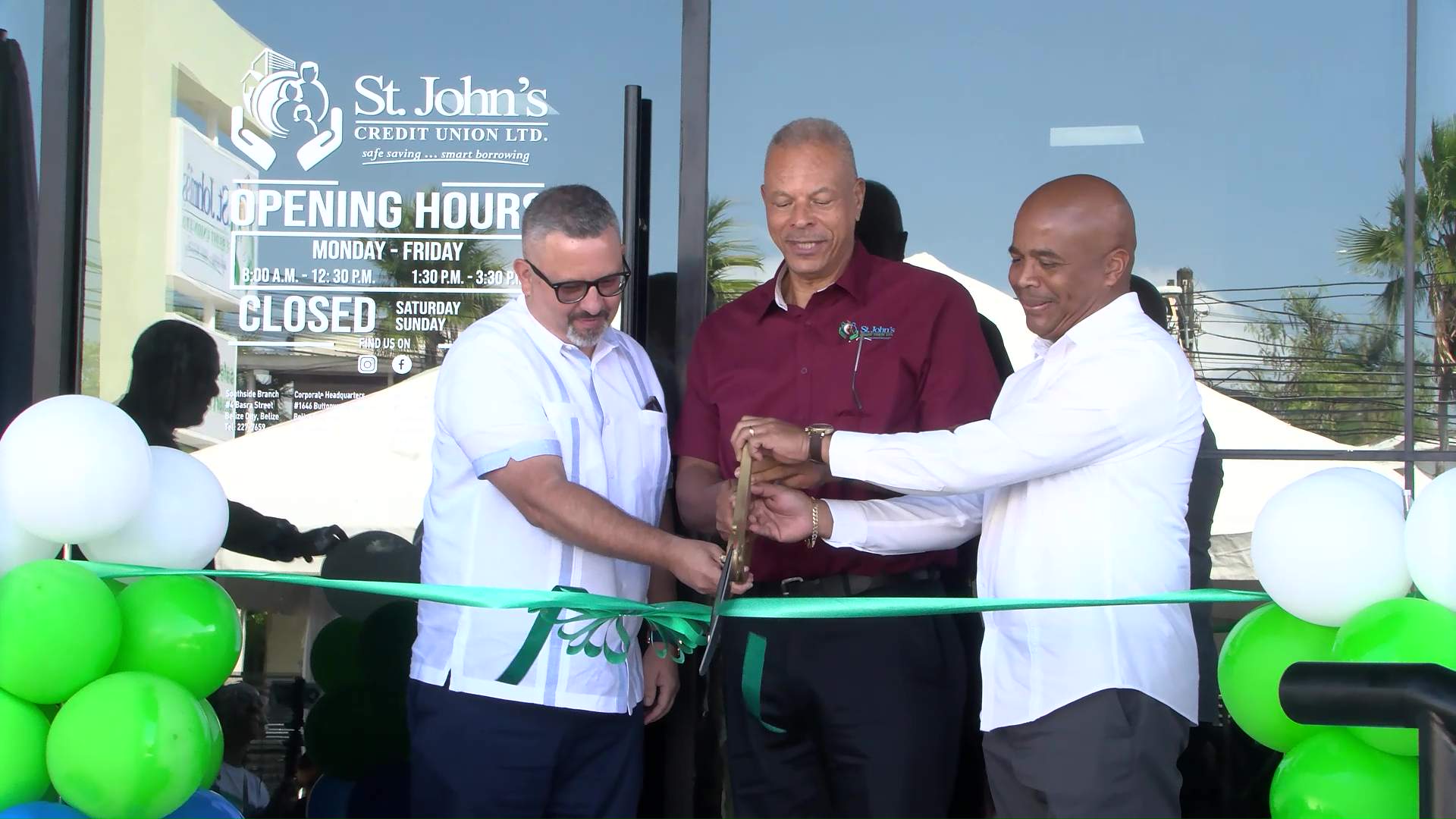
    BELIZE CITY – In a landmark ceremony marking dual milestones, Saint John’s Credit Union (SJCU) has officially inaugurated its state-of-the-art headquarters on Buttonwood Bay Boulevard, celebrating both its 80th anniversary and the completion of its most significant infrastructural project in eight decades of operation.

    The $14 million facility, spanning 35,000 square feet, represents a strategic evolution for Belize’s trusted financial cooperative. The modern complex was designed to accommodate expanding operational needs while integrating advanced financial technologies to serve its growing membership base.

    Board President Allan Haynes characterized the opening as the culmination of a fifteen-year vision that navigated significant challenges, including a three-year pandemic-induced delay. “This achievement has been in planning for years,” Haynes stated during the ribbon-cutting ceremony. “We outgrew our previous office space on Bastra Street where we literally didn’t have room for anymore staff.”

    The credit union’s remarkable journey began in 1946 within a modest Albert Street classroom, operating with minimal resources and a dedicated handful of members. Today, SJCU boasts over 30,000 members and maintains more than $100 million in liquidity – a testament to its financial resilience and community trust.

    Belize City Mayor Bernard Wagner reflected on the institution’s cultural significance, noting: “Many of us grew up knowing what a credit union represented. It is where your parents went because someone listened, where a small loan carried a big dream, where people were treated as members, not numbers.”

    While establishing its new flagship headquarters, SJCU will maintain its original Southside location on Basra Street, ensuring continued accessibility for members across the city. Caribbean Shores Area Representative Kareem Musa praised the credit union’s endurance through “very tough economic situations over those eighty years,” describing the new facility as “a welcome addition to our economic hub.”

    The headquarters launch signals SJCU’s commitment to enhancing service delivery, operational efficiency, and financial security for Belizean members while honoring eight decades of community-focused banking tradition.

  • BTL’s Protest: “A Decent Flex”

    BTL’s Protest: “A Decent Flex”

    In a striking display of political dissent, Caribbean Shores Area Representative Kareem Musa has characterized Tuesday’s demonstration at Belize Telemedia Limited’s headquarters as indicative of a “healthy democracy,” even amidst scenes of disorder on the corporate compound. The protest, which involved opposition members and labor unions, escalated when participants forcibly entered BTL’s premises, prompting law enforcement to deploy pepper spray in response to what the telecommunications company denounced as “illegal trespassing.”

    Musa, reflecting on the event, described the opposition’s mobilization as a “decent flex”—a testament to vibrant political engagement within the nation. While acknowledging the protest was not entirely peaceful, he emphasized its significance in demonstrating a robust opposition presence, though he questioned whether it would achieve the multi-phase objectives touted by organizers.

    The demonstration unfolds against the backdrop of mounting tensions surrounding BTL’s prospective acquisition of Speednet/SMART. Musa clarified that the ultimate decision rests with BTL’s board, not politicians, underscoring the need for continued public scrutiny of the deal given substantial pushback. He confirmed that the Cabinet would disclose its stance only after comprehensive consultations are concluded, highlighting the government’s cautious approach to the contentious telecommunications merger.

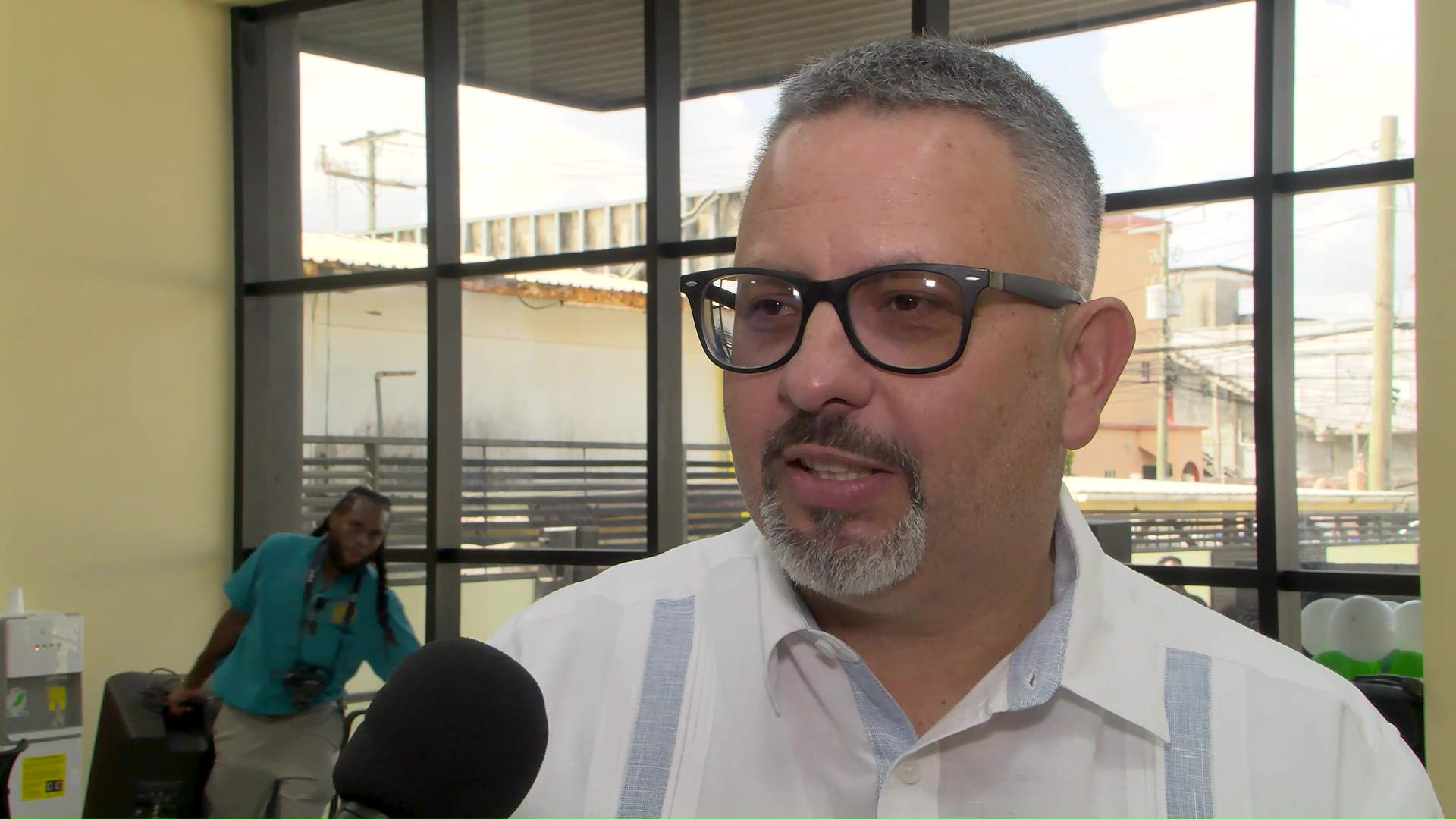
  • How Kareem Musa Spends $180K of His Constituency Development Funds

    How Kareem Musa Spends $180K of His Constituency Development Funds

    Belize’s Minister of Immigration and Caribbean Shores Area Representative Kareem Musa has provided detailed insights into the allocation of his Constituency Development Fund (CDF), totaling $180,000 annually. The disclosure comes amid growing public scrutiny regarding governmental spending transparency.

    Minister Musa clarified that CDF expenditures serve dual purposes: direct support for individual constituents and broader community enhancement initiatives. On the personal assistance front, funds have been channeled toward critical needs including housing materials, emergency medical expenses, and funeral support for bereaved families. For collective community benefit, the financing has facilitated comprehensive park rehabilitations and infrastructure upgrades across the constituency.

    “Every one of the five or six parks within our electoral district has undergone complete refurbishment,” Minister Musa stated, emphasizing the tangible community impact.

    Addressing transparency concerns raised by activist Jerry Enriquez through a Freedom of Information Act (FOIA) request, Musa confirmed that comprehensive expenditure documentation has been systematically forwarded to central government institutions. “All financial receipts have been duly submitted to both the Cabinet Secretary’s office and the Ministry of Finance,” Musa explained, adding that these records remain accessible through proper official channels.

    The CDF system provides monthly allocations to area representatives across political parties, with funding levels calibrated according to constituency dimensions. Official data from the Elections and Boundaries Department indicates the Caribbean Shores constituency contained 4,475 registered voters as of December 2025.

  • Taiwan Looking to Build Electric Buses in Belize

    Taiwan Looking to Build Electric Buses in Belize

    Belize is positioning itself as a potential center for electric transportation in Central America through exploratory discussions with leading Taiwanese green technology firms. The Ministry of Transportation, under the leadership of Minister Dr. Louis Zabaneh, has initiated high-level talks with two prominent electric vehicle manufacturers from Taiwan.

    In recent diplomatic engagements, Minister Zabaneh convened with Francisco Hwang, Market Development Manager of Master Corporation, a premier Taiwanese electric bus manufacturer. During their meeting last Friday, Hwang articulated a strategic vision for Belize to evolve into a regional operations hub, expressing concrete interest in supplying electric buses to the Central American nation.

    Earlier in January, ministerial officials conducted parallel discussions with Dr. Fred Cheng, Chief Operating Officer of Imeier Green Technology Corporation, alongside representatives from TRON E, a Taiwanese enterprise specializing in advanced electric vehicle battery systems. Cheng revealed that his organization is contemplating not merely vehicle sales, but potentially establishing manufacturing infrastructure within Belize itself.

    Transport Ministry officials characterized these negotiations as preliminary explorations that demonstrate Belize’s commitment to adopting global sustainability benchmarks. These developments form part of a comprehensive governmental initiative to modernize national transit systems while transitioning toward environmentally conscious, climate-resilient transportation alternatives that align with international environmental protocols.

  • Trinidad and Tobago Ratifies Global Ocean Conservation Treaty

    Trinidad and Tobago Ratifies Global Ocean Conservation Treaty

    In a significant move for international ocean conservation, Trinidad and Tobago has formally ratified the groundbreaking High Seas Treaty, becoming the latest nation to endorse this historic environmental agreement. The High Seas Alliance confirmed this development on January 28, 2026, highlighting that this ratification brings the global community closer to achieving comprehensive marine protection.

    Originally adopted in June 2023 under the United Nations Convention on the Law of the Sea, this pioneering treaty represents the first legally binding international framework specifically designed to safeguard marine biodiversity in areas beyond national jurisdiction. The agreement addresses critical ocean sustainability challenges through three primary objectives: conserving marine biological diversity, promoting sustainable use of ocean resources, and implementing measures to combat climate change impacts.

    The treaty’s path to implementation began when it opened for signatures in September 2023, requiring a minimum of 60 ratifications to become legally enforceable. This threshold was successfully reached in September 2025, initiating a 120-day countdown period before the agreement takes full legal effect globally.

    According to the High Seas Alliance, 85 states have now completed the ratification process, with the organization expressing its ambitious goal of achieving universal participation among all 193 United Nations Member States. The Caribbean region has emerged as a particularly active participant, with Belize establishing itself as the first Caribbean nation to ratify the agreement in March 2024. Since then, regional cooperation has intensified, with nations collaborating to raise awareness and build momentum for the treaty’s implementation.

    The treaty establishes substantial benefits for developing nations, including provisions for advanced deep-sea research initiatives, capacity building programs, and technology transfer mechanisms. These components are specifically designed to ensure that smaller developing countries can actively participate in and benefit from global ocean conservation efforts, creating a more equitable framework for international marine protection.