标签: Belize

伯利兹

  • SSB Moves Toward Major BEL Debenture Purchase

    SSB Moves Toward Major BEL Debenture Purchase

    The Social Security Board of Belize is advancing two significant financial maneuvers totaling $16 million, aiming to bolster fund sustainability through strategic diversification. The first investment involves a $6.2 million allocation toward Belize Electricity Limited (BEL) debentures, acquired at a discounted rate of $1 million. This fixed-income instrument promises returns exceeding $3 million in interest over a decade, despite BEL reporting substantial losses nearing $10 million in 2024.

    Public Relations Manager Vanessa Vellos defended the decision, emphasizing the fundamental security of debentures compared to equity shares. “Debentures mandate repayment regardless of corporate performance,” Vellos stated, highlighting the board’s expectation of recovering the full face value of $7.2 million despite the discounted purchase. She further justified the move by citing Belize’s expanding economy and growing electricity demand, noting BEL’s historical profitability and monopolistic market position.

    Concurrently, SSB is proceeding with a $10 million term deposit placement at Heritage Bank, structured as a two-year investment with a fixed annual interest rate of 2.7%. This liquid asset is projected to generate $550,000 in returns while preserving the principal amount. Vellos characterized this as a diversification strategy following successful previous deposits with Atlantic Bank and National Bank.

    Heritage Bank Managing Director Steven Duncan welcomed the injection, clarifying that deposited funds would empower lending programs benefiting the very contributors financing SSB. “These monies enable us to lend to the same people who contribute to Social Security,” Duncan explained, addressing security concerns by emphasizing that bank deposits remain protected unless institutional failure occurs—a risk mitigated through SSB’s multi-bank distribution strategy.


  • Maxboro Drug Sweep Nets Multiple Parcels of Cocaine

    Maxboro Drug Sweep Nets Multiple Parcels of Cocaine

    In a significant law enforcement operation on Wednesday, authorities from Sandhill Village uncovered a substantial cache of illegal narcotics during a targeted sweep of the Maxboro community. The operation resulted in the discovery of multiple cocaine parcels with a combined weight exceeding 4,385 grams (approximately 9.67 pounds).

    According to official reports, investigators initially located four separate packages containing the illicit substance during their systematic search of the area. The operation yielded further results when officers identified an additional 109 grams of cocaine in the immediate vicinity, significantly increasing the total quantity of confiscated drugs.

    While the precise street value of the seizure remains undisclosed, law enforcement experts indicate that the amount represents a substantial disruption to local drug distribution networks. The discovery of such a considerable quantity suggests possible connections to organized criminal operations rather than individual consumer-level possession.

    Police authorities have maintained that their investigation remains active and ongoing, with forensic analysis and evidence collection continuing at the scene. No suspects have been publicly identified in connection with the drug cache at this time, and officials have not disclosed whether any arrests were made during the operation.

    The successful intervention forms part of broader ongoing efforts by Sandhill Village law enforcement to combat narcotics trafficking and distribution within the community. Police representatives have encouraged residents with additional information to come forward as investigators work to identify those responsible for the substantial drug stash.

  • Cartel‑Linked Belizean Arrested in Houston

    Cartel‑Linked Belizean Arrested in Houston

    A significant arrest in Houston has intensified scrutiny regarding the penetration of transnational criminal networks within Belize. U.S. immigration authorities detained Benigno Loria, a Belizean national, on Tuesday. While official American law enforcement sources have publicly connected Loria to the notoriously violent Jalisco New Generation Cartel (CJNG), authorities in Belize have yet to formally confirm this specific affiliation.

    The incident has revitalized persistent anxieties over the expanding influence of international cartels in the Central American region. Providing critical insight, former Belize Commissioner of Police Chester Williams revealed that Loria was already a known entity to Belizean security forces. Williams indicated that Loria had been under surveillance for a considerable period due to his suspected associations with organized criminal factions operating from Mexico.

    Williams stated, ‘I don’t want to comment much about it at this time, but certainly, yes, he was on our radar. We have indeed gathered information that he was connected to one of the cartel groups in Mexico. His capture came as no surprise.’ The former Commissioner suggested that Loria may have been attempting to seek asylum in the United States prior to his detention. Williams emphasized that Loria’s apprehension underscores the indispensable need for continued and robust cross-border collaboration to preserve stability and security in Belize.

  • Iconic Ruta Maya Finish Relocated, Fans Push Back

    Iconic Ruta Maya Finish Relocated, Fans Push Back

    BELIZE CITY – The organizing committee of Belize’s premier river racing event, La Ruta Maya Belize River Challenge, has implemented a controversial relocation of its finish line after nearly thirty years at the same location. The dramatic shift from the traditional Belcan Bridge endpoint to the Grand Resort near Haulover Bridge represents the most significant change to the event in its three-decade history.

    Event officials, led by Vice Chair Roberto Harrison, maintain that the relocation addresses critical safety concerns and enhances crowd management capabilities. Harrison emphasized that spectator security remains the paramount consideration, stating that open spaces present unpredictable risks during large-scale gatherings. The new venue will implement an entrance fee structure to offset increased security costs, mirroring the approach already established at other race checkpoints like Burrell Boom.

    However, this procedural modification has ignited substantial public opposition. A News Five Facebook poll revealed overwhelming disapproval, with 93% of over 1,100 respondents rejecting the venue change. Only 4% expressed support, while 3% remained undecided.

    The controversy extends beyond spectator experience to impact local vendors. Traditional food sellers along the Belize River Valley now face additional regulatory hurdles, including a mandatory $100 dealer’s permit from the Forest Department for game meat sales. One veteran vendor, who has participated since the event’s inception, revealed escalating costs from the original $50 stall fee to $150 last year, now reduced to $100. This vendor has decided to withdraw from this year’s event altogether, citing excessive regulation and diminished profitability.

    Further concerns have emerged regarding potential traffic congestion around the Haulover Creek Bridge, the primary gateway into Belize City along the George Price Highway. Harrison indicated that traffic management would be delegated to specialized authorities within the Belize Police Department.

    The committee maintains that tradition must occasionally yield to progress for the event’s continued success, though this philosophical stance has done little to appease disappointed spectators and vendors who view these changes as undermining the event’s cultural significance and economic accessibility.

  • Ruta Maya Organizers Defend Race’s True Purpose

    Ruta Maya Organizers Defend Race’s True Purpose

    BELIZE CITY – The La Ruta Maya River Challenge, Belize’s premier river race event, faces mounting criticism over its most significant route alteration in nearly thirty years, prompting organizers to vigorously defend the competition’s foundational principles against accusations of commercial drift.

    With the 2026 edition introducing contentious modifications including finish-line relocation and stricter vending regulations, spectators and local vendors have expressed growing frustration. Critics contend these changes signal a departure from the event’s original focus on environmental consciousness and cultural tradition toward revenue-oriented priorities.

    Committee Vice Chair Roberto Harrison, a 29-year veteran of the event, directly addressed these concerns in an exclusive interview. ‘We have never shied away from the original creators’ vision that environmental awareness constitutes the essential core of “it’s more than just a race,”‘ Harrison asserted.

    The vice chair detailed the committee’s ongoing efforts to highlight ecological challenges facing the Belize River, including improper waste disposal and agricultural development encroaching on riverbanks. While acknowledging the need for enhanced environmental initiatives, Harrison emphasized the necessity of collaborative partnerships with government agencies and non-governmental organizations to effectively address these complex issues.

    The controversy emerges as the race undergoes its most substantial operational overhaul since inception, testing the balance between preserving tradition and implementing organizational changes. Harrison maintains that despite procedural adaptations, the event’s commitment to river conservation and public education remains unwavering, though he concedes additional measures are required to strengthen environmental advocacy efforts.

  • Pothole Plague Prompts Citywide Repairs

    Pothole Plague Prompts Citywide Repairs

    Belize City has initiated an extensive urban rehabilitation program to address severe roadway deterioration that has transformed many streets into obstacle courses for motorists. The municipal government is currently advancing repairs on multiple critical arteries while preparing residents for even more substantial infrastructure projects in the coming months.

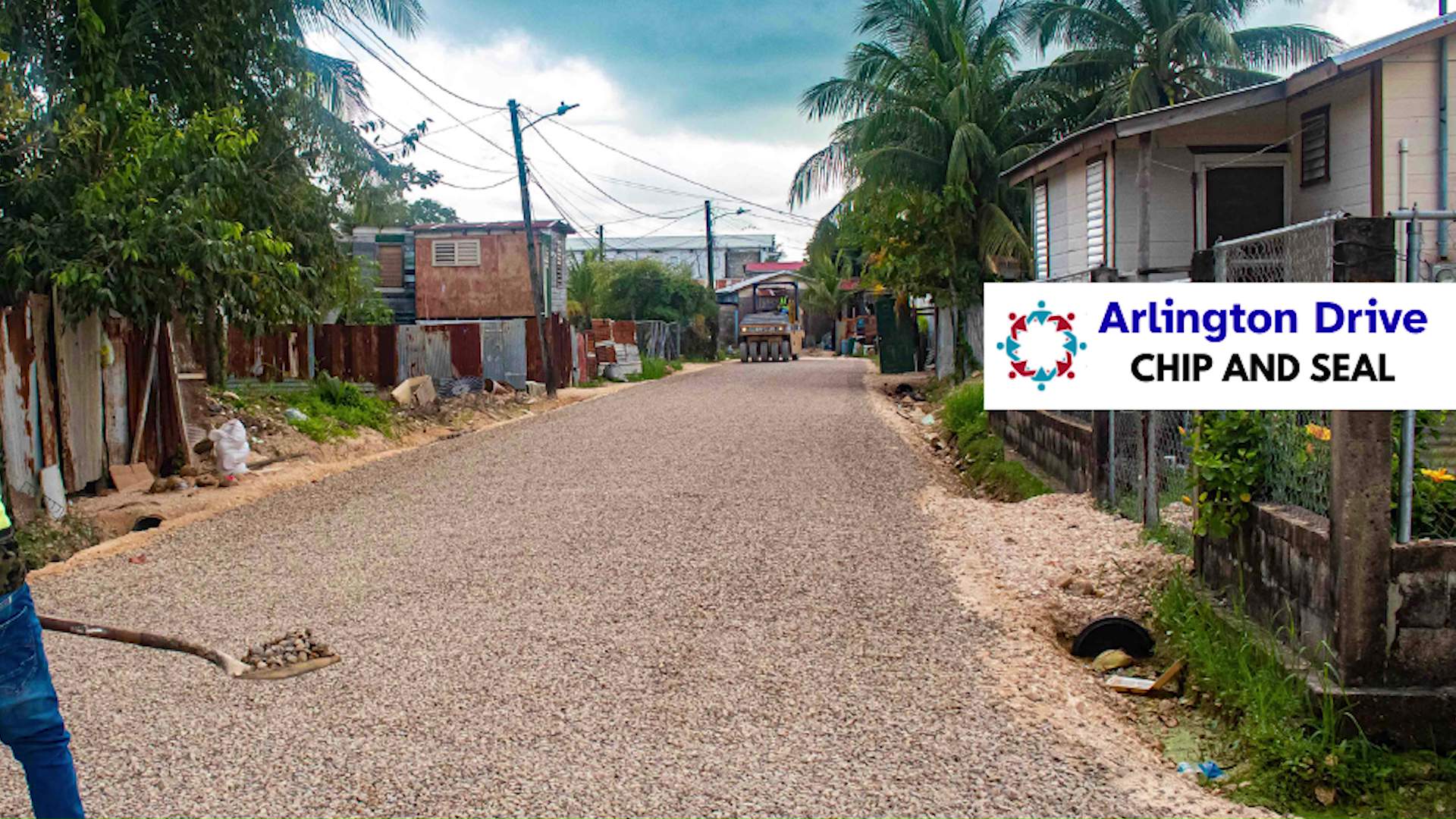
    Deputy Mayor Eluide Miller provided a comprehensive update on ongoing repairs, highlighting progress on Iguana Street in the Collett constituency, Arlington Drive in Port Loyola, and recently completed work on Lakeview and Seagull streets in the Queen Square Division. Most significantly, rehabilitation has commenced on Western Avenue, a crucial transportation corridor serving the Lake Independence Area. Crews are currently addressing drainage issues before commencing full-scale roadworks on this vital thoroughfare.

    The City Council has committed to an ambitious goal of rehabilitating 150 streets per administrative term, though officials urge patience as crews methodically address the city’s widespread pavement deficiencies. The pothole crisis has become so severe that some residents describe navigating crater-sized defects on daily commutes.

    Beyond immediate repairs, the municipality is preparing for transformative infrastructure projects including the George Price Highway upgrade and replacement of both the Swing Bridge and Belcan Bridge. The City Council has scheduled a town hall meeting to facilitate public consultation, allowing residents to understand potential traffic disruptions and rerouting scenarios during construction.

    Simultaneously, the Council is addressing a separate community concern regarding El Celaso Street in Belama, where residents petitioned to maintain the roadway as public infrastructure. This matter has been referred to the Ministry of Natural Resources, with municipal officials expressing support for the community’s position despite complications arising from pre-2020 election land title assignments.

    Deputy Mayor Miller emphasized that resident concerns remain at the forefront of municipal planning, acknowledging that while infrastructure projects may cause temporary navigation challenges, the long-term benefits will significantly enhance urban mobility and quality of life throughout Belize City.

  • Climate Financing to Strengthen Sugar Industry

    Climate Financing to Strengthen Sugar Industry

    Northern Belize’s sugarcane sector is set to undergo a significant transformation through a groundbreaking $25 million climate adaptation initiative. The Building the Adaptive Capacity of Sugarcane Farmers (BACSuF) project, officially launched in San Jose Palmar Village, Orange Walk District, represents a strategic partnership between international climate organizations and local agricultural stakeholders.

    Funded through a substantial grant from the Green Climate Fund and administered by the Caribbean Community Climate Change Centre (5Cs), the program addresses critical vulnerabilities in Belize’s vital sugar industry. Candace Leung Woo-Gabriel, Portfolio Manager at the Green Climate Fund, emphasized the project’s comprehensive approach: “The GCF comes in to derisk the investment. We fund the mechanism to provide seeds to farmers, provide training, and create market mechanisms while ensuring climate-smart continuity beyond the project’s five-year duration.”

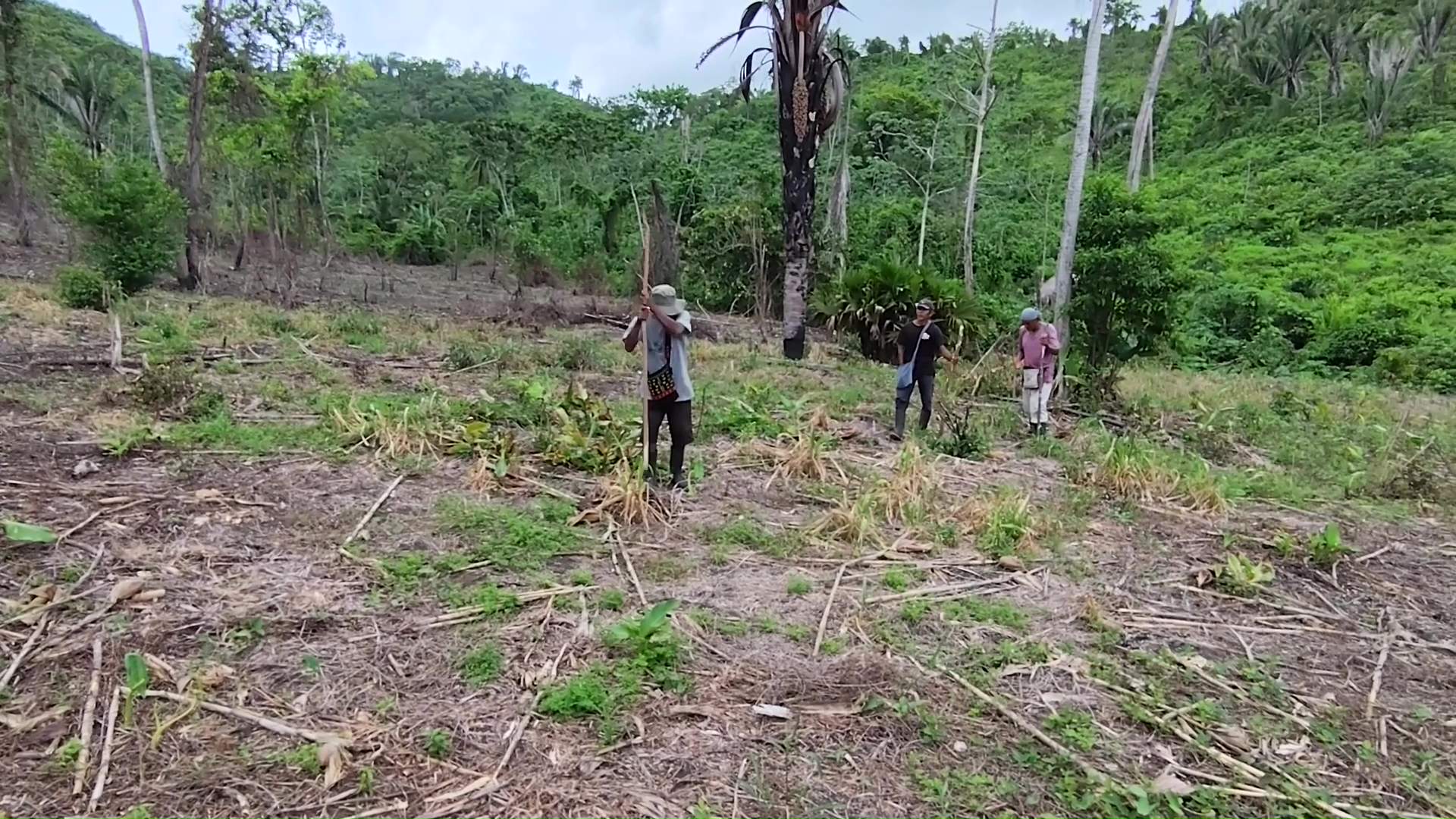
    Project Manager Darrel Audinette outlined the three core components driving this agricultural revolution. The primary focus involves diversifying currently monocultural cultivation by introducing eleven new sugarcane varieties across 10,000 acres, dramatically reducing dependency on a single vulnerable strain. The second pillar introduces advanced irrigation technology and soil management systems, transitioning from rain-dependent farming to predictable, technology-driven agriculture. The third component focuses on comprehensive technological and agronomic practice transformation throughout the industry.

    Ryan Zuniga, Lead Senior Project Development Specialist at CCCCC, highlighted the farmer-centric design: “This project was created by farmers for farmers. We’re providing seeds free of charge to subsidize replanting costs, ensuring the most vulnerable growers directly benefit from these investments.”

    The national government is complementing this international initiative with substantial local support. Dr. Osmond Martinez, Minister of State in the Ministry of Economic Transformation, announced accompanying measures: “Cabinet has approved $120 million Belize dollars over five years to address farmer debt and facilitate replanting for the 60% of growers not covered by the BACSuF program through loan systems.”

    This multilayered approach combining international climate financing, agricultural innovation, and government support aims to secure the long-term viability of Belize’s sugar industry against increasing climate challenges while strengthening economic resilience for northern farming communities.

  • Belize Among Most Aggressive In Pursuit of Climate Funds

    Belize Among Most Aggressive In Pursuit of Climate Funds

    Belize is receiving significant regional recognition for its assertive approach to securing climate financing, positioning itself as one of the Caribbean’s most proactive nations in this critical arena. According to Candace Leung Woo-Gabriel, Regional Focal Point for the Green Climate Fund (GCF), Belize has successfully transitioned from theoretical planning to concrete action in climate adaptation initiatives.

    The country’s commitment is demonstrated through the implementation of substantial projects, including the multi-million-dollar BACSuF (Belize Adaptation in the Sugar Industry Fund) program. This initiative specifically targets support for northern sugarcane farmers, enhancing their resilience against climate change impacts. Beyond agricultural sectors, Belize is pioneering inclusive approaches by facilitating Indigenous communities’ direct management of climate funds.

    Leung Woo-Gabriel emphasized Belize’s unique position, noting: “Belize has been quite active with the GCF and we have been very supportive. This sugarcane project is distinctive because it addresses specific regional needs while complementing other completed agricultural initiatives across northern, central, and southern Belize.”

    The GCF representative further revealed an upcoming Indigenous-led project that has received conceptual endorsement. Teams are conducting field assessments with communities and collaborating with the Five C’s and Julian Cho Society to develop formal funding proposals. This community-centered approach aligns with the GCF’s fundamental principle that all projects must be country-led, with national governments serving as primary stakeholders.

    Belize’s comprehensive strategy—spanning agricultural adaptation, Indigenous empowerment, and government partnership—establishes a noteworthy model for regional climate action and sustainable development financing.

  • Belize Faces Pressure to Keep Banks Compliant

    Belize Faces Pressure to Keep Banks Compliant

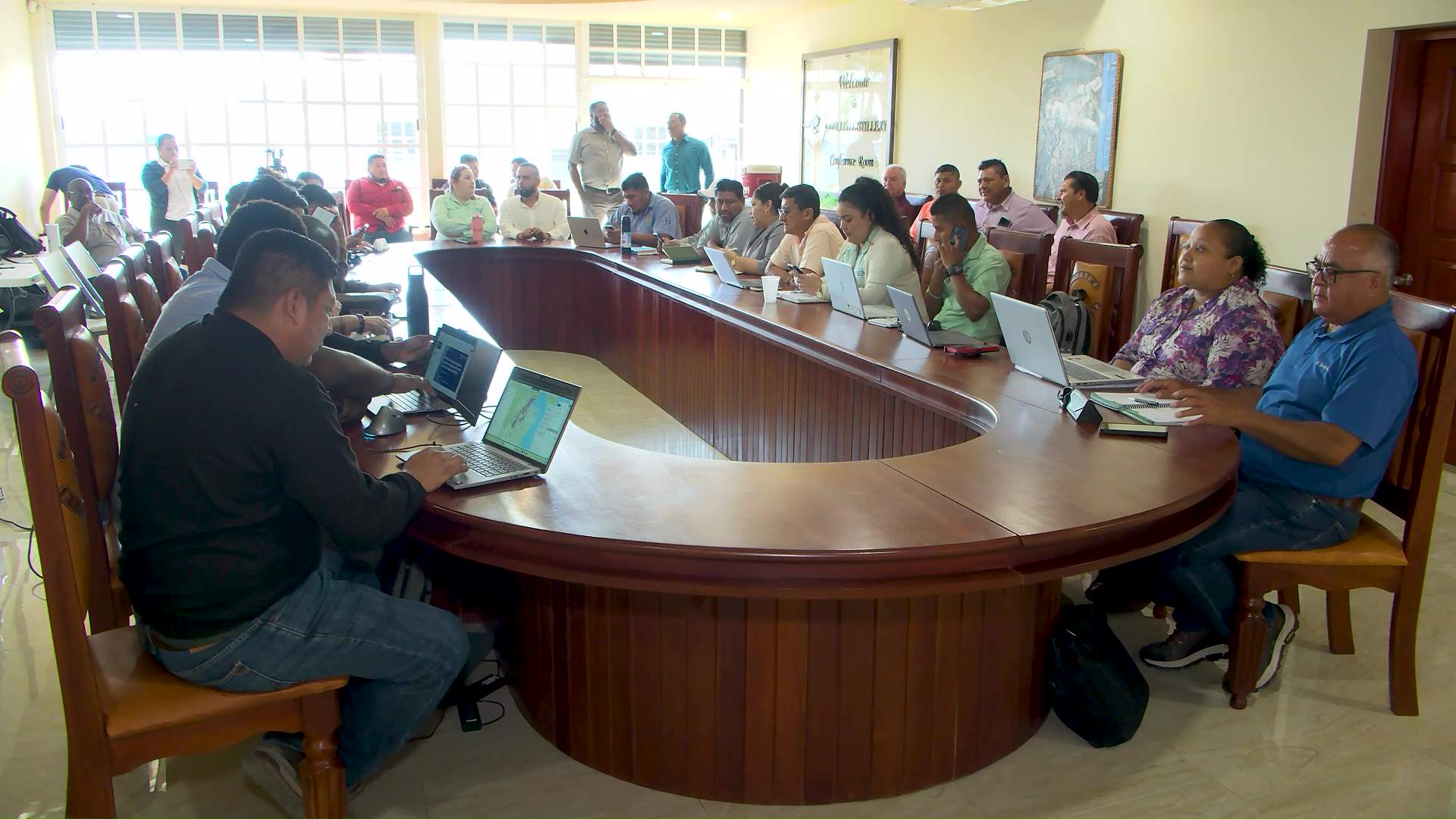
    Belize concludes a pivotal three-day conference on Anti-Money Laundering and Counter-Financing of Terrorism (AML/CFT) amid intensified scrutiny from international financial regulators. The Central American nation faces mounting pressure to maintain rigorous banking compliance standards to preserve its access to global financial networks.

    Steven Duncan, Managing Director of Heritage Bank, emphasized the critical nature of these regulations during recent remarks. “Global authorities continuously evaluate our AML/CFT capabilities to determine whether Belize should remain integrated within the international banking system,” Duncan stated. “This assessment extends beyond individual financial institutions to impact national sovereignty, as banking failures can potentially destabilize an entire country’s economy.”

    The compliance requirements have drawn criticism for creating bureaucratic obstacles that complicate customer transactions. Duncan acknowledged these frustrations while advocating for public understanding. “While these protocols may seem burdensome, they represent necessary measures for Belize to participate in the global financial environment,” he explained. “We must recognize that these regulations serve purposes larger than our national interests alone.”

    Belize’s economic stability depends significantly on maintaining compliant banking channels, which facilitate essential international transactions including import payments, overseas medical treatments, and education funding for students abroad. Banking officials characterize the compliance pressure as constant, with any regulatory misstep potentially triggering severe consequences for the nation’s financial sector.

    The conference outcomes highlight Belize’s delicate balancing act between implementing robust financial controls and maintaining efficient banking services, underscoring the challenges smaller nations face in navigating increasingly complex global financial regulations.

  • Holness Reminds Region CARICOM Isn’t a Political Union

    Holness Reminds Region CARICOM Isn’t a Political Union

    KINGSTON, JAMAICA – As Caribbean Community (CARICOM) leaders convened for their pivotal regional summit on February 25, 2026, Jamaican Prime Minister Andrew Holness delivered a foundational clarification regarding the bloc’s fundamental nature. Before high-stakes diplomatic engagements with U.S. Secretary of State Marco Rubio commenced, Holness emphatically articulated that CARICOM constitutes an economic collaborative framework rather than a supranational political entity.

    The Prime Minister’s preemptive remarks served to delineate clear boundaries for upcoming negotiations, underscoring that the treaty binding the fifteen member states explicitly preserves national sovereignty in foreign policy formulation. This constitutional characteristic prevents any centralized authority from overriding individual nations’ autonomous decision-making processes.

    Holness’s strategic positioning arrives amid intensifying geopolitical interest in the Caribbean region, particularly from major global powers seeking coordinated policy alignment. His statement effectively establishes that while CARICOM fosters economic integration and collaborative governance, member states maintain complete discretion over their international affiliations and diplomatic stances.

    The timing of this sovereignty declaration proves particularly significant as Caribbean leaders prepare for discussions with the United States’ top diplomat. This articulation of CARICOM’s structural limitations provides crucial context for understanding the bloc’s negotiation capacity and collective decision-making processes during these consequential bilateral talks.

    Analysts suggest Holness’s intervention reflects broader regional efforts to balance cooperative advantages with national autonomy, especially when engaging with major international partners. This positioning ensures CARICOM’s diverse membership can pursue mutually beneficial agreements without compromising individual nations’ sovereign prerogatives.