标签: Belize

伯利兹

  • Port of Belize’s $900M Comeback: What’s Changed?

    Port of Belize’s $900M Comeback: What’s Changed?

    The Belize government is advancing a ambitious $900 million expansion plan for the Port of Belize, combining cargo and cruise terminal development in a significant infrastructure initiative. This marks the second attempt at major port modernization after a previous proposal foundered during Environmental Impact Assessment review while the port operated under receivership.

    Prime Minister John Briceño addressed environmental concerns surrounding the project, emphasizing that his administration is allowing the process to unfold through proper channels rather than direct intervention. The government asserts it has secured necessary support and implemented substantive changes to address previous environmental objections.

    The critical environmental challenge involves preventing siltation from reaching Belize’s protected reef system, a UNESCO World Heritage Site. Port authorities and the National Environmental Appraisal Committee (NEAC) have developed containment strategies to minimize ecological disruption.

    A cornerstone of the revised approach involves repurposing dredged materials to construct artificial mangrove islands. This innovative solution aims to transform potential environmental liabilities into ecological assets. According to Prime Minister Briceño, these constructed islands will be planted with mangroves to establish entirely new ecosystems that will attract marine life and bird populations.

    The government envisions these created environments serving dual purposes—mitigating environmental impact while generating tourism opportunities. The plan anticipates cruise passengers engaging in kayak excursions through the newly established mangrove habitats, creating an additional attraction alongside the port infrastructure.

    The project now faces scrutiny from environmental organizations and community stakeholders who previously opposed similar development. The success of this $900 million initiative hinges on whether the proposed environmental safeguards adequately address concerns that derailed the earlier proposal.
  • Belize Set to Redraw 31 Seats by Year’s End

    Belize Set to Redraw 31 Seats by Year’s End

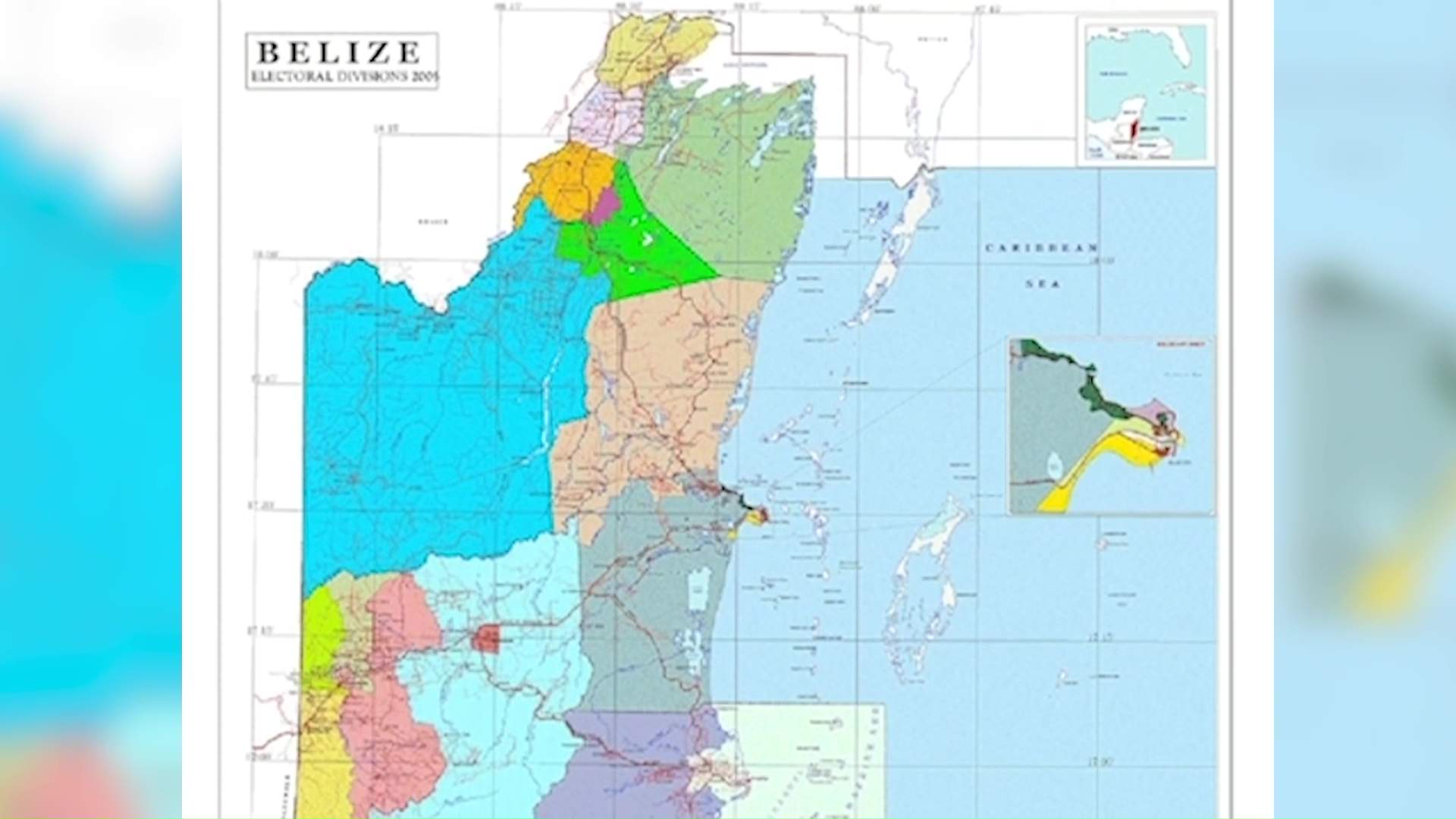
    The Government of Belize has initiated a nationwide electoral boundary revision project targeting all thirty-one constituencies, with completion expected by December 2026. This significant democratic reform, operating under a renewed mandate from the Prime Minister, aims to modernize electoral districts to accurately reflect contemporary population distribution and settlement patterns across the country.

    Minister of Governance Kareem Musa emphasized the critical nature of this undertaking, describing it as a top administrative priority. The comprehensive process incorporates sophisticated data analysis, updated cartographic resources, and structured community consultations to establish functionally sound and demographically balanced electoral divisions.

    Concurrently, election authorities are conducting systematic testing of all voting infrastructure in preparation for the March 2027 municipal elections. This parallel initiative focuses on ensuring electoral integrity through transparent procedures and accessible voting mechanisms for all citizens.

    The Elections and Boundaries Commission is coordinating both projects simultaneously, with Minister Musa confirming that the boundary redivision remains on schedule for year-end completion. This electoral modernization represents one of the most substantial redistricting efforts in recent Belizean political history, directly impacting how parliamentary representation is organized nationwide.

  • Caneros Push Back Against PM; BSCFA Demands Level Playing Field

    Caneros Push Back Against PM; BSCFA Demands Level Playing Field

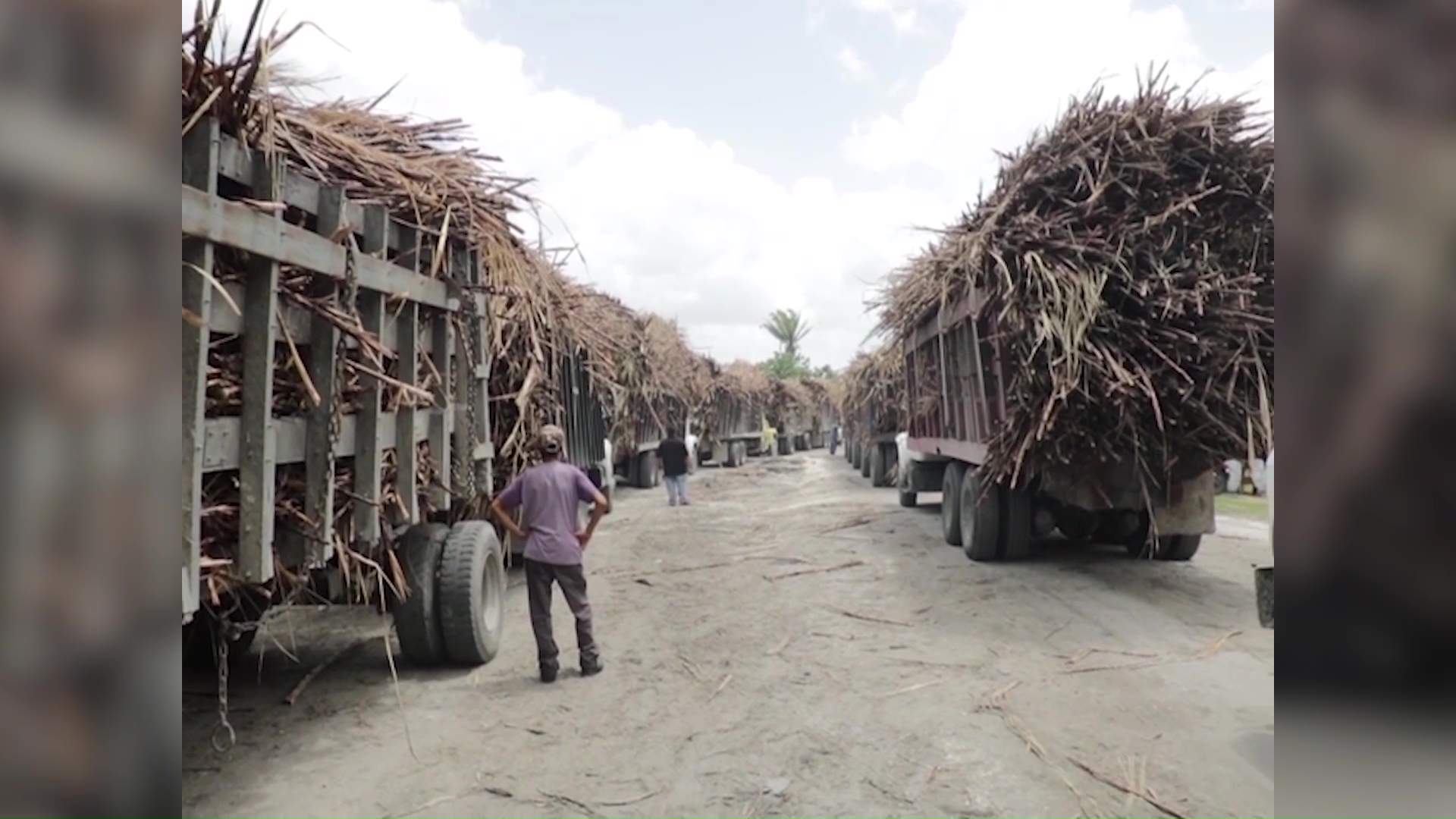
    A significant dispute has emerged within Belize’s sugar industry as the Belize Sugar Cane Farmers Association (BSCFA) challenges Prime Minister Briceño’s recent statements regarding government intervention. Contrary to the PM’s suggestion that continued bailouts for cane farmers are unsustainable, BSCFA Chairman Alfredo Ortega presents a fundamentally different perspective on the industry’s challenges.

    Ortega contends that the association’s current difficulties stem not from operational mismanagement or regulatory non-compliance, but from inadequate governmental enforcement mechanisms. The chairman emphasizes that BSCFA maintains full compliance with industry standards equivalent to other associations, yet faces disproportionate challenges due to their efforts to negotiate improved terms for their members.

    The core issue, according to Ortega, involves the government’s failure to implement necessary regulatory frameworks that would ensure equitable treatment across the sector. He references a previous attempt by Mr. Mai to establish such regulations, which ultimately reached the judicial system without subsequent government appeal—a move Ortega believes would have created fair industry conditions.

    The association’s position clearly rejects the characterization of their requests as bailouts. Instead, they advocate for strengthened regulatory oversight that would level the competitive landscape and enable cane farmers to receive due premiums without penalty for negotiation efforts. This stance represents a fundamental disagreement about the nature of support required for agricultural sustainability in Belize’s important sugar sector.

  • Belize Ends 2025 Strong: Q4 GDP Up 4.7%

    Belize Ends 2025 Strong: Q4 GDP Up 4.7%

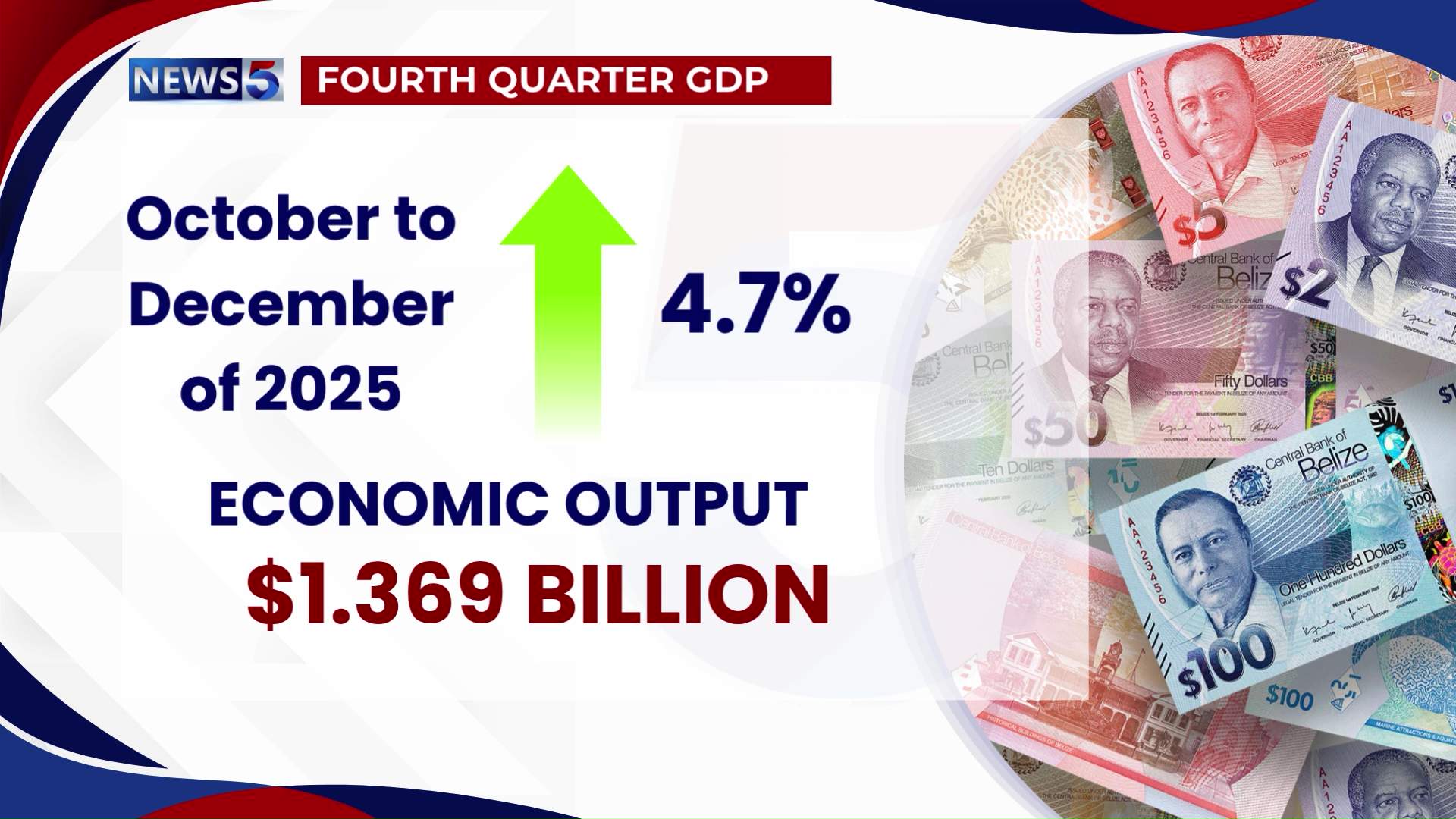
    Belize concluded 2025 with robust economic performance, recording a significant 4.7% GDP growth in the fourth quarter according to the Statistical Institute of Belize (SIB). The nation’s economic output reached $1.396 billion during the October-December period, representing a substantial $63.31 million increase compared to the same quarter in 2024.

    Statistical data reveals that the primary sector contributed $180.3 million, secondary industries accounted for $169.2 million, while the tertiary sector dominated with $871.9 million. Tax revenues added another $174.8 million to the total economic output.

    The growth was primarily driven by exceptional performances in multiple sectors. Agriculture, forestry, and fishing demonstrated remarkable double-digit expansion, with banana production surging by 19.8% from 19,000 metric tons in Q4 2024 to 22,800 metric tons in Q4 2025. Marine exports also showed strong improvement, registering an 8% overall increase supported by shrimp exports growing 6.6% and other fishing products, particularly lobster tail and lobster meat, advancing 8.3%.

    The financial and insurance sector experienced extraordinary growth, with insurance activities skyrocketing by 59% from $11 million in Q4 2024 to $17.4 million in Q4 2025. Construction, retail trade, and transportation sectors additionally contributed to the widespread economic acceleration, indicating diversified strength across Belize’s economic landscape.

    According to SIB Statistician Christopher Hulse, these figures demonstrate broadening economic momentum that positions Belize favorably for continued growth in 2026.

  • Electric Buses Coming Sept 2026; Old Fleet Out by 2027

    Electric Buses Coming Sept 2026; Old Fleet Out by 2027

    Belize’s ambitious public transportation overhaul is gaining significant momentum with concrete timelines established for phasing out its aging bus fleet. Transport Minister Dr. Louis Zabaneh has announced a landmark transition plan that will see the first electric buses operational by September 2026, culminating in complete fleet replacement by the end of 2027.

    The current transportation landscape reveals systemic challenges, with outdated buses struggling on highways to the extent that passengers frequently disembark to navigate inclines on foot. This paradigm shift toward modernization addresses both vehicle reliability and environmental sustainability through electrification.

    Seventeen private operators have formally integrated into the newly established National Bus Company (NBC), creating a unified framework for public transit management. However, deeply entrenched operational practices persist, including problematic scheduling overlaps and the ongoing issue of standees (standing passengers). Minister Zabaneh acknowledges these historical challenges, noting that some operators previously relied on standee revenue to offset income losses.

    The comprehensive restructuring includes a six-month transition period running through August 2026, during which the NBC will implement systemic improvements including standardized uniforms and optimized scheduling. The Minister emphasized that while some existing vehicles may be repurposed for parts, the primary objective remains complete fleet modernization.

    This transformation represents not merely a vehicle replacement program but a fundamental cultural shift in Belize’s public transportation ethos, prioritizing reliability, safety, and environmental responsibility for the nation’s commuting public.

  • Targeted Sessions for Women Empowerment Forum

    Targeted Sessions for Women Empowerment Forum

    BELIZE CITY, BELIZE – March 25, 2026 – A dynamic convergence of women from across Belize transformed the city into a hub of empowerment and solidarity today. The National Women’s Commission orchestrated a comprehensive forum and fair, strategically timed during Women’s Month, to address the multifaceted challenges confronting modern Belizean women.

    Under the resonant theme, “Balance the Scales,” the event transcended celebration, serving as a platform for actionable change and skill acquisition. The agenda provided a holistic examination of critical life domains, including personal health management, financial independence, leadership development, and essential self-care practices.

    Adele Catzim-Sanchez, CEO of the Ministry of Human Development, articulated the forum’s core mission: to furnish women with the necessary tools for success in every facet of their lives. “This symposium is a pivotal component of our Women’s Month observances,” Catzim-Sanchez stated. “‘Balance the Scales’ is fundamentally about advancing gender equity and equality. We are focused on increasing female participation in the workforce, encouraging proactive self-care, and formally recognizing the immense contributions women make to our societal fabric.”

    The day’s programming blended inspirational discourse with pragmatic education. Proceedings commenced with a historical and spiritual address by Bishop Elswith Claire of the Methodist Church, highlighting women’s foundational roles in faith-based development. Subsequent sessions featured Dr. Bear, who guided attendees through positive self-care methodologies and the significance of inward focus, particularly emphasizing cancer prevention strategies relevant to Belize.

    A critical segment on financial literacy addressed the government’s push to integrate more women into the paid economy, equipping them with the confidence to navigate fiscal landscapes. The collective message emanating from the forum was unequivocal: Belizean women are actively reclaiming their power and are poised to thrive on their own terms, championing equity, wellness, and economic agency.

  • Stella Maris Students Receive Early Easter Treats

    Stella Maris Students Receive Early Easter Treats

    In a heartwarming pre-Easter initiative, a collaborative effort between local businesses and a private donor brought unexpected joy to students at Stella Maris School in Belize. Jason Edwards, owner of Belize N Me Jungle and Sea, partnered with Alaia Belize and a private donor identified as Mr. Johnson to provide 140 custom Easter baskets to students on March 25, 2026.

    The surprise donation specifically targeted children who might otherwise miss out on traditional Easter celebrations due to economic circumstances. Edwards emphasized the collective nature of the project, developed in consultation with school administration to ensure all students would receive gifts simultaneously.

    Principal Doreth Pascasio-Griffith expressed profound appreciation for the gesture, noting the psychological importance of ensuring all students feel included during holiday celebrations. Beyond the basket distribution, the school planned additional Easter activities including an Easter egg hunt organized by the local Rotary Club, creating a comprehensive celebration before the holiday break.

    When asked about the motivation behind the donation, Edwards stated: ‘Our children represent the future of our nation. It’s crucial that we demonstrate our love and appreciation through tangible actions rather than just words.’ The initiative serves as both a charitable act and a call to action for other community members to support educational institutions and youth programs throughout Belize.

  • Inflation Up in February 2026…Ironically, Gas Had Offered Some Relief

    Inflation Up in February 2026…Ironically, Gas Had Offered Some Relief

    The Statistical Institute of Belize has documented a discernible uptick in consumer prices for February 2026, with the national inflation rate reaching 0.7%. This economic development was predominantly propelled by escalating costs across essential categories including food commodities, residential electricity, and commercial restaurant services.

    A detailed analysis of the food sector reveals significant price surges, with pork products escalating by over 15% and beef steak prices advancing by nearly 9%. The cost of sugar witnessed a substantial 16% increase, while vegetable items including tomatoes and carrots recorded double-digit price growth. Conversely, the market experienced price reductions for certain fresh fruits including watermelon and plantain, which provided partial mitigation against the broader food basket inflation.

    The energy sector contributed additional inflationary pressure following the implementation of increased electricity rates per kilowatt-hour at the commencement of 2026. The consumer services sector, particularly dining establishments and healthcare providers, also implemented moderate price increases. The apparel industry demonstrated modest inflation, predominantly affecting men’s clothing and footwear categories.

    Contrasting these trends, the transportation sector experienced deflationary relief as fuel prices declined substantially year-over-year. Regular gasoline prices decreased by 7.5%, premium gasoline by 6.1%, and diesel prices fell by 1.5%. This reduction in transportation costs partially counterbalanced the inflationary pressures from other consumer categories.

    Regional analysis indicates significant geographic variation, with Punta Gorda recording the highest municipal inflation rate at 2.2%, while Orange Walk maintained the most stable pricing environment with merely 0.2% inflation. The cumulative inflation rate for the initial bimonthly period of 2026 stands at 0.4%.

    Market analysts note that the February fuel price relief proved transient, as March witnessed a rapid reversal of this trend following geopolitical disruptions in global oil markets related to conflict in Iran, which drove petroleum prices upward once more.

  • Belize Made Nearly $1.4 Billion in the Final Quarter of 2025

    Belize Made Nearly $1.4 Billion in the Final Quarter of 2025

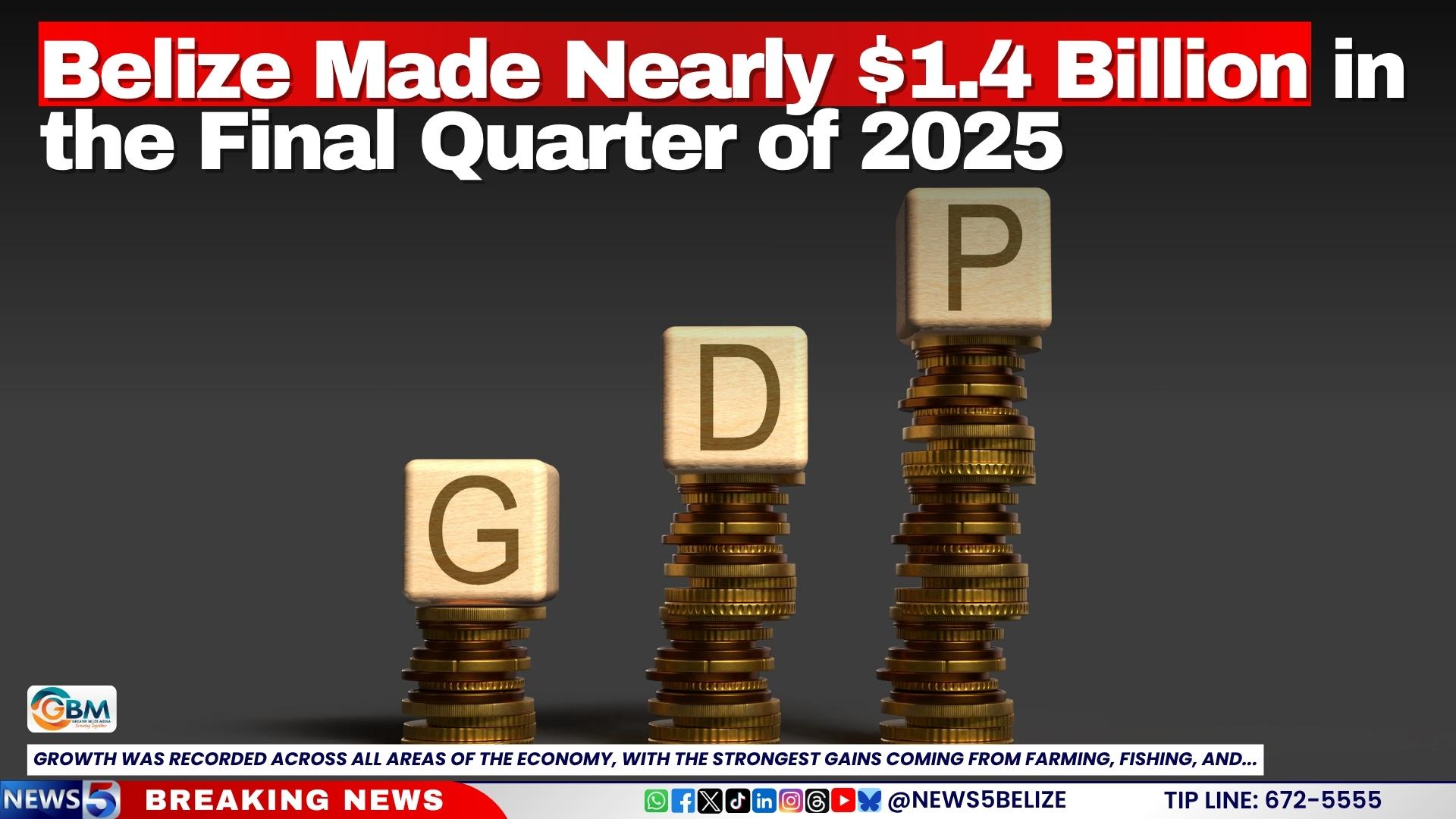
    The Central American nation of Belize concluded 2025 with robust economic performance, recording a substantial 4.7% GDP growth in the final quarter according to official data released by the Statistical Institute of Belize (SIB). The country’s total economic output reached $1.396 billion between October and December 2025, demonstrating broad-based expansion across multiple sectors.

    Economic analysts note particularly strong performance in primary industries and services. The agricultural sector showed remarkable vitality with increased production of bananas, corn, and beans, while the fishing industry capitalized on strengthened international demand for shrimp and lobster exports. The construction industry emerged as a standout performer, registering an impressive 10% growth fueled by increased imports of building materials and expanded project financing through commercial loans.

    Tourism contributed significantly to the economic upswing, with visitor arrivals showing notable improvement. Cruise passenger traffic surged by nearly 14%, bringing 301,500 visitors to Belize’s shores during the quarter. The services sector overall proved to be the largest growth driver, expanding by approximately $39 million, with financial services including banking and insurance companies growing by an remarkable 18% due to increased loans, deposits, and insurance revenues.

    Government revenue collection also strengthened, with ‘Taxes on Products’ increasing by 4.6% from $167.1 million in Q4 2024 to $174.8 million in the same period of 2025. Despite these widespread gains, some sectors experienced challenges. Citrus production declined, sugarcane harvesting was suspended during the period, and livestock production including cattle and pigs recorded slight decreases, indicating selective pressures within the otherwise thriving economy.

  • BAHA Says “Screwworm is No Longer an Emergency”

    BAHA Says “Screwworm is No Longer an Emergency”

    The Belize Agricultural Health Authority (BAHA) has officially declared that screwworm infestations no longer constitute an agricultural emergency, despite ongoing concerns from Cayo district farmers about cattle fatalities. This parasitic threat, caused by Cochliomyia hominivorax larvae, has transitioned to endemic status according to animal health officials.

    Salustino Pech, Deputy Technical Director for Animal Health at BAHA, clarified institutional responsibilities in the national response system. “While the Belize Livestock Association handles cattle tagging procedures, BAHA coordinates the strategic management of screwworm outbreaks in collaboration with the Ministry of Agriculture and OIRSA (International Regional Organization for Agricultural Health),” Pech stated.

    The veterinary expert emphasized that screwworm has become an established presence across Belize, affecting multiple species over an extended period. “This parasitic infestation has evolved beyond crisis status. Numerous livestock producers have gained sufficient experience through repeated exposures to implement self-treatment protocols effectively,” Pech explained.

    BAHA maintains that continued case reporting remains crucial for epidemiological tracking and targeted intervention. Response teams typically address reported cases within a 48-hour window, though remote locations may experience slightly longer response times. Initial veterinary visits provide comprehensive training for farmers in identification, treatment, and prevention techniques, enabling autonomous management of subsequent cases while maintaining access to professional support when needed.