标签: Belize

伯利兹

  • Trump Says Iran Let 10 Oil Tankers Pass Through Strait as a “Present”

    Trump Says Iran Let 10 Oil Tankers Pass Through Strait as a “Present”

    In a significant development in U.S.-Iran relations, President Donald Trump asserted during a White House cabinet meeting on Thursday that Iran had permitted the passage of ten oil tankers through the strategically vital Strait of Hormuz as a diplomatic “present.” The American leader characterized this gesture as demonstrating Tehran’s genuine commitment to ongoing negotiation efforts, emphasizing the substantial monetary value represented by the vessels.

    Trump specifically noted the tankers were reportedly flying Pakistani flags, highlighting the friendly relations between Pakistan and Iran. This detail gains particular significance given Pakistan’s recent role as intermediary, having delivered a 15-point peace proposal to Iranian authorities on behalf of the United States.

    Following the cabinet meeting, Trump utilized his Truth Social platform to announce a corresponding diplomatic concession: a ten-day extension of the pause on planned strikes targeting Iranian energy facilities. In his social media statement, the President framed this decision as responsive to an “Iranian Government request,” setting the new deadline for Monday, April 6, 2026, at 8 P.M.

    Contradicting the presidential claims, Iran’s semi-official Fars news agency promptly issued a rebuttal, maintaining that the Strait of Hormuz remains officially closed to maritime traffic. The agency reiterated Iran’s naval policy of prohibiting movement to and from ports of nations allied with “Israeli and American enemies,” warning that any unauthorized passage would meet with military response. Supporting Tehran’s position, multiple reports confirmed that at least three commercial vessels had been turned away from the strategic waterway as recently as Friday morning, creating a stark discrepancy between American assertions and observable realities on the ground.

  • Government Takeover Puts Port Expansion Plan Back in Play

    Government Takeover Puts Port Expansion Plan Back in Play

    In a significant economic development, the Belizean government has reignited ambitious plans to expand the Port of Belize, marking a dramatic reversal from the project’s collapse four years ago. The initiative, previously shelved due to environmental concerns and technical challenges under private entity Waterloo, has been resurrected under state ownership with NEXTERA leading renewed consultations.

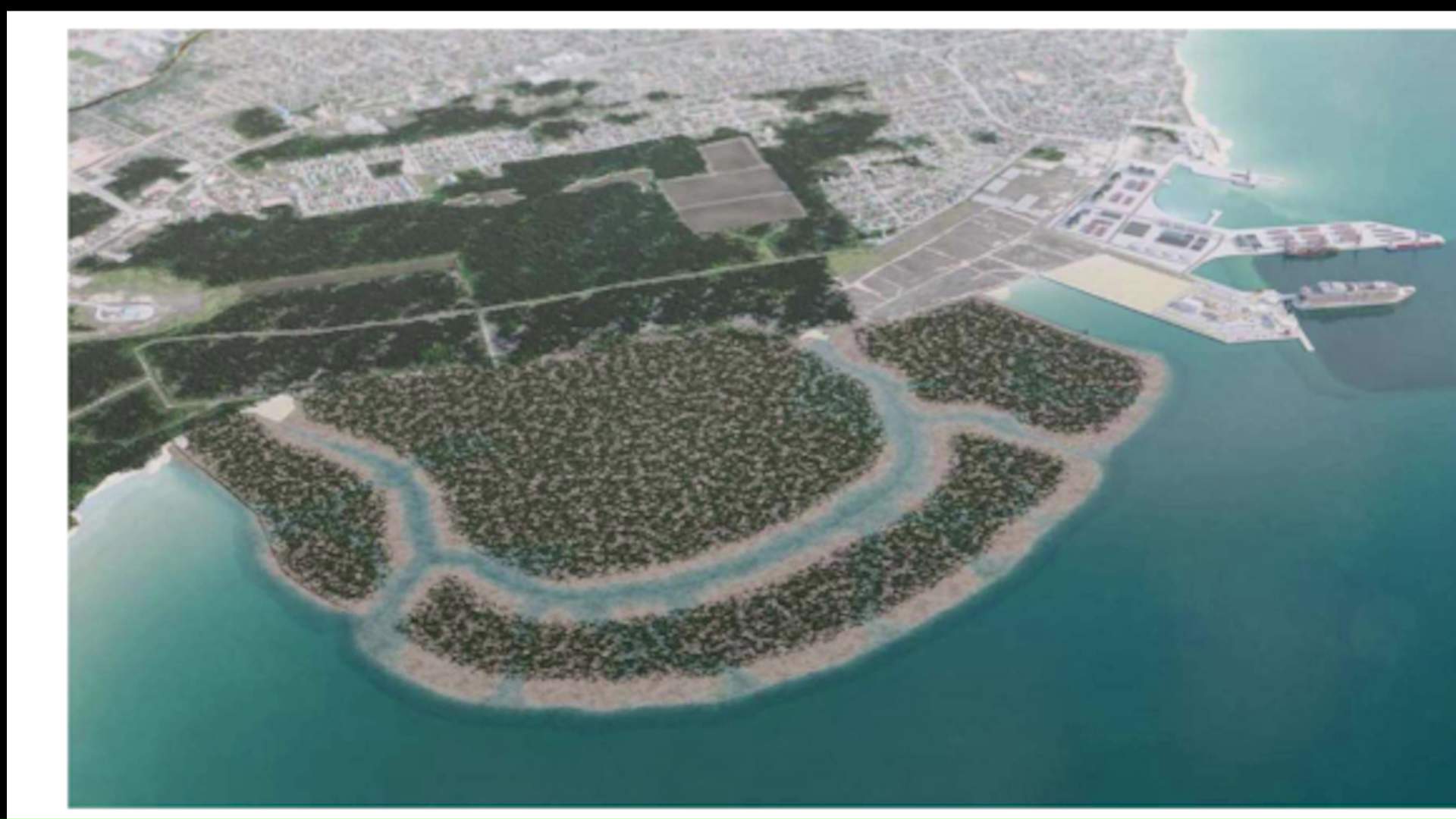
    The revised proposal centers on extensive dredging operations—extracting approximately 8.5 million cubic meters of material—to modify access channels and berthing facilities for both cargo and cruise vessels. A novel environmental approach involves creating nearly 500 acres of mangrove habitat using dredged materials, addressing previous criticisms about reef damage and spoil containment.

    Beyond environmental considerations, the project faces intense social scrutiny. Recent community surveys reveal 83.4% support among residents, though concerns persist regarding noise pollution, job security for stevedores, and equitable benefits for local businesses. Tour operators are demanding permanent agreements to ensure inclusion in the revitalized port ecosystem.

    Notably absent from recent consultations were major marine conservation groups, including OCEANA, which had vigorously opposed the 2022 proposal. This absence raises questions about whether environmental opposition has diminished or conservationists are adopting a wait-and-see approach.

    The government’s takeover has fundamentally altered the project’s dynamics, forcing stakeholders to confront complex questions about sustainable development, economic distribution, and environmental responsibility that will shape Belize’s coastline and economy for generations.

  • Port Loyola Residents Demand Benefits from PBL Expansion

    Port Loyola Residents Demand Benefits from PBL Expansion

    Residents of Port Loyola, Belize, are voicing strong demands for guaranteed community benefits as major expansion plans for the Port of Belize Limited (PBL) move forward. The proposed cruise and cargo infrastructure upgrades have sparked concerns among local inhabitants who fear being marginalized in the economic opportunities these developments promise.

    Community representatives emphasize that historically, neighborhoods most affected by large-scale projects frequently receive minimal benefits despite bearing the brunt of disruptions. Windell Lemoth, a Port Loyola resident, articulated the community’s position: “We want employment opportunities specifically allocated for our area. Our vulnerable populations deserve access to meaningful work.”

    Bruce Diaz, a stevedore working at the port, echoed these sentiments in local dialect, expressing hope that the project would generate substantial employment for immediate community members without compromising their interests.

    Lynn Young, a Board Member of Port of Belize Limited who grew up in southside Belize City, acknowledged the historical lack of development in the region. Young characterized the situation as a complex challenge requiring collaborative solutions: “Progress brings problems, but we cannot abandon projects due to challenges. We must confront these issues directly and collectively.”

    Young further emphasized the critical nature of the port upgrades, warning that without modernization, the facility might face operational shutdowns. The board member expressed encouragement that despite differing opinions, all stakeholders recognize the necessity of proper execution.

    The community’s stance reflects a growing global pattern where residents near development sites seek upfront commitments rather than waiting for post-construction benefits that may never materialize.

  • Port Expansion Project Faces Serious Drainage Questions

    Port Expansion Project Faces Serious Drainage Questions

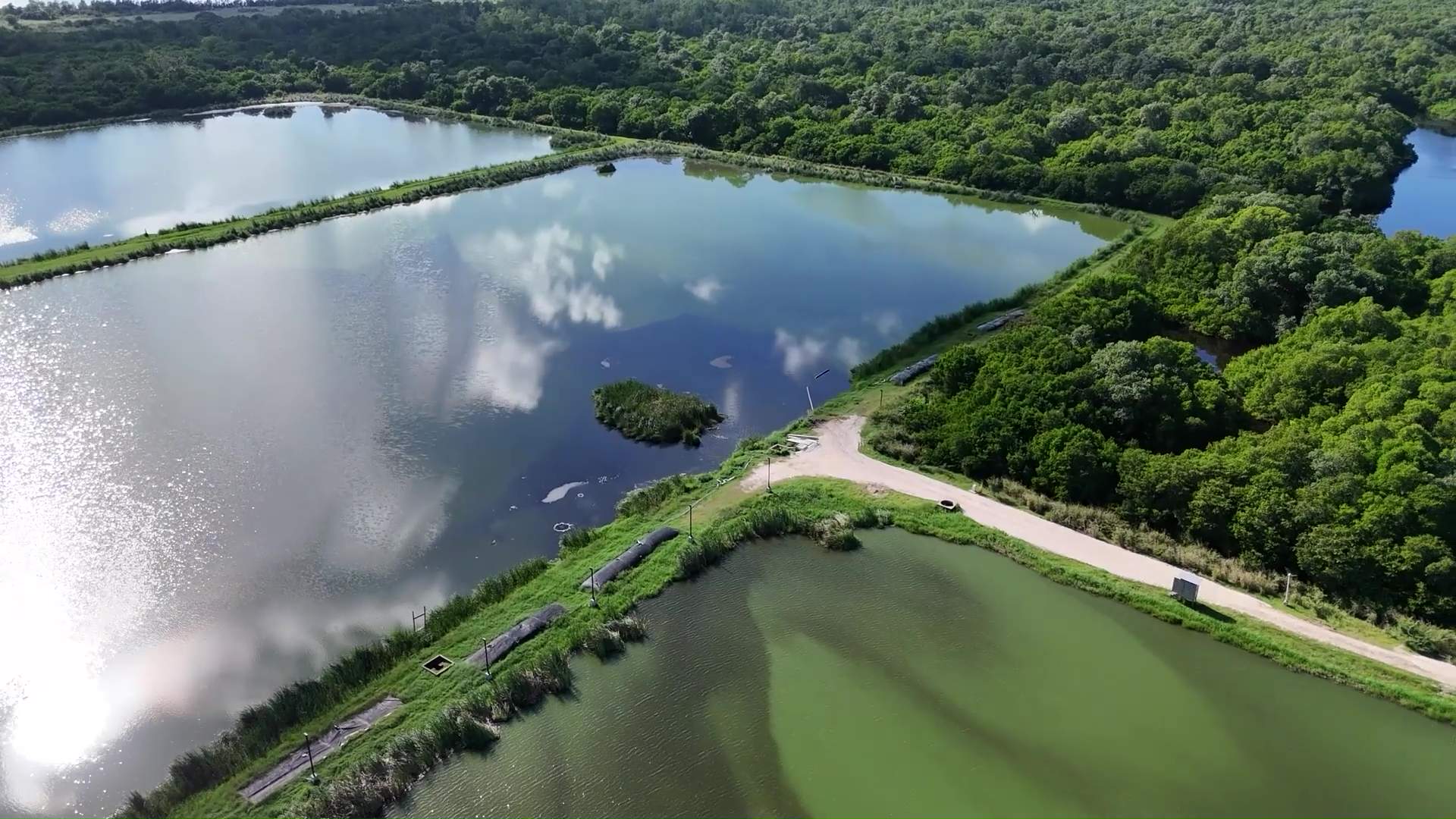
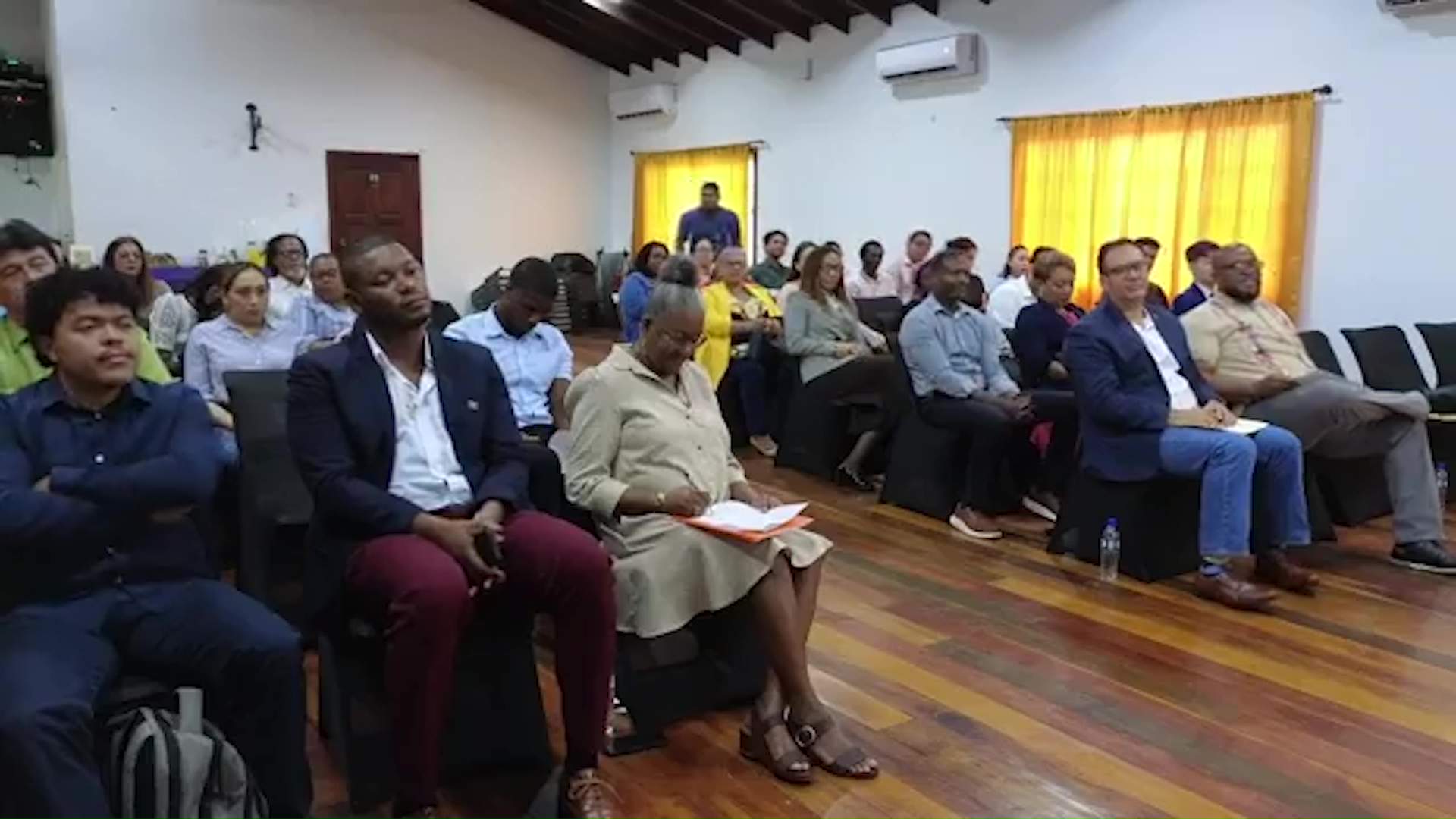
    A contentious public consultation in Port Loyola has revealed significant concerns regarding wastewater management in relation to a proposed port expansion project. The meeting, held on Wednesday night, became a platform for addressing potential public health risks associated with the development.

    Dr. Abraham Flowers, a local resident, raised urgent questions about how the project’s planned mangrove island might impact drainage from the nearby sewer treatment plant. Currently, wastewater flows directly through the port property, and Dr. Flowers expressed concern that improper planning could cause sewage backup into residential areas including Faber’s Road, Freedom Street, Malcolm Street, and Unity Street.

    In response, environmental consultant Allan Herrera of NEXTERA assured attendees that the project design incorporates adequate drainage solutions. Herrera explained that outflow would continue through stream channels into canals within the mangrove islands before being flushed out, claiming no impediments to proper wastewater flow.

    The controversy extended beyond the meeting when businessman David Gegg, who did not attend the consultation, publicly criticized Belize City’s wastewater system based on a disputed 2025 study. Belize Water Services (BWS) issued a strong rebuttal, characterizing Gegg’s comments as “misinformed” and highlighting his failure to engage with factual information.

    BWS Executive Chairman Cornelio Acosta detailed the utility company’s substantial investments in infrastructure improvements, including over $6 million allocated to facility upgrades over the past two years. Acosta revealed that dredging operations have already begun and that a World Bank grant will fund the transformation of the primary treatment facility into a modern tertiary treatment system with UV sterilization, similar to the advanced facility in Belmopan.

    The upgraded system, scheduled to begin construction in late April, promises to meet international water quality standards. Acosta emphasized that Gegg’s concerns reflect “misguided anger and lack of information” rather than actual system deficiencies, noting that proper communication could have prevented unnecessary public alarm.

  • PM Briceño and Opposition Leader Panton Trade Sharp Words

    PM Briceño and Opposition Leader Panton Trade Sharp Words

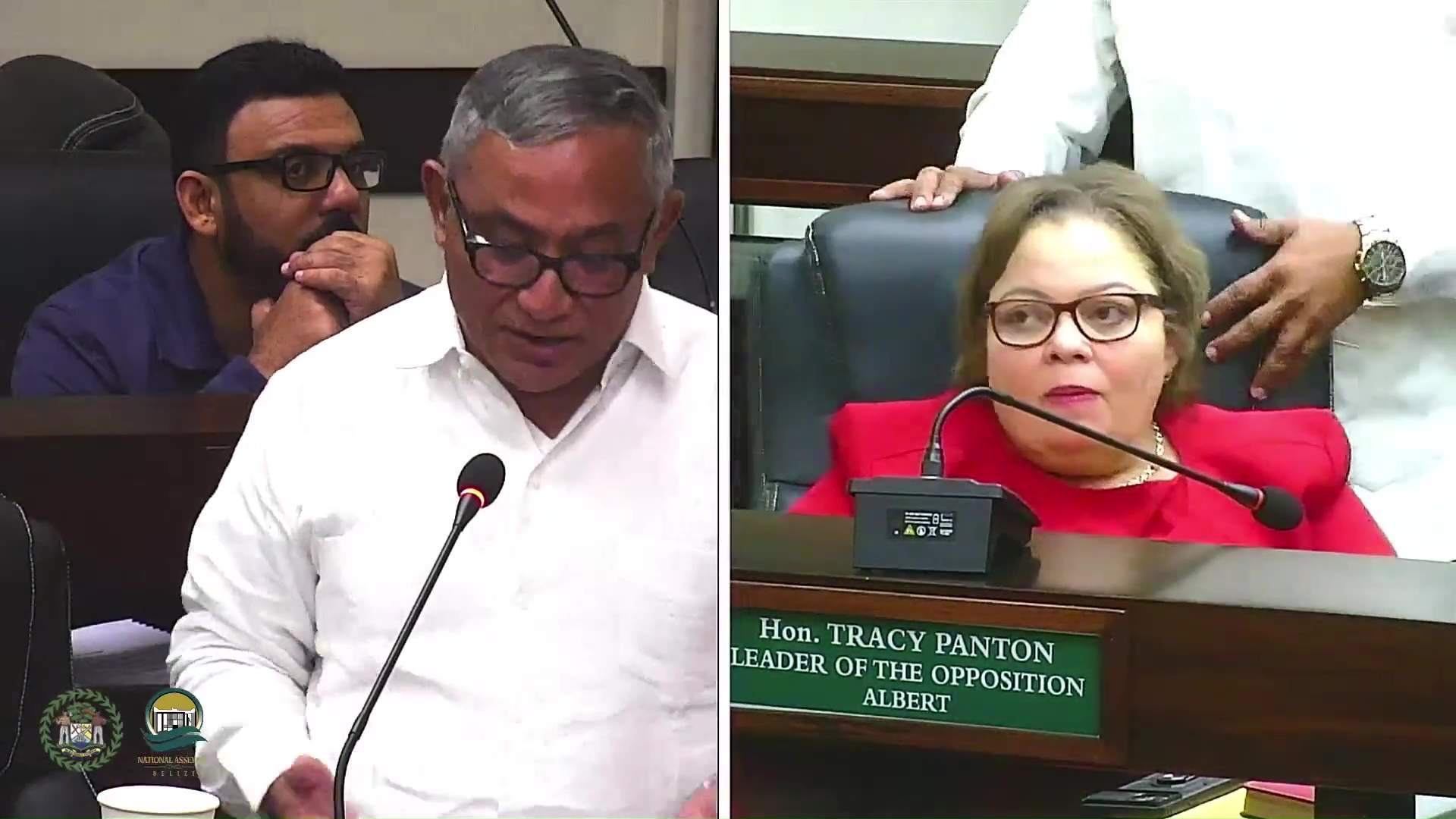
    The Belize National Assembly witnessed a dramatic conclusion to its three-day budget debate on Wednesday, with tensions reaching a boiling point between Prime Minister John Briceño and Opposition Leader Tracy Panton. The parliamentary session descended into acrimony when Panton accused the Prime Minister of making derogatory comments about her disability, a charge Briceño vehemently denied.

    Prime Minister Briceño initiated the confrontation during his closing remarks by launching a scathing critique of Panton’s budget presentation. He characterized her address as “a dry and dragged out ramble with little substance,” asserting that the Opposition Leader demonstrated “her inability to properly analyze a national budget.” Briceño further elaborated that her “disability lies in her inability to properly analyze and provide alternatives, exposing her lack of qualifications to lead a nation.”

    The political theater intensified when Briceño strategically incorporated social media commentary from Alberto August, former UDP Deputy Chairman, who had publicly criticized Panton’s performance. The Prime Minister quoted August’s Facebook post verbatim: “is this crap what we invited UDP supporters to tune into,” using internal opposition criticism to bolster his position.

    Briceño defended his administration’s Plan Belize 2.0 initiative, emphasizing its delivery for the Belizean people while dismissing the opposition’s contributions as lacking substantive analysis. The Prime Minister referenced historical parliamentary conduct, noting that former Prime Minister Dean Barrow had employed similar rhetorical tactics against his opponents.

    The assembly concluded with both leaders maintaining entrenched positions, highlighting the deepening political divisions within Belize’s governance framework. The incident raises questions about parliamentary decorum and the intersection of personal attributes with political criticism in the nation’s democratic processes.

  • 2026 Budget Debate Rekindles Wage Bill Concerns

    2026 Budget Debate Rekindles Wage Bill Concerns

    The 2026 budget deliberations in Belize have reignited concerns about the sustainability of the government’s substantial $700 million wage bill, particularly following the announcement of a new 4% salary adjustment for teachers and public officers effective April 1st. This increase comes just one year after a 4.5% raise implemented in 2025, raising questions about fiscal responsibility and resource allocation.

    In an exclusive interview, Belize National Teachers Union (BNTU) President Nadia Caliz rejected suggestions that teacher compensation contributes to budgetary strain. Caliz argued that the growing wage bill reflects government hiring practices and contractual obligations rather than educator salaries. “The BNTU will not take responsibility for government having an increase in expenditure,” Caliz stated emphatically. “Education is not the answer to that. You have a growing population. These students need to be educated.”

    The union leader suggested alternative areas for fiscal restraint, questioning whether classroom sizes should be increased to reduce costs. “What you are going to do, give us a hundred students in a classroom with one teacher because you want to cut the cost? That is not where you make the cuts. You make the cuts in other areas.”

    Concurrently, Caliz secured an uncontested second term as BNTU president during the union’s annual national convention in Belize City. The absence of challengers was interpreted by observers as an endorsement of her leadership during a period of ongoing educational challenges. Attendance at this year’s convention reached a historic 2,000 members, significantly exceeding previous participation levels.

    Under the theme “Standing Resilient, Building Bridges and United for Transformative Change,” the convention focused on union finances, strategic direction, and member concerns. Caliz characterized the gathering as crucial for decision-making processes that affect the entire teaching profession in Belize.

  • Fyffes General Manager Fatally Stabbed During Home Attack in Placencia

    Fyffes General Manager Fatally Stabbed During Home Attack in Placencia

    The tranquil coastal community of Placencia was thrust into turmoil on Thursday morning when a violent domestic altercation resulted in the fatal stabbing of a prominent agricultural executive. At approximately 8:30 a.m., Seine Bight police units responded to an emergency call from a residence along Caribbean Way following reports of a neighbor-on-neighbor assault.

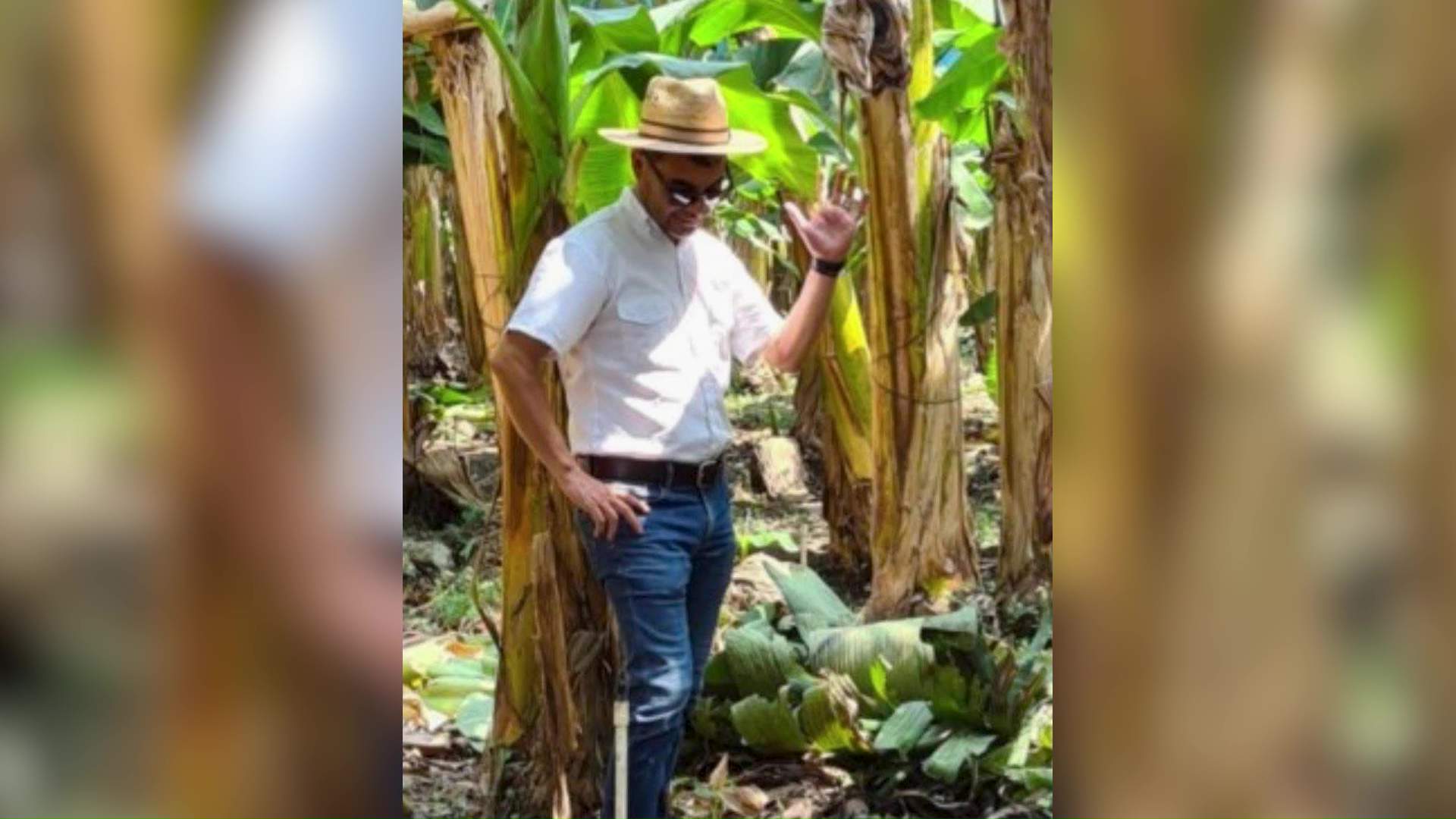
    Upon arrival, officers discovered 51-year-old Rolando Vindas Cespedes, a Costa Rican national serving as General Manager of Fyffes Banana Farm, suffering from multiple life-threatening stab wounds. Despite emergency medical intervention and rapid transport to Placencia Polyclinic, medical personnel were unable to stabilize the victim’s condition. Cespedes was pronounced deceased shortly before 10:00 a.m.

    Law enforcement authorities have taken into custody a 47-year-old male resident from the adjacent community of Maya Beach, who is believed to have resided in proximity to the victim. The suspect remains detained at the Seine Bight Police Station while investigators work to establish the sequence of events that precipitated the lethal confrontation.

    The precise motivation behind the attack remains undetermined, with local authorities continuing their investigation into the circumstances surrounding the incident. This violent episode has profoundly unsettled the typically peaceful Placencia region, leaving residents confronting both the shocking nature of the crime and the loss of a respected business leader.

  • Police Torch Massive Drug Haul; Vape Mods Spared Over Safety Risks

    Police Torch Massive Drug Haul; Vape Mods Spared Over Safety Risks

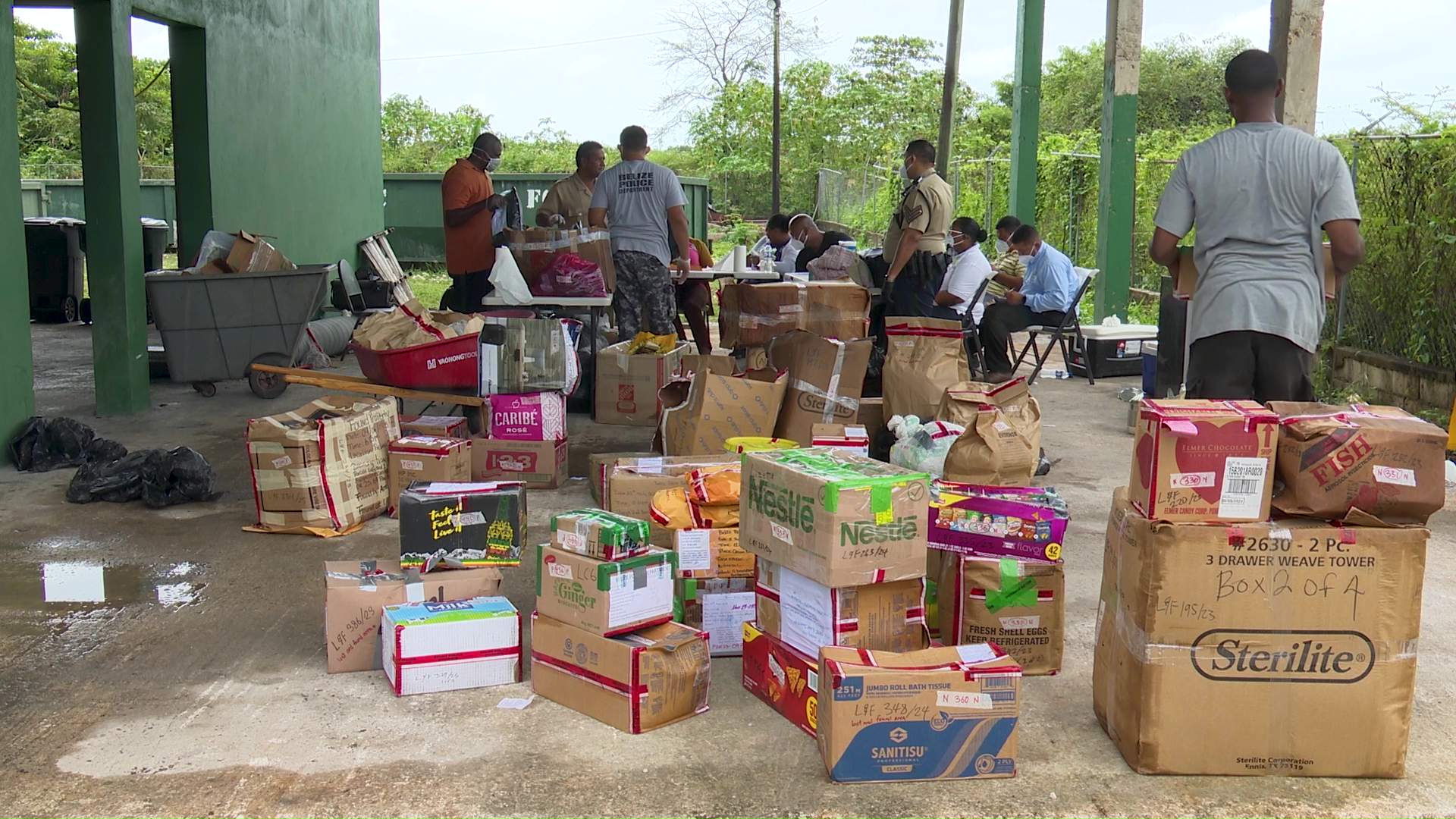
    In a meticulously coordinated operation on March 26, 2026, Belize law enforcement officials conducted a large-scale destruction of confiscated illegal substances, demonstrating their ongoing commitment to combating drug trafficking. The event, supervised by Superintendent Hector Rodriguez of the Prosecution Branch, saw the incineration of various narcotics including cocaine, crystal methamphetamine, cannabis, and cannabis-infused candies.

    The destruction process followed strict protocols to ensure accountability and transparency. Forensic expert Ms. Parks conducted randomized testing of the substances prior to disposal, while Superintendent Rodriguez meticulously verified each item against the inventory list to ensure complete accuracy in the destruction process.

    Notably, nearly four hundred vape modification devices containing lithium batteries were excluded from the thermal destruction method. Following recommendations from the Department of the Environment and Belize Waste Control, these electronic devices will undergo separate disposal procedures. The decision reflects growing environmental concerns about the potential hazards of incinerating lithium-ion batteries, which can explode or release toxic fumes when exposed to extreme heat.

    This operation highlights the sophisticated approach modern law enforcement must take when disposing of dangerous materials, balancing effective drug eradication with environmental safety and public health considerations. The separation of vape devices from the main destruction event underscores the increasing complexity of drug enforcement operations in an era of evolving substance consumption methods.

  • New UB Policy Institute Pushes for Research‑Driven Governance

    New UB Policy Institute Pushes for Research‑Driven Governance

    BELIZE CITY – In a significant stride toward transforming national decision-making processes, the Belize Policy Research Institute at the University of Belize (BELPRI-UB) is aggressively advocating for evidence-driven governance across all government sectors. Established in 2024, the institute has spent its inaugural year building frameworks to ensure policies ranging from national budgeting to transportation, land management, and social welfare are fundamentally shaped by rigorous, accessible research.

    Executive Director Dr. Dylan Vernon characterized the institute’s first year as “intense and highly productive” in pursuit of their vision for policy-making grounded in objective evidence analysis. “Public policy represents the collective actions a nation takes to address pressing issues affecting its people,” Dr. Vernon emphasized. “Therefore, the public must remain central to every aspect of policy formation—a principle often overlooked in conventional approaches.”

    The institute operates as an independent yet closely affiliated unit within the University of Belize, a strategic positioning that Dr. Vernon identifies as crucial to maintaining academic freedom, credibility, and objectivity. This independence enables BELPRI-UB to provide unbiased analysis and trusted guidance, reinforcing the university’s ambition to become a national leader in research-driven development.

    The initiative has garnered significant political support, notably from Dr. Osmond Martinez, Minister of State for Economic Transformation, who praised the university’s evidence-based policy tracker. Minister Martinez expressed particular interest in integrating artificial intelligence into the monitoring system, suggesting AI could provide real-time progress assessments updated biweekly. This technological integration would minimize human interpretation biases, ensuring clearer, more consistent, and accountable decision-making processes.

    The development marks a paradigm shift in Belize’s approach to governance, potentially establishing new standards for transparency and public engagement in policy formation throughout the Caribbean region.

  • Belizeans Break the Silence as Demand for Counseling Surges

    Belizeans Break the Silence as Demand for Counseling Surges

    BELIZE CITY – A profound cultural transformation is underway in Belize as the nation confronts longstanding mental health stigmas that have historically silenced those in emotional distress. Where psychological support was once viewed as an admission of weakness, a surge in counseling demand signals a national shift toward embracing mental wellness as fundamental to overall health.

    Government initiatives have been instrumental in this paradigm shift, with Minister of Human Development Thea Garcia-Ramirez reporting unprecedented engagement with counseling services since the COVID-19 pandemic. “We’re witnessing Belizeans beginning to regard mental health with the same importance as physical health,” Minister Garcia-Ramirez stated, highlighting the administration’s commitment to expanding psychological support networks nationwide.

    The ministry has implemented a multi-faceted approach to address service gaps, deploying counselors across regional offices while pioneering virtual therapy sessions to reach remote communities like San Pedro. Despite these advancements, Minister Garcia-Ramirez acknowledges persistent challenges in meeting the growing demand, particularly in underserved regions where counselor availability remains limited.

    At the forefront of this mental health revolution are educational professionals like Amanda Dixon, counselor at Sacred Heart College, who has pioneered innovative approaches to support adolescent mental wellness. Dixon’s methodology centers on creating non-judgmental environments where students feel empowered to seek help voluntarily.

    “The breakthrough comes when teenagers recognize we see them as individuals, not problems to be solved,” Dixon explained. “By normalizing vulnerability and ensuring confidentiality, we’ve created spaces where students willingly initiate conversations about their emotional struggles.”

    Dixon’s program emphasizes preventive mental healthcare through regular classroom visits and accessible counseling availability during lunch periods. This proactive strategy has effectively destigmatized psychological support among youth, reframing counseling as a strength-based resource rather than a last resort during crises.

    The cultural impact extends beyond school walls, potentially breaking generational patterns of emotional suppression. As younger Belizeans embrace mental health support, they model new attitudes that could transform community-wide approaches to psychological wellness, fostering healthier interpersonal dynamics nationwide.

    This mental health awakening represents a significant departure from traditional Belizean perspectives, suggesting a future where emotional wellbeing becomes integrated into the nation’s public health consciousness, creating more resilient communities through open dialogue and professional support.