标签: Barbados

巴巴多斯

  • Cancer Society warns screening rates remain dangerously low

    Cancer Society warns screening rates remain dangerously low

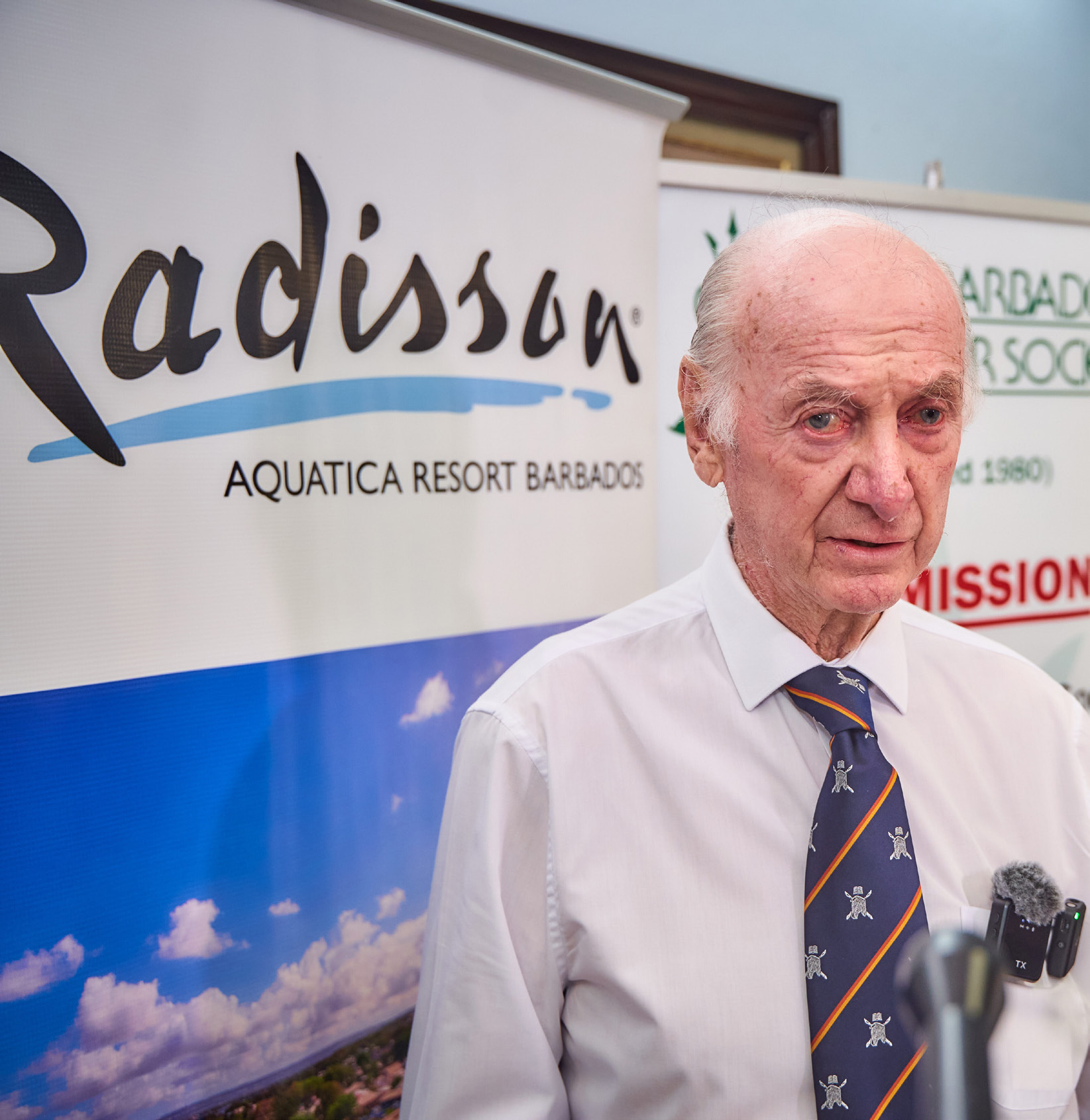
    Barbados has entered a new era of cancer treatment with the installation of a state-of-the-art linear accelerator at Queen Elizabeth Hospital, though health advocates caution that technological progress alone cannot overcome systemic screening deficiencies. Professor David Rosin, President of the Barbados Cancer Society, characterized the $10 million radiotherapy equipment as a transformative advancement that finally brings the nation’s radiation therapy capabilities to international standards.

    The newly implemented linear accelerator represents a significant technological leap from previous cobalt radiation methods, utilizing high-energy radiation to precisely target malignant cells while minimizing collateral damage to healthy tissue. This precision technology requires specialized operational expertise, prompting the hospital to bring in international experts to train local radiologists in its sophisticated operation.

    Professor Rosin emphasized the paradoxical challenge facing Barbados’ healthcare system: “While this equipment represents a monumental improvement in treatment capabilities, its impact will remain limited without addressing critical screening shortcomings, particularly among male patients.” He expressed particular frustration with low screening participation rates, noting that early detection remains the most crucial factor in successful cancer outcomes.

    Statistical evidence indicates approximately 70% of cancers become curable when identified at initial stages, potentially avoiding aggressive interventions like surgery, chemotherapy, or radiotherapy. Genetic factors contribute significantly to cancer risk, with about 20% of cases attributable to hereditary predisposition—making family history an important screening consideration.

    Barbados’ cancer epidemiology reveals prostate cancer as the most prevalent malignancy, despite men constituting only half the population. Colorectal cancer ranks second, followed closely by breast cancer. All three demonstrate high treatability rates with early detection.

    The Cancer Society continues supporting healthcare advancements through fundraising initiatives, recently concluding a raffle that awarded $25,000 to first prize winner Rebekuh Wood. Additional prizes included luxury hotel stays for runners-up Andrew King and Christina Johnson, reflecting ongoing community support for cancer care modernization.


  • Convict’s application for leave to appeal adjourned until March

    Convict’s application for leave to appeal adjourned until March

    In a significant development within Barbados’ judicial system, the Court of Appeal has postponed convicted murderer Haniyfa Reza White’s leave to appeal application until March 2026, granting her legal team additional time to rectify procedural deficiencies in their submission.

    While White received her criminal sentence in a nearby courtroom, appellate proceedings encountered a temporary halt as Chief Justice The Most Honourable Leslie Haynes identified multiple substantive issues requiring resolution. The court demonstrated judicial flexibility by allowing White’s attorney, Lalu Hanuman, to reorganize the application framework and ensure proper documentation of all case filings.

    White seeks to challenge the Caribbean Court of Justice’s endorsement of the Court of Appeal’s May 13th ruling, which previously dismissed her attempt to stay criminal proceedings in the No. 5 Supreme Court. The defendant, represented by Hanuman, has pursued multiple legal avenues including constitutional motions arguing that extensive trial delays—dating back to the 2007 murder of Julene Bryan—have compromised her right to a fair hearing.

    Principal State Counsel Jared Richards represented the prosecution during these proceedings. The court has established a revised timeline requiring White’s legal team to file written submissions by February 13, 2026, with the state’s response due by February 27th. The case will reconvene on March 19, 2026.

    This development follows earlier judicial disagreements regarding trial continuity. Justice Corlita Babb-Schaefer previously recommended case dismissal due to constitutional violations, while Justice Pamela Beckles elected to proceed with trial proceedings—a decision upheld by the appellate court comprising Chief Justice Haynes and Justices Francis Belle and Jacqueline Cornelius-Thorne.

  • BWU head stresses job security, fair treatment in public service

    BWU head stresses job security, fair treatment in public service

    During a parliamentary session on Tuesday, Barbados government backbencher Toni Moore delivered a critical assessment of the nation’s public service compensation system, acknowledging governmental progress while highlighting persistent administrative failures affecting contracted workers. The St George North MP, who also serves as general secretary of the Barbados Workers Union, characterized these issues as creating widespread discontent within the public sector.

    Moore recognized the current administration’s advancements compared to what she described as “nine years of zero movement” under previous leadership. However, she emphasized that fundamental problems continue to plague the system, particularly regarding delayed payments for acting positions, temporary appointments, and other entitled compensations.

    The parliamentarian illustrated the systemic nature of these failures by recounting specific instances where contractual employees experienced payment disruptions due to inter-ministerial oversights. “These are situations that are not acceptable,” Moore stated, “and they are situations in which the people who are responsible should be held accountable.”

    Moore joined opposition leader Ralph Thorne in criticizing the excessive reliance on contractual arrangements for positions that clearly require permanent staffing. She referenced approximately 720 workers who have remained on service contracts for over five years despite performing essential ongoing functions. This practice, initially justified during Barbados’ IMF program, now requires urgent reconsideration according to the MP.

    The legislator detailed how this contractual instability creates cascading consequences, denying workers job security, access to credit facilities, and proper national insurance coverage. She particularly emphasized how financial institutions hesitate to extend loans to workers without guaranteed income streams, creating additional financial hardships during periods like Christmas.

    Moore further warned that these practices undermine the sustainability of Barbados’ National Insurance system, potentially jeopardizing retirement security for thousands of workers. She questioned how the system could remain viable while excluding contractual workers from proper coverage.

    The MP concluded by expressing hope for prompt resolution of these issues, emphasizing that the current situation fails both workers and the national interest.

  • Jordan: Bill secures long-serving public officers’ rights

    Jordan: Bill secures long-serving public officers’ rights

    In a significant move to strengthen worker protections, Barbados’ government has enacted legislation guaranteeing permanent appointments for public service employees who have served in acting positions for three years or more. The landmark bill, which requires constitutional majority approval, received House of Assembly endorsement on Tuesday.

    Labour Minister Colin Jordan championed the initiative as demonstrating the administration’s profound respect for public servants and commitment to workforce dignity. “This legislation exemplifies a government that not only respects the exemplary work of public officers but actively enacts measures to ensure their job security,” Jordan stated during parliamentary proceedings.

    The Minister elaborated on eligibility criteria, specifying that employees who have maintained acting roles for three consecutive years will be automatically granted permanent status effective January 1, 2026, unless their position is project-based with defined start and end dates. “If you have been acting for three years, it signifies your essential role within the organization,” Jordan explained.

    Concurrently, the government has ratified multiple International Labour Organisation conventions previously agreed upon but never implemented. These include Occupational Safety and Health Conventions 155 and 187, the Nursing Personnel Convention (No. 149), Domestic Workers Convention (No. 189), and the Violence and Harassment Convention (No. 190).

    Minister Jordan emphasized the administration’s worker-centric philosophy: “We are committed to recognizing workers’ humanity, ensuring dignity in employment, and advancing the concept of decent work through concrete legislative action.”

    The legislation incorporates an appeals mechanism whereby public officers who perceive unfair treatment may petition the President for review. Jordan highlighted this provision as evidence of the government’s commitment to fairness and justice, noting that previous appeal processes have yielded successful outcomes for many workers.

    While acknowledging the bill isn’t a universal solution, Jordan characterized it as a substantial step toward enhancing job security and institutional stability within Barbados’ public sector.

  • Convicted killer given 30-year starting sentence

    Convicted killer given 30-year starting sentence

    In a landmark ruling at the No. 5 Supreme Court, Justice Pamela Beckles has sentenced Haniyfa Reza White to 23.5 years imprisonment for the 2007 killing of her former friend and neighbor Julene Bryan. The sentence represents the remainder of a 30-year starting term after accounting for mitigating circumstances and an extraordinary 18-year delay in bringing the case to trial.

    The court established that on May 14, 2007, White deliberately armed herself with a knife and went to Bryan’s residence in Six Men’s, St. Peter following an earlier altercation. Evidence presented during proceedings revealed that White initiated the confrontation by throwing a rock at Bryan’s home before fatally stabbing the victim in the neck, severing her carotid artery in front of her residence.

    Justice Beckles delivered a compelling address to the convicted killer, stating: ‘The location of this injury would suggest that your intention was clearly to kill or cause serious bodily harm. Yet you see yourself and your children as the victims, even though you were there to love and care for them. The deceased’s children were deprived of this because of your actions that day.’

    The judge identified several aggravating factors including the premeditated nature of the attack, the use of a lethal weapon, and the traumatic impact on Bryan’s four children who witnessed the violence outside their home. The court also considered mitigating circumstances including White’s lack of prior criminal record, favorable pre-sentencing reports indicating low recidivism risk, and substantial trial delays.

    White testified that she had endured ongoing harassment from Bryan and associates following the dissolution of their friendship. She claimed the stabbing occurred during a physical struggle after Bryan allegedly attacked her with a metal object. The court ordered White to serve 8,659 days at Dodds Prison with recommendation for counseling programs addressing interpersonal relationships and societal reintegration.

    Legal representatives included Acting Deputy Director of Public Prosecutions Krystal Delaney for the state and defense counsel Safiya Moore for White.

  • Banks Beer presents 2025 Isuzu D-Max to Christmas competition winner

    Banks Beer presents 2025 Isuzu D-Max to Christmas competition winner

    In an extraordinary display of holiday generosity, Banks Beer transformed an ordinary Wednesday into a life-changing event for Lisa Morris. The beverage company orchestrated a surprise delivery of a brand-new 2025 Isuzu D-Max directly to her Swan Street workplace, fulfilling her automotive aspirations through their innovative QR code competition.

    Morris, who had consistently participated in the three-month promotional campaign, was overcome with emotion when the prize vehicle arrived. “I feel so excited. I was dreaming about this vehicle. I always wanted an upgrade,” she expressed, revealing her weekly participation through numbered bottle caps.

    The marketing initiative, which ran from August through November, generated unprecedented engagement according to Jenelle Jermain, Marketing Manager of SLU Beverage Limited. “We had a tremendous response with over 30,000 entries and more than 7,000 premiums awarded,” Jermain noted, highlighting the campaign’s global significance. “SLU Beverages and Banks Barbados Breweries Limited are the second company worldwide to execute an ‘Under the Crown’ QR campaign.”

    Beyond the vehicle, Morris received an enhanced prize package including $1,000 in SOL gas vouchers presented as a holiday bonus and an additional set of four tires. Jermain confirmed that SLU Beverages will manage all registration and licensing procedures to ensure prompt delivery of the vehicle to its thrilled new owner.

    The surprise delivery culminated months of promotional activity that combined traditional product engagement with digital innovation, creating what company representatives described as an overwhelmingly successful consumer outreach program.

  • Thorne: Govt undermining civil service independence

    Thorne: Govt undermining civil service independence

    In a sweeping critique delivered before the House of Assembly, Opposition Leader Ralph Thorne launched a vehement condemnation of the Mia Mottley administration’s appointment practices, alleging systematic erosion of institutional independence within Barbados’ civil service and judiciary.

    Thorne articulated profound concerns regarding the government’s propensity for installing departmental heads and even judicial figures on limited three to four-year contractual terms. He characterized this approach as a form of political interference that fundamentally compromises the autonomy of public servants. The practice, he contended, creates an environment where senior appointees prioritize contract renewal over providing impartial, objective counsel to political leadership.

    While acknowledging the Public Service (Appointments) Bill as a ‘noble’ legislative measure that would secure permanent positions for over 2,000 civil servants—including 1,170 temporary workers—and facilitate more than 900 promotions, Thorne maintained that the public service remains in a state of significant turmoil. He suggested the timing of this legislation appeared strategically aligned with impending general elections rather than genuine administrative reform.

    The opposition leader detailed widespread frustration throughout the public service hierarchy, attributing this discontent to the government’s policy of ‘planting’ contract-based personnel at senior departmental levels. Thorne emphasized that the historical integrity of Barbados’ civil service rested upon security of tenure, which enabled public officers to deliver independent advice without employment insecurity. He starkly contrasted traditional appointments ‘by status’ with the current administration’s contractual approach, which he believes undermines established public service traditions.

    Thorne delivered a pointed reminder to civil servants that their employment exists independently of Cabinet members, stating ministers are not their employers but rather policy directors. He issued a direct caution to government ministers against operational interference within departments, urging them to ‘stay out of the people’s places of work.’

    Expanding his critique beyond administrative structures, Thorne addressed systemic issues in education and law enforcement. He reported that teachers across the island experience severe burnout, noting educators frequently assume surrogate parental roles by providing lunch for students. Thorne challenged the government’s economic prosperity narrative, asserting that in a genuinely ‘buoyant’ economy with seventeen consecutive growth quarters, no child should attend school hungry.

    Regarding law enforcement, Thorne acknowledged the government’s introduction of substantial detective allowances but warned this measure has created problematic divisions between detectives and uniformed officers within the Barbados Police Service, potentially undermining operational cohesion.

  • Employers urged to adopt sign language in the workplace

    Employers urged to adopt sign language in the workplace

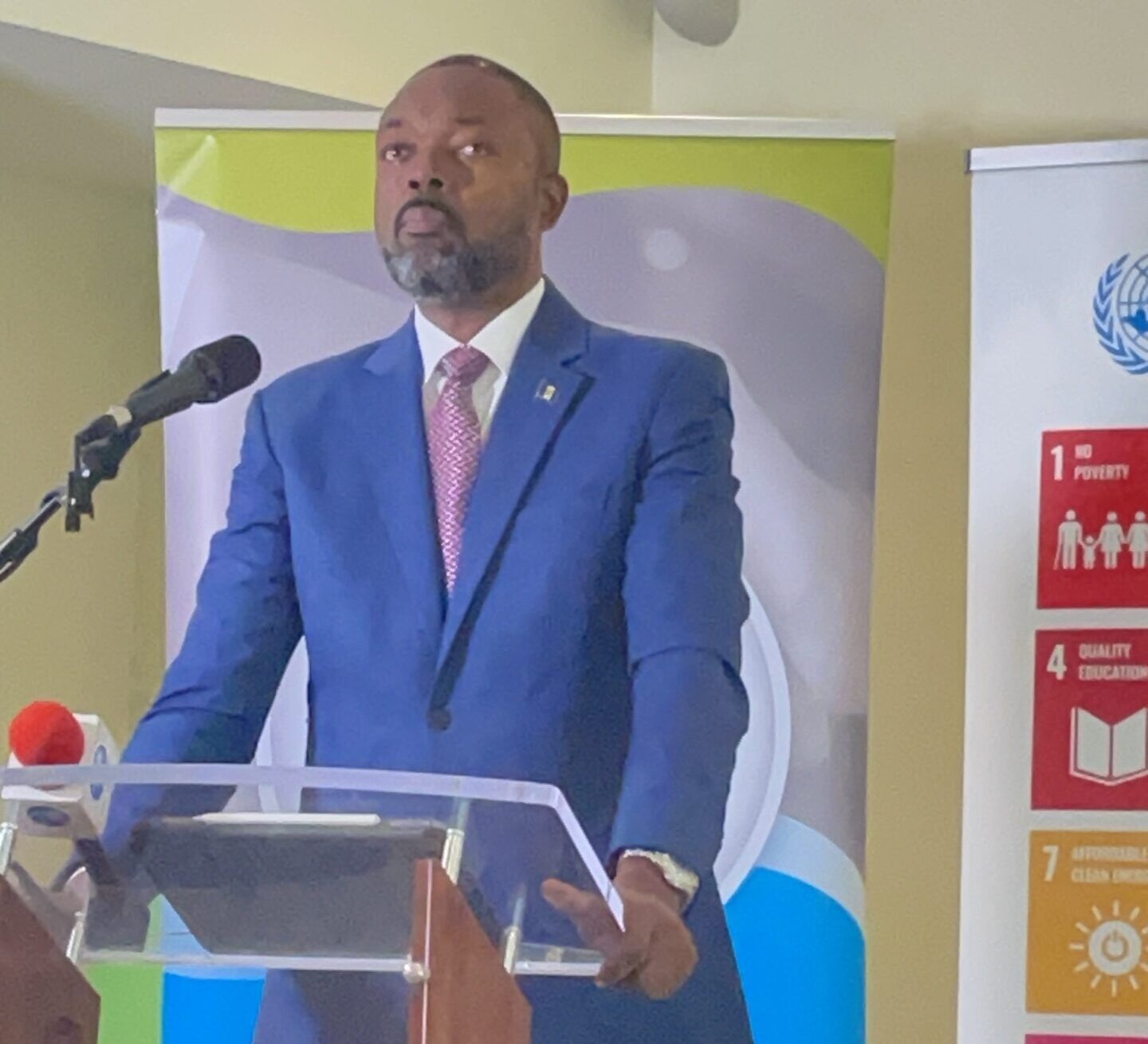
    Barbados is spearheading a transformative workplace inclusion initiative, with government officials and disability advocates urging employers to integrate sign language training as a standard organizational requirement. The campaign gained momentum during a specialized Disability Sensitivity Training session hosted by the Ministry of Labour, Social Security and Third Sector in collaboration with the United Nations, held Wednesday at Courtyard by Marriott in Hastings, Christ Church.

    Minister Colin Jordan articulated a strategic vision for organizational accessibility, proposing that sign language proficiency should mirror established workplace safety protocols. “Similar to CPR and first-aid requirements, we need designated staff members equipped with sign language skills across all departments,” Jordan emphasized. He clarified that while universal training remains impractical, creating communication access points through trained personnel is both feasible and essential.

    The training session revealed profound communication challenges facing the deaf community, with Barbados Council for the Disabled representative Heather Gazette-Corbin detailing the isolating nature of hearing impairment. “Hearing loss creates profound isolation—individuals experience internal struggles they cannot verbally express,” she explained, noting critical safety implications including limited emergency service access.

    Gazette-Corbin addressed prevalent misconceptions, clarifying terminology preferences within the community: “deaf” for congenital hearing loss and “hard of hearing” for acquired conditions, while strongly discouraging outdated terms like “dumb.” She dismantled the myth of lip-reading reliability, demonstrating how even common phrases can be misinterpreted without contextual clues.

    The presentation introduced the concept of the “deaf nod”—a social adaptation where individuals pretend comprehension to avoid disruption—and provided practical communication guidelines including maintained eye contact, clear visual access to mouths, and information rephrasing.

    Addressing safety concerns frequently cited by employers, Gazette-Corbin presented counterintuitive findings: “Deaf individuals often detect emergencies through vibrations and visual cues before hearing colleagues become aware. Fire alarms can be supplemented with flashing light systems that benefit all employees, especially as age-related hearing decline occurs.”

    The representative concluded with compelling testimony about workplace capabilities: “Deaf employees demonstrate exceptional commitment and productivity when provided appropriate accommodations. Their performance consistently exceeds expectations when communication barriers are removed.”

    This training initiative represents a cornerstone in Barbados’ broader strategy to implement inclusive employment practices, with additional sensitization sessions planned nationwide to improve accessibility for people with disabilities.

  • BTMI celebrating partners during Yuletide season

    BTMI celebrating partners during Yuletide season

    In a strategic move to synchronize with the winter tourism season’s commencement, Barbados Tourism Marketing Inc. (BTMI) has rescheduled its annual Tourism Week from September to December. According to Marsha Alleyne, BTMI’s Chief Product Development Officer, this recalibration intentionally reflects evolving industry dynamics and shifting visitor patterns while amplifying opportunities for tourist participation.

    The revamped schedule, spanning December 14 to 21, is designed to honor tourism employees, entrepreneurs, and enduring partners who sustain the sector year-round. Alleyne emphasized BTMI’s commitment to innovation and adaptive strategies during a media interaction at Pelican Island, noting that the repositioning allows the festivities to harness the heightened energy of the peak tourist period.

    Central to the celebrations is the Community Tourism Caravan, an initiative facilitating direct engagement with local villages and towns. This outreach combines tourism advocacy with seasonal goodwill, spreading Christmas cheer across communities. The week commenced with a dedicated church service at Mount of Praise Wesleyan Holiness Church, seeking divine favor for the industry’s prosperity.

    Visitor appreciation activities are strategically organized at key entry points, including the Bridgetown Port and Grantley Adams International Airport, underscoring the growing significance of cruise tourism. Alleyne revealed that BTMI is leveraging print and social media to spotlight industry stalwarts and long-serving partners, reinforcing their invaluable contributions.

    Furthermore, BTMI is collaborating with Export Barbados to revitalize the rebranded Pelican Island (formerly Pelican Village) as a bustling hub for visitor experiences, particularly during high-traffic cruise calls such as New Year’s Eve. This partnership aims to showcase local products and cultural offerings, transforming the area into a vibrant destination within the cruise terminal and its surroundings.

    The festivities, enriched by traditional tuk band music and Mother Sally performances, align with this year’s theme: ‘Tourism and Sustainable Transformation.’ This focus highlights the sector’s role in fostering sustainable livelihoods, empowering local entrepreneurs, and driving community development while preserving cultural heritage.

  • QEH to get second cancer treatment machine in major expansion

    QEH to get second cancer treatment machine in major expansion

    Barbados is embarking on a transformative healthcare enhancement initiative with a $313.6 million expansion of Queen Elizabeth Hospital, predominantly funded through Chinese financial support. Senator Shantal Munro-Knight disclosed that China Sinopharm International Cooperation will provide 80% of the financing for this substantial infrastructure project.

    The comprehensive development plan includes construction of two new medical facilities featuring an advanced oncology center, specialized patient clinics, expanded ward capacity, a dedicated burns treatment unit, and modernized laboratory infrastructure. A cornerstone of this medical upgrade involves acquiring a second linear accelerator for precision cancer treatment, complementing the first unit recently installed and already operational.

    Linear accelerator technology represents cutting-edge radiation therapy, employing high-energy beams to target malignant tumors while minimizing damage to surrounding healthy tissue. Senator Munro-Knight emphasized the critical importance of this investment, noting Barbados’ growing need for enhanced cancer care capabilities that will allow more patients to receive treatment locally.

    Concurrently, the Senate approved additional borrowing arrangements totaling $100 million from the OPEC Fund for International Development. Unlike the project-specific China Sinopharm loan, these funds are designated as policy-based financing, offering flexibility for allocation across various social sector initiatives according to identified national priorities.

    Senator Munro-Knight defended the government’s strategic borrowing approach, characterizing it as essential for small developing nations like Barbados. She highlighted that such investments transcend physical infrastructure, encompassing fundamental citizen needs including healthcare accessibility, educational resources, and food security. The minister pointed to tangible outcomes from previous responsible borrowing, including transportation upgrades and polyclinic improvements, while cautioning that the current hospital loan, though significant, doesn’t represent a complete solution to all healthcare challenges.