标签: Barbados

巴巴多斯

  • ‘Nick of time’: City retailers see late Christmas shopping surge

    ‘Nick of time’: City retailers see late Christmas shopping surge

    Barbadian retailers witnessed a dramatic uptick in holiday shopping during the final days preceding Christmas, marking a significant shift from the cautious consumer behavior that characterized most of December. According to retail managers across Bridgetown, the delayed spending surge was primarily fueled by recent pay cycles and last-minute purchasing patterns that transformed the retail landscape in the week before the holiday.

    Stacey Wharton, Operations Manager at Bridgetown Duty Free, reported a noticeable transformation in shopping activity beginning December 18th, coinciding with typical pay periods for Barbadian workers. “December commenced rather quietly, but we observed a substantial increase in business around the 18th, which aligned with most Barbadians’ payday,” Wharton noted. While activity experienced a minor dip following the initial surge, foot traffic notably intensified again from Tuesday through Christmas Eve.

    Premium fragrances and cosmetics emerged as the season’s top performers, followed closely by designer leather accessories and children’s toys. Household items including curtains, bathroom mats, and tablecloths also experienced robust demand as consumers finalized their holiday preparations. The store’s complimentary gift-wrapping service proved particularly attractive to customers, necessitating the recruitment of 80-100 additional seasonal staff to manage increased volumes.

    At FW Woolworth, Managing Director Martin Bryan characterized the season’s first half as “subdued,” with meaningful activity materializing only during the final shopping days. Bryan reported strong sales in toys, clothing, toiletry sets, perfumes, and gift-wrapping supplies, though he suggested overall traffic appeared diminished compared to previous years.

    Supply chain complications emerged as a significant challenge across the retail sector. Hiranand Thani, proprietor of The Royal Shop, described an uneven season with fewer strong shopping days than typical years. “Our primary challenge this year involved securing inventory,” Thani explained. “For certain brands where we typically receive good supply, we encountered severe shortages. If we ordered five pieces of an item, we might receive only two.”

    Thani attributed these shortages to international supply and shipping constraints affecting shipments from the United States and Asia, including complications arising from tariff structures affecting distribution channels.

    Contrasting this narrative, Eddy Abed, Managing Director of Abeds, reported exceptionally strong performance across all three locations following months of strategic preparation. “Customer traffic became exceptionally robust over the past ten days,” Abed stated, describing demand as both “strong” and “sustained.” The retailer’s early operational planning, which began in November, and a nine-month procurement strategy helped mitigate supply chain disruptions affecting other retailers.

    Despite the last-minute surge, several retailers remained cautious about declaring the season an outright success, with many opting to withhold year-over-year comparisons until completing comprehensive post-holiday analyses.


  • Cheapside vendors report mixed sales as rising costs bite

    Cheapside vendors report mixed sales as rising costs bite

    Christmas shopping at Bridgetown’s Cheapside Market reveals a tale of contrasting fortunes this holiday season, with persistent inflation and tightened consumer budgets creating uneven trading conditions for local vendors. While foot traffic remains consistent, purchasing patterns show marked changes from previous years as shoppers grapple with elevated food prices.

    Multiple vendors report experiencing volatile business cycles, attributing the instability to sharp increases in produce costs—particularly for imported vegetables. Nadine Prince, one market operator, detailed how essential items like sweet peppers, flavor peppers, and local tomatoes have reached unprecedented prices, with some climbing to $12 per pound. This inflationary pressure has forced both sellers and customers to reconsider their purchasing habits, resulting in smaller transactions and quicker shopping trips.

    Consumer behavior has shifted noticeably, with shoppers prioritizing essential herbs and peppers over traditional root vegetables like yams and potatoes. Afua Merson observed that while sales haven’t collapsed completely, customers are making more calculated purchases, often adjusting their budgets to secure necessary items despite financial constraints.

    Amid the general trend of restrained spending, some vendors report more positive outcomes. Angela Greene described steady sales leading into Christmas, noting that success largely depends on stocking high-demand products that align with current consumer preferences.

    The overarching narrative emerging from the market underscores how macroeconomic pressures are reshaping festive traditions, with both vendors and customers demonstrating adaptability in the face of economic challenges while maintaining gratitude for continued community support.

  • Despite Christmas Eve lull, travellers highlight Bim’s enduring appeal

    Despite Christmas Eve lull, travellers highlight Bim’s enduring appeal

    Grantley Adams International Airport exhibited an unusual tranquility on Christmas Eve morning, contrasting with the typical bustling holiday atmosphere. While the terminal maintained a steady flow of passengers, the customary festive frenzy was notably absent, revealing evolving travel behaviors during the holiday season.

    Travelers arriving in Barbados demonstrated diverse motivations for their Christmas visits. Kareem Kirton, a solo traveler from Grenada, embodied the growing trend of experiential tourism. “Just for the experience,” Kirton explained, highlighting his recent embrace of independent travel. While uncertain about making it a regular practice, he planned to explore Harrison’s Cave and Oistins, emphasizing that meaningful human connections remained his primary objective.

    The departure lounge revealed complementary travel patterns, with a Barbadian citizen embarking on a holiday journey to Panama. “Things didn’t materialize for another destination,” the traveler noted, explaining the decision to return to a familiar location for both academic pursuits and relaxation. Despite being abroad, Christmas Day would maintain familial elements through connections with local friends, preserving the holiday’s essence of togetherness.

    Repeat visitors underscored Barbados’ enduring appeal. Judi David, making her fourth visit from Grenada, simply stated: “Because it is our go-to place for vacation.” Without family on the island, she attributed her returns to established friendships and familiarity. Her plans centered around complete relaxation at Wyndham Resort, embodying the holiday spirit of “drink and be merry.”

    Another traveler combined birthday celebrations with Christmas festivities, creating a dual-purpose visit. Having previously lived and studied in Barbados decades ago, this marked his first Christmas experience on the island. Though his stay was brief—merely two days—it represented meaningful seasonal reconnection with family, potentially including spa treatments and hotel enjoyment.

    The airport’s moderate activity level reflected neither decline nor boom, but rather a maturation of travel patterns where quality of experience outweighs conventional holiday obligations, suggesting deeper transformations in how people choose to celebrate the festive season.

  • Sanctuary overwhelmed as pet abandonment surges

    Sanctuary overwhelmed as pet abandonment surges

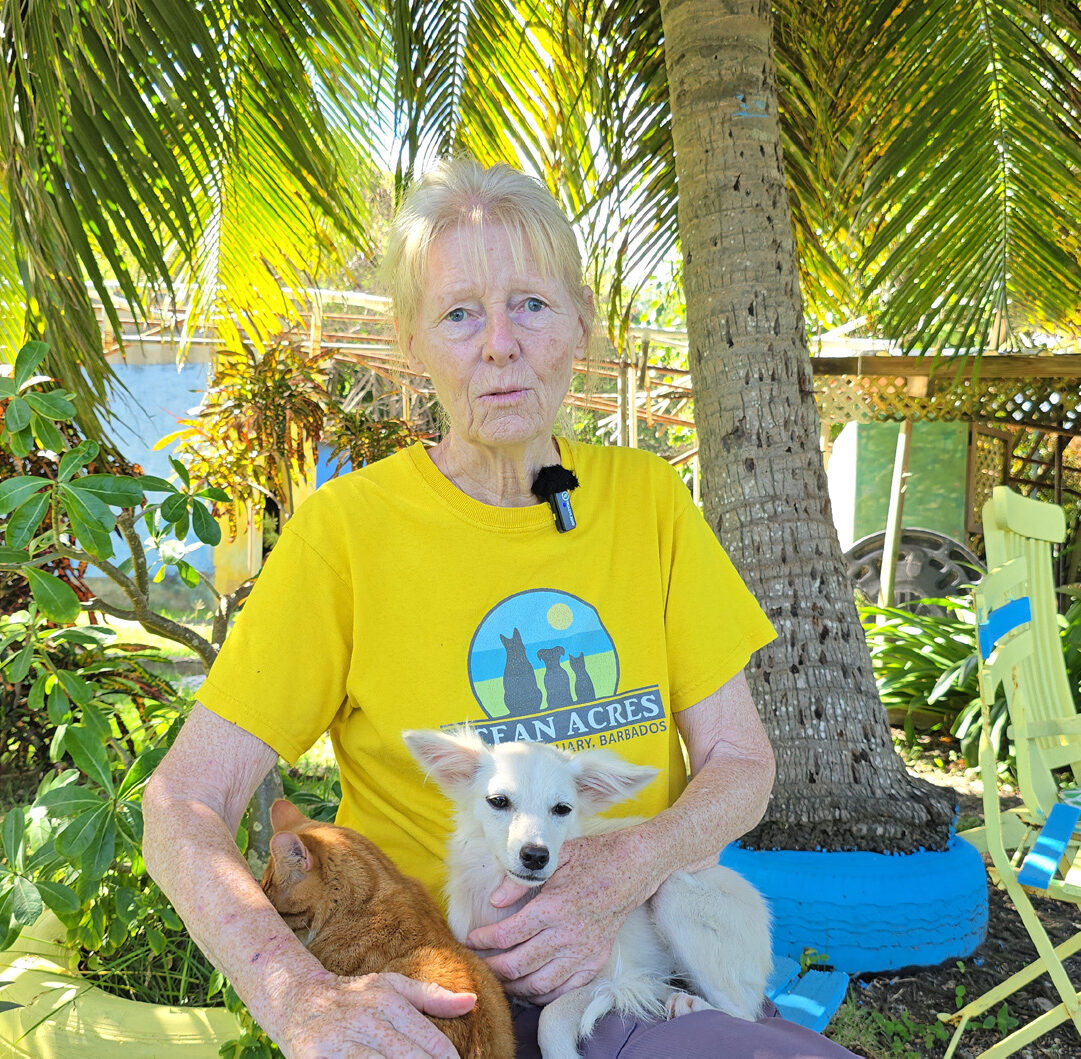
    Ocean Acres Animal Sanctuary in Barbados is confronting an escalating animal welfare emergency as unprecedented numbers of abandoned dogs overwhelm the island’s shelter system. The facility, engineered to humanely accommodate approximately 80 canines, is currently operating at more than double its intended capacity according to sanctuary director Karen Whittaker.

    With all Barbadian shelters reporting full occupancy, Ocean Acres faces impossible choices between dangerous overcrowding and turning away animals in need. “We’re constantly pressured to accept owner-surrendered pets despite lacking adequate space,” Whittaker stated. This overcrowding creates volatile conditions that risk animal conflicts and compromised welfare standards.

    The crisis stems primarily from insufficient long-term planning by pet owners, Whittaker explained. Many residents acquire animals without considering decade-long commitments or life changes including relocations, medical emergencies, or work obligations. Rather than making formal arrangements, some owners resort to irresponsible abandonment methods that create public nuisance issues.

    Whittaker identified uncontrolled breeding as a fundamental driver of shelter overpopulation. A single female dog can generate tens of thousands of descendants through successive generations, creating unsustainable population growth. The sanctuary receives numerous calls about unwanted litters, with many puppies succumbing to preventable conditions like parvovirus, parasites, or starvation before rescue teams can intervene.

    As a stopgap measure, Ocean Acres has facilitated international transfers sending 250 dogs to Canadian adoption programs this year alone. These complex operations involve substantial expenses including veterinary screenings, specialized kennels costing approximately $600 each, and export certifications priced at $30 per animal. While Air Canada occasionally waives transportation fees, these cost mitigations occur in only half of cases.

    The organization’s operational costs range between $70,000-$80,000 monthly for basic animal care, not accounting for emergency medical treatments. With limited public funding and resources, the sanctuary struggles to maintain adequate service levels despite growing demands.

    Whittaker advocates for governmental recognition of pet overpopulation as both a social responsibility and public health priority. She emphasizes educational initiatives promoting responsible ownership practices, including spay/neuter programs and lifetime commitment awareness. For unavoidable surrender situations, Whittaker stresses the ethical necessity of veterinary-supervised euthanasia over irresponsible abandonment.

    As Barbados faces this growing humanitarian challenge, coordinated efforts between shelters, government agencies, and the public are urgently needed to address systemic causes and ensure animal welfare standards.

  • First-time mom welcomes baby girl on Christmas morning

    First-time mom welcomes baby girl on Christmas morning

    A heartwarming Christmas miracle unfolded as first-time mother Tameisha Forde received an early and unexpected present—the birth of a healthy baby girl on Christmas morning. The newborn, arriving ahead of her January due date, was described by an elated Forde as her ‘perfect Christmas gift,’ marking an unforgettable start to the holiday season.

    The festive period at the hospital proved to be exceptionally busy for maternity staff. Nursing Officer Hilda Dyall reported a notable surge in deliveries, confirming that by noon on December 25th, two additional women had already given birth. Medical staff anticipated more arrivals before the day concluded, suggesting a potential Christmas baby boom trend.

    This special delivery not only brought immense personal joy to Forde but also highlighted the dedicated healthcare professionals working through the holidays. The simultaneous births created an atmosphere of shared celebration within the maternity ward, turning Christmas Day into an occasion of multiplied happiness and new beginnings for multiple families.

  • Man fatally shot on Christmas Eve in St Philip

    Man fatally shot on Christmas Eve in St Philip

    Authorities in St Philip have launched a comprehensive investigation into a lethal shooting incident that transpired on Christmas Eve, resulting in one fatality. The tragic event unfolded approximately at 10:22 p.m. on Wednesday, December 24, along Chapel #3.

    Preliminary investigative findings indicate the victim was situated within a commercial establishment when an unidentified assailant approached the premises and unleashed multiple gunshots. Emergency medical services promptly responded to the scene; however, paramedics detected no vital signs. The victim was subsequently pronounced deceased by a medical professional.

    Law enforcement officials have issued a public appeal for information regarding this homicide. Individuals possessing any knowledge of the incident are urged to contact multiple dedicated channels: Crime Stoppers at 1-800-8477, the Police Emergency hotline at 211, or the District ‘C’ Police Station at 416-8200 or 416-8204. Police authorities have emphasized that all submitted information will be handled with utmost confidentiality.

  • Minister Reid: No plans yet to restrict children’s access to social media

    Minister Reid: No plans yet to restrict children’s access to social media

    While a growing international movement advocates for prohibiting minors from accessing social media platforms, Barbados has declared it is not presently contemplating similar restrictive measures. This position emerges despite Australia’s recent enactment of groundbreaking legislation that bans children aged 16 and under from platforms including Instagram, Facebook, Snapchat, TikTok, YouTube, and X (formerly Twitter), utilizing age verification technologies to enforce compliance.

    The global landscape reveals increasing regulatory scrutiny, with nations including France, Spain, Italy, Norway, Denmark, Malaysia, Pakistan, and South Korea exploring comparable protective measures. These governments are responding to mounting concerns about the psychological impact and potential dangers digital environments pose to young users.

    Barbados Minister of Industry, Innovation, Science and Technology, Senator Jonathan Reid, confirmed the nation’s watchful stance. “We haven’t considered implementing such bans,” Reid stated, “however, we maintain strong interest in international developments. We anticipate evaluating the impacts of these decisions abroad to potentially integrate valuable lessons for our population.”

    Minister Reid presented a balanced perspective, acknowledging both the substantial benefits and inherent risks associated with social media engagement. He highlighted platforms’ capacity for positive connection and information sharing while simultaneously recognizing serious concerns including misinformation proliferation, cyberbullying, and hate speech dissemination.

    Central to Barbados’ deliberation is the preservation of free speech, which Reid described as fundamental to national identity. The government emphasizes developing strategies that maximize technological benefits while implementing safeguards against harmful content, particularly protecting vulnerable youth from documented psychological harms associated with excessive social media consumption.

    This cautious governmental approach coincides with rising domestic concerns regarding digital safety. The National Organisation of Women (NOW) has highlighted escalating cyber abuse incidents, with Head Melissa Savoury-Gittens noting that digital violence remains significantly misunderstood and underaddressed in current legal frameworks. Simultaneously, Director of the Criminal Justice Research and Planning Unit Cheryl Willoughby has advocated for comprehensive research into social media’s influence on youth behavior, emphasizing the necessity for collaborative societal response to emerging digital challenges.

  • Archer sidelined for remainder of Ashes, Bethell called up

    Archer sidelined for remainder of Ashes, Bethell called up

    England’s beleaguered Ashes campaign has suffered another significant setback with the confirmation that pace spearhead Jofra Archer will miss the remainder of the series due to a side strain sustained during the third Test in Adelaide. The injury represents yet another frustrating chapter in the Barbadian-born quick’s injury-plagued career.

    Archer had emerged as one of England’s few bright spots in an otherwise dismal series against Australia, claiming nine wickets at an average of 27.11 across the three Tests. His performance peaked in Adelaide where he delivered his first five-wicket haul in Test cricket in six years, recording impressive figures of 5-53 in Australia’s first innings. The 30-year-old also contributed with the bat, scoring his maiden Test half-century during the same match.

    The injury occurred during Australia’s second innings where Archer managed only 12.4 overs before discomfort forced him from the attack. Subsequent scans in Melbourne revealed the extent of the side strain, prompting team medical staff to rule him out of contention for the final two matches.

    This development continues a pattern of injury interruptions that have marred Archer’s international career. The paceman had only returned to Test cricket in July after a four-year absence spent battling persistent elbow and back issues. His comeback match against India at Lord’s five months ago marked the beginning of a brief return that has now been cut short after just five Tests.

    England captain Ben Stokes praised Archer’s commitment throughout the series, stating: ‘The effort that he’s put in over these three games has been exceptional. There were a lot of question marks around his ability coming out to Australia, and he’s put in a great effort for the team.’

    Archer will return to the United Kingdom following the fourth Test for further assessment, with his availability for February’s T20 World Cup in India and Sri Lanka dependent on recovery progress.

    In response to the injury crisis, England have called up Gus Atkinson as Archer’s replacement while making the strategic decision to drop out-of-form batsman Ollie Pope in favor of Barbadian Jacob Bethell. Pope’s omission follows a disappointing run that saw him fail to register a half-century in eight consecutive Tests against Australia.

    Bethell, despite limited first-class experience with just three matches in the past year, receives his opportunity following an impressive 71-run performance for England Lions against Australia A earlier this month.

  • The UWI, PAHO collaborate on infectious disease diagnostics and genomic surveillance

    The UWI, PAHO collaborate on infectious disease diagnostics and genomic surveillance

    In a significant move to bolster regional health security, the University of the West Indies (UWI) recently convened a virtual assembly of over 40 veterinary and public health specialists, laboratory experts, and academic researchers from approximately ten Caribbean nations and territories. The strategic session, organized in partnership with the Pan American Health Organization (PAHO), focused on enhancing collaborative efforts in infectious disease diagnostics, genomic surveillance, and scientific research.

    Co-ordinated by Professor Christine Carrington, Professor of Molecular Genetics and Virology, and Dr. Arianne Brown-Jordan, Laboratory Coordinator and Research Scientist at The UWI/PAHO/WHO Reference Sequencing Laboratory, the gathering marked a pivotal step toward regional health cooperation. The primary outcome was a consolidated commitment to improve coordination and eliminate redundant efforts as genomic surveillance capabilities expand throughout the Caribbean.

    Key priorities identified include specialized training in genomics and bioinformatics, the development of national genomic surveillance strategies, and stronger advocacy for incorporating genomics into public health policy and preparedness structures. Professor Carrington emphasized the value of shared insights, stating, “We all gained valuable insights into the needs and concerns of other stakeholders… and most importantly how we can support each other.”

    The meeting underscored the essential role of partnerships among academic institutions, regional health agencies, and international organizations in constructing resilient, data-driven health systems. Professor Carrington also unveiled plans for a UWI Centre of Excellence for One Health molecular epidemiology and genomics, intended to serve as a central hub for research, training, and collaboration.

    Discussions addressed practical implementation challenges, such as workforce development, sustainable financing, policy integration, and equitable access to resources. Presentations from Dr. Jairo Méndez-Rico of PAHO and Dr. Sue Min Nathaniel of the Caribbean Public Health Agency (CARPHA) highlighted ongoing initiatives and regional vulnerabilities, stressing the need for timely data and coordinated response mechanisms.

    Feature presenter Professor Nuno Faria of Imperial College London illustrated how genomic epidemiology can generate actionable public health intelligence, using case studies from arbovirus outbreaks. The session concluded with a focus on integrating genomic data into national surveillance frameworks and the importance of developing clear strategies for genomic adoption in public health infrastructure.

  • CXC moving to address high rates of absenteeism

    CXC moving to address high rates of absenteeism

    The Caribbean Examinations Council (CXC) is grappling with a persistent and troubling trend of absenteeism among students registered for its Caribbean Secondary Education Certificate (CSEC) examinations. This phenomenon represents both a significant financial concern and an educational challenge across the region.

    Dr. Nicole Manning, CXC’s Director of Operations, confirmed the organization is actively investigating the root causes through comprehensive surveys. The financial implications are substantial, with examination fees—often covered by governments or parents—being effectively wasted when students fail to appear for their tests.

    According to CXC’s research, the primary reason students skip examinations is a perceived lack of preparation. Many candidates reportedly feel insufficiently ready to demonstrate their competencies, leading them to avoid sitting the exams entirely. Dr. Manning emphasized the council’s position that students should attempt examinations regardless of their preparedness level, noting that many underestimate their actual knowledge and recall abilities during assessment situations.

    Beyond preparation anxiety, illness and other personal factors contribute to absentee rates. Particularly concerning is the pattern emerging in newer, vocationally-oriented subjects critical to regional development. Fields such as green engineering along with logistics and supply chain management are experiencing disproportionately high absence rates, despite strong performance metrics among examinees who do participate.

    Dr. Manning acknowledged evolving attitudes toward education among younger generations, prompting CXC to pursue innovative solutions through digital transformation. The council has developed the Caribbean Targeted Education Certificate (CTEC), a modularized alternative to traditional CSEC and Caribbean Advanced Proficiency Examination (CAPE) certifications.

    This new micro-credential system, scheduled for pilot implementation in May/June 2025 with over 6,000 participants—more than double initial projections—offers students unprecedented flexibility. The CTEC framework allows candidates to build qualifications incrementally through stackable modules, enabling them to customize their educational profiles according to individual interests and career aspirations.

    CXC has already released marginalized syllabuses for Mathematics, English A, English B, and Integrated Science, with examinations set to commence in 2027. This approach ensures that even students unsuccessful in comprehensive CSEC examinations can still attain certification through CTEC module completion.

    Dr. Manning emphasized that addressing absenteeism, supporting student development, and adapting to contemporary educational needs remain central priorities for CXC as it transforms its operational models to better serve Caribbean youth.