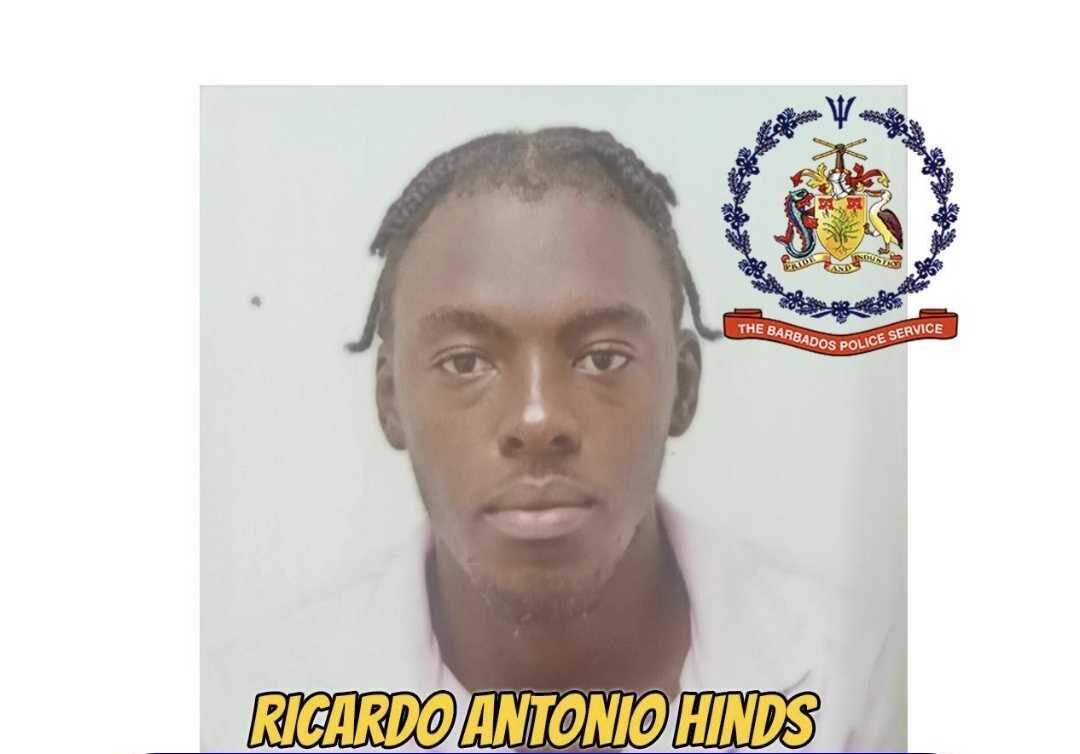
Authorities in St Michael have successfully concluded a search operation for a missing individual from the Deacons area. Ricardo Antonio Hinds, a 25-year-old resident of Block 3B, Madison Terrace, who was reported missing on Monday, December 29, has been located and confirmed to be in good health. The local police department officially closed the case after verifying his safety and well-being. In a public statement, law enforcement officials extended their gratitude to both citizens and media outlets for their vital assistance and collaborative spirit throughout the investigation. The coordinated effort between the community and authorities demonstrates the effectiveness of public partnership in resolving such urgent matters, ultimately ensuring a positive outcome for all involved parties.
标签: Barbados
巴巴多斯
-
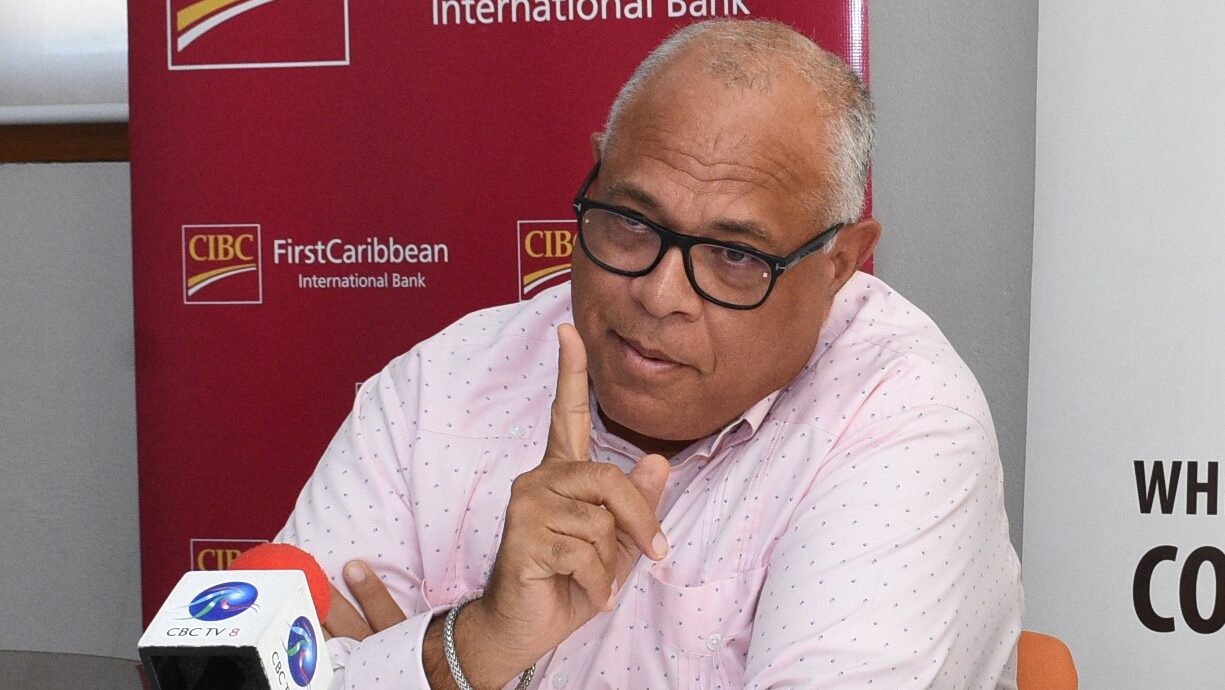
CIBC Caribbean delivers US$159.7 million profit
CIBC Caribbean Bank Limited has demonstrated financial resilience by remaining profitable throughout 2025, despite absorbing a substantial loss from a non-core investment. The institution reported net earnings of US$159.7 million for the fiscal year concluding October 31, representing a decline from the previous year’s US$277.5 million.
CEO Mark St Hill attributed the diminished figures to elevated credit costs, recently implemented tax regulations, and an exceptional investment loss. The bank’s headline performance was significantly affected by atypical financial elements, including a US$56.2 million fair value depreciation on a non-core investment, partially mitigated by a US$2.4 million net gain from previously announced divestitures.
When excluding these extraordinary items, the bank’s adjusted net income reached US$213.5 million, compared to US$285.2 million in 2024. This underlying performance was primarily pressured by increased provisions for credit losses and heightened income taxes resulting from the Bahamas’ adoption of the Global Minimum Tax Framework.
Despite these financial headwinds, CIBC Caribbean successfully expanded its lending operations across the region. The bank’s client-centric strategy, supported by a robust capital foundation, facilitated the development of its largest performing loan portfolio in history. This achievement enabled the institution to maintain solid core operational performance while managing specific credit and operational challenges.
The broader Caribbean economic landscape witnessed moderated expansion in 2025, with tourism growth decelerating across several markets. Inflationary pressures generally receded alongside declining commodity prices, while fiscal conditions improved in certain territories.
Looking forward, the region faces persistent risks including evolving global trade policies, geopolitical tensions, and weather-related disruptions. Nevertheless, the regional outlook remains broadly stable entering 2026.
Financially, strong loan portfolio growth effectively counterbalanced the negative impact of lower US interest rates on net interest income. Operating expenses increased by 6% (US$26 million) due to elevated personnel costs and continued investments in technological infrastructure and strategic initiatives.
The bank reinforced its provision for credit losses, primarily driven by impaired securities and enhanced risk modeling methodologies. CIBC Caribbean maintained strong capital adequacy, with tier one and total capital ratios standing at 18.3% and 20.8% respectively at fiscal year-end. Reflecting this financial strength, the board authorized a quarterly dividend of US$0.0125 per share, payable January 15, 2026.
-
“Let Minimum Wage Board do its job” – BEC
A significant dispute has emerged in Barbados between business leaders and the government regarding the implementation of future minimum wage increases. The Barbados Employers’ Confederation (BEC) has formally requested that the government permit the Minimum Wage Board to complete its legally mandated review before announcing any further adjustments to wage policies.
The controversy stems from the recent Budget announcement which outlined predetermined minimum wage increases for both 2025 and 2026. According to the proposed changes set to take effect January 21, 2026, the national minimum wage would increase from $10.50 to $10.71 per hour, while security guards’ sectoral minimum wage would rise from $11.43 to $11.66 per hour—representing a two percent increase across both categories.
The BEC, while expressing support for fair compensation practices, has raised substantial concerns about the government’s approach. The employers’ group emphasized that announcing increases prior to the Board’s comprehensive review represents a departure from established tripartite engagement protocols that typically involve thorough economic analysis and stakeholder consultation.
In their official statement, the Confederation warned that minimum wage adjustments create significant ripple effects throughout the economy, potentially raising operational costs and threatening business sustainability. The organization specifically cautioned that such preemptive increases could inadvertently jeopardize job creation and, in severe cases, potentially lead to workforce reductions.
The employers’ body further argued that frequent, unreviewed annual increases introduce market instability and unpredictability, ultimately placing undue pressure on the very businesses and workers that minimum wage policies are designed to support.
In response to these concerns, Minister of Labour Colin Jordan has defended the government’s position, stating that the increases are intended to alleviate pressure on low-income workers without destabilizing businesses. The Minister indicated that Cabinet had signaled its intention to introduce annual indexation months earlier as part of the 2025 Budget framework.
Minister Jordan also noted that work is currently underway through the Minimum Wage Board to assess the impact of the June 2025 increase and to develop a Barbados-specific indexation model, with Cabinet expected to ultimately consider the Board’s recommendations.
Despite these assurances, the BEC maintains that all future wage adjustments must follow the legally established process, allowing the Board to complete its analytical work before final decisions are made. The Confederation has urgently called for the government to respect the institutional process to ensure that minimum wage decisions are fair, sustainable, and truly serve the best interests of workers, employers, and the national economy.
-
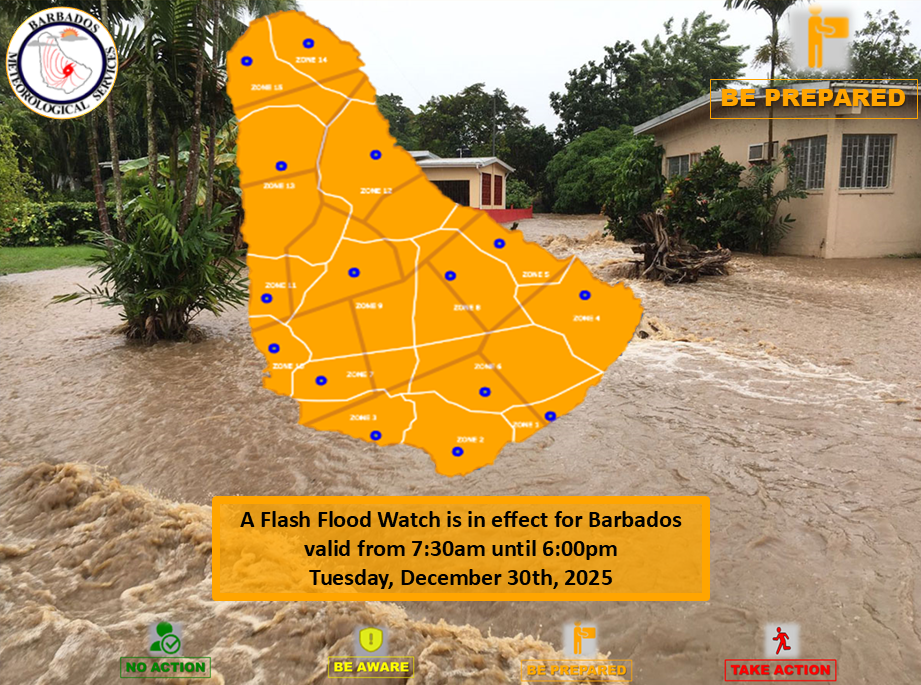
Flash-flood watch back in effect for Barbados
The Barbados Meteorological Services (BMS) has activated a flash-flood watch across the island nation effective Tuesday, December 30th, responding to predictions of concentrated moderate to heavy precipitation throughout the day. Meteorological experts indicate these weather patterns pose a tangible risk of triggering isolated flooding incidents, with low-lying and traditionally vulnerable regions facing the highest threat levels.
Current atmospheric models project a persistent cloud cover leading to overcast conditions, potentially delivering additional rainfall accumulations of one to two inches. This follows overnight precipitation that already deposited similar quantities in specific parishes, including St. Andrew and St. Peter. The official advisory, initiated at 7:30 a.m., is scheduled to remain active until 6:00 p.m. unless meteorological developments prompt an earlier cancellation.
Authorities have classified the flooding probability as medium-risk, outlining several potential consequences: accelerated soil erosion, accumulation of water on roadway networks and agricultural land, and elevated levels in ponds and reservoirs. These conditions may subsequently result in transportation disruptions, including traffic delays and potential isolated road diversions, particularly within urban corridors.
While conditions are anticipated to improve by nightfall, emergency management officials strongly urge residents to maintain heightened awareness. The Department of Emergency Management (DEM) advises citizens to continuously monitor updates disseminated through official channels including the BMS, DEM, and the Barbados Government Information Service. A subsequent escalation to a flash-flood warning remains possible with minimal notice should atmospheric conditions deteriorate.
-
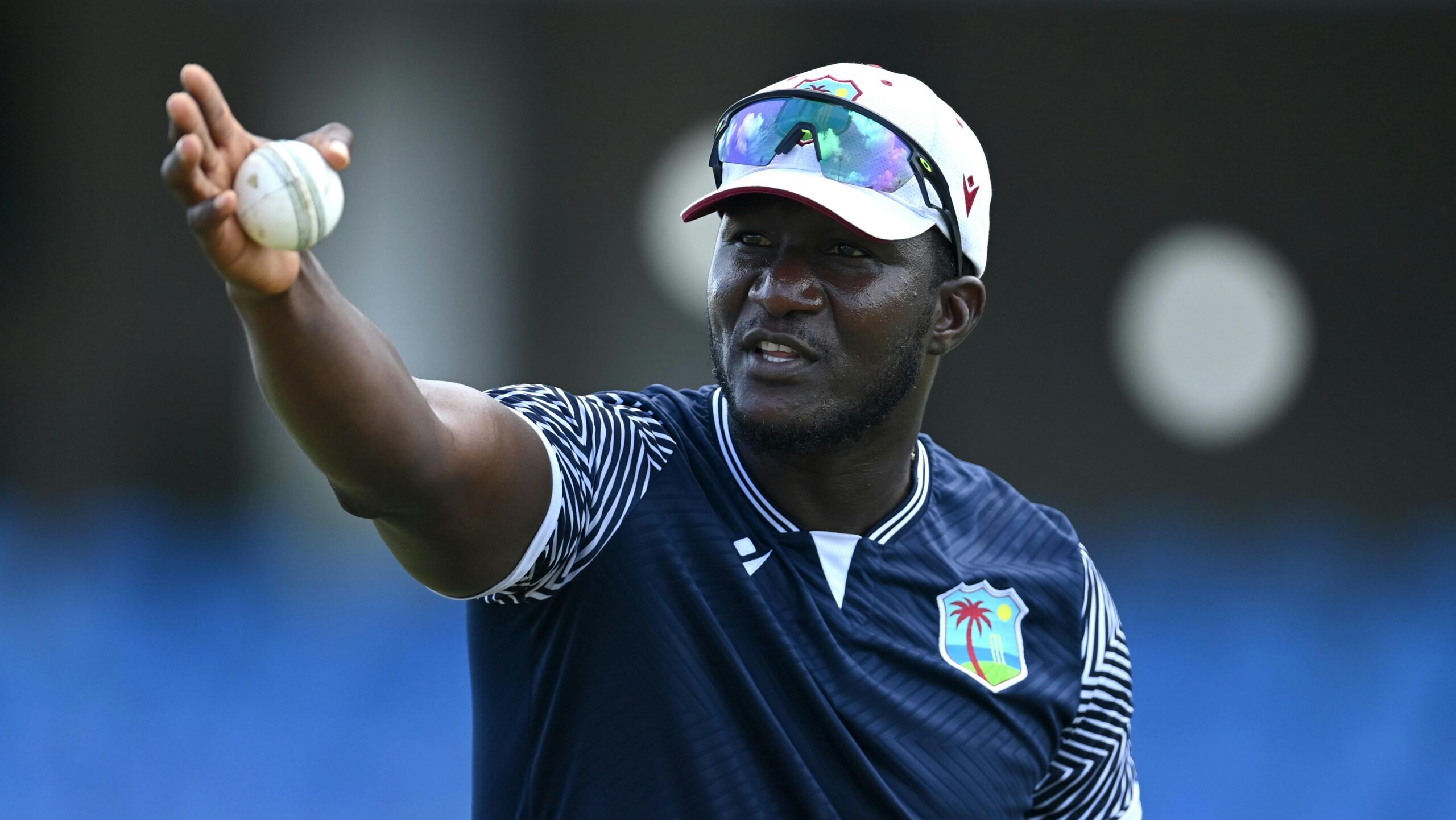
T20 World Cup maybe a defining moment for Sammy, says noted commentator
Cricket analyst Ian Bishop has indicated that West Indies head coach Daren Sammy’s continued tenure may depend significantly on the team’s performance in the imminent T20 World Cup. The assessment comes amid mixed results for the Caribbean side under Sammy’s leadership since his appointment as all-format coach in April.
Sammy, who previously captained the West Indies to two T20 World Championship victories, has experienced a challenging initiation into his coaching role. His notable achievements include a historic 2-1 One Day International series triumph against Pakistan in August and a comprehensive 3-0 T20I series whitewash of Bangladesh in October.
However, these successes have been counterbalanced by disappointing outcomes across formats. The team suffered Test and T20I defeats to Australia, a Test series loss to India, and an ODI series setback against Bangladesh. Most recently, New Zealand dominated the Caribbean side across all three formats during their concluded tour.
Bishop, speaking during a weekend interview on iSports i95.5 FM, acknowledged the particularly difficult nature of Sammy’s initial assignments. “The results so far are not going to be a pleasing reflection for Daren Sammy,” Bishop stated. “He started off with three very difficult series against Australia in the Caribbean, against India in India, and then against New Zealand in New Zealand—where we haven’t won since 1995.”
The commentator emphasized that while Test performances have been disappointing, the true evaluation of Sammy’s coaching capabilities will come during the T20 World Cup scheduled for next year. Bishop highlighted the team’s batting potential while noting concerns about bowling resources, suggesting that the tournament outcome would serve as the primary metric for assessing Sammy’s effectiveness as coach.
-
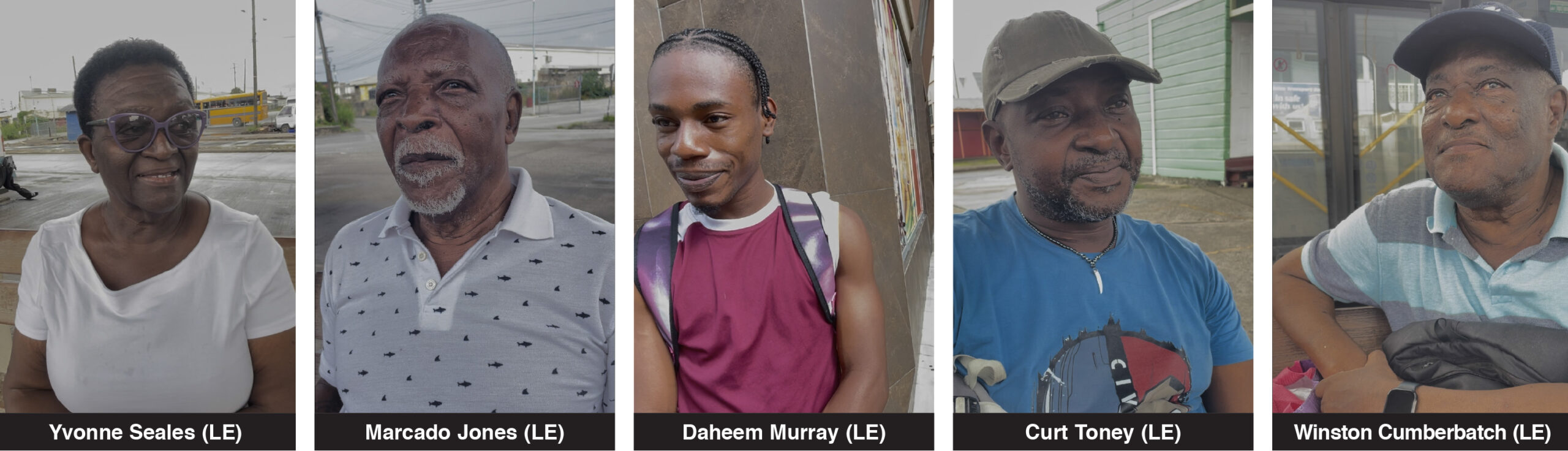
Residents reflect on 2025, look ahead to 2026
As 2025 concludes, residents of Bridgetown, Barbados have been contemplating their most meaningful accomplishments and aspirations for the coming year. Rather than focusing on material achievements, their responses revealed profound appreciation for life itself, demonstrating remarkable resilience and forward-looking optimism.
Yvonne Seales, 71, celebrated reaching another milestone age as her proudest achievement. With another birthday approaching, she expressed hope for many more years ahead and pride in her grandchildren’s accomplishments, particularly one who is joining the police force next week.
Daheem Murray marked a significant life transition, having relocated to Barbados from overseas. He identified embracing this new chapter as his most proud moment. For 2026, Murray has set clear entrepreneurial goals, aiming to become his own boss rather than working for others.
The year brought sobering reflections for Winston Cumberbatch, who experienced a season of loss that deepened his appreciation for life’s fragility. After witnessing the sudden passing of acquaintances, he now embraces a philosophy of daily thankfulness, living one day at a time without projecting too far into the future.
Marcado Jones expressed gratitude simply for surviving 2025 after battling illness throughout 2024 and 2025. He attributes his perseverance to divine intervention and maintains complete satisfaction with whatever path the Almighty dictates for his future.
Curt Toney offered concise but determined aspirations for 2026, hoping simply to ‘complete the same thing’—implying continued perseverance and commitment to his current path.
Collectively, these narratives from Bridgetown residents weave a tapestry of human resilience, demonstrating how Barbadians are approaching the new year with gratitude for survival through challenges and hopeful determination for continued strength in 2026.
-

Youth granted $8 000 bail in wounding case
A Barbados magistrate has granted bail to a 20-year-old man from Halls Road, St Michael, who stands accused of a violent assault against a woman in late December. Shiquon Shaheim Gale appeared before Magistrate Alison Burke facing allegations of intentionally harming Shania Clarke with the purported intent to maim, disfigure, or inflict serious bodily harm.
During the bail hearing, Prosecutor Police Constable Cindy Greaves presented multiple grounds for objection, citing the severity of the alleged violence, the reported use of a flick knife, threats made by the accused, and the concerning prevalence of such offenses within society. The prosecution confirmed that the victim received medical treatment at Queen Elizabeth Hospital and was subsequently discharged.
Defense attorney Romain Marshall successfully countered these objections by emphasizing his client’s previously clean criminal record, stable employment status, young age, and established support network. Marshall argued that while the court acknowledges the pattern of similar offenses, bail determinations must prioritize individual circumstances.
Magistrate Alison Burke ultimately granted Gale release on $8,000 bail while adjourning the case until April 17, 2026. The court imposed specific conditions requiring the accused to maintain complete distance from the alleged victim throughout the judicial process. The defendant did not enter a formal plea during these preliminary proceedings.
-

Caribbean CBI schemes risk EU visa backlash
A leading Caribbean economist has declared the demise of the region’s lucrative ‘golden passport’ programs, following intensified pressure from European nations and international regulatory bodies. Professor Don Marshall, Director of the Sir Arthur Lewis Institute of Social and Economic Studies at the University of the West Indies, warned that Caribbean nations must fundamentally rethink their economic strategies beyond citizenship-by-investment (CBI) schemes.
The warning comes in response to the European Union’s escalating scrutiny of CBI programs, culminating in a landmark December 19th report that builds upon April’s European Court of Justice ruling against Malta’s program. The EU’s Eighth Report under the Visa Suspension Mechanism establishes that Caribbean nations must implement rigorous security safeguards or completely restructure their economic approaches to maintain visa-free access to European countries.
Professor Marshall criticized what he described as a fundamental imbalance in global financial regulation, noting that while Caribbean nations face pressure to abandon CBI programs, EU countries themselves facilitate anonymous financial flows through their banking centers without facing similar international scrutiny. This disparity, he argued, stems from Western dominance within organizations like the OECD and Financial Action Task Force that set global financial standards.
The academic traced the region’s economic trajectory since embracing neoliberal policies, noting how governments progressively lowered investment thresholds from $500,000 thirty years ago to approximately $200,000 today in a ‘race to the bottom’ competition for foreign investment. This approach, Marshall contended, has failed to stimulate meaningful economic diversification beyond real estate development and fossil fuel exploration.
Referencing Barbados’ recently passed Economic Diversification and Growth Fund Bill, which allocates $225 million over three years to attract foreign investors, Marshall expressed skepticism about such initiatives. He argued that they reflect continued adherence to outdated assumptions about capital naturally flowing to productive sectors, when in reality most investment remains concentrated in property development and extractive industries.
The professor concluded that meaningful economic transformation requires breaking from traditional capitalist structures and developing entirely new economic classes beyond the conservative enterprise culture that currently dominates business chambers and private sector lobbies across the region.
-

Labourer bailed after denying death threat
A Bridgetown magistrate has granted bail to a local laborer who entered a not guilty plea against allegations of issuing a death threat during the Christmas Eve festivities. Javon Omar Denny, 40, of Husbands Development, was released on a $3,000 bail bond following his arraignment at the District ‘A’ Traffic Court.
Magistrate Alison Burke presided over the case, reading the formal charge which accused Denny of directing threatening language toward Adrian John Snagg. The prosecution alleges that Denny stated “I would kill you boy” with deliberate intention to make Snagg believe he faced imminent physical violence.
The court imposed stringent bail conditions requiring Denny to provide a surety for his $3,000 bond and issued a formal stay-away order prohibiting any contact with the alleged victim. The prosecution raised no objections to the bail conditions during the hearing.
This case represents another incident in Barbados’s ongoing judicial efforts to address public disturbances and threats of violence within communities. The court’s decision to grant bail while implementing protective measures reflects the judiciary’s balanced approach between defendant rights and victim safety.
The matter has been adjourned until April 17, 2026, when both parties will reconvene for further proceedings. The extended timeline between hearings demonstrates the current scheduling pressures facing Barbados’s judicial system.
-
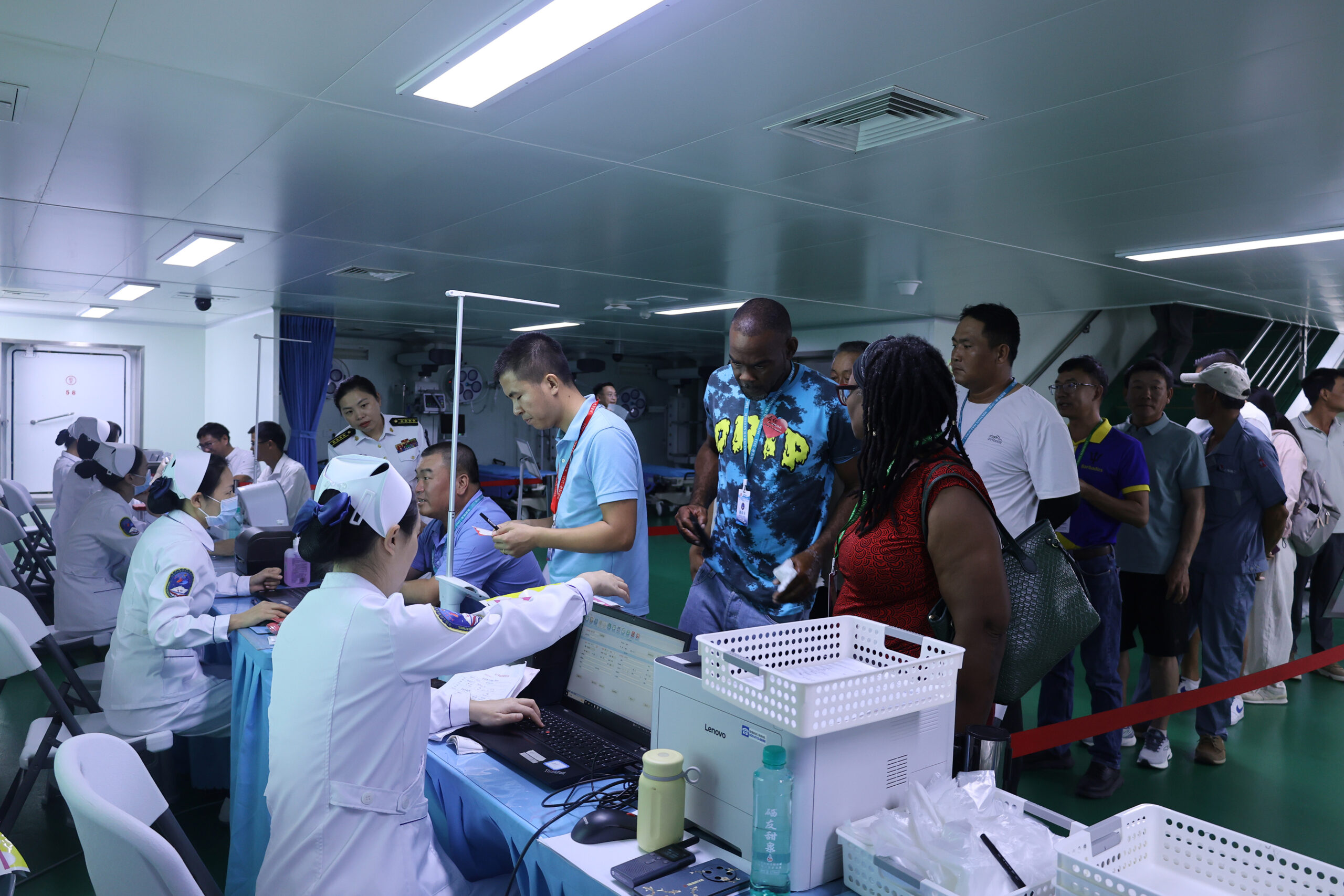
Chinese hospital ship visit deemed success despite crowd chaos
The Chinese Navy’s hospital vessel Ark Silk Road concluded its seven-day medical mission in Barbados with officials celebrating its achievements while acknowledging significant public discontent over operational challenges. According to naval authorities, the floating medical facility delivered substantial healthcare services during its Caribbean stopover, performing 202 surgical procedures, conducting 2,127 diagnostic examinations, and providing outpatient consultations to 2,455 patients.