标签: Barbados

巴巴多斯

  • Govt to retrofit schools for students with disabilities

    Govt to retrofit schools for students with disabilities

    In a groundbreaking move for educational accessibility, Barbados has announced that Combermere School will become the nation’s first public secondary institution to install an elevator. The initiative forms a crucial part of a comprehensive government program aimed at retrofitting public buildings to ensure full accessibility for persons with disabilities.

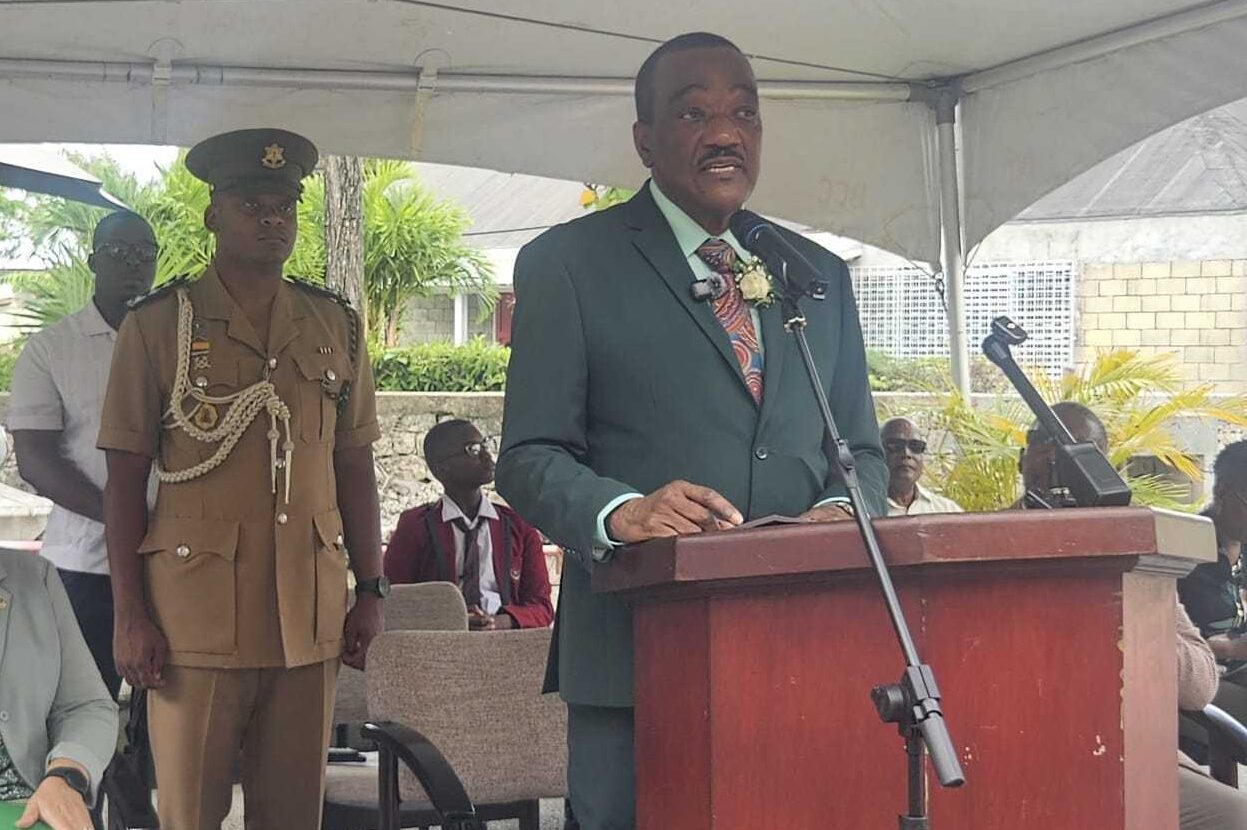
    Finance Ministry official Ryan Straughn made the significant announcement during his address at the school’s speech day ceremony, committing to a systematic three-year implementation timeline. “Once institutions identify necessary adaptations and provide specifications, the Ministry of Finance will ensure funding availability,” Straughn declared, emphasizing the government’s dedication to inclusive public spaces.

    The announcement followed earlier remarks by Board Chairman Captain Reverend Al Walcott, who outlined the school’s own accessibility research initiatives. “We’re determined to ensure that physically challenged students can access the entire campus from first form through upper grades,” Reverend Walcott stated, highlighting ongoing efforts to create barrier-free educational environments.

    Straughn, himself a Combermere alumnus, reflected on the historical context of disability accommodation at the institution, recalling how students like Craig Nurse and Kerry-Ann Ifill navigated the campus with peer assistance in the absence of proper infrastructure. “While peer support was remarkable, the physical infrastructure itself now requires modernization,” he observed.

    The minister additionally highlighted the critical emergency preparedness aspect of the initiative, noting that as an official hurricane shelter, the school must accommodate persons with disabilities during crisis situations. He established a concrete timeline for implementation, requesting cost estimates by January 15 with guaranteed completion before March 31, 2026.

    This landmark project represents the initial phase of a broader national retrofitting program that will eventually encompass all government facilities, signaling a new era of accessibility and inclusion in Barbadian public infrastructure.

  • St George Secondary toasts student success, calls for improved transport

    St George Secondary toasts student success, calls for improved transport

    St George Secondary School is revolutionizing educational approaches through a comprehensive strategy emphasizing student wellbeing, practical skills development, and community integration. Principal Dennis Browne unveiled these transformative initiatives during the institution’s annual speech day and prize-giving ceremony, signaling a paradigm shift in educational methodology.

    The school has implemented an innovative alternative uniform system specifically for skills-training days, designed to foster student pride and recognition. This sartorial approach allows learners to visibly identify with technical and vocational programs while promoting the school’s commitment to hands-on education within the Barbadian community.

    Addressing behavioral development, the administration has rebranded its positive behavior management program with a values-driven framework. This is complemented by strengthened partnerships with key agencies including the Edna Nicholls Centre, Juvenile Liaison Scheme, and National Task Force on Crime Prevention, creating a supportive ecosystem for student development.

    A standout initiative involves scheduled mental health days each term, where students engage in unconventional activities including equine grooming, canine interaction, and various non-academic exercises. These experiences are carefully designed to promote emotional wellbeing, joy, and behavioral maturation beyond traditional classroom boundaries.

    Principal Browne highlighted transportation challenges as a significant barrier to extracurricular participation, advocating for improved transport solutions to support student engagement.

    Minister of Educational Transformation Chad Blackman commended the school’s leadership and comprehensive vision, recognizing St George Secondary as “a beacon of excellence in Barbados.” He particularly praised the practical-learning initiatives and encouraged students to embrace their role as “architects of the transformation of this country.”

    The ceremony, themed “The Rising of the Lion: Celebrating Strength, Spirit and Success,” honored outstanding scholars including Asia Edwards, recipient of the Chairman’s Prize, and Jahsmyne Taitt, who received multiple accolades including Most Outstanding Student and Principal’s Prize.

  • Training grant signals shift in valuing skilled trades

    Training grant signals shift in valuing skilled trades

    In a landmark policy shift, Barbados is fundamentally restructuring its educational priorities to place technical and vocational training on equal footing with traditional academic pathways. The government’s newly launched Tertiary Construction Grant represents a strategic investment in positioning skilled tradespeople at the core of the nation’s economic transformation agenda.

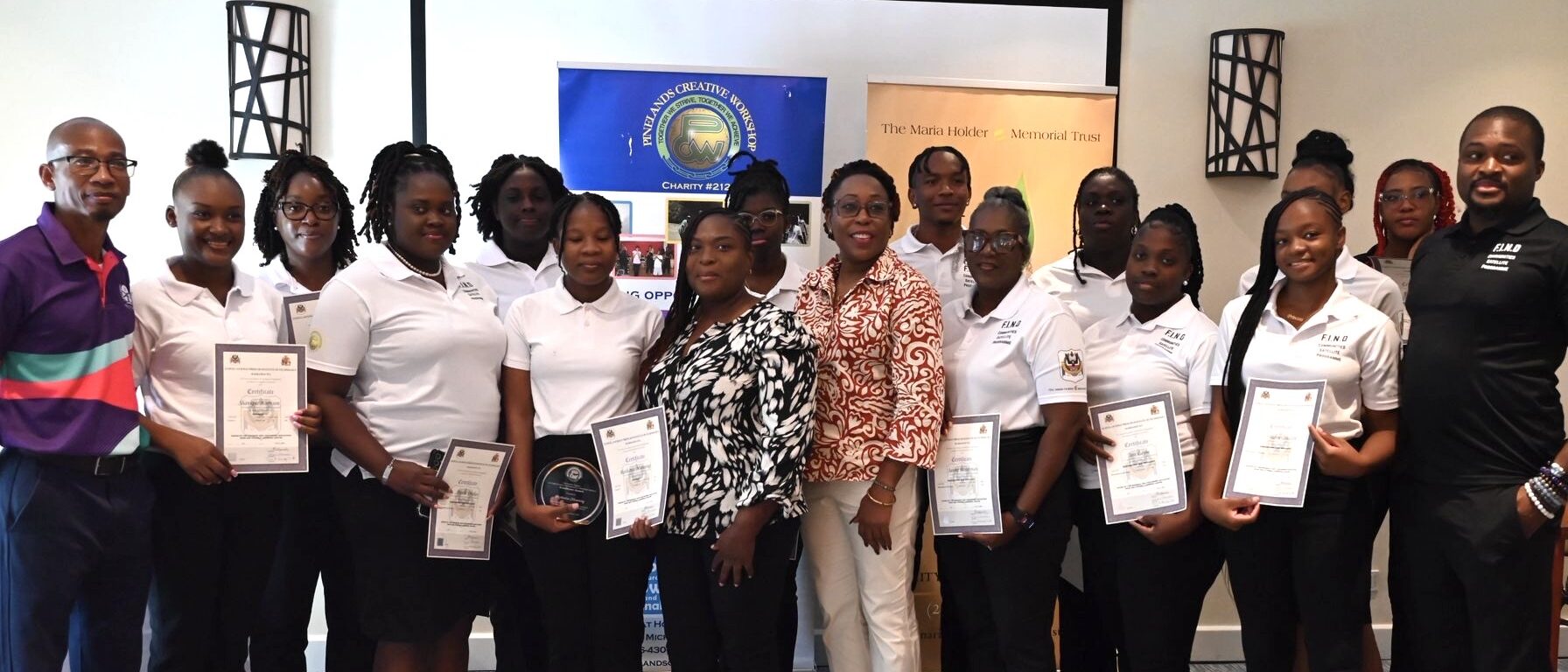
    The inaugural awards ceremony, held at the Ministry of Educational Transformation, celebrated the first cohort of recipients who will receive full funding for training in critical construction trades including carpentry, masonry, electrical installation, plumbing, tiling, and welding. These programs will be administered through the Samuel Jackman Prescod Institute of Technology (SJPI) and the Barbados Vocational Training Board.

    Minister of Training and Tertiary Education Sandra Husbands characterized the initiative as a ‘watershed moment’ for Barbadian education, acknowledging past systemic failures. ‘We have neglected too many children for too long,’ Husbands stated, revealing that approximately 40% of students graduate with proficiency in two or fewer subjects. ‘This indicates not that our children cannot learn, but that we have not created an educational system that helps everyone to learn.’

    The minister emphasized the urgent need for a national mindset shift, challenging the longstanding perception of vocational training as a secondary option. ‘People are born with different skill sets, all of which are necessary for life,’ she asserted. ‘Trades are critical to our built environment, critical to economic growth, and critical for national development.’

    This educational transformation directly addresses Barbados’ current construction boom, with nine hotels scheduled for development requiring approximately 7,000-9,000 construction workers and nearly 10,000 hospitality staff. ‘We must capitalize on this opportunity to secure the quality of life Barbados wants to offer its citizens,’ Husbands emphasized.

    The ministry also announced plans for a modern welding plant at SJPI to meet international demand, noting that skilled welders in neighboring Guyana can earn approximately $3,000 daily—demonstrating the substantial economic potential of technical mastery.

    Grant recipients expressed enthusiasm for both the opportunity and validation the program provides. Tiffany Kinch, one of the female participants, shared her journey from informal construction experience to pursuing formal qualifications: ‘I want the actual certification rather than just learning on the job.’ Fellow recipient Faden Blackman, studying carpentry and joinery, highlighted the creative satisfaction and community contribution possible through skilled trades.

    Minister Husbands concluded with a call to action for private sector involvement, urging established tradespeople to provide mentorship and workplaces to offer training opportunities, ensuring the next generation fully develops their capabilities.

  • School proposes ‘technical sixth’, adult education pilot

    School proposes ‘technical sixth’, adult education pilot

    In an innovative educational move, St George Secondary School has announced groundbreaking plans to launch Barbados’ first technical and vocational sixth form programme outside traditional polytechnic institutions. Principal Dennis Browne unveiled the ambitious initiative during the school’s annual speech day and prize-giving ceremony, presenting a comprehensive blueprint for educational transformation.

    The pioneering programme represents a significant departure from conventional academically-focused sixth forms, offering a two-year curriculum structured around technical skill development. Students will progress through Level 1 training in their first year followed by Level 2 advancement in their second year, while simultaneously completing compulsory courses in computation, communication, digital literacy, and entrepreneurship.

    A distinctive feature of the initiative involves establishing on-campus business incubators for graduates. The school plans to convert three prefabricated buildings into twelve individual workstations, providing each graduate with their own operational shop space to launch their trade with continued institutional support.

    Principal Browne emphasized the programme’s collaborative nature, revealing partnerships with the Youth Entrepreneurship Scheme for expert guidance and internship opportunities. The initiative specifically targets students excluded from technical education due to capacity constraints at established institutions like the Samuel Jackman Prescod Institute of Technology, which turns away 3,500 applicants annually despite its 2,500-student capacity.

    During his address, Browne directly appealed to the attending Minister of Educational Transformation for governmental support, expressing confidence in the programme’s potential to reduce youth unemployment by creating alternative educational pathways that combine skill acquisition with immediate entrepreneurial opportunities.

  • Chinese hospital ship to provide free medical care in Barbados for Christmas

    Chinese hospital ship to provide free medical care in Barbados for Christmas

    The People’s Republic of China will deploy its advanced naval hospital vessel, the Silk Road Ark, to Barbados during the Christmas season to deliver comprehensive medical care at no cost to local residents. This initiative marks the ship’s inaugural international humanitarian mission, scheduled from December 20-27, 2024.

    According to Barbados’ Ministry of Health and Wellness, the floating medical facility will offer services from December 21-26, operating daily between 8:00-11:00 AM and 2:00-5:00 PM. The vessel represents one of the most sophisticated mobile medical platforms globally, featuring five specialized medical zones, eight fully-equipped operating theaters, and emergency helicopter capabilities.

    Medical services encompass over sixty treatment modalities across fourteen clinical disciplines. Specialized care will include cardiovascular and respiratory medicine, gastroenterology, general surgery, orthopedics, ophthalmology, obstetrics and gynecology, pediatrics, dermatology, otolaryngology, and traditional Chinese medicine therapies. Surgical interventions will range from appendectomies and hernia repairs to fracture stabilization, cataract procedures, and various endoscopic operations.

    Stringent health protocols will be enforced to minimize infection risks, with restrictions applied to individuals presenting fever exceeding 37.5°C, active tuberculosis, comatose states, or critical infectious conditions. All Chinese medical personnel aboard will hold valid registrations with Barbadian professional councils, and patients may access services without mandatory referral documentation.

    Health officials characterize this deployment as a significant humanitarian gesture during the holiday period, providing Barbadians unprecedented access to advanced medical care regardless of their healthcare status.

  • Barbados to issue first embroidered stamp on December 8

    Barbados to issue first embroidered stamp on December 8

    In an unprecedented move for philatelic history, the Barbados Postal Service (BPS) is set to launch its inaugural embroidered postage stamp this coming Monday, December 8. This groundbreaking issue prominently features an intricately stitched dove, recognized worldwide as an emblem of peace and unity.

    The creation of this unique stamp represents a significant international partnership, bringing together the expertise of multiple global entities. The collaborative effort includes the Universal Postal Union (UPU), the United Nations, and the renowned Austrian embroidery specialist Hämmerle & Vogel. This multinational cooperation underscores the universal message of harmony that the stamp seeks to promote.

    Technical specifications reveal the stamp will be available in a single denomination of $2.20 Barbados dollars. For collectors and enthusiasts, a specially designed First-Day Cover will be offered at $2.95. These philatelic items will be available through the Philatelic Bureau located at the General Post Office on Cheapside in Bridgetown.

    The Bureau will maintain its regular operating hours from 8:00 a.m. to 4:15 p.m., Monday through Friday, to accommodate purchases and advance orders. This release marks not only a first for Barbadian postal history but also represents a innovative approach to stamp design that merges traditional embroidery craftsmanship with modern postal services.

  • Dujon slams proposed education cost letters as “insult to parents”

    Dujon slams proposed education cost letters as “insult to parents”

    A contentious debate has erupted over the government’s educational transparency measures as Opposition education spokesperson Felicia Dujon launched a vehement critique against the administration’s plan to distribute detailed cost letters to parents. The initiative, announced by Minister of Educational Transformation Chad Blackman as part of the National Student Development Tracker program, aims to illustrate the state’s financial investment in each child’s public education.

    Dujon characterized the correspondence as profoundly offensive to parents, asserting that the gesture represents empty symbolism rather than meaningful transparency. In an official press statement, she dismissed the government’s explanation, maintaining that parents inherently understand education’s value without requiring itemized billing statements.

    The opposition spokesperson emphasized that the fundamental issue resides in accountability mechanisms rather than cost disclosure. She highlighted concerns regarding the millions allocated annually to public education despite insufficient public reporting, limited parliamentary debate, and ambiguous expenditure explanations.

    Dujon articulated specific demands including infrastructure improvements, safer learning environments, qualified educators, contemporary educational tools, and functional student support systems. She framed education as an inherent right rather than a market commodity, accusing the government of prioritizing superficial measures over substantive reform.

    The criticism extended to the broader educational transformation discourse, with Dujon demanding comprehensive financial accounting spanning multiple departments and years of implementation. She urged the administration to redirect resources from what she deemed insulting correspondence toward genuine educational quality enhancement.

    The National Student Development Tracker, according to government officials, will employ technological solutions to monitor academic progression throughout the public school network, though specific implementation details remain undisclosed.

  • Health officials warn against improper use of some water products

    Health officials warn against improper use of some water products

    The Ministry of Health and Wellness has escalated public health concerns by issuing a formal advisory against numerous commercially available water products falsely marketed as deionized or distilled. Recent comprehensive evaluations conducted by the Ministry have uncovered that several products bearing these labels critically fail to meet established health and safety benchmarks.

    Official assessments indicate these non-compliant products pose potential health risks for both domestic consumption and clinical applications. Consequently, the Ministry is urgently advising consumers to strictly adhere to the usage purposes explicitly stated on product labeling, emphatically warning against their utilization for drinking, cooking, or personal hygiene.

    In a significant directive to healthcare providers, the Ministry specifically alerted medical facilities and clinical institutions that these substandard products are deemed unsuitable for sterilization, wound care, or any medical procedures due to unverifiable quality assurance. The safety profile of these products for healthcare environments cannot be guaranteed, potentially compromising patient safety and clinical outcomes.

    The Ministry has activated additional channels for public assistance, directing concerned citizens and medical professionals to contact the Environmental Health Department directly at 536-3854 or 536-3855 for further clarification and guidance regarding product safety verification.

  • Buying from smallholder farmers strengthens food security in Latin America and the C’bean

    Buying from smallholder farmers strengthens food security in Latin America and the C’bean

    A groundbreaking United Nations study reveals that redirecting public food procurement to local family farmers represents a transformative strategy for enhancing food security, diversifying diets, and stimulating inclusive economic growth across Latin America and the Caribbean. The comprehensive report, jointly presented by the World Food Programme (WFP), the Food and Agriculture Organization (FAO), and the Economic Commission for Latin America and the Caribbean (ECLAC), demonstrates how structured government demand can create sustainable markets for small-scale agricultural producers who constitute 81% of the region’s farming operations.

    Despite accounting for the overwhelming majority of agricultural holdings, smallholder farmers face persistent structural challenges including limited market access, low productivity rates, and heightened vulnerability to extreme weather events. The UN agencies propose that strategic public spending directed toward this sector can simultaneously address multiple development objectives while providing cost-effective solutions to nutritional challenges.

    The region has made notable progress with 1.5 million people escaping hunger in 2024, yet significant challenges persist with approximately 181.9 million individuals unable to afford a healthy diet and rural poverty remaining endemic. UN officials emphasize that local procurement policies offer a dual benefit by leveraging existing public budgets while fostering broader economic and social development.

    FAO’s Assistant Director-General for Latin America and the Caribbean, Rene Orellana Halkyer, highlighted that “promoting local public food procurement from smallholder farmers has become a key policy direction. This strategy redefines how public spending can drive development and improve nutrition while directly addressing structural barriers faced by small producers.”

    WFP Regional Director Lola Castro characterized public procurement as “more than a supply mechanism—it’s a powerful policy tool for inclusion and resilience.” She noted that “short chain and zero kilometer foods multiply economic opportunities for communities, safeguard culinary heritage, and contribute to public health since produce reaches consumers at peak ripeness with enhanced nutritional value.”

    The report documents substantial benefits in implementation areas, with participating producers increasing incomes by up to 106% and female participation in public food markets surging from 23% to 61%. Countries like Honduras and Guatemala generated 478 jobs for every million dollars invested through these programs.

    ECLAC’s director of Productive and Business Development Division, Marco Llinás, emphasized that “connecting producers to markets is not enough; policies must strengthen productive, technological, and organizational capacities to ensure sustainable integration into value chains while reducing consumer prices and enhancing food security.”

    The study concludes that maximizing impact requires synergistic approaches combining public procurement with advancements in science, technology, innovation, and human capital development. The publication provides policymakers, development agencies, and civil society organizations with evidence-based frameworks for integrating local food procurement into national food security and rural development strategies.

  • ICBL donates $50 000 to support five charities

    ICBL donates $50 000 to support five charities

    In a significant demonstration of corporate social responsibility, Insurance Corporation of Barbados Limited (ICBL) distributed $50,000 in charitable contributions to five nonprofit organizations during a ceremony at its Roebuck Street headquarters on Wednesday. The strategic philanthropic initiative targeted organizations addressing Barbados’ most pressing health and social welfare challenges.

    ICBL CEO Goulbourne Alleyne presented $10,000 checks to representatives from The Salvation Army, Variety – The Children’s Charity, the Heart and Stroke Foundation, the Barbados Cancer Society, and the Diabetes and Hypertension Association. Alleyne emphasized that despite encouraging economic indicators showing 2.7-3% GDP growth, many Barbadian families continue facing substantial hardships that require community support.

    The selected organizations were recognized for their decades of consistent service and measurable impact on vulnerable populations. Alleyne noted that their work frequently represents “the critical difference between hardship and hope, between despair and survival” for countless citizens.

    Richard Alleyne of the Diabetes and Hypertension Association, celebrating its 50th anniversary, accepted the first donation while highlighting the disproportionate burden non-communicable diseases place on Queen Elizabeth Hospital’s resources. He expressed appreciation for corporate partners “willing to give back to the society that made them successful.”

    Sharifa Yard, administrator of the Barbados Cancer Society, detailed how ICBL’s sustained support enables critical outreach programs promoting early detection of prostate, cervical, and other cancers while supporting affected families and children across the island.

    Greta Yearwood of the Heart and Stroke Foundation underscored the urgent national health crisis, revealing that cardiovascular disease alone accounts for nearly 30% of deaths in Barbados. The partnership with ICBL funds essential screenings, health education, and life-saving interventions that directly address this epidemic.

    Jacqui McDermott of Variety – The Children’s Charity, marking thirty years of service, emphasized the donation’s immediate impact during the holiday season, noting that many assisted children face difficulties “through no fault of their own.”

    Major Robert Pyle of The Salvation Army, reflecting on the organization’s 127-year presence in Barbados, shared impressive operational statistics: 1,076 food hampers distributed, 12,640 people provided with essential goods, and 36,444 meals served through feeding programs between January and September alone. He credited these achievements to dedicated donors like ICBL.

    The contributions form part of ICBL’s comprehensive year-round philanthropic program supporting civic groups, sports development, education, and disaster relief initiatives. With Christmas approaching, CEO Alleyne reaffirmed that community upliftment remains central to ICBL’s corporate identity, stating: “We believe that when those around us strive, our nation thrives. And when they struggle, it’s our duty to stand with them.”