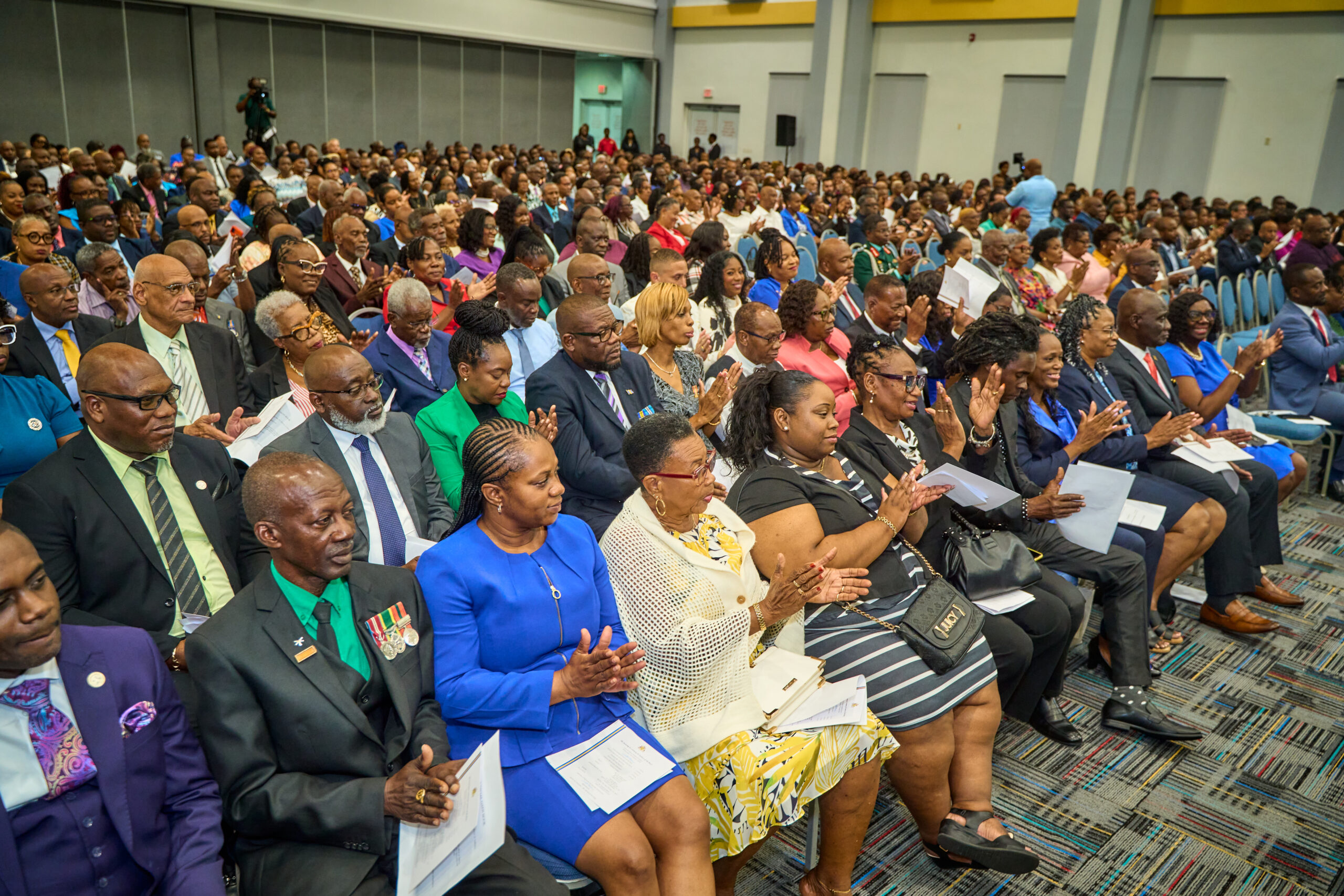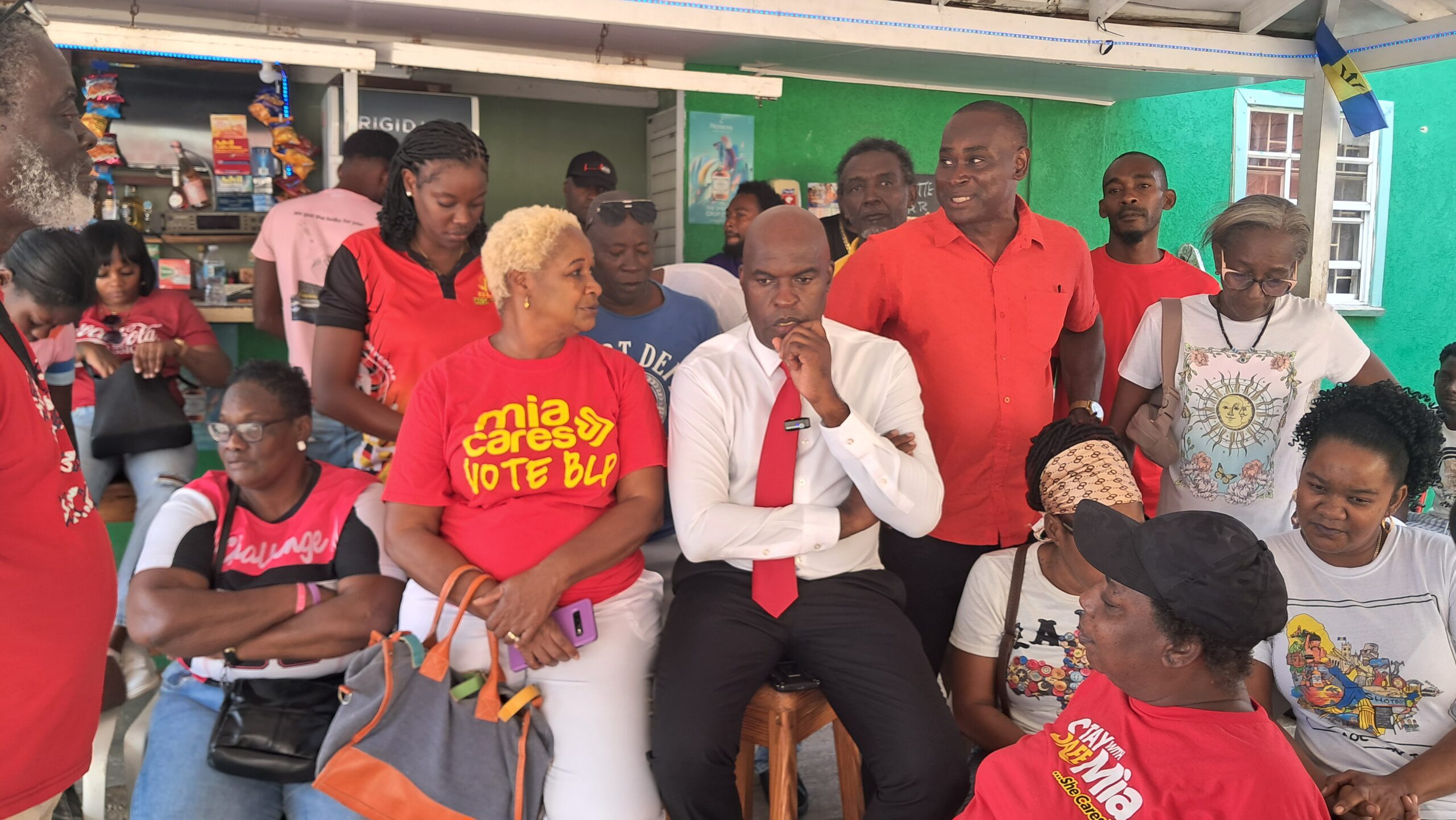
The Barbados Workers’ Union (BWU) has issued a stern warning to employers, vowing to escalate unresolved health and safety violations to the Labour Department. This comes amid growing concerns over the hazardous working conditions faced by many Barbadian employees across various sectors.
标签: Barbados
巴巴多斯
-

‘Secret’ union sign-ups prompt BWU concern over busting tactics
The Barbados Workers’ Union (BWU) has observed a significant increase in employees seeking to join the union anonymously, citing fears of victimization if their union affiliation is revealed. This trend was disclosed by BWU General Secretary Toni Moore during a speech at the Frank Walcott Labour College, following a tour of 12 companies as part of the union’s 84th anniversary celebrations. Moore highlighted that some employers are resorting to intimidation tactics to undermine union representation, with a recent case at a hardware store exemplifying such behavior. In this instance, management allegedly pressured workers to abandon the union, promising benefits in return. Moore condemned these actions as union-busting, noting that the employer further attempted to divide workers by offering wage increases only to those believed to be non-unionized. Despite these challenges, the BWU has seen a notable rise in membership through discreet payment methods, such as First Pay and direct bank transfers, allowing workers to keep their union affiliation private. Moore emphasized that even shop stewards are often unaware of the true extent of union membership within their workplaces, as many workers choose to join anonymously. The union has identified wages, lack of upward mobility, unpredictable schedules, and health and safety concerns as key issues affecting workers. To address these challenges, the BWU continues to prioritize education, offering classes to help workers understand their rights and navigate workplace difficulties.
-

PM Mottley pays tribute to late businessman Thomas Grant
The passing of Thomas ‘Tom’ Grant, a celebrated Barbadian entrepreneur, has left a profound sense of loss, yet his remarkable journey from modest beginnings to building a multifaceted business empire continues to inspire. Born into humble circumstances, Tom’s relentless drive, determination, and hard work enabled him to establish a diverse portfolio of businesses, including automotive spare parts, hair care and beauty supplies, transportation, construction, pharmacies, and hospitality. His ventures not only spurred economic growth but also created numerous employment opportunities for Barbadians.
-

Bar Association requirements still stand in Barbados
The Barbados Bar Association has issued a reminder to regional attorneys emphasizing that while it supports the newly implemented free movement arrangement among four CARICOM states, legal professionals seeking to practice in Barbados must still meet local Bar admission requirements. In a statement released this week, the association reaffirmed its commitment to regional freedom of movement but underscored that all attorneys, regardless of nationality, must comply with existing legislative mandates to establish a practice in Barbados. This clarification follows the October 1 launch of the free movement agreement between Barbados, Dominica, St. Vincent and the Grenadines, and Belize, which allows nationals of these countries to live, work, and study across jurisdictions without permits. The Bar Association also referenced Prime Minister Mia Mottley’s September 30 address, in which she clarified that freedom of movement does not supersede laws governing professional practice in Barbados. The association stressed that standard admission requirements for the Bar remain unchanged and apply not only to attorneys but to all regulated professions, including doctors, architects, engineers, accountants, and land surveyors. Under the Profession Trade and Business Registration Act, professionals must register and pay annual license fees to the Registrar of the Supreme Court to operate legally in Barbados.
-

Protecting our children from the dangers of gang hand signals
Recent court appearances of young men accused of multiple robberies have sparked concern, not just for the crimes they are charged with, but for the alarming display of gang-related hand signals both before and after proceedings. These gestures, far from being innocuous, serve as coded messages tied to gang identity, territorial claims, and power dynamics. Their public exhibition, particularly in high-profile settings like courtrooms or on social media, carries grave implications. Rival gangs may interpret these signals as provocations, potentially inciting retaliation, intimidation of informants, or further violence. Even more troubling is the observation of schoolchildren mimicking these gestures on the streets, oblivious to the life-threatening risks of being misidentified as gang affiliates. This underscores the urgent need for intervention. The Royal Barbados Police Force, led by the commissioner of police, must take immediate action to prevent such displays. Measures such as handcuffing individuals behind their backs or restricting their movements during public appearances could mitigate the spread of these dangerous signals. Prison officers must also ensure that detainees cannot communicate these gestures during transportation, court appearances, or processing. The media plays a pivotal role as well. While public awareness is essential, news outlets must exercise restraint in broadcasting images that inadvertently amplify gang messaging. Parents, too, bear responsibility in educating their children about the severe consequences of imitating these gestures, which may appear harmless on platforms like Facebook, Instagram, or TikTok but can signify gang affiliation. The unchecked proliferation of these signals risks normalizing gang culture and luring young people into destructive lifestyles. Urgent, coordinated efforts from law enforcement, prison authorities, the media, and parents are essential to curb this dangerous trend and safeguard communities.
-

Caribbean’s ‘first all-purpose’ dictionary aims to close classroom linguistic gaps
In a groundbreaking initiative, two Caribbean lexicographers are spearheading the creation of the region’s first general-purpose English dictionary, aiming to bridge linguistic gaps in education and validate Caribbean dialects. This project, led by Dr. Joseph T. Farquharson of the University of the West Indies (UWI) Mona and Dr. Jason F. Siegel of UWI Cave Hill, marks a significant step forward in linguistic representation, three decades after Richard Allsopp’s specialized *Dictionary of Caribbean English Usage*.
The endeavor is hailed as a landmark effort to ensure Caribbean schoolchildren are not disadvantaged by the lack of accessible linguistic resources. Dr. Siegel, who also heads the Richard and Jeannette Allsopp Centre for Caribbean Lexicography, emphasized the symbolic and practical importance of the project. He noted that while the Oxford English Dictionary (OED) recently added 12 Caribbean words, these terms have long been documented in regional lexicons.
Dr. Siegel highlighted the broader implications of the initiative, stating, ‘Having your own dictionary validates your dialect in the public eye. It counters the racist discourse that suggests there’s something wrong with the way Caribbean people speak.’ The project builds on the legacy of Richard Allsopp, whose 1995 *Dictionary of Caribbean English Usage* remains a cornerstone of Caribbean linguistics, and his wife Jeannette Allsopp, who expanded the field with her multilingual dictionary in 2003.
The new dictionary aims to be a comprehensive, all-purpose reference, capturing both regional vocabulary like ‘cou cou’ and ‘walk with’ and the standard English used alongside it. Unlike specialized glossaries, it will serve as a single trusted source for both local and international communication. Dr. Siegel underscored its educational value, stating that Caribbean children should not have to rely on disparate or unreliable sources to understand their own language.
While the project is still in its early stages, with funding and planning yet to be finalized, it is a top priority for the Allsopp Centre. This initiative not only celebrates Caribbean linguistic heritage but also seeks to empower future generations by providing them with the tools to navigate their linguistic identity confidently.
-

Open borders: Not a pressing priority for Barbadian consumers right now
The Government of Barbados has announced plans to expand freedom of movement within the Caribbean Community (CARICOM) by opening its borders to at least three additional states, including two from the Organisation of Eastern Caribbean States (OECS) and Belize. While this move is framed as a step toward regional integration, it has sparked significant criticism among Barbadians who feel it is ill-timed given the country’s pressing domestic challenges. Barbados is grappling with a soaring cost of living, stagnant wages, and overstretched public services. Many citizens argue that prioritizing border expansion before addressing these issues raises concerns about whose interests are truly being served. The potential influx of migrants, whether immediate or gradual, could exacerbate existing economic and social pressures. Critics liken the move to pouring water into a leaking bucket, emphasizing that it may worsen rather than alleviate the country’s problems. Unemployment and underemployment, particularly among the youth, remain high, and opening the labor market to more competition could further depress wages. Additionally, long healthcare wait times, scarce affordable housing, and inadequate schools and transportation systems are already straining the population. The Barbados Consumer Empowerment Network (BCEN) has expressed support for regional integration but insists it must be fair, reciprocal, and sustainable. They urge the government to focus on stabilizing the economy, reducing living costs, and improving public services before pursuing symbolic gestures of integration. BCEN emphasizes that leadership should be measured by how well it cares for its people, not by how quickly it opens its borders.
-

Minister reaffirms Caribbean tourism as a pillar of peace and identity
Ian Gooding-Edghill, Minister of Tourism, has reiterated the critical importance of preserving the Caribbean’s globally celebrated tourism brand. Speaking at the opening of the State of the Tourism Industry Conference (SOTIC) 2025 on October 1, his remarks come against a backdrop of escalating tensions in the southern Caribbean involving Guyana and Trinidad and Tobago. These nations have become entangled in a broader geopolitical conflict between the United States and Venezuela. The U.S. has intensified its campaign against drug trafficking networks allegedly linked to Venezuela’s government, particularly the Cartel de los Soles, which Washington claims is supported by high-ranking Venezuelan officials loyal to President Nicolás Maduro. With Maduro resisting U.S. pressure and American warships patrolling Caribbean waters, the region’s longstanding reputation as a peaceful haven is under threat. Gooding-Edghill echoed Prime Minister Mia Mottley’s recent address at the UN General Assembly, emphasizing the Caribbean’s identity as a zone of peace—a cornerstone of its tourism appeal. He stressed that maintaining this peaceful image is vital for nations like Barbados, where tourism is a primary economic driver. The minister highlighted the need to market the Caribbean as a sanctuary of safety and stability, offering visitors not just a vacation but an escape from global instability. Additionally, he advocated for leveraging cultural figures as soft power to amplify the Caribbean brand globally. He argued that the region’s sports heroes, musicians, and artists should serve as ambassadors, sharing authentic narratives that resonate internationally. Gooding-Edghill also underscored tourism’s deeper role in shaping Caribbean identity, describing it as the lifeblood of the region’s culture, creativity, and connection to the world. Reimagining tourism, he concluded, is synonymous with reimagining the Caribbean’s future.
-

Beyond right answers: Raising well-rounded children together
Barbados is currently undergoing a significant transformation in its education system, a shift that is both exhilarating and unsettling for parents and families. Change, especially when it concerns children, often evokes a sense of uncertainty. While some aspects of this transformation are welcomed, others are met with skepticism. However, the key lies in how we respond and guide our children to make the most of these changes. One of the most notable changes is the adoption of project-based learning, which moves away from traditional rote memorization and encourages students to delve into real-world problems, explore creative solutions, and demonstrate their understanding in meaningful ways. This approach not only prepares students for exams but also for life. Additionally, play-based learning has been introduced in early education, fostering curiosity and imagination. The challenge now is to maintain this spirit throughout the entire education system. As children progress, the focus often shifts to achieving the ‘right answer,’ which can stifle curiosity and creativity. The future will present complex problems without clear-cut solutions, making it essential to teach content while avoiding the trap of valuing only correct answers. Parents play a crucial role in this transformation. While it is natural to desire academic success for their children, it is important to recognize that true achievement is driven by curiosity, persistence, and the courage to try. The rise of AI and technology presents both opportunities and challenges. While these tools can enhance access to information and creativity, they also risk diminishing children’s ability to think independently and process deeply. Teachers are grappling with how to make assessments more authentic, ensuring they measure actual understanding rather than computer-generated responses. The home environment is vital in sustaining curiosity. Research indicates that many children lose their natural curiosity around age seven due to systems that reward only correct answers. Parents can counteract this by encouraging questions, engaging in thoughtful dialogue, and supporting home projects that allow children to lead and solve problems. By fostering curiosity, resilience, and empathy, Barbados aims to develop not just better students but better individuals. This transformation may be daunting, but the ultimate goal is to create self-sufficient, fully functional, and thinking human beings. Dr. Zhané Bridgeman-Maxwell, a science educator and researcher, is at the forefront of this movement, advocating for policy shifts and pedagogical innovation to redefine education in Barbados.
-

Bayville community in shock after shooting
A tranquil morning in Bayville turned into a scene of chaos and fear when a local taxi driver, identified by neighbors as Andrew, was shot during an attempted robbery on Thursday. The incident, which occurred in front of his young child, has left the community in shock and questioning their long-held sense of security. Andrew was washing his taxi van when an assailant approached and shot him, marking the first violent crime of this nature in the area in over five decades. A nearby resident, who has lived in Bayville for more than 50 years, expressed disbelief, stating, “We have never had anything like that in this area, never. I am 53 and I have never heard of anything like this here.” She described Andrew as a kind and helpful man, always willing to assist others, often with the help of his children. Another neighbor echoed these sentiments, calling Andrew a “very nice fella” and expressing deep sadness over the incident. The shooting has also raised concerns about the behavior of some young people in the community, with one local worker noting, “They have a lot of young people in the area, and the majority of them, some of them are disrespectful to other people.” The victim is currently in stable condition at the Queen Elizabeth Hospital, and authorities are investigating the incident. This event has not only shattered the peace of Bayville but also highlighted the growing need for community vigilance and youth engagement to prevent such tragedies in the future.