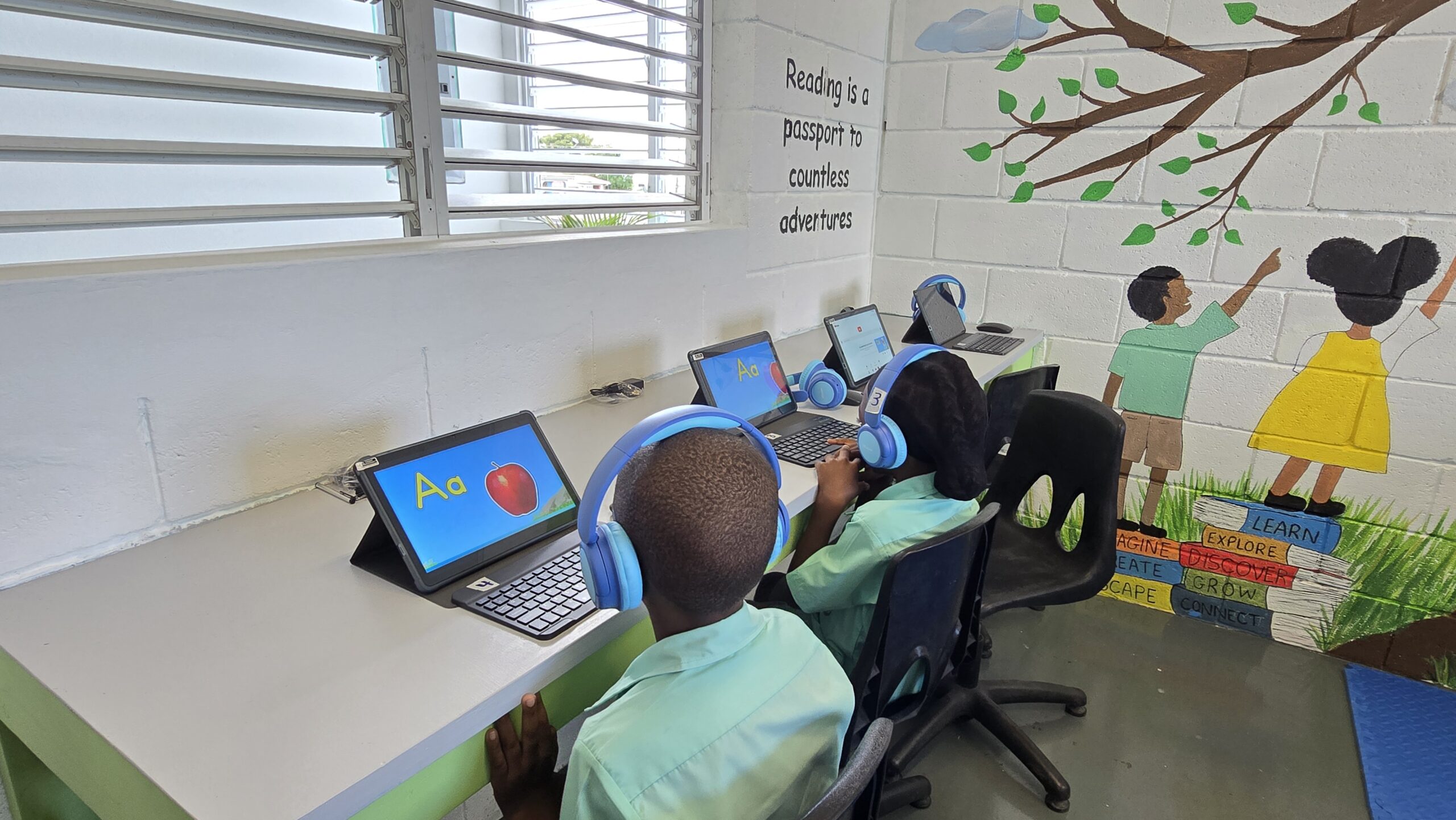
Milton Lynch Primary School in Christ Church has inaugurated a pioneering Literacy Centre, established through a partnership with the Literacy Project charity. This specialized facility is designed to enhance early reading capabilities, elevate student self-assurance, and offer a targeted environment for tackling literacy obstacles among Barbadian youth. Officially opened last Friday, the center integrates supplementary educational materials and digital tools to cultivate advanced problem-solving and critical thinking competencies. Tara Redhead, Head of the Literacy Project charity, emphasized that the center provides a secure, concentrated setting free from typical classroom disruptions. She articulated the dual-purpose vision: serving as both a tranquil hub where students can access diverse learning resources and a functional teaching space. The initiative emerged from recognizing the necessity for practical learning environments within resource-constrained schools. Redhead noted that while government resources cannot fund complete school refurbishments, creating model spaces demonstrates the future direction of educational reform. Her insights were shaped by years of conducting individualized literacy sessions at public libraries, where she observed significant disparities in children’s reading and writing proficiencies. These experiences catalyzed the charity’s formation, particularly as research consistently reveals correlations between literacy deficiencies and adverse social outcomes including diminished self-esteem, social isolation, and behavioral issues. Ryan Straughn, Member of Parliament for Christ Church East and Minister in the Ministry of Finance, emphasized literacy’s fundamental role in Barbados’s developmental trajectory. Addressing students, he stated the project aims to build both skills and confidence for global impact. Straughn also praised the involvement of four University of the West Indies volunteers participating through the Give Back Programme—a initiative linked to Barbados’s free tertiary education policy. He highlighted how this program facilitates community connections and human capital development beyond government capabilities. Straughn encouraged students to embrace these opportunities, emphasizing that confidence and safe spaces enable path creation. The Literacy Centre stands as foundational preparation for students’ future beyond academic settings, with outcomes determined by how they leverage acquired skills and knowledge.
标签: Barbados
巴巴多斯
-

New wastewater plant in five-year plan to turn sewage into irrigation
Barbados is poised to revolutionize its agricultural sector through a landmark infrastructure initiative designed to convert sewage into a sustainable irrigation resource. The Climate Resilient South Coast Water Reclamation Project, a five-year development program, will provide treated wastewater to farmers at government-regulated prices, potentially reducing irrigation expenses significantly.
Government officials confirmed that pricing structures for reclaimed water would be determined at the ministerial level, separate from the Barbados Water Authority’s purview. Current rates have already decreased from $1.80 to $1.00 per unit in recent years, with further reductions anticipated once the new system becomes operational.
Technical specifications reveal an advanced multi-stage purification process beginning with mechanical screening to remove solid debris. The wastewater will then undergo biological treatment, particle filtration, and reverse osmosis purification—utilizing technology similar to the Spring Garden desalination facility—to achieve the Ministry of Agriculture’s strict standard of 450 milligrams per liter of total dissolved solids.
Dr. John Mwansa, Technical Adviser for the Barbados Water Authority, emphasized the climate-resilient design elements: “The new treatment plant is being constructed four meters higher than existing facilities as protection against storm surges and rising sea levels.”
The comprehensive system includes a 25-kilometer transmission pipeline extending along the ABC Highway toward St. George Valley, with ultraviolet and chlorine disinfection preventing biological growth within the distribution network. During rainy seasons when irrigation demand decreases, excess treated water will recharge aquifers through five injection wells, creating sustainable water reserves.
Additional project components involve drilling new boreholes at Gibbons Boggs and upgrading the Bridgetown Sewage Treatment Plant to supplement water supplies toward the Botanical Gardens region. The Barbados Agricultural Development and Marketing Corporation will manage distribution through existing irrigation networks, though farmers won’t receive reclaimed water until construction concludes in approximately five years.
-
Lashley’s return to politics stirs mixed feelings in City
The Barbados political landscape has been energized by veteran attorney Michael Lashley’s decision to seek nomination for the City of Bridgetown seat under the Barbados Labour Party banner, generating sharply contrasting reactions among constituents. This development comes as the constituency, spanning from Bayland to Kensington, has historically presented complex representation challenges due to its geographical expanse and diverse community needs.
Lashley brings considerable political pedigree to the race, having served as a Democratic Labour Party Member of Parliament for St Philip North for 15 years and as Minister of Housing before his defection to the BLP late last year. His opponent, financial adviser and tourism expert Dale Rowe, represents the DLP after joining the party in 2022 and receiving official nomination last January.
The constituency’s political history reveals a strong BLP stronghold for over three decades, with representation from prominent figures including Elliott Mottley, Dame Billie Miller, and most recently Corey Lane, who announced he would not seek re-election despite winning the seat in 2022.
Resident perspectives reveal deep divisions regarding Lashley’s candidacy. While some welcome his experience, others question his party transition. Greenfield resident Mark expressed disappointment, stating Lashley was the DLP’s “last hope” for electoral success. Conversely, Frederick believed Lashley “has something to give to Barbados” and supported experienced guidance for younger party members.
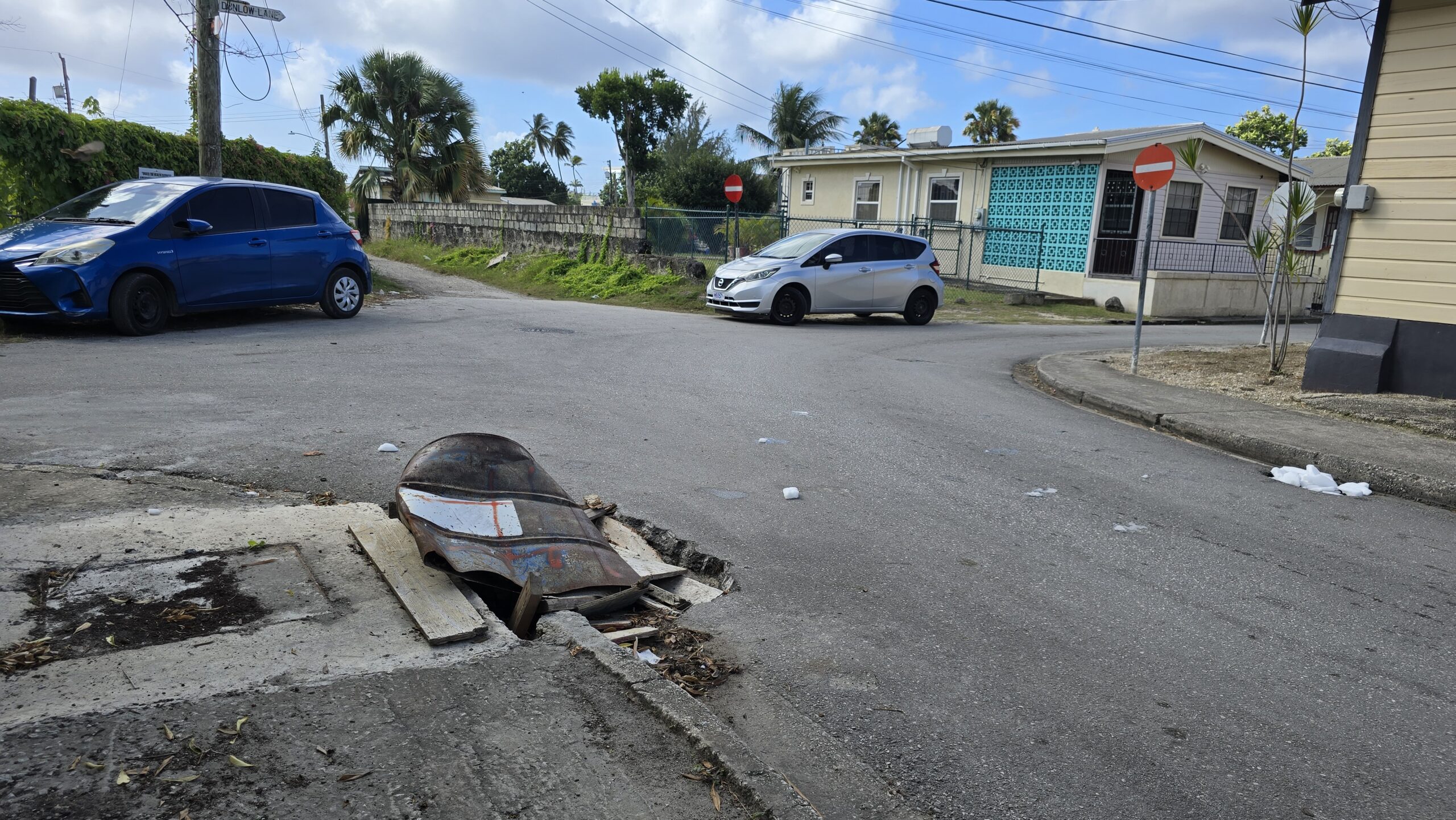
Throughout the constituency, residents voiced persistent concerns about inadequate representation, with many reporting feeling neglected between election cycles. Infrastructure issues, particularly an uncovered 30-foot well in Dunlow Lane that has remained hazardous since summer, highlight safety concerns that residents say have been ignored despite repeated complaints.
Employment opportunities emerge as a critical issue, with tradesman Larry Hanson emphasizing the need for entrepreneurial support rather than handouts: “We got entrepreneurs here, these fishermen. We just want a little start. Mostly work, because we ain’t for no handouts.”
Older residents expressed specific needs, with 65-year-old tailor Robert Jones advocating for reinstatement of non-contributory pensions for skilled workers unable to participate consistently in the National Insurance Scheme.
Despite constitutional requirements setting the next general election by 2027, increased political activity across Barbados has fueled speculation about an early election call, with both major parties intensifying community engagement efforts.
The overarching consensus among City constituents indicates a desire for visible, active representation that addresses long-standing issues including employment creation, housing solutions, and community maintenance—concerns that transcend party affiliations and demand practical solutions.
-
PM to meet senior docs as pressure mounts at QEH
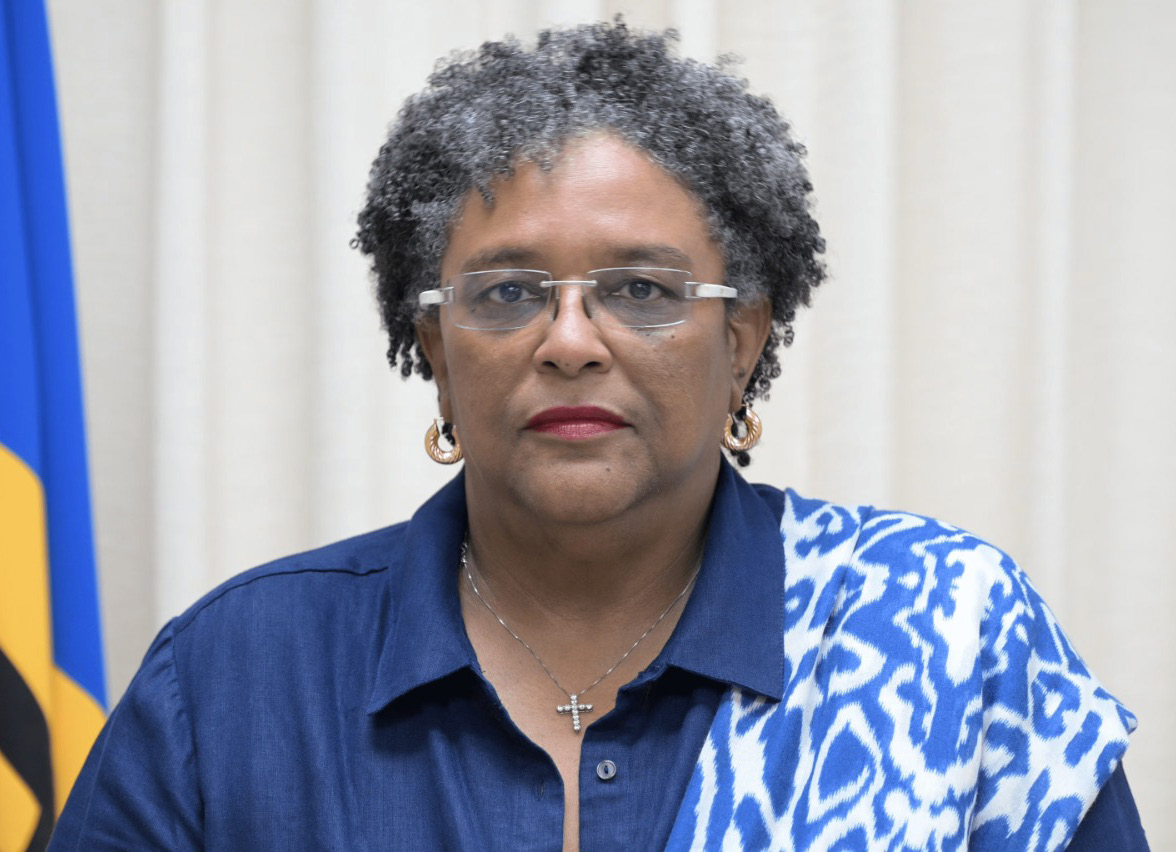
Barbados’ Prime Minister Mia Mottley has summoned an urgent assembly of all medical consultants from the Queen Elizabeth Hospital (QEH) following the complete saturation of the nation’s primary medical facility. The healthcare crisis stems from a convergence of record influenza infections, trauma incidents, and escalating chronic disease complications that have pushed the institution beyond its operational capacity.
A formal memorandum issued by Director of Medical Services Dr. Carlos Chase on Wednesday confirmed the emergency meeting scheduled for January 16th at the hospital’s auditorium. The directive explicitly mandated attendance from all consultant tiers—including full-time, University of the West Indies-affiliated, and sessional staff—requiring the rescheduling of surgeries, clinics, and private appointments to ensure participation.
The emergency convocation follows Monday’s revelation by QEH administration that daily patient volumes at the Accident and Emergency Department have consistently exceeded 100 individuals, necessitating unprecedented crisis management protocols. CEO Neil Clark characterized the situation as responding to “one of the most significant influenza outbreaks in recent history globally since COVID-19,” with year-over-year attendance spikes of 8.5% representing an additional 160 patients monthly.
December surveillance confirmed 42 influenza cases predominantly of Type A variety, alongside concurrent respiratory syncytial virus (RSV) infections and residual COVID-19 cases. The post-holiday period exacerbated conditions with increased hospitalization demands, prompting the implementation of escalated measures including enhanced staffing allocations, optimized bed management, and refined discharge coordination.
Hospital officials addressed circulating reports of patients occupying floor spaces, clarifying that lowered ambulance trolleys for safety purposes might create visual misconceptions. The institution maintains rigorous triage protocols prioritizing life-threatening conditions while conducting daily strategic briefings to address evolving challenges.
Dr. Anne-Marie Cruickshank, Head of the A&E Department, revealed sustained patient volumes have prevented clearance of backlogs, with daily counts reaching 100+ patients and waiting queues swelling to 40-60 individuals—far exceeding the ideal 15-patient threshold. Recent weekends witnessed 64 concurrent patients alongside ten gunshot trauma victims, creating what she described as “very intense” working conditions.
The crisis response has included recalling seven resident physicians across consecutive weekends, augmenting nursing staff, and deploying specialist physicians directly within emergency department confines to expedite clinical decision-making. This structural modification enables direct consultation between emergency and specialist staff, replacing previous telephone coordination methods.
Health authorities have issued public guidance urging citizens to reserve emergency services for critical conditions including chest pain, respiratory distress, major trauma, stroke symptoms, severe hemorrhage, or sudden collapse. For non-emergent conditions, officials recommend utilizing polyclinics, urgent care facilities, private practices, or pharmaceutical services while emphasizing proactive management of chronic health conditions.
-
Calypso queen walks free after judge rules no case to answer
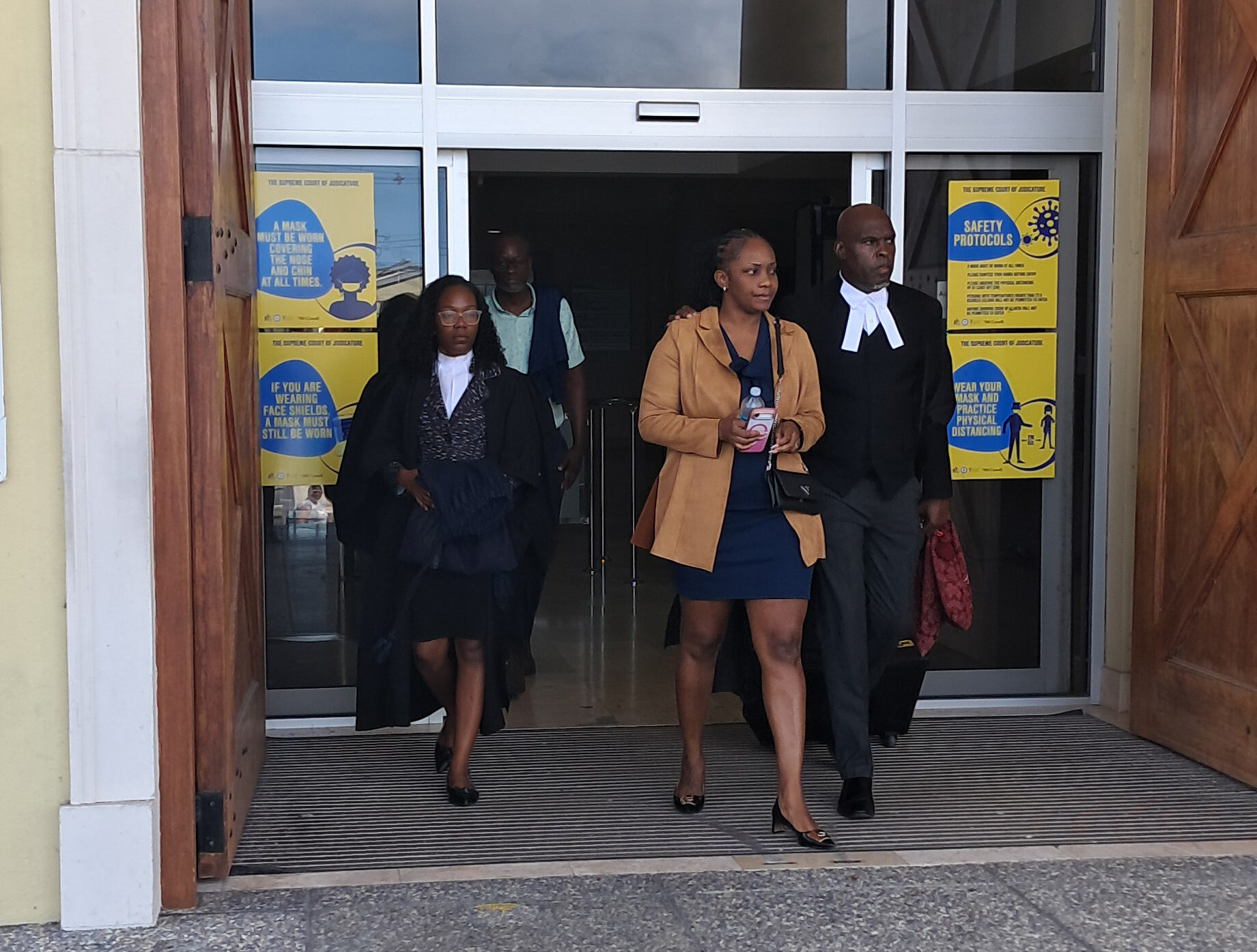
In a decisive courtroom ruling, former calypso monarch Aziza Kebret Tsgaye Clarke was exonerated on Thursday when the No. 5 Supreme Court determined she had no case to answer regarding charges of assisting an offender. Justice Pamela Beckles delivered the judgment, characterizing the evidence presented by police investigators as “manifestly unreliable and poor.
The prosecution, led by Deputy Director of Public Prosecutions Krystal Delaney and Senior State Counsel Kevin Forde, had accused Clarke of transporting Hakeem Stuart from Briar Hall to Graeme Hall, Christ Church on March 21, 2019, allegedly to impede his lawful apprehension for murder or another arrestable offense. The State contended Clarke had knowledge of Stuart’s actions.
Following the closure of the prosecution’s case earlier this week, Clarke’s defense team—comprising senior counsels Michael Lashley, Angella Mitchell-Gittens, and defense attorney Sade Harris—filed a no-case submission. They successfully argued that the prosecution failed to establish any evidence demonstrating their client’s awareness of Stuart’s alleged crimes.
Justice Beckles ruled emphatically in favor of the defense, stating: “Having reviewed all the evidence before the court and all the submissions, I conclude that the case against the accused is not very thin. It is less than thin!” She further explained that even considering circumstantial evidence at its strongest, and drawing all reasonable inferences favorable to the prosecution, no properly directed jury could conclude guilt beyond a reasonable doubt.
The judge highlighted the critical failure of the investigation, noting that the evidence from investigating officers was “so discredited upon cross-examination that they failed to make up the case for the prosecution.”
Emotional scenes unfolded in the courtroom as Clarke, a resident of Bonnetts, Brittons Hill, St Michael, broke down in tears upon hearing the verdict. Justice Beckles instructed the jury of six women and three men to return a formal not-guilty verdict.
Outside the Supreme Court Complex, Clarke expressed her gratitude to supporters, stating: “I don’t really have much to say. I just want to thank God, thank my lawyers, thank the judge and the jury and everybody who supported me on this journey. It wasn’t much people, but I am thankful for the few I had. God is the greatest.”
-

US immigrant visa halt leaves Barbadians in limbo, says DLP
The Democratic Labour Party (DLP) of Barbados has issued a forceful appeal to the government, demanding immediate intervention regarding the United States’ suspension of immigrant visa processing for Barbadian nationals. The party characterized the development as a severe disruption with profound consequences for citizens’ personal and professional lives.
Dr. Dawn-Marie Armstrong, the DLP candidate for St Michael North, articulated the party’s position in a formal statement, expressing “profound concern” over what she labeled a sudden and impactful shift in policy. The suspension is reportedly causing significant distress by separating families and indefinitely postponing critical educational and career advancement plans for numerous citizens.
Drawing attention to the precarious timing, the DLP highlighted that the suspension coincides with ongoing public debates concerning potential asylum-seeker arrangements, a context that has further amplified public anxiety. While carefully avoiding direct accusations, the opposition party insisted the situation warrants the “full and immediate attention of the Government of Barbados.”
The party’s demands center on governmental transparency and decisive action. Key questions posed to authorities include the specific diplomatic steps being undertaken to engage with US officials, the rationale behind Barbados being singled out for this suspension, and whether resolving this issue is being treated as an utmost national priority.
Emphasizing the socio-emotional impact, the DLP statement described family reunification and access to international opportunities as fundamental aspirations within Barbadian society. The party urged the government to maintain a clear and consistent channel of communication with the public throughout the diplomatic process, working diligently to restore this “vital pathway for Barbadian citizens.”
-
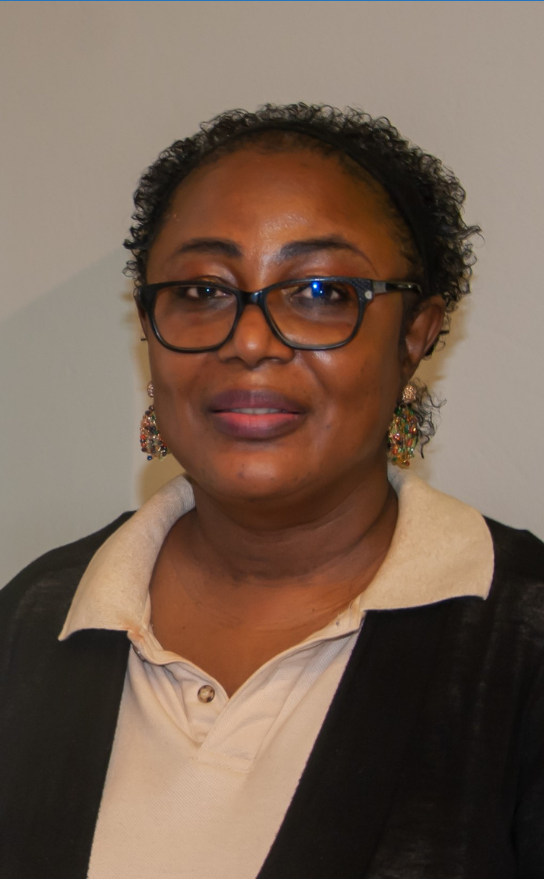
Consumers’ group accuses businesses, government over rising food prices
The Barbados Consumer Empowerment Network (BCEN) has issued a scathing critique of both corporate entities and government institutions for their inadequate response to escalating living costs, asserting that citizens bear the full brunt of economic shocks without meaningful protection. Executive Chairman Maureen Holder characterized the situation as a systemic failure where every external cost increase is automatically transferred to consumers without absorption or restraint.
Holder dismissed recurring justifications for price surges—including global inflation, insurance premiums, shipping disruptions, and geopolitical tensions—as deflection tactics. She particularly condemned the recent trend of blaming minimum wage increases for price hikes, labeling this narrative as ‘deeply unfair’ to low-income workers who have faced years of eroding purchasing power.
‘The fundamental issue isn’t imported inflation alone but a local policy failure and absence of market governance,’ Holder stated. ‘In our concentrated import market, consumers lack meaningful choice to discipline prices, while transparency tools like price-checking apps provide visibility without affordability.’
The consumer advocate detailed how costs move seamlessly through the supply chain—from freight and port charges to wholesale and retail margins—with no evidence of temporary margin compression or efficiency gains. This ‘pass-through economy’ structure leaves households spending substantial portions of income on groceries while reducing quality and nutritional standards.
BCEN proposed a comprehensive food price shock strategy featuring time-bound tax relief on essential items, voluntary margin restraint during crises, and robust enforcement against unjustified price increases. The organization emphasized that global tensions and wage improvements should not serve as excuses for inaction, calling for shared burden-bearing during economic stress.
‘What’s occurring represents policy failure, not inevitability,’ Holder concluded. ‘Barbadians require fairness, accountability, and leadership—not just explanations—as prices rise uniformly across the nation without corresponding relief measures.’
-
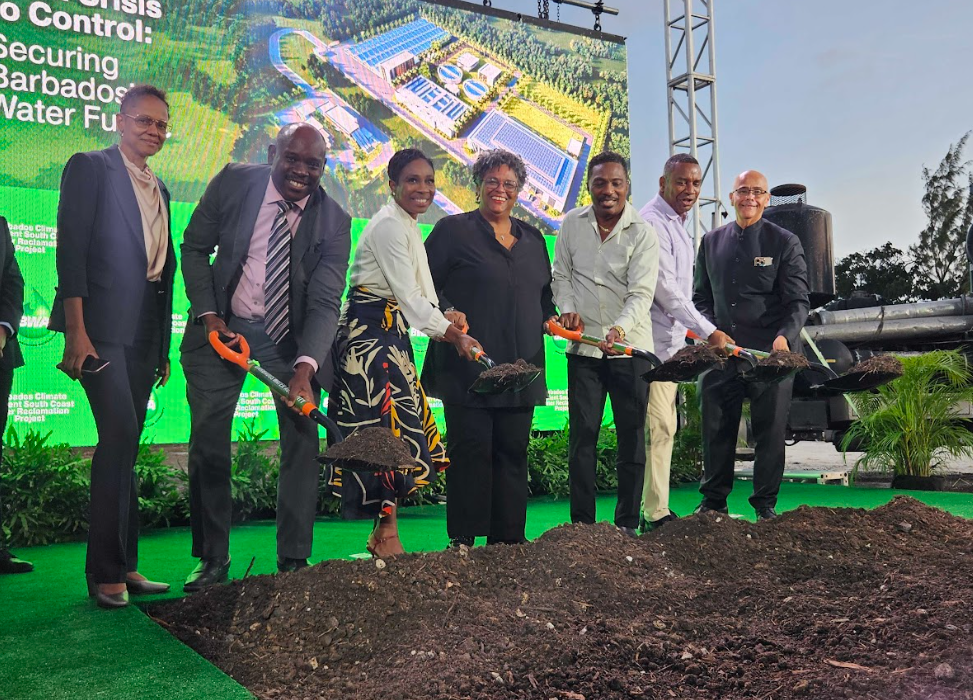
Historic upgrade ends years of hardship for Belle, Bellevue, Bayley Alley folk
In a landmark development for social equity, the Barbados government has initiated a transformative water infrastructure project that will bring piped water for the first time to three historically marginalized communities. Prime Minister Mia Mottley announced the breakthrough during the launch ceremony of the Climate Resilient South Coast Water Reclamation Project at Harmony Hall, Christ Church.
The communities of Belle and Bellevue in St Michael and Bayley Alley in St George have endured decades of infrastructural neglect that prevented residents from securing home financing or properly developing their properties due to the absence of reliable water access. Mottley emphasized that this project represents more than just utility installation—it signifies a fundamental shift in these citizens’ relationship with their nation and their ability to participate fully in Barbadian society.
The Prime Minister contextualized this initiative within broader national efforts to modernize what she described as a structurally inadequate water system, much of which dates back to the 19th century. The Barbados Water Authority has already completed over two kilometers of the required 3.7 kilometers of mains replacement needed to serve these communities.
The project’s next phase, scheduled to commence in March, will involve installing sewer infrastructure in Belle and Bellevue, with a customized technological solution planned for Bayley Alley due to its unique layout. Mottley projected that within twelve months, the water access hardships that have long defined daily life for these residents would become “a conversation for our history books.”
Senior Minister of Infrastructure and Planning Dr. William Duguid highlighted that the upgraded South Coast sewage treatment plant represents a turning point from the disruptive 2018 sewage crisis. The project resulted from extensive coordination involving more than 270 stakeholder meetings with international partners including the European Investment Bank, the Green Climate Fund, and the Inter-American Development Bank.
The enhanced facility will employ advanced tertiary treatment processes, including reverse osmosis technology, enabling wastewater reuse for agricultural purposes and aquifer recharge—a critical sustainability measure for the island nation.
-
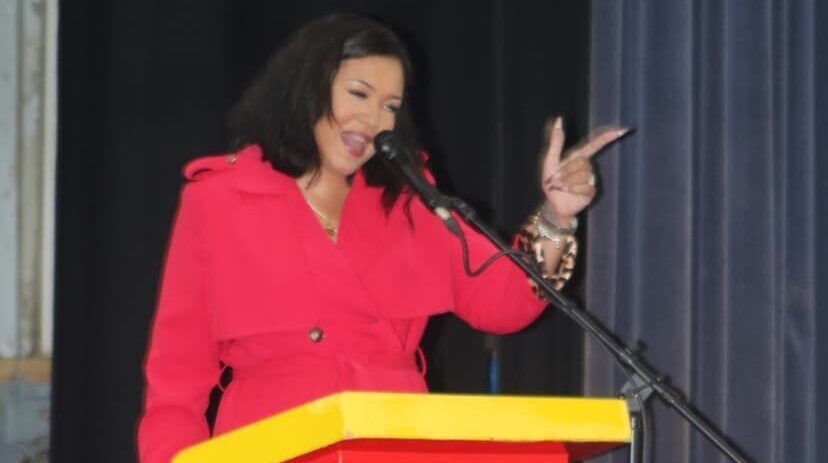
BLP names Tyra Trotman as St Michael Central candidate
In a significant political development, attorney Tyra Trotman has been officially confirmed as the Barbados Labour Party’s parliamentary candidate for the St Michael Central constituency. The nomination proceedings, conducted at Combermere School, mark a strategic transition for the party as it prepares for upcoming electoral contests.
Trotman’s candidacy follows the announced departure of current House Speaker Arthur Holder, who has declared he will not seek reelection in the next general election. Holder, who has represented the constituency, publicly endorsed Trotman prior to the formal nomination process, signaling party unity and continuity.
The selection establishes the foundation for the BLPs campaign strategy in this key constituency. Trotman’s legal background and professional expertise are expected to feature prominently in her campaign platform. Political analysts anticipate her nomination will bring fresh perspective to the constituency while maintaining the party’s established presence.
This transition occurs amid broader political preparations across Barbados, with parties finalizing their slates of candidates ahead of the next national election. The St Michael Central constituency has historically been a competitive electoral district, making this nomination particularly significant for the ruling party’s electoral strategy.
-

Senator calls for overhaul of elderly care in health system
Barbados faces a critical juncture in healthcare delivery as Independent Senator and public health specialist Dr. Kenneth Connell issued a stark warning about systemic failures in serving elderly patients. During a parliamentary debate on the National Policy on Ageing (2023-2028), Connell revealed fundamental flaws in how medical institutions accommodate senior citizens’ complex needs.
The healthcare system’s fragmentation between private and public sectors creates substantial barriers for older patients, particularly regarding information sharing. Senator Connell emphasized the absence of seamless medical record transfer mechanisms, creating operational difficulties for both healthcare providers and vulnerable patients navigating treatment pathways.
A particularly concerning issue raised involves restrictive attitudes toward family participation in medical settings. Connell challenged prevailing norms that limit relatives’ presence in accident and emergency departments, noting that many elderly patients require advocacy and support from familiar faces to effectively navigate healthcare complexities.
Drawing from international training experiences, the senator described alternative care models where hospitals actively incorporate relatives into patient support systems. These facilities provide basic accommodations like couches in wards, enabling family members to remain overnight. This approach demonstrated tangible benefits: relatives assisted with fundamental care tasks like feeding, while medical staff gained valuable allies in patient management.
Connell highlighted the ‘sundowning effect’ as a critical concern—a phenomenon where hospitalized elderly patients experience delirium and disorientation due to environmental changes and reduced sunlight exposure. These symptoms often mimic acute psychiatric episodes, potentially leading to misdiagnosis in already overburdened medical facilities.
The senator warned that single agitated patients can disrupt entire ward operations, particularly in resource-constrained environments common in small island nations. He attributed these challenges to a system requiring fundamental ‘reformatting’ to properly address geriatric care requirements.
Beyond immediate healthcare concerns, Connell urged policymakers to broaden their conceptual framework around aging. He advocated moving beyond chronological age as the primary metric and addressing the multifaceted challenges of unhealthy aging, including rising rates of diabetes, hypertension, arthritis, and dementia.
The specialist concluded that without comprehensive reform, Barbados risks being unprepared for its demographic transition, potentially compromising care quality for its growing elderly population.