标签: Barbados

巴巴多斯

  • Barbadian duo among five honoured in 2026 Anthony N Sabga Awards

    Barbadian duo among five honoured in 2026 Anthony N Sabga Awards

    The prestigious Anthony N Sabga Awards for Caribbean Excellence has unveiled its 2026 laureates, with visual artist Sheena Rose and social advocate Shamelle Rice among five distinguished honorees recognized for their transformative contributions to regional development. Announced during a virtual ceremony streamed from Port of Spain, the awards celebrate exceptional professionals whose work exemplifies the highest standards of excellence across multiple disciplines.

    Professor Compton Bourne, Chairman of the Regional Eminent Persons Panel, emphasized the rigorous selection process involving ten eminent Caribbean citizens who evaluated outstanding candidates from Barbados, Guyana, Jamaica, the Organisation of Eastern Caribbean States, and Trinidad and Tobago. The panel’s decisions reflect the program’s commitment to identifying individuals whose work significantly advances Caribbean society.

    Now in its 21st year, the awards program has recognized 66 laureates across four categories—Arts and Letters, Entrepreneurship, Public and Civic Contributions, and Science and Technology—distributing over TT$32 million (approximately US$4.7 million) in support. Each 2026 category winner receives TT$500,000 (approximately US$73,500) to further their developmental work.

    Sheena Rose, honored in the Arts and Letters category, has gained international recognition for her intellectually rich artistic practice that challenges social hierarchies through painting, murals, and performance art. Her work has been featured in solo exhibitions from London to New York and has garnered coverage in major media outlets including The New York Times and BBC. Beyond her creative practice, Rose dedicates significant time to mentoring emerging artists and has participated in residencies across four continents, strengthening Barbados’ artistic community while building global connections.

    Shamelle Rice received recognition in Public and Civic Contributions for her groundbreaking work through Jabez House, a registered charity she founded in 2012 that supports women seeking to transition from sex work to legal employment. The organization provides comprehensive support including vocational training, job placement, mental health services, housing assistance, and basic needs support. Notably, Jabez House has assisted over 1,000 women across the Caribbean region, achieving transition success rates exceeding 50% among this highly stigmatized population. Rice’s academic background in psychology, social work, and gender studies, combined with her strategic partnerships with government and international organizations, has enabled her to create sustainable change for vulnerable women and their families.

    The 2026 cohort also includes Jamaican telecommunications entrepreneur Dean Nevers, while the Science and Technology award was jointly presented to Guyana-born American biotech innovator Dr. Niven Narain and Jamaican climate scientist Professor Tannecia Stephenson. The laureates will be formally inducted into the program’s College of Laureates during a gala ceremony scheduled for later this year, where they will share insights into their impactful work strengthening Caribbean societies and enhancing the region’s global presence.


  • Election traffic plans hit speed bump with UWI expert

    Election traffic plans hit speed bump with UWI expert

    Amid escalating traffic congestion plaguing Barbados, a stark contrast has emerged between the island’s competing political pledges and the expert-backed demand for a cohesive, data-centric national strategy. The Barbados Labour Party (BLP), Democratic Labour Party (DLP), and Friends of Democracy (FOD) have each unveiled distinct campaign proposals to alleviate gridlock, ranging from constructing flyovers and ‘sea taxis’ to carving new roadways. However, Deputy Principal of the University of the West Indies at Cave Hill, Professor Winston Moore, cautions that such fragmented approaches are inadequate without a unified framework grounded in empirical evidence and integrated urban planning.

    Professor Moore advocates for a paradigm shift towards a ‘smart city’ model, emphasizing the critical need for real-time traffic data collection and adaptive signal systems that dynamically respond to traffic volume fluctuations. This methodology, he explains, focuses on systematically reducing bottlenecks through coordinated junction management, thereby enhancing travel time predictability and overall network reliability. The University of the West Indies is already cultivating the necessary expertise, producing graduates in data and business analytics equipped to assist the government in this evidence-based transition.

    Beyond technological integration, Professor Moore identifies deeply ingrained travel patterns as a fundamental contributor to congestion. The necessity for individuals to make multiple stops—such as dropping children at school and a spouse at work—before commencing their own commute exacerbates peak-hour pressures. He proposes a holistic planning system that includes situating schools closer to residential communities and establishing a dedicated, potentially privately-funded school bus system to minimize these multi-stop journeys.

    Further recommendations include implementing staggered work schedules and expanding remote work options to distribute travel demand more evenly across the week. The development of reliable transit hubs, inspired by successful international models like those in Canada, is also highlighted as a pivotal component. These hubs, supported by adequate parking infrastructure, would encourage a shift from private vehicle use to public transport by addressing commuters’ reluctance to relinquish their personal cars.

    Echoing this sentiment, Roy Raphael, Head of the Alliance Owners of Public Transport (AOPT), affirmed the potential of transport hubs to significantly ease congestion. Raphael also suggested the introduction of toll systems on specific high-traffic routes, such as sections of the ABC Highway, to facilitate quicker movement into urban centers like Bridgetown, where traditional commuter volumes have notably declined.

  • Fishermen remanded after $33m cocaine seizure

    Fishermen remanded after $33m cocaine seizure

    In a significant narcotics interdiction case, three Barbadian fishermen now face serious drug trafficking charges following the seizure of cocaine valued at over $33 million off the island’s coast. The accused individuals include 55-year-old Sylverton Lewis Clarke from Emerald Park East, St Philip; his 33-year-old son Renaldo Jabari Carrington of Lower Burney, Haggatt Hall, St Michael; and 39-year-old Ryan Adrian Kelly-Prescod, who reportedly has no fixed address.

    The charges allege that within Barbados’ Exclusive Economic Zone—a maritime territory established under the Marine Boundaries and Jurisdiction Act—the defendants unlawfully possessed 676 kilogrammes of cocaine, classified as a controlled substance. Additionally, they face accusations of intending to supply and traffic the substantial drug quantity, which authorities estimate holds a street value of $33,830,000.

    During their appearance before Magistrate Manila Renee in the No. 2 District ‘A’ Magistrates’ Court, the defendants did not enter pleas to the indictable offenses. Police prosecutor Sergeant Kenmore Phillips vigorously opposed bail, citing multiple factors including the substantial evidence against the men, the circumstances of their apprehension at sea, and Kelly-Prescod’s lack of permanent residence. Magistrate Renee subsequently ordered all three defendants remanded to Dodds Prison until their next court appearance scheduled for March 3.

    Legal representation for Clarke was provided by attorney Matthew Willoughby, working in association with counsel Andrew Willoughby. The case continues to develop as authorities pursue their investigation into one of the most substantial drug seizures in recent Barbadian maritime history.

  • Resident complains of ‘slow’ police response after deadly shooting

    Resident complains of ‘slow’ police response after deadly shooting

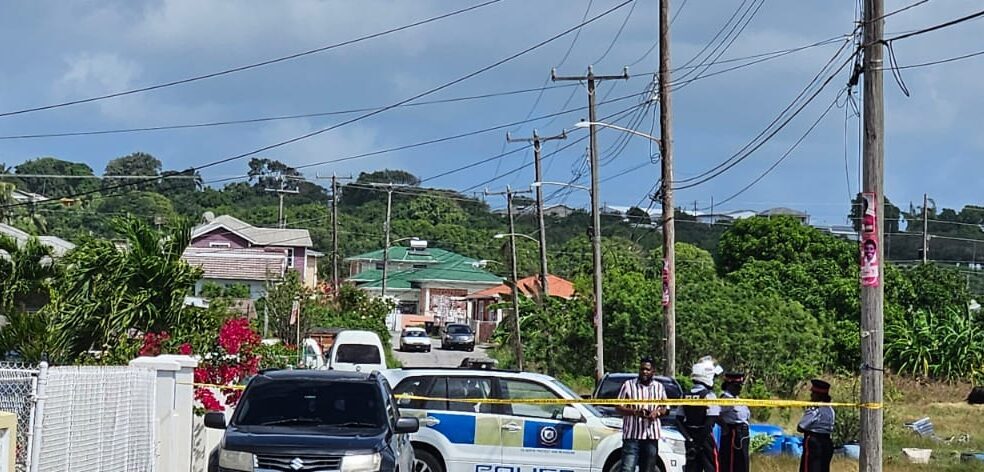
    A Christ Church community is confronting trauma and demanding improved police responsiveness following a fatal shooting that unfolded before horrified children on Monday morning. The incident occurred in Lower Carter’s Gap, Enterprise, where 42-year-old Fabian Aaron Taylor was ambushed while performing his daily school drop-off routine.

    According to official police reports, authorities received notification of the shooting approximately at 8:45 a.m. Taylor, a resident of Kendal Hill Park, had just delivered two children when an assailant approached his vehicle and discharged multiple rounds. Despite being transported via private vehicle to Queen Elizabeth Hospital, Taylor succumbed to his injuries.

    Local business owners present during the incident provide a contrasting timeline, asserting emergency calls were placed significantly earlier and that police response time approached one hour. This delay compelled relatives to move the critically wounded man in the very vehicle where the attack occurred—a decision made under extreme duress despite potential forensic complications.

    An eyewitness described the harrowing scene: ‘I heard four distinct shots followed by terrified screaming. Children were among those witnessing this brutality.’ The witness confirmed Taylor regularly transported students to school despite not residing in the immediate area. The shooting occurred during peak morning activity with numerous residents present, though fear may prevent witness cooperation.

    The business owner expressed profound safety concerns: ‘This was deeply traumatic. My grandson became too frightened to attend school. The delayed police response constituted unacceptable service—Oistins Station is nearby yet took nearly an hour. When reports confirm active shooting, response should occur within minutes.’

    While acknowledging moving victims contradicts standard protocol, the witness contextualized the decision: ‘Panic overwhelms rationality when witnessing severe injury. Though evidence preservation matters, human instinct prioritizes survival.’

    The community now grapples with lingering trauma, particularly among children who witnessed the violence. Residents emphasize that this incident reflects broader patterns requiring urgent attention to police response protocols for violent crimes. Oistins Police Station detectives continue investigating the homicide.

  • Cancer Society hails early diagnosis ‘breakthrough’

    Cancer Society hails early diagnosis ‘breakthrough’

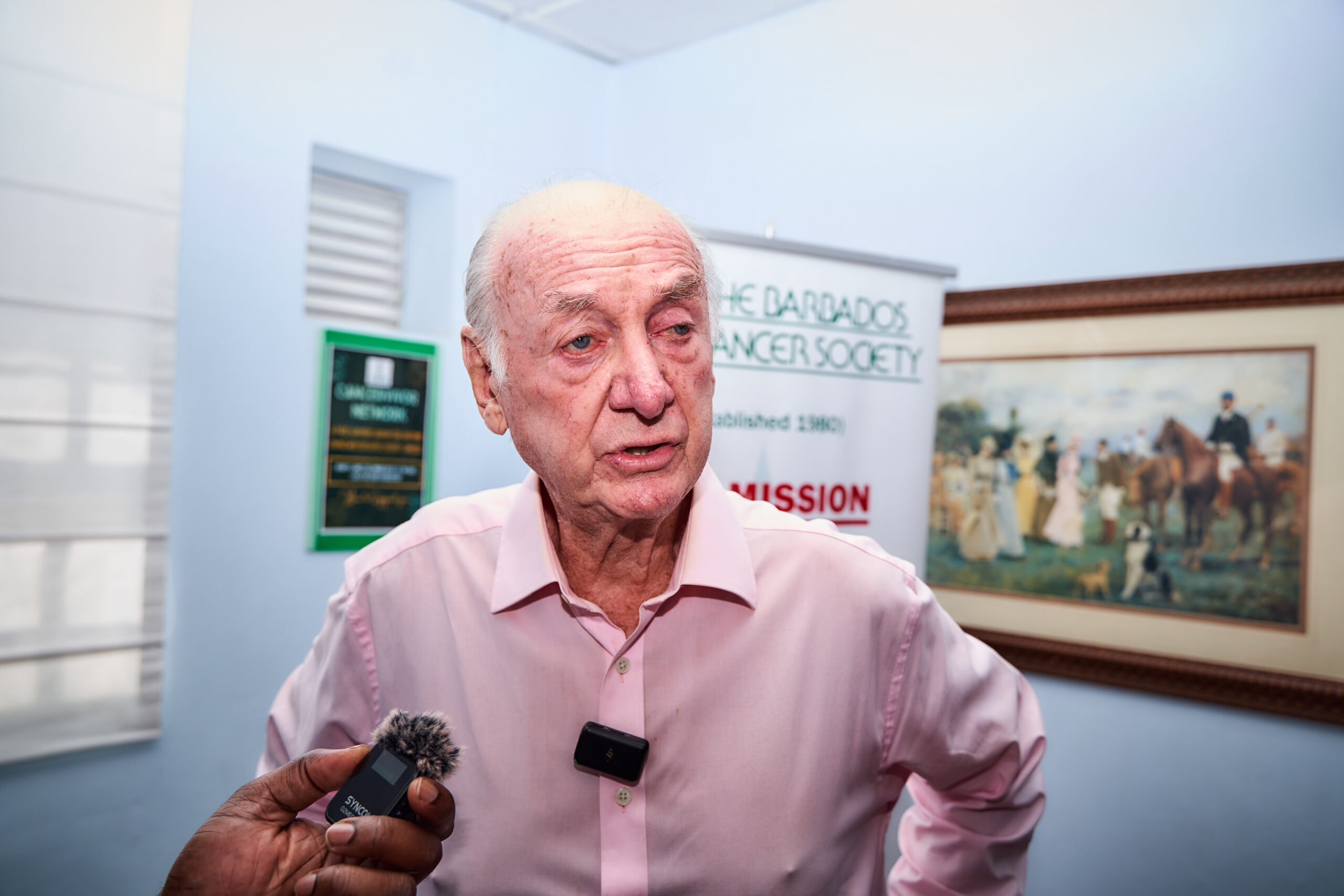
    The Barbados Cancer Society (BCS) has achieved a landmark medical advancement, positioning itself as a regional leader in oncology through the successful completion of two groundbreaking clinical trials. These trials focused on prostate and colon cancers and introduced a novel diagnostic protocol utilizing DNA blood tests to differentiate between false-positive results and genuine malignancies—a first-of-its-kind initiative in the Caribbean.

    Under the leadership of President Professor David Rosin, the BCS has established a unique patient support system where medical personnel guide individuals with positive screening results through subsequent confirmatory testing and treatment pathways. The DNA-based verification method significantly reduces unnecessary medical interventions by distinguishing cancers from conditions such as prostatitis or other non-cancerous infections.

    In the prostate cancer trial, which involved 565 participants, the Society identified not only 20 known cancer cases but also detected 50 asymptomatic individuals with normal PSA levels who exhibited early genetic markers indicating high future cancer risk. These individuals are now under close monitoring. A parallel colon cancer study included 610 participants and demonstrated similar success in early risk detection.

    Professor Rosin emphasized that early detection through this method can prevent the need for surgery, chemotherapy, or radiotherapy. He also acknowledged the role of family members in encouraging timely screenings, particularly among men who may be hesitant to participate. The Society plans to expand its trials and continue promoting public awareness about the critical importance of proactive cancer screening.

  • Sweeping housing reform plan in Friends of Democracy manifesto

    Sweeping housing reform plan in Friends of Democracy manifesto

    The Friends of Democracy (FOD) party has unveiled a comprehensive housing policy framework designed to address what it terms a national housing crisis. During its manifesto launch at Bush Hall, St. Michael, on Sunday, the party detailed a multi-faceted strategy focused on dramatically expanding homeownership and providing financial relief to seniors.

    Central to the FOD’s proposal is an aggressive rent-to-own program aimed at breaking the cycle of generational renting. The policy specifically targets public and private sector workers earning between $2,500 and $5,000 monthly, offering them 100% mortgages with no deposit required. Party candidate for St James North, Steffanie Williams, emphasized that these mortgages would be granted at reasonable, market-driven interest rates, effectively removing a significant barrier to entry for first-time buyers.

    To oversee this ambitious program, the FOD plans to establish a dedicated Homeowner Authority. This newly mandated agency would be tasked with supervising the entire initiative, ensuring transparency, efficiency, and accountability throughout the process.

    For Barbados’ senior population, the party proposed implementing a regulated reverse mortgage system. FOD candidate for St Lucy, Shetland Davis, explained that this financial instrument would allow homeowners aged 60 and over to access equity in their properties without having to sell or vacate their homes. Instead of making monthly mortgage payments, homeowners would receive payments from a lender, with repayment only required when the property is sold or the owner passes away.

    The FOD committed to implementing strict regulatory oversight for the reverse mortgage program to ensure transparency and protection against predatory lending practices. The party plans to collaborate with financial institutions and credit unions to develop a safe product aligned with international best practices.

    Beyond financing solutions, the FOD’s housing vision includes the construction of quality, low-cost housing units designed for practical and comfortable living. The party also proposed a shared mandatory house replacement insurance scheme for homes built with state assistance, to be managed through a government-backed insurance company with premiums shared between the state and homeowners.

  • FOD manifesto: pension tax breaks, tougher rules for late govt payments

    FOD manifesto: pension tax breaks, tougher rules for late govt payments

    The Friends of Democracy (FOD) political party has unveiled a comprehensive policy platform targeting systemic inequities in Barbados’ public financial systems, featuring significant tax relief for retirees and stringent accountability measures for government payment delays. Party President Karina Goodridge presented the proposals during Sunday’s manifesto launch at Bush Hall, St Michael, framing them as essential corrections to what she termed “long-standing unfairness” in state-citizen relations.

    Central to the FOD’s 2026 election platform is a groundbreaking policy that would impose interest penalties on government entities for delayed payments to citizens and businesses. This measure would apply to outstanding pension payments, gratuities for public servants, vendor and contractor invoices, tax refunds, and National Insurance Scheme reimbursements. Goodridge emphasized the principle of reciprocal accountability, stating that equitable repayment practices must govern both citizens and government institutions.

    In a major welfare initiative, the party proposed exempting 67% of all pension income from taxation, characterizing this as a “golden handshake” for retirees who have contributed decades of service to Barbados’ development. The policy aims to ensure that retirement years remain financially secure rather than burdened by taxation.

    Land tax reform constitutes another pillar of the FOD platform, with presidential advisor Jason Bowen outlining four key objectives: protecting vulnerable homeowners from property loss due to tax burdens, stimulating housing market activity, encouraging land development, and ensuring commercial entities bear their fair tax share. Bowen simultaneously called for eliminating the solid waste tax on properties not connected to sewage treatment systems, arguing that charging for unavailable services constitutes fundamental injustice.

    Additionally, the party proposes replacing the 17.5% Value Added Tax on imported food with a 16% Point of Entry Goods Levy collected at ports, a measure positioned as a cost-of-living reduction strategy for Barbadian consumers. Collectively, these proposals represent the FOD’s vision for establishing what they describe as “mutual respect and accountability” between government and citizens.

  • Four-way showdown in Christ Church East Central

    Four-way showdown in Christ Church East Central

    The Christ Church East Central constituency has transformed into Barbados’s most fiercely contested electoral battleground, with four political factions competing for dominance in this historically marginal seat. As the February 11 polls approach, voters face a complex choice between established parties and emerging coalitions, all promising transformative development for the community.

    This constituency’s political significance stems from its five-decade history as a swing district. While the Democratic Labour Party (DLP) maintained control from 1986 to 2013, the Barbados Labour Party (BLP) has held the seat since 2018. The current electoral landscape features an unprecedented four-way competition involving the BLP, DLP, Friends of Democracy (FOD), and the People’s Coalition for Progress (PCP) – an alliance comprising the United Progressive Party, New National Party, and Conservative Barbados Labour Party.

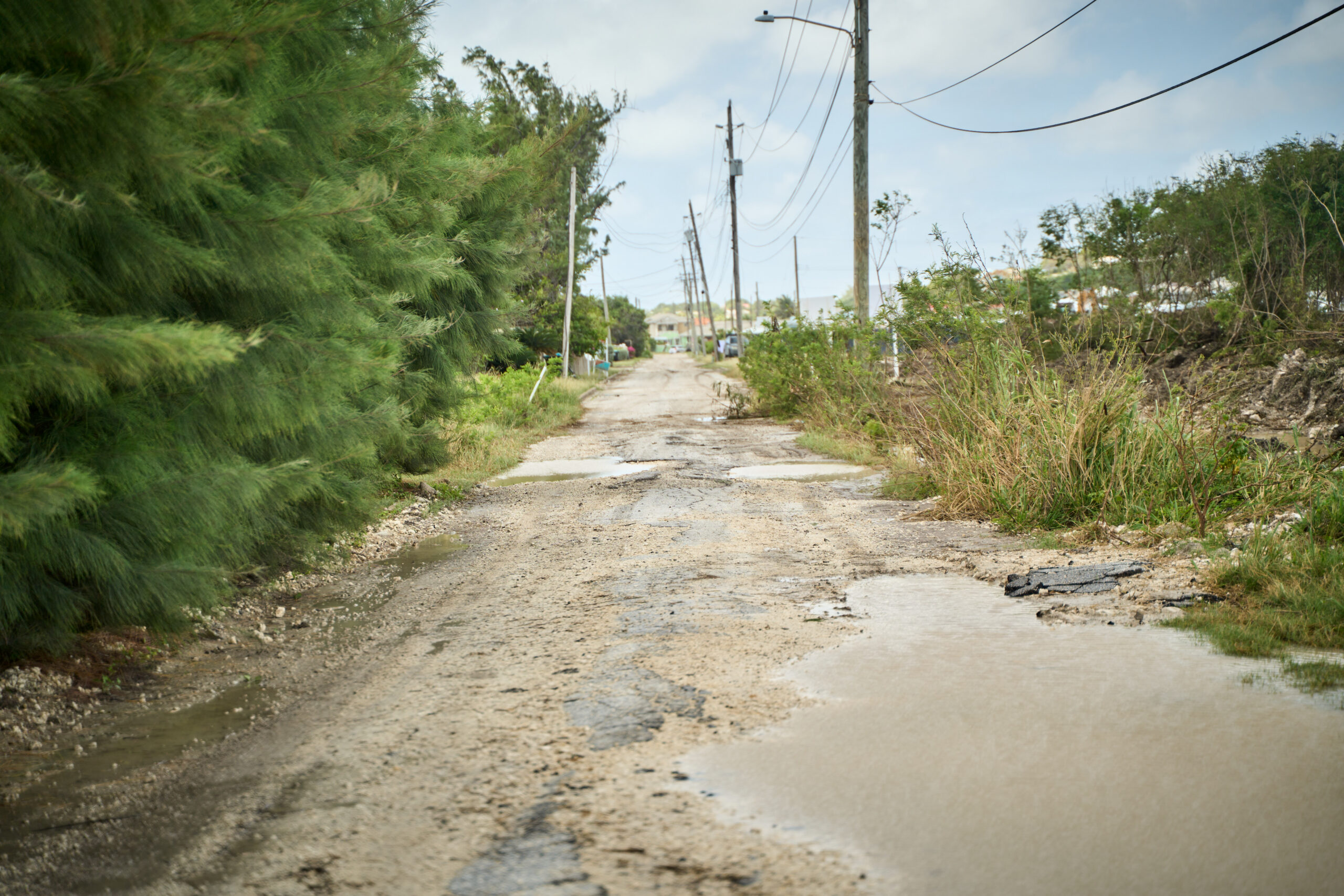
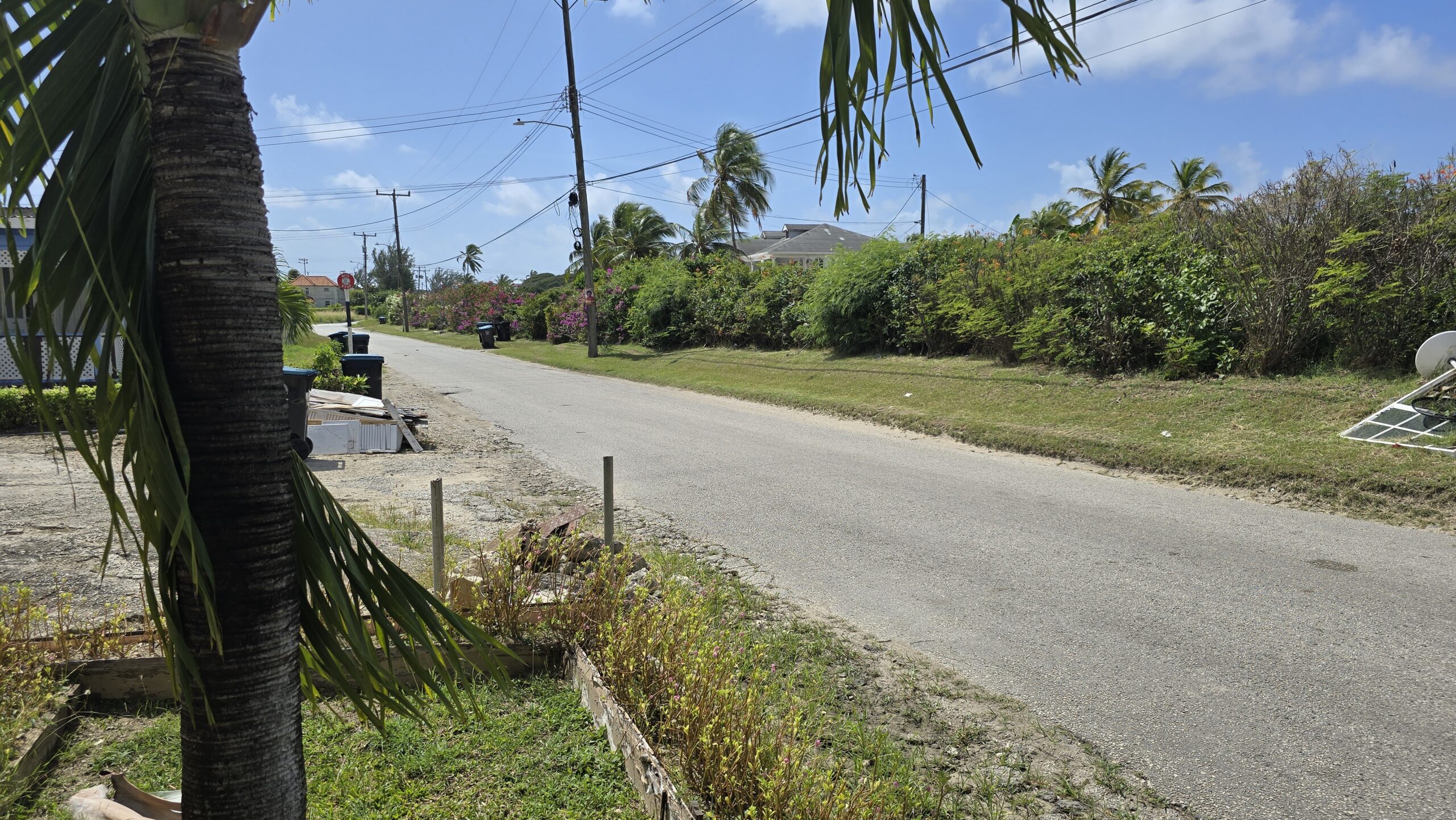
    Resident concerns have taken center stage in the campaign, with infrastructure deficiencies emerging as a primary issue. Community members highlight dangerous road conditions, inadequate sidewalks for schoolchildren, poor water quality, and insufficient street lighting. Melon, a long-time resident, emphasized the urgent need for pedestrian safety measures: “Children constantly risk their lives navigating Lodge Road without proper sidewalks. We need protected pathways from Broadside to Oistins Hill.”

    Construction worker Matthew criticized the disparity between tourist routes and local infrastructure: “While the highway from the airport receives maintenance, our community roads remain dangerously bumpy and neglected.” Other residents cited pressing issues including rodent infestations from poor garbage disposal, insufficient speed control measures, and inadequate social support for elderly citizens.

    The human dimension of these policy failures emerges through personal stories. Samuel Brown, a father of four managing health challenges, described his struggle to find suitable employment: “My illness prevents manual labor, but I still need sustainable income options.” Elderly resident Sylverton Hamblin revealed the harsh reality of pension inadequacy: “With monthly expenses exceeding my $350 pension, I depend on family support for basic necessities.”

    Candidates have responded with distinct campaign approaches. BLP incumbent Ryan Straughn, who unseated veteran politician Ronald Jones in 2018, acknowledged the need for greater visibility: “Constituents recognize my work but want more personal engagement. I’m committed to enhancing communication and physical presence.”

    DLP candidate Quincy Jones, whose father previously represented the area, emphasized consistent representation: “Effective governance cannot be seasonal. We need constant, dedicated engagement with community needs.” First-time candidates Dominique Yorke (FOD) and Natalie Parris (PCP) focused on grassroots issues, with Yorke prioritizing road repairs and debushing while Parris advocated for safety partnerships and youth mentorship programs.

    The election outcome will likely hinge on which candidate can most effectively address the community’s practical concerns while demonstrating commitment to sustainable development in this pivotal constituency.

  • Road safety ‘crisis’ sparks calls for action as election nears

    Road safety ‘crisis’ sparks calls for action as election nears

    Barbados confronts a severe road safety emergency described as ‘dangerous and unacceptable,’ with urgent demands for governmental action emerging just days before national elections. Alarming statistics reveal approximately 50,000 of the island’s 180,000 vehicles operate without valid insurance—representing one in four motorists driving illegally. Former Barbados Road Safety Association president Sharmane Roland-Bowen characterized this not as minor administrative negligence but as a full-scale crisis eroding legal foundations and public safety.

    The insurance sector reports unsustainable strain from approximately 15 daily collisions, with average repair costs reaching $10,000 per incident and doubling when injuries occur. Particularly troubling is the finding that 30% of accidents involve uninsured or unlicensed drivers, creating massive financial burdens for compliant motorists through increased premiums and uncompensated damages. Roland-Bowen detailed how uninsured drivers frequently flee collision scenes, leaving victims responsible for repair costs and insurance excesses despite their own compliance with regulations.

    Enforcement failures extend beyond insurance compliance. Reports indicate commercial vehicles operating without road taxation, while systemic issues include reduced police presence at accident scenes enabling fraudulent insurance documentation presentation. Roland-Bowen criticized misaligned enforcement priorities that focus on secondary issues like window tinting while neglecting core dangers including uninsured driving, impaired motorists, and deteriorating infrastructure.

    Despite substantial revenue collection through road taxes and fuel levies, potholes plague transportation networks, forcing dangerous avoidance maneuvers that increase collision risks. The crisis now demands political accountability, with voters urged to question electoral candidates about concrete solutions. Proposed measures include regulatory reforms requiring dual insurance certificates—with one mandatory copy kept in vehicles—plus stricter penalties, license suspensions, and removal of illegal vehicles from roads.

    Roland-Bowen emphasized that meaningful change requires sustained public pressure, governmental accountability, and rigorous law enforcement, warning that without decisive action, conditions will continue deteriorating, further endangering lives, property, and citizens’ rights.

  • ‘Crowded ballot’: St Philip voters say candidates missing from campaign trail

    ‘Crowded ballot’: St Philip voters say candidates missing from campaign trail

    With one week remaining until Barbados’ February 11 general election, residents across St Philip parish express growing frustration over the absence of political candidates despite a historic number of contenders vying for parliamentary seats. An extensive ground assessment reveals widespread voter disillusionment with the electoral process and candidate accessibility.

    Thirteen candidates from multiple parties are competing across three constituencies in St Philip, marking an unprecedented political concentration in the parish. However, voters consistently report minimal engagement with those seeking to represent them.

    Seventy-six-year-old Ms. Straughn of Bonita Drive exemplifies the prevailing sentiment: “Not a politician ever did anything for me, not even a biscuit.” The long-term resident, who has encountered elected officials only once in fifteen years, described deteriorating public services despite previous complaints about transportation inadequacies. While appreciative of pension provisions, she emphasizes their insufficiency and advocates for improved housing solutions for homeless citizens.

    Political analyst Peter Wickham contextualizes the unusual candidate proliferation as reflecting opposition deficiencies rather than anti-government sentiment. “These emerging parties primarily aim to provide opposition alternatives,” Wickham notes, “indicating greater dissatisfaction with existing opposition parties than with the governing administration.”

    St Philip’s strategic significance stems from its historical status as a Democratic Labour Party (DLP) stronghold. Wickham suggests competing parties perceive greater opportunities for displacing the DLP here than elsewhere, though he doubts third-party options genuinely energize the electorate given their limited winning prospects.

    Former government minister Dr. David Estwick, the DLP’s returning candidate, expresses confidence in reclaiming his seat based on his legislative record. He maintains active voter engagement despite apathy allegations, asserting: “We’re hearing constituent concerns and explaining our policy approaches to address them.”

    Contrasting this perspective, Friends of Democracy leader Karina Goodridge acknowledges representation gaps in recent years. She argues that expanded candidate choices potentially stimulate electoral participation through generated curiosity and conversation, compelling all parties to enhance their public engagement efforts.

    Practical challenges complicate voter outreach, Goodridge notes, citing large geographical constituencies, resident availability issues, and candidates’ demanding schedules. She emphasizes continued multi-channel communication efforts despite visibility limitations.

    The prevailing analysis indicates that vote splitting among opposition parties likely benefits the dominant Barbados Labour Party, as divided opposition votes traditionally strengthen the ruling party’s position.