标签: Barbados

巴巴多斯

  • Beauty industry spotlighted at inaugural Art of Her competition

    Beauty industry spotlighted at inaugural Art of Her competition

    Barbados is shining a spotlight on the untapped economic and creative potential of its female workforce with the launch of the first-ever *Art of Her: The Beauty of South Central* competition, a new initiative designed to lift up local beauty professionals and position the industry as a key engine of national growth. Scheduled to take place on the evening of June 13 at Solidarity House, the competition builds on Barbados’ established reputation as a regional leader in gender empowerment while addressing a longstanding gap in targeted support for female-dominated sectors.

    Speaking at the official launch event over the weekend, Member of Parliament Marsha L. Caddle outlined the policy and social rationale behind the initiative. She noted that despite the country’s progress advancing women’s economic participation, sectors dominated by female workers have not received the same level of strategic investment as male-dominated industries, most notably construction which remains the country’s primary source of male employment. Caddle emphasized that directing resources toward women-led businesses delivers disproportionate social and economic returns for the entire nation. “When women control financial resources, those funds are far more likely to be reinvested in high-impact community priorities: children’s healthcare, educational access, and long-term social development that lifts entire families forward,” Caddle explained. “It is critical that we continuously uphold and invest in women’s industries and their productive capacity to build a more resilient, inclusive economy.”

    Beyond direct support for beauty entrepreneurs, Caddle also highlighted the sector’s interconnected role in growing other key Barbadian creative industries. The local beauty space serves as a foundational supplier for fast-expanding national sectors including film production, cultural tourism, and live entertainment, making investment in beauty professionals a boost for the entire creative economy.

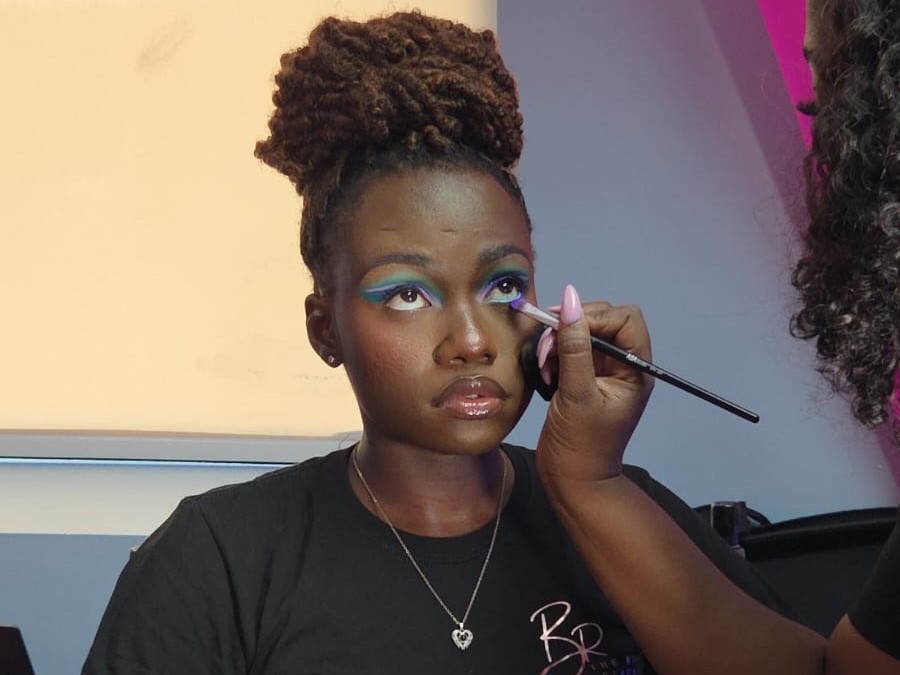
    The competition itself is structured around three core creative categories aligned with the event’s overarching theme, “The Fantasy”: hair artistry, branded as “Crowning the Fantasy”; nail art and design, called “Fantasy at Your Fingertips”; and makeup artistry, titled “The Face of Fantasy”. All competitors are required to complete their creative work live on-site during the event, bringing an immersive, dynamic element to the showcase. As of the launch, 20 creators have already applied to compete, with registration set to close on May 22.

    Event organizer Ashley Lashley shared detailed logistics for the showcase, confirming it will run from 5:00 p.m. to 9:00 p.m. on the day of the event. In a major push to help participating entrepreneurs grow their businesses, the competition will award more than $20,000 in total prizes, most of which consist of professional-grade salon and studio equipment tailored to each category. For nail artists, prizes include industry-standard work tables, mini air compressors, UV curing lights, cooling fans, electric nail dryers, and storage racks for polish – tools that allow emerging creators to scale their operations and turn their craft into a sustainable full-time career.

  • Fasons Foods opens doors to small farmers to boost poultry production

    Fasons Foods opens doors to small farmers to boost poultry production

    Barbados-based food producer Fasons Foods, manufacturer of the popular Amir’s Chicken brand, has launched a landmark new program designed to uplift small-scale poultry producers across the island, advancing both local food security and protection for low-income agricultural workers.

    At the core of the initiative is a recent major expansion and upgrade to the company’s central poultry processing facility, which has boosted its processing capacity to several tonnes of poultry per hour. This expanded throughput creates space for Fasons Foods to bring dozens more independent small farmers into its formal supply chain – a critical opening, as small producers currently contribute just 20% of Barbados’ total domestic poultry output, with many locked out of consistent commercial access.

    Fasons Foods CEO Amir Juman outlined the drivers behind the move during a Saturday press briefing, noting that the decision grew directly from rapidly rising consumer and business demand for fresh, locally sourced poultry across Barbados’ retail and hospitality sectors. Beyond meeting existing market demand, Juman emphasized that integrating small farmers into a structured commercial supply chain will deliver two key benefits: stabilizing the national poultry market and shielding small independent producers from the harmful impacts of unpredictable economic fluctuations.

    “Year after year, countless small poultry producers exit the industry, often simply because they lack a reliable, consistent market for their product,” Juman explained. “Our goal is to act as a safety net for these farmers. As the broader national economy expands, small producers will be able to grow right alongside it.”

    The initiative extends far beyond just guaranteed market access, too. Fasons Foods will also provide targeted technical assistance to help small producers address persistent industry challenges, including high poultry mortality during hot summer months and ongoing biosecurity threats. The company plans to assign specialized field staff to work directly with participating farmers, training them in climate-resilient management practices and sustainable production methods that reduce operational risk.

    While the increased processing capacity will allow Fasons Foods to capture greater economies of scale, Juman stressed that national food and economic stability remains the program’s primary objective. “This expansion and support program will strengthen the Barbadian economy and make a transformative difference by ensuring fresh poultry remains consistently available and affordable for all Barbadians,” he said.

  • Firefighters host charity car wash for community safety

    Firefighters host charity car wash for community safety

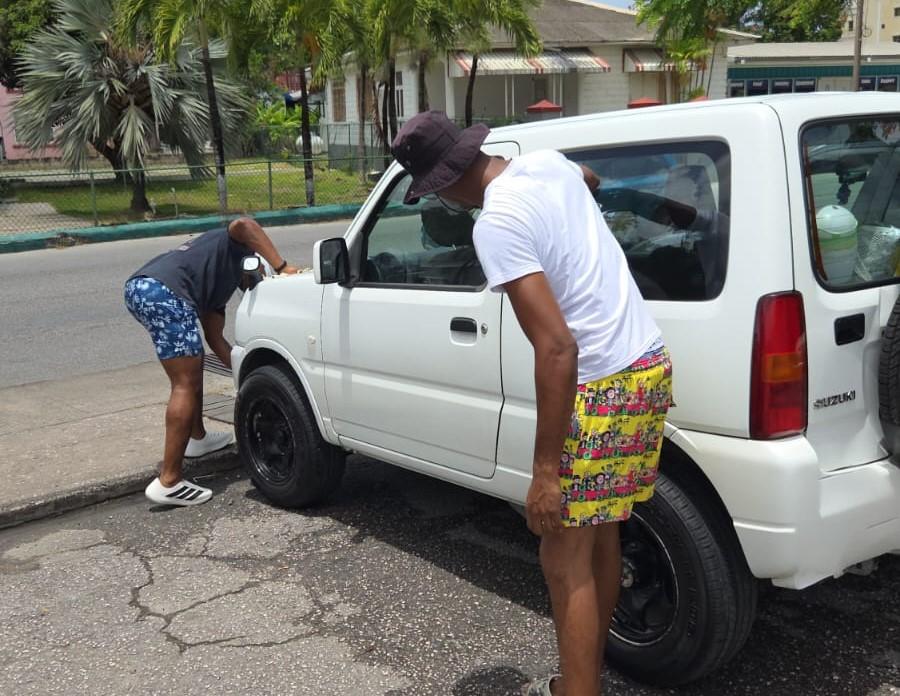
    On a lively Saturday in the coastal community of Worthing, Barbados, the Bajan Firefighters Network rolled out a creative new charity fundraiser that blended fun, practical service, and public good: a ‘sexy car wash’ designed to refill the organization’s coffers for its ongoing community-focused safety initiatives.

    Local firefighters and volunteer supporters set up their operation steps from the area’s post office, greeting motorists looking for a car deep clean while raising the critical donations the grassroots non-profit depends on to keep its programs running. Beyond washing vehicles, the event also doubled as a recruitment drive for the Barbados Builder Identifier, a new digital tool developed by the network to help first responders quickly and accurately locate homes calling for emergency assistance, cutting down response times in life-threatening situations.

    Krystal Penny Bowen, the network’s public relations officer and a long-time volunteer, explained that the lighthearted, accessible event grew out of a goal to rebuild in-person connections with local residents after the organization paused in-person fundraising events for a period. “Our charity has been serving Barbadian communities for several years, but we hadn’t hosted an in-person fundraising gathering in quite some time,” Bowen shared in an interview at the event. “We wanted something straightforward and useful that the public would actually engage with. People always need their cars washed, so it made perfect sense to bring together firefighters and volunteers to pull this off.”

    While the playful theme created a high-energy, upbeat atmosphere that drew crowds of locals to the site, the work behind the fundraiser is rooted in serious, life-saving public safety work. The Bajan Firefighters Network is entirely dependent on public donations to support its free community outreach programs, the most prominent of which is a free smoke alarm installation service for vulnerable residents. The group prioritizes installing and maintaining life-saving smoke alarms for low-income, elderly, and disabled Barbadians who often cannot afford the equipment or do not have anyone to help them install it properly. In addition to this core program, the network regularly delivers free fire safety educational workshops to schools, neighborhood groups, and community centers across the island, helping reduce the risk of preventable fire-related injuries and deaths.

    Bowen emphasized that all funds raised from the car wash event will go directly to program costs: the money will be used to purchase new smoke alarms for upcoming installation drives, fund future community outreach and education activities, and recognize the hard work of the organization’s volunteer members who give their time to keep communities safe.

  • Pinelands Creative Workshop launches programme to ease 11-Plus anxiety

    Pinelands Creative Workshop launches programme to ease 11-Plus anxiety

    For thousands of young students moving from primary to secondary education, the jump in academic expectations, combined with pre-exam stress and uncertainty about new social environments, can derail even the most motivated learners. Now, a community-focused organization is stepping in with a creative, accessible solution to support the most vulnerable members of this student population.

    The Pinelands Creative Workshop, a community arts and education non-profit, has launched Finding Your Balance, a ground-breaking new initiative designed to address two growing challenges: widening academic gaps for at-risk pupils and the rapid rise of exam anxiety ahead of the critical 11-Plus examination, which determines secondary school placement.

    Funded by the Maria Holder Memorial Trust, the programme specifically targets students who are falling behind academically or feeling overwhelmed by the impending transition to secondary education. Speaking on Saturday, Pinelands Creative Workshop Chief Executive Officer Sophia Greaves outlined the urgent need that prompted the programme’s creation, noting that the organization had observed alarming gaps in student proficiency ahead of exam season.

    “We were seeing a trend where a number of our students… were operating basically at a very early stage, like Class 1, and having significant challenges,” Greaves explained. “Along with that, we saw anxiety issues that normally come as we move towards exam mode.”

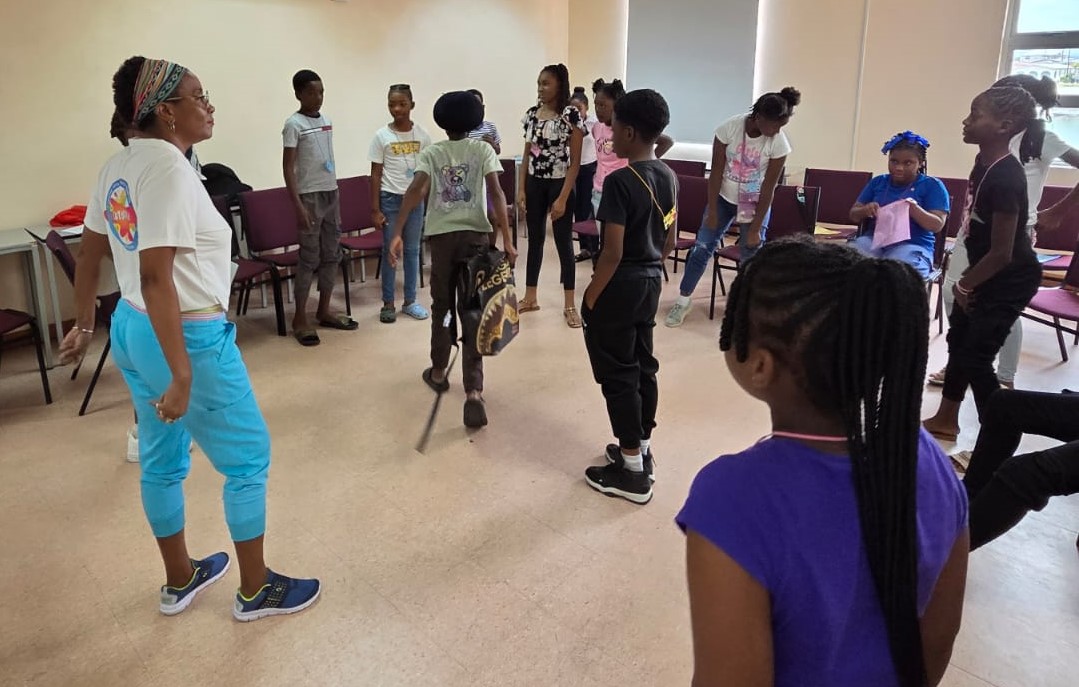
    Unlike traditional tutoring programmes that rely on rote learning and carry steep costs that put them out of reach for low-income families, Finding Your Balance leverages creative arts interventions including drama, sound-based activities and movement work to equip students with practical social and emotional skills. These tools help young learners navigate common secondary school challenges such as bullying, interpersonal conflict, and the increased academic rigour of higher-level classes. Crucially, the programme also fills an academic gap for families who cannot afford private supplementary tutoring, providing free or low-cost support that continues from a student’s first year of secondary school all the way through to their Caribbean Examinations Council (CXC) exams.

    Greaves explained that secondary school classroom dynamics create inherent gaps that the initiative is designed to address, noting that the programme is built to complement, rather than replace, the support offered in mainstream school settings. “The primary reality is that secondary school is not as supportive as primary school,” she said. “Classes are 30 children; there’s no way a teacher can get over concepts with 30 children of different abilities at the same time. We are trying to be complementary to what is offered in schools.”

    Recognizing that student success depends on whole-family support, the initiative also extends beyond the student population to engage caregivers through the organization’s “Parenting with a Purpose” seminar series. These sessions provide parents and guardians with holistic social and emotional resources to help them support their children through this pivotal educational transition, ensuring that support reaches every part of a student’s life.

  • One dead, another injured in Jackmans shooting

    One dead, another injured in Jackmans shooting

    A violent early-morning shooting in the Jackmans neighborhood of St. Michael has left one man dead and a second man hospitalized, according to official updates from Barbados law enforcement. The incident unfolded on Skeetes Road in the pre-dawn hours of Sunday, triggering an immediate investigation from local police.

    The Barbados Police Service confirmed that its Operations Control unit first received the emergency report of the gun violence at approximately 2:10 a.m. Responding officers were dispatched to the scene without delay, where they made a grim discovery: the lifeless body of an adult male positioned between two parked motor vehicles, near a local event that was taking place in the area.

    Following the initial assessment of the scene, a licensed medical examiner was called to the site to formally confirm and pronounce the man’s death. Law enforcement have not yet released the identity of the deceased pending notification of next of kin.

    A second male involved in the incident suffered gunshot injuries and was transported to the island’s primary care facility, the Queen Elizabeth Hospital, by a private motor vehicle before officers arrived. As of the latest update, medical authorities have not released a public update on the injured man’s condition.

    Local investigators are now working to piece together the circumstances that led to the shooting, and are actively calling on members of the public with any relevant information to step forward. Anyone who was present in the Skeetes Road area in the early hours of Sunday morning, witnessed the shooting unfold, or has any details that could assist the investigation is encouraged to reach out through multiple confidential contact channels.

    Tips can be submitted anonymously via the Crime Stoppers Hotline at 1-800-8477, through the national police emergency line at 211, or directly to investigators at District A Police Station by calling either 430-7242 or 430-7246. Police have not yet announced any suspects in connection with the shooting as the investigation remains ongoing.

  • Renewed push to revive Oistins Fish Festival

    Renewed push to revive Oistins Fish Festival

    Barbados’ long-running Oistins Fish Festival is poised for a major revitalization, as local leaders, vendors, residents and community representatives have launched a collaborative consultation process to reverse years of stagnation and set the event up for long-term growth ahead of its 50th anniversary in 2027.

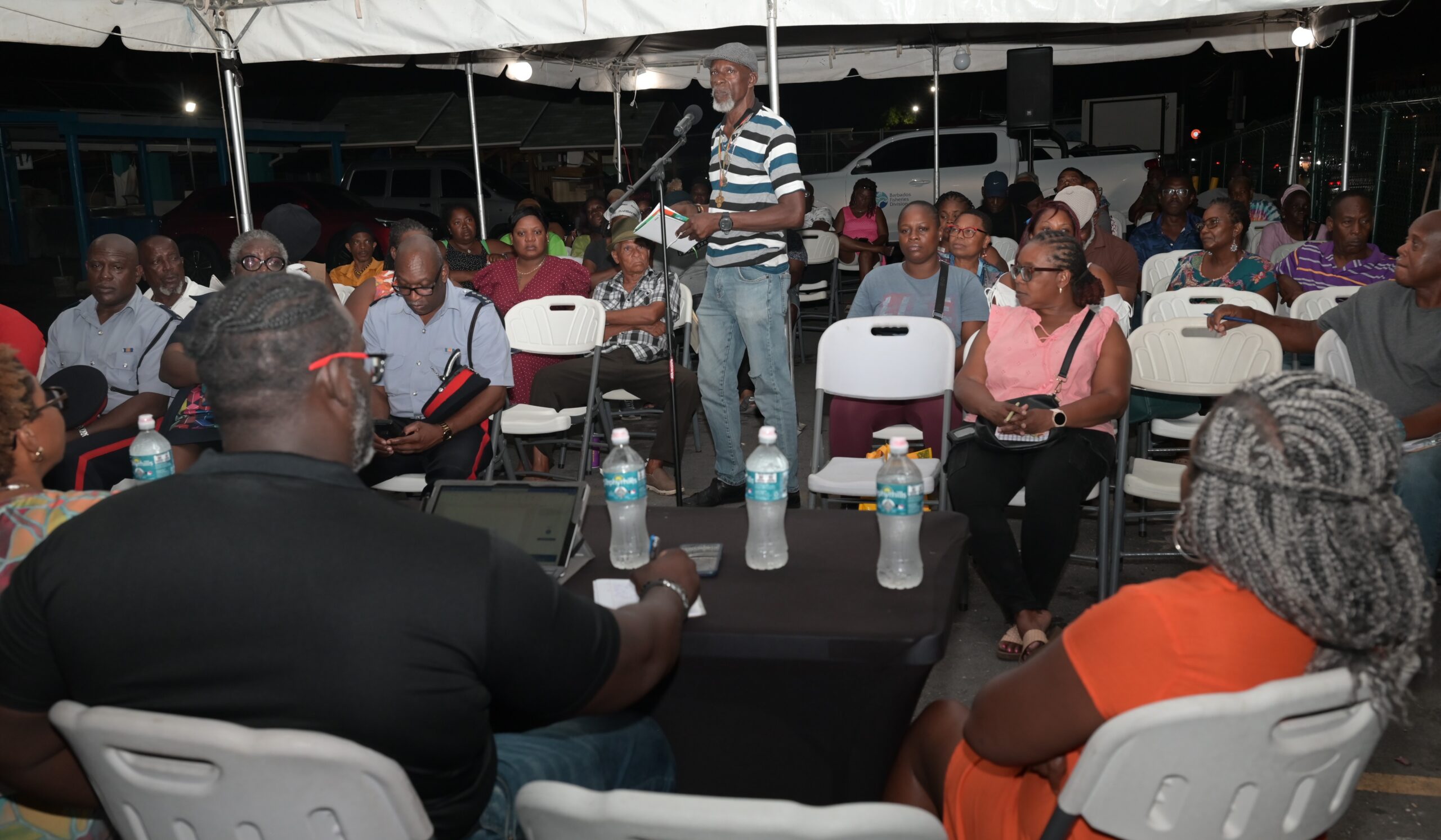
    The first public town hall meeting focused on the festival’s revival took place Thursday evening in the car park of the Berinda Cox Fish Market, drawing a large crowd of Oistins-based vendors, fishing community members, local residents and other invested stakeholders eager to share their ideas for improvement. Officers from the Oistins Police Station also attended the session, pledging to uphold a secure, welcoming environment for both local attendees and out-of-town visitors at all future festival events.

    Leading the revitalization effort is Dr. Shantal Munro-Knight, Member of Parliament for Christ Church South and Barbados’ Agriculture Minister, who has pledged that under her leadership, the historic festival will not only survive, but emerge stronger than ever. Munro-Knight emphasized that the planning process will center the needs and voices of the local fishing and vendor communities that form the core of the event’s identity.

    During the meeting, organizers compiled a range of actionable concerns and proposals from attendees. Many long-time participants called for formal recognition of the founding members who built the festival from its early days, a request Munro-Knight described as an easy, high-priority win for the revitalization team. Vendor Sue Ann Gilkes-Smith put forward two key suggestions: reconfiguring vendor stalls into a single continuous stretch along the event route, rather than the current fragmented layout, and boosting safety measures to encourage older patrons, who have historically been core spenders at the festival, to return comfortably.

    Kemar Harris, Chairman of the Oistins Bay Garden Board, explained that the series of town hall meetings was launched to address a years-long breakdown in communication between festival organizers and local stakeholders, which had gradually eroded the event’s quality. “What leads to breakdowns is a lack of communication,” Harris told attendees. “Over the years, people have been complaining, so there will be a series of these meetings to hear you, see you and feel you. Consultation is paramount, and this MP believes in that, so when consultations stop, you cannot say no stone has been left unturned.”

    Edwin Warner, Deputy Chairman of the Oistins Bay Garden Board and owner of local food stall Crazy Eddies, shared harsh criticism of the most recent festival held over the 2024 Easter weekend, calling it one of the worst iterations in recent memory. Warner argued that the previous organizing committee had grown stagnant after years in charge, failed to consult local Oistins Bay Garden stakeholders, and brought in outside participants without centering the community that anchors the event. He also put forward a series of proposals to expand the festival, including cleaning up the local boatyard to create additional space for vendor stalls, involving fishing communities from across Barbados, and adopting a regional approach that invites fisherfolk from neighboring Caribbean countries such as St. Lucia and Grenada to participate.

    Harris confirmed that the series of public consultation meetings will continue in the coming months, with all discussions centered on supporting local vendors and strengthening the festival’s roots in the Oistins community ahead of its milestone 50th anniversary in 2027.

  • No tsunami threat to Barbados after earthquake

    No tsunami threat to Barbados after earthquake

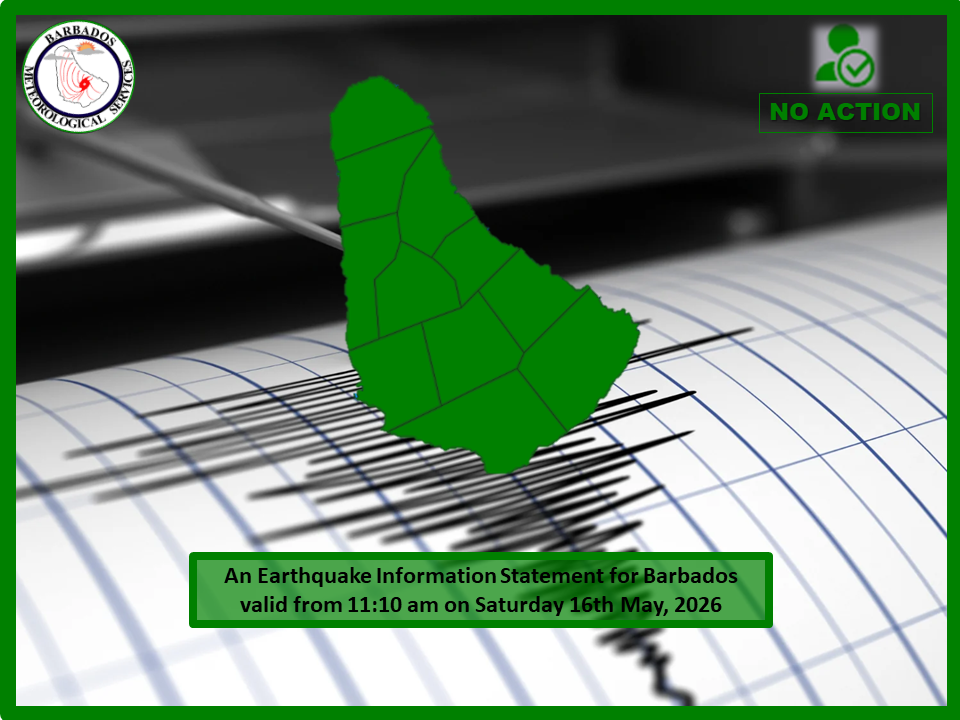
    A magnitude 6.1 earthquake that struck the Leeward Islands region early Saturday has triggered no tsunami risk or expected local damage for neighboring Barbados, according to official updates from the Barbados Meteorological Services (BMS).

    The seismic event was recorded at roughly 10:50 a.m. local time, with preliminary coordinates placing its epicenter at 17.6° north latitude and 61.0° west longitude. Data from the Pacific Tsunami Warning Center shows the quake originated at a depth of approximately 39 miles below the seabed in the Leeward Islands area.

    In an official public statement issued shortly after the tremor was detected, BMS representatives moved quickly to reassure residents and visitors that no tsunami watches or warnings are currently in effect for Barbados. The agency added that the seismic activity is not projected to cause any observable negative impacts on the island nation’s infrastructure, communities, or coastal areas.

    To prevent unnecessary public anxiety, BMS has encouraged the general population to remain calm amid the geologic event, advising residents to rely exclusively on official government communication channels for any future updates if new information becomes available.

  • EDITORIAL: Public trust must be won on IMF agreement

    EDITORIAL: Public trust must be won on IMF agreement

    For generations of Barbadians, the phrase “IMF agreement” has been inextricably tied to memories of economic pain: mass layoffs, frozen public sector wages, new tax burdens, and widespread financial hardship. It is little wonder that many citizens greet any new deal with the Washington-based multilateral lender with deep skepticism and caution — a reaction the Mia Mottley administration cannot afford to ignore. As the government prepares to finalize a new precautionary Stand-By Arrangement with the IMF, communication experts and analysts are stressing that clear, consistent, and accessible outreach is critical to avoid unnecessary public backlash and economic uncertainty.

    Unlike the austerity-focused bailout programs Barbados has entered in the past, officials emphasize this new facility is not an emergency rescue for a country on the brink of fiscal collapse. Both Prime Minister Mottley and IMF Mission Chief Michael Perks have repeatedly underlined that Barbados is entering this agreement from a position of hard-won economic strength. The country is not facing an imminent balance of payments crisis, it has not depleted its foreign reserves, and it is not struggling to meet its sovereign debt obligations. Instead, the arrangement is structured as a precautionary safety net: an insurance policy against unforeseen external economic shocks that the small island nation cannot control.

    In an increasingly volatile global economy, marked by escalating geopolitical tensions, ongoing regional conflicts, persistent supply chain disruptions, and soaring global oil prices that drive up the cost of everything from food to transportation, small open economies like Barbados are uniquely vulnerable. Dependent almost entirely on imports for basic goods and reliant on tourism as a core pillar of national income, the country is exposed to sudden shifts in the global market that can derail years of fiscal progress in months. As Mottley has noted, a sudden escalation of conflict in the Middle East, for example, could send oil prices spiking and trigger a global recession that would cripple Barbados’ tourism sector. By securing access to emergency liquidity now, the government argues, the country will be able to respond immediately to a crisis, rather than wasting months negotiating new financing when disaster strikes.

    The government successfully completed its previous IMF-backed restructuring program, the Barbados Economic Recovery and Transformation (BERT) initiative, last year. While the program included institutional restructuring — merging, downsizing, and eliminating some state-owned entities, as well as weaning others off public subsidy — the administration managed to avoid the mass job losses that marked past programs, a significant policy win. Today, even with broad signs of economic improvement, including stronger foreign reserves and reduced national debt, many ordinary Barbadians are still struggling to make ends meet amid sky-high food prices, rising utility costs, and growing transportation expenses. Unaddressed uncertainty about the new IMF deal could quickly spiral into widespread fear, fuel rumours of a new round of austerity, and prompt anxious consumers and businesses to pull back on spending, potentially triggering a slowdown that would harm the very recovery the government has worked to build.

    Analysts stress that technical explanations of reserve levels and debt ratios, while important, are not enough. The government must frame its messaging around the concerns that matter most to ordinary citizens: how will this agreement affect their incomes, their households, and their daily cost of living? Outreach should repeatedly emphasize that this is not an austerity program, and that the facility’s core purpose is to protect Barbadians from future external shocks, not impose new painful adjustments. Officials should also highlight existing support measures already in place to ease cost-of-living pressures, including freight cost adjustments, targeted tax relief, and direct household support. Transparency, they add, is non-negotiable: the government should provide regular public updates on the terms of the agreement, outline any policy commitments tied to the deal, and address questions about how it interacts with major public spending initiatives such as the recent CARIFESTA event. Without clear, consistent communication, misinformation will fill the information gap, eroding public confidence and putting economic progress at risk.

  • Counsellors ‘battling teens’ growing emotional crises’

    Counsellors ‘battling teens’ growing emotional crises’

    Across Barbados’ education system, school guidance counsellors are sounding the alarm over a steady, marked rise in students presenting with depression, anxiety and a range of other emotional and behavioral challenges, and are urging education authorities to deploy more full-time support staff to meet the surging need for student mental health care.

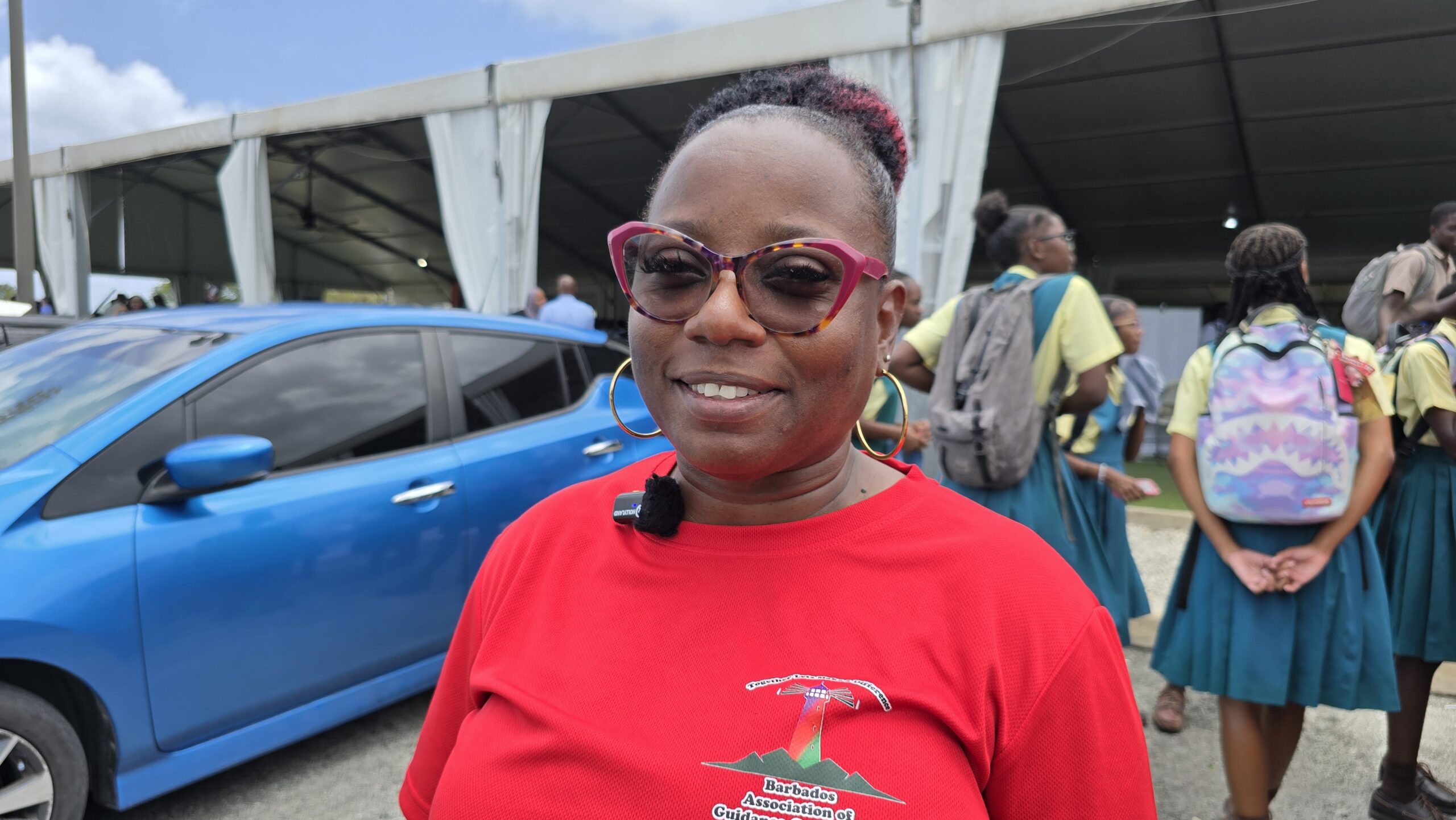
    Shernell Clarke, president of the Barbados Association of Guidance Counsellors, outlined the growing strain on the sector’s existing workforce in an interview with Barbados TODAY on Friday. Clarke explained that most schools currently operate with just one lone guidance counsellor, who is responsible for a sprawling list of duties beyond direct student mental health support: from career coaching and personal development advising to teaching mandatory Health and Family Life Education courses. Even as counsellors continue to fulfill their obligations, the cumulative workload has become unsustainable for many, she said.

    “We are not complaining about the work itself, but we cannot ignore that the demand for our services has grown exponentially,” Clarke noted. “Right now, many institutions share part-time counselling resources across multiple school campuses, which means on-site support is not consistently available when students need it. Having two full-time, dedicated counsellors on every campus would be far more effective than relying on one permanent staff member and one rotating, shared professional who is only present occasionally.”

    Clarke emphasized that while there has not been a noticeable spike in violent or severely disruptive student behavior, the number of children seeking and requiring targeted emotional support is far higher than it was in pre-pandemic and previous years. Unlike outdated disciplinary approaches that only address outward behavior, Clarke said Barbados’ guidance counsellors prioritize root-cause intervention, working to unpack the underlying issues driving negative actions rather than just punishing students for their conduct.

    Most student mental health and behavioral challenges stem from three core sources: intense peer pressure to fit in, unstable home environments, and widespread socioeconomic strain, Clarke explained. Many young people struggle with dissatisfaction about their current life circumstances, and lack healthy outlets to express their frustration or a clear path to improve their situation. This unaddressed pressure can lead vulnerable students to turn to negative peer groups or harmful coping mechanisms as they seek a sense of status or belonging, she added.

    While more students today are comfortable naming and discussing their emotional struggles than in past generations, many severe cases fall outside the scope of school-based guidance counselling. Clarke said outward referral to specialized mental health professionals is a core part of counsellors’ work, with staff regularly connecting students and families to advanced psychological care when needed. She did note, however, that many families referred to public mental health services ultimately opt for private care, a trend that may point to gaps in the public system’s ability to meet growing demand.

    The work of supporting students through acute emotional and traumatic challenges also takes a toll on counsellors’ own mental health, but Clarke said the Barbados Association of Guidance Counsellors has put systems in place to support its members. The organization regularly hosts professional-led self-care and therapeutic sessions to help counsellors process emotional stress from their work, and maintains a peer support community where members can share their experiences and struggles without compromising student confidentiality. Counsellors are also often called in to support entire school communities during traumatic events such as the death of a student or staff member, and the association’s internal support systems help counsellors process the emotional weight of those responses.

  • CDEMA ‘learned’ Hurricane Melissa lessons

    CDEMA ‘learned’ Hurricane Melissa lessons

    Against a backdrop of intensifying climate-fueled natural hazards, shifting global geopolitics, and dwindling international financial support, Caribbean nations are launching a complete overhaul of their 10-year regional disaster management framework. The shift comes after hard lessons learned from the widespread destruction of Hurricane Melissa, pushing regional authorities to abandon the long-held focus on post-disaster recovery and adopt a proactive pre-event planning model.

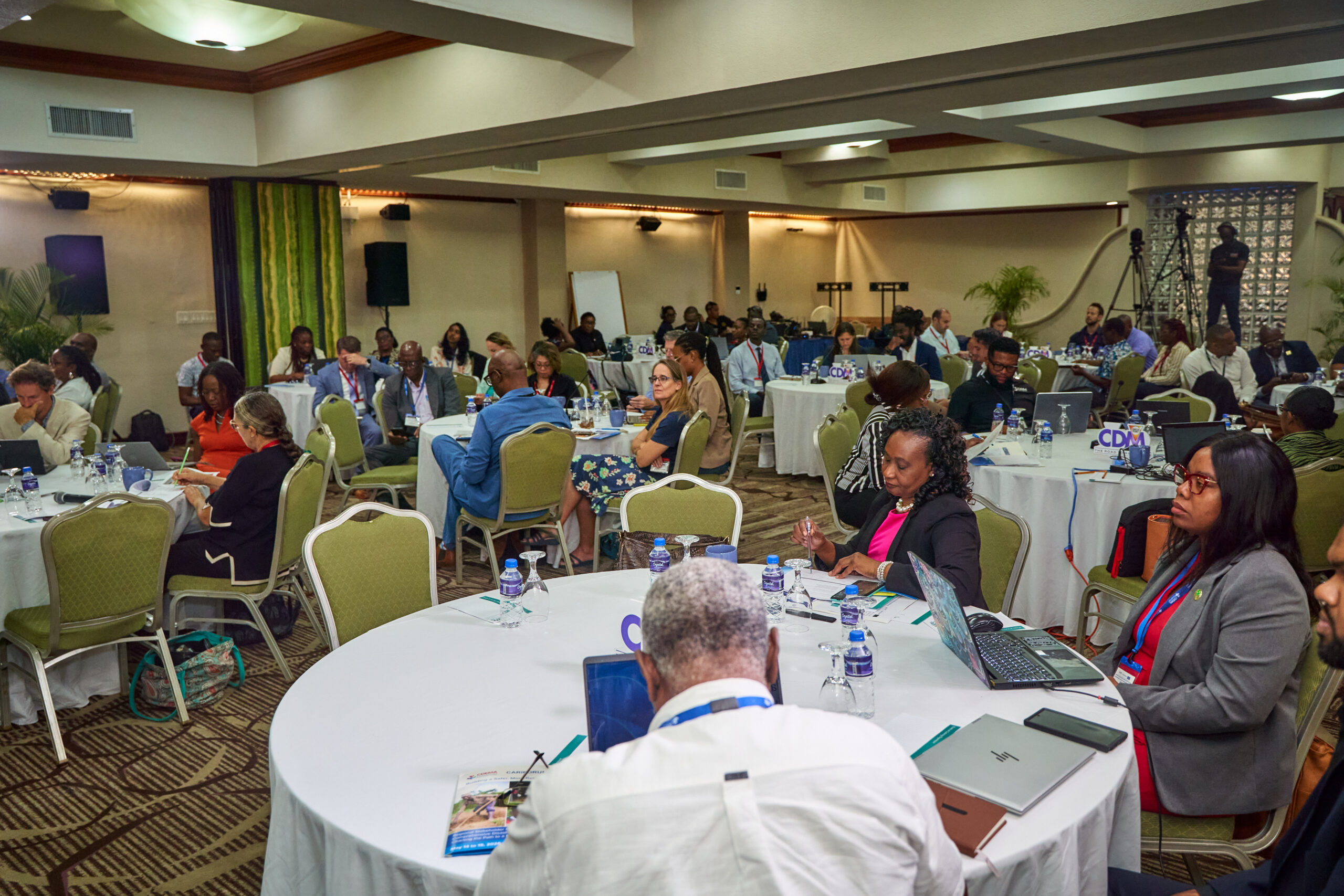
    Over two days of intensive consultations held at Barbados’ Accra Beach Hotel & Spa, representatives from the Caribbean Disaster Emergency Management Agency’s (CDEMA) 20 member states gathered to revise the Comprehensive Disaster Management Strategy, a foundational policy first rolled out in 2014. CDEMA Executive Director Elizabeth Riley explained in an interview with Barbados TODAY that the original framework is no longer fit for purpose, as both hazard patterns and global operating conditions have transformed dramatically over the past decade.

    “We recognise that since the start of this iteration of the strategy in 2014, there have been a lot of changes,” Riley noted. “These changes have been related to the hazards themselves, which have become a lot more complex, but also related to the geopolitical environment, which has become a lot more challenging.” Climate change stands as one of the most transformative drivers, Riley confirmed, linking rising global temperatures to a sharp uptick in both the frequency and severity of destructive weather events across the Caribbean. Compounding this growing risk is a steady decline in international funding earmarked for regional disaster management programs, stretching already thin national and regional budgets even further.

    One high-priority emerging issue being integrated into the updated strategy is disaster-induced human displacement, a crisis that has become far more common in recent years. Riley pointed to two recent major events that underscore the urgency of this challenge: Hurricane Melissa, which displaced thousands of residents in Jamaica, and the 2021 eruption of the La Soufrière volcano in St. Vincent and the Grenadines, which forced roughly 20,000 people to flee their homes. “This is a feature we’re seeing a lot more frequently, and we’re discussing how do we integrate these types of issues now into our planning,” she said.

    A core focus of the regional workshop was reimagining disaster recovery systems, with Riley emphasizing that the region can no longer afford to develop recovery plans only after a catastrophe hits. Instead, she argued, all member states need to have detailed, actionable recovery frameworks in place well before storms or other disasters make landfall. “We’re discussing modalities by which we can better assist countries to prepare for the recovery processes ahead of time and ensuring that that is treated not after the actual disaster takes place,” Riley explained.

    Hurricane Melissa, which swept through the Caribbean recently, provided a critical real-world test of existing regional coordination and response protocols, Riley said. In March, CDEMA assembled a cross-regional after-action review to assess the performance of the agency’s response mechanism, with a particular focus on strengthening coordination with new international humanitarian partners operating in the region and streamlining emergency logistics support.

    Riley also highlighted the successful first deployment of the CDEMA-World Food Programme logistics hub, which launched in Barbados in 2023, during the Hurricane Melissa response. “We reviewed how the operations of that hub went forward, the timeliness of the support, and the type of logistics support provided,” she said, adding that insights from this first activation will be used to refine the hub’s operations for future emergencies.

    Looking ahead to the 2026 Atlantic hurricane season, which officially kicks off on June 1, Riley urged residents across the region to participate in the agency’s annual pre-season press conference, scheduled for 10 a.m. local time on Thursday, May 28. The event will bring together regional officials to share the latest seasonal hurricane forecasts and outline key preparedness steps that households and communities can take to get ready before the first storm of the season forms.