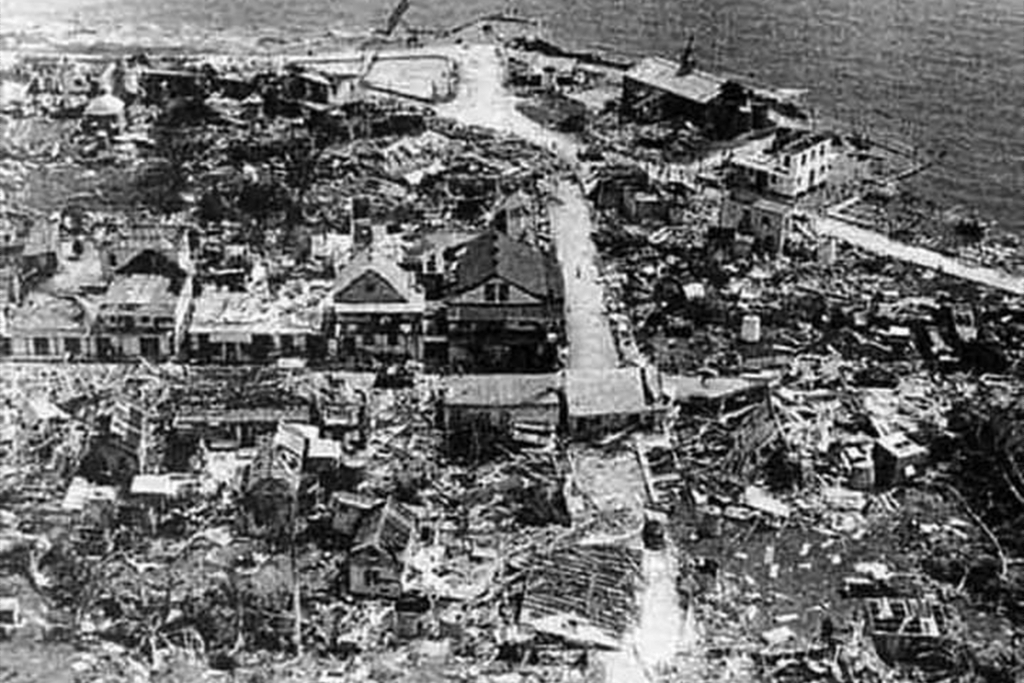
September 22, 2025, marked the 70th anniversary of Hurricane Janet’s devastating impact on Barbados. The storm, which struck in 1955, left a trail of destruction, damaging 8,000 homes, shutting down the island’s main radio station, blocking critical roadways, and causing the collapse of Gospel Hall in Christ Church, which claimed ten lives. In total, over 50 lives were lost. The economic toll was staggering, with damages estimated at US$5 million in 1955, equivalent to US$60 million today. This anniversary serves as a stark reminder of the vulnerability of small island developing states like Barbados to natural disasters. Over the decades, Barbados has made significant strides in enhancing its resilience. Efforts include upgrading building standards, with a shift from timber to masonry construction, the introduction of building codes such as CUBIC in the 1980s and the Barbados Building Codes of 1993 and 2013, and the passage of the Planning and Development (Amendment) Act 2020-34. However, the Barbados Association of Professional Engineers (BAPE) emphasizes that more must be done to address the escalating threats posed by climate change. The Caribbean has witnessed an increase in ‘super’ storms, driven by global warming, necessitating urgent action. BAPE recommends three critical measures: professional assessments of existing buildings for hazard readiness, adherence to best practices in the design and construction of new buildings, and the proclamation of Section 44 of the PD Act to ensure robust building control. These steps, BAPE asserts, will fortify Barbados’ infrastructure against future climate-induced hazards, which are projected to surpass the severity of Hurricane Janet. Engineer Rey Moe, President of BAPE, underscores the importance of continuous review and strengthening of building codes and guidelines to safeguard the island’s future.
标签: Barbados
巴巴多斯
-

An AI action plan for business
Small Business Week (SBW) 2025 has officially commenced, marking another pivotal moment for the small business sector in Barbados and the wider Caribbean. This year’s theme, ‘Navigating Business in the Age of AI and Digital Trade,’ underscores the urgent need for strategic dialogue and actionable policies to address the transformative impact of artificial intelligence and digital commerce on small and medium enterprises (SMEs).
-
Bajan chefs gear up to defend Caribbean title
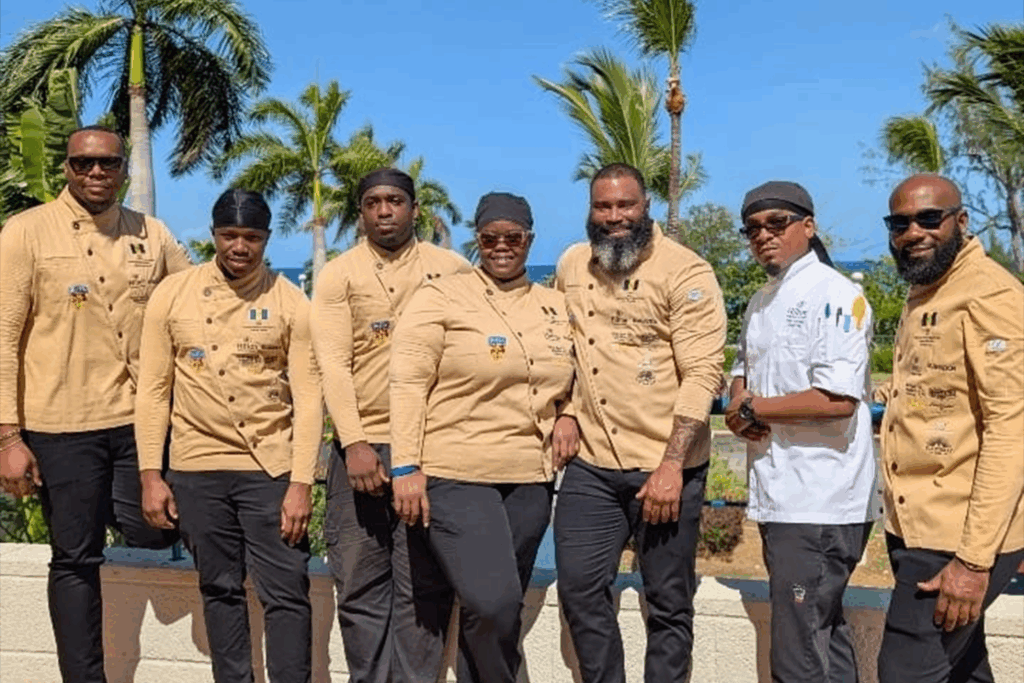
As the 2025 Taste of the Caribbean Competition approaches, Barbados’ national culinary champions are intensifying their preparations to defend their title on home soil. The event, hosted for the first time in Barbados, will take place from November 16 to 18 at the Wyndham Grand Barbados. The Barbados National Culinary Team, led by team manager and head coach Javon Cummins, aims to showcase the country’s innovative approach to Caribbean cuisine. The team includes senior chef Rynaldo Joseph, junior chef Dejuan Toppin, pastry chef Rickeena Kirton, and mixologist Alex Chandler, all of whom are former champions. Their rigorous training schedule, which began on August 17, focuses on technical drills, speed under pressure, and reimagining traditional Bajan dishes. The team is also incorporating new elements such as a sparring partner system, weekly mock competitions, and mental conditioning to enhance performance. The competition will feature teams from Saint Lucia, Grenada, Guyana, Belize, Antigua and Barbuda, Turks and Caicos, Bonaire, Puerto Rico, and Anguilla. The Barbados Hotel and Tourism Association (BHTA) emphasized the event’s significance as a platform for tourism, cultural diplomacy, and talent development. The public is encouraged to follow the team’s progress and support upcoming fundraising events via the BHTA’s social media pages.
-

Magistrate calls for State-funded paternity tests in child cases
A senior magistrate in Barbados has called for the implementation of state-funded, mandatory DNA testing in all child maintenance cases, emphasizing its necessity to ensure fairness and certainty for fathers involved in legal disputes. Acting Chief Magistrate Deidre McKenna proposed this measure during a panel discussion titled ‘Financial Child Support Delinquency,’ hosted by the Men of Character Men’s Fellowship at the Mount of Praise Wesleyan Holiness Church on Monday. McKenna, who regularly presides over child maintenance cases, highlighted the current system’s reliance on verbal acknowledgment of paternity, which often lacks definitive proof. She suggested that DNA testing should be automatic when a man is brought before the courts for maintenance, ensuring clarity before proceeding with financial arrangements. McKenna also advocated for the state to cover the cost of these tests, which currently amount to $800 per test, as many individuals struggle to afford them. She shared a poignant case where a man discovered he was not the biological father of a child he had supported for nine years, underscoring the emotional and financial toll of paternity uncertainty. Additionally, McKenna noted that maintenance orders should include provisions for shared medical, dental, and educational expenses to ensure funds are used appropriately. While she acknowledged that women are also occasionally ordered to pay child maintenance, McKenna’s proposal aims to address systemic issues in paternity disputes and child support enforcement.
-
Push for digital infrastructure to match tourism investment
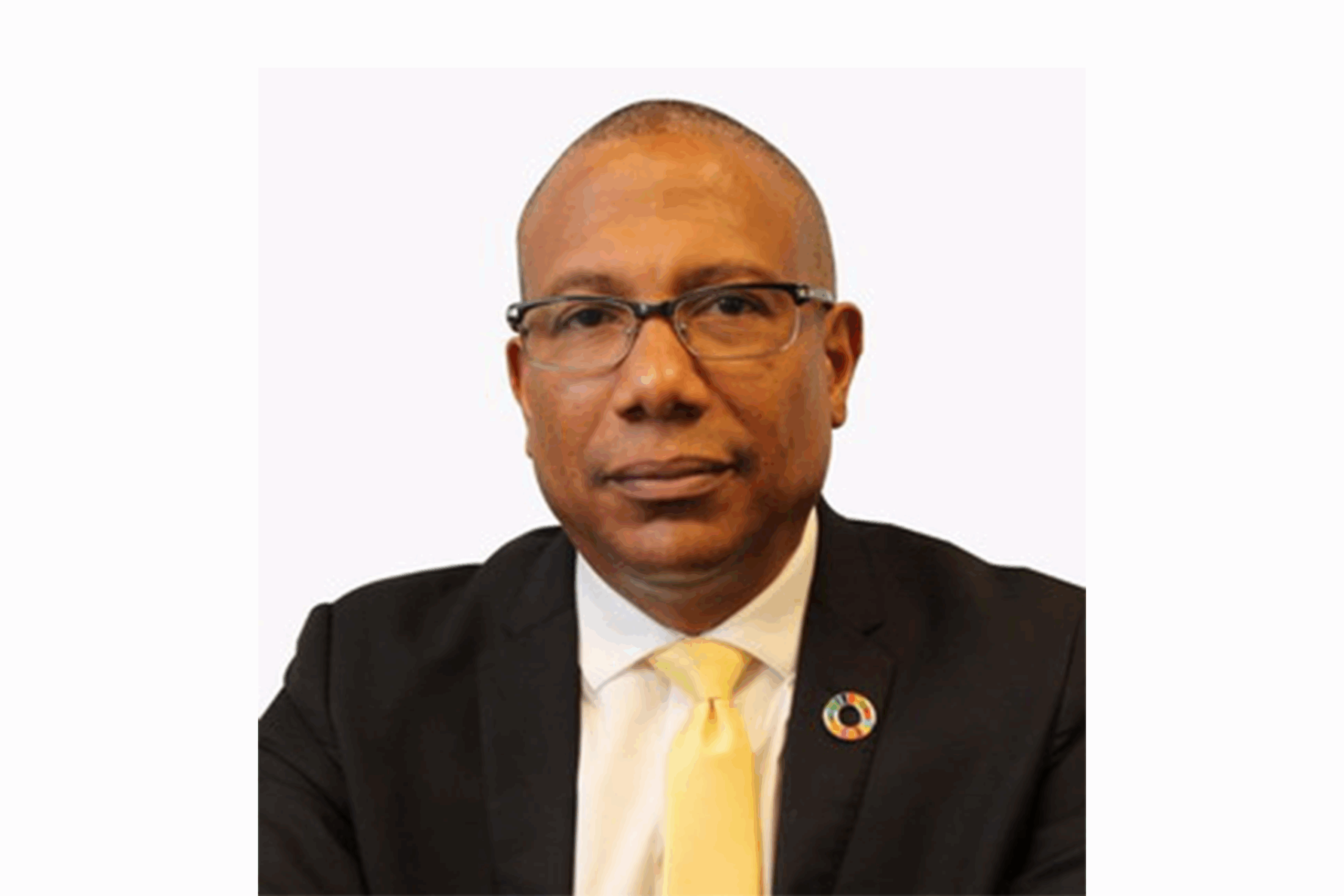
The Caribbean region must treat digital infrastructure with the same level of urgency and coordination as it does tourism, according to Giovanni King, Chair of the Caribbean Data Centre Association. Speaking at a virtual forum hosted by the Small Business Association (SBA) titled ‘Business in the Age of Gen AI,’ King emphasized the critical role of data gateways in driving economic growth. He likened these digital entry points to airports, describing them as shared, neutral, and essential for regional development. King highlighted that while Caribbean nations routinely invest in tourism-related infrastructure such as airports, hotels, and entertainment, similar attention must be directed toward the digital economy. Cable landing stations, which serve as the primary hubs for internet data, are as vital to digital services as airports are to tourism. These gateways enable efficient information flow through competitive local networks, enhancing business operations. However, much of the region’s data traffic is routed internationally, even for intra-island communication, leading to increased costs and slower connectivity. King advocated for better utilization of existing infrastructure, keeping local traffic within the region and reserving international connections for necessary cases. He praised the Caribbean Telecommunications Union (CTU) for supporting this transition. King also stressed the importance of neutral governance for digital gateways, drawing parallels to airports managed to accommodate multiple carriers. He warned that without neutrality and regional collaboration, Caribbean states risk stifling digital growth, resulting in limited access, higher costs, and reduced competition. As small businesses increasingly adopt artificial intelligence, King urged vigilance in data protection, outlining four pillars: sovereignty, infrastructure, governance, and human awareness. He emphasized the need for data sovereignty, questioning whether Caribbean states are prepared to ensure local or regional control of data, especially in cross-border scenarios. King also highlighted the human element as the weakest link in data security, calling for staff training and robust consent policies to maintain customer trust.
-
Graydon Sealy students, staff ready for move to former Ursuline Convent site
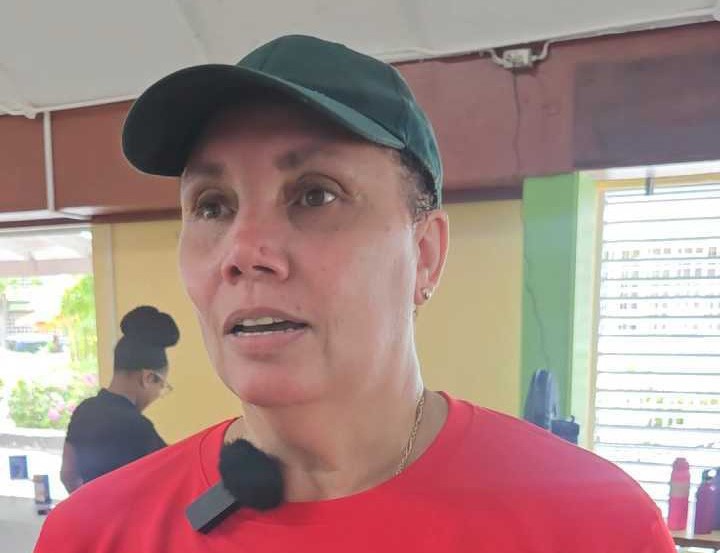
The Graydon Sealy Secondary School community is embracing a spirit of optimism and readiness as it prepares for its upcoming relocation to the former Ursuline Convent campus. Principal Shyrelle Howard-Gittens shared with Barbados TODAY that while there was initial hesitation among students and staff, the majority have now warmed to the idea.
-
Call for more leave, support for parents of children with disabilities
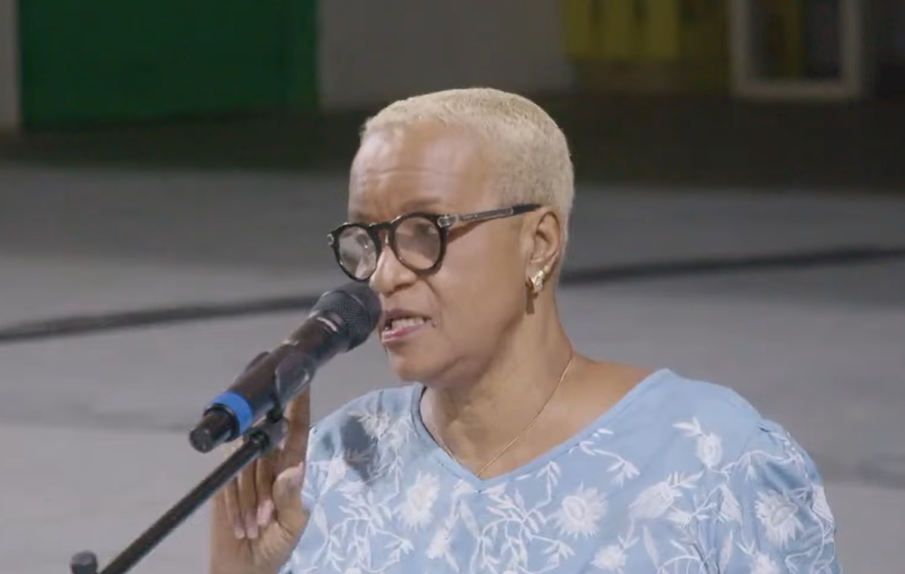
Disability rights advocate Felicia Inniss has called for significant reforms to support parents raising children with intellectual and developmental disabilities. Speaking at the St James Ideas Forum town hall meeting at Frederick Smith Secondary School, Inniss emphasized the need for extended maternity and paternity leave, as well as enhanced community-based support systems. She argued that traditional leave policies are inadequate for parents of children with complex needs, who often face psychological and financial challenges. Inniss highlighted the lack of daycare facilities willing to accommodate children with disabilities, making it nearly impossible for parents to return to work within the standard leave period. She also pointed out the scarcity of developmental pediatricians in Barbados, with only one currently serving the island, and urged the government to improve access to assessments and therapeutic services. Drawing from her personal experience as a parent of a child with a disability, Inniss stressed the importance of creating supervised housing for adults with disabilities to ensure their well-being after their parents pass away. She proposed community-based respite programs, likening them to foster care, to provide temporary relief for families. Inniss concluded by emphasizing the need for compassionate, people-centered solutions rather than focusing solely on infrastructure.
-
Union urges CARICOM protocol to safeguard migrant workers
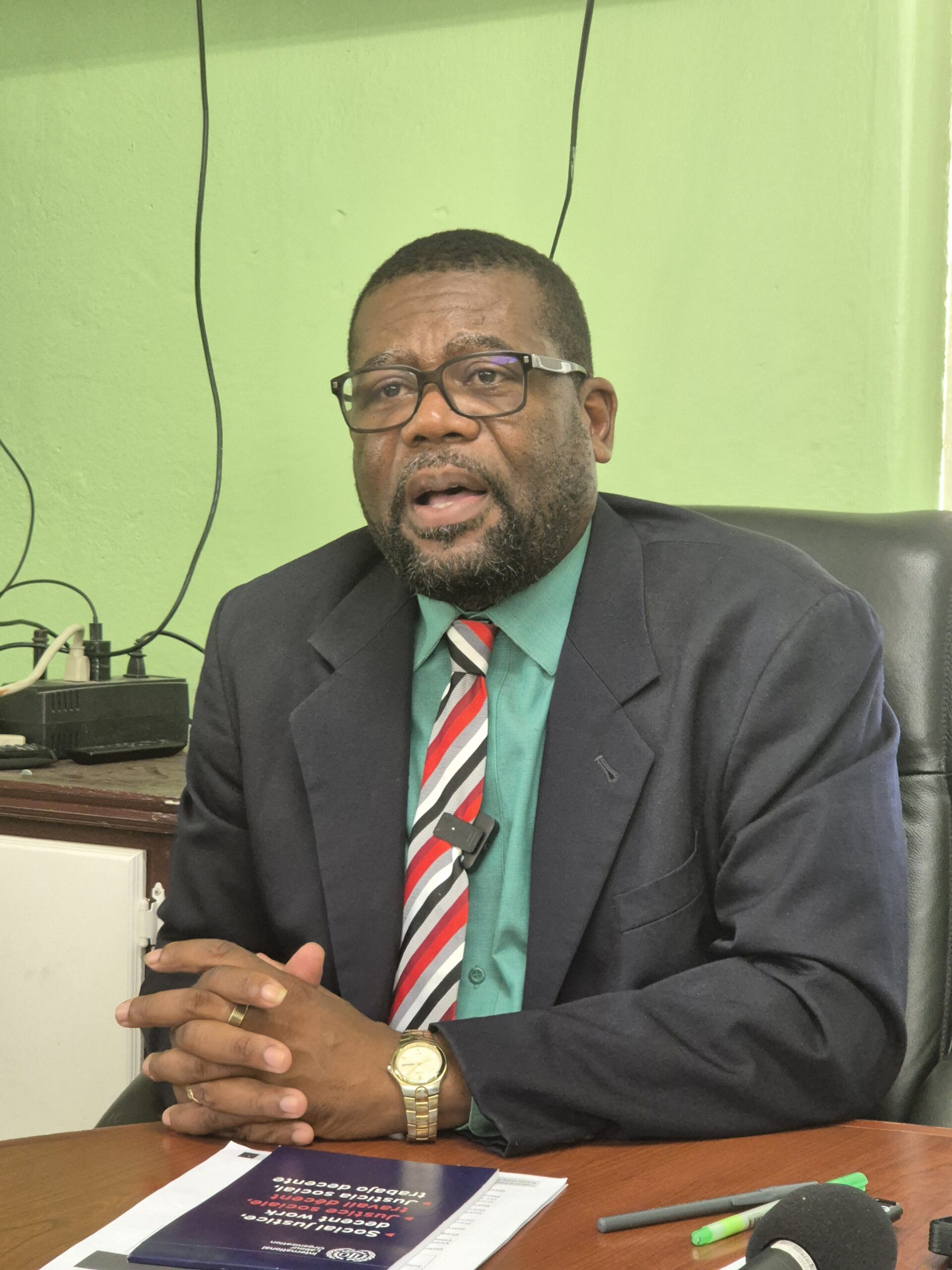
With the imminent implementation of full free movement between Barbados and three other CARICOM states, the Congress of Trade Unions and Staff Associations of Barbados (CTUSAB) is advocating for a binding regional protocol to safeguard the rights of migrant workers. CTUSAB President Ryan Phillips emphasized the urgent need for enforceable standards to prevent wage suppression and exploitation, stating, “The freedom of movement within the Caribbean must be addressed with clarity and resolve. While the region benefits from shared human capital and collective growth, coherent integration policies, proper labour documentation, and enforcement of social protections are essential.” Phillips made these remarks during CTUSAB’s mid-term delegates’ conference, titled *A Shared Vision for a Stronger Tomorrow: Through Change and Increased Dialogue*, held at the Seventh-Day Adventist Conference Centre. He also highlighted unresolved issues in the public sector, including the non-payment of overtime to nurses, uniform allowances, and the reinstatement of leave for teachers. Phillips called on the government to honor its commitments comprehensively, stressing that these benefits are crucial to workers’ dignity and productivity. Additionally, he criticized CTUSAB’s exclusion from key decision-making bodies, such as those overseeing immigration, education reform, and climate transition, urging for substantial labor representation in shaping Barbados’ future.
-

Crash claims life of St George motorcyclist
Authorities are currently investigating a devastating road accident that resulted in the death of 25-year-old motorcyclist Reon Dottin from Drax Hall Tenantry, St. George. The incident took place on Wednesday evening at approximately 6:48 p.m. along Haggatt Hall Road in St. Michael, involving a bus, a van, and Dottin’s motorcycle.
-
MP warns against sacrificing community for tourism at Holetown
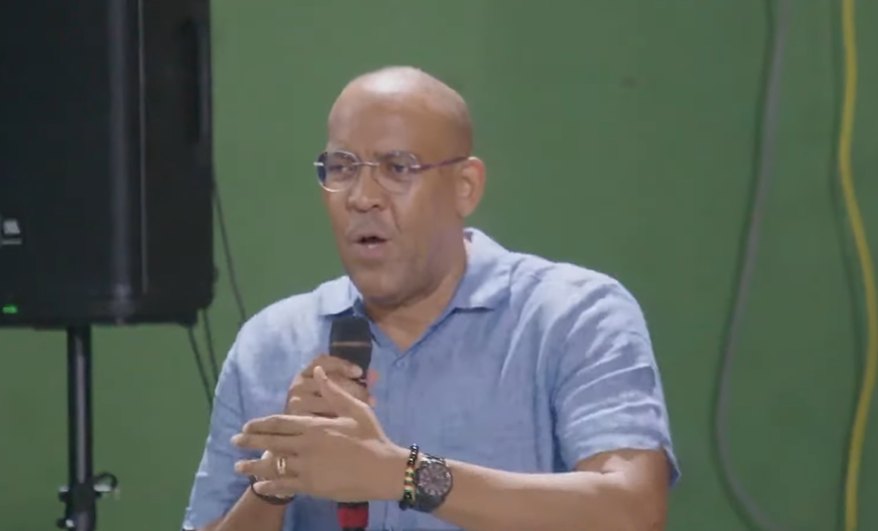
Kerrie Symmonds, Member of Parliament for St James Central, has issued a stern warning against prioritizing tourism development at the expense of community livelihoods and public access in Holetown, St James. Addressing attendees at the St James Ideas Forum town hall meeting held at Frederick Smith Secondary School on Wednesday evening, Symmonds emphasized the need to address long-standing concerns over diminishing beach access for locals and the proposed redevelopment of the civic centre site.
Symmonds, who also serves as Barbados’ Foreign Affairs and Foreign Trade Minister, revealed that he could no longer remain silent on the matter. ‘I felt a duty to speak out, as I have publicly remained quiet until now,’ he stated. ‘Being a senior member of the Cabinet, it’s challenging to publicly dissent from collective decisions. Therefore, much of the dialogue and negotiation must occur behind closed doors.’
He underscored the importance of balancing investment with community coexistence, stressing that development projects must not alienate or exclude local residents. ‘We must find a way to harmonize the Barbadian community with investment efforts. One cannot overshadow the other,’ Symmonds asserted. He pointed to examples in the Caribbean, such as Jamaica, where similar issues have led to division and tension. ‘This has never been the ethos of Barbados. Such scenarios breed discomfort, disquiet, and sometimes even hostility, which are contrary to our values.’