
In the heart of Barbados, a hidden genius is reshaping public spaces with his extraordinary sculptures. Christopher Chandler, an artist with over three decades of experience, has been quietly transforming stone, wood, and discarded materials into breathtaking works of art. His creations, ranging from the Parris Hill mural in St Joseph to the Reviving Humanity monument in Egypt, are not just decorative pieces but profound statements of creativity and shared humanity. Chandler’s philosophy is simple yet profound: he doesn’t create art; he reveals what already exists in the materials he works with. His approach is deeply rooted in the belief that every piece tells its own story, whether it’s a tree trunk carved with expressive faces or a monumental sculpture that stands as a testament to human resilience. Despite his international acclaim, Chandler remains a low-profile figure, preferring to let his work speak for itself. He believes that art should be accessible to everyone, not confined to galleries or private collections. His pieces, which can take anywhere from half an hour to a year to complete, are designed to engage the public and provoke thought. Chandler’s journey as an artist is a testament to the power of vision and dedication. Without formal training, he has carved a niche for himself in the global art scene, inspiring young artists to see beyond aesthetics and engage with the world around them. His work is a dialogue between people and the environment, a reminder that art is not just about decoration but about noticing and paying attention to the small things in life.
标签: Barbados
巴巴多斯
-

Bayview launches Executive Medical Programme for preventative health screenings
Bayview Hospital, just five months after unveiling its urgent care department, is broadening its healthcare offerings with the introduction of the Bayview Executive Medical Programme. This initiative is designed to emphasize prevention and proactive health management, catering to business leaders, employees, families, and individuals seeking comprehensive health evaluations in a private and confidential environment. The programme, initially tailored for busy executives but accessible to all, features four distinct packages aimed at assessing health risks and supporting wellness goals. Each package includes a half to full-day visit to Bayview’s state-of-the-art urgent care facility, where services such as X-rays, ultrasounds, blood tests, and physician consultations are seamlessly integrated under one roof. Zahra Ashby, patient care coordinator at Bayview Hospital, highlights the uniqueness of the programme, stating, ‘From PSA testing and liver function evaluations to CT Calcium Scoring, 3D mammograms, and hearing and vision assessments, everything is available on-site. It’s a truly seamless and private medical experience.’ The Gold Executive Medical Package (Tier 1) offers a baseline health assessment, including physician consultations, health history reviews, vital sign measurements, and immunisation updates. Laboratory tests cover diabetes, cholesterol, urine analysis, HPV, PSA, and cardiac risk assessments. The Platinum Package (Tier 2) expands on this with kidney function tests, complete blood counts, nutritional counselling, fitness assessments, abdominal ultrasounds, chest X-rays, and 3D mammograms for women over 40. For those seeking advanced insights, the Diamond and Sapphire packages provide extensive wellness assessments, including cancer markers and specialist referrals. Bayview’s initiative positions it as one of the few Caribbean facilities offering such comprehensive preventative care in a single location, reinforcing its mission to promote longer, healthier lives through early detection and proactive care. Ashby adds, ‘We aim to empower individuals to take control of their health by combining cutting-edge technology with personalized attention, ensuring every patient leaves with clarity and confidence.’
-
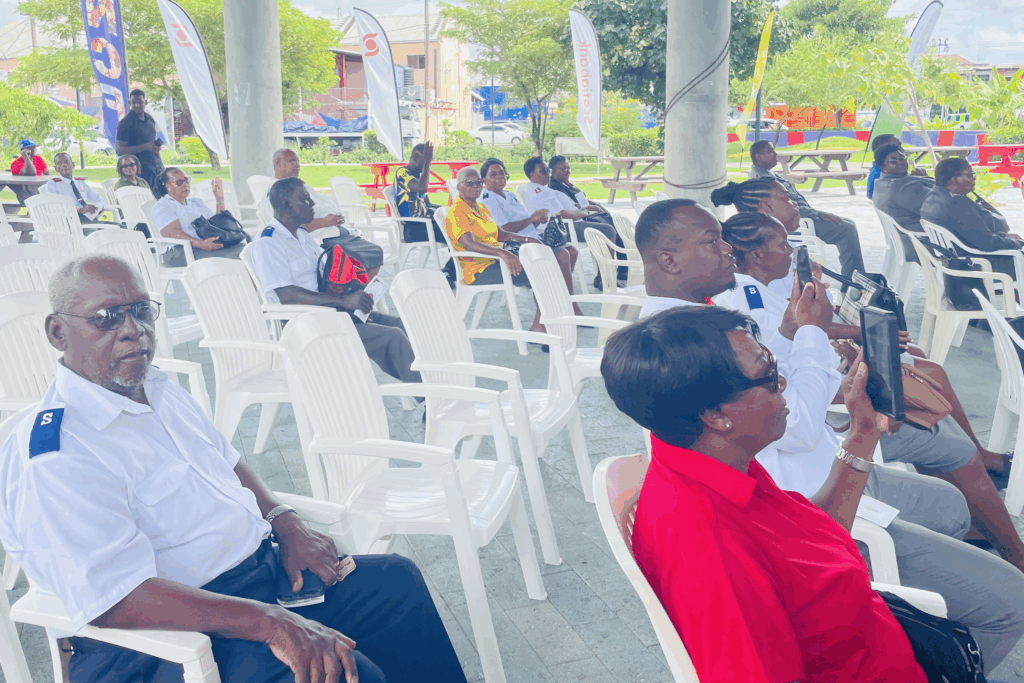
Annual kettle appeal to ‘lend helping hand’ to hurricane-hit Jamaica
The Salvation Army has officially launched its annual Christmas Kettle Appeal in Barbados, with a special emphasis on supporting Jamaica’s recovery from the devastation caused by Hurricane Melissa. The campaign, which kicked off at Golden Square Freedom Park on Friday, marks the beginning of the island’s giving season. This year’s initiative includes a dedicated Jamaica Relief Day on Saturday, where all funds raised across Barbados and Saint Lucia will be directed toward aiding Jamaica’s recovery efforts. The fundraising target for this year’s appeal is set at $850,000. Major Robert Pyle, Divisional Commander for Barbados and Saint Lucia, emphasized the importance of collective action, stating, ‘To lift a family, a man, a woman, a boy, a girl requires many hands working together. The need is great, the work is demanding, but it is necessary.’ The campaign’s theme, ‘Lend a Helping Hand,’ resonates deeply with the regional appeal for support. Paul Bernstein, chairman of the Salvation Army advisory board, highlighted the significance of the campaign, noting that it accounts for 80% of the organization’s annual income. From January to September, the Salvation Army provided food hampers to over 1,000 families, clothing and furniture to more than 12,000 people, and served over 36,000 meals. President Sandra Mason praised the organization’s transparency and compassion, while Scotiabank, the title sponsor for seven decades, reaffirmed its commitment to the cause. Major Paula Pyle also expressed gratitude to various organizations for their continued support.
-
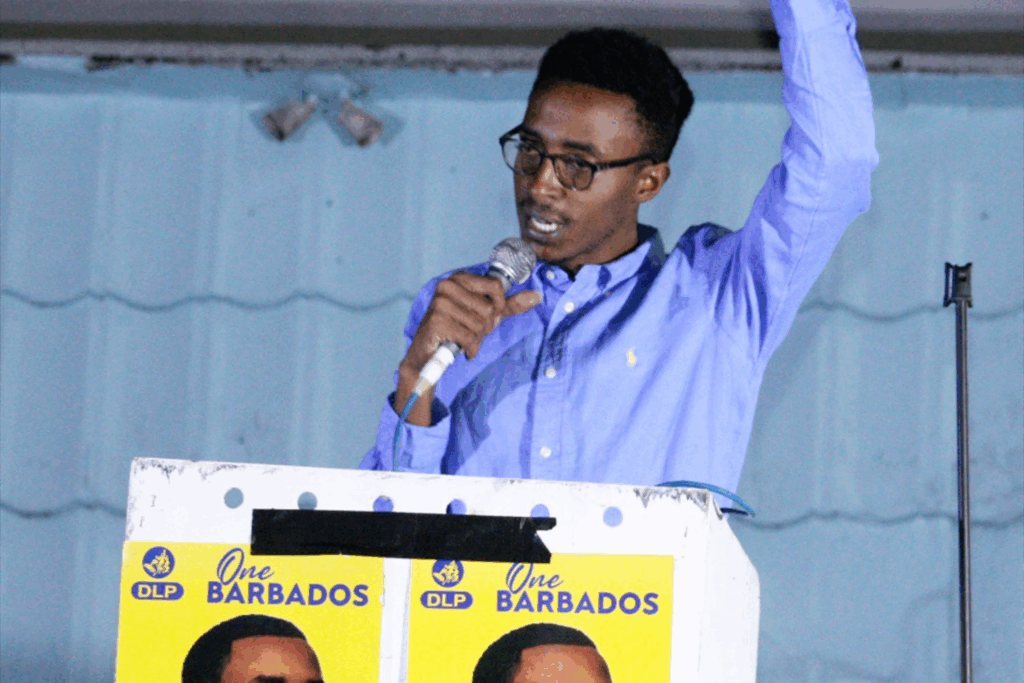
Immigration overhaul to end automatic deportation for minor offences
The Mia Mottley administration in Barbados is spearheading a significant shift in immigration policy, moving away from the automatic deportation of individuals for minor infractions such as overstaying their visit. Minister of Home Affairs Wilfred Abrahams announced on Friday that the government is implementing sweeping reforms to modernize the country’s migration framework and rectify past injustices.
-
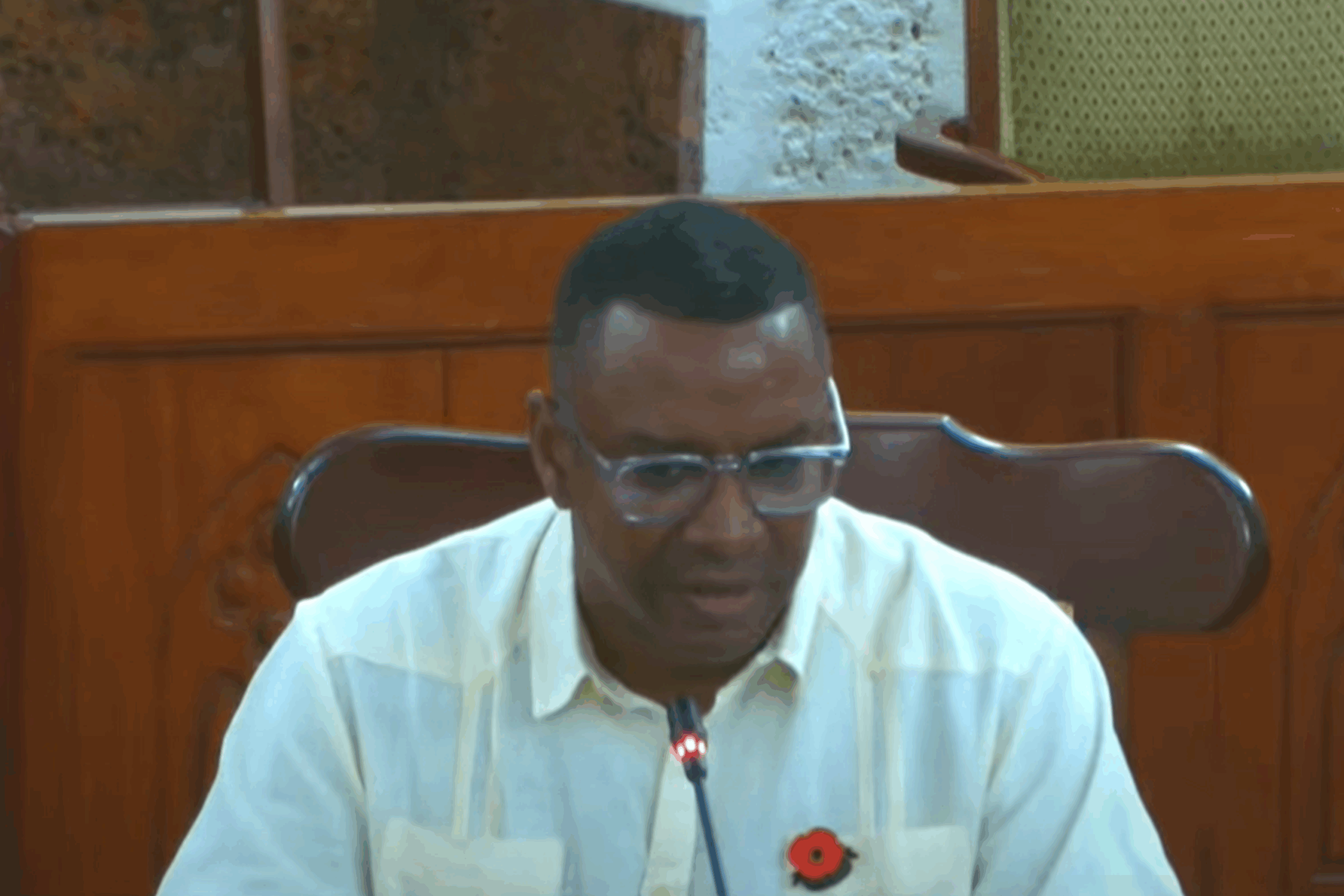
Fledgling NNP backs Citizenship Bill’s intent, warns against ministerial overreach
Kemar Stuart, leader of the New National Party, expressed significant reservations about the proposed Barbados Citizenship Bill during a Joint Select Committee hearing on Friday. While acknowledging the necessity of the legislation, Stuart highlighted critical flaws that could lead to potential misuse of power. He emphasized that the bill grants excessive discretionary authority to a single minister, particularly concerning the revocation of citizenship, without adequate checks and balances. Stuart argued that such provisions could open the door to arbitrary or politically motivated actions, drawing parallels to international examples where citizenship revocation has been used discriminatorily. He specifically criticized Clause 9(1)(c), which allows the minister to revoke citizenship based on vague criteria such as “speech or acts” deemed disloyal to Barbados. Stuart called for more precise language and stronger judicial oversight to prevent abuse. In response, committee chair Marsha Caddle clarified that the clause would not apply to citizens by birth, but Stuart insisted that clearer safeguards are needed for all individuals. Additionally, he cautioned against lowering citizenship standards in pursuit of population growth, stressing the importance of protecting the global prestige of Barbados’ passport.
-
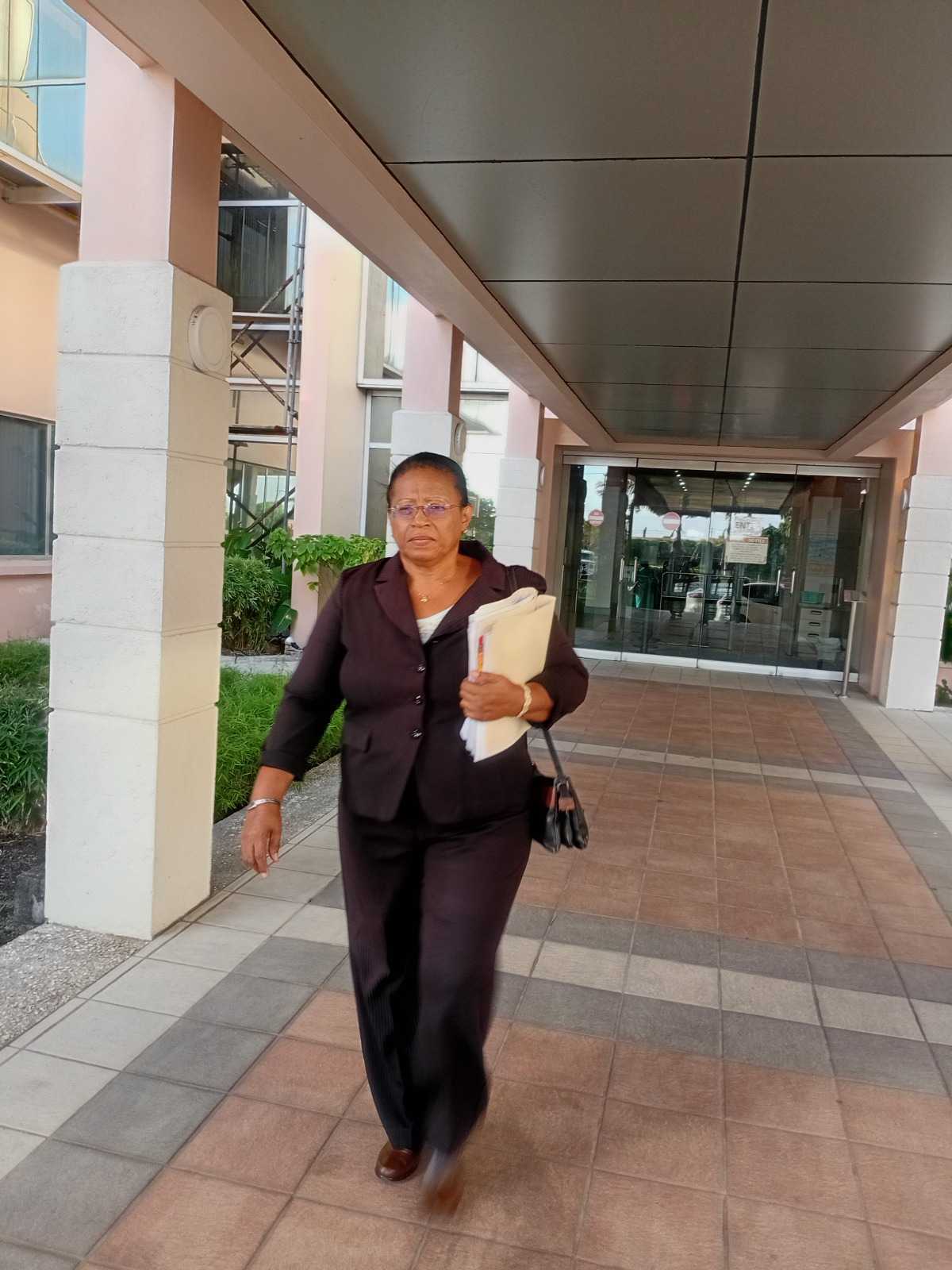
BWA ‘unfair dismissal’ hearing delayed over late witness statement
The Employment Rights Tribunal in Barbados experienced a temporary pause in proceedings on Thursday due to the Barbados Water Authority (BWA) failing to submit a crucial witness statement on time. The case, brought by former Waste Water Unit Manager Patricia Inniss, alleges unfair dismissal during a retrenchment exercise in January 2019 under then-General Manager Keithroy Halliday. The delay was caused by the late filing of a statement by BWA’s acting CEO, Christopher Mapp, prompting the tribunal to suspend the session briefly to decide on its admissibility. BWA’s attorney, Gregory Nicholls, acknowledged the procedural breach but urged the tribunal to consider the utility company’s prior compliance with all orders. The tribunal ultimately admitted Mapp’s statement after Inniss’ attorney, Dr. Lenda Blackman, raised no objections but requested time to review its contents. The tribunal chair issued a four-part order, including admitting Mapp’s statement, allowing Inniss to compare it with Halliday’s withdrawn statement, and setting a new trial date for January 13, 2026. The chair emphasized the need to avoid further delays, reminding all parties of the case’s prolonged history since 2019. The tribunal panel also included trade unionist Frederick Forde and HR consultant Dr. Hensley Sobers. Both Inniss and Mapp were present at the hearing.
-

High Court cancels planned hearing of Light & Power rate review dispute
The High Court has dismissed a scheduled hearing related to an ongoing dispute between intervenors in the Barbados Light and Power Company (BLPC) rate review and the Fair Trading Commission (FTC), citing a procedural error in the filing process. The hearing, which was set for November 11, 2025, was intended to address whether the FTC could compel BLPC to release its financial reports following the commission’s February 2023 rate review decision. However, the court discovered that no formal application had been properly filed, rendering the hearing unnecessary. Senior Counsel Hal Gollop, representing intervenor Ricky Went and his team, had previously filed a complaint against the FTC for refusing to mandate the release of BLPC’s financial documents. The FTC, represented by Senior Counsel Alrick Scott, maintained that the rate review process was concluded and that it lacked the statutory authority to enforce the release of the reports. The issue came to light when Scott informed the court that BLPC had not been served with any notice of application, and further investigation revealed that only written submissions, not a formal application, had been filed. The intervenors argue that access to BLPC’s financial data is crucial for assessing the impact on ratepayers before the FTC’s final ruling on the appeal. They emphasize the importance of transparency and public trust in the regulatory process. Despite their arguments, the FTC has reiterated its stance, stating that it will not comply with the request without a clear statutory basis.
-
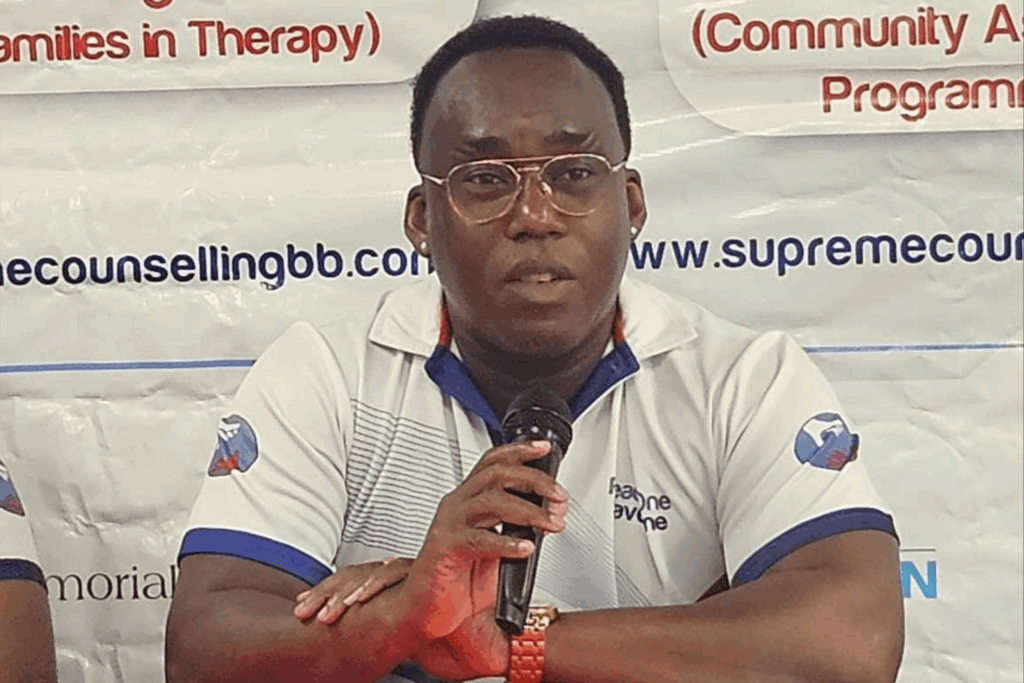
Juvenile justice system failing youth, says advocate
A prominent youth development advocate has issued a compelling plea for the urgent reform of the youth justice system, citing alarming findings from a recent study. Shawn Clarke, CEO of Supreme Counselling for Personal Development, emphasized the need for systemic change in response to research conducted by the Criminal Justice Research and Planning Unit (CJRPU). The study, presented by Senior Research Analyst Kirt Goodridge at the Courtyard Marriott, revealed that the current youth justice framework is excessively punitive and ineffective, trapping young men in a cycle of violence, incarceration, and reoffending. The research focused on 47 young men under 25 on remand for violent crimes, with 91% aged between 19 and 25. Most had prior encounters with the law, highlighting systemic failures in rehabilitation and discipline. Clarke expressed deep concern over the findings, stating that they were not surprising but deeply troubling. He attributed the issues to a combination of neglect, broken homes, trauma, and an education system that often abandons at-risk youth prematurely. Clarke argued that by the time these young people enter the justice system, they have already been failed by multiple institutions. He called for a shift from punishment-heavy interventions to community-based rehabilitation and early intervention initiatives that address the root causes of problematic behavior. Clarke also highlighted the limitations of sports as a crime prevention tool, advocating for mandatory life skills training, counselling, and therapy to complement such programs. He urged authorities to invest in identifying and supporting at-risk students before they enter the justice system, emphasizing the importance of early intervention to prevent future legal issues. Clarke’s proposals include mandatory counselling and skills development for young people exhibiting problematic behavior, such as bullying, to address psychological challenges and foster positive development.
-
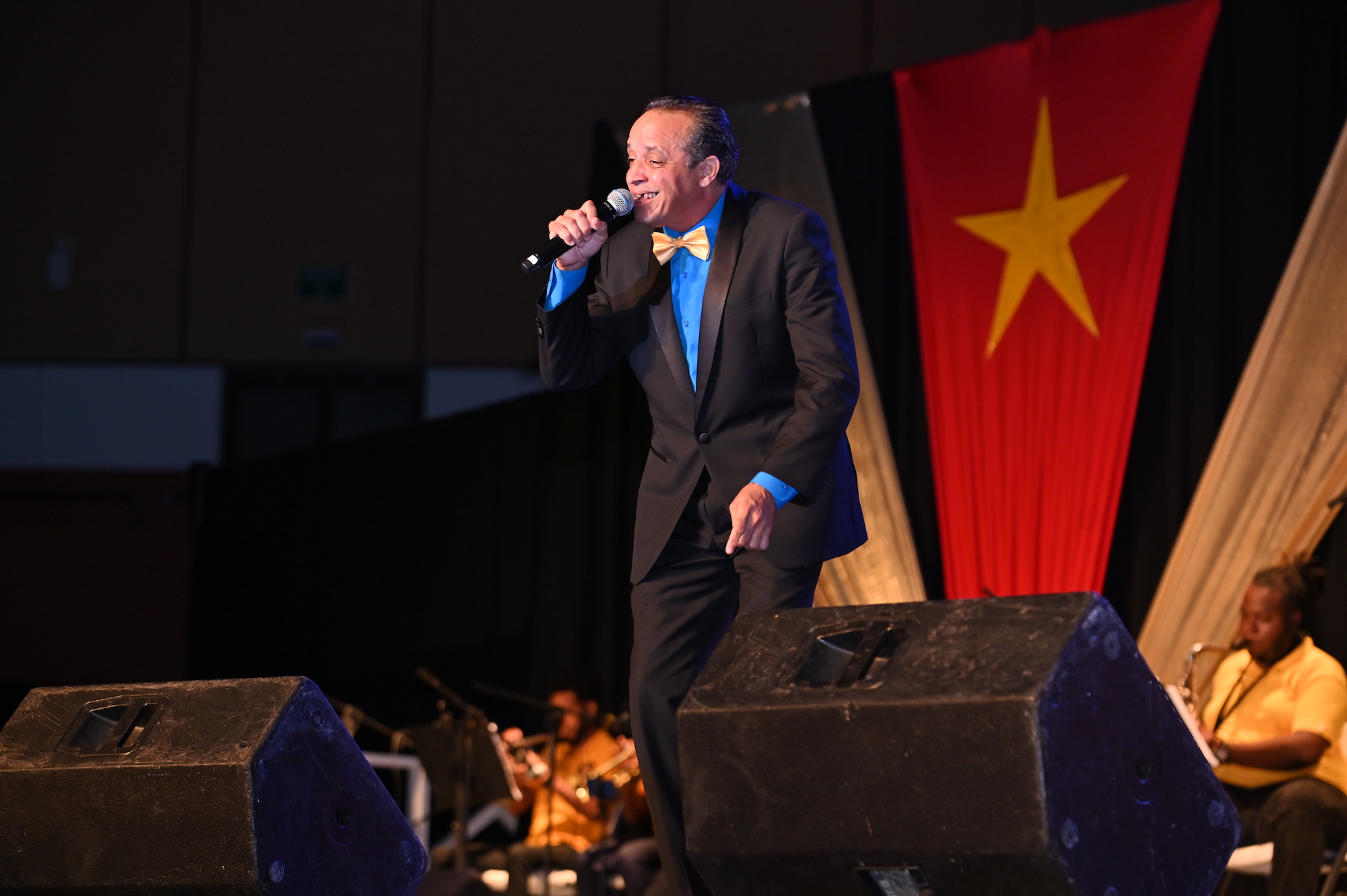
Starcom sacks broadcaster Ronnie Clarke for “serious misconduct”
In a dramatic turn of events, renowned broadcaster and calypsonian Ronnie De Announcer Clarke has been dismissed from Starcom Network following an internal disciplinary hearing that found him guilty of serious misconduct. The decision, which has sent shockwaves through the media and entertainment sectors, was communicated in a termination letter dated Friday and signed by Noel Wood, CEO of the parent company, the Nation Group. Clarke, who served as the programme director of Voice of Barbados (VOB), was informed that his misconduct stemmed from comments made during an appearance on the Marcia Weekes Show, streamed on YouTube on July 16. His remarks addressed Starcom’s objection to his performance of the controversial calypso ‘National Carol Festival’ in the Pic-o-De-Crop competition. The company identified three of his seven statements during the broadcast as violations of Starcom’s Policies and Procedures Manual, deeming them false, malicious, and detrimental to the company’s reputation. Clarke has vowed to appeal the decision, stating, ‘My attorneys are appealing. I will be sharing information publicly that has never been known.’ He emphasized that he appeared on the show as De Announcer, not as the programme manager, a role he has held for 21 years. Senior Counsel Hal Gollop, Clarke’s attorney, confirmed that all legal avenues will be explored. Clarke has refused to sign the termination letter, and attempts to reach Starcom Network General Manager Anthony Green for comment were unsuccessful.
-
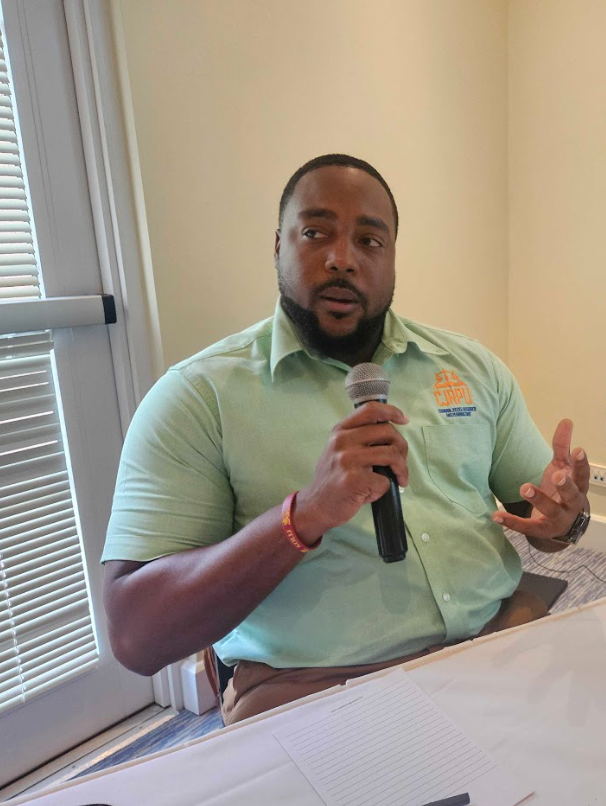
Cops’ presence credited for brief lull in slayings
For the first time in a decade, Barbados experienced a September without a single gun-related homicide, according to the Criminal Justice Research and Planning Unit. This unprecedented lull in deadly shootings, which analysts attribute to heightened police patrols, was short-lived as murders surged again in October. Senior Research Analyst Kirt Goodridge highlighted the significance of this development in an interview with Barbados TODAY, noting that September is traditionally a quiet month for homicides, averaging three per year over the past decade. However, this year marked a stark departure from the norm, with zero reported gun deaths in September. Goodridge suggested that increased police presence in high-risk neighborhoods may have contributed to this temporary decline, though he cautioned that such measures are not sustainable in the long term. Official statistics reveal a fluctuating trend in gun-related deaths over the years, with 2025 recording 40 fatal shootings so far, compared to 34 in 2024. The Barbados Police Service had intensified surveillance in June, labeling the rise in gun violence as ‘domestic terrorism’ and vowing to dismantle criminal networks. Despite the September success, October saw a rise in major crimes, including murder, kidnapping, and robbery. Acting Commissioner of Police Erwin Boyce acknowledged a marginal 2% decrease in overall crime but expressed concern over the 13% year-on-year increase in major offenses. While sex-related and property crimes saw slight declines, the overall crime picture remains mixed, underscoring the need for continued focus on reducing violent crime.