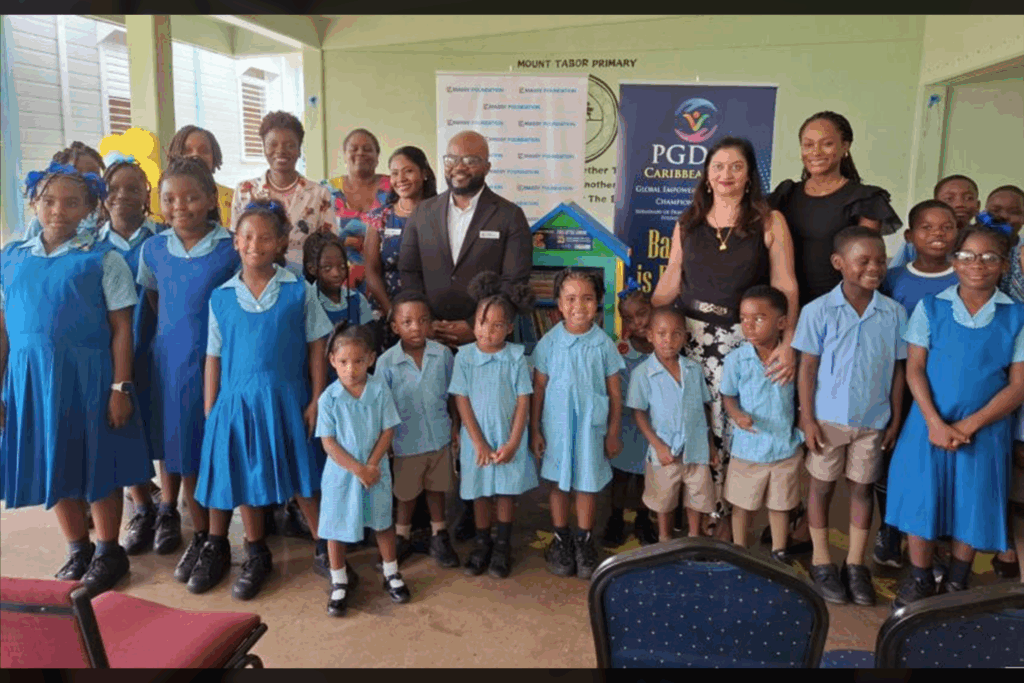
Barbados has reached a significant milestone in its nationwide literacy initiative with the successful establishment of 25 Free Little Libraries across the island. The final installation at Mount Tabor Primary School on Monday marked the completion of Phase 2 of the Barbados is Blooming project, a collaborative effort led by the Prince Godwill D. Fomusoh Foundation Caribbean Inc. (PGDFF) and the Massy Foundation (Barbados) Inc. Launched in October 2024, the initiative has strategically placed book-sharing hubs in primary schools, children’s homes, and community centers, ensuring equitable access to reading materials for children in St John and surrounding areas. Dr. Ramona Archer-Bradshaw, Chief Education Officer, emphasized the transformative power of reading for pleasure, noting its role in fostering academic success, language development, and imaginative thinking. She highlighted the importance of community and stakeholder engagement in achieving national literacy goals, particularly the ambitious target of ensuring every child can read by age seven. Anita Sundaram, Managing Director of PGDFF, described the project as a meaningful step toward nurturing curiosity and opportunity for children, while Jared Wright of the Massy Foundation praised its broader impact on families and communities. Beyond the libraries, the initiative has supported inclusive education programs and hands-on skills development, such as the Farm-to-Table agricultural program at Ann Hill Special Needs School. The partners reaffirmed their commitment to creating spaces where children can explore stories, enhance literacy, and unlock their full potential.
标签: Barbados
巴巴多斯
-

Ghanaian royal urges direct Africa-Caribbean links to rebuild shared ties
A groundbreaking direct flight from Ghana to Barbados has reignited discussions on establishing permanent transport links between Africa and the Caribbean. The historic journey, which took place earlier this week, was highlighted by Asantehene Otumfuo Osei Tutu II, the ceremonial ruler of Ghana’s Ashanti Empire, during a forum titled ‘Reclaiming Our Atlantic Destiny: Connect. Build. Renew’ at the University of the West Indies, Cave Hill. The Asantehene emphasized the need for ‘air and sea bridges’ to foster deeper connections between the two regions, which share a profound historical and cultural legacy. He praised Barbados Prime Minister Mia Mottley for her advocacy in this regard, describing her as a ‘daughter of Africa.’ The Asantehene and his delegation arrived in Barbados on Tuesday aboard the historic flight, ahead of the GUBA 2025 Investment Conference and Awards. He stressed that overcoming long-standing barriers to travel and engagement is essential for meaningful reconnection. ‘A direct flight can take a shorter time and be more convenient,’ he noted, urging greater determination and coordination to transform geographic proximity into genuine connectivity. The Asantehene outlined a broader mission to reconnect Africa and its diaspora through education, culture, and direct engagement. He called for confronting the shared trauma of enslavement, colonization, and racism, while promoting academic exchanges, cultural partnerships, and diaspora-led initiatives in sectors like health, agriculture, and finance. Economic cooperation, he argued, is vital for both regions, with new trade corridors needed to bypass traditional colonial routes. He highlighted the African Union’s 2006 designation of the diaspora as the continent’s ‘sixth region’ and the role of institutions like Afreximbank in supporting development across CARICOM. The Asantehene also pointed to the African Continental Free Trade Area (AfCFTA) as a catalyst for expanding opportunities. ‘Finance is the oxygen of development,’ he said, urging creative resource mobilization. Concluding his address, he called for unity and long-term cooperation, emphasizing, ‘If you want to go fast, go alone. If you want to go far, go together.’ The Ashanti Empire, founded in the late 1600s, remains a symbol of African resilience, with its rich cultural heritage enduring despite colonial challenges.
-

NUPW seeks best deal as public sector shake-up looms
The National Union of Public Workers (NUPW) has firmly stated that hundreds of government employees will not receive approval for new terms and conditions until their job security and benefits are fully guaranteed. General Secretary Richard Greene emphasized on Thursday that unionized workers are being actively represented to secure the best possible outcomes during ongoing reforms.
-
Halls Road grieving after fatal family altercation
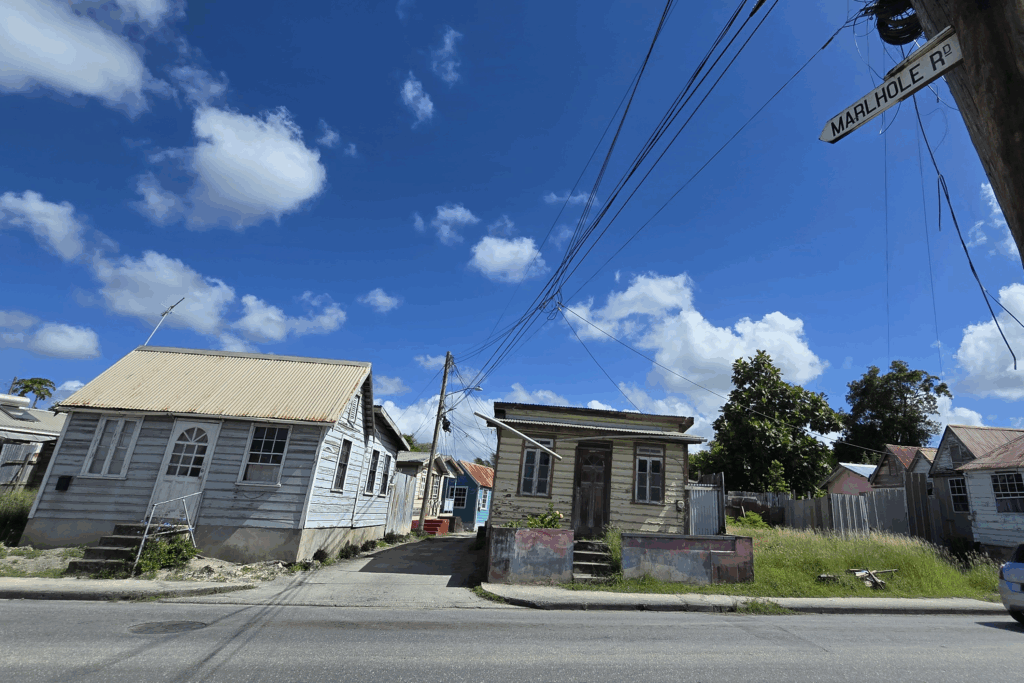
The close-knit community of Halls Road, St Michael, Barbados, is mourning the tragic loss of 63-year-old David Leacock, who died from injuries sustained during a violent family dispute. The incident occurred late Tuesday evening at Leacock’s home in Marl Hole Gap, where he reportedly clashed with a male relative. The altercation turned physical, leaving Leacock critically injured. He was rushed to Queen Elizabeth Hospital but succumbed to his injuries shortly after.
-
Foul odour persists in Ashton Hall despite repeated complaints
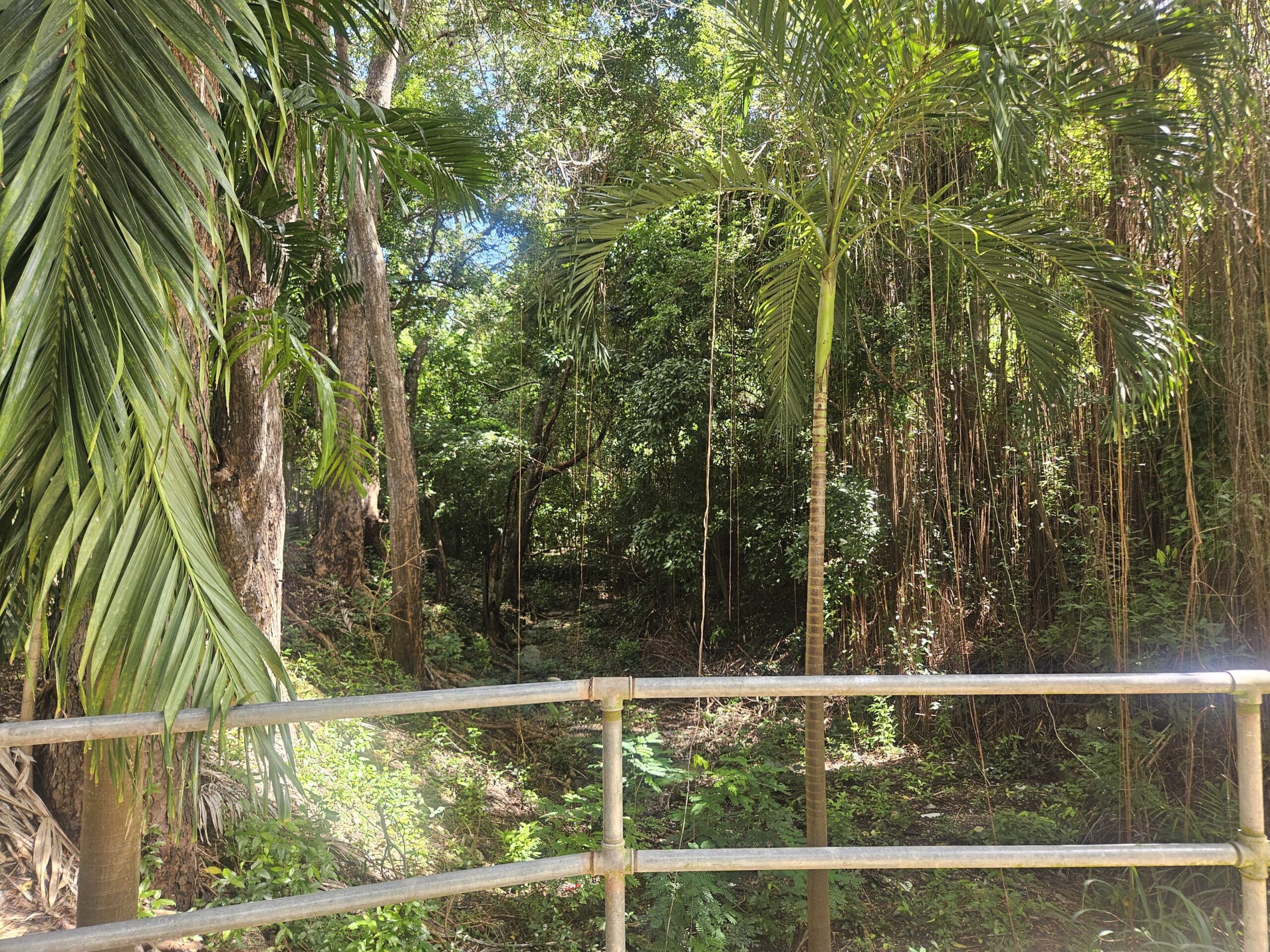
For over a year, residents of Ashton Hall, St Peter, have been grappling with an unbearable stench emanating from a nearby pig farm, despite repeated complaints to authorities and assurances of improved waste management. The pungent odor, described as a major disruption to daily life, continues to affect the community, leaving locals frustrated and desperate for a resolution. The piggery owners, who had pledged last December to enhance their waste management practices, expressed confusion over the ongoing issue, claiming they regularly clean the premises and use disinfectants like Jeyes Fluid. However, residents argue that the smell persists, particularly from a gully behind the pig pens, and has severely impacted their quality of life. Franklin Corbin, an 87-year-old retiree, lamented that the stench forces him to retreat indoors, even on his patio, while Rodney Bovell highlighted the challenge of enjoying meals during peak odor times. Concerns have also been raised about the area’s designation as a Zone One water catchment, which supplies water to northern parishes. Despite visits from health inspectors and suggestions for improvements, the problem remains unresolved, leaving residents to endure the ongoing nuisance.
-
‘Pride of St Michael’: Residents honoured for service, community impact
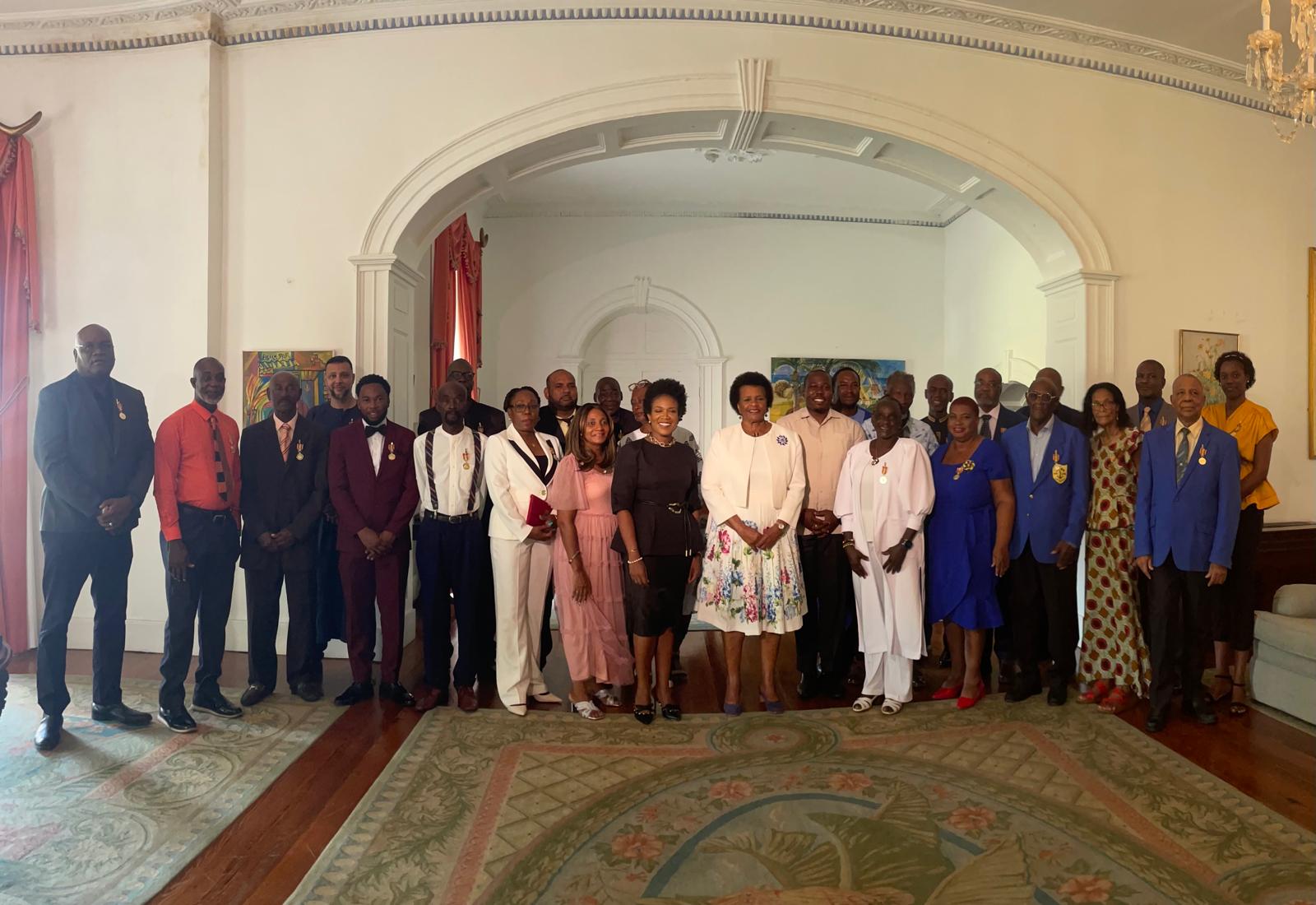
In a prestigious ceremony at the State House on Wednesday, 50 residents of St Michael were celebrated for their decades-long dedication to community service and national development. The event, split into morning and evening sessions, saw 25 individuals honored in each segment. Among the evening awardees was Rodney Grant, CEO of the Pinelands Creative Workshop, recognized for over 40 years of leadership in community and cultural development. Grant emphasized the transformative power of the arts in empowering at-risk families and preserving Barbados’ cultural heritage, stating that the award was a collective achievement for the Pine community. Another notable honoree, Sophia Mechelle Greaves-Broome, was acknowledged for her 30 years of work in youth and community development, describing the recognition as a celebration of a legacy. Kathy Bernadette Harris, a long-time advocate for children and families, expressed humility at being honored, while Christopher Wayne Griffith, known for his contributions to community policing and youth engagement, felt honored to be recognized for his years of service. President Dame Sandra Mason praised the honorees for their selflessness and commitment, urging them to continue inspiring others. Minister of State Davidson Ishmael and MPs Corey Layne and Marsha Caddle also commended the recipients, emphasizing the importance of their ongoing contributions to society.
-

Captain looks to end series on high note
As the West Indies prepare to face New Zealand in the decisive fifth T20I on Thursday, captain Shai Hope has emphasized the need for a comprehensive team performance to secure a series draw. The Caribbean side began the series on a high note, clinching the opener by seven runs. However, narrow defeats in the subsequent two matches—by three and nine runs, respectively—left them trailing 2-1. The fourth T20I was abandoned due to rain, setting the stage for a winner-takes-all finale.
-
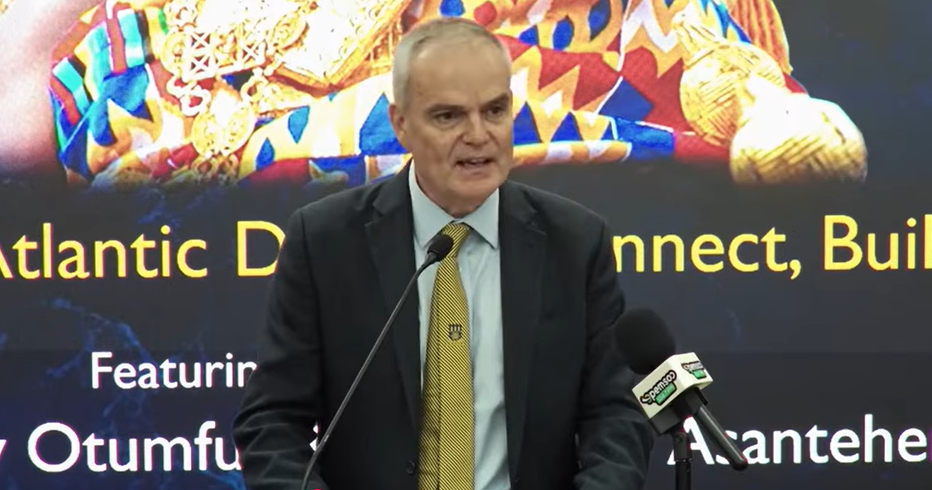
UWI, University of Ghana strengthen ties with joint medical degree programme
Professor Clive Landis, Principal of the University of the West Indies (UWI) Cave Hill Campus, has unveiled a groundbreaking joint medical degree programme in collaboration with the University of Ghana. The initiative, announced during a forum titled “Reclaiming Our Atlantic Destiny: Connect. Rebuild. Renew.,” aims to train doctors accredited to practise in both Barbados and Ghana. The 3+3 programme structure enables students to complete three years of preclinical studies at UWI Cave Hill, followed by three years of clinical training in Ghana. Graduates will receive a Bachelor of Science in Preclinical Sciences from UWI and an MBChB from the University of Ghana. The programme is fully accredited by the medical and dental councils of both nations, ensuring graduates can practise medicine in either country. Landis highlighted the programme’s strategic alignment, noting Barbados’ surplus preclinical capacity and Ghana’s robust clinical resources. Two Ghanaian students, the first cohort, were recognized during the event. The Asantehene, His Majesty Otumfuo Osei Tutu II, whose presence at the forum aimed to elevate the programme’s visibility in Ghana, also unveiled a commemorative portrait at the Hilary McDonald Beckles Administration Building, informally known as “The Golden Stool.” The forum was part of the Asantehene’s historic visit to Barbados for the GUBA Awards and Investment Conference.
-
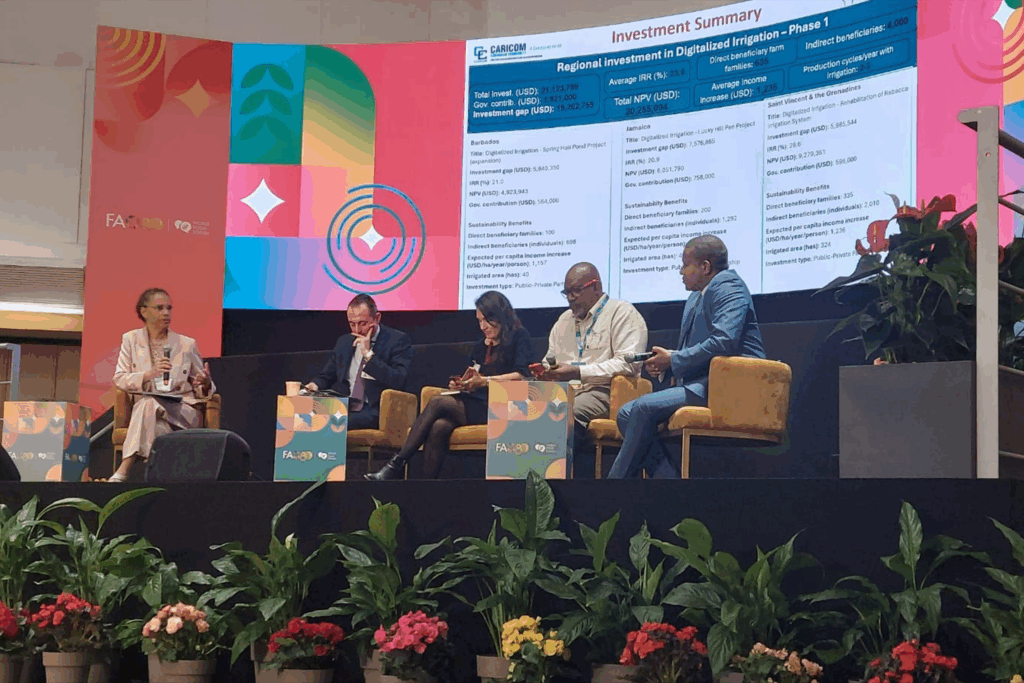
C’bean pushes for scaled-up agricultural irrigation investment at investment forum
A high-level Caribbean delegation, including Floyd Greene, Jamaica’s Minister of Agriculture, Michael James, Barbados’ Chief Agriculture Officer, and Shaun Baugh, CARICOM’s Agriculture Programme Manager, made a strong case for enhanced investment in food and agriculture at the FAO Hand-in-Hand Investment Forum 2025 in Rome, Italy, from October 14 to 16. The delegation engaged in strategic discussions with four major development banks—CAF, CDB, IDB, and the World Bank—focusing on irrigation and climate-resilient agriculture as key to boosting regional food production, reducing import reliance, and fostering sustainable employment. CAF, which has financed over $200 billion in regional projects, pledged technical assistance and pre-feasibility grants up to $1 million, while CDB reaffirmed its commitment to Jamaica, its largest shareholder, with concessional loans. The $19.2 million regional initiative aims to provide irrigation to 764 hectares, benefiting 635 families directly and 4,000 people indirectly, while aligning with CARICOM’s goal to cut food imports by 25% by 2030. Projects include irrigation ponds in Barbados, surface water networks in Jamaica, and infrastructure rehabilitation in St Vincent and the Grenadines. Minister Greene emphasized irrigation as the backbone of agricultural transformation, while James highlighted the necessity of local production. The IDB and World Bank offered diverse financing options, and private-sector partners showcased advanced irrigation technologies. This collaboration marks a significant step toward a more resilient and food-secure Caribbean.
-
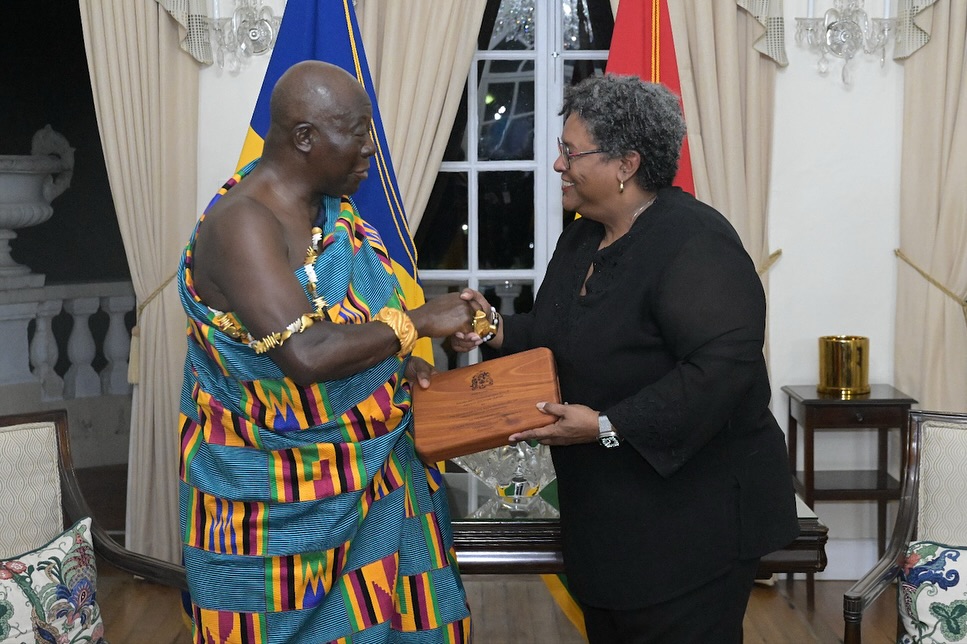
Asantehene concludes historic visit to Barbados; PM meeting among key engagements
His Majesty Otumfuo Osei Tutu II, the Asantehene of the Ashanti Kingdom, concluded his groundbreaking visit to Barbados today after two days of significant engagements centered around the GUBA Investment Conference and Awards. This historic trip marked the first-ever visit by a reigning Asantehene to Barbados and the inaugural direct charter flight between Accra and Bridgetown. The Ghanaian delegation departed early Thursday morning, wrapping up a visit that underscored the deep cultural and historical connections between the Caribbean and West Africa. During his stay, the Asantehene participated in a series of high-profile events, including meetings with Barbados’ Prime Minister Mia Amor Mottley and President Dame Sandra Mason. Prime Minister Mottley hosted His Majesty at Ilaro Court, where they discussed the shared heritage and enduring ties between their nations. In a statement on her Instagram page, Mottley expressed her honor in welcoming the traditional leader and emphasized the cultural bonds that unite the regions. Wednesday’s agenda featured the GUBA Foundation Walk, a diplomatic golf invitational, and a keynote address by the Asantehene at the University of the West Indies Cave Hill Campus, where he also unveiled the university’s new administration building. The visit culminated with the GUBA Awards ceremony at the Wyndham Grand in Bridgetown, marking the first time the prestigious event was held in the Caribbean. This visit not only celebrated cultural heritage but also paved the way for strengthened diplomatic and economic collaboration between Ghana and Barbados.