标签: Bahamas

巴哈马

  • Motorcades and music mark a festive Nomination Day

    Motorcades and music mark a festive Nomination Day

    Nomination Day for the Bahamas’ upcoming May 12 general election concluded smoothly on Wednesday, with approximately 130 candidates formally qualifying to contest 39 parliamentary seats across the nation, marked by festive political spectacle and only minor administrative hurdles.

    Parliamentary Commissioner Harrison Thompson, the top election official overseeing the process, reported that the day’s proceedings unfolded largely in line with pre-planned expectations, with only limited disruptions and eligibility disputes across a small number of constituencies. No nomination applications were ultimately rejected, Thompson confirmed, after election officials reviewed eligibility concerns that arose in three constituencies: Fort Charlotte, Pinewood, and Garden Hills.

    “From all indications, my team carried out their responsibilities as planned, and it appears everything went off without major issues,” Thompson told reporters. “All candidates who met the formal requirements were able to secure their nomination. Every aspiring candidate submitted the necessary documentation, which was approved by returning officers in their respective constituencies.”

    While official final vote tallies were still being consolidated from remote Family Islands polling districts, early projections put the total number of nominees at roughly 130 across all 41 constituencies. Thompson noted that the final count deviated from preliminary projections in two key ways: the number of independent candidates was lower than anticipated, and one expected minor party ultimately failed to put forward any nominees.

    To secure a spot on the ballot, all candidates were required to submit formal nomination papers, complete mandatory declarations of personal assets and liabilities, and provide additional supporting documentation tailored to their individual eligibility circumstances. Thompson confirmed that several constituencies will see as many as five candidates on the ballot, though a full breakdown of party affiliations per constituency has not yet been released.

    With the nomination process finalized, the Parliamentary Registration Department has shifted its operational focus to preparing for the advance poll, while all candidates’ public asset and liability disclosures are scheduled to be published within two business days. A total of just over 206,000 registered voters are eligible to cast ballots in the election.

    Across New Providence and the Family Islands, the formal administrative process was paired with boisterous political celebration, as candidates arrived at nomination centers accompanied by large supporter entourages, blaring vehicle horns, and traditional Junkanoo musical groups that set a festive tone across the country.

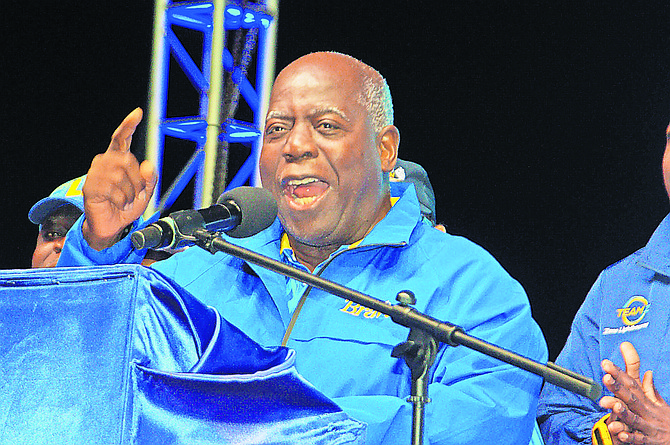
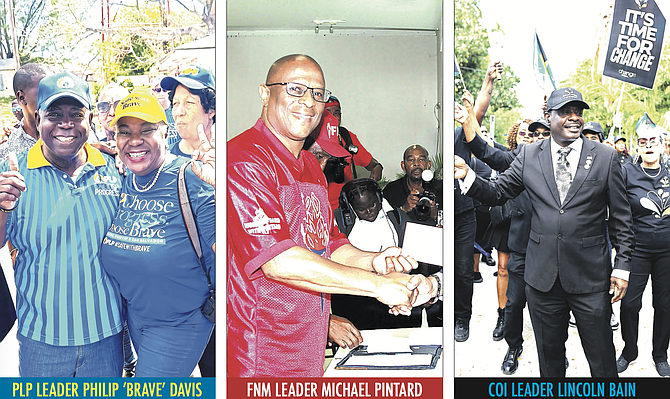
    Prime Minister Philip Davis, leader of the incumbent Progressive Liberal Party (PLP), was among the high-profile candidates formally nominated on Wednesday, confirming his eighth consecutive run for office representing the constituency of Cat Island, Rum Cay and San Salvador. Davis said he felt “exhilarated” to enter the race, and praised the PLP’s full slate of candidates as a unified bloc that balances experienced incumbents with new young political talent.

    “It is a great honour to renew my commitment to serving the people of Cat Island, Rum Cay, and San Salvador,” Davis said after completing his nomination. “Growing up on Cat Island shaped who I am, and it remains a privilege to work every day for real change in these communities.”

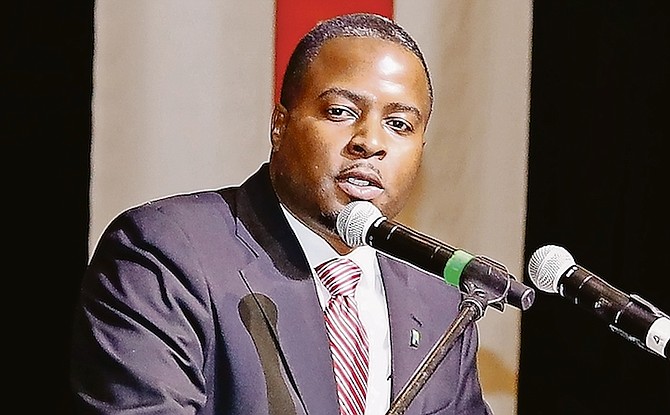
    On Grand Bahama Island, Michael Pintard, leader of the opposition Free National Movement (FNM), secured his nomination for the Marco City constituency, arriving at the Belinda Wilson Convention Centre at the head of a large procession led by a decorated campaign truck and hundreds of cheering supporters.

    “I am humbled by the support we are getting from people of Marco City and from the people of Grand Bahama,” Pintard said. “Today, we are happy to get over the formalities of being nominated, and now it’s back to work on the campaign trail. We are optimistic, and we know by the grace of God, on the evening of May 12, we will be the next government.”

    Pintard, who has held the Marco City seat since 2017 and won re-election in 2021, added that the FNM remains fully unified and prepared for what he described as an intensive, hard-fought campaign schedule leading up to election day.

    The Killarney constituency drew some of the day’s biggest media and voter attention, thanks to a crowded ballot that includes former FNM Prime Minister Dr. Hubert Minnis running as an independent candidate. Minnis confirmed his nomination on Wednesday, which also marked his birthday. His decision to run as an independent automatically disqualified him from the FNM, though he was not expelled from the party. “This same photo you’re taking today will be in the history books,” Minnis said. “Never before in the history of The Bahamas has a prime minister who led his party to the greatest victory in recorded history run as an independent after leaving that party.” Minnis said his independent campaign will center on amplifying the voices of ordinary voters, rather than advancing the priorities of any established political party.

    Minnis will face off against FNM nominee Michela Barnett-Ellis, who arrived at the Gambier Primary School nomination center with dozens of red-clad supporters, including her father, former Chief Justice Sir Michael Barnett. “The constituency is ready for a new chapter,” Barnett-Ellis said. PLP candidate Robyn Lynes is also in the race for Killarney, earning a public endorsement from former Governor General Dame Marguerite Pindling, who appeared alongside Lynes at her nomination. “I support the woman,” Dame Marguerite said. “I think she is just so worthy, and I’ll do whatever I can to help see that she wins this seat.”

    For some first-time candidates, the nomination process was a deeply personal milestone. PLP Marco City candidate Eddie Whan, who said he had previously turned down requests to run for the seat nine times, called the moment “a feeling I can’t explain.”

    Assistant Parliamentary Commissioner Denise Pinder confirmed that 16 candidates were nominated across Grand Bahama, with three contenders in most constituencies and four candidates contesting the Pineridge seat. Pinder said the process on the island went entirely smoothly, with all candidates submitting the required documentation without issue.

    The only public dispute of the day came from Lincoln Bain, leader of the Coalition of Independents, who raised questions about the eligibility of Fort Charlotte independent candidate Sebas Bastian, alleging Bastian held undisclosed government contracts that would bar him from running. Bastian rejected Bain’s allegations outright.
  • Bonaby dodges questions on $141m parks authority spending

    Bonaby dodges questions on $141m parks authority spending

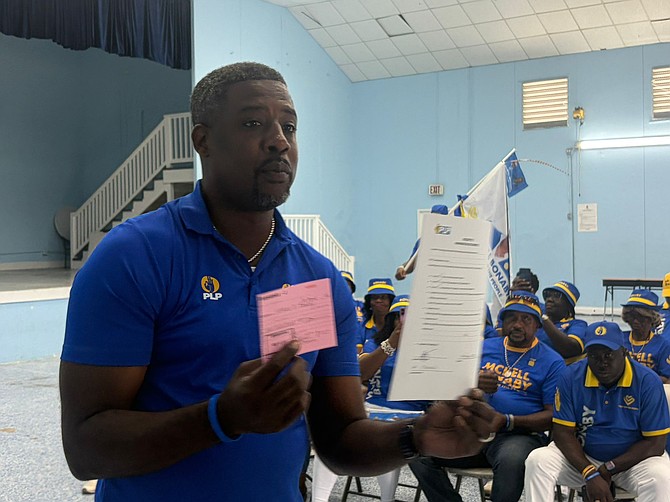
    In a tense, rare face-to-face meeting with a political reporter on the eve of the Bahamas’ upcoming general election, sitting Mount Moriah MP McKell Bonaby has stonewalled all questions about the controversial Bahamas Public Parks and Beaches Authority, as growing public outrage builds over the agency’s repeated, unaccountable overspending of public funds.

    Bonaby, who filed his official nomination papers to seek re-election at Nassau’s Government High School while surrounded by cheering supporters from his Progressive Liberal Party (PLP), deflected all attempts at questioning about the spending scandal. Framing the nomination day as a unifying, optimistic moment for his campaign, he declined to address any questions about the parks authority, cutting off the interview abruptly. After stating “no further questions”, Bonaby walked away from the reporter, raising his hand in the PLP’s iconic three-finger gesture and shouting the party’s slogan.

    Scrutiny of the public parks agency intensified dramatically this week, after local outlet The Nassau Guardian published an investigation exposing consistent budget overruns with no clear documentation of how allocated public funds have been spent. According to the outlet’s analysis of official budget documents, the agency spent $24.6 million in the 2021/2022 fiscal year – nearly 62 percent over its original $15.2 million budget. For the 2023/2024 fiscal cycle, overspending grew even larger: the agency expended more than $33 million against a $24 million approved budget. Total public allocations to the authority through December 2025 exceed $141 million, according to official budget projections.

    The Bahamas Public Parks and Beaches Authority is tasked with managing and maintaining more than 220 public parks across New Providence, alongside public beaches, roadside green spaces, and public verges. As far back as last year, local residents and officials already raised widespread concerns about the deteriorating condition of many of these public facilities, a gap that has drawn even more attention amid revelations of massive overspending.

    This is not the first time Bonaby has been pressed for transparency on the agency. Previously, the MP pledged to deliver full public accountability, promising a complete public accounting of all financial activity at the parks and beaches authority. To date, that promise has never been fulfilled.

    Additional reporting from The Tribune this week has also revealed that Bonaby, who routinely ignores calls and messages from press inquiries, ranks among the most absent sitting members of parliament since the Davis administration took power in 2021. Official records show he has missed 52 sittings of the House of Assembly, attending just 73.2 percent of all scheduled parliamentary sessions.

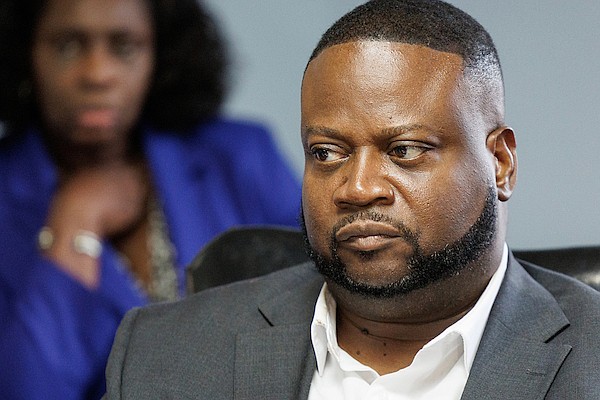
    Marvin Dames, Bonaby’s opposition challenger for the Mount Moriah seat, slammed the sitting MP’s refusal to address the spending scandal, saying the complete lack of accountability raises grave red flags for voters and that the Bahamian public has been failed by Bonaby’s leadership.

  • Veteran RBDF officer charged with assaulting female trainees

    Veteran RBDF officer charged with assaulting female trainees

    A long-serving instructor with the Royal Bahamas Defence Force (RBDF) has been removed from active service following allegations that he assaulted multiple female marine trainees while intoxicated on duty at the service’s Coral Harbour base. The incident, which occurred last Wednesday, prompted immediate internal disciplinary action against the accused, Chief Petty Officer Eric Rolle.

    On Thursday, Rolle appeared before an RBDF military court to face six total charges: five counts of assault and one count of violating the force’s regulations against drunkenness while on duty. The 21-year veteran of the RBDF entered a formal plea of not guilty to all charges, and the case has been adjourned for a future hearing.

    RBDF Commodore Floyd Moxey confirmed that the disciplinary panel has ordered Rolle’s interdiction from service. Under this ruling, Rolle is immediately stripped of all official defence force responsibilities and prohibited from entering any RBDF facility. Moxey also noted that the veteran instructor retains the right to appeal the interdict decision, first to the Minister of National Security. If the minister rejects his appeal, Rolle may escalate the matter to the National Security Council, a governing body that counts the prime minister among its members.

    Speaking to reporters after the hearing, Commodore Moxey reaffirmed the RBDF’s unwavering commitment to upholding a safe, professional training environment rooted in strict discipline and institutional accountability. “Where any of our training instructors fall afoul of law, we will be decisive,” Moxey stated. “We will act swiftly, and we will deal with it straight away. We will be transparent about it, because it’s all about integrity, and integrity is doing the right thing even when no one is looking and that is what we in this Royal Bahamas Defense Force is striving to do.”

  • Pastor Bethel says FNM lottery proposal insults Bahamian voters

    Pastor Bethel says FNM lottery proposal insults Bahamian voters

    A decades-long debate over gambling legalization in The Bahamas has reignited after the opposition Free National Movement (FNM) announced plans to pursue a state-operated national lottery, drawing fierce pushback from a prominent religious and anti-gambling activist who says the plan directly defies the will of the Bahamian public.

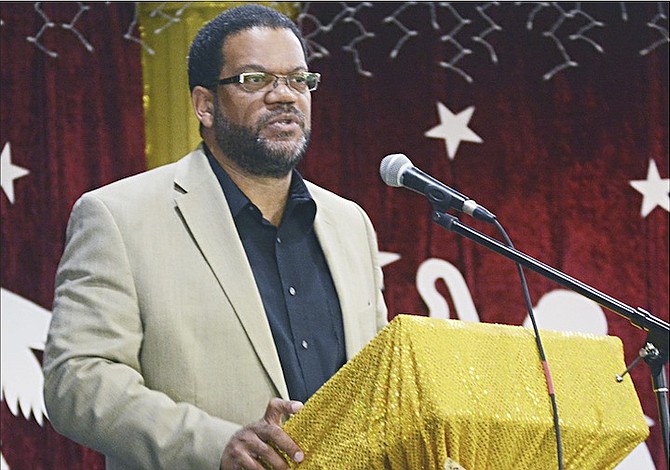
    Pastor Lyall Bethel, who previously served as co-leader of the anti-gambling advocacy group Save Our Bahamas, has emerged as one of the most vocal critics of the proposal. In a public letter to the editor, Bethel called the FNM’s policy shift an unforgivable “slap in the face” to voters who overwhelmingly rejected both a national lottery and the regulation of unlicensed web shop gambling in a 2013 national referendum.

    Bethel says he was shocked by the opposition’s decision to resurrect the policy, noting that official referendum results make voter opposition unambiguous: 59.56 percent of participants rejected a national lottery, while 60.71 percent voted against regulating and taxing existing web shop gambling operations. For Bethel, the FNM’s choice to advance the proposal despite this clear outcome is not just a policy misstep — it is a deliberate insult to the majority of Bahamians who cast their ballots against expanded gambling.

    “To see the opposition wade foolishly and recklessly into this conversation with talk of a national lottery is insulting and a slap in the face to the majority of Bahamians who said NO to BOTH the proliferation of numbers house gambling AND a national lottery,” Bethel wrote. “THE PEOPLE SAID NO!”

    Beyond the breach of democratic will, Bethel argues the FNM has surrendered the moral high ground it held among the large bloc of Bahamian voters who oppose expanded gambling. He notes the party had a clear opportunity to demonstrate its commitment to respecting public opinion and the stance of the country’s majority religious institutions, but squandered that political advantage through what he calls an unnecessary and reckless action.

    The controversy stems from recent remarks by FNM leader Michael Pintard, who framed a state-run national lottery as a promising new revenue stream to fund national development projects. The proposal has pulled back the curtain on a decades-long national debate that has stalled multiple previous attempts to expand legal gambling, held back by widespread concerns over its potential social harms and questions about long-term feasibility.

    Incumbent Prime Minister Philip Davis has already dismissed the FNM’s plan as a shallow political “gimmick”, and Bethel is far from alone in his opposition. Other senior religious leaders across the country have renewed their longstanding objections to the proposal, pointing both to the 2013 referendum result and the proven social damage that expanded gambling brings to low-income and vulnerable communities.

    For Bethel, gambling is already a corrosive force in Bahamian society, which he describes as “a parasitic pariah on the soul of this country”. He warns that formalizing and expanding access through a national lottery would only exacerbate the social harms that Bahamians already grapple with, from problem gambling to increased economic inequality.

    Bethel also raised pointed questions about whether lottery proceeds would actually be used for the public development projects promised by the FNM, pointing to longstanding public anger over mismanagement and corruption in the handling of public funds across successive Bahamian governments. “Bahamians are tired of waste, corruption, failed rehashed ideas peddled by one government after the other,” he wrote.

    In closing, Bethel issued a direct warning to Pintard, urging the FNM leader to reverse course immediately before the proposal erodes his party’s political support. “I urge Mr Pintard to step back from this reckless, foolish decision that will cost you more votes than you think you gained,” he said. He added that the plan risks alienating both influential church groups and the large share of voters who oppose gambling, insisting that the 2013 referendum result must remain the final word on the issue. “The people said NO to a National Lottery! What part of ‘NO’ is unclear to the FNM?” he wrote.

  • Stray bullet kills innocent grandmom

    Stray bullet kills innocent grandmom

    On a quiet Monday night, what should have been an ordinary evening of shared pizza and family television time turned into an unspeakable tragedy in a Wilton Street residence, when stray gunfire from a public street chase cut short the life of Tamika Nottage-Cime, a 48-year-old devoted wife, mother of six, and school janitor. At the time of the incident, Nottage-Cime was holding her one-year-old grandson in her arms when bullets tore through the exterior walls of her home, striking her fatally. The toddler escaped physically unharmed, though covered in his grandmother’s blood, leaving a family shattered by sudden, senseless loss.

    Her mother, Christine Nottage, shared the harrowing details of the final moments before gunfire erupted. Like so many other nights, the extended family had gathered in Nottage’s bedroom to chat and laugh, a quiet routine the household cherished. Nottage sat at the head of the bed, while her daughter settled at the foot. Out of nowhere, the sound of shooting erupted outside. Christine immediately screamed for her two great-grandchildren to take cover on the floor. When the gunfire stopped, she quickly noticed her daughter had not moved.

    “I see her still on her face and the baby in her hand,” Christine recalled, describing how she began calling Tamika’s name and shaking her body in a desperate search for a response. “When I look at the baby in her hand, that’s when I realised she got hit. The baby full of blood and the blood coming from up under her.”

    Royal Bahamas Police confirmed the sequence of events, noting that the shooting unfolded just after 10 p.m. in response to emergency calls. Officers arrived at the Wilton Street address to find Nottage-Cime unresponsive, with a single gunshot wound to her upper body. Initial investigations have painted a clear picture: an unidentified suspect chasing another individual through the neighborhood fired multiple shots during the pursuit. None of the bullets hit their intended target; instead, several penetrated the walls of the nearby residential home, striking the innocent grandmother as she sat with her family.

    After opening fire, the suspect fled the area and remains at large as of the latest updates. Emergency medical responders pronounced Nottage-Cime dead at the scene. Beyond the unimaginable grief, the family has found a small measure of relief in the fact that the one-year-old she protected escaped without injury.

    Christine Nottage, fighting back tears as she spoke to reporters, shared that she has never before experienced the loss of a child, and is clinging to prayer to find peace in the aftermath. “She don’t bother people, she saved,” Christine said of her daughter. “Just how she died quiet, that’s just how she was.” Like the rest of the family, she is demanding full justice for Tamika’s unnecessary death.

    Nottage-Cime worked as a janitor at DW Davis School, and her husband Fenold Cime, who works on a remote Family Island, received the devastating news and flew into New Providence the day after the shooting. Still in deep shock, he can barely process the loss of his partner of 15 years. “Someone tell me she got shoot,” he said. “I said no, I just talked to my wife.” He described Tamika as the love of his life, a woman who brought warmth and stability to their entire family.

    Local elected officials have also joined in mourning the loss of Nottage-Cime, who worked on Centerville Member of Parliament Jomo Campbell’s election campaign. In an official statement of condolence, Campbell emphasized that Nottage-Cime was far more than a campaign volunteer to the team. “Tamika was more than a team member; she was family,” he said. “Her warmth, her spirit, and her presence brought light to everyone around her. We strongly condemn violence on our streets and community, especially violence against women & children. This must never be accepted as normal.”

    “To the Nottage family, please know that you are in our prayers and in our hearts during this incredibly difficult time. We grieve with you. We stand with you. Let this be a moment for reflection, for unity, and for love,” Campbell added.

  • Two ZNS board members quit over political interference claims

    Two ZNS board members quit over political interference claims

    A growing political storm has engulfed The Bahamas’ state-owned public broadcasting sector ahead of the country’s upcoming general election, after two senior board members of the Broadcasting Corporation of The Bahamas (BCB) stepped down abruptly over what they frame as unacceptable government overreach into the independent governance of the national broadcaster ZNS.

    The controversy traces back to a formal decision by the full five-member BCB board earlier this month that placed general manager Clint Watson on a paid administrative leave of absence through the post-election period. Watson, who had previously mounted an unsuccessful bid to secure the Progressive Liberal Party (PLP) nomination for the Southern Shores constituency, was notified via an April 9 letter that his leave would extend at minimum through May 18 – one week after the general election – with a final return date left to the board’s discretion.

    In an official correspondence signed by BCB executive chairman Picewell Forbes, the board framed the arrangement as a proactive step to preserve public trust in the broadcaster’s neutrality during a sensitive electoral cycle. “This decision was reached in the interests of transparency, and in what the board determined to be the best interests of the corporation to maintain public confidence in its operations and leadership,” Forbes explained, adding that Watson would continue to receive his full salary and all contractual benefits throughout the leave period.

    That bipartisan board agreement was swiftly upended, however, when Prime Minister Philip “Brave” Davis directly intervened to override the directive, according to internal correspondence reviewed by *The Tribune*. The Prime Minister instructed Watson to resume his duties immediately, reversing the board’s leave order just days after it was issued.

    The Prime Minister’s unilateral action triggered immediate resignations from two sitting BCB board members: Garth Rolle and Charles Colebrooke. In an April 12 resignation letter obtained by *The Tribune*, Rolle argued that the government’s intervention effectively stripped the board of its authority to make governance decisions in the broadcaster’s best interest.

    “It seems obvious to me that we (the board) no longer have the confidence of the government to make decisions in the best interest of the corporation by cutting the legs from under us in such a manner,” Rolle wrote. “In reality, the board no longer have any powers to exercise in such an environment and I find this untenable.”

    Colebrooke followed with his own immediate resignation in an April 14 statement, where he expressed gratitude for the opportunity to serve the public broadcaster for more than four years. “I am very proud of our accomplishments and the commitment of the board members during this time,” he wrote.

    As of Tuesday, Forbes, Rolle, Colebrooke and Watson have all declined to provide additional comment beyond their formal written statements. Minister of Social Services, Information and Broadcasting Myles Laroda has confirmed that he is aware of the resignations and has notified the Prime Minister of the development. “That’s where we are right now,” Laroda told *The Tribune*. “I’ve spoken to both board members, and I don’t have anything further to say to that.”

    Political observers note the resignation comes at a particularly sensitive moment for ZNS, which plays a central role in disseminating election-related information to Bahamian voters. The incident is expected to intensify ongoing public scrutiny of claims that the ruling government has sought to exert inappropriate political influence over the state-run broadcaster during the electoral period.

  • Pintard defends lottery plan; calls Davis ‘architect of gimmicks’

    Pintard defends lottery plan; calls Davis ‘architect of gimmicks’

    With just 28 days remaining until the Bahamas’ critical general election, the Free National Movement (FNM) held its first major campaign rally on New Providence, where party leader Michael Pintard launched a fiery defense of his controversial proposed national lottery, directly pushing back against scathing criticism from sitting Prime Minister Philip Brave Davis.

    Held at Golden Gates Park under the campaign theme “Fire Forward,” the event drew an energized crowd of FNM supporters, who packed the venue dressed in official party gear, waving party flags, chanting and dancing as the slate of party candidates took the stage. Signature FNM anthems, from “Simply the Best” to “Keep the Fire Burning,” played throughout the night, building a festive, high-stakes campaign atmosphere. The rally wrapped with a traditional Junkanoo rush-out after a closing prayer, leaving attendees buzzing with momentum ahead of the upcoming vote.

    In his keynote address – delivered after a dramatic torch-lit procession entrance accompanied by police escort – Pintard pushed back hard against Davis’ recent dismissal of the lottery plan as a cynical “gimmick” rooted in electoral desperation. The FNM leader accused the prime minister of outright hypocrisy, arguing that Davis’ label is far more fitting for the incumbent administration’s own policy practices.

    Pintard hit out at the government’s handling of public funds, declaring, “The prime minister [is] the chief architect of gimmicks. They started talking about slash funds and if you look in the dictionary next to slash funds, you will see the picture of the prime minister.”

    Outlining the core guardrails of his proposal, Pintard emphasized that the FNM’s national lottery would operate under strict regulatory oversight from an independent governing board, designed to explicitly insulate revenue from political misallocation and interference. He noted that unregulated gambling is already widespread across the Bahamas, arguing that formalizing the sector would allow the government to redirect currently untapped funds toward tangible public benefits for Bahamian citizens.

    To back the plan, Pintard pointed to existing national lottery models in countries including the Dominican Republic, Curaçao, St Martin and Ghana, explaining that the Bahamian framework would allow the state lottery to coexist with existing private gaming operators while directing all proceeds toward public initiatives. These would range from small business grants for aspiring entrepreneurs, to financial support for students pursuing post-secondary education both at home and abroad, to investments in cultural development and environmental protection.

    Questioning the incumbent government’s opposition, Pintard noted, “it was them who gave birth to the regularizing of gaming. Why would it be a problem for them all of a sudden to have a national lottery where the bulk of those resources are being administered to the government system?”

    Davis had struck back at the proposal just days earlier, questioning both its intent and the international examples Pintard cited. The prime minister called the plan a headline-grabbing stunt rooted in political desperation, arguing that the Dominican Republic’s national lottery – the example Pintard highlighted – has been marred by widespread corruption and mismanagement. Davis claimed the proposal amounted to a poorly thought out plan to create a slush fund for corrupt actors.

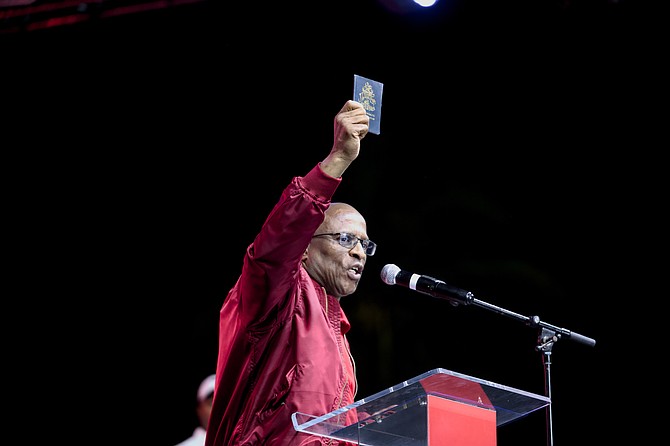
    Beyond the lottery debate, Pintard used his keynote to address broader hot-button issues including national sovereignty and immigration, holding up a Bahamian passport as a core symbol of national pride and birthright. He affirmed that all individuals who obtain Bahamian documentation through legal channels – regardless of their country of origin – are welcome members of the Bahamian community, but blasted the incumbent administration for failing to crack down on rampant fraud involving identity documents like passports and voter ID cards.

    Pintard accused the government of targeting critics who raise alarms about document fraud, saying, “if you’re not outraged by the frequency with which fraudulent passports, voters cards are being used in this country, if you are not angry about that, then you must be an accomplice in it happening.” He also pledged that if the FNM wins the election, a new administration would immediately launch a full audit of incumbent government finances to track public spending and root out mismanagement, declaring “we’re going to open the books.”

    The rally marked the FNM’s second major campaign event, and featured remarks from the party’s full slate of New Providence candidates, including Pinewood hopeful Denari Rolle, Golden Gates candidate Michael Foulkes, Garden Hills candidate Rick Fox, Bamboo Town candidate Dr. Duane Sands, Carmichael candidate Arinthia Komolafe and South Beach candidate Darren Henfield. Each candidate used their platform to criticize the ruling Progressive Liberal Party, pointing to what they described as a lack of tangible progress across their constituencies. FNM Deputy Leader Shanendon Cartwright, who is contesting the newly created St. James constituency, introduced Pintard and offered brief remarks on immigration and public spending ahead of the keynote.

  • Gibson’s ex-fiancée testifies she took immunity deal to tell the truth

    Gibson’s ex-fiancée testifies she took immunity deal to tell the truth

    A high-profile corruption trial centered on public infrastructure contracts in The Bahamas took another pivotal turn this week, as the star prosecution witness pushed back against aggressive defense questioning while standing by her agreement to cooperate with authorities. The case, which has gripped local political circles since opening in late 2023, involves Adrian Gibson, a Long Island Member of Parliament and former executive chairman of the country’s Water and Sewerage Corporation, who stands accused of misconduct tied to contract awards during his tenure at the state-owned utility. Alexsndria Mackey, Gibson’s one-time romantic partner and former business associate, took the stand in the Supreme Court on Tuesday to face cross-examination from Damian Gomez, KC, lead defense counsel for Gibson.

    Under hours of pointed questioning, Mackey reaffirmed her commitment to testifying truthfully, noting that her grant of immunity from prosecution is explicitly conditional on her full and honest cooperation with the investigation. She acknowledged that the serious criminal charges she originally faced, which carry severe legal penalties, were a major factor in her decision to negotiate a plea deal, but pushed back against defense claims that she fabricated testimony solely to avoid prison time. “I knew I needed to tell the truth,” Mackey told the court, adding that even with the threat of potential incarceration hanging over her, her decision to accept the deal was rooted in a requirement to disclose everything she knew about the business arrangements tied to the contracts.

    Mackey detailed the timeline of her decision to cooperate, explaining she moved forward with the immunity agreement shortly after co-defendant Tanya Demeritte was arrested and returned to The Bahamas. At that time, Mackey said, she learned she was also at risk of arrest, prompting her to move forward with negotiations through her legal representation. She flatly denied a defense claim that former Assistant Commissioner of Police Deleveaux pressured her to testify by threatening deportation or legal action against her parents, dismissing the assertion outright.

    Much of Tuesday’s cross-examination centered on the corporate structure of two firms tied to the case — Elite Maintenance and Oak Bay Limited. Mackey has maintained that she, Gibson, and Demeritte were the true beneficial owners of the companies, which won contracts from the Water and Sewerage Corporation during Gibson’s tenure. She admitted that the beneficial owners were never officially registered with authorities, and that bank documents listed Jerome Missick and Joan Knowles, two of Gibson’s co-defendants in the trial, as placeholder owners to conceal the identities of the true shareholders. When challenged by Gomez over whether she is hiding key corporate records and lying about having already turned relevant documents over to Gibson, Mackey denied the allegations.

    On one point of discrepancy, Gomez called into question Mackey’s recent claim that key documents were sent to Grand Bahama, noting she had not raised that detail in earlier police interviews. Mackey acknowledged that she did not mention specific trust documents during her initial interview with law enforcement, and could not recall when she first brought up the detail, but stood by her core account of the companies’ ownership structure. She confirmed she received payments from Oak Bay Limited, though she could not recall the full total of disbursements. She also told the court that Gibson outlined the roles of director nominees when the companies were first formed, though she acknowledged she never directly heard Gibson give instructions to placeholder owner Joan Knowles, confirming she followed his direction on all corporate matters when the pair were in a relationship.

    Additional details that emerged during the cross-examination included confirmation that attorney David Cash negotiated the immunity deal for Mackey and Demeritte, and that Mackey’s mother paid the $10,000 fine required under Demeritte’s plea agreement. Gibson is one of five defendants on trial over the contract awards, alongside former Water and Sewerage Corporation general manager Donaldson Jr, Joan Knowles, Peaches Farquharson, and Jerome Missick. The trial, which began in November 2023, is being presided over by Senior Justice Cheryl Grant Thompson, and is expected to continue through coming weeks as more evidence is presented and witnesses testify.

  • Davis says Grand Bahama on rebound, warns Port Authority

    Davis says Grand Bahama on rebound, warns Port Authority

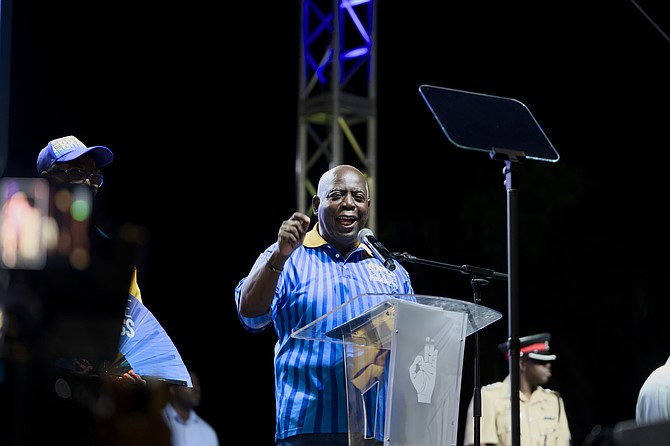
    At a packed political rally held Wednesday night in Grand Bahama’s West End, Bahamian Prime Minister Philip ‘Brave’ Davis delivered an optimistic address framing the island as firmly in the early stages of economic recovery, buoyed by new capital inflows, rising employment, and long-stalled infrastructure projects moving forward.

    The leader of the Progressive Liberal Party (PLP) told attendees that a long-awaited “new chapter” has opened for Grand Bahama, pointing to on-the-ground progress that residents can already see across the island. “People are working again. The new Freeport Health Campus is under construction. Major investments are moving forward. The Grand Bahama Shipyard is expanding, and local workers are accessing new skills training to advance their careers,” Davis said.

    Davis also highlighted a recent major investment announcement from global cruise operator MSC Cruises tied to Grand Lucayan, noting that the deal serves as external validation of the Davis administration’s years of targeted work to attract high-impact, sustainable investment to the island. He expressed full confidence that the four PLP candidates running for parliamentary seats across Grand Bahama — incumbent Pineridge MP Ginger Moxey, incumbent West Grand Bahama MP Kingsley Smith, Central Grand Bahama candidate Parko Deal, and Marco City candidate Eddie Whan — will keep the island’s recovery trajectory on track if elected.

    A core point of Davis’ address centered on the government’s ongoing standoff with the Grand Bahama Port Authority (GBPA) following recent arbitration proceedings. While Davis incorrectly stated that the administration secured a full victory in the arbitration, he emphasized that the PLP government took unprecedented decisive action to hold the private port authority accountable for failing to meet its long-term contractual obligations to the Bahamian people.

    “For far too long, this private authority has collected millions in public fees and concessions, but has never held up its end of the bargain for the communities of Grand Bahama,” Davis said. “The era of unaccountable license fee collection is coming to an end. We have put the Port on clear notice: Bahamian people will not continue to subsidize private profits while our local communities crumble from neglect.”

    Davis added that moving forward, the administration will take an unflinching stance to enforce the original terms of the Hawksbill Creek Agreement that established the port authority’s mandate. “We will use every legal tool at our disposal, every regulatory power granted to this government, and every bit of political capital we have to make sure the original promises of Hawksbill Creek are finally honored for the people of Grand Bahama,” he said.

    The prime minister also used the rally platform to criticize key policy proposals from Opposition Leader Michael Pintard and the Free National Movement (FNM), opening with a sharp rebuke of the opposition’s plan to abolish the Post Office Savings Bank. Davis told the crowd that roughly 7,000 residents of Grand Bahama rely on the community bank, with more than 35,000 users across the entire Bahamas who depend on its accessible savings services.

    He also dismissed the FNM’s proposal for a national government-run lottery as an empty political stunt with no real policy substance. “Their national lottery is not a serious plan for the country’s challenges — it’s just a gimmick,” Davis said. “They are chasing newspaper headlines instead of working on actual solutions that improve people’s lives.”

    In contrast to what he framed as the opposition’s shallow policy ideas, Davis argued that his administration has prioritized long-term, inclusive growth across the Bahamas through targeted policy action: energy sector reform to lower costs for residents and businesses, large-scale infrastructure investment, expanded workforce skills training, and opening new economic opportunities for all Bahamians.

    “While we are investing in real, lasting solutions for the Bahamian people, the opposition’s big idea is to turn the national government into a numbers house,” he added.

    Despite rising partisan tensions ahead of the upcoming election, Davis stressed that the progress Grand Bahama has made in recent years is undeniable and will continue under PLP leadership. “For the first time in a generation, we have a government that is finally standing up for the people of Grand Bahama,” he said. “We are not bowing to private special interests or clinging to outdated, unfair arrangements that shortchange local communities.”

    Deputy Prime Minister Chester Cooper also spoke at the rally, confirming that the planned redevelopment of Grand Bahama’s airport is now fully funded and construction is set to move forward. Cooper echoed Davis’ criticism of the previous FNM administration, noting that “for 34 years, the FNM gave the Port Authority a free pass on its obligations, but this PLP government has given them a clear deadline to deliver.”

  • PM and Church leaders reject FNM lottery plan

    PM and Church leaders reject FNM lottery plan

    A fresh political and social clash has erupted in The Bahamas over the opposition’s plan to launch a state-run national lottery, with Prime Minister Philip “Brave” Davis publicly dismissing the idea as a headline-grabbing, ill-conceived gimmick aligned with a proven failed, corruption-plagued model.

    The proposal was put forward Sunday by Michael Pintard, leader of the Free National Movement (FNM), who framed the independent board-overseen lottery as an untapped revenue source to drive national development. Pintard argued the new state system could operate alongside the country’s existing private gaming operators, pointing to frameworks already in place in jurisdictions including the Dominican Republic, Curaçao, Saint Martin and Ghana as successful blueprints for the plan.

    But Davis rejected the proposal outright during a press briefing with reporters, calling it a transparent political stunt born of desperation rather than a thoughtful policy solution. He pushed back particularly hard on Pintard’s choice of a model, noting the Dominican Republic’s national lottery has long been mired in confirmed corruption and fraud scandals. Davis questioned the opposition’s true motivations behind the push, suggesting the plan could create a slush fund open to abuse by corrupt actors. He also criticized the proposal for ignoring potential harm to the thousands of Bahamians already employed in the existing gaming industry, as well as the steady tax revenue the country already collects from private gaming operations. “It’s rather odd that you want to turn the Treasury into a gaming house,” Davis told reporters.

    The FNM’s announcement has reignited a decades-long contentious national debate that has killed every previous attempt to launch a national lottery in The Bahamas. Multiple past administrations have explored the policy, but all efforts have stalled amid fierce political pushback and widespread public concern. The Christie administration most recently attempted to legalize a lottery through provisions included in the 2014 Gaming Bill, but the plan collapsed after organized opposition from religious groups and large swathes of the public.

    Public resistance was clearly demonstrated in the 2013 national gambling referendum, when 59 percent of more than 81,000 participating voters cast ballots against approving a national lottery. Critics of the policy have repeatedly raised overlapping concerns: they question whether The Bahamas’ small population can support a state lottery without eating into existing tax revenues from private gaming, and they warn of persistent risks around lack of transparency, weak regulation, institutional corruption, and disproportionate social harm to low-income households. Supporters of a national lottery, by contrast, argue that a well-regulated system could generate significant new funding for critical public services including education and infrastructure, while also strengthening government oversight of the country’s entire gaming sector.

    In line with past opposition to the policy, senior church leaders have already renewed their vocal rejection of the new proposal, echoing the prime minister’s criticism. Bishop Walter Hanchell argued that a national lottery directly contradicts core Christian principles, pointing back to the 2013 referendum’s clear rejection of the policy. He recalled that even after voters rejected expanded gambling and lottery legalization a decade ago, then-Prime Minister Perry Christie moved forward with legalization anyway, against the explicit will of the Bahamian people. Hanchell said every negative outcome the church warned of at the time has since come to pass: rates of gambling addiction have risen sharply, and countless low-income Bahamians lose money earmarked for mortgages, rent and basic groceries to gambling operators every day. He called on national political leaders to abandon the lottery push and instead focus policy efforts on expanding social support and economic empowerment for vulnerable communities.

    Bishop Delton Fernander, president of the Bahamas Christian Council, echoed these concerns, noting that the proposal would disproportionately shift the burden of revenue generation onto low- and middle-income Bahamians. He pointed out that the public has already rejected the idea once, yet political actors continue to bring it back to the table. Fernander questioned whether repeated pushes for a national lottery are ultimately aimed at privatizing the lucrative sector for the benefit of a small, connected group of private actors. The Bahamas Christian Council has long maintained an unwavering opposition to the policy, he said, and past data already confirmed the country’s population is too small to sustain the system without major harm. Fernander added that critical public safeguards remain unaddressed more than a decade after the last debate, including targeted rehabilitation programs for people living with gambling addiction and formal systems to identify and support compulsive gamblers. Introducing a national lottery without first putting these protections in place, he warned, would only deepen the country’s existing social and economic inequalities.