标签: Bahamas

巴哈马

  • Ferguson rejects apology, sues govt over Grand Lucayan payout claims

    Ferguson rejects apology, sues govt over Grand Lucayan payout claims

    Obie Ferguson, President of the Trade Union Congress, has declared that an apology would be insufficient to resolve a escalating conflict stemming from allegations that he collaborated with government officials to authorize severance packages for Grand Lucayan employees. Mr. Ferguson has initiated legal proceedings, asserting that the reports have severely tarnished his longstanding reputation.

    He vehemently denied any participation in a meeting with Labour Director Howard Thompson and chief labour negotiator Bernard Evans to deliberate on redundancy terms for 94 middle managers. “My reputation and my good name are all I possess, and I cannot afford to have them compromised,” Ferguson stated, emphasizing the personal and professional stakes involved.

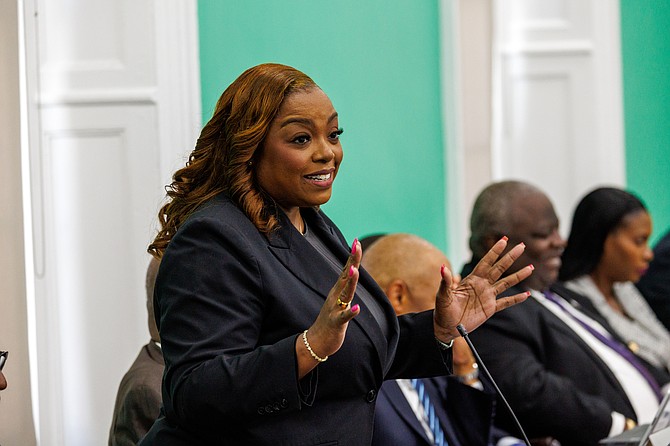
    The controversy originated in February when Phylicia Woods-Hanna, Director of Investments, publicly announced that Thompson and Evans had consulted with Mr. Ferguson to finalize appropriate settlement figures for union members. This account was later adjusted by Mr. Thompson, who clarified that while telephone discussions had occurred, no in-person meeting took place and no definitive agreement was established.

    Mr. Ferguson contends that the initial statement was not an innocent error but a calculated effort to discredit his integrity. “They are fully aware of their actions,” he asserted. “They know no such meeting with me ever occurred. I first learned of these claims through a television news broadcast.”

    In addition to suing government officials, including Woods-Hanna, for drafting and disseminating the document to the press, Ferguson also criticized media outlets for publishing the claims without adequate verification. While not currently pursuing action against the press, he warned that their involvement exposes them to potential legal repercussions.

    The widespread publication of the reports triggered a flood of reactions, causing confusion among workers who were led to believe their union representative had consented to the severance terms. Ferguson further scrutinized the proposed payouts, suggesting they may not align with the full entitlements guaranteed to workers under Bahamian law.
  • Passengers recount scary belly landing at Eleuthera airport

    Passengers recount scary belly landing at Eleuthera airport

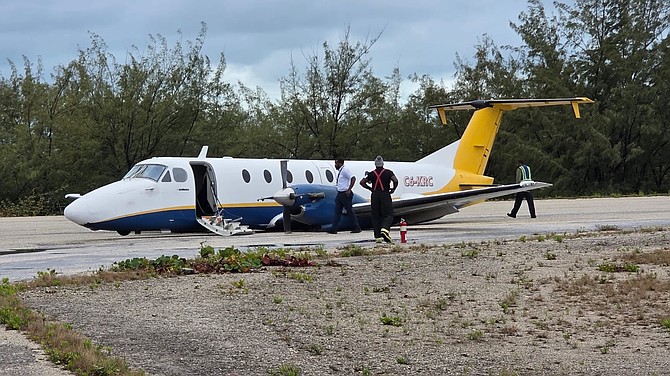
    A routine flight turned into a harrowing ordeal yesterday when a Pineapple Air Beech 1900 aircraft was forced to execute a belly landing at Governor’s Harbour Airport in Eleuthera. The incident, which occurred after the plane experienced a critical failure of its landing gear upon touchdown, sent passengers scrambling to safety as smoke billowed from the metal propellers scraping violently against the runway.

    The Aircraft Accident Investigation Authority confirmed that the aircraft became disabled on the runway, prompting an immediate temporary shutdown of the airport. This closure resulted in significant delays for other flights, as the disabled plane blocked the only available runway. Miraculously, all nineteen passengers and crew members aboard escaped without any physical injuries.

    Eyewitness accounts from passengers detail the moments of panic and confusion. Heather Carey, a frequent flyer between Eleuthera and New Providence, described the sequence of events. “There was a loud pop, followed by an incredible scraping and loud noise,” she recounted. Initial assumptions of a blown tire quickly gave way to terror as the aircraft began to serpentine and smoke became visible, revealing the true severity of the situation. “That’s the point where we were like, oh s**t, the landing gear is not there, we’re on our belly,” Ms. Carey stated.

    The emergency response was swift, with fire trucks rushing to the scene. However, passengers have raised serious concerns about the lack of communication and post-incident support from the airline’s staff. Ms. Carey, who took it upon herself to assist others off the aircraft, reported that there were no immediate checks for injuries and no clear instructions from the cockpit crew before or after the landing. The intercom system, she noted, is often difficult to understand, highlighting a broader safety issue.

    Despite the communication failures, the pilot’s skill in handling the crippled aircraft was widely praised by those on board, who credited the aviator for preventing a catastrophe. In the aftermath, the Aircraft Accident Investigation Authority has launched a full-scale probe into the mechanical failure, coordinating with the Civil Aviation Authority of the Bahamas and the Airport Authority. A preliminary report detailing the cause of the landing gear malfunction is anticipated within the next 30 days.

  • Cuban ambassador says US policies are ‘starving’ Cuba

    Cuban ambassador says US policies are ‘starving’ Cuba

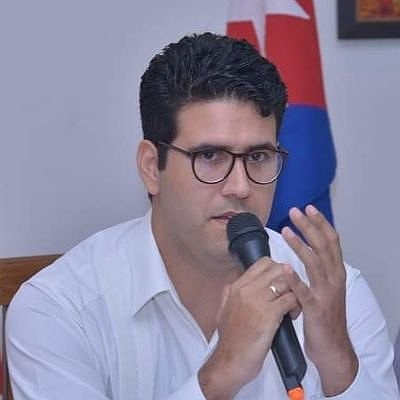
    Cuba’s ambassador to The Bahamas, Juan Carlos Marcof Sánchez, has delivered a stark assessment of the island nation’s deteriorating conditions, attributing severe fuel shortages, prolonged blackouts, and widespread societal disruption directly to United States policies. In an exclusive interview with The Tribune, the diplomat detailed how American measures have created cascading effects across all sectors of Cuban society.

    The healthcare system faces particularly critical challenges, with tens of thousands of patients—including significant numbers of children—unable to receive necessary surgeries due to persistent electricity shortages. Ambassador Marcof Sánchez identified a January executive order signed by President Donald Trump as significantly intensifying the decades-long economic blockade. This order, which declares a national emergency and enables tariffs on countries supplying fuel to Cuba, represents a strategic effort to cut off the island’s vital energy imports.

    According to the ambassador, Cuba has endured more than three months without fuel shipments, creating what he described as ‘very adverse conditions’ affecting the entire population. The energy crisis has resulted in power outages exceeding 30 hours in some communities, disrupting water supply systems, halting industrial production, and crippling essential services. The communications infrastructure suffers when radio base stations lose power, while medical services, education, and transportation systems struggle to maintain normal operations.

    Despite these challenges, Marcof Sánchez emphasized Cuba’s resilience, noting that schools remain open, hospitals continue providing care, and essential services persist through government crisis management. He reported expanded domestic oil production that has exceeded early-year targets, though he acknowledged this covers only approximately 30 percent of national needs.

    The ambassador condemned US pressure on third countries regarding trade with Cuba as coercive and dismissed claims that Cuba poses a national security threat as unfounded. He simultaneously pointed to ongoing diplomatic engagement between Cuban and US officials aimed at addressing bilateral differences, while highlighting international support from governments and organizations across Latin America, the Caribbean, and Europe.

    In response to these allegations, the US Embassy in Nassau directed attention to comments by Secretary of State Marco Rubio, who asserted that Cuba’s economic troubles stem from systemic failures rather than US policy, claiming the regime has historically depended on foreign subsidies that are no longer available.

  • Mom: I just want justice for my son

    Mom: I just want justice for my son

    Eight years following the tragic death of her infant son, Madeen Bullard continues her relentless pursuit of accountability in a medical negligence case that she alleges originated from a critical error at Princess Margaret Hospital during her pregnancy. The case, which remains pending before the Supreme Court, has seen minimal progress despite repeated attempts by the grieving mother to seek resolution.

    Mrs. Bullard maintains that she received an incompatible blood transfusion during her pregnancy—A positive instead of her actual O negative blood type—which she believes directly contributed to severe complications and ultimately the death of her two-year-old son, Joshua Bullard, in 2018. Clinical documentation reviewed by media outlets indicates Joshua exhibited significant neurological complications at birth, including minimal limb movement, weak crying, and poor reflexes, requiring immediate intensive care.

    The prolonged legal battle has named the Public Hospital Authority, former Health Minister Dr. Duane Sands, and the Attorney General as defendants. Court records reveal the case has progressed through various procedural stages, including summons, affidavits, and medical records requests. In June 2022, the family’s legal representatives proposed a potential settlement, but despite acknowledgment from the Attorney General’s Office, no substantive response has been forthcoming.

    Mrs. Bullard describes the profound emotional and physical toll the ordeal has taken on her entire family. “It has affected me really badly health-wise,” she recounted. “I was crying, I couldn’t sleep, I couldn’t eat.” Her other children similarly struggled with the loss, having anticipated their younger brother’s eventual return home after celebrating both of his birthdays in hospital settings.

    The COVID-19 pandemic was cited in official correspondence from 2020 as contributing to earlier delays. Mrs. Bullard has engaged with multiple government administrations, including a meeting with Prime Minister Philip Davis in August 2023, who reportedly acknowledged the case’s excessive duration and promised investigation. Despite these high-level interventions, the mother reports receiving no meaningful updates from either government officials or her legal representatives, leaving her in a perpetual state of uncertainty and grief.

  • Cocaine and caffeine found in reef sharks off Eleuthera, study finds

    Cocaine and caffeine found in reef sharks off Eleuthera, study finds

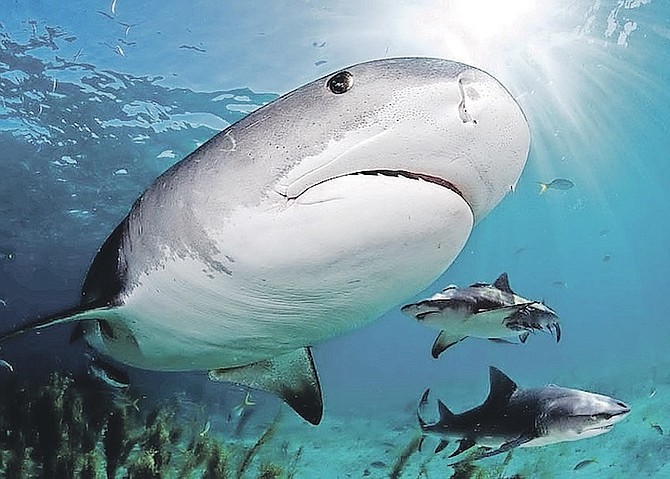
    A landmark scientific investigation has revealed alarming evidence of human pollution infiltrating marine ecosystems through apex predators. Researchers from the Cape Eleuthera Institute and international partners have documented the first global detection of caffeine and acetaminophen in shark bloodstreams, alongside the initial discovery of cocaine and diclofenac in Bahamian sharks.

    The peer-reviewed study, published in Environmental Pollution, analyzed blood samples from 85 sharks across five species inhabiting nearshore waters around Eleuthera. The comprehensive screening identified four contaminants—caffeine, cocaine, acetaminophen, and diclofenac—present in 28 specimens spanning three species: Caribbean reef sharks, Atlantic nurse sharks, and lemon sharks.

    Caffeine emerged as the most prevalent compound, detected in 27 sharks across all three affected species. Cocaine was identified in two sharks, while the pain reliever acetaminophen and anti-inflammatory diclofenac appeared in three sharks and multiple species respectively. The contamination pattern exhibited strong geographical correlations, with the Aquaculture Cage site showing the highest concentration levels, particularly in Caribbean reef sharks.

    Researchers attribute this contamination distribution to localized human activities rather than species-specific factors. The affected sites, including Boathouse Cut and Kemps Creek, experience significant tourism-related traffic, with liveaboard vessels and diving excursions potentially contributing to wastewater discharge in offshore environments.

    The physiological analysis revealed metabolic variations between contaminated and uncontaminated sharks. Caribbean reef sharks with detectable contaminants showed reduced urea and elevated lactate levels, while Atlantic nurse sharks exhibited lower triglycerides. Lemon sharks demonstrated decreased triglyceride and lactate levels when contaminated.

    Although the study doesn’t establish direct causation between contaminants and health impacts, these metabolic shifts suggest potential stress responses or altered physiological functioning. The research underscores how tourism development, vacation homes, and wastewater discharge introduce pharmaceuticals and stimulants into marine food webs, with caffeine serving as a particularly significant indicator of human-sourced pollution.

    The findings carry substantial implications for The Bahamas’ marine conservation efforts and shark-diving tourism industry, highlighting the invisible penetration of human pollutants even in seemingly pristine marine environments.

  • Marathon canvassing reveals mixed views on incumbent MP

    Marathon canvassing reveals mixed views on incumbent MP

    A comprehensive canvass of the Marathon constituency reveals a complex electoral battleground where incumbent Progressive Liberal Party MP Lisa Rahming demonstrates notable grassroots support while confronting significant challenges regarding constituent visibility and infrastructure development. With the approaching general election, residents across key neighborhoods including Ferdinand Drive, Arawak Court, and Lucaya Circle present divergent perspectives on the representative’s performance. Many constituents highlight Rahming’s responsive approach to community issues as her primary strength, citing specific instances of effective intervention and problem resolution. Longtime resident Emerson Wong attested, ‘Since her election, she has accomplished substantially more than her predecessor and continues to address our concerns promptly.’ Another supporter, identified only as BJ, characterized Rahming as ‘a hands-on representative who serves with pride, sense, and dignity.’ First-time voter Anton Hanna, 19, credited the MP with personally facilitating his college enrollment through Urban Renewal programs. However, the assessment remains decidedly mixed. Critical voices emphasize concerning gaps in physical presence and youth engagement initiatives. An anonymous Lucaya Circle resident noted deficiencies in street lighting, road paving, and programming for both young people and senior citizens. Angela McDonald, a 50-year Arawak Court resident, reported remaining undecided due to insufficient visibility of the MP’s community efforts. Meanwhile, challenger Dr. Jaquique Penn-Knowles of the Free National Movement has generated limited visibility according to residents, though some indicate growing interest in Coalition of Independents candidate Tyrone Greene. The political landscape further reveals evolving voter attitudes, with several residents explicitly rejecting traditional party loyalty in favor of performance-based representation, while others contemplate electoral disengagement altogether.

  • Bahamian smuggler arrested in Florida

    Bahamian smuggler arrested in Florida

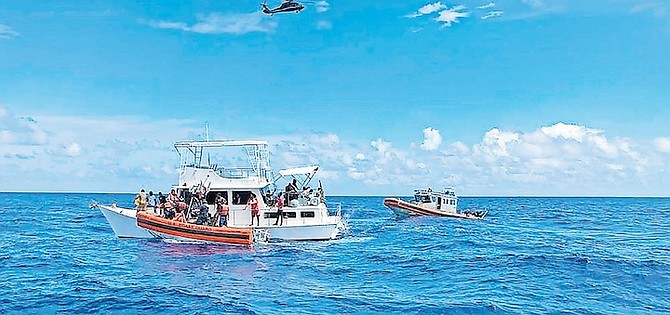
    A Bahamian national with prior convictions for human trafficking faces renewed federal charges after United States authorities intercepted a vessel he was operating with 14 undocumented migrants off the coast of Florida. Theron Don Mills, recently released from prison for similar offenses, led law enforcement on a maritime pursuit before tactical officers disabled his boat using precision fire.

    The incident unfolded on March 11 when radar systems detected a 25-foot twin outboard vessel approximately 21 miles east of Miami-Dade County. United States Department of Homeland Security agents reported the craft was traveling westward without navigational lights and appeared significantly overloaded. Despite verbal commands and warning shots, Mills allegedly attempted to evade capture before authorities disabled the engines with targeted rounds.

    Boardings teams detained fifteen individuals including nationals from Haiti, Ecuador, and the Dominican Republic. Immigration verification confirmed none possessed legal authorization for U.S. entry. Mills was found possessing $4,900 in U.S. currency and $1,000 in Bahamian funds.

    Court documents reveal Mills’ extensive criminal history, including a 2021 conviction for human smuggling that resulted in a five-year prison term and three years supervised release. Following his previous sentence completion, he was formally removed to The Bahamas on January 8, 2026. During interrogation, Mills acknowledged operating the vessel, recognizing pursuing officers, and attempting flight. He additionally confirmed understanding his prohibited re-entry status.

    Federal prosecutors have charged Mills with illegal re-entry and inducing unauthorized immigration. Three other individuals—Oswaldo Sisa Heredia, Palo Alvarez Rodriguez, and Joel Perez Matos—face related charges, all having been previously deported following convictions for immigration and drug offenses.

    Mills has invoked his right to legal counsel and remains in custody pending pretrial proceedings scheduled for later this month, where he will formally enter a plea.

  • Family mourns father shot in his sleep

    Family mourns father shot in his sleep

    A Kemp Road community is reeling from the tragic killing of 37-year-old Archie ‘AJ’ Thompson, a father described by relatives as a peaceful man with no known enemies. The shooting occurred in the early hours of Tuesday morning on Abraham Street, leaving family members devastated and searching for answers.

    According to police reports, Thompson contacted authorities himself shortly after 3am to report he had been shot. Investigators revealed the victim had been asleep when he heard gunshots and subsequently realized he had sustained injuries. Despite being conscious enough to call for help, Thompson could provide no information about his assailant or assailants. Emergency medical personnel transported him to hospital where he later succumbed to his wounds.

    The victim’s brother, Devon Thompson, expressed profound grief and confusion, stating: ‘AJ was a good person. I still don’t like the fact that happened, how it happened, when it happened.’ He emphasized his brother’s character as a hardworking landscaper who had recently started a new job and was focused on staying out of trouble.

    Family members painted a picture of a man dedicated to his 11-year-old daughter, with cousin Peaches Thompson revealing he had recently expressed desires to become ‘a better father’ and ‘do better for his daughter.’ Relatives described Thompson’s life as quiet and routine, centered around family gatherings on the porch after work hours.

    Multiple family members expressed disbelief that anyone would target Thompson, with cousin Levante Thompson noting the shooting ‘had to been something with a vengeance or personal vendetta,’ while simultaneously acknowledging he knew of no enemies in Thompson’s life. The family has appealed for anyone with information to come forward, expressing hope that justice will ultimately prevail.

    Police investigators have not disclosed any potential motive for the shooting and continue to seek witnesses to the incident that has left a young daughter without her father and a close-knit family grappling with an inexplicable loss.

  • PAHO report flags high maternal mortality rates

    PAHO report flags high maternal mortality rates

    A newly released regional health strategy from the Pan American Health Organisation (PAHO) reveals alarming trends in maternal and infant mortality rates in The Bahamas, indicating systemic weaknesses within the nation’s healthcare infrastructure. The report, forming the Country Cooperation Strategy for 2026-2031, presents a comprehensive analysis of health outcomes up to 2022, highlighting persistent challenges despite the country’s relatively high economic development status.

    Maternal mortality ratios reached a peak of 248.8 deaths per 100,000 live births before moderating to 212.1 in 2022. Simultaneously, infant mortality rates increased to 29 deaths per 1,000 live births before decreasing to 22.7. These volatile indicators underscore significant disparities in healthcare performance, particularly concerning for a nation with The Bahamas’ economic profile.

    The archipelagic nature of the country creates substantial access barriers, with residents of the Family Islands facing considerable logistical challenges in obtaining timely medical treatment. Resource distribution remains uneven, with New Providence clinics serving disproportionately larger populations than facilities on less populated islands. Patients throughout the nation encounter extended wait times for specialized care, limited availability of certain services within the public system, and financial barriers when compelled to seek private treatment.

    Noncommunicable diseases continue to dominate the health landscape, accounting for approximately 60% of all fatalities. Conditions including heart disease, stroke, diabetes, and hypertension persist as leading mortality drivers. Compounding these issues, over 75% of Bahamian adults are overweight or obese, while hypertension affects more than one-third of the population. Widespread physical inactivity and poor dietary habits contribute significantly to the growing burden of chronic diseases.

    Demographic shifts present additional challenges, with an aging population expected to intensify pressure on health services in coming years. The healthcare system itself is characterized as complex, featuring overlapping responsibilities between public and private providers and multiple funding sources that create operational inefficiencies.

    PAHO’s strategic framework outlines priority areas for intervention, including enhancing access to quality care, expanding the healthcare workforce, strengthening surveillance and data systems, and building resilience against public health emergencies and climate-related threats. The strategy also advocates for continued expansion of the National Health Insurance programme, improved integration of public and private healthcare delivery, and increased implementation of digital health technologies such as telemedicine.

    The report emphasizes that despite The Bahamas having one of the region’s highest per capita incomes, substantial inequities in healthcare access and outcomes persist. Addressing these challenges will require sustained coordination across government agencies, private sector entities, and international partners, with heightened focus on preventive measures, primary care enhancement, and systemic efficiency improvements.

  • Family Island hoteliers ‘wait and see’ on fuel hike impact

    Family Island hoteliers ‘wait and see’ on fuel hike impact

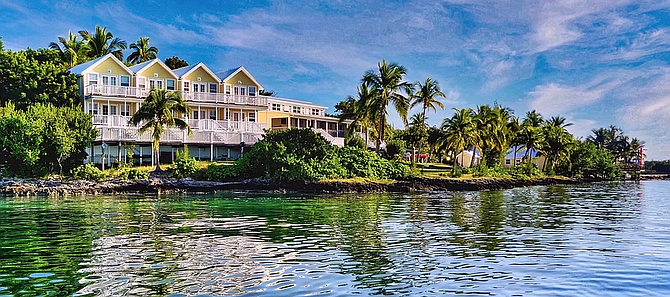
    Hotel operators across the Bahamian Family Islands are adopting a vigilant ‘wait and see’ strategy as escalating global fuel prices, fueled by the Middle East conflict, prompt dire warnings from local airlines about imminent airfare hikes. While current bookings remain robust, industry leaders are bracing for potential disruptions ahead of the critical summer season. This cautious optimism underscores the delicate balance between maintaining operational viability and preserving the archipelago’s competitive edge as a premier travel destination. General Manager Molly McIntosh of the Bluff House Beach Resort and Marina on Green Turtle Cay, Abaco, reported full occupancy for now but acknowledged the looming threat. ‘In my assessment, it will undoubtedly impact tourism,’ McIntosh stated. ‘The full effect simply takes time to materialize. We anticipate challenges in maintaining affordability without compromising service excellence or financial sustainability.’ The sentiment is echoed in smaller establishments like Andros’s Augusta Bay, where Manager Arlene Rolle confirms full bookings driven largely by domestic clientele attending local festivals. However, with Western Air—the sole commercial carrier serving Andros—forecasting a 40% surge in fuel costs, even resilient local markets face uncertainty. ‘One never knows,’ Rolle admitted, highlighting the pervasive anxiety. In Exuma, Hideaways Resort’s Assistant Manager Cindy Romer noted that steep airfares are already straining local travelers, potentially constraining domestic tourism. Despite these concerns, no significant booking declines have been recorded thus far. Economists like the University of The Bahamas’ Assistant Professor Rupert Pinder warn of broader repercussions: a protracted conflict could trigger heightened consumer caution, directly threatening discretionary spending—the lifeblood of tourism. As the industry monitors key indicators, such as upcoming engagements at the Palm Beach Boat Show, the overarching focus remains on delivering unmatched value to safeguard the Bahamas’ tourism-driven economy.