标签: Antigua and Barbuda

安提瓜和巴布达

  • National Parks and the Ministry of Agriculture Conducted Gardening and Landscaping Training

    National Parks and the Ministry of Agriculture Conducted Gardening and Landscaping Training

    In a bid to bolster sustainable landscaping and plant care practices, the National Parks Authority and Grounds Department recently hosted a comprehensive gardening and landscaping training workshop. This initiative, conducted in partnership with the Plant Protection Unit and the Forestry Division of the Ministry of Agriculture, took place on October 21 and 22, 2023. To ensure maximum participation, the workshop was repeated on the second day to accommodate different employee groups.

    The training was spearheaded by Mrs. Camellia Wallace-Tonge and Mr. Sebastian Cochrane from the Forestry Department, alongside Mr. Jahmol Colbourne of the Plant Protection Unit. Mrs. Wallace-Tonge led sessions on botanical and propagation techniques, emphasizing plant taxonomy, identification, and the critical role of species selection in landscaping. Mr. Cochrane provided hands-on demonstrations of grafting and air layering, essential methods for enhancing plant survival and reproduction.

    Mr. Colbourne’s segment focused on pest and disease management, addressing common plant pests, invasive species, and practical control strategies. He stressed the importance of prioritizing natural pesticides, biological controls, and pest trapping over chemical solutions, which can harm beneficial insects like ladybugs. Participants were also trained in the proper use of personal protective equipment (PPE) to minimize chemical exposure and mitigate long-term health risks.

    Additional discussions explored the cost-effectiveness of organic versus synthetic fertilizers, with organic options proving more sustainable by improving soil health and supporting multiple crop cycles. The training also highlighted the importance of cleanliness and monitoring to prevent pest spread, recommending immediate removal and burning of severely infected plants to curb disease transmission.

    This collaborative effort underscores a broader commitment to enhancing landscape management practices across government departments while fostering inter-agency cooperation and environmental stewardship.


  • The OECS and Direct Relief Strengthen Vector Control and Surveillance in Antigua and Barbuda

    The OECS and Direct Relief Strengthen Vector Control and Surveillance in Antigua and Barbuda

    In a landmark initiative to bolster national health systems, the Organisation of Eastern Caribbean States (OECS) Commission, supported by the Direct Relief-funded Enhancing Health Infrastructure and Resilience (EHIR) project, delivered critical resources to the Ministry of Health of Antigua and Barbuda on August 29th, 2025. The donation included two vehicles, thirty laptops, and ten tablets, aimed at enhancing vector control and epidemiological surveillance efforts. These resources are expected to significantly improve the Ministry’s capacity to monitor disease trends, coordinate rapid responses, and implement targeted interventions to curb the spread of vector-borne and communicable diseases. The vehicles will provide essential mobility for health teams in field operations, while the laptops and tablets will streamline data collection, analysis, and reporting for surveillance programs. The handover ceremony, held at the Ministry’s headquarters, was attended by key officials, including the Minister of Health, Sir Molwyn Joseph, and senior representatives from the OECS Commission. Sir Molwyn Joseph highlighted the growing impact of climate change on the spread of mosquito-borne illnesses and stressed the importance of continued vigilance. He expressed profound gratitude to the OECS, Direct Relief, and PAHO for their partnership, emphasizing the power of solidarity in addressing public health challenges. Dr Roxanne Brizan-St. Martin, Programme Director for Health, Social Inclusion, and Social Protection at the OECS Commission, underscored the project’s alignment with OECS Strategic Priority 4, which focuses on building resilience by strengthening communities, systems, infrastructure, and people. She framed the event as a celebration of collaborative solutions and regional cooperation, stating, ‘A victory for one is indeed a victory for all.’ This initiative underscores the OECS Commission’s commitment to fostering resilience and improving health outcomes across the region.

  • Reparations for Slavery – Reality or Fantasy?

    Reparations for Slavery – Reality or Fantasy?

    The debate over reparations for slavery continues to spark intense discussions globally. Dr. Lenworth W. Johnson, a prominent advocate and member of the Antigua and Barbuda Reparations Support Commission (ABRSC), argues that reparations are not only a moral imperative but also a practical and achievable solution to address the atrocities committed during the transatlantic slave trade. While many view reparations as an unattainable dream, Dr. Johnson challenges this perspective by highlighting historical precedents where other groups have received compensation for injustices. Examples include Germany’s payments to Israel for the Holocaust, the US’s reparations to Japanese Americans, and settlements with Native American tribes and Indigenous peoples in Canada, Australia, and New Zealand. These cases demonstrate that reparations are not unprecedented. The Caricom Reparations Commission (CRC) has proposed a comprehensive framework focusing on developmental initiatives rather than direct cash payments. These include formal apologies, cultural rehabilitation, public health improvements, education, and debt cancellation. Critics argue that slavery was legal at the time and that descendants of enslavers should not bear responsibility for historical crimes. However, Dr. Johnson counters that slavery, particularly chattel slavery, was never legal under international law and that its legacy continues to affect descendants today. He also emphasizes that calls for reparations have persisted since emancipation, with movements like the Haitian Revolution and Pan-Africanism advocating for justice. The global momentum for reparations is growing, as evidenced by recent international conferences and UN resolutions. Dr. Johnson remains optimistic that justice will prevail, asserting that reparations are not just a moral obligation but a necessary step toward reconciliation and healing.

  • PM Browne Promises Back Pay by December and Salary, Minimum Wage Increase Next Year

    PM Browne Promises Back Pay by December and Salary, Minimum Wage Increase Next Year

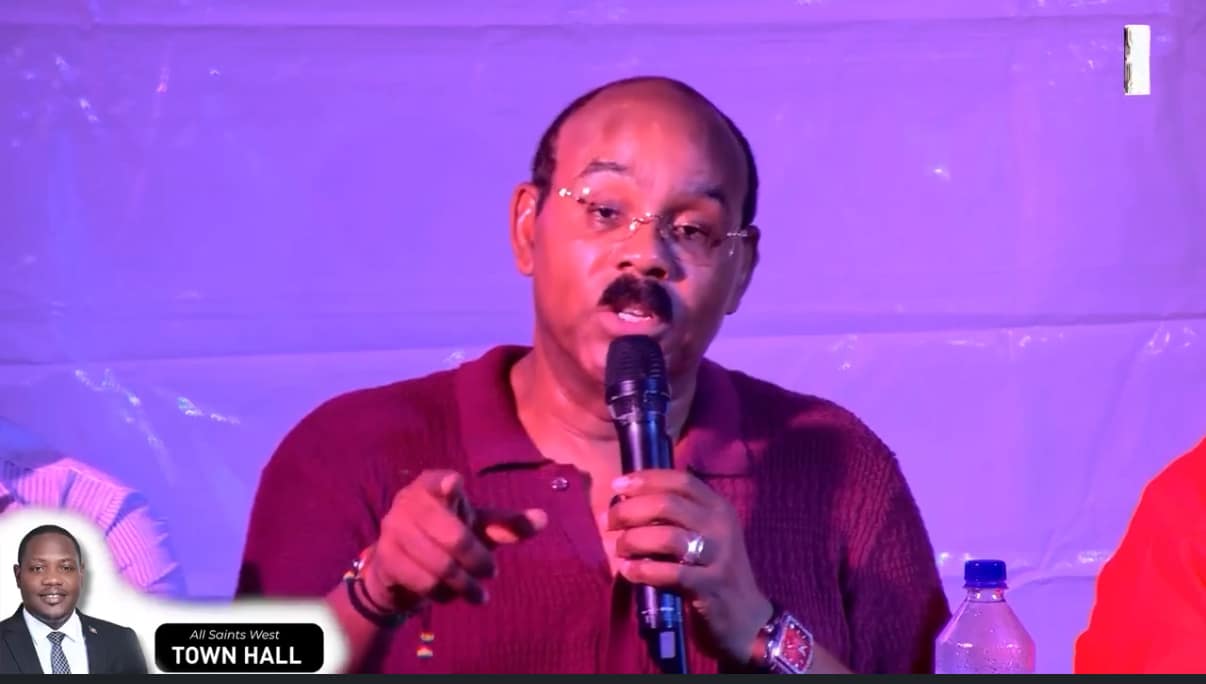
    In a significant announcement aimed at bolstering economic fairness and citizen empowerment, Prime Minister Gaston Browne of Antigua and Barbuda has pledged a series of financial measures for public servants and workers. Speaking at a town hall meeting in the All Saints West constituency on Thursday night, Browne revealed that back pay for public servants will be processed by December this year, followed by another salary increase in 2026. Additionally, the government plans to raise the national minimum wage next year, ensuring workers benefit from the country’s economic growth. Browne emphasized his administration’s commitment to improving the lives of citizens, stating, ‘Life is getting better for the majority of the people of Antigua and Barbuda, and we will continue to empower them.’ He highlighted the importance of equitable economic policies, asserting that workers must share in the nation’s progress. These measures, according to Browne, reflect the government’s broader dedication to fairness and economic empowerment for all.

  • The Census Office Urges Public Cooperation as 2025 National Census Intensifies

    The Census Office Urges Public Cooperation as 2025 National Census Intensifies

    The Census Office of Antigua and Barbuda has issued a nationwide appeal for residents to actively participate and cooperate as the 2025 National Population and Housing Census enters a critical phase. Over recent weeks, trained enumerators have been conducting door-to-door visits across the islands to gather essential data. This information will play a pivotal role in shaping national policies, guiding development strategies, and informing decisions in key sectors such as healthcare, education, and infrastructure. To ensure transparency and security, all census workers are equipped with official identification, including a Census ID badge, a branded vest, a government-issued authorization letter, and a digital tablet for data collection. Residents are assured that all collected data will remain strictly confidential and will be used solely for statistical purposes, in compliance with the Statistics Act of Antigua and Barbuda. The Census Office has also provided contact numbers for residents to verify the identity of enumerators if needed. The census process will continue over the coming months, with preliminary results expected to be released in early 2026. The Census Office expressed gratitude for the public’s ongoing support in this vital national initiative.

  • Lovell Calls PM’s Reforms hasty and diversionary

    Lovell Calls PM’s Reforms hasty and diversionary

    Harold Lovell, the United Progressive Party (UPP) caretaker for All Saints West, has launched a scathing critique against Prime Minister Gaston Browne, accusing him of orchestrating a cover-up in the ongoing ‘chain gang’ vehicle scandal. Lovell’s statement, issued on Thursday, contends that Browne’s recent announcements—ranging from new vehicle policies to public auctions, a $10 million repayment agreement, and the establishment of a ‘People’s Restitution Fund’—are not genuine reforms but rather ‘acts of desperation.’

    Lovell argued that these measures fail to address the core issues or hold accountable those implicated in the scandal. ‘Every new announcement underscores the severity of the problem, yet none tackle the individuals at the heart of it,’ he stated. He emphasized that the citizens of Antigua and Barbuda deserve transparency and accountability, not what he described as ‘theatrics.’

    ‘The Prime Minister’s decision to negotiate repayments before a comprehensive investigation is not justice; it’s a smokescreen,’ Lovell added. The UPP is demanding a full forensic investigation, spearheaded by independent bodies such as the Integrity Commission, the Auditor General’s Office, and civil society observers. Lovell believes that only such an inquiry can restore public trust in the government.

    ‘With every policy announcement, Gaston Browne shuts another door to the truth,’ Lovell remarked. ‘He’s using window dressing to obscure the facts, but the people of Antigua and Barbuda will not remain in the dark.’

  • Officials closely monitoring APUA as it investigates reports of electricity theft

    Officials closely monitoring APUA as it investigates reports of electricity theft

    The Antigua Public Utilities Authority (APUA) has heightened its vigilance as it probes into escalating reports of electricity theft across the region. This illicit activity, which involves unauthorized connections and meter tampering, has been identified as a significant contributor to financial losses and operational inefficiencies within the utility sector. APUA officials have underscored the gravity of the situation, emphasizing that such practices not only undermine the integrity of the power grid but also pose severe safety risks to the public. In response, the authority has deployed advanced monitoring technologies and initiated a series of public awareness campaigns to deter potential offenders. Legal repercussions for those found guilty of electricity theft are expected to be stringent, with fines and potential imprisonment on the table. The crackdown comes amid growing concerns over the economic and infrastructural impact of these illegal activities, which have been exacerbated by rising energy costs and strained resources. APUA has urged citizens to report any suspicious activities, reinforcing its commitment to ensuring a fair and sustainable energy distribution system.

  • Routine spot checks of containers begin at customs

    Routine spot checks of containers begin at customs

    In a decisive move to tackle customs fraud and safeguard national revenue, Prime Minister Gaston Browne has announced the initiation of routine spot checks on imported containers. This measure is a key component of the government’s broader strategy to enhance transparency and ensure equitable revenue collection from importers. Browne emphasized that the initiative aligns with his recent commitment to bolster customs oversight and establish a People’s Restitution Fund. This fund will serve as a repository for penalties, interest, and other charges levied against customs violators, with the proceeds earmarked to finance vital social programs. The Prime Minister underscored the importance of these efforts in curbing under-invoicing and other fraudulent practices, which have long undermined the country’s fiscal integrity. By implementing these rigorous inspection protocols, the government aims to foster a fairer and more accountable import-export ecosystem, ultimately benefiting the nation’s economic stability and social welfare initiatives.

  • PM: Fines from Customs Violations to Fund Social Programs

    PM: Fines from Customs Violations to Fund Social Programs

    In a significant move to address customs violations, Prime Minister Gaston Browne of Antigua and Barbuda has unveiled plans to establish the ‘People’s Restitution Fund.’ This initiative aims to collect penalties, interest, and other charges from importers found guilty of breaching customs regulations. The fund is designed to formalize the management of recovered monies and fines, ensuring they are directed toward public welfare projects. The announcement comes on the heels of Browne’s recent remarks regarding restitution efforts in the ongoing government vehicle probe, where a dealer agreed to repay $10 million. Additionally, the Prime Minister has confirmed that excess or improperly assigned government vehicles will be sold at public auction following a comprehensive fleet audit. This initiative underscores the government’s commitment to transparency and accountability in managing public resources.

  • UPP told to make it clear whether they want car dealers to go to jail

    UPP told to make it clear whether they want car dealers to go to jail

    Prime Minister Gaston Browne has announced that his administration is seeking restitution from vehicle dealers involved in the ongoing government fleet controversy. This development follows revelations that millions of dollars were spent on government vehicles outside standard procurement procedures. Browne disclosed that one dealer has already agreed to repay $10 million, while another is currently under audit. The prime minister emphasized that the audit and reassignment process for the vehicles are still underway. Additionally, Browne stated that any unassigned vehicles will be sold at public auction in the near future. The controversy has sparked significant public scrutiny, with the prime minister urging the opposition to clarify its stance on the matter. This situation highlights broader concerns about transparency and accountability in government procurement practices.