
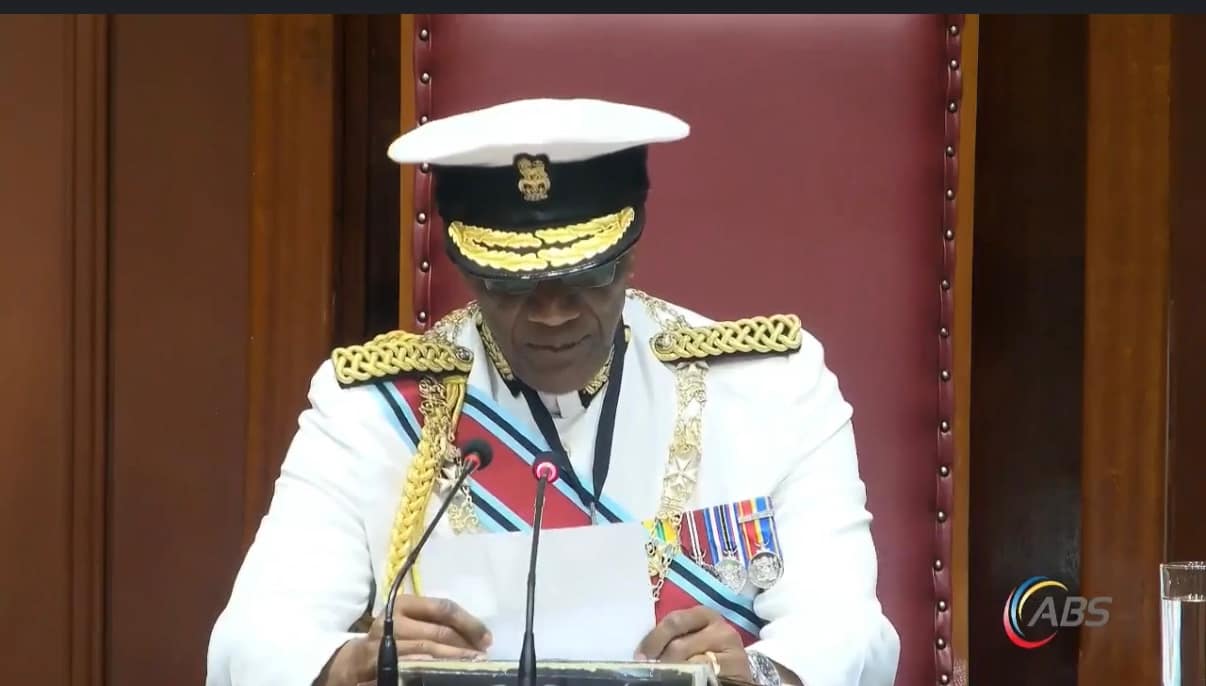
Foreign direct investment (FDI) has been the cornerstone of Antigua and Barbuda’s remarkable economic growth over the past 25 years, according to Governor General Sir Rodney Williams. In his Throne Speech delivered on Thursday, Sir Rodney highlighted how sustained inflows of overseas capital have propelled the nation’s economy from US$802 million in 2000 to over US$2 billion today. He emphasized that FDI has been instrumental in driving development across key sectors, including construction, hospitality, banking, housing, and public infrastructure, laying the foundation for the country’s “solid, stable, and soaring” progress.
标签: Antigua and Barbuda
安提瓜和巴布达
-

Antigua and Barbuda Marks 300% GDP Growth as First Quarter of Century Closes
Antigua and Barbuda has achieved an extraordinary economic milestone, with its national output surging by over 300% in the past 25 years. The country’s economic performance has climbed from US$802 million in 2000 to an anticipated US$2 billion by 2025. Governor General Sir Rodney Williams emphasized this remarkable achievement during his Throne Speech at the opening of Parliament, describing it as a testament to the nation’s resilience and strategic planning. Despite facing significant challenges, including hurricanes, droughts, flooding, the global financial crisis, and the COVID-19 pandemic, Antigua and Barbuda has emerged stronger, thanks to the collective efforts of its workers, entrepreneurs, and successive governments. Sir Rodney attributed this success to a combination of factors, including robust foreign direct investment, a thriving construction and hospitality sector, enhanced educational opportunities, and a stable socio-political environment characterized by low crime rates. The country’s per capita income now exceeds EC$60,000, and it ranks 53rd on the United Nations Human Development Index—the highest among Caribbean nations. Looking ahead, the government is optimistic about sustaining this growth trajectory, with plans to invest in infrastructure, tourism, and education to drive further economic expansion in the coming decades.
-
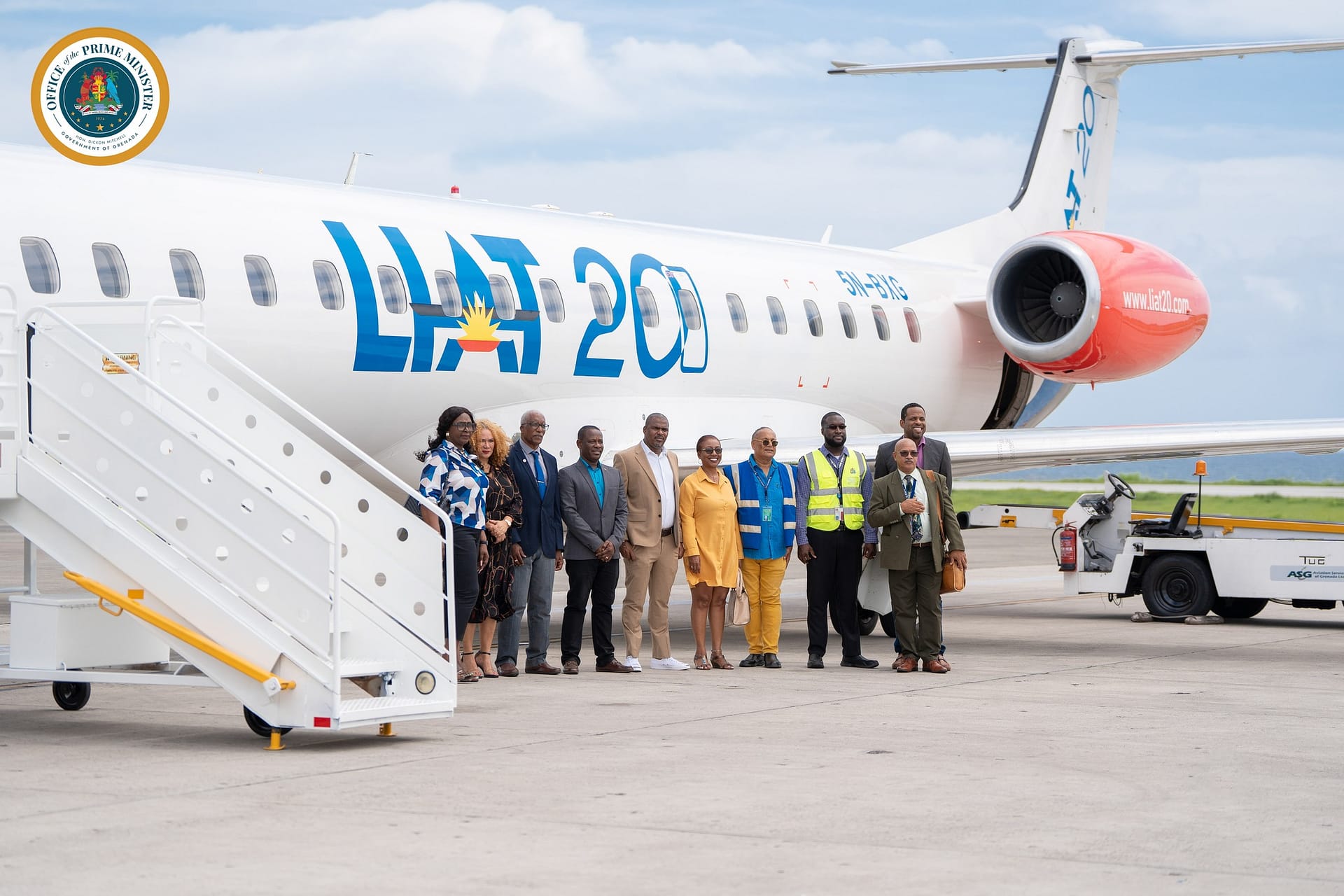
LIAT’s Comeback Will Support Africa–Caribbean Air Link Through Air Peace, GG says
The Governor General of Antigua and Barbuda, Sir Rodney Williams, announced during the Throne Speech on Thursday that the revival of LIAT will play a pivotal role in enhancing regional connectivity as Air Peace prepares to launch direct flights between Africa and Antigua. Sir Rodney emphasized that LIAT’s resurgence symbolizes the sustainability of an airline once deemed a “dead horse,” positioning it as a crucial link for passengers arriving from the African continent. The expanded operations of LIAT are expected to transform Antigua and Barbuda into a regional hub, facilitating the movement of African tourists and business travelers to neighboring islands—a development seen as a significant economic opportunity for the Eastern Caribbean. Sir Rodney highlighted that LIAT’s expansion beyond the Eastern Caribbean reflects a broader recovery in the aviation sector, reinforcing Antigua’s strategic role in interregional travel and tourism growth. The Throne Speech also underscored the government’s infrastructure investments, including runway resurfacing at V.C. Bird International Airport and upgrades to roads and utilities, which are essential for accommodating increased passenger traffic. With Air Peace set to commence regular flights to Antigua, LIAT’s network will be instrumental in efficiently distributing incoming visitors across the Caribbean. Sir Rodney likened LIAT’s renewed mission to a “phoenix,” rising to meet the next phase of regional air connectivity.
-
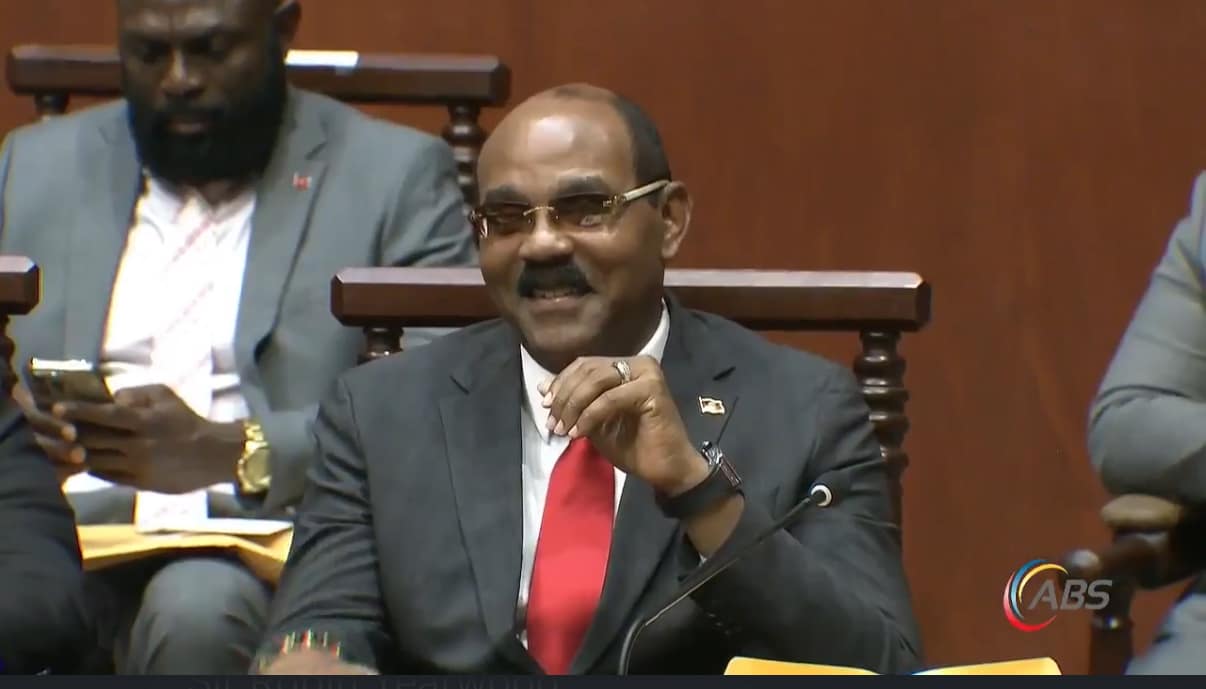
Serious Crime Falls 10% as Government Plans New Forensic Services Bill in 2026
Antigua and Barbuda has witnessed a significant 10% reduction in serious crime this year, as announced by Governor General Sir Rodney Williams during the Throne Speech at the opening of Parliament. The decline, attributed to effective leadership within the Royal Police Force and enhanced community policing initiatives, marks a pivotal moment in the nation’s public safety efforts. Sir Rodney outlined a series of ambitious reforms set to modernize law enforcement and criminal justice by 2026, including the establishment of the Antigua and Barbuda Forensic Services. This new agency will focus on drug analysis and the development of specialized biology and chemistry divisions, equipping investigators with advanced scientific tools currently unavailable locally. Additionally, plans to expand the Industrial Court with more judges aim to expedite labor-related case resolutions, while the government reaffirms its commitment to transparency and the rule of law. Antigua and Barbuda’s ranking as second in the Caribbean and 38th globally on the 2025 Rule of Law Index underscores these efforts. Rehabilitation within His Majesty’s Prison also received renewed attention, with a focus on reducing recidivism through skills-training programs and the recruitment of qualified correctional officers. The Antigua and Barbuda Defence Force was commended for its joint security initiatives with the police, particularly during high-profile events. Sir Rodney emphasized that this comprehensive strategy—combining modern policing, forensic advancements, and structured rehabilitation—is essential to sustaining the nation’s improving public safety landscape.
-
Antigua and Barbuda to Roll Out National Health Insurance in 2026
Antigua and Barbuda is set to implement a National Health Insurance (NHI) system in 2026, marking a significant shift from the 46-year-old Medical Benefits Scheme (MBS). The new system aims to provide broader coverage, enhance protection for vulnerable populations, and ensure portability across CARICOM member states. Governor General Sir Rodney Williams announced the initiative during the Throne Speech at the opening of Parliament, emphasizing the government’s commitment to modernizing healthcare in response to evolving national needs. The NHI will expand the range of covered diseases, address the growing burden of non-communicable diseases (NCDs) like diabetes and hypertension, and ensure equitable access to care for all citizens, particularly the elderly and those with chronic illnesses. The transition aligns with ongoing upgrades to health infrastructure, including a new mental health facility in Seaview Farm and a state-of-the-art dialysis center at the old Holberton site, which will also support kidney transplants. Sir Rodney also highlighted the government’s focus on promoting healthier lifestyles to combat rising NCD rates. As the 2026 rollout approaches, details on contribution rates and benefits are expected to be unveiled, positioning the NHI as a cornerstone of universal healthcare access in Antigua and Barbuda’s next phase of development.
-
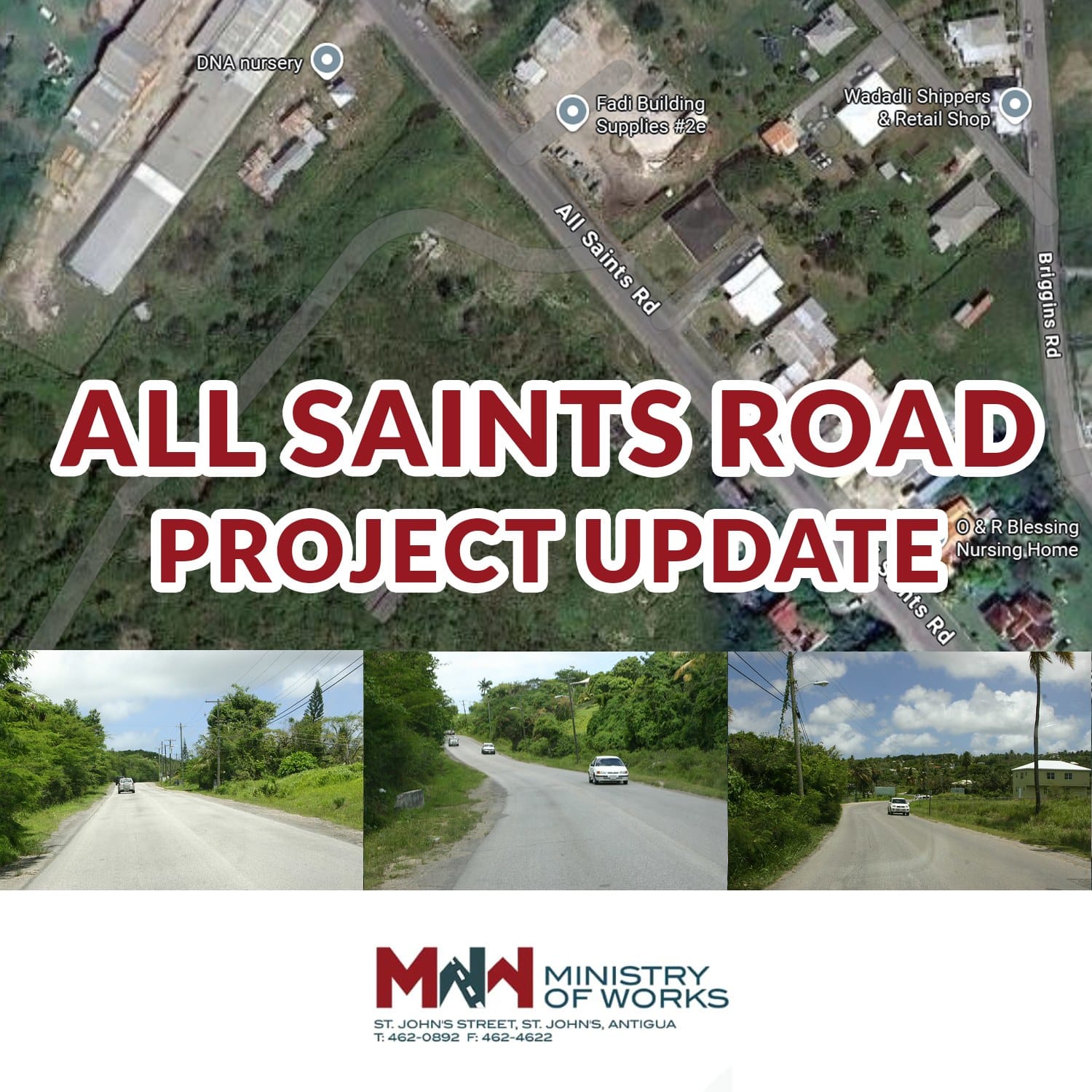
All Saints Road Upgrade Moves Into Active Construction Phase
Survey teams have commenced operations for a comprehensive upgrade of All Saints Road, heralding the launch of what government officials are calling one of the nation’s most pivotal infrastructure initiatives in recent history. The Ministry of Works has officially announced that the reconstruction project is being spearheaded by Amdex, a collaborative venture between Canada’s Dexter Company and local engineering experts. This partnership is expected to bring advanced technical expertise to the endeavor, which aims to transform a crucial transportation artery. The project will cover over 10 miles, stretching from the V.C. Bird bust in St John’s to English Harbour. Preparatory activities are already underway, with survey teams and materials-testing crews actively working on-site. In a coordinated effort, the Antigua Public Utilities Authority (APUA) will replace outdated water pipes along the route, ensuring that the road does not require future excavation. To mitigate inconvenience for commuters, the Ministry of Works is devising detailed traffic-management strategies, including temporary diversions and phased road closures as construction progresses. The government has pledged to provide regular updates as the project advances.
-
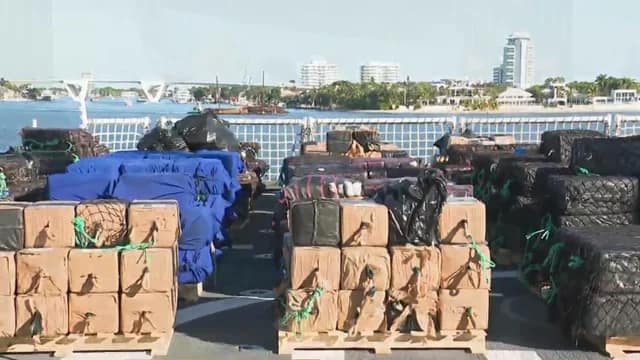
U.S Coast Guard Unleashes Historic Cocaine Seizure in $362M Blow to Cartels
In a landmark operation, the U.S. Coast Guard (USCG) offloaded a staggering 49,000 pounds of cocaine at Port Everglades, marking one of the largest single-ship drug seizures in history. The haul, valued at approximately $362 million, was the result of 15 separate interceptions in the Eastern Pacific Ocean by the crew of the USCG Cutter Stone, alongside aircrews and partner agencies. Vice Adm. Nathan Moore, Commander of the U.S. Coast Guard Atlantic Area, emphasized the significance of the seizure, stating, ‘This is more than just a pile of cocaine. It represents a tangible victory in our fight against transnational criminal organizations and narco-terrorism.’ The operation underscores the USCG’s commitment to disrupting drug trafficking networks and protecting communities. Terry Cole, Administrator of the Drug Enforcement Administration (DEA), highlighted the broader impact, noting that such seizures weaken criminal organizations and save lives. The majority of the cocaine originated from Colombia and Ecuador. This seizure follows a series of significant drug interdictions by the USCG, including a record-breaking 38-ton haul in August 2025. Officials reported that 80% of U.S.-bound narcotics seizures occur at sea, emphasizing the critical role of maritime operations in combating drug trafficking.
-
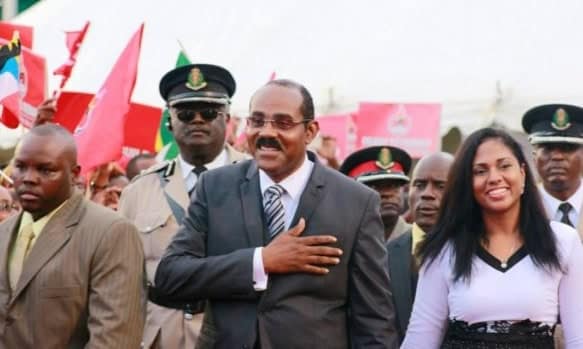
OPINION: Under PM Browne’s leadership, Antigua and Barbuda remains solidly on course
In the midst of heightened political discourse in Antigua and Barbuda, the Gaston Browne Administration stands as a testament to resilience, progress, and effective leadership. Recent weeks have seen a surge in political commentary, ranging from passionate debates to speculative narratives. While democratic engagement is essential, some voices have veered into exaggerated claims of national decline, often driven by personal ambition rather than factual analysis. It is crucial to restore balance and reaffirm the tangible achievements under Prime Minister Gaston Browne’s stewardship. The administration has spearheaded one of the Caribbean’s fastest post-COVID economic recoveries, expanded social housing, and made strategic investments in infrastructure, benefiting thousands of citizens. These accomplishments reflect stable governance and disciplined economic management, rather than political theatrics. Amid global challenges such as inflation, energy shocks, and climate impacts, Antigua and Barbuda has demonstrated remarkable resilience. The administration has confronted these issues with competence and creativity, fostering national confidence and progress. The people of Antigua and Barbuda recognize that stability, progress, and leadership are not accidental but the result of dedicated governance. As the nation continues its transformative journey, it is imperative for all citizens to unite in confidence, leaving behind divisive narratives and embracing a shared vision for a brighter future under Prime Minister Gaston Browne’s leadership.
-

LETTER: It’s Time to Abolish Antigua & Barbuda’s Outdated Bigamy Law
In a bold and impassioned letter to the editor, a concerned citizen of Antigua and Barbuda has called for the immediate abolition of the country’s archaic bigamy law, labeling it as outdated, hypocritical, and out of touch with modern societal values. The writer, who identifies as an ordinary citizen rather than a legal or political expert, argues that the law unjustly intrudes into the private lives of consenting adults under the guise of protecting morality. The recent high-profile bigamy case has reignited public debate, highlighting the law’s irrelevance in a society where diverse relationship structures are increasingly common. The author emphasizes that a free society should respect individual choices, provided they are consensual and do not harm others. They criticize the law as a colonial relic rooted in a singular religious perspective on marriage, which no longer aligns with the cultural diversity and progressive ideals of Antigua and Barbuda. The letter also points out the absurdity of diverting limited police resources to investigate consensual relationships while more pressing issues like domestic violence, financial crimes, and missing children remain under-addressed. The writer concludes with a powerful plea for the government to demonstrate its commitment to modernization, freedom, and human dignity by repealing the bigamy law and allowing adults to build their lives without fear of criminalization.
-
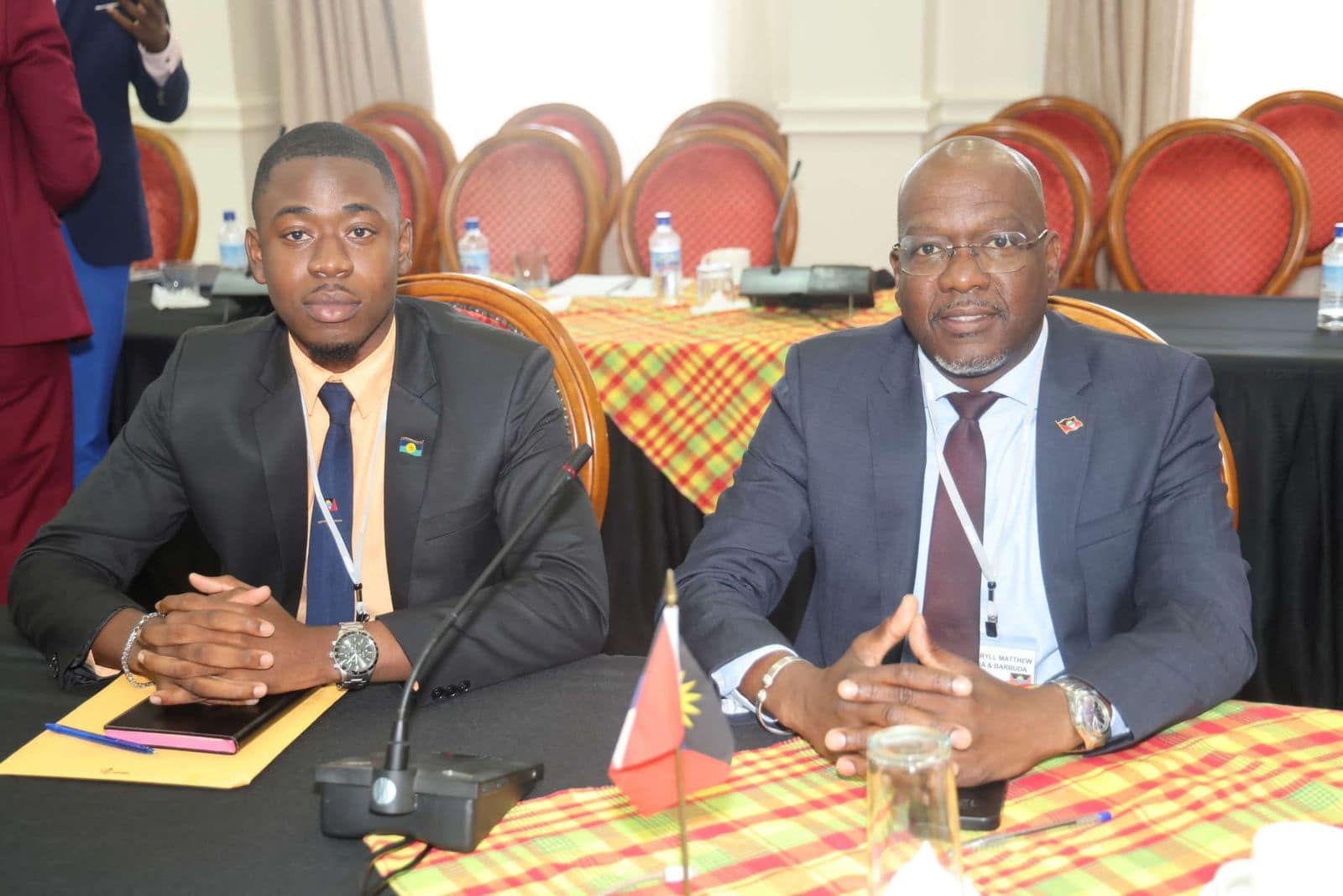
Hon. Daryll Matthew Represents Antigua and Barbuda at OECS Education Ministers’ Meeting
The Organisation of Eastern Caribbean States (OECS) successfully concluded its Tenth Meeting of the Council of Ministers: Education (COM: Edu) in the Commonwealth of Dominica on September 25-26, 2025. Held at the State House Conference Centre under the theme “Empowered Teaching for Resilient and Inclusive Digital Education,” the event brought together Ministers of Education, Permanent Secretaries, Directors from Ministries of Education, development partners, and education experts. Youth representatives were also included to ensure their voices were integrated into discussions, reflecting the OECS’s commitment to youth engagement through its Youth Empowerment Strategy.
The meeting focused on advancing regional education policies, fostering collaboration among education leaders, and aligning national efforts with the OECS Education Sector Strategy. Key discussions centered on accelerating the adoption of the OECS Digital Learning Ecosystem, enhancing teacher training, and promoting inclusive education for the twenty-first century. The event commenced with an opening ceremony celebrating Dominica’s cultural heritage, featuring remarks from Honourable Dr. Geoffrey Hanley, Deputy Prime Minister of Saint Kitts and Nevis and outgoing Chair of the Council, and His Excellency Dr. Didacus Jules, OECS Director General.
Dr. Jules emphasized the need for holistic education reform, stating, “Education is not transformed by technology alone, nor by policies written on paper. Real change requires moving beyond disconnected initiatives.” Honourable Octavia Alfred, Dominica’s Minister of Education and incoming Chair, highlighted the resilience of education systems in the face of challenges such as natural disasters, pandemics, and cultural shifts.
Over two days, participants engaged in robust discussions on priority areas, including the implementation of the OECS Education Sector Strategy (2011–2026), the development of the OECS Digital Learning Ecosystem, and initiatives like microcredentials, EMIS policy, and regional education technology policy. The Council also reviewed findings from the OECS Student Census Micropilot, a groundbreaking initiative to elevate student voices in educational reform.
Key outcomes included endorsing the establishment of national and regional teaching councils, advancing teacher professionalization, and adopting the Roseau Declaration for OECS Digital Education, which addresses data management, pedagogy, and artificial intelligence. The Council also commissioned a refreshed OECS Education Sector Strategy for 2027–2037, ensuring continued progress in transforming education across the region.