
For years, public schools have faced intense scrutiny, often criticized for their shortcomings, while private schools have been lauded for their academic excellence and pristine reputations. However, beneath this polished facade, there may be deeply troubling issues that remain hidden from parents’ view. While discipline is essential in education, the line between discipline and abuse of power is increasingly being crossed, particularly in private institutions. A parent’s firsthand account reveals alarming practices that raise serious concerns about the safety and well-being of students. The parent’s six-year-old son, who once eagerly shared stories of his school day, now recounts disturbing incidents of teachers and the headmistress reacting with anger and violence when students struggle to understand lessons. Students are reportedly beaten on their knuckles, shouted at, and even called derogatory names like ‘stupid.’ These actions are not discipline—they are intimidation and abuse. Moreover, the practice of ‘double discipline,’ where students are punished twice for the same issue—first by teachers and then by the principal—has been described as excessive, harmful, and demoralizing. Private schools often fail to address their own misconduct but are quick to contact parents when a child’s behavior reflects poorly on the institution. This double standard underscores a systemic issue that demands immediate attention. Parents are urged to engage in open conversations with their children, ensuring they feel safe, respected, and supported in their learning environments. While fostering respect and compassion in children can alleviate some stress for teachers, it does not justify abusive practices. Education should never be driven by fear. It is imperative to eliminate harmful disciplinary methods and replace them with patience, understanding, and effective teaching strategies. Every child deserves to learn in a safe and nurturing environment, free from fear and intimidation.
标签: Antigua and Barbuda
安提瓜和巴布达
-
ABWU Condemns Cruel and Unjust Termination of Six Employees at Jumby Bay Resort
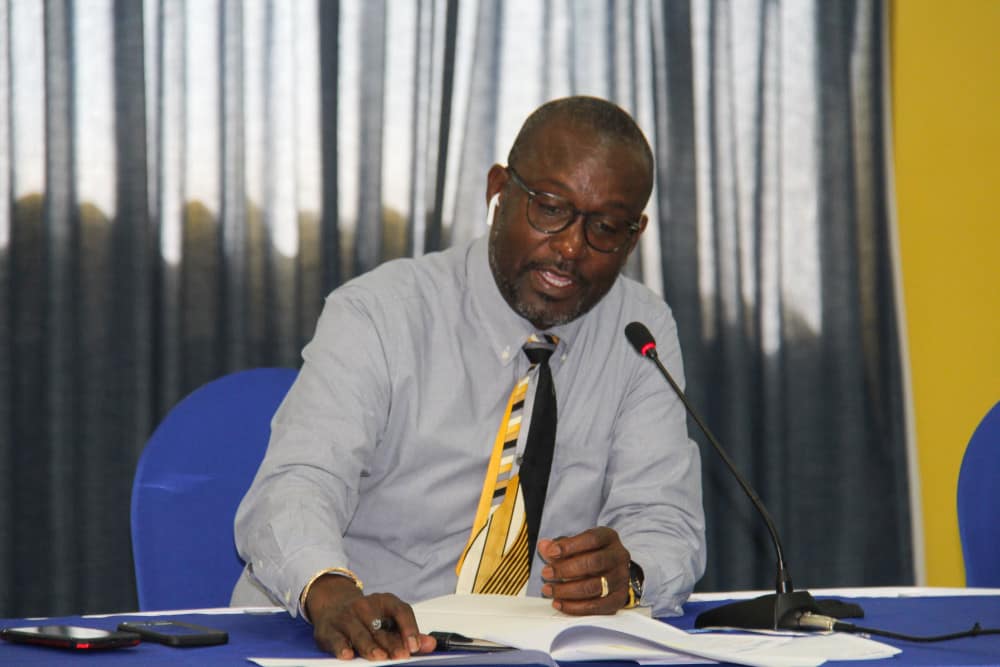
The Antigua and Barbuda Workers’ Union (ABWU) has strongly criticized Jumby Bay Resort (JBR) for its decision to terminate six employees who left their shifts early after reporting illness. The Union described the action as not only unreasonable and unjust but also shockingly harsh and entirely unacceptable. During internal hearings and investigations, the ABWU repeatedly urged the resort’s management to act with fairness, reason, and sound judgment. However, these appeals were ignored, and the company opted for the most severe disciplinary measure. This punitive approach to human resource management highlights a troubling disregard for worker dignity and rights. Employees, the Union emphasized, must always be treated with fairness, justice, and respect. The ABWU expressed deep concern that JBR, a company renowned for its hospitality and service excellence, failed to uphold even the most basic principles of fairness in this case. ABWU General Secretary David Massiah condemned the resort’s actions, stating, ‘Such callous treatment of workers has no place in today’s labor market.’ The Union pledged to support the dismissed workers fully, including potential legal action through the industrial court and public demonstrations if necessary. The ABWU called on JBR’s management to reconsider its decision, reinstate the workers, and allow reason and fairness to prevail.
-

Book Fair Postponed, but KDP Support Continues at Public Library — AI Book Evolution Event Set for Tomorrow
The highly anticipated Book Fair, a key event of the Ah Head Mek Book – National Authors’ Week, has been postponed indefinitely, as announced in an official update this morning. Originally slated to take place at the National Public Library, the fair’s delay stems from unforeseen circumstances. Organizers have assured the public that a new date will be communicated once logistical arrangements are finalized. Despite this setback, the initiative remains committed to supporting aspiring authors. Today, facilitator Peetron Thomas will be available at the Public Library to assist individuals interested in KDP writing, self-publishing, and book development. This opportunity is particularly valuable for those who missed the workshops held earlier in the week. Meanwhile, tomorrow’s featured event, ‘AI Book Evolution,’ will proceed as planned. The session will be hosted virtually via Google Hangouts, with access details provided to participants who contact (268) 775-1595. National Authors’ Week continues to unfold, with further updates expected as activities progress.
-

Dominica to commission geothermal power plant in December
The Caribbean nation of Dominica is poised to make a significant leap in renewable energy with the commissioning of its first geothermal power plant this December. This landmark project, developed in collaboration with international partners, aims to harness the island’s abundant geothermal resources to provide a sustainable and reliable energy source. The plant is expected to generate up to 10 megawatts of electricity, significantly reducing the country’s reliance on imported fossil fuels and cutting carbon emissions. Prime Minister Roosevelt Skerrit hailed the initiative as a transformative step toward energy independence and climate resilience. The project also aligns with Dominica’s broader vision of becoming the world’s first climate-resilient nation, as outlined in its Climate Resilience and Recovery Plan. Experts predict that the geothermal plant will not only bolster the local economy but also serve as a model for other small island states seeking to transition to renewable energy.
-

OPINION: Can Technology Really Help The Caribbean Recover Faster After Disasters?
In the Caribbean, where natural disasters are becoming increasingly severe and frequent, the gap between swift recovery and prolonged suffering often hinges on one critical factor: access to timely and accurate information. Who is affected? How extensive are the damages? Who requires immediate assistance? These questions underscore the urgent need for innovative solutions to transform chaos into coordinated action. The Caribbean Policy Development Centre (CPDC) highlights the potential of technology to address these challenges, but also emphasizes the importance of ensuring equitable access and integration with traditional support systems. Currently, only 21% of community organizations in the region maintain vulnerability data on their members, leaving many at-risk individuals—such as elderly farmers, young fishers, and market vendors—without targeted assistance during crises. Digital tools like shared databases, mobile apps, and SMS-based platforms can help local organizations identify risks and track needs in real time. For instance, cooperatives could use apps to pinpoint members most exposed to flooding, while credit unions could quickly verify eligibility for emergency payouts. However, the digital divide remains a significant barrier. Many women, rural families, and the elderly lack access to smart devices or stable internet, and post-disaster power outages can render digital tools temporarily useless. To bridge this gap, CPDC advocates for a ‘Smart Caribbean’ approach that blends digital tools with traditional methods, ensuring no one is left behind. Technology also plays a crucial role in strengthening Climate and Disaster Risk Finance and Insurance (CDRFI) at the meso level. Parametric insurance, for example, uses weather data triggers to automate payouts, while mobile money transfers and digital surveys enable informal workers to access financial support. Ultimately, recovery must begin before disaster strikes. By combining technology with trusted institutions, the Caribbean can shorten recovery times, target assistance more effectively, and build resilience for the future. CPDC’s research offers a roadmap for integrating technology and CDRFI to protect livelihoods and ensure faster, more equitable recovery.
-

Tourism Week 2025 Charity Day Initiative Brings Hope and Support Across Key Care Institutions
The Ministry of Tourism, Civil Aviation, Transportation and Investment, in collaboration with key corporate partners, successfully organized the Tourism Week 2025 Charity Day. This year’s event, themed ‘Our People, Our Culture, Our Environment in Full Thrive,’ emphasized the Ministry’s dedication to comprehensive national development. The initiative highlighted tourism’s dual role as both an economic driver and a force for social progress in Antigua and Barbuda. Minister of Tourism, the Honourable Charles Fernandez, led the outreach efforts, visiting The Adele School, Clarevue Psychiatric Hospital, The Fiennes Institute, and The Care Project. Essential items were donated to support these institutions, which cater to some of the nation’s most vulnerable populations. The success of the Charity Day was bolstered by the contributions of corporate partners such as Mega Distributors, Epicurean Fine Foods, Christo’s, Frank B. Armstrong, Hutchinson Antigua Ltd., A.S. Brydens, Cool & Smooth, and Anjo Wholesale. The Ministry expressed deep gratitude to these partners, whose generosity exemplifies the spirit of corporate citizenship and strengthens community bonds. Minister Fernandez commended the collaborative effort, stating that Tourism Week is not merely an industry celebration but a reflection of the nation’s commitment to uplifting its people and fostering community resilience. ‘Today’s Charity Day underlines the importance of investing in one another to build a stronger, more compassionate Antigua and Barbuda,’ he remarked. Tourism Week 2025 continues with the Tourism Week Health Fair at the House of Culture lawn, offering free health screenings, and the Sweat Tourism Week Edition at the YMCA, featuring fitness sessions with Dancer Boy Shan and Fit with Ceejay, promoting wellness and community spirit.
-

Deputy DPP Shannon Jones-Gittens to Deliver Lecture on Criminal Court Backlogs
Deputy Director of Public Prosecutions (DPP) Shannon Jones-Gittens is set to spearhead the upcoming session of the Eastern Caribbean Supreme Court’s Public Education Lecture Series. The event, focusing on the pressing issue of criminal case backlogs, will take place on Thursday, November 27, 2025, at 6 p.m. (AST) in Courtroom #1 of the Antigua and Barbuda High Court of Justice. Jones-Gittens’ presentation, titled ‘Addressing Criminal Court Backlogs: Pathways to Reform,’ aims to shed light on the challenges burdening the justice system and explore strategies to enhance case management and ensure equitable access to justice. The lecture is part of a broader initiative to foster public awareness and engagement with judicial reforms in the region. The event will be broadcast live on Flow EVO and streamed globally via uwitv.global and UWITV’s platforms. For viewing details, visit https://uwitv.global/listings/ or stream directly at https://www.uwitv.global.
-
Police Face Frustrated Residents at Heated St. John’s Rural South Town Hall
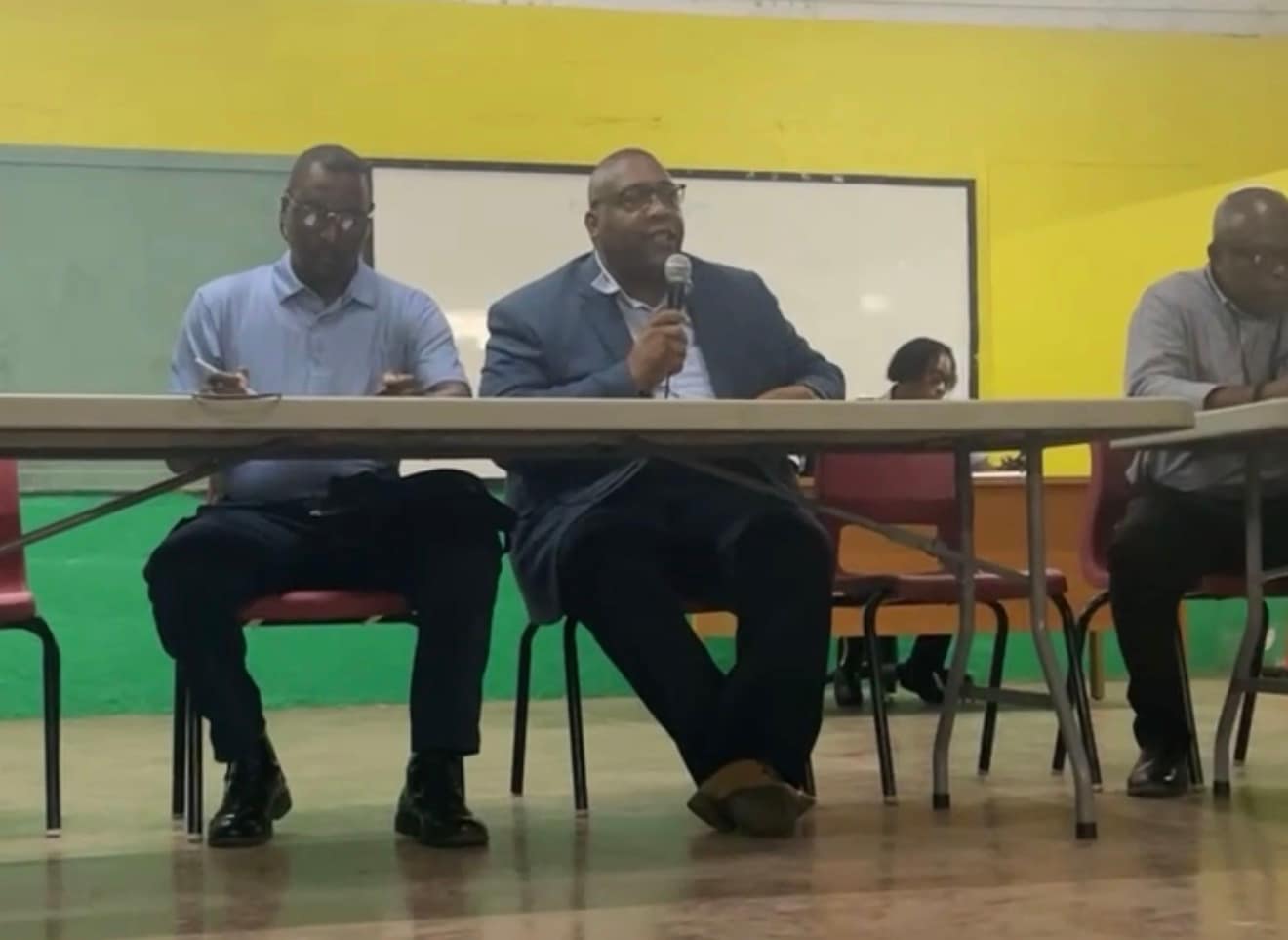
Residents of St. John’s Rural South expressed their growing concerns over crime and inadequate policing during a heated town hall meeting with senior officers of the Royal Police Force of Antigua and Barbuda on Monday night. The meeting, part of a community-policing initiative, aimed to rebuild public trust and strengthen ties between law enforcement and the community. However, frustrations over slow response times, understaffed police outposts, and a perceived lack of visible policing dominated the discussion. Police administrators, including an Assistant Commissioner and Superintendent, acknowledged the issues and pledged to address them. Residents shared harrowing experiences, such as delayed responses to break-ins and closed outposts, which forced them to seek help from distant stations. Police officials attributed reduced patrols to manpower being diverted to national events but promised increased patrols during the Christmas season and immediate action on staffing shortages. While overall crime statistics show a decline, residents argued that the fear of crime remains pervasive. Police urged collaboration with the government and community to tackle environmental factors like abandoned properties and poor lighting, while also emphasizing the need for stronger parental involvement to curb youth delinquency. The meeting concluded with a mutual commitment to work together for safer neighborhoods.
-

Barbuda Honours First Preschool Teacher Bernice Lewis
Barbuda has officially recognized the lifelong contributions of Bernice Lewis, an 80-year-old retired preschool teacher, for her over two decades of service in early childhood education. Lewis, who began her teaching career in 1978 and retired in 2000, was celebrated in a heartfelt ceremony attended by Foreign Affairs and Barbuda Affairs Minister E.P. Chet Greene and ABLP caretaker Bonneitha John. Notably, Lewis is the only retired preschool teacher still residing on the island. During the event, Greene and John presented her with a token of appreciation, commending her unwavering dedication to nurturing young minds and supporting families across Barbuda. Attendees, including former students, relatives, and community members, praised Lewis as a mentor and a cornerstone of the community, whose influence has transcended generations. Many highlighted her compassion, resilience, and pivotal role in establishing the foundation of early education on the island. Bonneitha John emphasized that the recognition was part of a broader effort to honor individuals whose lifelong work has significantly contributed to Barbuda’s development.
-

Gender Affairs Director Says Men Must Be More Involved in Curbing Gender Violence
Jamie Saunders, the Director of Gender Affairs in Antigua and Barbuda, has called for men to play a more proactive role in addressing gender-based violence. Saunders emphasized that meaningful progress in reducing such violence hinges on viewing men as integral to the solution rather than the problem. He criticized the current public discourse, which often frames men and women as adversaries, labeling it counterproductive. Saunders highlighted how societal norms that discourage men from expressing vulnerability contribute to anger and unhealthy conflict resolution, with repercussions felt in homes, workplaces, and communities. While women remain the primary victims of gender-based violence, Saunders noted that men also suffer—both as direct victims and through societal pressures that stifle emotional expression. He stressed the importance of equipping men with better communication and conflict-management skills to foster safer relationships. Additionally, Saunders underscored the economic toll of domestic abuse, referencing international studies that reveal annual losses of millions of dollars due to medical expenses, reduced productivity, and legal proceedings. He observed a growing trend of men supporting prevention initiatives and engaging more willingly in these efforts. According to Saunders, sustaining this momentum is vital to curbing violence and building more stable, inclusive communities.