标签: Antigua and Barbuda

安提瓜和巴布达

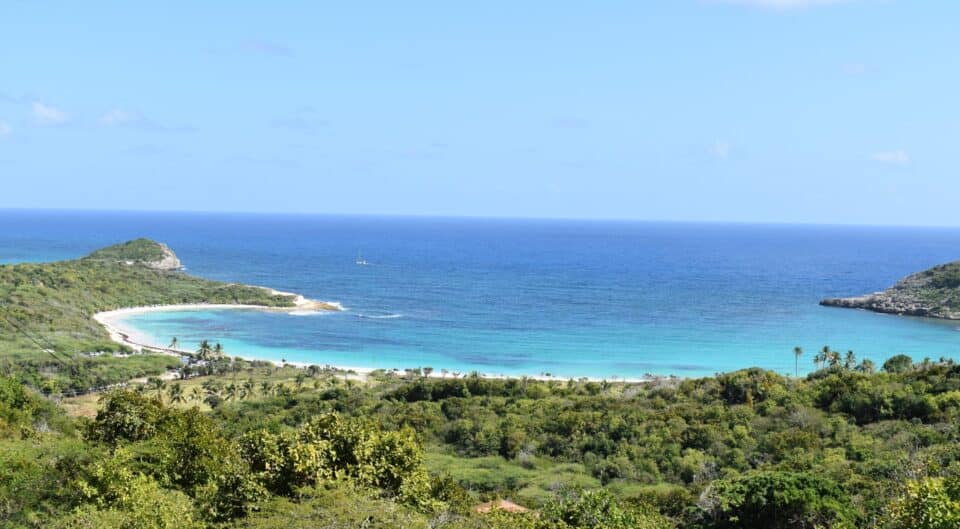
  • One&Only Half Moon Bay to Break Ground in Q2 2026, PM Announces

    One&Only Half Moon Bay to Break Ground in Q2 2026, PM Announces

    Antigua and Barbuda’s Prime Minister Gaston Browne has officially announced that construction of the transformative One&Only Half Moon Bay Resort, a US$465 million luxury development, will commence in the second quarter of 2026. The revelation came during the government’s annual Budget Presentation on Thursday, positioning the project as the most substantial luxury tourism investment in the nation’s history.

    Prime Minister Browne emphasized the project’s significant economic impact, projecting the creation of 400 construction jobs during the building phase, with several hundred additional permanent positions anticipated upon the resort’s opening. He characterized the development as a crucial catalyst for elevating Antigua and Barbuda’s high-end tourism market, demonstrating sustained investor confidence despite prevailing global economic uncertainties.

    The One&Only development represents just one component within a broader portfolio of large-scale tourism investments currently advancing in the twin-island nation. This strategic expansion includes Murby Resorts, Nikki Beach Barbuda, the Buccaneer Beach Project, and extended Nobu operations—collectively poised to fundamentally reshape the country’s hospitality infrastructure and international appeal.

    Renowned for catering to elite international clientele and maintaining exceptional service standards, the One&Only brand is expected to generate substantial global attention once construction commences. Beyond immediate job creation, the resort is projected to strengthen partnerships with local contractors and service providers while significantly boosting visitor expenditure levels upon operational launch.

    The government has committed to releasing further details regarding construction timelines and associated community infrastructure developments as project preparations advance through subsequent planning phases.
  • Climate Finance to Help Clear COVID-Era Arrears and Fund Resilience Projects, PM Says

    Climate Finance to Help Clear COVID-Era Arrears and Fund Resilience Projects, PM Says

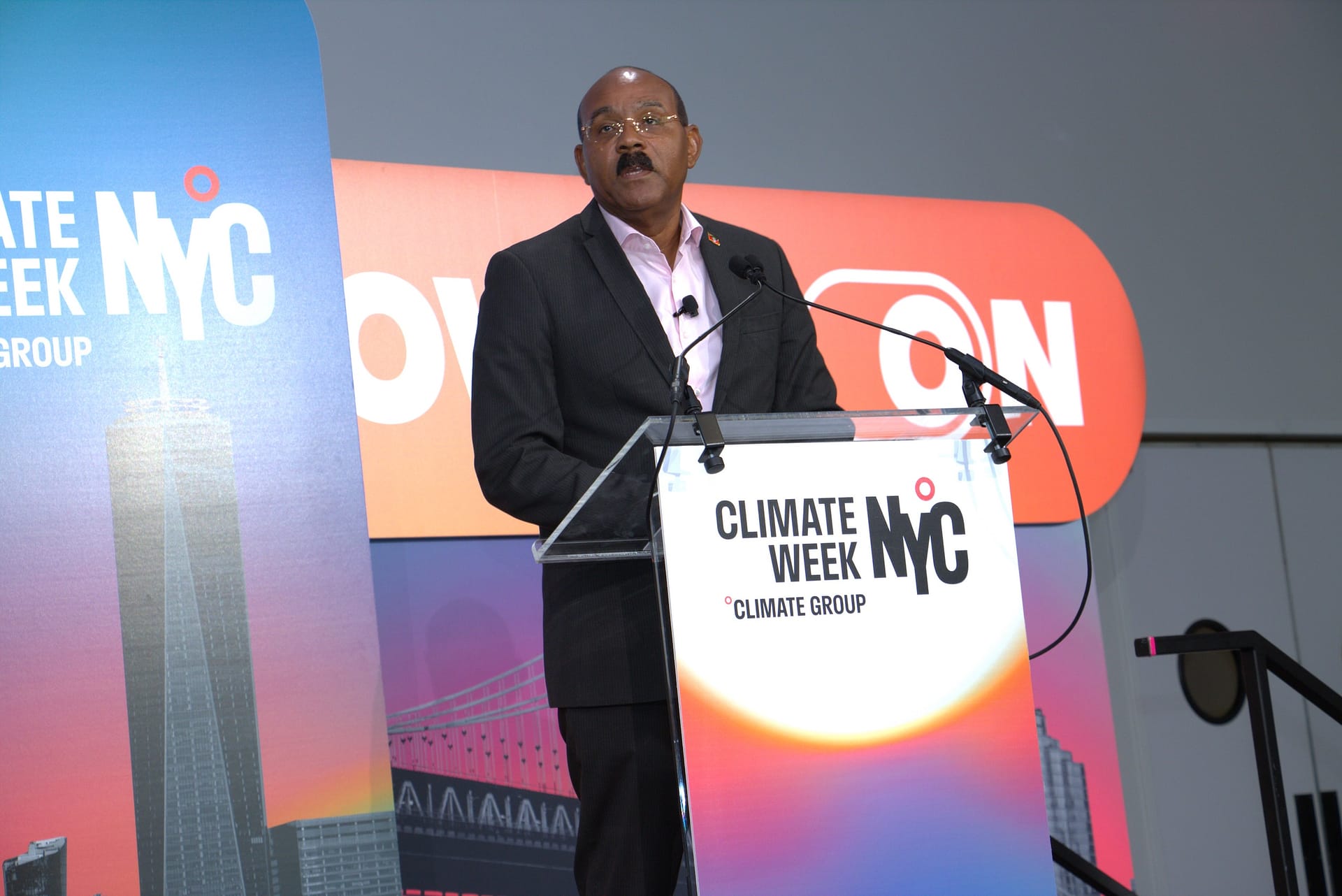
    In a groundbreaking fiscal strategy, Antigua and Barbuda’s Prime Minister Gaston Browne has announced plans to leverage climate financing as a multifaceted solution to both developmental and economic challenges. During his 2026 Budget Presentation, Browne revealed that emerging climate funds would be strategically deployed not only for critical resilience projects but also to clear substantial arrears accumulated during the COVID-19 pandemic’s economic downturn.

    The Prime Minister characterized climate finance as an ‘innovative fiscal tool’ that would accelerate national development while stabilizing public finances that have faced severe strain over the past five years. The government’s approach involves channeling these international resources into multiple priority areas including climate-resilient housing infrastructure, renewable energy transition, climate-smart public facilities, and enhanced environmental protection systems.

    Browne emphasized that his administration is positioning the twin-island nation as a leading voice among small island developing states (SIDS) advocating for equitable access to climate funding. This leadership role includes ongoing negotiations with international partners, multilateral financial institutions, and specialized climate facilities to secure new financing arrangements that prioritize adaptation requirements specific to vulnerable island nations.

    The strategic integration of climate-related resources is expected to complement domestic revenue measures and current debt consolidation efforts. This comprehensive approach aims to restore fiscal stability while simultaneously strengthening community resilience against climate impacts. The 2026 Budget reflects this dual priority with increased allocations for climate mitigation programs, advanced disaster preparedness systems, and localized adaptation initiatives designed to protect vulnerable populations.

    Parliamentary discussions on the budget are scheduled to continue in the coming week, where further details of this innovative climate finance implementation plan are expected to be elaborated.

  • More Weapons and Modern Security Equipment Coming for the police in 2026

    More Weapons and Modern Security Equipment Coming for the police in 2026

    Prime Minister Gaston Browne has announced a comprehensive security enhancement initiative for Antigua and Barbuda’s law enforcement agencies, set for implementation in 2026. The revelation came during Thursday’s parliamentary budget presentation, where Browne detailed plans to substantially upgrade both the tactical capabilities and technological infrastructure of the nation’s security forces.

    The centerpiece of this security overhaul includes the procurement of advanced weaponry, substantial ammunition reserves, and state-of-the-art security equipment specifically designed for both crime prevention and detection operations. Browne emphasized to Parliament that these enhancements are critically necessary to match the evolving sophistication of criminal networks operating within and around the nation’s borders.

    Beyond conventional arms, the government will invest in specialized crime-fighting technology featuring targeted surveillance systems intended to revolutionize intelligence gathering and operational response capabilities. This technological component represents a significant leap forward in the country’s digital security infrastructure.

    The security package extends to maritime defense assets, upgraded radar systems, and modernized communications networks. Financially, the government has committed over $4 million toward training new police recruits and providing contemporary equipment for serving officers.

    Prime Minister Browne framed these investments as essential for strengthening border security, intercepting illegal trafficking operations, and enhancing the effectiveness of frontline policing. Additional specifics regarding budget allocations and implementation timelines are anticipated during the continued budget debate proceedings scheduled for next week.

  • Antigua Signs Seven Medical Cooperation Agreements With Hangzhou University

    Antigua Signs Seven Medical Cooperation Agreements With Hangzhou University

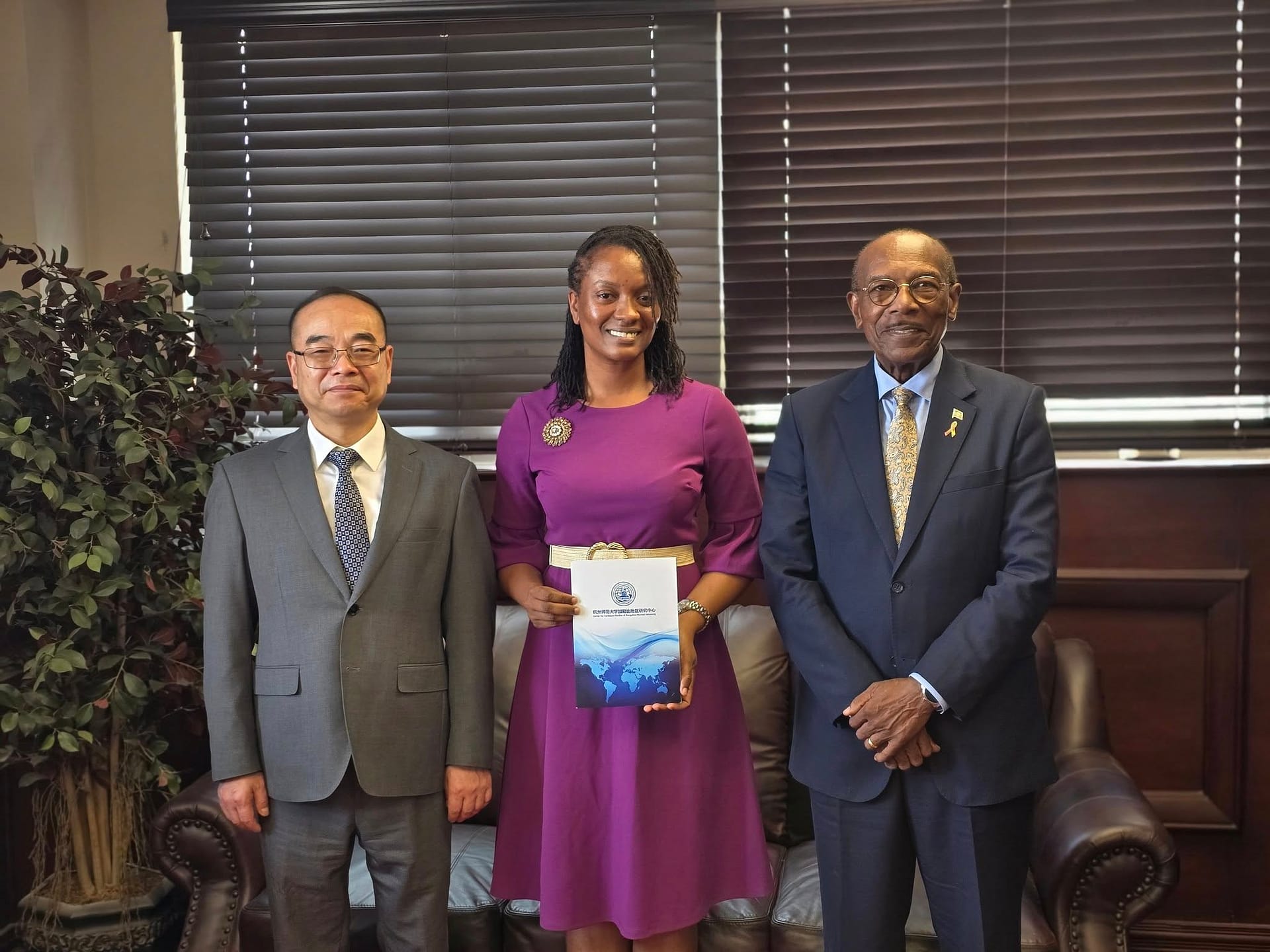
    In a significant advancement for Caribbean healthcare, Antigua and Barbuda has established seven comprehensive medical cooperation agreements with China’s Hangzhou Normal University. The partnership was finalized following an intensive week-long diplomatic mission led by Professor Jingwei Zhang, a distinguished medical specialist from the university’s hospital and faculty.

    The breakthrough was formally announced by Director General of Communications Maurice Merchant during Friday’s post-Cabinet media briefing. Professor Zhang engaged in high-level discussions with Cabinet members after several days of strategic meetings focused on enhancing medical collaboration, driving healthcare innovation, and building capacity within Antigua and Barbuda’s health infrastructure.

    The cooperation framework includes seven key initiatives: establishment of an Eastern Caribbean Chest Pain Center; specialized medical exchange programs and clinical support; implementation of telemedicine and digital health solutions; comprehensive professional training for medical staff including doctors, nurses, and technicians; and joint research programs addressing public health challenges and chronic diseases.

    Additionally, the partnership encompasses diagnostic innovation and expanded collaboration in areas identified during the professor’s assessment visit. Cabinet members received an educational lecture on heart health as part of the broader cooperation discussions, highlighting the practical knowledge transfer component of the agreement.

    According to official statements, this collaboration is expected to significantly enhance Antigua and Barbuda’s access to specialized medical expertise, strengthen workforce development, and support the modernization of clinical services. The timing aligns strategically with the country’s planned major health-sector upgrades scheduled for 2026.

    The full details of all seven agreements will be documented in the published Cabinet notes, alongside updates on other significant healthcare developments including the forthcoming renal care center, cancer center reopening, new neurosurgery service, and comprehensive health-system reforms.

  • New 70-Foot Patrol Vessel Coming as Antigua and Barbuda Steps Up Maritime Security

    New 70-Foot Patrol Vessel Coming as Antigua and Barbuda Steps Up Maritime Security

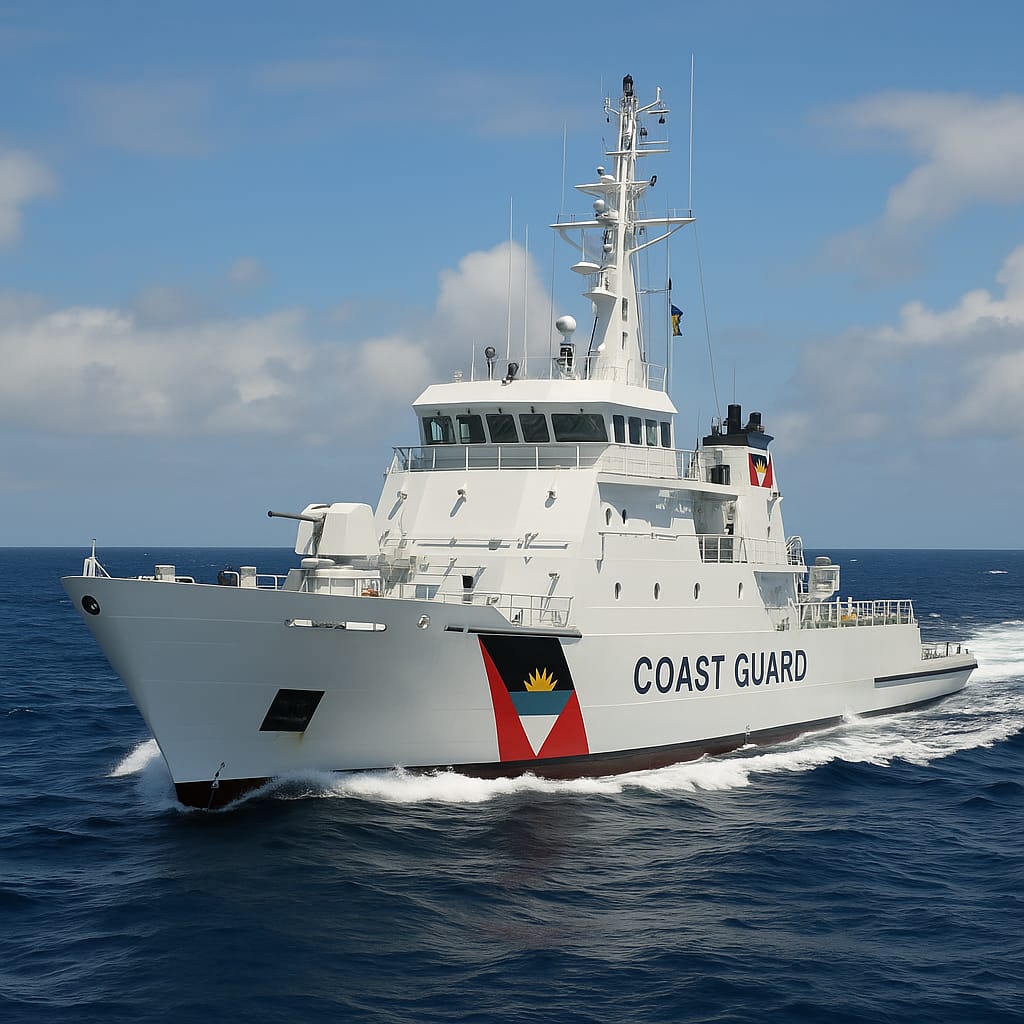
    The government of Antigua and Barbuda has unveiled a comprehensive maritime security enhancement plan as part of its 2026 national budget, signaling a decisive crackdown on transnational criminal operations in its territorial waters. Prime Minister Gaston Browne announced the forthcoming acquisition of a substantial 65-70 foot offshore patrol vessel specifically designed to strengthen deep-water operations against narcotics trafficking networks.

    The strategic investment represents a significant escalation in the nation’s border protection capabilities, building upon earlier security measures that included the deployment of a 30-foot interceptor vessel to law enforcement agencies. ‘We’re going for the drug traffickers with superior resources,’ Browne declared before Parliament. ‘We now possess vessels that outperform those used by criminal elements.’

    Complementing the naval expansion, Cabinet has approved a substantial US$1 million allocation for advanced radar systems and communications infrastructure upgrades. This technological enhancement will provide authorities with unprecedented real-time surveillance coverage across the nation’s maritime territory, addressing critical visibility gaps that smugglers have historically exploited.

    The integrated approach—combining faster interception craft, extended radar coverage, and modernized communication networks—aims to comprehensively disrupt illegal entry points and reinforce anti-narcotics operations. The new offshore patrol capability will notably extend the Coast Guard’s operational range beyond coastal regions, enabling extended missions, enhanced interdiction capacity, and improved search-and-rescue capabilities in deeper waters.

    Additional specifications regarding deployment timelines and operational details are anticipated to emerge as parliamentary budget deliberations continue next week.

  • Armed Men Kick Down Door, Confront Father in Cashew Hill Break-In

    Armed Men Kick Down Door, Confront Father in Cashew Hill Break-In

    A residential community in Cashew Hill has been plunged into a state of heightened anxiety following a terrifying home invasion by four armed assailants in the early hours of Thursday, December 4. The harrowing incident, which occurred at approximately 6:50 a.m., targeted the home of Shabo Nedwell and her father, triggering urgent calls for enhanced security measures and increased police patrols in the neighborhood.

    According to an eyewitness account from a concerned neighbor, the confrontation began when Ms. Nedwell’s father was confronted in his yard by two masked individuals brandishing firearms. The intruders immediately demanded his ‘big gold chain,’ initiating a tense physical altercation during which the homeowner courageously pushed a weapon away from his face and struggled with one assailant. Simultaneously, two additional masked accomplices scaled the property’s gate, forced their way onto the gallery, and kicked in the front door, shattering glass to gain entry into the home where Shabo was present indoors.

    The situation reached a critical turning point when a neighbor investigating the commotion approached the property, prompting the four armed men to abandon their mission and flee the scene. The perpetrators were observed escaping over the gate and retreating to a white Vitz vehicle parked two streets away from the crime scene.

    Remarkably, the family reported no stolen possessions following the invasion, deepening the mystery surrounding the attackers’ motives. The psychological impact on the residents appears profound, particularly for Shabo Nedwell, who had previously survived a traumatic pit bull attack just two months earlier at her aunt’s residence. Demonstrating remarkable resilience, Ms. Nedwell reportedly composed herself and proceeded to work merely an hour after the violent break-in.

    The community now grapples with pressing security concerns, with residents explicitly requesting the installation of surveillance cameras and improved police protection. The neighborhood’s sense of safety has been fundamentally compromised, leaving families questioning why their community was targeted and fearing future incidents.

  • COMMENTARY: Sometimes Good Is Unacceptable

    COMMENTARY: Sometimes Good Is Unacceptable

    A profound national conversation is unfolding in Antigua and Barbuda, challenging the very definition of progress. Drawing parallels to the biblical narrative of Cain—whose sincere offering was rejected not for its lack of effort but for its misalignment with divine standards—commentator Yves Ephraim critiques the current government’s trajectory. The central argument posits that while the administration may showcase a list of accomplishments, these achievements hold little relevance if they fail to prioritize the economic empowerment and ownership opportunities for Antiguans and Barbudans themselves.

    The core issue is identified as a fundamental misalignment between government priorities and the people’s interests. Citizens are increasingly relegated to the role of perpetual low-wage workers and mendicants, with little prospect of owning homes, building substantive careers, or securing their economic future. This model, where citizens “own nothing but be happy,” is deemed unacceptable for a nation aspiring to become a sustainable ‘Economic Powerhouse’.

    Historical and contemporary evidence is marshaled to support the thesis that national wealth is intrinsically linked to citizen ownership. China’s remarkable transformation from poverty to global powerhouse is cited as a prime example, achieved by empowering its citizens to build and own export-oriented industries. Conversely, the author finds no historical precedent for a nation achieving wealth by selling prime assets to foreign interests or ceding economic control.

    The collapse of the nation’s Gaming Industry serves as a cautionary tale. When the U.S. government threatened its citizens involved in offshore gaming, the entire sector in Antigua and Barbuda crumbled. The author speculates that a different outcome might have emerged had local citizens held a 50% ownership stake, underscoring the vulnerability of foreign-dominated sectors.

    Specific policy barriers are highlighted, particularly in the telecommunications sector, where licensing regimes allegedly prevent private Antiguan and Barbudan entrepreneurs from profiting. The article argues that liberalizing this sector could unleash a wave of young, intelligent, and entrepreneurial talent to launch international ventures, earn foreign exchange, and reverse the crippling brain drain, especially in the high-demand IT field.

    Finally, the nation’s investment in education is called into question. Without a parallel focus on cultivating an entrepreneurial class, the author contends that expensive education, like that provided at the University of the West Indies campus, merely prepares young people to flee to first-world countries for meaningful employment. The article concludes that the ‘good’ achieved by the government is ultimately irrelevant without a significant advance in Antiguan and Barbudan ownership of their land and economy.

  • More Than $4 Million Set Aside to Train Police Recruits and Equip Officers, PM Announces

    More Than $4 Million Set Aside to Train Police Recruits and Equip Officers, PM Announces

    ST. JOHN’S, Antigua – In a decisive move to reinforce national security, Prime Minister Gaston Browne has unveiled a comprehensive $4 million investment package targeting crime prevention and border protection initiatives. The announcement came during Thursday’s parliamentary budget presentation for the 2026 fiscal year, representing one of the largest dedicated security allocations in recent history.

    Addressing lawmakers, Browne emphasized the critical connection between public safety and national prosperity. “Our economic achievements remain meaningless if citizens live in fear,” stated the Prime Minister, acknowledging ongoing concerns about violent crime and border vulnerabilities despite the nation’s status as one of the Caribbean’s safest jurisdictions.

    The substantial funding will facilitate expanded police recruitment programs, enhanced training protocols, and advanced equipment provisioning for law enforcement personnel. The investment specifically encompasses cutting-edge crime-fighting technologies, sophisticated surveillance systems, and improved operational resources designed to outpace criminal networks.

    Browne delivered an unequivocal message to potential offenders: “We’re coming for you. We’ll find you. We’ll prosecute you.” This stern warning accompanied details of a broader security strategy that includes maritime defense enhancements. Recent upgrades feature a high-speed 30-foot interceptor vessel capable of 75-mile-per-hour pursuits, complemented by a $1 million allocation for advanced communications and radar infrastructure. Future plans involve acquiring additional patrol vessels to monitor the country’s economic exclusion zone.

    The Prime Minister affirmed that even single homicide incidents remain unacceptable, pledging intensified policing measures and reinforced border controls. Parliamentary debates on the full 2026 budget are scheduled to continue throughout the coming week.

  • Antigua Government to Publish Citizen’s Guide to the 2026 Budget

    Antigua Government to Publish Citizen’s Guide to the 2026 Budget

    In a significant move toward governmental transparency, the administration announced Friday the forthcoming publication of a simplified Citizen’s Guide to the 2026 Budget. This initiative aims to demystify complex fiscal matters for ordinary citizens, providing an accessible overview of national financial performance and key policy directions.

    Maurice Merchant, Director General of Communications, revealed during the post-Cabinet media briefing that the guide has been specifically designed to help residents comprehend budgetary implications for their daily lives. The document will present critical financial data and reform initiatives through user-friendly formats accessible via smartphones or computers.

    The comprehensive guide will accompany the full 2026 budget documentation and Cabinet’s detailed synopsis, serving as an educational tool for public engagement. It will elucidate the government’s fiscal achievements, including a substantial $154.9 million primary surplus for 2025 and projected surpluses for 2026. Additionally, it will detail ongoing debt reduction efforts, with the debt-to-GDP ratio currently standing at 61.4 percent.

    Healthcare investments feature prominently in the guide, outlining scheduled openings of specialized medical facilities including a renal care center, reopened cancer treatment facility, and a new chest and cardiac center established through collaboration with China. The implementation timeline for National Health Insurance will also be clearly outlined.

    The publication further emphasizes youth-oriented initiatives, highlighting the government’s commitment to covering all CXC examination fees and continuing technological upgrades within public education systems. Digital transformation projects receive significant attention, particularly revenue-system digitization efforts and the launch of a new transparency portal.

    Merchant emphasized that this initiative aligns with the administration’s broader commitment to openness and public engagement as officials prepare what they describe as a “people-centered” budget. The guide is scheduled for public release concurrent with the commencement of budget debates next week.

  • Cabinet Funds Training for 30 Crane Operators to Support Port and Construction Sectors

    Cabinet Funds Training for 30 Crane Operators to Support Port and Construction Sectors

    In a strategic move to tackle a critical shortage of skilled heavy equipment operators, the national government has approved full funding for a specialized training program that will certify thirty new crane operators. The initiative, unveiled by Director General of Communications Maurice Merchant during Friday’s post-Cabinet media briefing, emerges as a direct response to mounting concerns over workforce deficits that are impeding both port logistics and large-scale construction projects.

    The program is structured as a public-private partnership, with the government collaborating with an established local crane operation company to provide comprehensive hands-on instruction. This partnership model is designed to ensure the training is aligned with current industry standards and immediate operational needs.

    Officials directly linked the urgency of this workforce development to the escalating preparations for the 2026 Commonwealth Heads of Government Meeting (CHOGM). The government anticipates a surge in demand for certified operators to support the infrastructure projects and logistical frameworks essential for hosting the major international summit. Beyond the immediate event, the initiative is framed as a vital long-term investment in national economic resilience and infrastructure development.

    Maurice Merchant further emphasized the program’s role in creating tangible career pathways, particularly for youth interested in technical and vocational fields. He characterized the opportunity as a significant entry point into a high-demand sector that is crucial to economic activity. The crane operator training was one of several agenda items discussed in the wide-ranging briefing, which also covered policy updates on healthcare, agriculture, sports, and diplomatic posts.