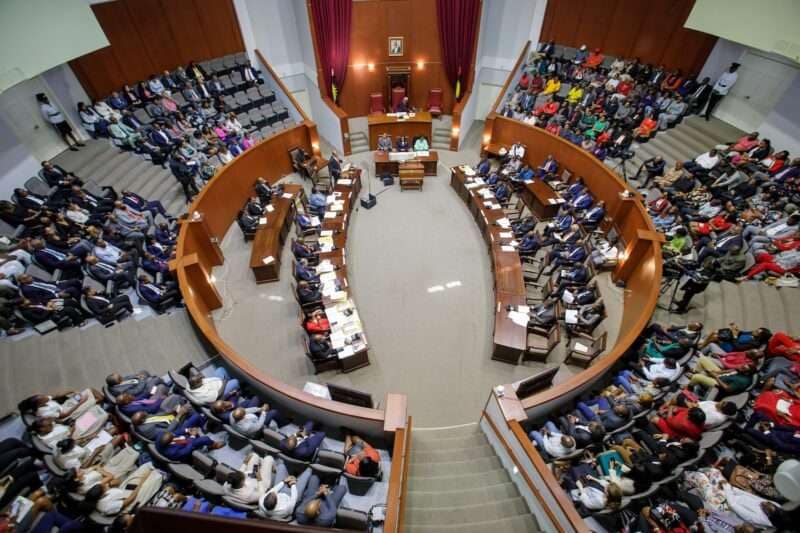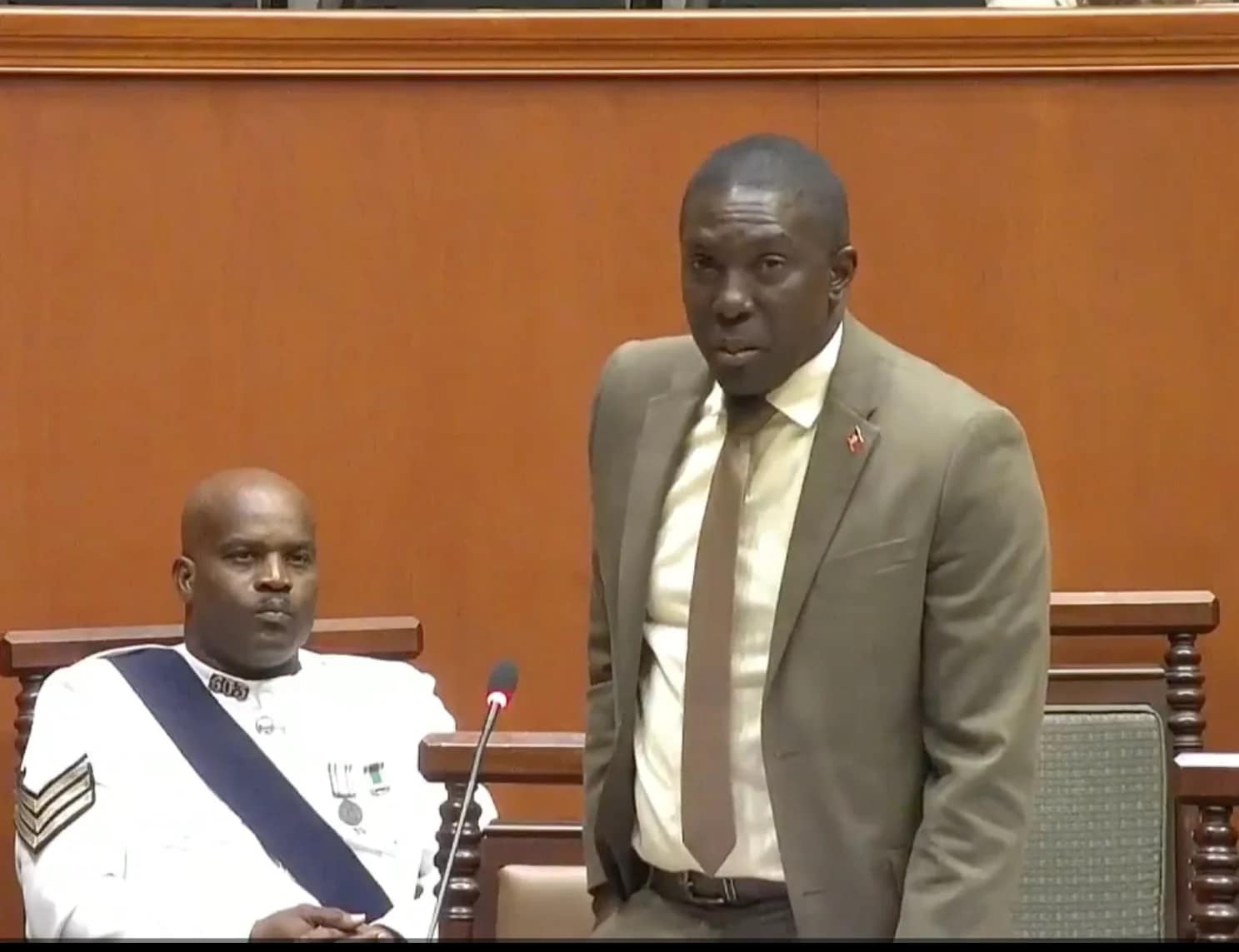
Antigua and Barbuda’s Prime Minister Gaston Browne has issued a stark warning to global leaders, highlighting the escalating threat of non-communicable diseases (NCDs) in the Caribbean. Speaking at the United Nations General Assembly, Browne emphasized that NCDs—such as hypertension, diabetes, and cancer—are responsible for a staggering 75% of all deaths in the region. He described the situation as a “silent global health crisis” that demands immediate and coordinated international action. Browne stressed that NCDs are now the leading cause of mortality worldwide and should be prioritized with the same urgency as infectious diseases. He underscored the profound impact of these illnesses on families, economies, and healthcare systems, particularly in low- and middle-income countries, which bear a disproportionate burden. The Prime Minister called for increased investment in prevention, early detection, and equitable access to treatment, arguing that chronic illnesses divert critical resources from development initiatives. Browne also linked the NCD crisis to mental health, advocating for its recognition as a human right and an integral component of sustainable development. He urged governments to allocate more funding to mental wellness and NCD prevention, warning that without intervention, the social and economic costs will continue to escalate. His remarks underscored the Caribbean’s efforts to elevate health issues on the global agenda, as the region contends with aging populations, dietary changes, and limited capacity to address lifestyle-related diseases.
标签: Antigua and Barbuda
安提瓜和巴布达
-

PM Browne Tells UN: Reparations Are Not Charity
In a powerful address at the United Nations General Assembly on Friday, Antigua and Barbuda’s Prime Minister Gaston Browne emphasized that reparations for slavery and colonial exploitation should be viewed as a matter of justice rather than charity. Browne urged wealthy nations to recognize their historical role in centuries of exploitation and to engage in reparatory justice as a moral obligation.
Browne stated, ‘Reparatory justice is not charity. It is principled restitution for wealth extracted, for unpaid labor, barbaric killings, and physical abuse endured by our forebears.’ He clarified that small states are not seeking handouts but fairness, equity, and financial systems that account for risk.
The Prime Minister linked the reparations agenda to broader issues of structural inequality, highlighting how colonialism and slavery have perpetuated underdevelopment in Caribbean economies. He called for international partners to approach the reparations agenda ‘in good faith’ as part of building a more equitable global economy.
Browne’s speech resonated with longstanding demands from Caribbean leaders, particularly through the CARICOM Reparations Commission, which has consistently pushed for negotiations with former colonial powers. By bringing this issue to the UN General Assembly, Browne elevated the call for justice and dignity for small states and their people on a global diplomatic stage.
-

Antigua PM Warns Against Military Buildup With U.S. Forces in Caribbean
Antigua and Barbuda’s Prime Minister Gaston Browne has issued a stark warning against the increasing U.S. military presence in the Caribbean, emphasizing the region’s need to remain a “zone of peace.” Speaking at the U.N. General Assembly on Friday, Browne expressed deep concern over the deployment of U.S. military assets, including a nuclear submarine, which he argued could signal the potential for military conflict. “While we are committed to collaborating with all partners to combat trafficking, the buildup of military forces raises alarming questions about the region’s stability,” Browne stated. He reiterated that the hemisphere should be respected as a peaceful area, not a stage for military confrontation. The Prime Minister’s remarks come amid a significant escalation of U.S. forces in the southern Caribbean, with at least seven surface warships and a fast-attack submarine deployed as part of a Trump administration-led crackdown on “narco-terrorist” cartels. This buildup has sparked regional tensions, particularly following a controversial U.S. operation in early September that targeted a Venezuelan vessel allegedly carrying narcotics, resulting in 11 deaths. Venezuela responded by deploying F-16 jets near a U.S. destroyer, escalating an already volatile situation. Analysts suggest that the U.S. military presence may extend beyond counter-drug efforts, potentially serving as a strategic show of force against Venezuela’s government. Regional leaders have voiced concerns that such actions could destabilize smaller Caribbean nations caught in the crossfire. Browne’s call for peace reflects a broader Caribbean stance advocating for cooperation and non-militarization in hemispheric security. His speech also highlighted pressing global issues such as climate change, international financing, and the rule of law, underscoring the interconnectedness of regional and global challenges.
-

Antigua and Barbuda weighs hybrid energy shift to cut costs and emissions
The Government of Antigua and Barbuda is actively exploring transformative reforms to its energy infrastructure, with Utilities Minister Melford Nicholas emphasizing the dual benefits of environmental sustainability and economic efficiency. During a recent discussion on Pointe FM alongside Prime Minister Gaston Browne, Nicholas highlighted the success of Barbuda’s hybrid solar energy system as a blueprint for future initiatives. This innovative system, implemented in the aftermath of Hurricane Irma in 2017, harnesses solar power during daylight hours, significantly reducing the island’s dependence on fuel-powered generators to nighttime operations. Nicholas revealed that this approach has already slashed fuel consumption on Barbuda by approximately 24%. He further elaborated that adopting a similar model in Antigua could result in substantial savings for the Antigua Public Utilities Authority, potentially amounting to millions in reduced fuel expenses and lower utility rates for consumers. Beyond the immediate financial advantages, the minister underscored the broader implications of transitioning to a more sustainable energy mix. Such a shift would not only align with the nation’s ambitious target of achieving carbon neutrality by 2040 but also provide a buffer against the volatility of global fuel prices, thereby safeguarding households from economic instability. Nicholas articulated the urgency of this transition, stating, ‘There is an economic imperative. Every time we burn fossil fuels, we are contributing to the same climate change problems we are trying to solve.’ The proposed reforms signify a pivotal step towards a greener, more resilient future for Antigua and Barbuda, balancing ecological responsibility with fiscal prudence.
-

US Says Migrant Workers in Antigua Face Pressure Not to Join Unions
A recent U.S. government review has shed light on the labor conditions in Antigua and Barbuda, revealing that migrant workers are facing threats from employers over union activities. The 2025 Investment Climate Statement, released by the U.S. Department of State in September, highlighted that some foreign workers were warned their work permits could be revoked if they joined unions. Although the law prohibits anti-union discrimination, it does not mandate the reinstatement of workers dismissed for union involvement. The report acknowledged that freedom of association and collective bargaining are generally respected but noted that enforcement is inconsistent. Unions and private citizens have called for more active participation in shaping labor policies. Strikes are legally permitted but come with stringent restrictions, especially for essential services such as water, electricity, and healthcare, which require a two-week notice before striking. If mediation is requested by either party in a labor dispute, strikes are prohibited, with penalties including imprisonment for private-sector workers and some government employees. The Industrial Relations Court can also block strikes if they are deemed a threat to national interest. While the law prohibits retaliation against strikers and sets penalties for labor law violations, administrative and judicial processes are often delayed. The report also mentioned that the minimum wage was adjusted in 2023 to $3.33 (XCD 9.00) per hour, though most workers earn above this threshold. The standard workweek is 40 hours over five days, with a legal maximum of 48 hours over six days. Employees are entitled to 12 paid holidays annually, and overtime must be paid at 1.5 times the basic wage. Investors are legally required to uphold workers’ rights and protect the environment. Although Antigua and Barbuda lacks specific health and safety regulations, general provisions exist under the Labour Code, and the Labour Commission is tasked with resolving disputes over abuses and health and safety conditions. The U.S. review comes as Antigua and Barbuda aims to attract more foreign investment and expand employment in tourism, construction, and business process outsourcing. While the legal framework supports core labor rights, gaps in enforcement, particularly for migrant workers, remain a significant challenge.
-

Washington notes growth in the Antiguan economy but says diversification needed
A recent report by the U.S. Department of State has underscored the economic resilience of Antigua and Barbuda, while emphasizing the need for continued reforms to sustain growth and mitigate risks. The 2025 Investment Climate Statement, released in September, highlighted that the nation’s economy expanded by 4.3% in 2024, driven largely by tourism, yachting, agriculture, and business process outsourcing. However, the report cautioned that the country remains vulnerable to external shocks, including supply chain disruptions, natural disasters, and global economic downturns. Tourism, the largest foreign exchange earner and employer, exposes the nation to fluctuations in international travel demand. To bolster economic resilience, the government has prioritized foreign direct investment through the Antigua and Barbuda Investment Authority (ABIA), focusing on renewable energy, agro-processing, and infrastructure. Initiatives like the Nomad Digital Residence Visa aim to attract remote workers and high-net-worth individuals. While these efforts reflect a strategy to diversify income sources, the report stresses that long-term stability hinges on addressing fiscal sustainability and climate-related vulnerabilities.
-

Antigua and Barbuda PM Condemns Gaza ‘Genocide,’ Urges Peaceful Two-State Solution at UN
In a powerful address to the United Nations General Assembly on Friday, Prime Minister Gaston Browne of Antigua and Barbuda condemned the ongoing crisis in Gaza, labeling it as a ‘genocide.’ Browne called for immediate humanitarian access and emphasized the need for a peaceful resolution through a two-state solution, aligning with UN resolutions. He urged the international community to prioritize the protection of civilians and the release of Israeli hostages held by Hamas, while also criticizing the forced displacement of Gazans. Browne reaffirmed his nation’s commitment to a future where Israel and Palestine coexist in security and dignity. Additionally, he criticized the denial of a visa to the chairman of the Palestine Liberation Organization, asserting that the UN must remain a platform for all voices, especially during times of conflict. Browne extended his appeal for diplomacy to other global crises, including the war in Ukraine, calling for a just and peaceful resolution grounded in the UN Charter. He also highlighted the urgent need for coordinated international support for Haiti, advocating for a Haitian-led stabilization plan backed by transparent funding. Throughout his speech, Browne framed Antigua and Barbuda’s foreign policy as one rooted in peace, human rights, and justice, aligning with this year’s UN theme of building a ‘better together’ world.
-

Direct Flights Between Antigua and Colombia to Start in October
In a strategic move to enhance tourism ties with South America, Antigua and Barbuda will commence weekly direct charter flights to Cartagena, Colombia, starting October 24. The initiative, unveiled on Friday, is a collaborative effort between DMC BlueSea and Liat Air. The partnership aims to establish South America as a pivotal source market for the Caribbean destination. The announcement was made during a press conference attended by key figures, including Colin James, CEO of the Antigua and Barbuda Tourism Authority (ABTA), María Britto Bettini, CEO of BlueSea, and José Abreu, also from BlueSea. Britto Bettini revealed that the concept of directly linking Antigua and Barbuda with Colombia had been in the pipeline even before the pandemic. James described the new service as a ‘gateway’ to untapped markets, emphasizing its potential to attract a fresh influx of tourists. This development is expected to significantly bolster the tourism sector in Antigua and Barbuda, providing a much-needed boost to the local economy. The initiative also highlights the growing importance of South America as a key player in the global tourism industry.
-

Antigua’s Freedom of Information Act Is Falling Short in Practice, US Report says
A recent report by the U.S. Department of State has shed light on the shortcomings of Antigua and Barbuda’s Freedom of Information Act, revealing significant gaps between the law’s intent and its practical application. Published in September 2025 as part of the Investment Climate Statement, the report underscores the challenges citizens face in accessing public records, despite the legislation’s promise of transparency. The Act, which grants individuals the statutory right to request official documents and establishes a commissioner to oversee the process, has been hampered by systemic issues. According to the report, residents often encounter obstacles in obtaining records, likely due to government funding constraints rather than deliberate obstruction. Additionally, while the law mandates a special unit to monitor disclosures, these records remain non-public, and enforcement of penalties for noncompliance has been inconsistent. The report also highlights broader transparency issues in Antigua and Barbuda, noting that draft bills are not always subject to public consultation, limiting stakeholder engagement in policymaking. Although the country is a party to multiple international conventions on good governance, the State Department concluded that domestic transparency mechanisms remain weak. This analysis raises concerns about the effectiveness of the Freedom of Information Act in fostering accountability and public trust in government operations.
-

US Says Launch of Credit Bureau Will Improve Access To Loans in Antigua and Barbuda
The U.S. Department of State has endorsed the establishment of a regional credit bureau in Antigua and Barbuda, emphasizing its potential to revolutionize the lending sector and fortify the nation’s financial infrastructure. The initiative, spearheaded by the Eastern Caribbean Central Bank (ECCB) under the Credit Reporting Act of 2024, aims to provide banks and lenders with enhanced tools for assessing borrower credibility. This development is part of a broader strategy to improve financial inclusion across the Eastern Caribbean Currency Union, which includes Antigua and Barbuda. According to the 2025 Investment Climate Statement, the credit bureau will play a pivotal role in collecting, storing, and disseminating credit information to financial institutions. U.S. officials predict that this will lead to increased access to credit for households and businesses, while simultaneously reducing the incidence of loan defaults. The ECCB has reported that the banking sector in Antigua and Barbuda remains stable, with commercial bank assets totaling $2.4 billion at the end of 2024. However, nearly 10% of loans were classified as non-performing, highlighting the urgent need for more robust oversight mechanisms. In addition to improving credit assessment, the bureau is also tasked with enforcing stringent data protection measures to safeguard consumer information, thereby fostering greater trust in the financial system. This initiative is expected to have a transformative impact on the region’s economic landscape, offering new opportunities for growth and development.