标签: Antigua and Barbuda

安提瓜和巴布达

  • EMS: Ambulance Arrival Does Not Guarantee Immediate Hospital Treatment

    EMS: Ambulance Arrival Does Not Guarantee Immediate Hospital Treatment

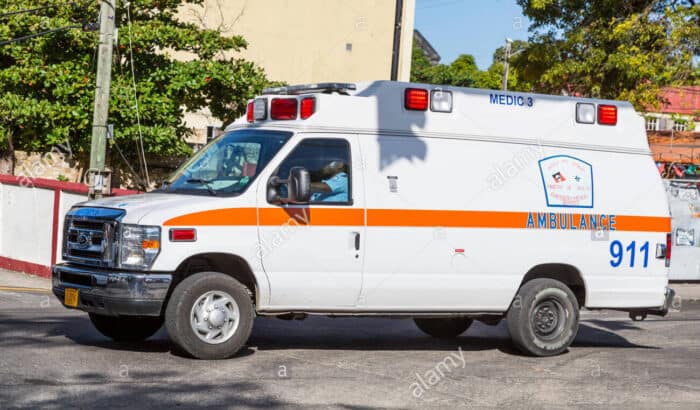
    Emergency Medical Services authorities have issued a critical public clarification regarding hospital triage procedures, emphasizing that ambulance transport does not equate to immediate medical treatment upon arrival at healthcare facilities.

    Morvin Fiedtko, Public Relations Officer for Emergency Medical Services, explained that patient assessment and treatment prioritization are determined solely by medical urgency rather than mode of transportation. This statement addresses widespread misconceptions about emergency department protocols.

    “While emergency transport typically indicates serious conditions,” Fiedtko noted, “hospital medical teams consistently apply standardized triage assessments to evaluate all patients based on clinical severity.” This system ensures that critical cases receive immediate attention regardless of how they arrive at the facility.

    The clarification comes in response to observed misuse of ambulance resources by individuals attempting to circumvent standard waiting procedures. Fiedtko identified this as a significant concern, stating that some patients mistakenly believe emergency transport guarantees priority treatment over other patients.

    EMS officials emphasized that ambulances constitute a finite resource designed specifically for life-threatening emergencies. The service urged responsible usage to maintain availability for genuine critical cases, noting that inappropriate use potentially delays response times for patients experiencing actual medical crises.

    Healthcare professionals reinforce that emergency departments operate under evidence-based triage systems that objectively categorize patients according to medical necessity rather than arrival circumstances. This ensures equitable distribution of medical resources based on clinical need rather than perceived advantages of transportation method.

  • Less Pressure, Better Control: HEARTS sensitization and training workshop in Antigua and Barbuda

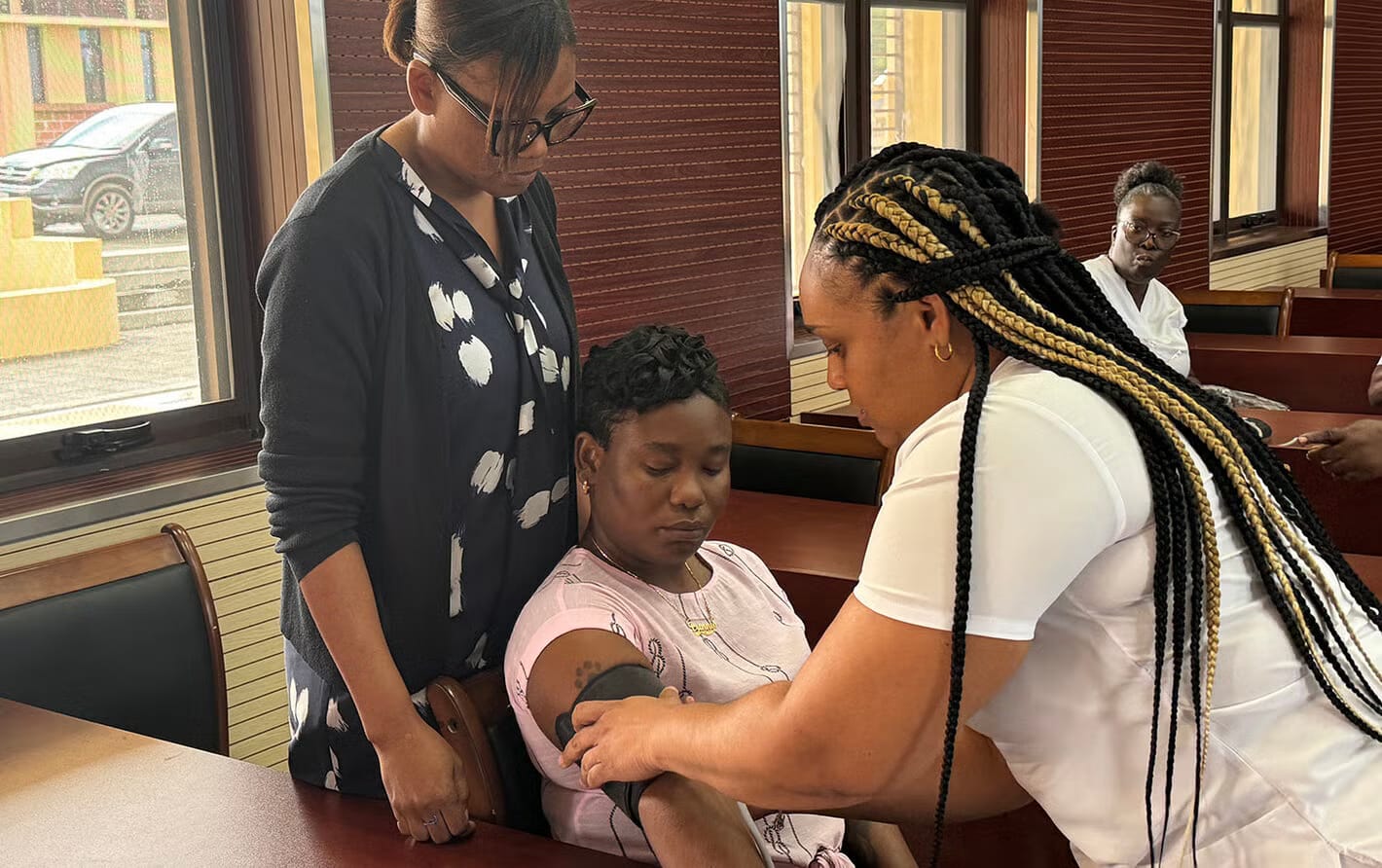
    Less Pressure, Better Control: HEARTS sensitization and training workshop in Antigua and Barbuda

    In a significant move to address the Caribbean’s most pressing health crisis, Antigua and Barbuda has launched an intensive training program in collaboration with the Pan American Health Organization (PAHO). The four-day HEARTS sensitization workshop brought together a diverse team of healthcare professionals—from dentists and physicians to domestic aids and security guards—from ten Phase 1 implementation clinics. This initiative forms a critical component of the broader Better Care for Non-Communicable Diseases (NCDs) Initiative, specifically targeting hypertension control through a unified, team-based care approach.

    Cardiovascular diseases represent the primary cause of mortality and disability throughout the Caribbean region, with Antigua and Barbuda being no exception. The HEARTS program aims to revolutionize hypertension management by training entire clinic teams in standardized protocols and best practices. Under the guidance of PAHO experts including Dr. Gloria Giraldo and Dr. Taraleen Malcolm, participants gained comprehensive understanding of the HEARTS framework and the crucial importance of measuring hypertension control drivers.

    The training featured innovative hands-on learning methodologies, with role-playing exercises emerging as particularly impactful. These sessions demonstrated proper blood pressure measurement techniques—a skill especially valuable for staff who don’t routinely perform this task. Through humorous yet instructive scenarios, trainers highlighted how easily poor habits can infiltrate patient interactions, leading to moments of revelation among participants. One nurse acknowledged: ‘Thank you for this, because I usually forget to ask the patient to empty their bladder before taking their blood pressure.’

    Moving forward, the next several months will focus on establishing robust monitoring systems across all participating healthcare centers. Staff will engage in continuous education through PAHO’s Virtual Campus of Public Health, while patient progress will be systematically tracked using hypertension control metrics. Dr. Amalia Del Riego, PAHO/WHO Representative for Barbados and the Eastern Caribbean Countries, praised this initiative as ‘a critical step’ that empowers healthcare teams through practical skills development while advancing quality improvement in primary healthcare delivery.

  • PM says young architects and designers should be given public works contracts on St. John’s City project

    PM says young architects and designers should be given public works contracts on St. John’s City project

    In a significant policy shift for urban development, the Prime Minister has formally advocated for prioritizing young architects and designers in awarding contracts for the St. John’s City project. This directive calls for a deliberate inclusion of emerging professionals in public works, marking a strategic move to infuse fresh perspectives and innovative design philosophies into national infrastructure.

    The announcement underscores a commitment to generational change within the construction and design sectors. By creating pathways for younger talent to lead major government-funded projects, the initiative aims to address longstanding industry barriers that often favor established firms. The St. John’s redevelopment, a flagship urban renewal program, is positioned to become a model for this new approach, potentially setting a precedent for future public works contracts nationwide.

    Government sources indicate this policy is part of a broader strategy to stimulate economic innovation and job creation for young professionals. The move has been framed not merely as an economic stimulus but as an investment in the nation’s creative capital, ensuring that public spaces reflect contemporary design thinking and sustainable practices championed by the newer generation of architects.

    While specific implementation details remain under development, the Prime Minister’s office confirmed that relevant ministries are drafting guidelines to operationalize this vision. The criteria are expected to balance experience with innovation, ensuring project viability while providing unprecedented opportunities for young firms to demonstrate their capabilities on a public stage.

  • The Heart & Stroke Foundation Unveils Full Month of Activities Focused on Cardiovascular Health

    The Heart & Stroke Foundation Unveils Full Month of Activities Focused on Cardiovascular Health

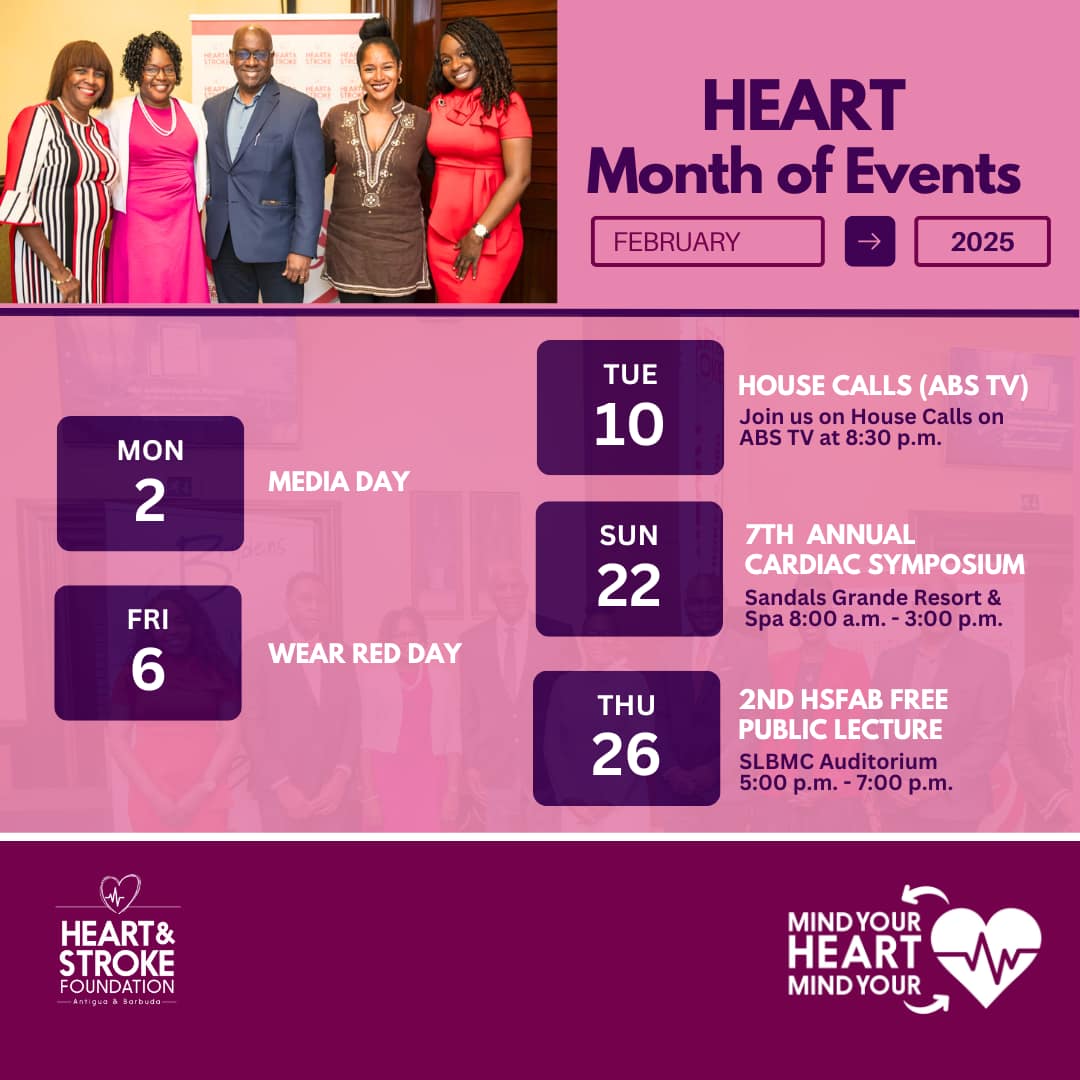
    Antigua and Barbuda has declared February 2026 as Heart Month, with the Heart & Stroke Foundation unveiling an extensive program of activities centered on cardiovascular wellness. Under the theme “Optimizing Heart & Brain Health – Everyday Choices, Lifelong Impact,” the initiative represents a coordinated national effort to address heart disease and stroke, which remain predominant causes of mortality and morbidity throughout the nation.

    Dr. Georgette Meade, Foundation President and Consultant Cardiologist, underscored the critical nature of the campaign: “Heart Month represents our chance to transition from mere awareness to concrete action. While cardiovascular conditions are largely preventable, their prevalence continues to escalate. This initiative merges scientific knowledge, policy development, and community mobilization to empower citizens toward healthier lifestyle decisions while reinforcing systemic support structures for cardiovascular and neurological health.”

    A significant component of this year’s observance involves the Foundation’s strategic partnership with the Pan American Health Organization (PAHO) through the HEARTS in the Americas program. This government-directed effort, led by the Ministry of Health, Wellness, the Environment & Civil Affairs with PAHO’s technical collaboration, seeks to incorporate globally recognized best practices into domestic healthcare services. The Foundation’s participation, represented by Dr. Tadia Smith, will include involvement in the national launch and subsequent implementation discussions.

    The month-long schedule features diverse events designed to engage various segments of society. Media Day on February 2 will feature expert dialogues highlighting cardiovascular risks and prevention strategies. February 6 marks Wear Red Day, encouraging public demonstration of support through red attire. A February 10 television program will facilitate community education on risk awareness and preventive measures.

    The cornerstone event, the 7th Annual Cardiac Symposium on February 22, will convene clinicians, healthcare professionals, and stakeholders at Sandals Grande, Antigua, to explore evolving trends and evidence-based approaches in cardiovascular management. Focusing on optimized risk factor management, the symposium offers continuing medical education credits and requires registration through digital ticketing platforms.

    Concluding the month on February 26, the 2nd Annual Public Health Lecture at Sir Lester Bird Medical Centre will address preventive cardiology, lifestyle adaptation, and population health methodologies. Discussion topics will include subtle cardiac-damaging habits, overlooked risks involving stress and sleep patterns, and the detrimental effects of sugar on cardiovascular and neurological systems.

    This comprehensive endeavor enjoys support from multiple organizations including the Healthy Caribbean Coalition, Medical Benefits Scheme, Antigua and Barbuda Diabetes Association, the Ministry of Health, and the Antigua and Barbuda Defense Force, demonstrating a consolidated, cross-sectoral approach to enhancing cardiovascular health outcomes across the nation.

  • COMMENTARY: Human‑Centered Intelligence: A New Blueprint for Caribbean development

    COMMENTARY: Human‑Centered Intelligence: A New Blueprint for Caribbean development

    The Caribbean region stands at a pivotal juncture where technological acceleration converges with evolving traveler expectations. A groundbreaking approach merging artificial intelligence with behavioral psychology is emerging as the cornerstone for comprehensive regional development. This innovative fusion enables the creation of systems designed around actual human behavior rather than theoretical assumptions, forging a new path toward enhanced trust, competitiveness, and connectivity across the archipelago.

    This transformative strategy, termed the ‘Caribbean Human-Centered Intelligence Framework,’ represents a paradigm shift in regional development philosophy. It integrates three critical sectors—governance, tourism, and air transportation—into a cohesive strategy specifically tailored to the Caribbean’s unique cultural and geographical context. Rather than merely implementing technology, this framework positions human understanding as the central driver of progress.

    In governance, the synergy between AI’s pattern recognition capabilities and behavioral psychology’s insights into human motivation creates predictive systems that anticipate citizen needs. Governments can now design services that address frustrations before they escalate, test policies virtually before implementation, and communicate through culturally resonant messages rather than bureaucratic language.

    The tourism sector, being the Caribbean’s global identity, undergoes revolutionary changes through this approach. AI analyzes traveler search patterns and destination preferences while behavioral psychology deciphers why authenticity matters and how emotional connections influence travel decisions. This enables the creation of culturally-powered experiences that distinguish Caribbean tourism on the global stage.

    Aviation, described as the region’s bloodstream, benefits from AI’s ability to optimize passenger flows and booking patterns combined with psychological understanding of what truly drives traveler loyalty—reliability over price, respect over convenience, and symbolic gestures that carry cultural significance. This synergy fosters passenger-centered aviation networks that strengthen regional connectivity.

    The framework’s true transformative power emerges when these sectors operate interdependently, sharing intelligence to anticipate visitor movements, optimize resource allocation, and enhance route viability. This represents more than modernization—it constitutes a fundamental reimagining of Caribbean development that harmonizes technological capability with human understanding, creating a region that is both smarter and stronger.

  • COMMENTARY: Price Reduction Promise & Scandal

    COMMENTARY: Price Reduction Promise & Scandal

    In a striking case of political deflection, the Antigua and Barbuda government faces mounting criticism for erroneously blaming retailers for delayed price reductions that stem directly from administrative failures. The controversy centers on the implementation of CARICOM-mandated tariff reductions on essential food items that were supposed to provide consumer relief.

    The timeline reveals systemic governmental delays: While CARICOM members agreed to rate reductions effective July 1, 2025, Antigua’s Cabinet only approved the measure on October 8, 2025, with implementation scheduled for January 1, 2026. Surprisingly, officials then announced in December 2025 that reductions were immediately effective—creating an impossible situation for retailers who had already paid full duties on Christmas season inventory.

    Retail experts explain the practical realities: Businesses cannot immediately adjust prices on existing stock without incurring significant losses, particularly when 40% duties were already paid. The process requires selling existing inventory, updating point-of-sale systems, and importing new stock under revised tariffs—a process that realistically extends into February 2026 for most establishments.

    Compounding the problem, the government excluded numerous essential items from reductions including chicken, pork, tuna, pasta, and various juices. The administration’s rushed December implementation during peak business season further demonstrated poor understanding of retail operations.

    Rather than acknowledging these structural issues, government officials have universally condemned retailers as price gougers—a narrative that ignores the administration’s five-month delay in implementing CARICOM agreements that neighboring countries adopted in mid-2025. This pattern mirrors previous policy implementation failures, including the bungled minimum wage revision.

    The current impasse reflects deeper governmental dysfunction in Antigua and Barbuda, where blame deflection appears institutionalized rather than addressing administrative deficiencies that truly delay consumer relief.

  • Elite Island Resorts, Through its Wishing Well Foundation, Donates EC$10,000 to Meals on Wheels Programme

    Elite Island Resorts, Through its Wishing Well Foundation, Donates EC$10,000 to Meals on Wheels Programme

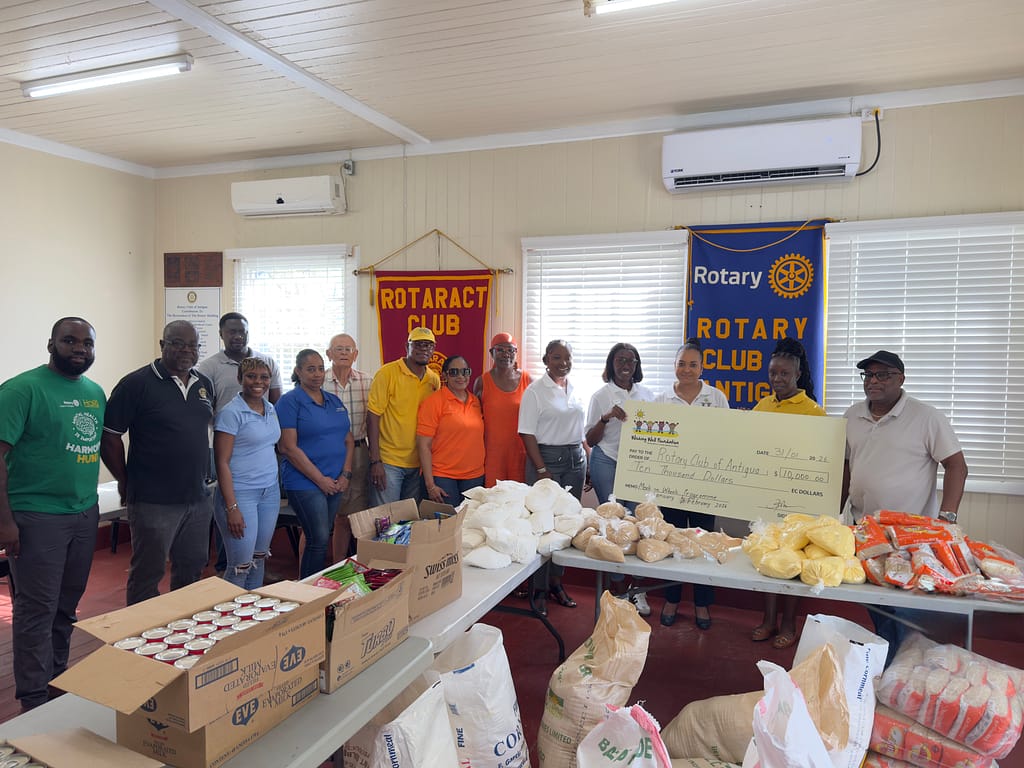
    In a significant boost to community welfare efforts, Elite Island Resorts’ philanthropic division, the Wishing Well Foundation, has contributed EC$10,000 to sustain the Rotary Club of Antigua’s Meals on Wheels Programme. This substantial donation will fund food assistance operations for January and February, ensuring continued support for approximately 100 vulnerable community members monthly.

    The contribution was formally presented by Managing Director Sanjay Ambrose, who emphasized the Foundation’s commitment to honoring the legacy of its late founder, Sir Robert Barrett. Established under Barrett’s vision, the Foundation maintains its dedication to education, community development, and medical support initiatives across the region.

    ‘Our actions are driven by potential impact rather than public recognition,’ Ambrose stated during the presentation ceremony. ‘We prioritize tangible differences in people’s lives and were delighted to support this meaningful cause while anticipating future collaborative opportunities.’

    Rotary Club of Antigua President Elisa Graham accepted the donation with profound gratitude, acknowledging the critical timing of the support. Paul Ryan, Director of Service Projects and Past President, revealed the program requires approximately EC$5,000 monthly to maintain food provision services. ‘This generous contribution arrives at a crucial moment and will significantly enhance our capacity to assist those experiencing food insecurity,’ Ryan confirmed.

    The injection of funds will primarily offset operational expenses, guaranteeing uninterrupted delivery of essential nutritional support to community members in need, demonstrating effective corporate-community partnership in addressing social welfare challenges.

  • Donte Hunkins Recaptured

    Donte Hunkins Recaptured

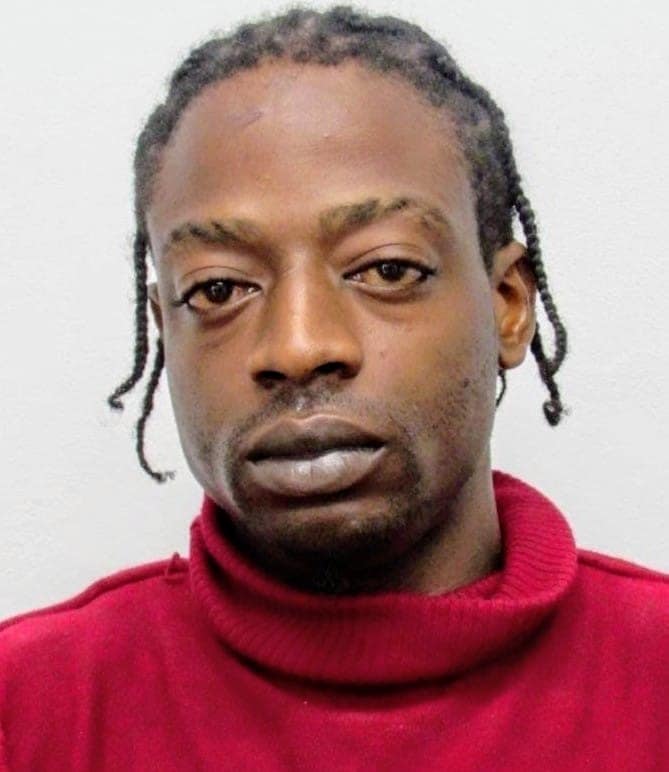
    ST. JOHN’S, ANTIGUA AND BARBUDA – In a significant breakthrough, the Royal Police Force of Antigua and Barbuda has successfully recaptured fugitive Donte Hunkins, marking the conclusion of an extensive month-long search operation. The apprehension occurred on Saturday, January 31, 2026, when law enforcement officers located Hunkins hiding within an abandoned structure in the Whenner Road district.

    Hunkins, who had previously escaped from lawful custody, was taken into police custody without incident. Authorities confirmed he is currently cooperating with ongoing investigations related to fraud charges alongside the additional serious charge of escaping lawful custody.

    In a related development, officers discovered a 17-year-old female at the same location during the operation. She has likewise been detained as part of the continuing investigation, though her specific involvement remains under examination by investigators.

    The Police Administration issued an official statement expressing profound gratitude to community members for their vital assistance throughout the investigation. Public cooperation proved instrumental in generating actionable intelligence that ultimately led to the successful location and capture of the suspect, demonstrating effective collaboration between law enforcement and citizens.

    This case highlights ongoing efforts by Antiguan and Barbudan authorities to maintain public safety and judicial integrity, particularly concerning individuals who attempt to evade the legal system. The successful resolution of this manhunt reinforces the importance of community-police partnerships in addressing criminal activities.

  • Aadham O’Garro Convicted and Sentenced for Firearm and Ammunition Offences

    Aadham O’Garro Convicted and Sentenced for Firearm and Ammunition Offences

    In a significant judicial outcome for Antigua and Barbuda’s law enforcement efforts, 25-year-old Grays Farm resident Aadham O’Garro has been handed a prison sentence for firearms violations. The conviction was delivered at St. John’s Magistrate Court on Friday, where Chief Magistrate Ngaio Emanuel presided over the case.

    O’Garro entered a guilty plea on charges of illegal possession of both a firearm and ammunition. The court imposed a two-year custodial sentence for the firearm offense and an additional one-year term for ammunition possession, with both sentences ordered to run concurrently.

    This successful prosecution stems from a coordinated police operation conducted in the Green Bay vicinity on January 24. During the tactical operation, law enforcement officials confiscated a Glock 17 9mm pistol alongside fifteen rounds of corresponding ammunition. O’Garro was one of three individuals apprehended and detained during this security initiative.

    The Royal Police Force of Antigua and Barbuda emphasized the operation demonstrates their continued commitment to combating illegal weapons circulation through strategic interventions and inter-agency cooperation. This sentencing occurs amid broader regional efforts to address firearm-related crimes in Caribbean communities.

  • Fire at ABLP Headquarters on Nugent Avenue Quickly Contained

    Fire at ABLP Headquarters on Nugent Avenue Quickly Contained

    A potential disaster was averted on Nugent Avenue this Saturday afternoon thanks to prompt intervention from bystanders. Emergency services were dispatched to the Antigua and Barbuda Labour Party Headquarters following reports of a fire, only to discover that vigilant members of the public had already extinguished the flames before their arrival.

    The St. John’s Fire Station received the emergency alert at precisely 2:13 p.m., according to Inspector Bagot. Fire tenders No. 17 and No. 19 were immediately deployed to the scene. Upon arrival, firefighters encountered several burnt wooden pallets that had been successfully doused by civilians, eliminating the need for any firefighting equipment deployment.

    While the quick-thinking actions prevented a more serious incident, the southern wall of the political party’s headquarters did sustain noticeable heat and smoke damage. Authorities have confirmed that no injuries resulted from the incident, marking a fortunate outcome given the circumstances.

    The St. John’s Fire Brigade has launched a formal investigation to determine the exact cause of the fire. The incident highlights both the importance of community vigilance and the effectiveness of emergency response systems, even when the immediate danger has been neutralized before official assistance arrives.