标签: Antigua and Barbuda

安提瓜和巴布达

  • ABHTA Launches “Unveiling Hospitality Professionals” Series with Executive Chef Brian Joseph

    ABHTA Launches “Unveiling Hospitality Professionals” Series with Executive Chef Brian Joseph

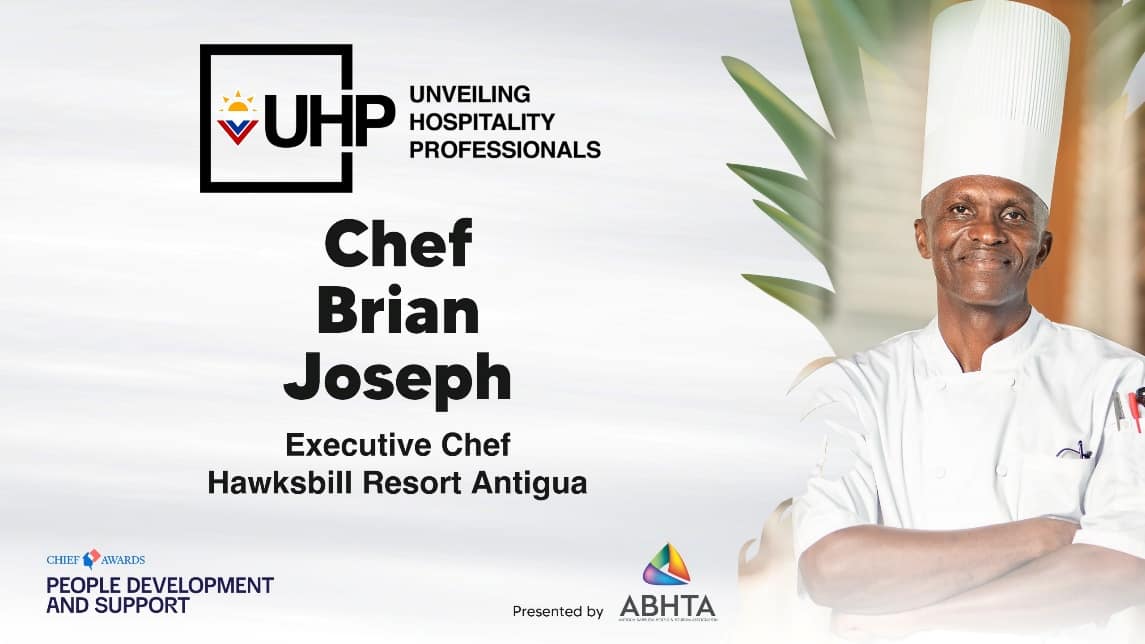
    The Antigua & Barbuda Hotels and Tourism Association (ABHTA) has launched the third season of its acclaimed ‘Unveiling Hospitality Professionals’ series, showcasing Executive Chef Brian Joseph of Hawksbill Resort Antigua as its inaugural feature. Chef Joseph’s narrative represents an extraordinary odyssey of culinary passion, relentless perseverance, and profound purpose that spans over three decades.

    His culinary initiation began during childhood at Greenbay’s Seawall, where young Brian and friends transformed survival into artistry by preparing freshly caught seafood and foraged bananas washed ashore from Dominican vessels. This early exposure to resourceful cooking evolved into a distinguished professional journey commencing with formal training at Devi Anchorage Hotel in 1988.

    Chef Joseph’s career trajectory accelerated at Hawksbill Beach Resort (Kuoni) in 1989, where his dedication propelled him through every kitchen station—from À la Carte and Buffet to Breakfast, Lunch, and Grill services. His exceptional talent secured international training opportunities in the United Kingdom, including placements at Kensington’s Royal Lancaster Hotel and apprenticeships under culinary luminaries Rick Stein at The Seafood Restaurant, Jamie Oliver at Fifteen Cornwall, and Chef Tom at Watergate Bay Hotel.

    As one of the youngest and only Black chefs in these prestigious kitchens, Chef Joseph carried his Caribbean heritage with professional pride. After returning to Antigua, he served as Executive Chef at Halcyon Cove Resort before assuming his current role at Hawksbill Resort in 2004, where he has maintained culinary excellence for two decades.

    His mantle of honors includes Chef of the Year (2006) from the Antigua Hotel and Tourism Association, Manager of the Year (2010) at Halcyon Cove Resort, and the prestigious 2024 Lifetime Achievement Award from ABHTA. A career pinnacle occurred in 2009 when he performed live culinary demonstrations for over 300 guests at England’s Eden Project Summer Night in Cornwall.

    Chef Joseph’s journey stands as testament to transformative potential within the hospitality industry, demonstrating that passion, hard work, and positive mindset can overcome humble beginnings. The ABHTA’s third season continues to highlight hospitality’s integral connections to environmental sustainability, entertainment, education, sports, and agricultural development in Antigua and Barbuda.

    New episodes premiere biweekly on Tuesdays and Thursdays via ABHTA’s digital platforms, celebrating the professionals shaping the nation’s hospitality landscape.


  • Trial Set to Begin in Killing of Customs Officer Nigel Christian

    Trial Set to Begin in Killing of Customs Officer Nigel Christian

    ST. JOHN’S, Antigua – After more than four years of protracted delays and legal proceedings, the high-profile murder case of Senior Customs Officer Nigel Christian is finally proceeding to trial. The 44-year-old official was violently abducted from his McKinnons residence on July 10, 2020, and subsequently discovered in the Thibou’s area with fatal gunshot wounds, an incident that profoundly shocked the Caribbean nation.

    The three defendants – Lasean Bully of Cashew Hill, Wayne Thomas of Hatton, and Saleim Harrigan of Greenbay – were formally charged with murder in April 2021. Their path to trial has been characterized by numerous adjournments, beginning in the All Saints Magistrate’s Court before the case was ultimately transferred to the High Court assizes in January 2023.

    Further postponements extended the timeline until January 2024, when the accused parties collectively entered not guilty pleas during proceedings before Justice Ann-Marie Smith. The judicial process now moves forward with a trial date set for February 18 under the jurisdiction of Justice Rajiv Persaud, marking a significant development in a case that has captured national attention and highlighted challenges within the Caribbean judicial system.

  • Antigua Sailing Week & Happy Kids Launch School Art Competition 2026

    Antigua Sailing Week & Happy Kids Launch School Art Competition 2026

    Antigua Sailing Week has partnered with retail institution Happy Kids to launch an innovative art competition for young residents across Antigua and Barbuda. The initiative, now a staple of the sailing event’s community programming, challenges students aged 5-16 to create original artwork inspired by maritime culture, coastal landscapes, and environmental conservation themes.

    The 2026 competition aligns with Antigua Sailing Week’s redesigned format—a five-day point-to-point cruising experience scheduled for April 22-26, 2026. This nautical journey will commence and conclude at Nelson’s Dockyard in English Harbour, featuring intermediate stops at Nonsuch Bay, Maiden Island, and Ffryes Beach to provide artistic inspiration.

    Happy Kids, serving the community for over four decades, assumes the role of Presenting Sponsor. Company representative Elie Saoud emphasized their commitment: “Supporting this competition represents our gratitude to the community that has nurtured our business for thirty years. We believe strongly in fostering creativity and investing in our youth.”

    Participants must submit digital entries by March 30, 2026, through official channels. Selected artworks will be displayed on the Antigua Sailing Week digital gallery starting April 3, where public voting will determine the People’s Choice Award based on social media engagement. A formal awards ceremony will recognize category winners on April 18, 2026.

    The competition maintains three age divisions (5-8, 9-12, and 13-16) and continues Happy Kids’ legacy of supporting educational and creative initiatives that benefit Antigua and Barbuda’s younger generations.

  • LETTER: Focus My People

    LETTER: Focus My People

    In a rigorous examination of contemporary political dynamics, a compelling critique emerges regarding the fundamental role and performance of opposition parties within democratic systems. The analysis identifies a pervasive pattern where opposition groups prioritize theatrical complaints over substantive policy alternatives, revealing a critical failure in their core democratic function of providing credible governance options.

    The central thesis maintains that genuine political opposition requires far more than identifying governmental shortcomings. It demands comprehensive policy frameworks, detailed funding mechanisms, and sustainable implementation strategies—elements conspicuously absent from most contemporary opposition rhetoric. Rather than engaging in the intellectually rigorous work of solution-building, many opposition parties default to emotional reactions and superficial criticism without corresponding actionable plans.

    This deficiency becomes particularly evident when examining concrete governance challenges. On infrastructure matters such as road maintenance and water management, opposition voices typically identify obvious problems but fail to present specific repair schedules, funding models, or maintenance strategies. Similarly, on complex economic issues including debt management and revenue stabilization, critics offer condemnation without substantive alternatives regarding taxation policies, expenditure priorities, or diversification approaches.

    The analysis further highlights the concerning tendency of some opposition elements to undermine national interests through excessive partisanship. By consistently framing international engagements as embarrassments and diplomatic achievements as suspicious, these groups potentially damage the country’s standing among global partners who assess political stability and institutional credibility.

    Crucially, the examination questions the opposition’s readiness to assume governance responsibilities. It scrutinizes whether prominent figures possess the technical expertise required for critical portfolios such as Finance, where complex responsibilities include fiscal policy management, debt negotiation, and economic steering through uncertainty. The assessment concludes that passion and visibility cannot substitute for the depth of knowledge and disciplined thinking essential for actual governance.

    The fundamental argument posits that true political leadership is demonstrated not through vocal criticism but through substantive policy development and strategic foresight. Until opposition parties transition from reactive complaining to proactive solution-building, they risk remaining merely entertaining distractions rather than credible alternatives for national development.

  • Antigua and Barbuda Among Six CARICOM States Now Classified as High-Income

    Antigua and Barbuda Among Six CARICOM States Now Classified as High-Income

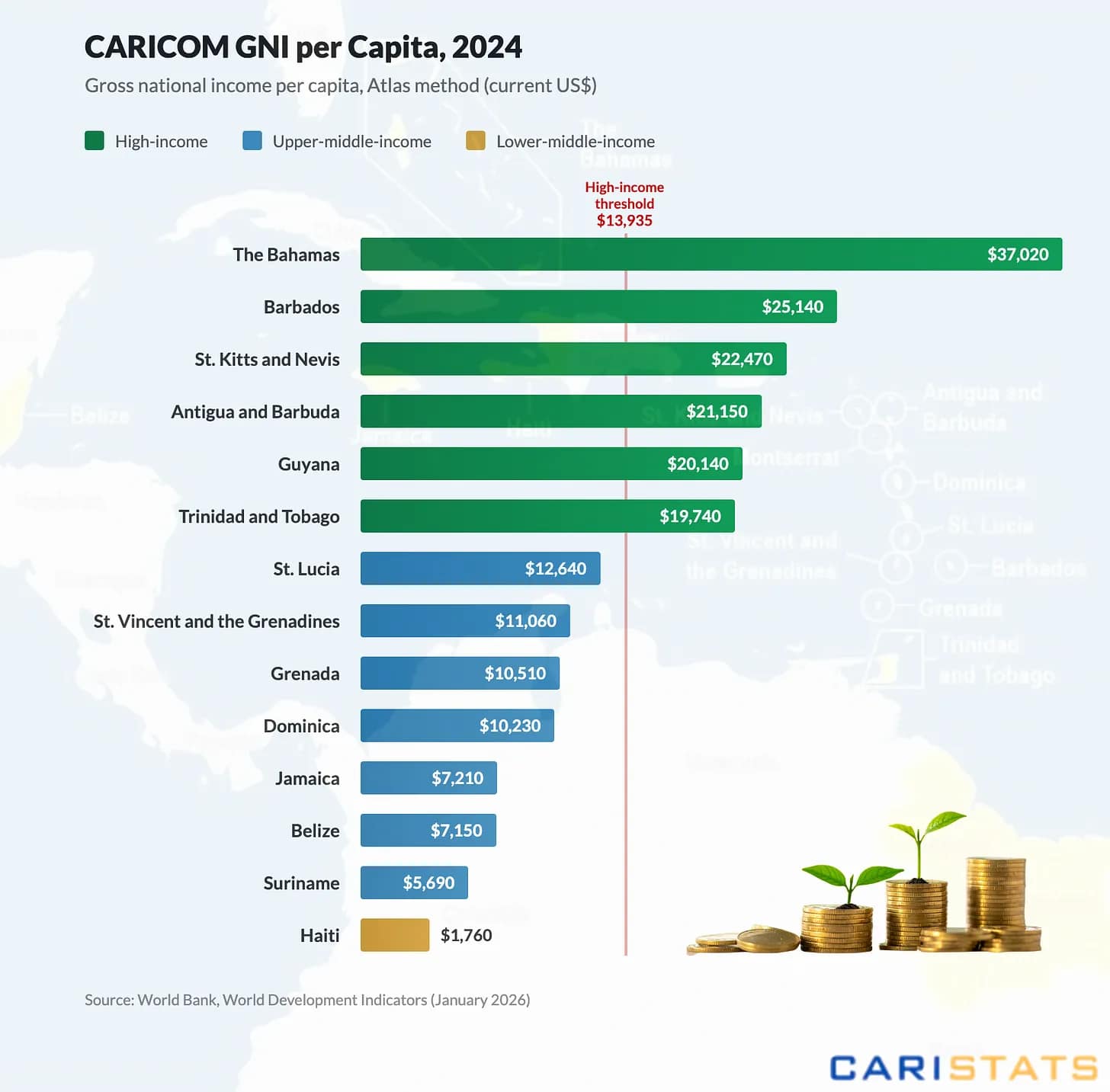
    A recent analysis of economic data reveals profound income disparities across the Caribbean Community (CARICOM), with per capita GDP figures painting a picture of regional economic diversity. According to the World Bank’s World Development Indicators (January 2026), The Bahamas emerges as the regional economic leader with a substantial per capita GDP of $37,020, significantly surpassing the World Bank’s high-income threshold of $13,935.

    The economic landscape shows Barbados maintaining a strong position at $25,140, followed closely by the dual-island nation of St. Kitts and Nevis at $22,470. Antigua and Barbuda recorded $21,150, while Guyana’s rapidly growing economy reached $20,140, and Trinidad and Tobago registered $19,740. These six nations collectively represent the Caribbean’s high-income economies.

    Seven CARICOM members fall within the upper-middle-income category, with St. Lucia’s $12,640 positioning it nearest to crossing into high-income status. Suriname anchors the lower end of this group at $5,690, while Jamaica ($7,210) and Belize ($7,150) occupy the middle range of this economic tier.

    The most striking contrast emerges with Haiti, which stands as the region’s sole lower-middle-income economy at just $1,760 per capita—the only CARICOM member state below the $5,000 mark. This vast economic chasm between The Bahamas and Haiti, representing a ratio of approximately 21:1, underscores the dramatic economic diversity within the regional bloc. The disparity highlights the varying economic foundations across the Caribbean, which encompass tourism-dependent island nations, hydrocarbon-exporting economies, and one of the Western Hemisphere’s most impoverished nations.

  • Constitutional reform committee begins work, Cabinet says

    Constitutional reform committee begins work, Cabinet says

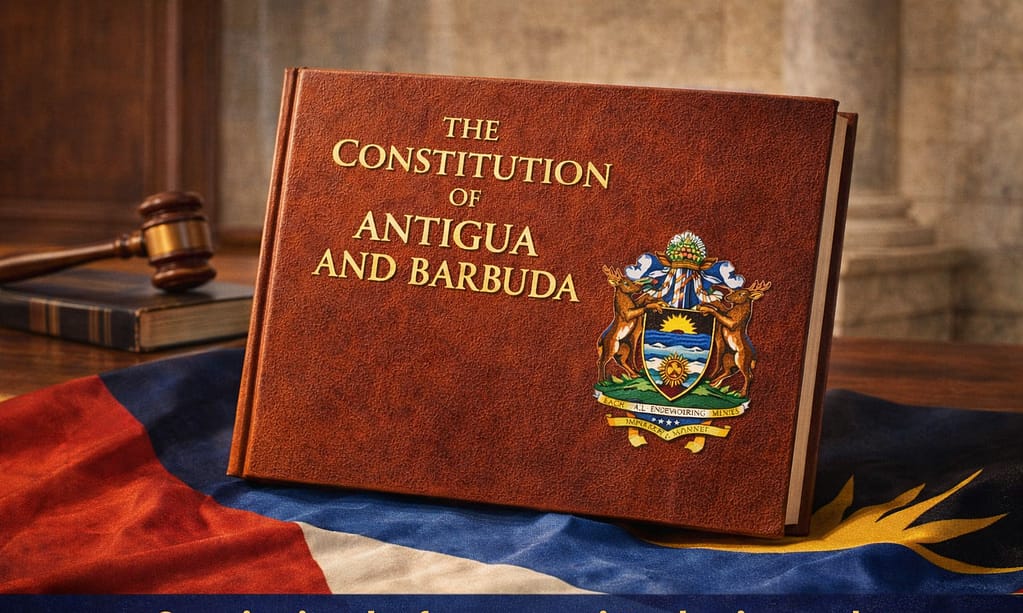
    A landmark constitutional reform initiative has officially commenced operations with its inaugural meeting, as confirmed by Director General of Communications Maurice Merchant during Thursday’s post-Cabinet media briefing. The newly established committee features unprecedented cross-sectoral representation, incorporating delegates from all political parties alongside significant civil society stakeholders, including religious institutions.

    The committee’s inaugural session, held this past week, marked the beginning of what is anticipated to be a comprehensive constitutional review process. Merchant emphasized the diverse composition of the body, noting that ‘wide cross-representation’ characterized the initial gathering with participation spanning the political spectrum and extending to ecclesiastical representatives.

    Among the preliminary issues identified for examination is the constitutional provision currently prohibiting clergy members from engaging in elective politics. This longstanding restriction has been flagged as a primary subject for potential reform during the committee’s deliberations.

    The committee is scheduled to reconvene in March to establish a detailed operational framework and public communication strategy. Merchant indicated that this subsequent meeting will focus on developing a concrete plan of action, including methodologies for public engagement and the presentation of recommendations. The coming months are expected to yield clearer indications of the committee’s prioritized agenda and procedural approach to constitutional modernization.

  • FLOW Supports Student Communication and Digital Engagement at ABCAS

    FLOW Supports Student Communication and Digital Engagement at ABCAS

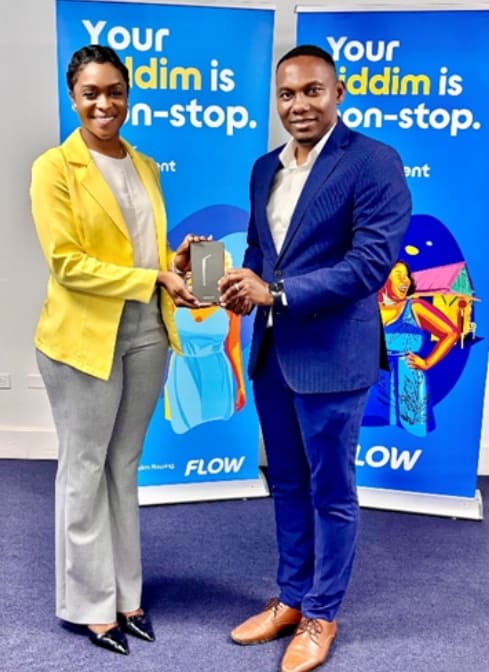
    In a significant move to bolster educational infrastructure, telecommunications provider Flow has donated a state-of-the-art Samsung S25 cellular device to The Antigua and Barbuda College of Advanced Studies (ABCAS). This strategic contribution forms part of Flow’s comprehensive corporate social responsibility program focused on empowering academic institutions through technological enhancements.

    The advanced communication device will serve as a critical tool for modernizing the college’s information dissemination systems. This technological upgrade will facilitate more efficient outreach to current students, prospective applicants, and key stakeholders throughout the Antiguan and Barbudan community. The implementation of cutting-edge communication technology represents a substantial step toward educational digitalization on the islands.

    Wayne Hull, Country Manager at Flow Antigua and Barbuda, emphasized the company’s dedication to educational advancement: “Our support for initiatives that strengthen educational communication and student awareness remains unwavering. This practical contribution will significantly enhance ABCAS’s community engagement capabilities and informational outreach across our nation.”

    College administrators expressed profound gratitude for Flow’s ongoing partnership, noting that the demonstration of corporate social responsibility through tangible technological support creates meaningful impact beyond symbolic gestures. The collaboration between the telecommunications leader and educational institution highlights how private sector partnerships can effectively address digital infrastructure needs in academic environments.

  • At Global Summit, Browne Outlines High-Value Tourism Strategy for Antigua

    At Global Summit, Browne Outlines High-Value Tourism Strategy for Antigua

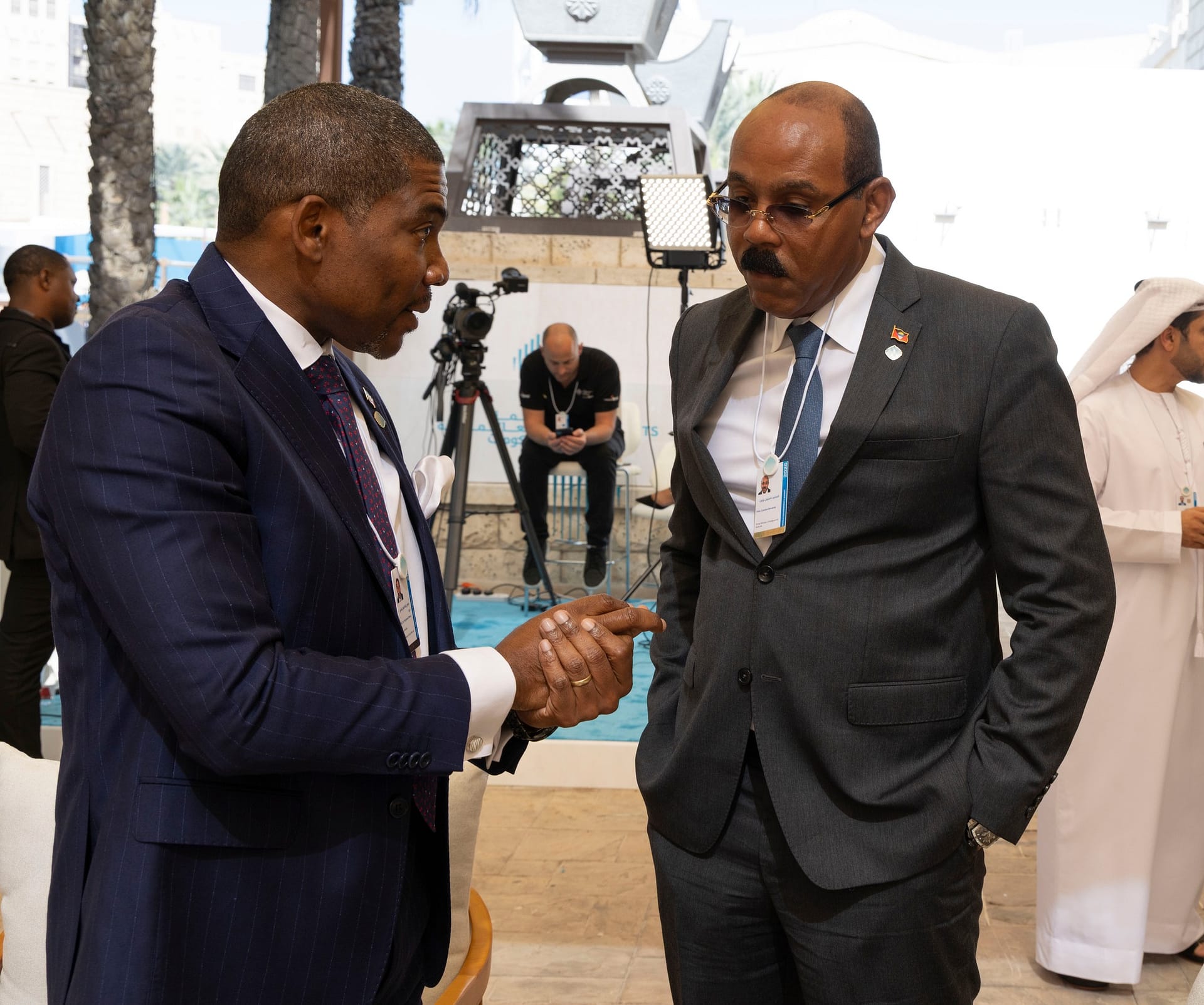
    In a significant policy address at the World Government Summit in Dubai, Prime Minister Gaston Browne unveiled a transformative national strategy to fundamentally reposition Antigua and Barbuda’s tourism industry. Moving beyond traditional metrics of success, the government is implementing a comprehensive overhaul designed to convert tourism into a powerful engine for inclusive economic development.

    Browne critically assessed the historical shortcomings of the tourism sector, describing it as operating too long as an ‘enclave industry’—successful in generating visitor arrivals and revenue but remaining critically disconnected from the broader national economy. This approach, while profitable for some, failed to deliver widespread benefits to the population.

    The new vision centers on creating a high-value tourism model with intentional linkages across multiple economic sectors. Strategic connections to construction, agriculture, creative industries, transportation, financial services, and small business development form the cornerstone of this initiative. This integrated approach aims to ensure that more Antiguans and Barbudans can participate meaningfully and benefit substantially from the tourism economy.

    Success indicators will be radically redefined under this new framework. Rather than focusing primarily on arrival numbers, the government will prioritize outcomes including increased domestic ownership, expanded entrepreneurship opportunities, livable wages for workers, higher visitor spending patterns, enhanced foreign exchange earnings, and more equitable tax revenue distribution.

    As part of this strategic pivot, the administration is actively courting luxury tourism investments while simultaneously encouraging existing all-inclusive properties to upgrade their offerings. This dual approach seeks to establish Antigua and Barbuda as a premier high-end destination while elevating standards across the entire industry.

    Browne emphasized that these transformative benefits will not materialize automatically. They require what he termed a ‘national reset’ of the tourism sector, supported by deliberate policy choices, targeted infrastructure investment, and comprehensive human capital development programs. The Prime Minister framed tourism not merely as an economic activity but as an overarching national development strategy touching all aspects of society—from physical infrastructure and cultural preservation to environmental stewardship and skills development.

    This strategic repositioning addresses what Browne identified as the central challenge facing small island states: designing tourism-driven economies capable of delivering resilient growth, shared prosperity, and long-term sustainability amid ongoing global economic, environmental, and technological changes.

  • More details on immigration amnesty could be discussed at Cabinet next week

    More details on immigration amnesty could be discussed at Cabinet next week

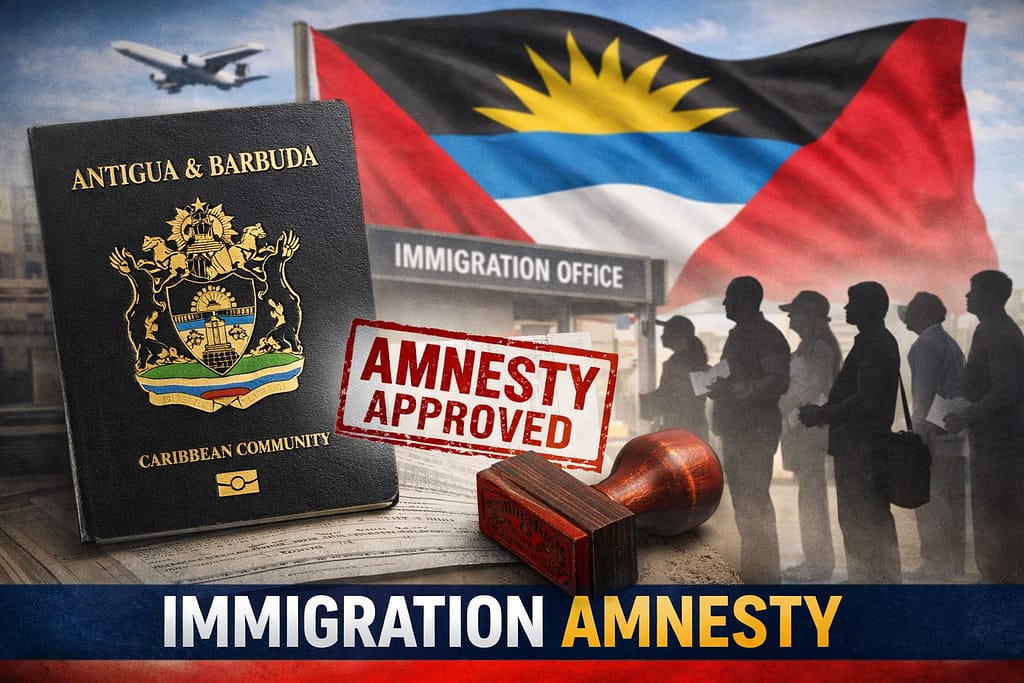
    The Trinidad and Tobago government is poised to review a comprehensive immigration amnesty plan, marking a significant advancement in a long-awaited initiative. Director General of Communications Maurice Merchant confirmed during Thursday’s post-Cabinet press briefing that a formal operational proposal will be presented to ministers next week.

    The development follows extensive collaboration between the Attorney General’s office and immigration authorities, who have been spearheading the program’s formulation. Merchant indicated the proposal has reached an advanced stage, though specific details regarding eligibility parameters, program duration, and implementation scope remain undisclosed until after Cabinet deliberation.

    ‘Substantial progress has been achieved through the coordinated efforts of the Honourable Attorney General’s team and immigration officials,’ Merchant stated. ‘We anticipate presenting a structured operational framework for Cabinet consideration next week, with subsequent public disclosure following approval.’

    The announcement signals the administration’s movement toward resolving complex immigration status matters, though the government maintains that final specifics will only be released upon official endorsement. This procedural approach suggests careful consideration of the policy’s legal and administrative implications before public rollout.

  • Government adds new water tankers to strengthen fire service response

    Government adds new water tankers to strengthen fire service response

    In a strategic move to enhance national emergency preparedness, the government of Antigua and Barbuda has officially integrated two high-capacity water tankers into the National Fire Service’s operational fleet. The announcement was made by Director General of Communications Maurice Merchant during the weekly post-Cabinet press briefing this Wednesday.

    The procurement, which has now been successfully completed, was initiated following legal counsel from the attorney general, positioning the new assets as critical components for upgrading the country’s fire response infrastructure. These tankers, with substantial water storage capabilities of 2,000 and 3,500 gallons respectively, are engineered to provide a decisive advantage during firefighting campaigns, particularly in scenarios requiring extended operational duration.

    This deployment marks a significant augmentation to the existing arsenal, which previously comprised 19 fire tenders and a single water tanker. The integration of these two vehicles effectively triples the dedicated water-carrying capacity within the national fire service system. Strategic placement is already underway, with one unit designated for the St. John’s Fire Station. Another will remain stationed at the VC Bird International Airport—a key infrastructural asset—while the third tanker is under consideration for deployment to Barbuda, ensuring equitable resource distribution across the twin-island nation.

    Government officials emphasized that this investment directly addresses a critical vulnerability: water supply shortages during intense or prolonged fire incidents. By substantially increasing on-site water reserves, the fire service anticipates a marked improvement in its initial attack effectiveness and overall operational resilience. This initiative underscores the administration’s ongoing commitment to fortifying essential services, with a declared focus on ensuring that first responders are equipped with modern, reliable resources to safeguard communities and national property effectively.