标签: Antigua and Barbuda

安提瓜和巴布达

  • UWI Five Islands Campus to Present Annual Report at Council Meeting Today

    UWI Five Islands Campus to Present Annual Report at Council Meeting Today

    The University of the West Indies (UWI) Five Islands Campus is poised to host its significant annual council gathering this Thursday, featuring a comprehensive review of institutional performance and future directions. The proceedings will commence at 10 a.m. Eastern Caribbean Time, with real-time broadcasting available for global viewership.

    Under the leadership of Council Chairman Sir Aziz Hadeed, the event will highlight the formal presentation of the campus’s 2024/2025 annual report by Principal Professor C. Justin Robinson. The document, bearing the thematic title ‘Building Beyond Borders: Expanding Our Regional Reach,’ will provide detailed insights into operational developments, fiscal management outcomes, and strategic initiatives undertaken throughout the academic year.

    The report is anticipated to showcase a compilation of the institution’s most notable accomplishments, reflecting its commitment to academic excellence and regional development. Subsequent to the principal’s address, Vice-Chancellor Professor Sir Hilary Beckles will contribute formal observations, followed by an interactive question-and-answer session open to public participation.

    UWItv’s digital platform will facilitate live streaming services, enabling widespread accessibility for international stakeholders and members of the Caribbean community interested in the university’s progressive trajectory and educational contributions.

  • Dominica Suspends Processing of Citizenship Applications from Iranian Nationals

    Dominica Suspends Processing of Citizenship Applications from Iranian Nationals

    The Commonwealth of Dominica has implemented a significant policy shift regarding its Citizenship by Investment (CBI) program, announcing the immediate suspension of application processing for all Iranian nationals. An official memorandum dated March 23, 2026, and circulated to authorized agents, mandates that the new directive became effective on March 24, 2026.

    The policy, issued by the island nation’s Citizenship by Investment Unit (CBIU), establishes a stringent set of exceptions. Applications from individuals of Iranian origin will now only be processed under exceptional circumstances. These conditions require that the applicant must not have been a resident of Iran for a minimum of ten years. Furthermore, they must demonstrate they hold no substantial financial assets or business interests within the country and have not engaged in any commercial activities involving Iran.

    The memorandum was formally signed by Gregory McDougall, the CBIU’s acting director, who instructed all authorized agents overseeing the program to adhere to the new guidelines without exception. This move represents a tightening of the nation’s due diligence protocols and reflects a cautious approach toward international economic and political relations. The decision underscores a growing trend among nations with CBI programs to enhance vetting procedures and mitigate potential geopolitical risks.

  • Antigua and Barbuda to Mark Alma Mater Day on March 27

    Antigua and Barbuda to Mark Alma Mater Day on March 27

    The Ministry of Education of Antigua and Barbuda has officially proclaimed Friday, March 27, 2026, as Alma Mater Day, initiating a nationwide call for citizens to participate in commemorating their educational foundations. This distinctive observance, operating under the thematic banner “Reflecting with Pride,” encourages alumni across the nation to demonstrate their enduring school spirit through wearing institutional uniforms, displaying school crests, or adorning themselves in their alma mater’s colors.

    Educational authorities emphasize that this initiative provides a structured platform for graduates to acknowledge the fundamental role their educational institutions played in shaping their professional trajectories and personal development. The celebration simultaneously aims to create inspirational connections between successful alumni and current students, fostering intergenerational dialogue about educational achievement.

    This commemorative day represents a strategic component within the government’s broader educational campaign designed to reinforce community-institutional bonds and elevate public appreciation for academic investment. By facilitating tangible expressions of institutional pride, the ministry seeks to strengthen the cultural significance of educational establishments throughout Antigua and Barbuda, ultimately promoting sustained engagement between schools and their surrounding communities.

  • Antigua Welcomes 6 Ships and More Than 10,000 Cruise Passengers in Busy Port Day

    Antigua Welcomes 6 Ships and More Than 10,000 Cruise Passengers in Busy Port Day

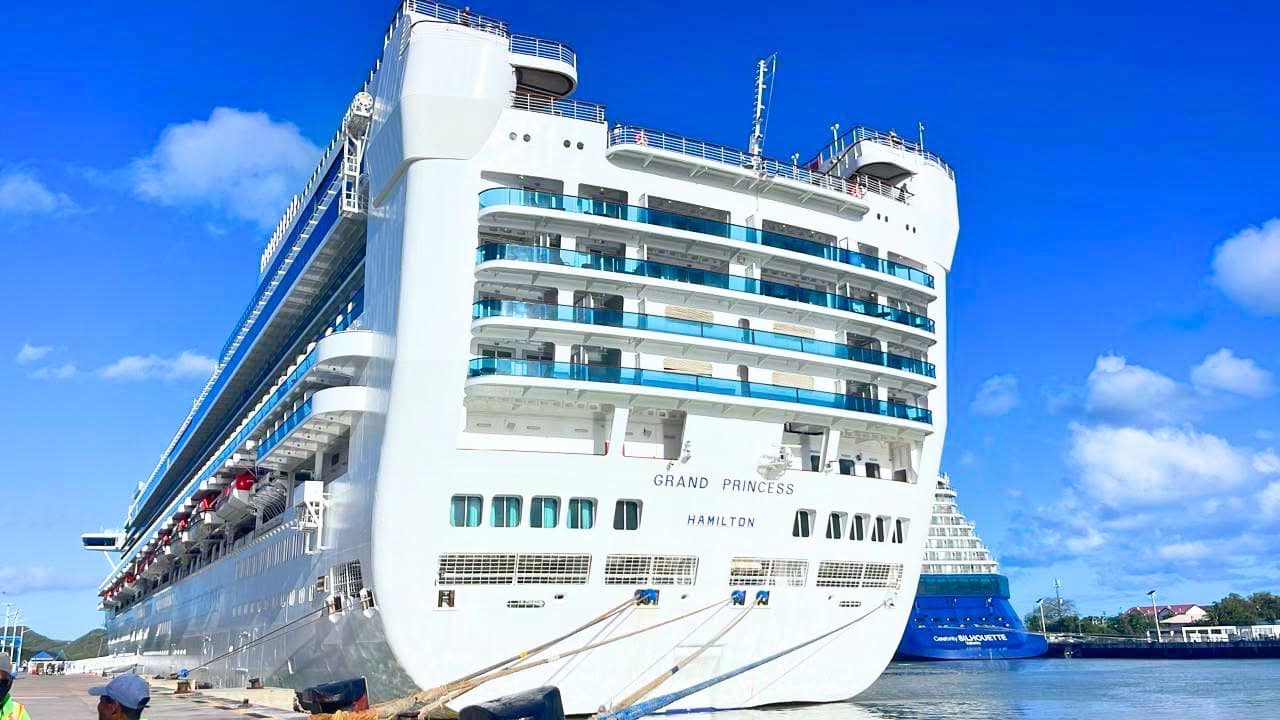
    The twin-island nation of Antigua and Barbuda experienced a significant economic uplift as a fleet of cruise vessels simultaneously docked at multiple ports, delivering an unprecedented surge of over 10,000 passengers and crew members to its shores in a single day. This maritime convergence created a vibrant atmosphere across the islands, with local enterprises and tourism-focused businesses reporting substantially increased commercial activity.

    According to official data released by Antigua Cruise Port, the primary harbor in St. John’s accommodated four large cruise ships at full capacity. Meanwhile, the island’s broader port infrastructure successfully managed a total of six vessel calls throughout the day. Adding to this maritime spectacle, two luxury cruise liners were stationed at Falmouth Harbour, catering to premium travelers and further amplifying the day’s visitor statistics.

    Tourism authorities emphasized that this continuous stream of maritime arrivals has become a crucial economic driver for the nation. The sustained cruise traffic pattern underscores the sector’s vital role within Antigua and Barbuda’s tourism-dependent economic framework, providing consistent revenue streams for local merchants, tour operators, and hospitality services. Industry analysts note that such substantial simultaneous arrivals demonstrate both the islands’ growing popularity as a Caribbean destination and their enhanced port capabilities to manage complex logistical operations.

  • Road Works Expand Across Multiple Communities as Concrete Paving Continues

    Road Works Expand Across Multiple Communities as Concrete Paving Continues

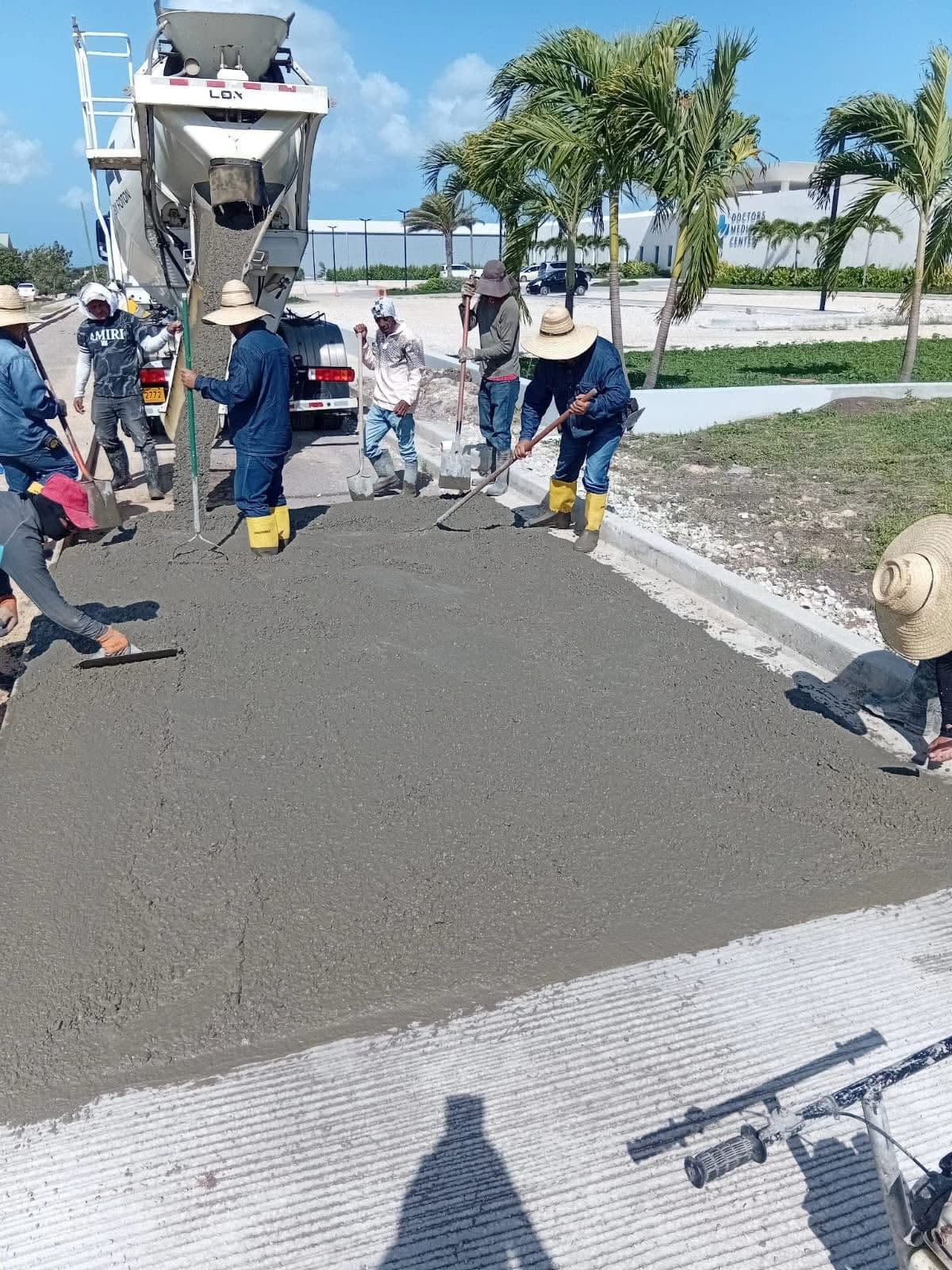
    The Ministry of Works has launched an extensive infrastructure enhancement initiative this week, deploying construction crews to execute comprehensive concrete road paving operations across eight strategically selected communities. The ambitious project encompasses Seatons, Friars Hill, Villa, Follies, Bendals, Mac Pond, Glanvilles, and Paradise View, representing one of the most significant infrastructure modernization efforts undertaken this year.

    This large-scale paving operation forms part of a broader governmental strategy to upgrade transportation networks and improve urban mobility. The transition to concrete surfacing offers substantial advantages over traditional asphalt, including enhanced durability, reduced maintenance requirements, and improved resistance to extreme weather conditions. The selected communities, which have historically experienced transportation challenges during inclement weather, stand to benefit significantly from these infrastructure improvements.

    Ministry officials have coordinated closely with local authorities to minimize disruption to residents during the construction phase. The project timeline incorporates phased implementation to ensure efficient progress while maintaining accessibility to essential services. Engineers supervising the project emphasize that the new concrete roads will substantially improve vehicular safety, reduce long-term maintenance costs, and enhance overall transportation efficiency throughout the region.

    The infrastructure initiative reflects the government’s commitment to sustainable urban development and improved quality of life for residents. Future phases of the infrastructure improvement program are already in planning stages, with additional communities scheduled for similar upgrades in the coming fiscal year.

  • Venezuela’s Maduro set to appear in US court months after abduction

    Venezuela’s Maduro set to appear in US court months after abduction

    In a significant development in international relations, Venezuelan President Nicolás Maduro is scheduled to appear before a United States federal court, marking a pivotal moment months after his controversial apprehension. The judicial proceedings stem from longstanding allegations brought by U.S. authorities against the Venezuelan leader, though specific charges remain under judicial seal.

    The extraordinary rendition operation that preceded this court appearance involved coordinated international efforts, though participating nations have maintained operational secrecy. Legal experts indicate this case represents an unprecedented application of jurisdictional reach against a sitting head of state, setting potential precedents in international law.

    Diplomatic channels between Caracas and Washington have experienced heightened tension since Maduro’s detention, with Venezuela’s government decrying the action as a violation of international sovereignty. The Venezuelan administration has mobilized its diplomatic corps to challenge the legitimacy of U.S. judicial proceedings through international organizations including the United Nations and Organization of American States.

    Regional allies including Cuba, Nicaragua and Bolivia have expressed solidarity with Maduro’s government, while the U.S. has received cautious support from several European and Latin American nations regarding the judicial process. The case has sparked debates concerning sovereignty, international justice, and the extraterritorial application of national laws.

    Security preparations for the court appearance are unprecedented, with federal authorities implementing comprehensive measures to ensure proceedings occur without incident. The outcome of this legal confrontation may redefine diplomatic protocols and establish new parameters for accountability of state leaders in international jurisprudence.

  • Rural East Derelict Vehicle Cleanup Enters Another Day

    Rural East Derelict Vehicle Cleanup Enters Another Day

    A significant urban renewal operation entered its third consecutive day in St. John’s Rural East, where municipal crews have been systematically removing abandoned and inoperative vehicles from residential zones. The ongoing initiative has successfully extracted numerous derelict cars from neighborhoods, addressing long-standing concerns among the community.

    Local authorities have launched this targeted cleanup campaign with multiple objectives: enhancing public safety protocols, mitigating potential environmental contaminants from deteriorating vehicles, and revitalizing the visual landscape of the community. The operation has received substantial backing from area residents who have expressed support for the municipality’s efforts to improve living conditions.

    The removal process involves specialized equipment and trained personnel carefully extracting vehicles from private properties and public spaces alike. This coordinated effort represents a collaborative approach between city officials and the community to address urban blight and promote sustainable neighborhood development.

    Organizers indicate the cleanup initiative will continue through scheduled phases, with additional community enhancement projects planned following the successful vehicle removal campaign. The project demonstrates how municipal-community partnerships can effectively address local environmental and aesthetic concerns while fostering civic pride.

  • Magnitude 3.9 Earthquake Recorded Near Antigua and St Kitts Early Thursday

    Magnitude 3.9 Earthquake Recorded Near Antigua and St Kitts Early Thursday

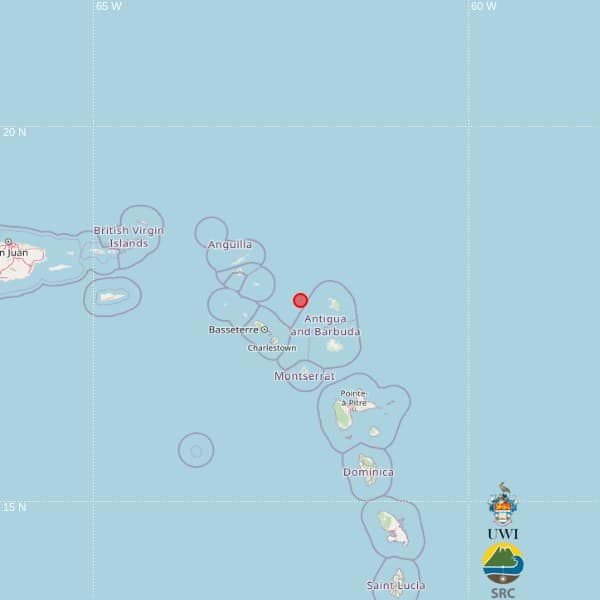
    A moderate seismic event registering magnitude 3.9 occurred in the Eastern Caribbean waters during early Thursday morning, as automatically detected by the University of the West Indies Seismic Research Centre’s monitoring systems. The tremor originated at precisely 3:19 a.m. local time at significant depth beneath the ocean floor.

    The earthquake’s hypocentral coordinates placed it at 17.69 degrees north latitude and 62.25 degrees west longitude, with seismic activity emanating from approximately 42 kilometers beneath the Earth’s surface. This substantial depth typically results in reduced surface shaking intensity compared to shallower quakes of similar magnitude.

    Geographic positioning data indicates the seismic epicenter was situated 69 kilometers northeast of Basseterre, the capital city of St. Kitts and Nevis; 78 kilometers northwest of St. John’s, Antigua and Barbuda; and 99 kilometers north of Brades, Montserrat. The location places the event within the complex tectonic boundary zone between the North American and Caribbean plates.

    The UWI Seismic Research Centre emphasized that their initial assessment was generated through automated computer algorithms without human verification. This preliminary determination remains subject to potential revision following comprehensive analysis by the agency’s seismic experts, who will examine waveform data and seismic station readings across the region.

  • UN votes to recognise enslavement of Africans as ‘gravest crime against humanity’

    UN votes to recognise enslavement of Africans as ‘gravest crime against humanity’

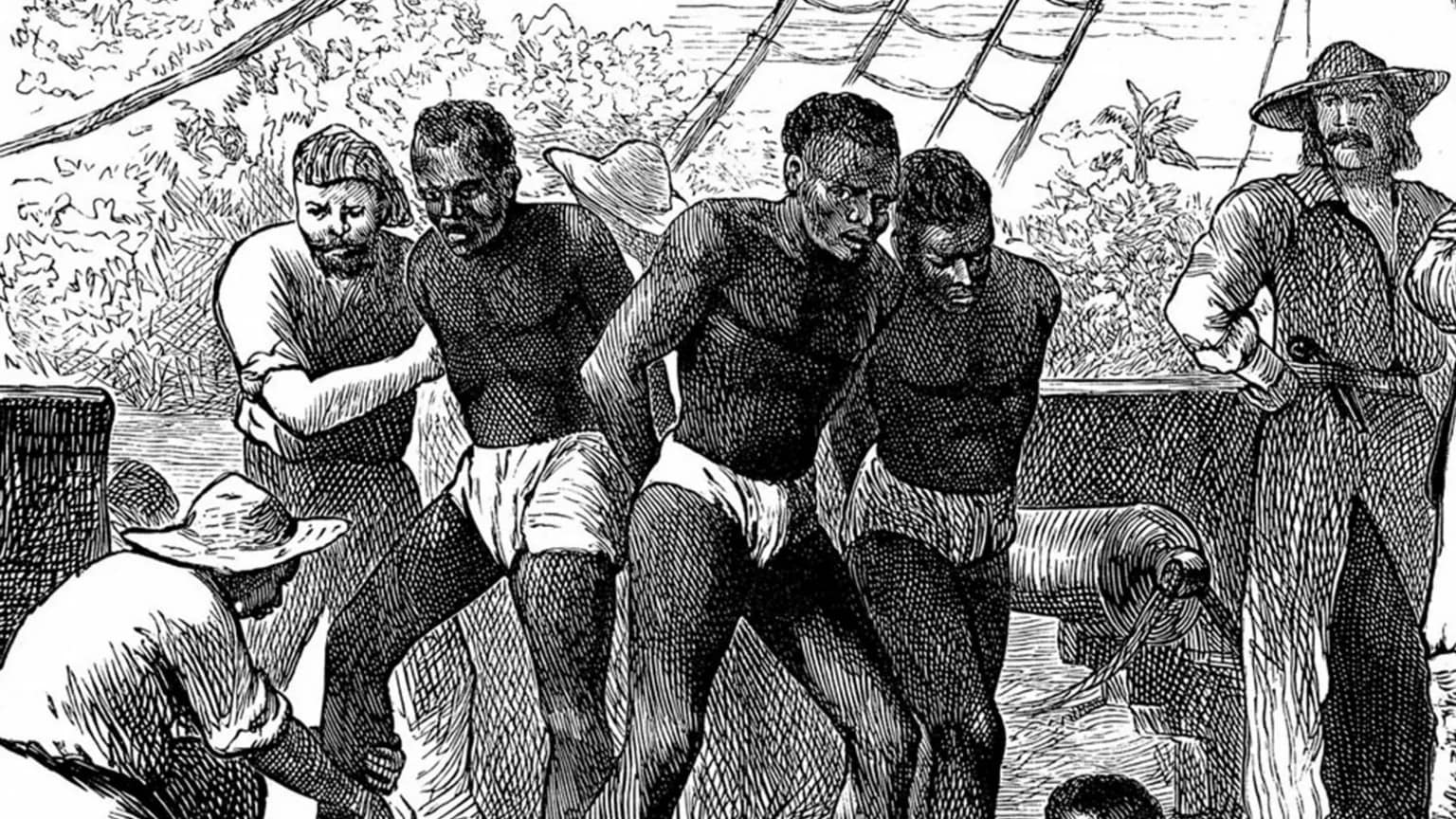
    In a historic move, the United Nations General Assembly has formally designated the enslavement of Africans during the transatlantic slave trade as ‘the gravest crime against humanity.’ The resolution, championed by Ghana and supported by the African Union and Caribbean Community, received overwhelming approval with 123 nations voting in favor. Only three countries—the United States, Israel, and Argentina—opposed the measure, while 52 nations, including the United Kingdom and several European Union member states, abstained.

    The resolution not only establishes this historical classification but also urges member states to consider issuing formal apologies and contributing to a global reparations fund. While no specific monetary amount is stipulated, advocates emphasize that reparatory justice should support educational endowments, skills training programs, and heritage preservation initiatives rather than direct payments to governments.

    Ghanaian President John Mahama addressed the assembly prior to the vote, stating, ‘Let it be recorded that when history beckoned, we did what was right for the memory of the millions who suffered the indignity of the slave trade and those who continue to suffer racial discrimination.’ He emphasized that the resolution serves as ‘a safeguard against forgetting’ and confronts the enduring scars of slavery that continue to manifest as racial inequalities and underdevelopment affecting people of African descent worldwide.

    The vote revealed significant geopolitical divisions regarding historical accountability. The United Kingdom acknowledged the ‘untold harm and misery’ caused by the slave trade but expressed reservations about the resolution’s wording and legal implications. U.S. Ambassador Dan Negrea articulated stronger objections, stating that the United States ‘does not recognize a legal right to reparations for historical wrongs that were not illegal under international law at the time they occurred.’ He criticized what he characterized as the ‘cynical usage of historical wrongs as a leverage point to reallocate modern resources.’

    The resolution additionally calls for the repatriation of cultural artifacts looted during the colonial era, with Ghanaian officials emphasizing the spiritual and cultural significance of these items. The debate also touched upon contemporary American politics, with Ghana’s president criticizing the Trump administration’s cultural policies, while the U.S. delegation defended the president’s record with African American communities.

    Historical context provided in the resolution notes that between 1500 and 1800, approximately 12-15 million Africans were forcibly transported to the Americas, with an estimated two million perishing during the treacherous journey. The resolution asserts that the consequences of this centuries-long system continue to reverberate through persistent racial discrimination and economic disparities.

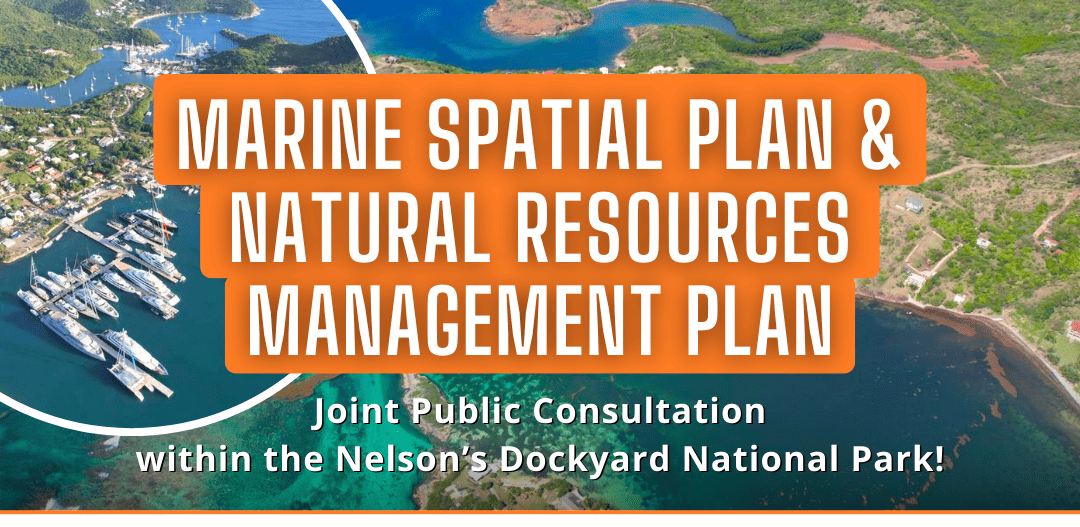
  • Residents & Stakeholders to Join Consultation on Natural Resources and Marine Spatial Plans for the Nelson’s Dockyard National Park

    Residents & Stakeholders to Join Consultation on Natural Resources and Marine Spatial Plans for the Nelson’s Dockyard National Park

    The Nelson’s Dockyard National Park (NDNP) is set to host a pivotal public consultation this Wednesday evening, bringing together local residents and key stakeholders to deliberate on two comprehensive strategic plans. The dual-focused meeting will address both the newly drafted Natural Resources Management Plan and the NDNP Marine Spatial Plan, marking a significant step in the region’s climate adaptation efforts.

    Scheduled for March 25th at Cobbs Cross Primary School from 5:30 pm to 8:30 pm, this joint consultation represents the latest in a series of engagement initiatives forming part of the broader Ecosystem-based Adaptation (EbA) Caribbean Project. This multinational climate resilience program is currently active across three Caribbean nations: Antigua and Barbuda, Jamaica, and the Dominican Republic.

    In Antigua and Barbuda, the nonprofit organization Integrated Health Outreach (IHO) is spearheading project implementation within the NDNP in collaboration with the National Parks Authority (NPA). Technical expertise is provided by a specialist team from the Centre of Excellence of Oceanography and the Blue Economy (COBE) at the University of the West Indies, Five Islands campus, which has been commissioned to develop both strategic plans.

    The Natural Resources Management Plan will establish critical priorities for managing terrestrial, coastal, and marine ecosystems while formulating an updated governance framework. Concurrently, the Marine Spatial Plan will address pressing issues including pollution control, waste management strategies, designation of specific marine zones, and the balancing of conservation areas with fishing priorities and other marine activities.

    This week’s consultation follows previous stakeholder engagements, including February’s Sustainable Fisheries and Land Management Workshop, which featured two community consultations. Kieron Murdoch, Communications Officer with IHO, emphasized the fundamental importance of community involvement: “Engaging the community continues to be an extremely important part of the work being done by everyone attached to this project. It’s vital to ensure that the results are informed by the experiences of those who live, work and operate within the National Park.”

    The EbA Caribbean Project operates under the official title “Strengthening regional climate resilience and supporting green economic recovery through ecosystem-based adaptation (EbA) and sustainable livelihoods in the Dominican Republic, Antigua and Barbuda, and Jamaica.” Funded by the Caribbean Biodiversity Fund with co-financing from Germany’s International Climate Initiative (IKI) through KfW Development Bank, the project is implemented through a consortium including the UN Environment Programme’s World Conservation Monitoring Centre, Oracabessa Marine Trust, and several regional conservation organizations.