
In an era where information is more accessible than ever, a paradoxical challenge has emerged: while we are inundated with data, many remain uninformed. Social media feeds, emails, news outlets, and workplace communications bombard us daily, yet confusion, misinformation, and disengagement persist. This raises a critical question: What does it truly mean to be informed? Being informed goes beyond mere exposure to information; it involves understanding, contextualizing, and applying knowledge to enhance decision-making, foster engagement, and drive meaningful action. It empowers individuals to navigate their environments with clarity and confidence, transforming reactions into thoughtful responses and survival into thriving. Information reaches us through various channels—electronic media, workplace interactions, traditional media, casual conversations, and formal settings. Each source has the potential to enlighten or mislead, depending on how it is shared and received. In the workplace, for instance, unclear communication can erode morale, reduce productivity, and damage trust. Conversely, keeping others informed has transformative benefits. It increases engagement and ownership, improves decision-making, enhances collaboration, builds resilience in crises, and fosters empathy. Organizations thrive when leaders provide clarity and consistency in communication, ensuring employees understand their roles and expectations. This principle extends beyond workplaces to customer relations, community outreach, and national development. In critical moments, such as natural disasters or health emergencies, timely and accurate information can be life-saving. Leaders, employees, citizens, and media professionals all have roles to play in fostering a well-informed society. Leaders must communicate openly, employees should seek clarity, citizens must engage with credible sources, and media professionals must uphold journalistic integrity. In a world saturated with noise, being intentional about the information we consume and share is crucial. Filtering distractions, verifying sources, and prioritizing truth over sensationalism are essential practices. Being informed is not just a personal advantage—it’s a civic responsibility. Sharing what matters, staying engaged, and helping others do the same can change lives and transform organizations.
标签: Antigua and Barbuda
安提瓜和巴布达
-
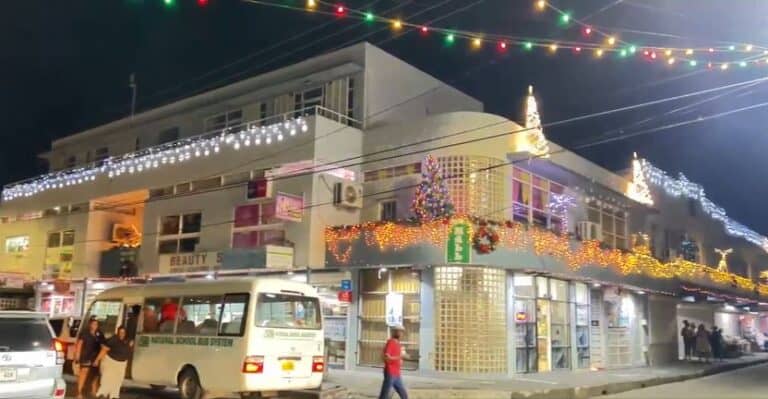
Christmas Home and Business Lighting Competition 2025 Announced
The Department of Creative Industries in Antigua and Barbuda has unveiled plans for the highly anticipated Christmas Home and Business Lighting Competition 2025. This annual event aims to capture the festive spirit through creative and dazzling lighting displays, encouraging both homeowners and businesses to participate. Registration is now open and will close on December 17, 2025. Forms can be collected at the Department of Creative Industries Headquarters on Old Parham Road, the INET office upstairs, or the National Festivals Office on Redcliffe Street and Corn Alley, from 9:00 a.m. to 1:00 p.m., Monday through Friday. Pre-judging will take place on December 20 and 21, 2025, with final judging scheduled for December 28, 2025. Winners will be announced on January 5, 2026, during the Good Morning Antigua and Barbuda broadcast. Home entries will be categorized into East, West, North, and South zones, with participants receiving a 100% waiver on electricity services from December 15, 2025, to January 15, 2026, along with duty-free concessions on Christmas lights and decorations. Cash prizes of $3,000, $2,000, and $1,000 XCD will be awarded to the top three winners in each zone. Business participants will enjoy a 50% electricity waiver for December 2025, similar duty-free concessions, and cash prizes matching those for home entries. The competition promises to bring joy and splendor to the holiday season, fostering community spirit and creativity. For advertising opportunities, contact [email protected].
-
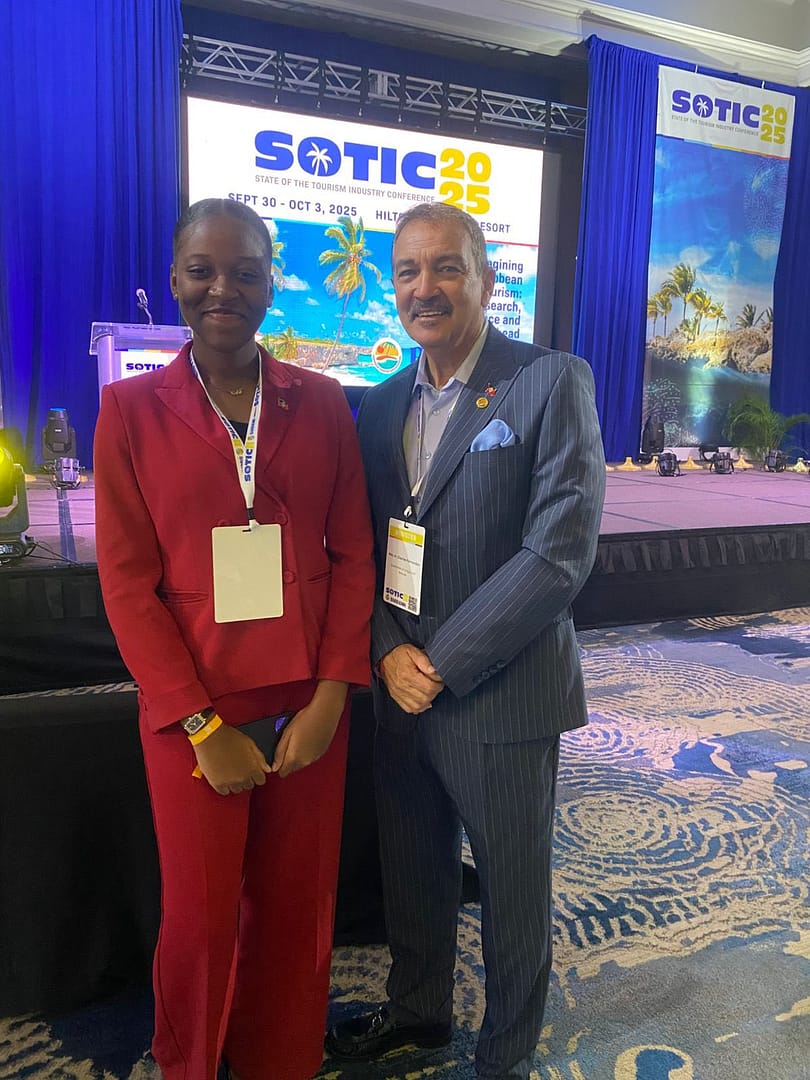
Antigua’s Junior Tourism Minister Kiara Kwenga to Compete at Youth Congress in Barbados Today
Antigua and Barbuda’s Junior Tourism Minister, 16-year-old Kiara Kwenga, is poised to represent her nation at the Caribbean Tourism Organization’s (CTO) Regional Youth Congress on October 2, 2025. The event, a highlight of the State of the Industry Conference (SOTIC) in Barbados, will bring together young leaders from across the Caribbean to discuss the future of tourism in the region. Kiara, a fifth-form student at Christ The King High School, will showcase her innovative ideas on sustainable tourism, digital innovation, and cultural preservation. The Youth Congress, known for its lively debate-style format, challenges participants to address real-world issues facing Caribbean tourism, from enhancing visitor experiences to fostering community development. Kiara’s participation underscores the creativity and resilience of Antigua and Barbuda’s youth, as she competes for the title of CTO Youth Ambassador. The winner will take on the prestigious role of promoting Caribbean tourism globally and inspiring the next generation of industry leaders. The event is a testament to the CTO’s commitment to empowering young voices in shaping the future of tourism.
-
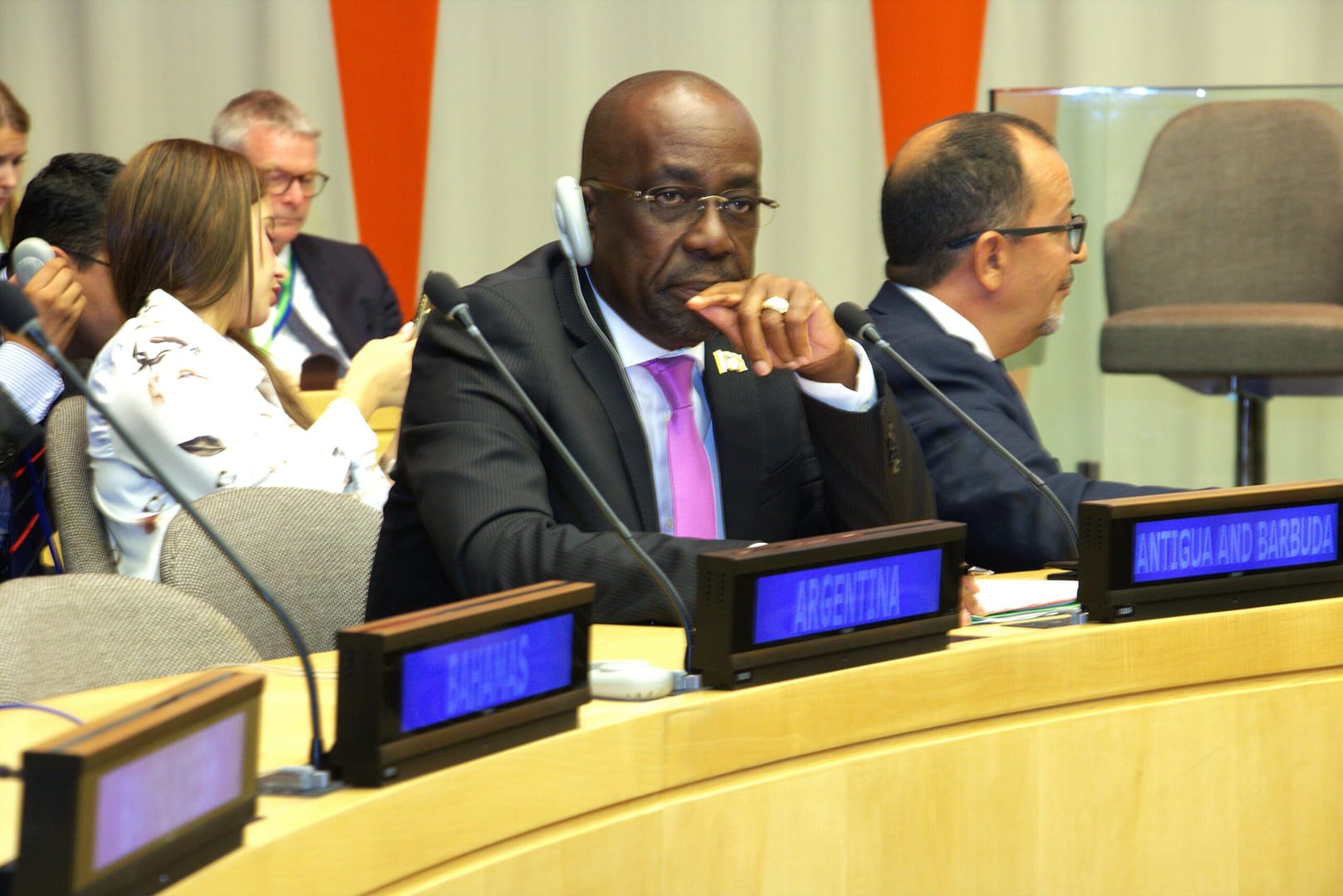
Greene Urges Healthy Living as St. Paul’s Marks Health Month
St. Paul’s annual Health Month has officially commenced, with Parliamentary Representative E.P. Chet Greene urging residents to take proactive steps toward improving their well-being. Running from October 1 to 31 under the theme “Healthy Lifestyle …things we can change,” the initiative aims to foster healthier habits through a series of activities, including health screenings, public lectures, radio programs, and outreach efforts to homes and schools. Greene emphasized that the campaign is not just about individual health but also about strengthening community engagement and collective responsibility. In his Health Month message, Greene highlighted the importance of mindful consumption, advising residents to “eat and drink wisely” and track their daily water intake. He encouraged active participation in the month’s events, framing the observance as both a personal challenge and a commitment to families, the community, and the nation. “Stay healthy for yourselves, your families, our community, and our country,” Greene stated, underscoring the broader societal impact of individual health choices. The initiative seeks to empower residents to make sustainable lifestyle changes while fostering a culture of health awareness across St. Paul.
-
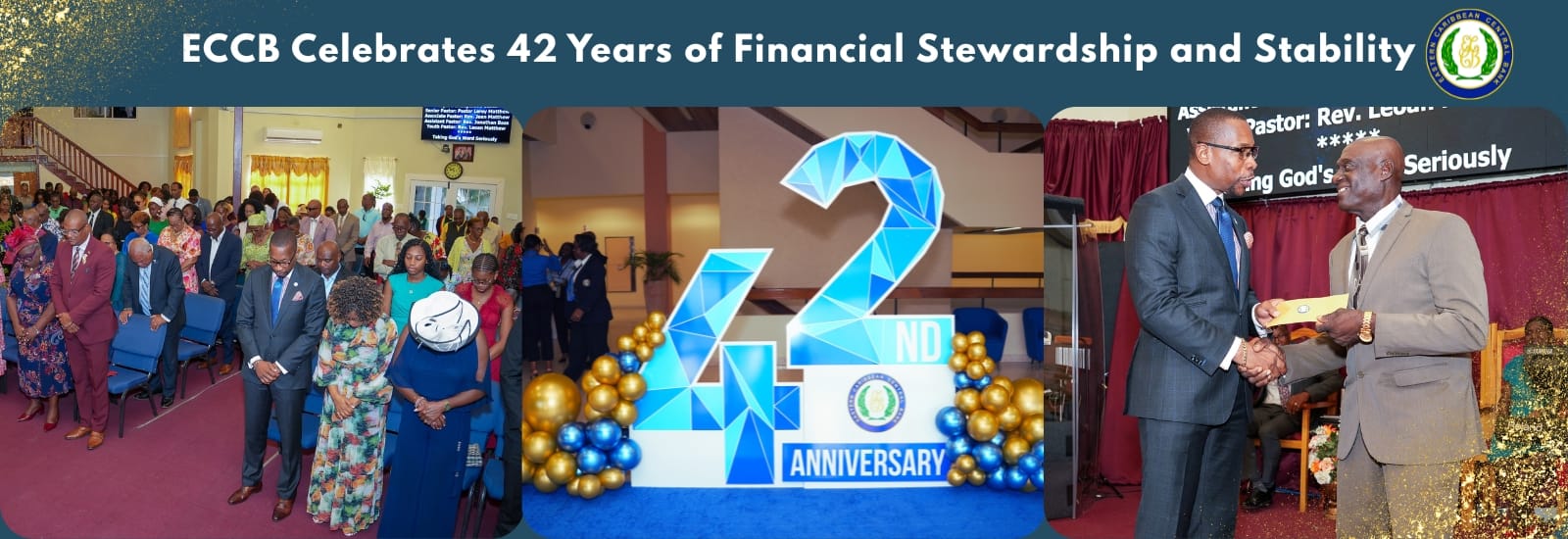
Central Bank Celebrates 42 Years of Financial Stewardship and Stability
The Eastern Caribbean Central Bank (ECCB) commemorated its 42nd anniversary on Wednesday, 1 October, marking over four decades of unwavering service to the Eastern Caribbean Currency Union (ECCU). The milestone was celebrated with a special worship service on Sunday, 28 September, attended by ECCB management, staff, retirees, stakeholders, and community members. The event, led by Pastor Leroy Matthew of the People’s Evangelistic Centre, was a heartfelt expression of gratitude for the Bank’s enduring contributions to regional financial stability. Pastor Matthew praised the steadfastness of the Eastern Caribbean (EC) dollar, which has been pegged to the U.S. dollar at EC$2.70=US$1.00 since 1976, highlighting its role in fostering economic confidence. ECCB Governor Timothy N.J. Antoine, in his address, thanked God for the Bank’s journey and reaffirmed the strength of the EC dollar, backed by nearly 99.0% foreign reserves. He emphasized the ECCB’s commitment to maintaining financial stability across its eight member countries. Governor Antoine also honored the Bank’s pioneers, including Dr. Sir Kennedy Simmonds, Sir Cecil Jacobs, Sir K Dwight Venner, and Sir Errol Allen, while acknowledging the collective efforts of past and present contributors. In a poignant moment, he addressed the younger generation, explaining the ECCB’s critical role in regulating financial institutions, issuing currency, and safeguarding deposits. He urged both children and adults to value the Bank’s work and to pray for its continued success. The anniversary coincided with the Financial Information Month (FIM) Festival, a regional initiative promoting financial literacy under the theme ‘Financial Empowerment Through Education.’ The event underscored the ECCB’s legacy of leadership and its ongoing mission to empower the people of the Eastern Caribbean.
-

OP-ED- Last Stand: Trinidad And Tobago Races Against Time To Save Caribbean’s Final Investment Grade Rating
Trinidad and Tobago, the Caribbean’s last remaining investment-grade sovereign, is teetering on the edge of a financial precipice. Last week, Standard & Poor’s (S&P) downgraded the country’s economic outlook from ‘stable’ to ‘negative,’ signaling a one-in-three chance of a full credit rating downgrade within the next 6 to 24 months. This warning has profound implications for the nation’s 1.4 million citizens, who could face skyrocketing borrowing costs, reduced public services, and heightened economic hardship. The twin-island nation currently holds a BBB- rating, the lowest tier of investment-grade status. A further downgrade to BB+ would plunge the country into ‘junk’ territory, forcing institutional investors to divest and significantly increasing the cost of government borrowing. The stakes are high: Trinidad and Tobago’s potential fall would leave the entire English-speaking Caribbean without a single investment-grade sovereign. The root causes of this crisis are deeply entrenched. The country’s over-reliance on its declining oil and gas sector, chronic fiscal deficits, and stagnant economic growth have created a perfect storm. Oil and gas still account for over 25% of GDP, nearly 80% of exports, and the bulk of government revenues. However, production has been declining for years, and new projects require costly deep-water drilling. Meanwhile, the government’s debt burden has reached 81.3% of GDP, and the Heritage and Stabilisation Fund, built from past oil booms, continues to shrink. S&P has issued an ultimatum: implement fundamental structural reforms within the next two years or face junk status. These reforms include diversifying the economy beyond oil and gas, improving fiscal discipline, addressing chronic USD shortages, and strengthening institutions. While the challenges are daunting, Trinidad and Tobago retains some advantages, including political stability, substantial liquid assets, and sound monetary management. The country’s strategic location as a regional energy hub and gateway to South America also offers opportunities for diversification. The government’s response to this crisis will determine whether Trinidad and Tobago can avoid the fate of its Caribbean neighbors, such as Barbados and The Bahamas, which have struggled with high borrowing costs and austerity measures after losing their investment-grade status. The clock is ticking, and the stakes extend far beyond credit ratings. Success could position Trinidad and Tobago as a model for small island developing states navigating the transition to post-petroleum prosperity. Failure, however, would burden citizens with higher costs and eliminate the Caribbean’s last beacon of investment-grade credibility.
-
U.S. Embassy in Bridgetown Halts Facebook Updates During Government Shutdown
The U.S. Embassy in Bridgetown has announced a reduction in its social media updates due to the ongoing U.S. government shutdown. In a formal statement, the embassy clarified that its Facebook account will not be regularly updated until full operations resume, except for critical safety and security alerts. This decision stems from the lapse in federal appropriations, which has impacted various government functions. Despite the shutdown, the embassy emphasized that scheduled passport and visa services in the United States and at overseas embassies and consulates will continue ‘as the situation permits.’ The public has been advised to visit travel.state.gov for the latest updates on consular services and operational status. This move highlights the broader implications of the government shutdown on U.S. diplomatic operations and public communication.
-

Church Explains Massive Statue on All Saints Road
A monumental statue erected by Glorious Hope Ministries on All Saints Road has swiftly become one of the nation’s most talked-about landmarks. The towering figure, installed last week, features a human-like form adorned with a helmet-like headpiece, crossed arms, and a skirt-like garment. According to church leaders, the statue is deeply rooted in biblical prophecy, drawing inspiration from the book of Daniel. It symbolizes the imminent second coming of Christ and serves as a powerful reminder of the message of salvation. While not designed to convert individuals instantly, the statue aims to foster spiritual reflection and leave a lasting impression on the community. Crafted by a local artist, the structure has already garnered significant attention from passersby and travelers, sparking widespread discussion and curiosity. The church emphasizes that the statue is a call to introspection and a testament to their faith. As it stands prominently along All Saints Road, it has become a focal point for both locals and visitors, blending artistry with spiritual symbolism.
-
Unlicensed, Uninsured Teen Pleads Guilty After crashing Mom’s car in reckless Joyride
An 18-year-old from St. Phillip’s Village has been found guilty of multiple traffic violations following an unauthorized joyride that culminated in a collision with a parked bus on Freetown’s main road on September 27. The young man, who appeared before Acting Chief Magistrate Dexter Wason, admitted to six offenses, including careless driving, driving without the owner’s consent, driving without insurance, driving without a license, failing to report an accident, and fleeing the scene. Police reports indicate that the teen drove away after the crash, which caused damage to the bus’s bumper and taillight. He was subsequently apprehended at the Freetown Police Station. The court issued a reprimand and discharged him on three counts, imposed a 90-day ban on obtaining a driver’s license, and levied a $1,000 fine for driving without insurance. Sentencing for the careless driving charge has been postponed to October 2, pending the submission of a repair estimate by the victim. This incident underscores the dangers of reckless driving and the legal consequences of unauthorized vehicle use.
-

Court Shows Leniency to Man Who Stole Two Bottles Cavalier Antigua Gold Rum
A 29-year-old man from Swetes Village, Antigua, has been reprimanded and discharged after admitting to stealing two bottles of rum from a local supermarket. Koeic Francis pleaded guilty to taking two bottles of Cavalier Antigua Gold Rum, valued at $63.90, from Perry Bay Supermarket on September 26. The theft was initially spotted by a security guard, and Francis was arrested after returning the following day to repeat the offense. Acting Chief Magistrate Dexter Wason noted that Francis had only recently been released from prison after serving nine months on remand for a similar charge. The court also heard that Francis, who is unemployed and lives with relatives, has not been receiving treatment despite a professional evaluation. Several individuals in court pleaded for leniency, and Wason ultimately decided to show compassion, warning Francis that he could not continue down the same path. Francis promised not to reoffend, and a restitution order was issued for the stolen alcohol.