
Taxi operators at Antigua and Barbuda’s VC Bird International Airport are undergoing a significant transformation, embracing digital platforms and app-based services with strong government support. This modernization initiative aims to enhance the travel experience for international visitors while curbing illegal competition from unlicensed operators. At a recent post-Cabinet briefing, officials announced that the United Taxi Company (UTC) has committed to adopting online booking systems and mobile apps, aligning with global trends in transportation technology. The government is also encouraging the use of modern vehicles, including SUVs, to upgrade the taxi fleet. Maurice Merchant, Director General of Communications, emphasized that travelers increasingly prefer pre-arranged transport to avoid delays at the airport. The Ministry of Information and Technology will provide technical support to develop or adapt these digital platforms. The move comes in response to concerns over ‘fly-by-night’ operators—unlicensed drivers who unlawfully solicit passengers, undermining legitimate services. To address this, the Cabinet has approved measures such as a dispatcher system, increased police presence, and a new sticker and registration regime for destination management companies. These reforms, agreed upon by taxi associations, the airport authority, and other stakeholders, represent a major shift in the country’s ground transportation sector. By combining technological advancements with stricter regulations, the initiative seeks to protect both operators and visitors, ensuring a seamless and secure travel experience.
标签: Antigua and Barbuda
安提瓜和巴布达
-
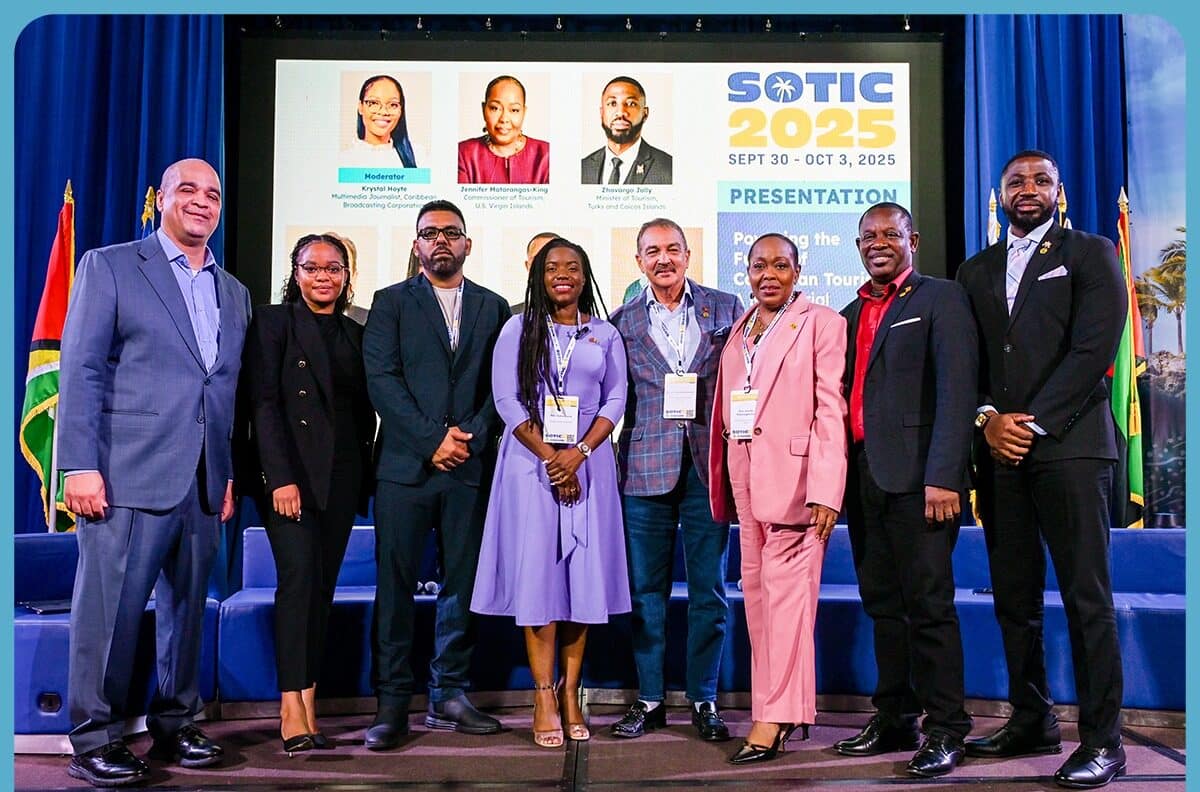
Antigua & Barbuda Joins Call for Stronger Backing of Regional Airlines
In a landmark session at the Caribbean Tourism Organization’s (CTO) State of the Tourism Industry Conference, held at the Hilton Barbados Resort, tourism leaders from across the Caribbean convened to address pressing challenges in regional connectivity. The ministerial panel, featuring representatives from Belize, Tobago, Antigua & Barbuda, Turks & Caicos Islands, Grenada, and the U.S. Virgin Islands, focused on strategies to reduce the high cost of regional travel, enhance airlift and ferry services, and promote sustainable tourism practices. The discussions underscored the urgent need for harmonized tax policies, stronger collaboration among regional carriers, and innovative solutions such as code-sharing and mileage systems to make travel more affordable. Antigua & Barbuda’s Minister of Tourism, Charles Fernandez, emphasized the importance of unified action, stating, ‘Whatever we do in the Caribbean should be more harmonized.’ Tobago’s Secretary of Tourism, Councillor Tashia Burris, echoed this sentiment, calling for greater support for regional carriers like interCaribbean, LIAT, and Caribbean Airlines. Turks & Caicos Minister of Tourism, Zhavargo Jolly, highlighted the collective power of Caribbean nations, asserting, ‘When you talk to one of us, you speak to all of us.’ The session concluded with a proposal to present Caribbean heads of government with a comprehensive document outlining actionable solutions to reduce travel costs, harmonize tax policies, and strengthen regional carrier collaboration. The CTO was also urged to take a leading role in coordinating these efforts, marking a significant step toward a more connected and sustainable Caribbean tourism industry.
-
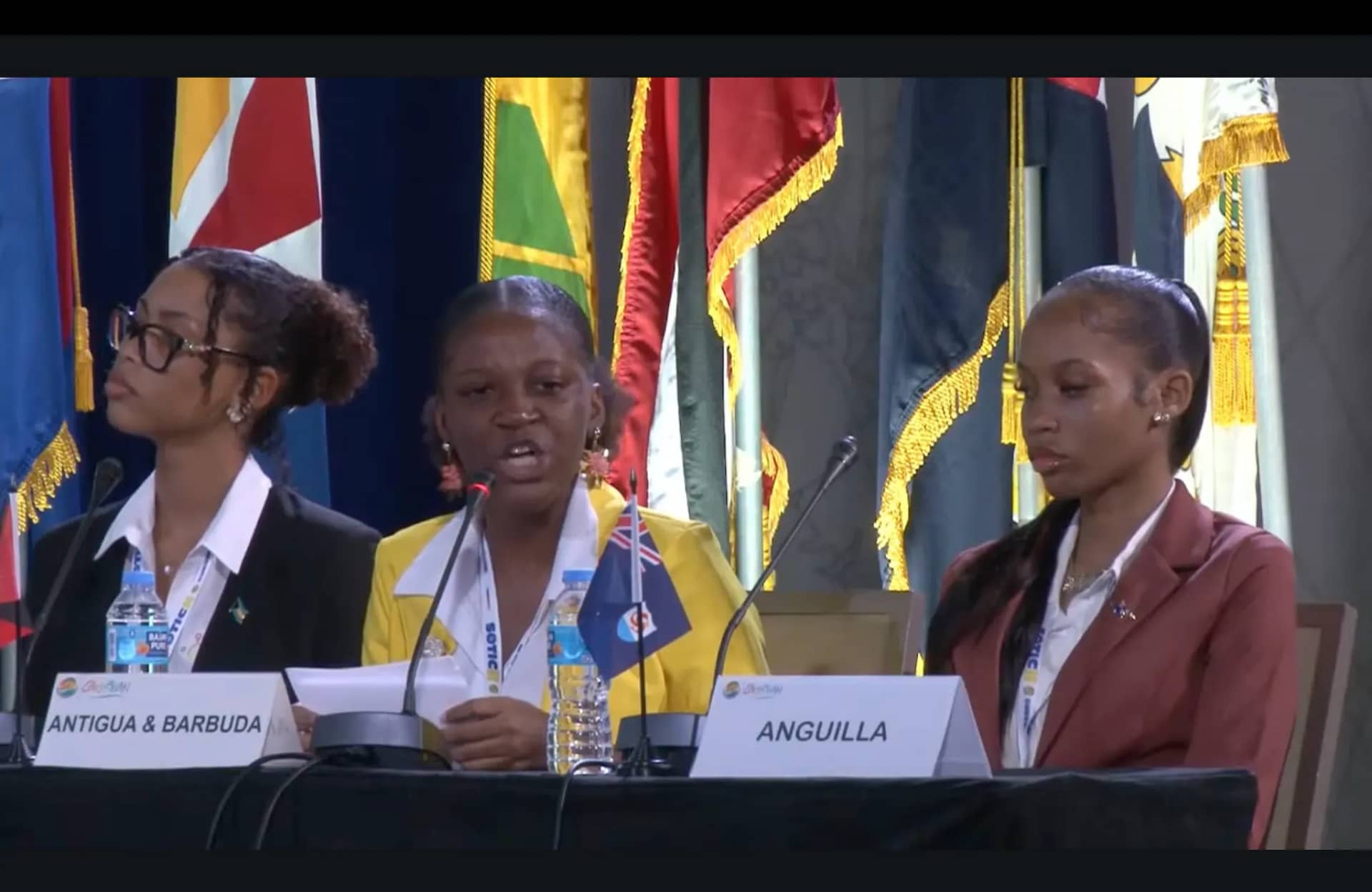
Antigua’s Youth Tourism Minister Calls for Sustainability, Technology, and Inclusion
At the 21st Regional Tourism Youth Congress held on Thursday, Antigua and Barbuda’s Junior Minister of Tourism, Kiara Kwenga, delivered a compelling call to action, urging her regional counterparts to prioritize sustainability, technology, and social inclusion as the future pillars of Caribbean tourism. Kwenga emphasized that the traditional reliance on ‘sun, sea, and sand’ is no longer sufficient to maintain the region’s competitive edge in the global tourism market. She highlighted Antigua and Barbuda’s proactive environmental initiatives, including the ban on single-use plastics, coral reef restoration projects, and the establishment of the Barbuda Blue Halo marine reserve, as examples of leadership in sustainable tourism. On the technological front, Kwenga showcased innovative solutions such as virtual reality previews for travel agents, paperless digital immigration systems, and augmented reality storytelling at historical sites like Nelson’s Dockyard. She also revealed plans to develop AI-powered multilingual apps to serve as ‘digital ambassadors’ for visitors. Kwenga further underscored the importance of community-based tourism and economic inclusion, citing initiatives like Culinary Month in May, which promotes local cuisine while extending the tourism season and supporting local farmers, chefs, and restaurants. Microfinancing and training programs were also highlighted as key strategies to ensure tourism revenues benefit local communities. ‘What we are crafting in Antigua and Barbuda is not merely a tourism product. It is a vision — where innovation meets tradition, where paradise is protected, and where every citizen shares in the promise of progress,’ Kwenga stated. The Congress also featured presentations from young delegates, including 16-year-old Jolé St. John of Tobago, the Caribbean Tourism Organization’s 2025 Regional Junior Tourism Minister, who spoke on leveraging heritage tourism for development. Other participants included Junior Ministers from Jamaica, the Cayman Islands, and St. Vincent and the Grenadines, among others. The Youth Congress, a flagship initiative of the Caribbean Tourism Organization, aims to cultivate critical thinking, communication skills, and a deeper understanding of the tourism sector among young leaders aged 14 to 17, offering a glimpse into the future of the industry.
-

Trump declares drug cartels operating in Caribbean unlawful combatants
In a bold move that has sparked significant debate, President Donald Trump has officially declared drug cartels as unlawful combatants, asserting that the United States is now engaged in an ‘armed conflict’ with these organizations. This declaration, outlined in a memo obtained by The Associated Press, marks a dramatic escalation in the administration’s approach to combating drug trafficking. The memo justifies the use of military force under the law of armed conflict, signaling a shift in how the U.S. addresses the flow of illicit narcotics into the country.
-

High Surf Advisory Issued for Antigua and Barbuda
The Antigua and Barbuda Meteorological Service has issued a high surf advisory, alerting residents and visitors to potentially dangerous sea conditions expected to persist over the coming days. Moderate, long-period swells are predicted to generate waves ranging from 6 to 10 feet (2–3 meters), with occasional larger sets, particularly along the northern and western coastlines of the islands. The advisory, which extends from Friday through Tuesday, also encompasses neighboring eastern Caribbean territories, including the British Virgin Islands, Anguilla, Montserrat, and St Kitts and Nevis. Authorities have highlighted significant risks such as life-threatening rip currents, beach erosion, coastal flooding, and potential property damage. Beachgoers are strongly advised to exercise extreme caution, avoid rocky shorelines, and swim only in areas supervised by lifeguards. The Meteorological Service emphasized the importance of heeding the advisory and staying informed through official channels for updates. For further details, the public is encouraged to visit the Antigua and Barbuda Meteorological Service’s website and social media platforms.
-
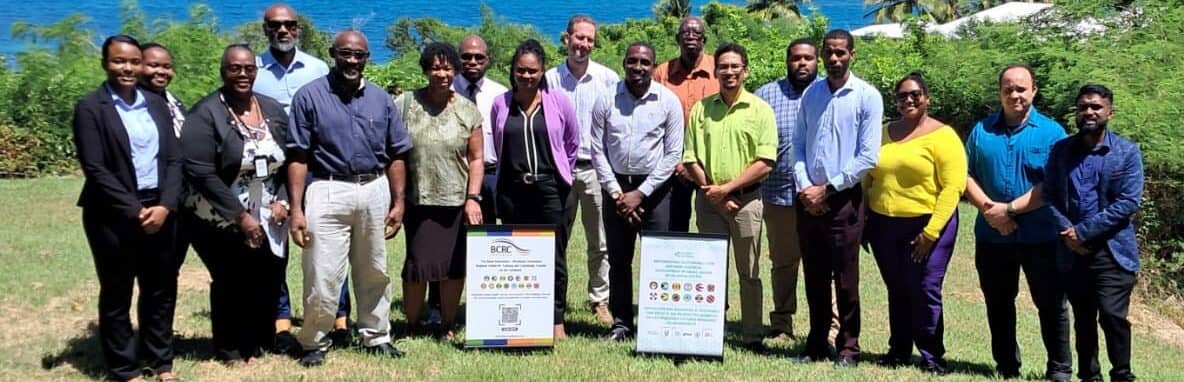
Antigua and Barbuda Hosts National Priority Workshop on Hazardous Waste Management
The Government of Antigua and Barbuda, in collaboration with the Basel Convention Regional Centre for Training and Technology Transfer for the Caribbean (BCRC–Caribbean), convened a pivotal National Priority Workshop on Hazardous Waste Management on October 2, 2025. Held at the Antigua and Barbuda Hospitality Training Institute (ABHTI) in Osbourn, the event marked a significant milestone in the nation’s efforts to address hazardous waste challenges. The workshop was part of the Global Environment Facility (GEF) ISLANDS Programme, a regional initiative aimed at fostering sustainable and non-chemical development across twelve Caribbean nations. Antigua and Barbuda is currently implementing Output 2.2 of the programme, which focuses on developing a National Hazardous Waste Strategy and Roadmap. This comprehensive strategy aims to strengthen policy frameworks, assess national capacities, and outline actionable steps for managing priority waste streams, including PCBs/POPs, obsolete pesticides, PFAS-containing foams, electronic waste, used lead-acid batteries, waste oils, and healthcare waste. During the workshop, national representatives emphasized the urgency of tackling hazardous waste, noting its growing risks to the country’s natural beauty and public health. A key concern highlighted was the improper categorization and treatment of medical waste, a challenge shared across the Caribbean region. The event served as both a validation and planning forum, enabling stakeholders to review collected data, identify gaps, and establish short-, medium-, and long-term priorities. Presentations covered initial assessments of national capacity, sectoral consultations, and field visit outcomes. Discussions also focused on prioritizing critical waste issues, setting the stage for the next phase of roadmap validation. The session concluded with a Country Engagement Forum led by BCRC–Caribbean, providing an overview of regional activities and gathering stakeholder feedback. By uniting government agencies, technical experts, and local stakeholders, the workshop underscored Antigua and Barbuda’s commitment to enhancing its hazardous waste management framework under the ISLANDS Programme.
-

COMMENTARY: No Empty Chairs: The Case for Attending the 2025 Summit of the Americas
The Dominican Republic (DR) is set to host the 2025 Summit of the Americas, a pivotal gathering of 32 Western Hemisphere nations. However, the event has already sparked controversy with the DR government’s announcement on September 30 that Cuba, Nicaragua, and Venezuela will not be invited. The decision, framed as necessary to ensure broad political dialogue and summit success, mirrors the 2022 Summit in Los Angeles, where the exclusion of these nations led to protests and boycotts by some leaders. The DR emphasized that this move does not affect bilateral relations with the excluded countries. The exclusion is likely to reignite debates over ideological rifts within the hemisphere, particularly as global and regional challenges—such as conflicts in the Middle East and Europe—cast economic and security shadows over the Americas. The Summit’s agenda focuses on four critical security pillars: citizen security, energy security, water security, and food security. Latin America and the Caribbean face significant challenges in these areas, including the world’s highest homicide rates, water insecurity, and elevated food prices. The DR has been preparing for the Summit since February, with a draft declaration issued in June and negotiations among the 32 participating countries ongoing since September 11. A key initiative is the CEO Convocation, co-hosted with the Inter-American Development Bank, aimed at fostering public-private partnerships to address these challenges. Additionally, the Summit seeks to advance trade and economic integration across the region, with a focus on customs facilitation, reliable transportation links, and infrastructure development. Caribbean leaders are urged to attend to address specific regional concerns, such as the UN Security Council’s decision on Haiti and climate change negotiations. Despite the political controversy, the Summit offers an opportunity for leaders to engage in constructive dialogue, manage differences, and advance hemispheric cooperation. The DR government has framed the exclusions as a Summit-specific decision, encouraging leaders to attend and advocate for their national interests. Absence, it argues, only diminishes their influence in shaping decisions that impact the entire region.
-
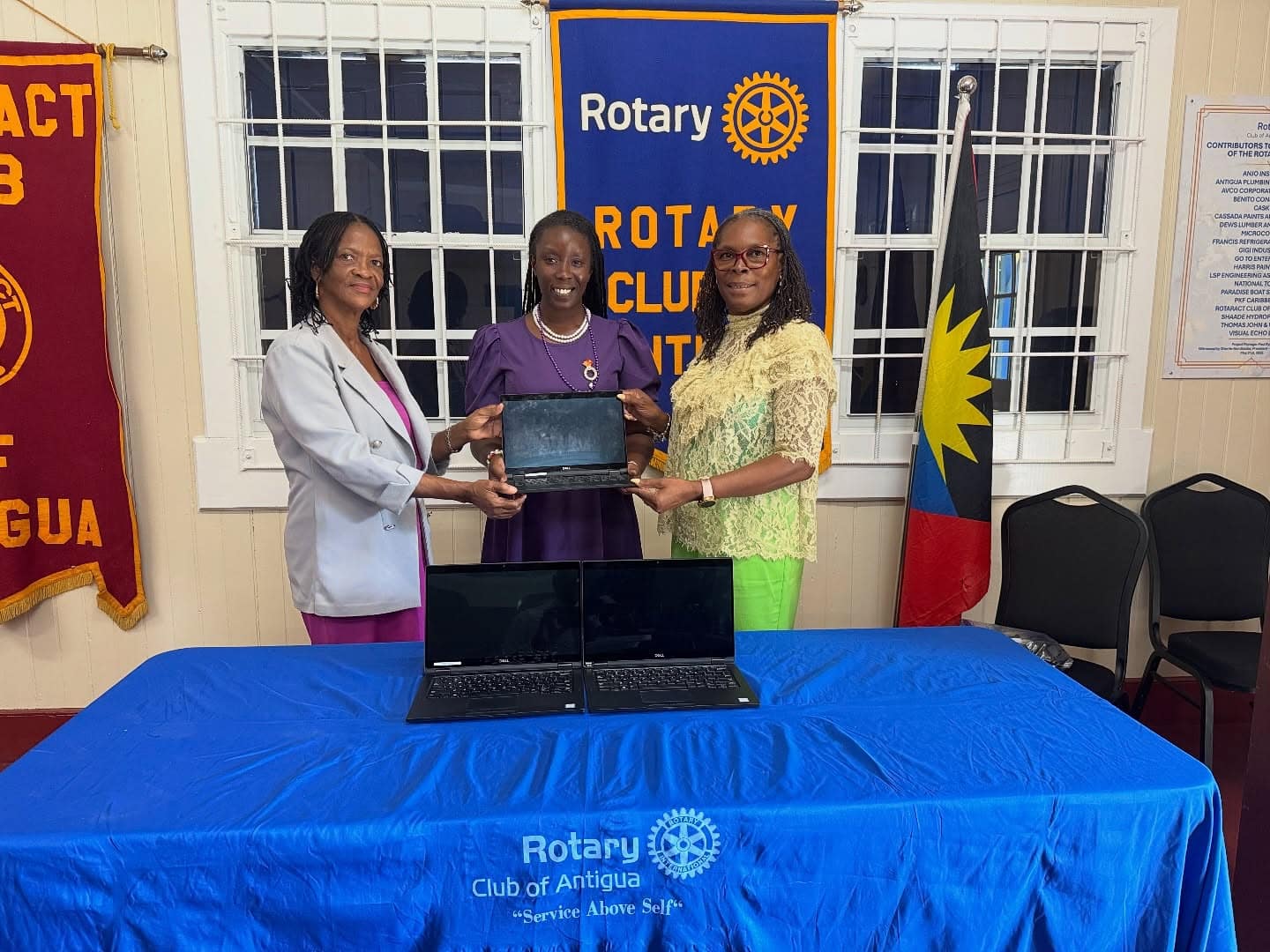
Rotary Club of Antigua Advances Education Through Technology Programme
The Rotary Club of Antigua has taken a significant step forward in its mission to enhance education and professional development through its Education Through Technology Programme. On October 1, 2025, the organization distributed laptops to several key institutions and educators, marking a pivotal moment in their ongoing efforts to bridge the digital divide. Among the recipients were The Tiny Smiles Preschool and Daycare Centre, the New Bethel Seventh Day Adventist Academy, the Caribbean Council of the Blind, the Industrial Workshop for the Blind, The Victory Center, and Industrial Arts Teacher Fitzgerald Ponde. Each representative expressed profound gratitude for the Rotary Club’s support in advancing technological growth and training within their respective fields. President Elisa Graham emphasized the club’s unwavering commitment to fostering technological development among young minds, highlighting the collaboration with international partners, such as the Bellevue Breakfast Rotary Club from Washington State. This initiative underscores the Rotary Club of Antigua’s dedication to leveraging local and global resources to meet the evolving needs of schools and students.
-
OPINION: Obsession with getting lucrative IPL contracts Causing West Indies batting Woes
The West Indies cricket team continues to struggle with its batting performance across all formats—Test, One Day Internationals (ODIs), and T20s. Historically, the region produced legendary batsmen who honed their skills through extensive first-class cricket, often in competitive environments like the English County circuit. However, the modern era has seen a dramatic shift in priorities among West Indian cricketers, driven by the lucrative allure of T20 franchise leagues such as the Indian Premier League (IPL).
Today, young cricketers are less inclined to invest years in perfecting their craft through traditional first-class cricket, which offers modest financial rewards compared to the millions available in T20 leagues. This disparity has led to a focus on developing skills tailored to T20 cricket—such as aggressive hitting and high strike rates—rather than the patience and technique required for Test cricket. As a result, West Indian batsmen often struggle to maintain consistency in Test matches, where an average of over 40 runs per innings is considered the benchmark for quality.
The financial incentives of T20 cricket have fundamentally altered the mindset of West Indian players. Many now prioritize becoming ‘finishers’ or ‘six-hitters’ in T20 leagues, where quick runs and flashy performances can secure lucrative contracts. This approach, however, has eroded the traditional batting discipline that once defined West Indian cricket. The reckless ‘whoofing’ and ‘swiping’ seen in T20 matches have become the norm, making it difficult for players to transition to the more measured demands of Test cricket.
To address this crisis, cricket administrators and coaches must reconsider the incentive structures that drive player behavior. Introducing performance-based premiums for Test cricket, such as bonuses for centuries or high averages, could help bridge the financial gap between Test and T20 cricket. Additionally, offering post-retirement career support, such as coaching or broadcasting opportunities, could make Test cricket a more attractive long-term option for players.
In T20 cricket, a more strategic batting approach could also be implemented to reduce reckless shot-making while still allowing players to achieve the high scores needed to secure franchise contracts. For example, coaches could set specific scoring targets for different phases of the game, encouraging batsmen to play responsibly in the early overs and unleash their aggression only in the final stages.
Ultimately, the West Indies cricket team’s batting woes are a symptom of broader systemic issues. Without addressing the financial and structural disparities between Test and T20 cricket, the region will continue to struggle to produce the kind of world-class batsmen it once did. A balanced approach that values both formats equally is essential to revive West Indian cricket’s former glory.
-
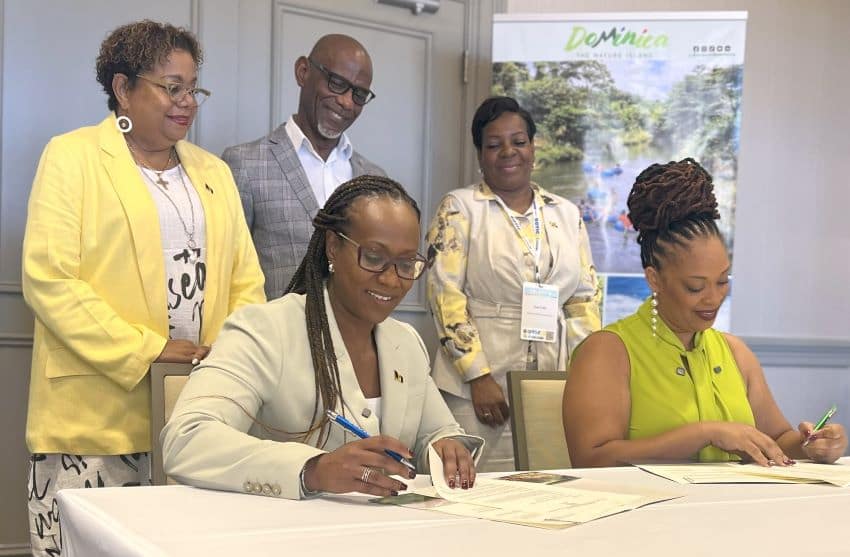
Barbados & Dominica Join Forces To Offer Multi-Destination Tourism Experiences
In a groundbreaking move to enhance their tourism sectors, Barbados and Dominica have signed a Memorandum of Understanding (MOU) to collaborate on marketing, sustainable tourism, and multi-destination packages. The agreement was formalized on October 1, 2025, at the Hilton Barbados Resort during the State of the Tourism Industry Conference (SOTIC). Represented by the Barbados Tourism Marketing Inc. (BTMI) and the Discover Dominica Authority (DDA), the partnership aims to leverage the unique strengths of both islands to attract global travellers and foster regional economic growth.