标签: Antigua and Barbuda

安提瓜和巴布达

  • APUA to Coordinate Pipe Replacement Before Roads And Drains Project In St. John’s

    APUA to Coordinate Pipe Replacement Before Roads And Drains Project In St. John’s

    The Antiguan government has announced a strategic overhaul of infrastructure planning in the capital city, prioritizing coordination between utility and public works agencies to prevent the recurrent problem of newly paved roads being excavated shortly after completion.

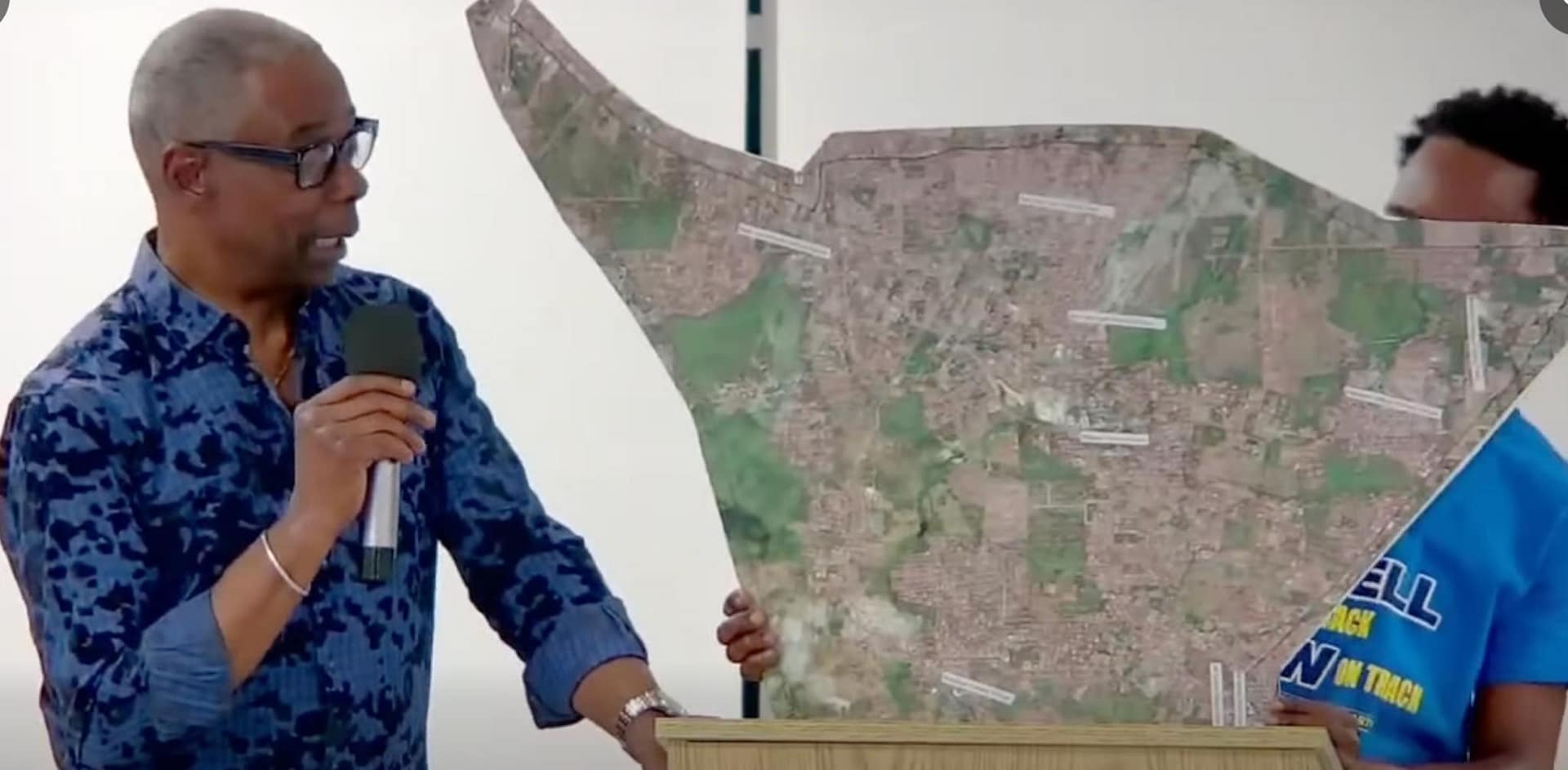
    Works Minister Maria Browne revealed during a public consultation on capital redevelopment that the Antigua Public Utilities Authority (APUA) will complete comprehensive pipe replacement operations before any road resurfacing commences in St. John’s. This sequenced approach addresses the longstanding issue where recently reconstructed streets suffered damage from subsequent underground utility work.

    Minister Browne emphasized the critical nature of this coordination, noting that much of the city’s subterranean water infrastructure has deteriorated with age and requires urgent replacement. The minister articulated that conducting these essential upgrades prior to road rehabilitation represents a fiscally responsible strategy that will minimize public inconvenience, optimize resource allocation, and significantly extend the operational lifespan of new road surfaces.

    This initiative signals a transformative shift in how government agencies approach major infrastructure projects. According to Browne, the new methodology reflects an evolving paradigm of interdepartmental cooperation as Antigua embarks on substantial urban renewal efforts throughout St. John’s. The coordinated planning framework aims to establish a new standard for municipal development projects across the island nation.

  • Government to Renovate Its Own Buildings in St. John’s, Works Minister Says

    Government to Renovate Its Own Buildings in St. John’s, Works Minister Says

    The Antiguan government has announced it will commence comprehensive renovations of its administrative buildings in St. John’s as part of a broader urban renewal strategy. Works Minister Maria Browne revealed the plan during a public consultation on the capital’s redevelopment, emphasizing that the state must demonstrate leadership in the revitalization effort.

    Minister Browne identified multiple government-owned properties requiring significant upgrades and repairs. These improvements will serve as a visible commitment to enhancing both the aesthetic appeal and functional capacity of the nation’s capital. The initiative positions public infrastructure as a model for the private sector, showcasing the standards that the government encourages all property owners to adopt.

    The announcement occurs within the context of ongoing dialogues addressing urban deterioration, infrastructure modernization, and the collective responsibility shared between public institutions and private stakeholders. Browne’s statements underscore a philosophical approach to urban renewal where governmental action precedes private sector participation, creating a tangible benchmark for quality and investment in the built environment.

    This coordinated approach signals a new chapter in St. John’s development strategy, combining public sector initiative with calls for complementary private investment to achieve comprehensive urban transformation.

  • Property Owner Says Boundary Dispute Has Blocked Renovation on Her Newgate Street Property

    Property Owner Says Boundary Dispute Has Blocked Renovation on Her Newgate Street Property

    A prominent urban renewal initiative in St. John’s faces significant challenges as administrative delays and unresolved regulatory disputes hinder private investment. During a recent public consultation on the capital’s redevelopment, a Newgate Street property owner revealed that their renovation plans have been immobilized for years due to a protracted boundary line controversy and procedural bottlenecks within the Development Control Authority (DCA).

    The property owner detailed extensive but fruitless efforts to navigate the planning approval process, with the boundary issue creating an insurmountable barrier to obtaining necessary permits. This stagnation persists despite government appeals for private owners to upgrade and maintain their buildings as part of a broader urban revitalization campaign.

    The case emerged during wider discussions concerning derelict structures and stalled development projects throughout the city. Participants in the consultation unanimously warned that the city’s renewal objectives would remain unachievable unless systemic administrative obstacles are addressed. They emphasized that compliant property owners are becoming discouraged by the sluggish pace of bureaucratic resolution.

    Public officials acknowledged the validity of these concerns during the dialogue, recognizing the critical need for more transparent processes and expedited dispute resolution mechanisms. The discussion concluded with a consensus on prioritizing reform to streamline planning approvals and boundary verification procedures, aiming to foster a more conducive environment for urban redevelopment and private sector participation in St. John’s transformation.

  • Cabinet Pledges Support for Injured Drag Racer Jason Marsh

    Cabinet Pledges Support for Injured Drag Racer Jason Marsh

    The government of Antigua and Barbuda has formally committed to providing assistance to nationally acclaimed drag racer Jason Marsh, who sustained severe injuries during a competitive event in the Virgin Islands. The Cabinet addressed Marsh’s critical condition during its weekly session, according to official statements from the Prime Minister’s Office.

    Maurice Merchant, Director General of Communications, revealed that ministers were thoroughly briefed on the gravity of the incident that left the celebrated athlete hospitalized. While specific details regarding the nature of Marsh’s injuries or the precise form of governmental support remain undisclosed, the Cabinet unanimously expressed its commitment to facilitating his recovery process.

    The administration extended heartfelt condolences and solidarity not only to Marsh himself but also to his immediate family and extensive network of supporters within the racing community. Merchant emphasized Marsh’s esteemed status as one of the nation’s most distinguished motorsports figures, highlighting the broader significance of his contributions to the sporting world.

    This demonstration of institutional support underscores the government’s recognition of athletic excellence and its dedication to citizen welfare during times of crisis. The incident has drawn attention to the inherent risks associated with high-speed motorsports while simultaneously showcasing national unity in supporting injured athletes.

  • SNRA & PMS Students Benefit from IHO’s GBV Awareness Workshops Ahead of GBV Walk 2026

    SNRA & PMS Students Benefit from IHO’s GBV Awareness Workshops Ahead of GBV Walk 2026

    In a significant initiative to combat gender-based violence (GBV), the International Humanitarian Organization (IHO) has successfully conducted a series of educational workshops for students at SNRA and PMS institutions. These preparatory sessions are strategically designed to build momentum and deepen understanding ahead of the planned GBV Walk awareness campaign in 2026.

    The comprehensive workshops provided students with crucial knowledge about the various forms of GBV, including physical, psychological, and economic abuse. Facilitators employed interactive methodologies, including case studies, role-playing exercises, and open forums, to engage participants in critical discussions about prevention, support mechanisms, and legal frameworks.

    This educational initiative represents a proactive approach to addressing GBV by empowering youth with the tools to become advocates for change within their communities. The program emphasized the importance of bystander intervention, consent education, and the creation of safe reporting environments for survivors.

    Organizers highlighted that the 2026 GBV Walk will serve as a major public demonstration against violence, with these prepared students forming the core of informed participants who can effectively communicate the campaign’s message to broader audiences. The IHO’s long-term strategy focuses on creating sustainable educational models that can be replicated across other academic institutions globally.

  • 3.7 Magnitude Earthquake Recorded North-Northeast of Antigua

    3.7 Magnitude Earthquake Recorded North-Northeast of Antigua

    A minor seismic event registering a preliminary magnitude of 3.7 struck the northeastern Caribbean region in the early hours of Friday, January 31st. According to automated monitoring systems operated by the University of the West Indies Seismic Research Centre, the tremor occurred at 4:46 a.m. local time (08:46 UTC) with an estimated focal depth of 12 kilometers.

    The epicenter was precisely geolocated at coordinates 17.58 degrees north latitude and 61.73 degrees west longitude, placing it approximately 53 kilometers north-northeast of St. John’s, Antigua and Barbuda. The seismic activity was also detected 102 kilometers northeast of Brades, Montserrat, and approximately 115 kilometers east-northeast of Basseterre, Saint Kitts and Nevis.

    Initial assessments from regional monitoring authorities indicate no immediate reports of structural damage, injuries, or significant impact on local communities. The Seismic Research Centre emphasized that preliminary magnitude and location data are automatically generated by sophisticated computer algorithms and remain subject to potential revision following comprehensive scientific analysis by their expert seismologists. Such minor tremors are considered common occurrences within the seismically active Caribbean region, where tectonic plate interactions frequently generate detectable but typically harmless seismic activity.

  • Kia Kirwan Takes First Runner-Up at Miss OECS 2026 Pageant

    Kia Kirwan Takes First Runner-Up at Miss OECS 2026 Pageant

    In a dazzling display of grace and intellect, Kia Kirwan has achieved the distinguished position of first runner-up at the Miss OECS 2026 Pageant. The highly anticipated event, which showcases the cultural richness and emerging talent from the Organization of Eastern Caribbean States, concluded with Kirwan’s remarkable accomplishment placing her just steps away from the coveted crown.

    Kirwan’s journey through the competition was marked by her exceptional performance across multiple segments, including the traditional evening gown presentation, a probing question-and-answer segment that tested contestants on current regional affairs, and a vibrant cultural display that highlighted the unique heritage of her represented territory. Her articulate responses and poised demeanor throughout the competition earned her widespread acclaim from the panel of international judges and audience members alike.

    The pageant, which serves as a significant platform for promoting tourism, cultural exchange, and youth empowerment across the Eastern Caribbean, drew contestants from all member states. Kirwan’s achievement is not merely a personal victory but is celebrated as a national triumph, bringing positive recognition to her home country and inspiring a new generation of young women across the region to pursue their ambitions with confidence and grace.

    While the title of Miss OECS 2026 was awarded to another deserving delegate, Kirwan’s first runner-up finish establishes her as a formidable ambassador for the OECS. In this role, she is expected to undertake a series of diplomatic and charitable engagements throughout the year, focusing on key regional issues such as environmental conservation, education advocacy, and community development.

  • CARICOM Saddened by passing of former LIAT Managing Director Dr Warren Smith

    CARICOM Saddened by passing of former LIAT Managing Director Dr Warren Smith

    The Caribbean Community (CARICOM) has announced with profound sorrow the passing of Dr. William Warren Smith, CD, the esteemed former President of the Caribbean Development Bank (CDB) and a revered figure in regional economics. Recognized as a visionary development economist, Dr. Smith’s career was characterized by an unwavering dedication to the advancement of the Caribbean region.

    His distinguished service included transformative leadership roles at the helm of the Caribbean Development Bank and LIAT (1974) Ltd., in addition to holding several high-level governmental positions in his native Jamaica. Colleagues and contemporaries consistently highlighted the intellectual rigor, unwavering integrity, and profound commitment to social betterment that defined his professional ethos. Dr. Smith was widely regarded as a source of thoughtful counsel and a paradigm of principled governance, leaving an indelible mark on the institutions he served.

    In an official statement, CARICOM expressed its deep condolences, extending sympathies to Dr. Smith’s bereaved family, friends, and his former colleagues across the numerous organizations he uplifted with his expertise. His legacy is enshrined in the continued pursuit of economic resilience and improved quality of life for the people of the Caribbean, a mission he championed throughout his illustrious career.

  • OPINION: Caribbean Corporal Punishment

    OPINION: Caribbean Corporal Punishment

    A recent judicial caning in Indonesia, where a couple received 140 lashes for sex and alcohol offenses, has reignited global discourse on corporal punishment practices. This incident casts a revealing light on the Caribbean’s complex relationship with physical punishment, where such practices persist despite formal prohibitions.

    Historical records indicate that Caribbean nations under colonial rule frequently employed caning, particularly for sexual offenses, with incidence rates potentially reaching astronomical figures. The cultural persistence of these practices demonstrates the limitations of international efforts, including those by the European Union, to standardize global human rights approaches.

    Jamaican cinema provides perhaps the most visceral depiction of this practice through Perry Henzell’s classic film ‘The Harder They Come,’ which features a brutal tamarind switch caning scene that remains difficult to watch decades after its production. This artistic representation mirrors the lived experiences of many Caribbean residents who recall educational caning as creating not reform but rather sophisticated evasion techniques and lasting resentment toward authority figures.

    The psychological dimension of corporal punishment often proves as significant as the physical aspect, with the anticipation of pain and the humiliation of the experience creating lasting trauma. While girls historically faced fewer floggings, exceptions occurred, particularly in cases of ‘wilding’ where palms were typically targeted.

    Jamaica formally ceased prison whipping in 2012 under the order of the current Opposition Leader, though school corporal punishment remains widespread across age groups including very young children. Despite government discussions about implementing a total ban on child corporal punishment in 2024, concrete legislative action has yet to materialize, suggesting political considerations may be delaying progress.

    International attention focused on Jamaica in 2021 when Forbes highlighted a program addressing teacher violence against students. This spotlight represents an opportunity for meaningful reform and distance from what many consider an unsavory cultural heritage.

    The progressive stance of many South and Central American nations, which prohibit corporal punishment across domestic, educational, and penal institutions, stands in stark contrast to the Caribbean’s slower pace of reform. As the Indonesian case demonstrates, the continued practice of judicial corporal punishment anywhere maintains a global conversation about punishment, culture, and human rights that particularly resonates in regions with their own complex histories of physical discipline.

  • Former CDB President Dr Warren Smith Dies

    Former CDB President Dr Warren Smith Dies

    The Caribbean Development Bank (CDB) community is grieving the passing of its fifth President, Dr. William Warren Smith, who died on January 30, 2026. The distinguished Jamaican development practitioner led the regional financial institution from 2011 to 2021, steering it through a decade of significant global and regional challenges.

    Dr. Smith’s transformative leadership saw CDB strengthen its position as a crucial partner for Caribbean nations, particularly in mobilizing resources for sustainable growth and resilience building. His presidency emphasized climate resilience, disaster risk management, and innovative financing mechanisms that enabled Caribbean states to better withstand natural disasters and external economic shocks.

    Beyond his technical contributions, Dr. Smith was remembered as a principled leader who championed good governance, sound economic management, and institutional strengthening as foundations for inclusive development. Current CDB President Daniel M. Best described his predecessor as “a mentor and guide” who demanded excellence while maintaining an unwavering belief in the Bank’s regional mission.

    Dr. Smith’s service earned him numerous honors, including Jamaica’s Order of Distinction (Commander Class). The Bank announced plans to work with his family on arrangements to celebrate his life and contributions, with a condolence book available at its Wildey Headquarters starting February 2, 2026.

    The CDB leadership extended heartfelt sympathies to Dr. Smith’s wife, family, and colleagues, recognizing his legacy as both an institutional builder and a dedicated advocate for Caribbean development.