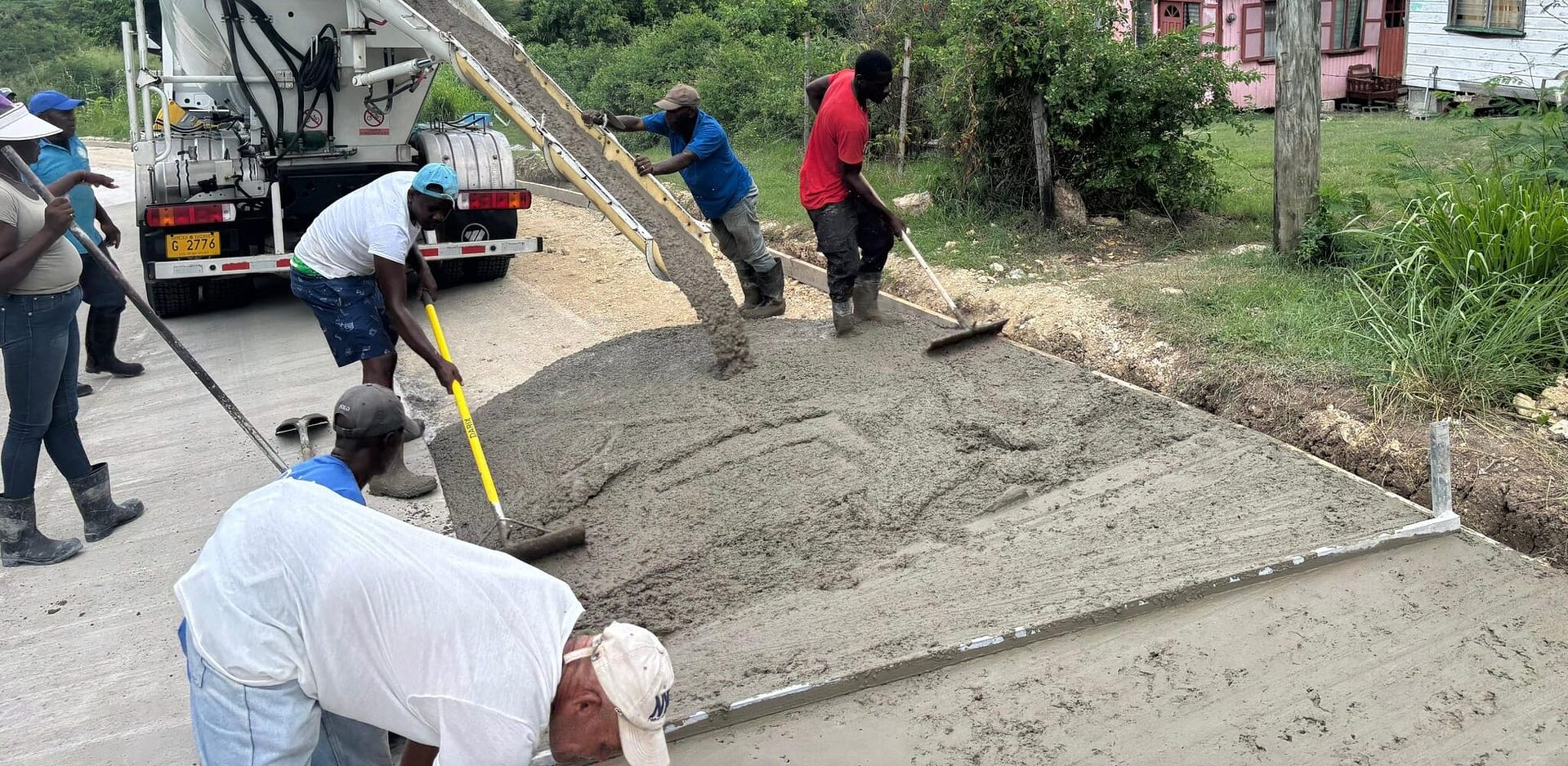
The Antigua & Barbuda Transport Board (ABTB) has issued a public advisory regarding a temporary road closure at the intersection of All Saints Road and Independence Drive, near Robinson’s Service Station. The closure is scheduled for Thursday, October 16, 2025, from 12:00 a.m. to 6:00 a.m., to facilitate essential road marking works. Motorists are advised to exercise caution during this period and utilize alternative routes to avoid disruptions. The ABTB emphasized that the closure is necessary to ensure the safety and efficiency of the road infrastructure. For further inquiries, the public can contact the ABTB Road Marking & Signage Division at 480-8300/1. This initiative underscores the government’s commitment to maintaining and improving transportation networks across the island.
标签: Antigua and Barbuda
安提瓜和巴布达
-
St. Phillip’s North to Host Community Health Fair
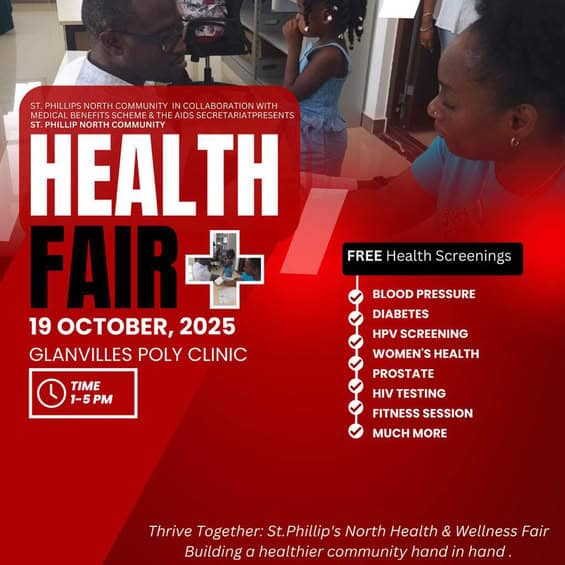
The St. Phillip’s North community is gearing up to host a comprehensive health fair on Sunday, 19 October 2025, at the Glanvilles Poly Clinic. The event, running from 1pm to 5pm, will offer free health screenings to residents, including blood pressure checks, diabetes testing, HPV screenings, women’s health evaluations, prostate exams, and HIV testing. In addition to the medical services, the fair will feature a fitness session and various wellness activities designed to promote a healthier lifestyle. Organisers have highlighted the event’s mission to enhance community well-being, encapsulated in the slogan, “Thrive Together: St. Phillip’s North Health & Wellness Fair – building a healthier community hand in hand.” The initiative is a collaborative effort involving the St. Phillip’s North community, the Medical Benefits Scheme, and the AIDS Secretariat. Residents are encouraged to attend and take full advantage of the resources and services provided. This event underscores the importance of accessible healthcare and community-driven wellness initiatives in fostering a healthier population.
-
State Department Revokes Visas for Foreign Nationals Who Celebrated Charlie Kirk’s Assassination
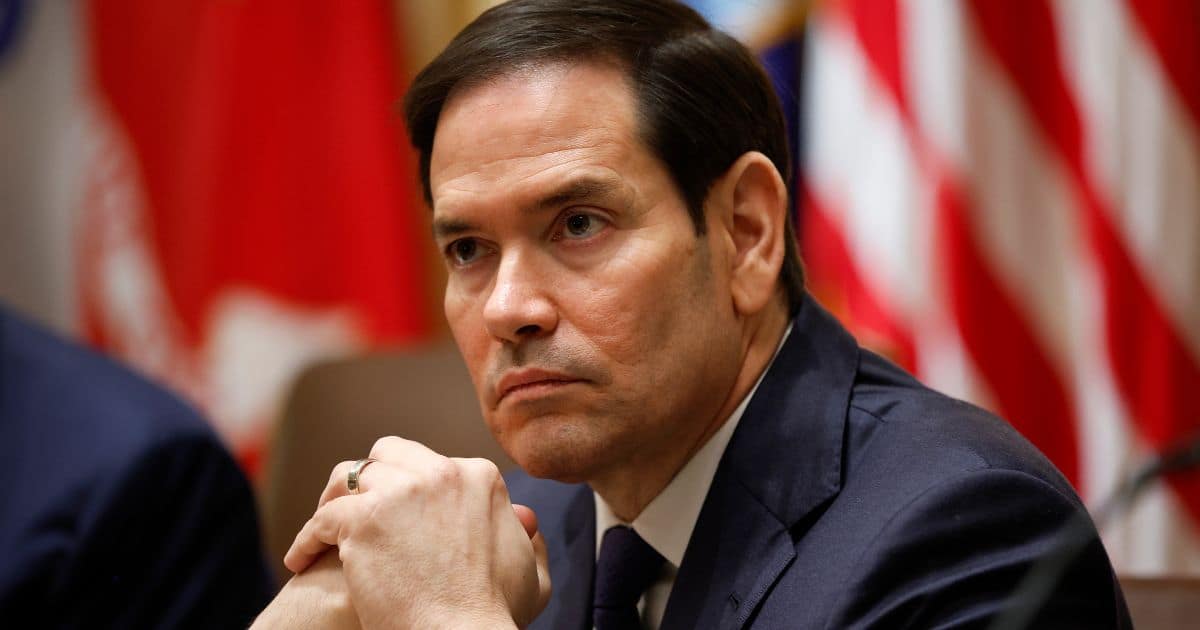
In a decisive move, the U.S. State Department has revoked the visas of several foreign nationals who publicly celebrated the assassination of conservative figure Charlie Kirk. The announcement, made via a series of posts on X (formerly Twitter), underscores the administration’s commitment to protecting American values and citizens from those who glorify violence and hatred. Secretary of State Marco Rubio and President Donald Trump have both emphasized that the U.S. will not tolerate individuals who exploit its hospitality to spread divisive rhetoric or celebrate the death of Americans. Among those affected are individuals from Argentina, South Africa, Mexico, Brazil, Germany, and Paraguay, whose inflammatory comments about Kirk’s death were deemed unacceptable. Deputy Secretary of State Chris Landau had earlier expressed his disgust at the gleeful reactions to Kirk’s assassination, directing consular officials to take swift action. The visa revocations, which began immediately after the incident, signal a broader effort to enforce immigration laws and safeguard national integrity. This development follows a high-profile meeting between President Trump, Secretary Rubio, and Argentine President Javier Milei at the White House, highlighting the administration’s focus on both domestic and international security concerns.
-

OPINION: Mental Health is the New Economic Imperative
As the world observes Mental Health Awareness Month each October, the focus often remains on awareness rather than actionable change. However, mental well-being is not merely a health concern but a critical economic imperative. The mental wellness of a population directly influences a nation’s capacity for growth, innovation, and sustainable development. Without it, policies, investments, and technological advancements fall short of their potential. Globally, over one billion people live with mental health conditions, with depression and anxiety alone costing the world economy an estimated $1 trillion annually in lost productivity, according to the World Health Organization (WHO). The International Labour Organization (ILO) adds that 12 billion working days are lost each year due to mental distress, undermining productivity and economic stability worldwide. For small island developing states like Antigua and Barbuda, the impact is even more severe. These nations rely heavily on human capital, particularly in tourism, education, and service industries. When mental health falters, economies stall. The Organisation for Economic Co-operation and Development (OECD) estimates that in some countries, the cost of mental ill-health exceeds 4% of GDP, surpassing education budgets. This underscores that the mental health crisis is not just a moral issue but an economic emergency. Antigua and Barbuda is now at a pivotal moment. The government is set to introduce a groundbreaking Mental Health Bill, replacing the outdated Mental Treatment Act of 1957, which reflected an era of confinement and stigma rather than compassion and science. Developed with technical support from the Pan American Health Organization (PAHO), the new legislation aligns with international human rights standards, ensuring voluntary care, protecting against discrimination, and expanding access to mental health services. In September 2025, PAHO engaged government officials, healthcare professionals, and civil society in finalizing the bill, emphasizing a shift from institutional care to community-based, rights-oriented models. This reform is not just about health; it’s an economic strategy. Timely and dignified mental health care enables individuals to work, create, and contribute to national growth. Reducing stigma fosters inclusive and productive workplaces, while accessible care strengthens families and social systems. Antigua and Barbuda’s collaboration with PAHO through the Multi-Country Cooperation Strategy (MCCS) marks a critical shift in prioritizing mental health, equity, and primary-care integration. The nation also co-hosted the hemispheric event “Uniting the Americas for Mental Health: From Commitment to Action” during the OAS General Assembly, setting a regional agenda that positions mental wellness as central to sustainable development. The Caribbean’s unique challenges—economic uncertainty, climate-related disasters, and colonial trauma—make this reform especially urgent. The ILO warns that precarious work and job insecurity are leading psychosocial risk factors, with nearly half of Caribbean workers experiencing these conditions. However, evidence shows that investment in mental health yields remarkable returns: for every $1 invested, the WHO finds an average return of $2 or more in better health and productivity. Antigua and Barbuda’s reform serves as a model for small island states, aiming to modernize care, deinstitutionalize treatment, and strengthen community services. Effective implementation can enhance workforce participation, reduce dependency ratios, and foster innovation. However, the law alone is insufficient. Investment in human resources, data systems, and public education is crucial. Training more community health professionals, equipping primary care centers, and teaching emotional literacy in schools are essential steps. Currently, mental health spending in many low- and middle-income countries accounts for less than 2% of total health budgets, a figure Antigua and Barbuda must surpass to set a regional benchmark. Cultural change is equally vital. Normalizing conversations around mental wellness and prioritizing psychological safety in homes, schools, and workplaces fosters emotional resilience, enabling populations to respond to shocks and build sustainable livelihoods. Antigua and Barbuda’s mental health reform is both timely and transformative, demonstrating that mental health is not a cost but a catalyst for progress. As the nation prepares to adopt the new Mental Health Bill, it has the opportunity to lead by example, building a society where dignity, inclusion, and care are seen not as luxuries but as economic strategies. Ultimately, there can be no real development without well-being and no lasting prosperity without peace of mind.
-
UPP Affirms Strong Support for CARICOM’S Position as a Zone of Peace
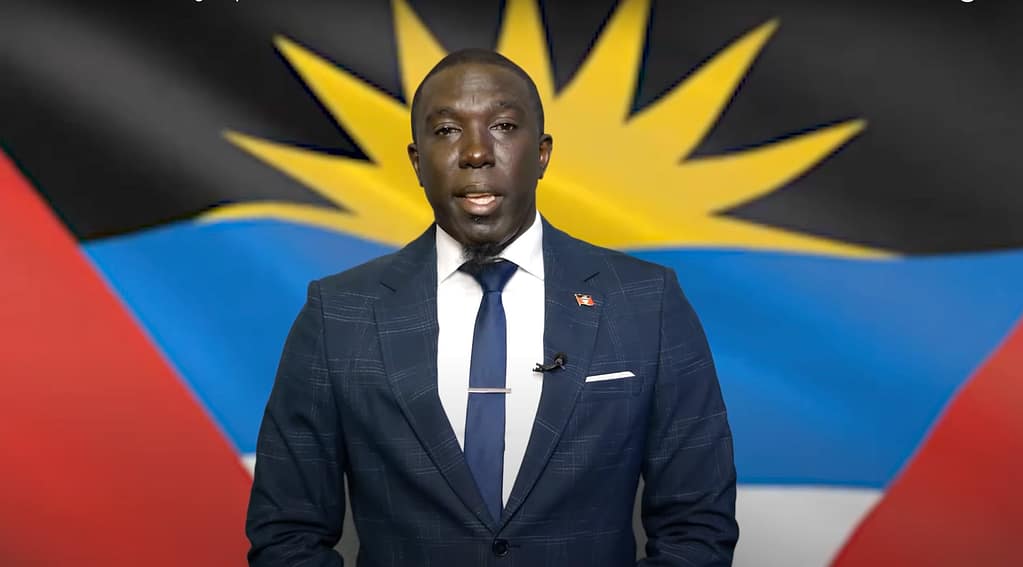
The United Progressive Party (UPP) has unequivocally endorsed the Caribbean Community’s (CARICOM) declaration designating the region as a Zone of Peace. In a formal statement released on Tuesday, the party emphasized its unwavering support for maintaining regional stability through peace and mutual respect. The UPP underscored its opposition to any actions that could jeopardize this vision, reaffirming its dedication to fostering harmony within the Caribbean and beyond. The statement highlighted the longstanding diplomatic ties between Antigua and Barbuda and the United States, as well as the cordial relations with Venezuela. The UPP also recalled the collaborative initiatives established during its previous administration, showcasing its commitment to international cooperation. The release concluded with a resounding call for peace, signed by key party leaders including Political Leader Hon. Jamale Pringle, Chairman Dame D. Gisele Isaac, General Secretary Sen. Shawn Nicholas, and Treasurer Leon George.
-

Police Seize Suspected Stolen Items in Multiple Operations
In a significant move to combat criminal activities, the Royal Police Force of Antigua and Barbuda has successfully seized a substantial amount of suspected stolen items. Over the past 72 hours, the police executed a series of coordinated search warrants across multiple communities on the island. The operations led to the confiscation of various goods, including garden tools, electrical appliances, light fixtures, and household items. Several individuals are currently under interrogation as part of the ongoing investigations. The police have urged victims of break-ins and larceny to contact the Criminal Investigations Department (CID) at 462-3913 to assist in identifying and reclaiming their property. Additionally, the Police Administration has emphasized the importance of securing homes and businesses and promptly reporting any suspicious activities to the nearest police station or by calling 911. This crackdown highlights the police’s commitment to maintaining public safety and reducing crime in the region.
-
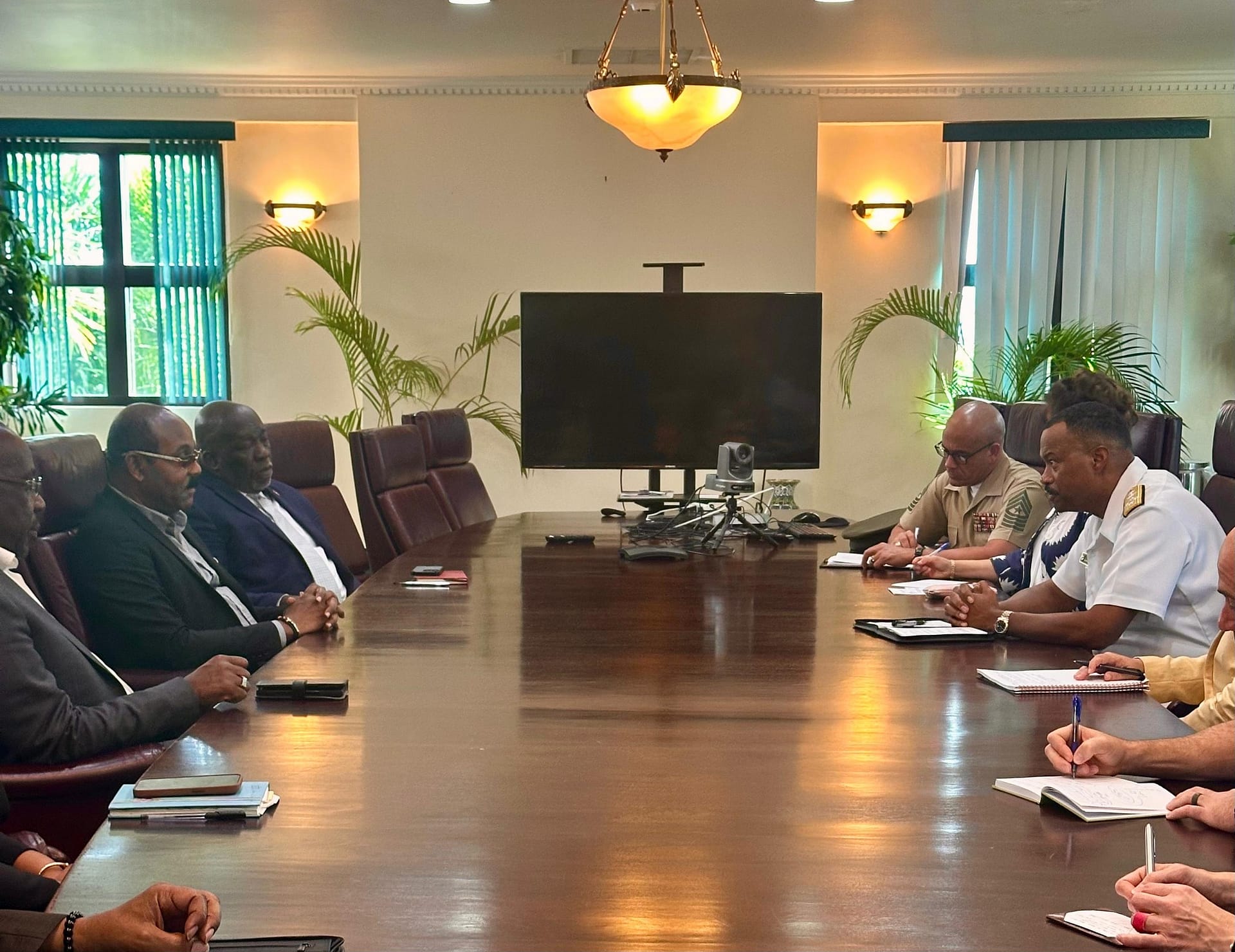
PM Browne: Antigua and Barbuda Will Not Host Foreign Military Assets
In a definitive statement, Prime Minister Gaston Browne of Antigua and Barbuda has declared that the twin-island nation has no intention of hosting foreign military installations or engaging in any form of military action. This announcement came ahead of a scheduled visit by U.S. Southern Command (SOUTHCOM) Commander Admiral Alvin Holsey, who is set to meet with regional leaders to discuss security cooperation. Browne emphasized that Antigua and Barbuda is committed to maintaining its current stance of not hosting military bases, a position he described as aligned with the nation’s interests and values. The U.S. Embassy in Bridgetown highlighted that Holsey’s visit underscores Washington’s dedication to enhancing regional security and stability in collaboration with Eastern Caribbean partners. Meanwhile, Grenada has confirmed it is reviewing a U.S. request to establish a radar system at the Maurice Bishop International Airport, signaling a nuanced approach to military cooperation in the region. Browne’s remarks reflect a broader Caribbean perspective on balancing sovereignty with international partnerships.
-
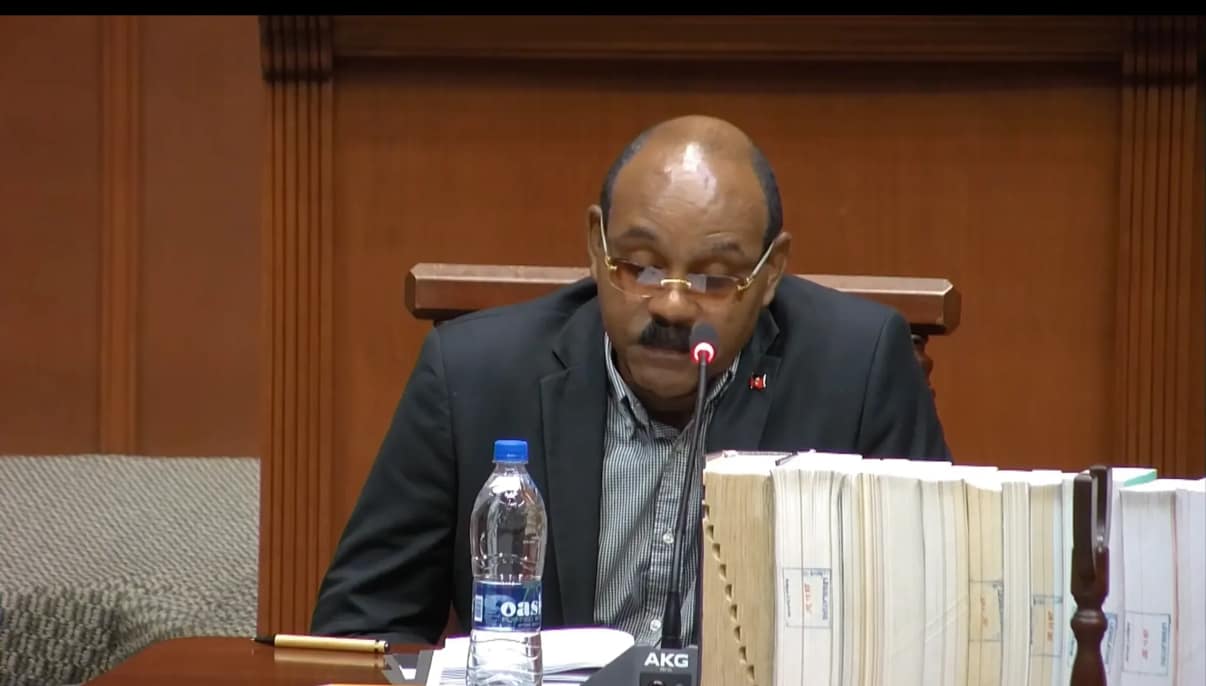
30-Day Residency, Mandatory Interviews and Biometrics Among Features of New CIP Bill
In a significant move to enhance the integrity of its Citizenship by Investment Programme (CIP), Antigua and Barbuda has introduced sweeping reforms. The changes, reviewed by a parliamentary select committee on Tuesday, include stricter residency requirements, mandatory biometric data collection, and enhanced due diligence measures. Prime Minister Gaston Browne, who chaired the session, emphasized that these reforms aim to align the nation’s CIP with global standards set by major jurisdictions such as the United States, Canada, the United Kingdom, and the European Union.
One of the most notable updates is the extension of the residency requirement for new citizens from five days to 30 days over a five-year period. While some critics argue for even longer stays, Browne acknowledged the challenges faced by busy businesspeople who may not have the flexibility for extended stays. Additionally, all new applicants will now be required to submit biometric data, necessitating the establishment of biometric centers across North America, Europe, Asia, and Africa. Existing CIP citizens will also need to provide biometric details during passport renewals.
Further measures include mandatory applicant interviews and strengthened background checks through the Joint Regional Communications Centre (JRCC). Browne also urged member states of the Organisation of Eastern Caribbean States (OECS) to harmonize their CIP implementation timelines to prevent arbitrage opportunities. He proposed a unified deadline of November 1 for all participating countries—Antigua and Barbuda, St. Kitts and Nevis, St. Lucia, Dominica, and Grenada—to pass and enforce the new legislation.
The bill, already endorsed by regional heads of government, is expected to undergo its second and third readings in Parliament later this week, with Senate consideration to follow. These reforms reflect Antigua and Barbuda’s commitment to bolstering international confidence in its CIP while ensuring transparency and compliance with global best practices.
-
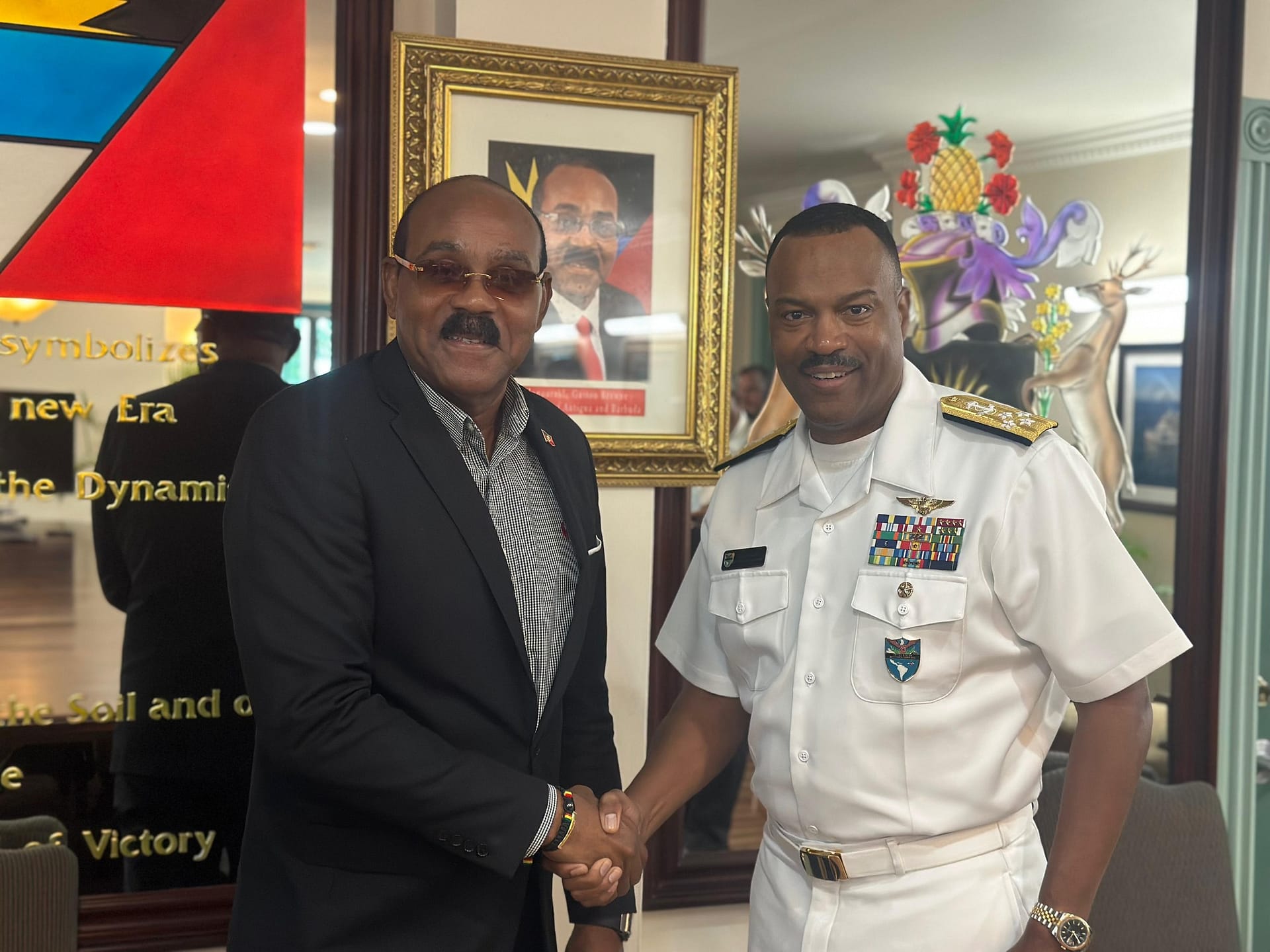
U.S. SOUTHCOM Commander Meets Antigua’s Prime Minister and Defence Chief
In a significant move to enhance regional security, Admiral Alvin Holsey, Commander of the U.S. Southern Command (SOUTHCOM), held high-level discussions this week with Antigua and Barbuda’s Prime Minister Gaston Browne and Chief of Defence Staff Brigadier Telbert Benjamin. The meetings, held in Antigua, focused on deepening bilateral defense cooperation between the United States and the Caribbean nation. Key areas of discussion included combating transnational organized crime, curbing illicit trafficking, and bolstering border security across the region. Admiral Holsey underscored the importance of the partnership, describing it as vital to maintaining stability and security in the Caribbean. SOUTHCOM reiterated its commitment to collaborating with Caribbean nations to disrupt criminal networks that pose threats to both regional and U.S. interests. This visit is part of SOUTHCOM’s broader strategy to strengthen defense alliances in the Caribbean through initiatives such as joint training, maritime domain awareness, and humanitarian assistance programs, facilitated by the U.S. Embassy in Bridgetown. The discussions mark a continued effort to address shared security challenges and foster long-term cooperation in the region.
-
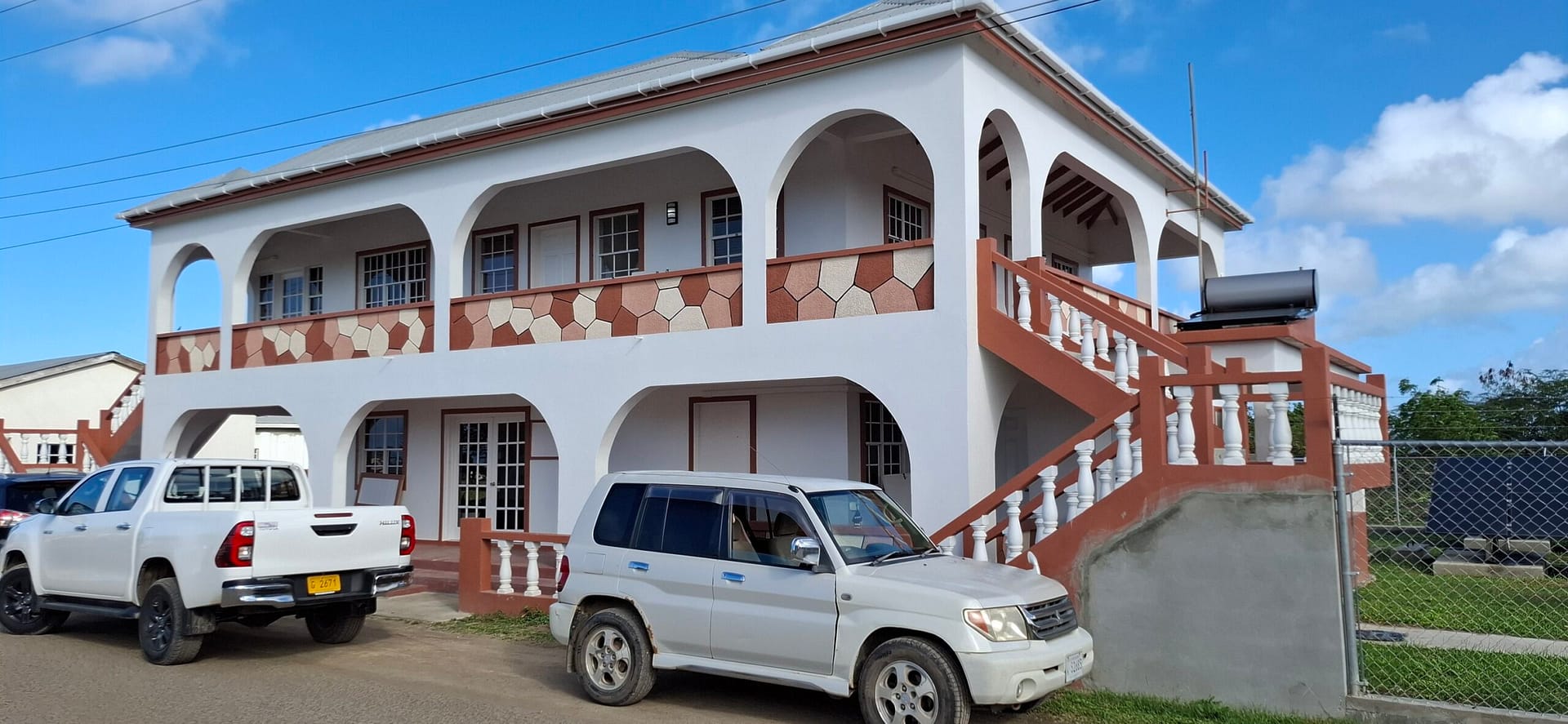
Ministry of Works Hails Renovation of Barbuda Council Building
The Ministry of Works has celebrated the completion of the Barbuda Council Administrative Building renovation, a significant achievement in the island’s infrastructure and governance. This project, finalized earlier this year, aims to enhance local administration and improve service delivery for Barbuda’s residents. Funded through a USD 31 million loan from the Caribbean Development Bank (CDB) and additional government investments, the refurbished building now boasts structural repairs, modern furnishings, and expanded spaces tailored to meet the needs of the island’s growing population. The renovation is part of a broader civil works program, which includes the rehabilitation of the Community Centre, now retrofitted for emergency shelter use, the construction of the National Office of Disaster Services (NODS) Operations Centre, and the development of a Community Multipurpose Centre/Emergency Shelter. Additionally, resilient concrete roads are being constructed across Barbuda to enhance transport safety and boost economic prospects. These initiatives are integral to a wider strategy aimed at providing modern infrastructure and supporting sustainable development on the sister isle.