标签: Antigua and Barbuda

安提瓜和巴布达

  • Government of Antigua and Barbuda to Host Executive Committee Meeting of the Council of Legal Education

    Government of Antigua and Barbuda to Host Executive Committee Meeting of the Council of Legal Education

    Antigua and Barbuda has been selected as the host nation for the biannual Executive Committee meeting of the Council of Legal Education (CLE), scheduled for January 30-31, 2026. The high-level gathering will convene at the prestigious St. James Club and Villas, marking a significant moment for Caribbean legal education collaboration.

    Established over five decades ago, the Council of Legal Education maintains its critical role in standardizing legal training across Caribbean nations while ensuring adherence to the highest ethical benchmarks within the profession. The Executive Committee functions as the primary administrative and strategic authority, directing regional legal education policies, overseeing law school operations, and formulating long-term developmental strategies.

    The upcoming summit will bring together Executive Committee members and Attorneys General from throughout the Caribbean region for intensive strategic dialogues. Key agenda items include enhancing operational effectiveness of CLE-affiliated law schools, addressing financial sustainability challenges, reviewing regulatory frameworks, and advancing the broader mission of legal education excellence across the Caribbean basin.

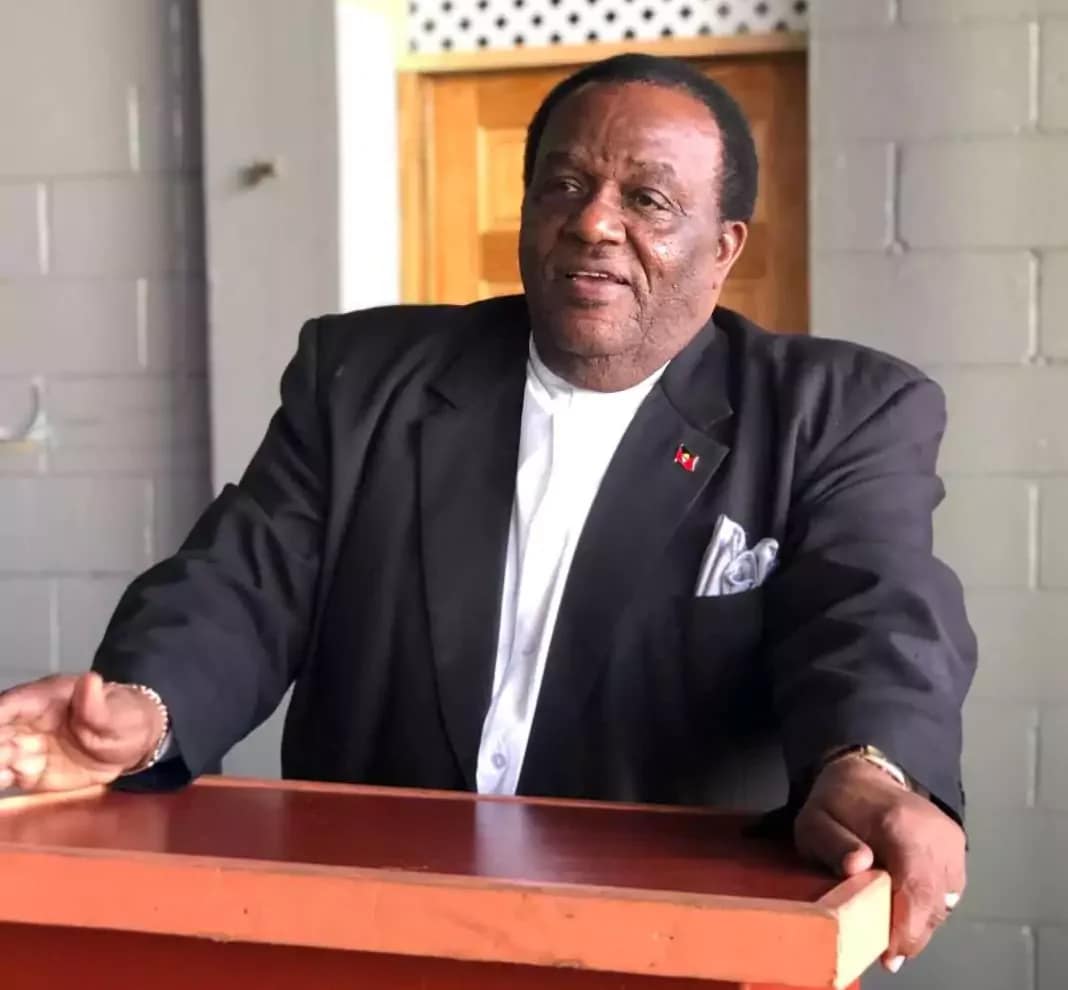
    Hon. Sir Steadroy ‘Cutie’ Benjamin, Minister of Legal Affairs and Attorney General, expressed profound honor regarding Antigua and Barbuda’s selection as host nation. ‘This prestigious gathering underscores our nation’s growing prominence in legal education leadership,’ Minister Benjamin stated, reaffirming the government’s dedication to fostering professional excellence and ethical integrity within the legal sector.

    The announcement reflects Antigua and Barbuda’s established track record in producing exceptional legal talent, with numerous graduates from regional law schools achieving distinction both within the Ministry of Legal Affairs and through private practice across the Caribbean region. The government anticipates the 2026 meeting will further solidify the nation’s contributions to advancing legal education standards throughout the Caribbean community.
  • Venezuela’s acting president says she has had ‘enough’ of US orders

    Venezuela’s acting president says she has had ‘enough’ of US orders

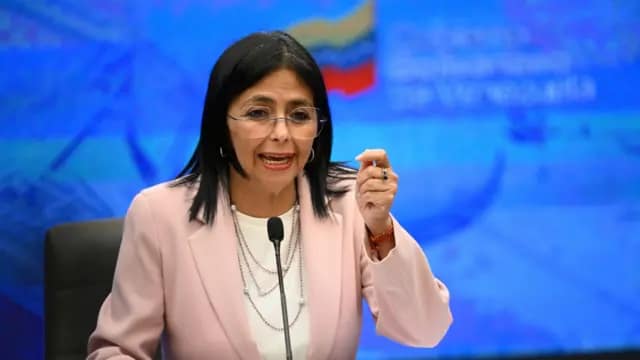
    Venezuela’s acting President Delcy Rodríguez has publicly challenged Washington’s directives, declaring she has had “enough” of external commands while navigating the nation’s complex political transition. The statement, delivered to oil workers in Puerto La Cruz and broadcast on state television, marks a significant shift in tone from the US-backed interim leader who assumed power following the dramatic capture of former president Nicolás Maduro.

    Rodríguez finds herself balancing competing pressures: maintaining support from Maduro loyalists domestically while managing expectations from the Biden administration that facilitated her interim leadership. Her remarks represent the first major pushback against US demands, particularly regarding the resumption of Venezuela’s oil production. “Let Venezuelan politics resolve our differences and our internal conflicts,” she asserted, referencing the nation’s substantial costs from confronting fascism and extremism.

    The White House maintained diplomatic distance from Rodríguez’s comments, with President Trump stating he was unaware of her criticisms while emphasizing the countries’ “very good relationship.” This response comes despite Trump’s earlier assertion that the US would “run” Venezuela following Maduro’s capture in a January raid that brought the former leader to face charges in the United States.

    In a demonstration of confidence, Rodríguez declared Venezuela does not fear the US while advocating for “respectful relations based on international law and basic human respect.” This delicate positioning reflects her strategy of asserting sovereignty while avoiding direct confrontation with Washington.

    Concurrently, Venezuela has undertaken significant confidence-building measures, releasing at least 104 political prisoners on Sunday according to rights group Foro Penal. This brings the total releases to approximately 266 since January 8, when the government promised “significant” releases as a peace gesture. President Trump acknowledged these efforts as a “powerful humanitarian gesture,” while Venezuelan officials indicated openness to a UN verification mission.

    The developments occur against the backdrop of Venezuela’s crucial oil industry, which remains central to both its economy and diplomatic relations. With the world’s largest extra-heavy crude reserves compatible with US refineries, Rodríguez is expected to prioritize arrangements with US oil companies despite her recent assertions of independence.

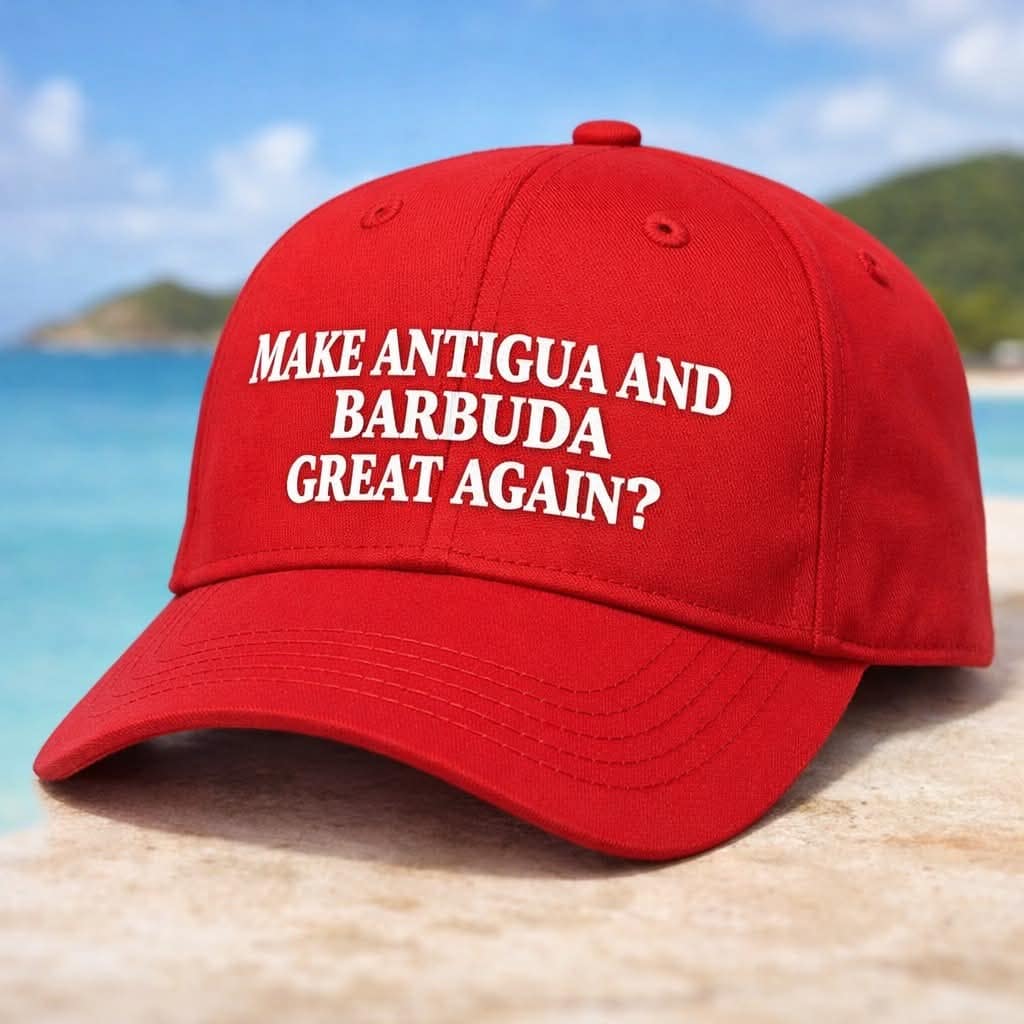
  • COMMENTARY: Make Antigua And Barbuda Great Again?

    COMMENTARY: Make Antigua And Barbuda Great Again?

    Antigua and Barbuda faces a profound sovereignty crisis that challenges the very foundation of its national identity. Four decades after gaining independence, citizens grapple with troubling questions about their nation’s direction and leadership priorities.

    The core issue revolves around perceived abandonment of indigenous interests in favor of foreign entities. Large land tracts have been transferred to international investors, beach access has become contentious, and economic policies seemingly prioritize outsiders over local citizens. This has created a sense of displacement among Antiguans and Barbudans, many of whom feel like secondary citizens in their homeland.

    Historical context reveals persistent structural problems. Since the 1981 independence from Britain, the constitutional framework maintained symbolic ties to the British monarchy while failing to establish genuine economic empowerment for locals. Development strategies historically focused on catering to European and North American tourists and investors rather than building sustainable local infrastructure.

    Recent economic dependencies have compounded these issues. The country’s entanglement with Chinese financing has created unsustainable debt levels, while the Citizenship by Investment (CBI) program has commodified national identity. Critical domestic issues persist—inadequate road systems, water supply challenges, agricultural neglect, and insufficient public facilities including parks and restrooms.

    Law enforcement capabilities appear skewed toward political suppression rather than crime solving, further eroding public trust. The educational system fails to provide meaningful career opportunities, driving brain drain as skilled citizens seek better prospects abroad.

    The author identifies failed leadership as the primary culprit, citing insufficient implementation of ‘Antiguanization’ policies and lack of commitment to local economic control. Despite political rhetoric during election cycles, substantive changes remain elusive.

    The proposed solution demands leadership focused on three fundamental pillars: prioritizing Antiguans and Barbudans in development planning, fostering genuine patriotism tied to national sovereignty, and empowering citizens to own and control their economy. Only through such transformative approach can the nation transition from its current state—described as a ‘neo-plantation’ economy—to a true homeland that values its citizens above foreign interests.

  • Lovell Says Nurse Recruitment Must Be Matched by Repairs to Health Facilities

    Lovell Says Nurse Recruitment Must Be Matched by Repairs to Health Facilities

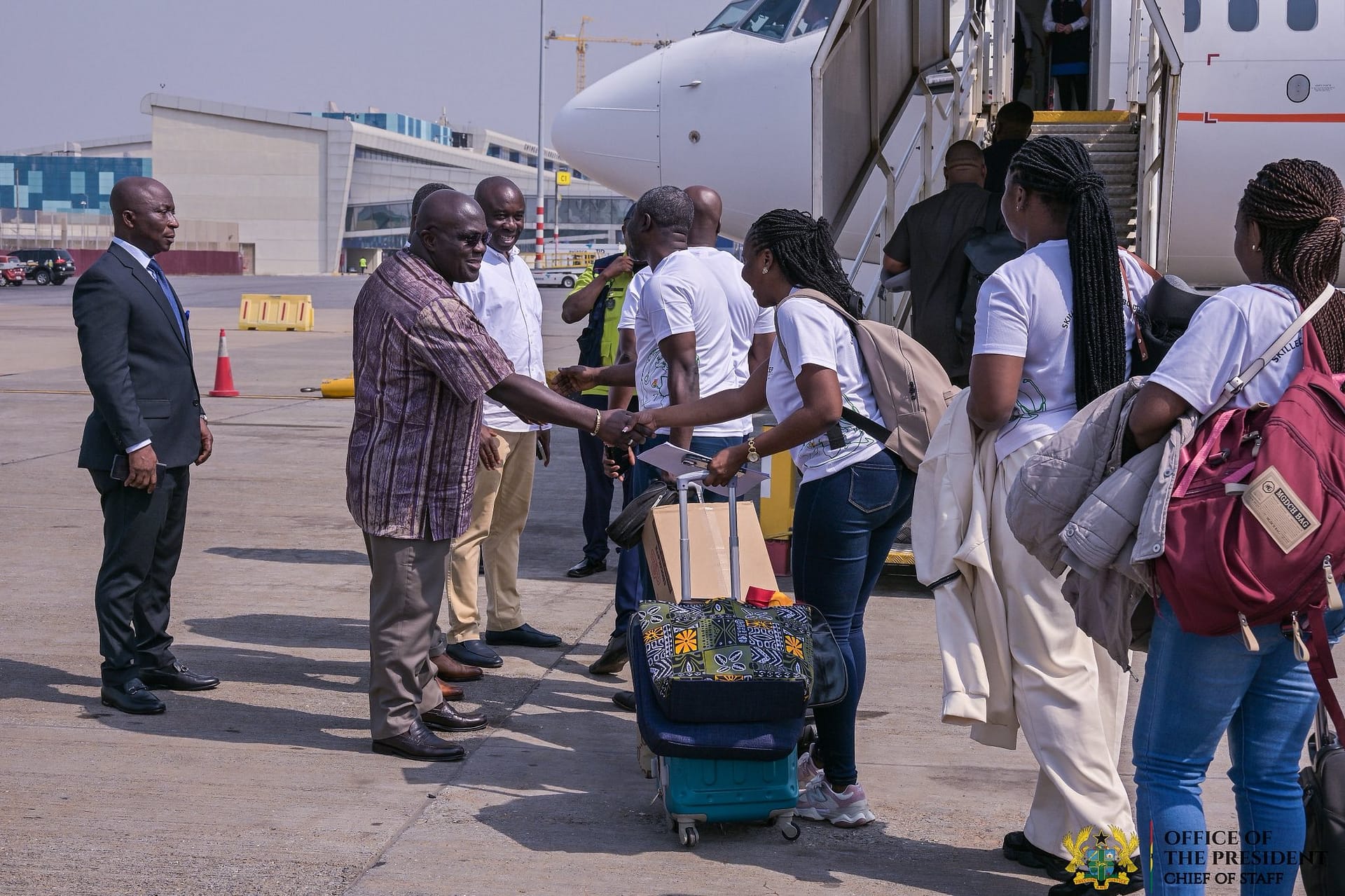
    Harold Lovell, the United Progressive Party’s opposition candidate, has issued a stark warning to the government regarding the deteriorating state of public health infrastructure across Antigua and Barbuda. While acknowledging the valuable contribution of newly recruited nurses—including healthcare professionals arriving from Ghana—Lovell emphasized that personnel alone cannot resolve systemic failures when medical facilities remain inadequate.

    The politician highlighted a critical contradiction in current health policy: the ongoing recruitment of medical staff while numerous clinics stand either completely closed, structurally unsound, or operationally deficient. According to Lovell, these facilities have remained non-functional for extended periods without clear plans for reactivation, severely hampering healthcare delivery nationwide.

    Lovell characterized the government’s approach as prioritizing superficial appearances over substantive solutions, arguing that staffing increases without corresponding infrastructure investment constitute an ineffective strategy. He insisted that genuine improvement requires immediate attention to physical infrastructure deficiencies within the public health system.

    “The time has come to cease managing appearances and commence managing healthcare effectively,” Lovell stated, underscoring that clinic and hospital repairs are fundamental prerequisites for any meaningful enhancement of medical services. He maintained that without these foundational improvements, additional staffing would prove insufficient in addressing the healthcare system’s core challenges.

  • Public Consultations Set for Workplace Violence and Harassment Bill

    Public Consultations Set for Workplace Violence and Harassment Bill

    Antigua and Barbuda has initiated a comprehensive public consultation process regarding the groundbreaking Workplace Violence and Harassment (Prevention) Bill 2026, marking a significant step toward enhancing occupational safety standards nationwide. The Ministry of Public Safety, Immigration and Labour is spearheading this initiative to solicit crucial feedback from diverse stakeholders before finalizing the legislation.

    The consultation series commenced on January 28 at the Multipurpose Centre, with subsequent sessions scheduled throughout February. The government has organized additional forums at the Villa Community Centre (February 5), JT Ambrose Primary School (February 11), and Sir Vivian Richards Cricket Stadium (February 18). All sessions will convene at 5:30 p.m. to accommodate working professionals.

    This legislative proposal represents a transformative approach to workplace safety, extending protection to all employment environments across the twin-island nation. The ministry emphasizes that the bill’s development incorporates perspectives from both employees and employers, ensuring balanced and practical regulations.

    Public participation is actively encouraged, with officials noting that constituent input will directly influence the bill’s final provisions. This collaborative process aims to create robust legal frameworks addressing prevention mechanisms, reporting procedures, and enforcement protocols for workplace violence and harassment incidents.

    The initiative reflects growing global recognition of psychological safety in professional environments and establishes Antigua and Barbuda as a regional leader in progressive labor reform. The consultations demonstrate the government’s commitment to transparent, inclusive policymaking that prioritizes citizen welfare and economic stability.

  • St. John’s City Consultation Planned for tomorrow

    St. John’s City Consultation Planned for tomorrow

    The Government of Antigua and Barbuda has announced a significant urban development initiative for the capital city, scheduling a comprehensive public consultation with St. John’s property and business owners for January 29. This gathering represents a coordinated effort to tackle persistent infrastructure, sanitation, and urban management challenges that have affected the city’s development.

    Organized by the St. John’s Development Corporation, the consultation will commence at 5:00 PM at the John E. St. Luce Conference Center located on Sir Sydney Walling Highway. The event has been strategically designed to address multiple critical urban issues including urban aesthetics, waste management systems, drainage infrastructure, road conditions, litter control, and the removal of derelict structures.

    The government has demonstrated its commitment to this urban renewal project by deploying an impressive roster of senior officials. Participants will include Prime Minister Gaston Browne, Minister for Social and Urban Transformation Rawdon Turner, Attorney General Steadroy Benjamin, Minister of Housing and Works Maria Browne, and Minister of Tourism, Civil Aviation, Transportation and Investment Charles Max Fernandez.

    Under the thematic banner “Your City. Your Voice,” organizers are actively encouraging broad participation from all stakeholders invested in St. John’s future development. This initiative marks a collaborative approach between government authorities and community members to develop sustainable solutions for the capital’s urban challenges.

  • LETTER: The Exploitation of Hospitality Workers Through Tips and Service Charges in Antigua and Barbuda

    LETTER: The Exploitation of Hospitality Workers Through Tips and Service Charges in Antigua and Barbuda

    A disturbing pattern of organized wage appropriation is emerging within Antigua and Barbuda’s hospitality industry, where frontline service personnel are systematically deprived of their rightful gratuities. Waitstaff, bartenders, housekeeping teams, and other service providers are routinely denied direct access to tips specifically intended for their service excellence. Instead, these earnings are compulsorily aggregated into centralized pools and redistributed through opaque mechanisms that lack transparent formulas or accountability measures. This structural inequity ensures that those who directly generate customer goodwill through service receive minimal benefits, while management and ownership entities capture disproportionate shares.

    The situation has evolved beyond internal labor disputes into a broader tourism credibility crisis. Visitors experience profound disillusionment upon discovering their gestures of appreciation bypass the intended recipients entirely. Many travelers now consciously withhold gratuities to avoid perpetuating what they perceive as institutionalized exploitation. This erosion of trust threatens the fundamental hospitality covenant between guests and service providers.

    Adding legal insult to financial injury, several establishments have begun reclassifying gratuities as corporate assets. Workers face disciplinary measures or termination for retaining directly offered tips, with some employers absurdly characterizing such retention as theft. This perverse inversion of justice has cultivated industry-wide apprehension and financial instability among service personnel.

    Gratuities and service charges represent customer recognition of individual service excellence, not supplemental revenue streams for ownership entities. Their diversion into general profit margins constitutes economic exploitation in its most unambiguous form.

    The phenomenon poses existential reputational risks for Antigua and Barbuda’s tourism economy. In our digitally interconnected era, narratives of worker exploitation disseminate rapidly through travel platforms and social networks. Regulatory inaction implicitly condones these practices, potentially branding the nation as indifferent to labor dignity.

    Consequently, we urgently petition the Government of Antigua and Barbuda, the Ministry of Labour, and all relevant regulatory bodies to implement immediate investigative measures, enact unambiguous legislation, and enforce transparent gratuity distribution protocols. Strengthened worker protections and meaningful penalties for violation must be instituted without delay.

    Continued tolerance of these practices will not only exacerbate economic inequality within the hospitality sector but also broadcast global indifference to worker welfare. Such perception is fundamentally incompatible with Antigua and Barbuda’s aspiration to be recognized as a world-class tourism destination. The current model is ethically untenable, economically unsustainable, and requires immediate systemic intervention.

  • Antigua Cruise Port Launches “Name the Quay” Competition

    Antigua Cruise Port Launches “Name the Quay” Competition

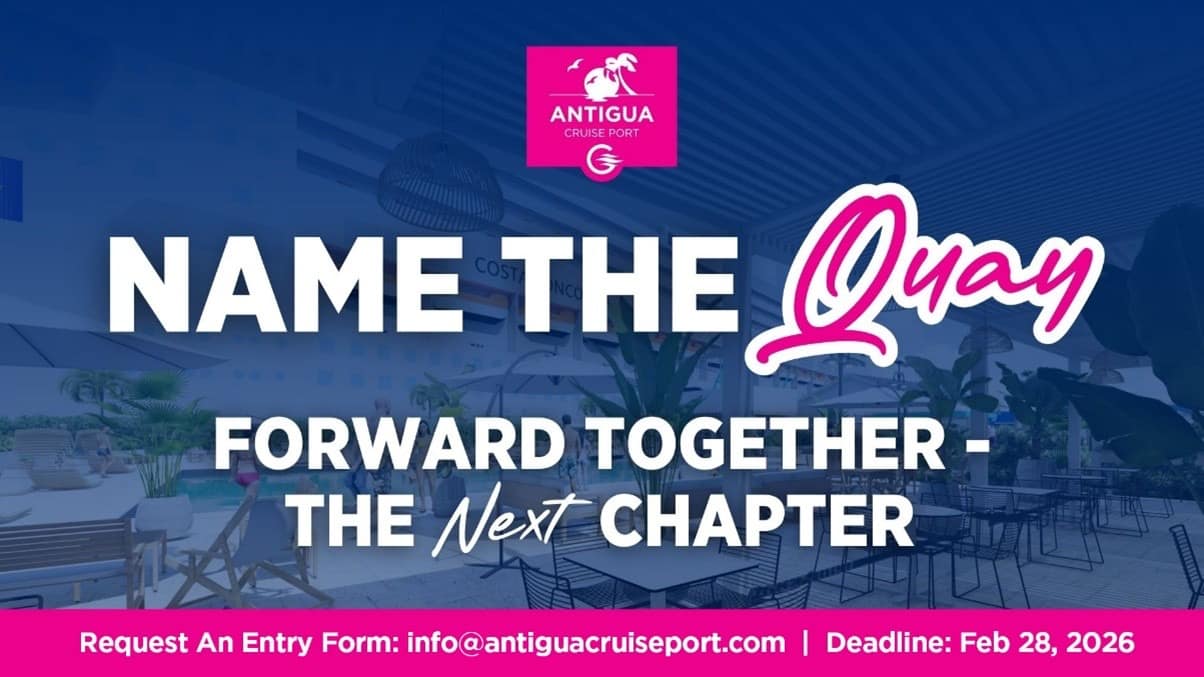
    ST. JOHN’S, ANTIGUA & BARBUDA – In a significant development for the nation’s tourism sector, Antigua Cruise Port has inaugurated a nationwide initiative titled the ‘Name the Quay’ competition. This public engagement campaign was formally announced on January 28, 2026, coinciding with the grand opening of the port’s expansive new cruise terminal located at the Upland Development site. The project represents a pivotal moment, heralding ‘The Next Chapter’ for cruise tourism in the twin-island nation.

    The competition is designed to foster national pride and collective ownership by inviting citizens of Antigua and Barbuda, including those within the diaspora, to propose a permanent name for the terminal’s quay. This endeavor provides a unique platform for the populace to contribute directly to the narrative of the country’s tourism evolution. Organizers are seeking a name that profoundly encapsulates the cultural identity, rich heritage, creative spirit, and forward-looking aspirations of the nation.

    According to the published guidelines, participation is open to all Antiguans and Barbudans. Each entry must be an original creation, not currently in official use within the country, and must be accompanied by a concise explanation not exceeding 100 words. The core mandate is that submissions should resonate with national symbolism and exhibit suitability for enduring public use.

    An expert panel will evaluate all proposals based on a stringent set of criteria. Key factors include the depth of reflection of Antiguan and Barbudan culture, the clarity and strength of its symbolic meaning, originality, phonetic ease, and timeless appeal. The ultimate authority for the final selection rests solely with Antigua Cruise Port.

    As a grand incentive, the winner will be awarded a cruise trip for two. This prize offers an experiential journey, allowing the recipients to be among the first to embark on a homeporting cruise from the newly named facility. Prospective participants are encouraged to contact Antigua Cruise Port directly to obtain the official entry form and detailed information. The submission deadline is firmly set for February 28, 2026. The port authority has stated that standard terms and conditions apply, noting its exclusive right to amend or reject any submission without guarantee of selection.

  • LETTER:When Regret Becomes Recruitment: A Dangerous Message to Caribbean Girls by Brent Simon

    LETTER:When Regret Becomes Recruitment: A Dangerous Message to Caribbean Girls by Brent Simon

    A troubling social phenomenon is emerging across Caribbean communities, where women grappling with severe health consequences are inadvertently perpetuating cycles of preventable disease. Rather than cautioning younger generations, many are actively encouraging the same lifestyle choices that led to their own chronic conditions—including poor nutrition, sedentary behavior, and medical non-compliance.

    This pattern represents a psychological coping mechanism wherein personal regret transforms into collective normalization. When change appears insurmountable, there emerges a tendency to reframe damaging behaviors as cultural identity or empowerment movements. This manifests through hostile reactions to health conversations, dismissal of physical activity as ‘self-hatred,’ and characterization of nutritional discipline as cultural betrayal.

    Young Caribbean girls increasingly receive contradictory messaging: women experiencing limited mobility, medication dependency, and chronic pain simultaneously promote these outcomes as embodiments of freedom and cultural authenticity. This creates a dangerous disconnect between rhetoric and reality, where preventable health decline becomes framed as ideological statement rather than medical consequence.

    The core issue transcends individual health choices, touching upon intergenerational responsibility and cultural preservation. When communities reframe health deterioration as cultural identity, they effectively transform preventable suffering into inherited burden. The Caribbean region already faces disproportionate rates of non-communicable diseases, making this normalization particularly concerning from public health and ethical perspectives.

    True empowerment involves distinguishing between body acceptance and health encouragement. While self-love remains vital, it shouldn’t preclude honest conversations about preventable conditions. The moral imperative lies in breaking cyclical patterns rather than perpetuating them under the guise of cultural solidarity.

    This analysis doesn’t blame individuals facing health challenges, but rather examines the social mechanisms that discourage preventive health behaviors. The solution requires compassionate yet truthful intergenerational dialogue that prioritizes long-term wellbeing over short-term validation.

    Caribbean youth deserve health education grounded in medical reality rather than defensive ideology. They need role models demonstrating functional strength and sustainable wellness practices. Most importantly, they require honest guidance about navigating modern health challenges while maintaining cultural authenticity—not false assurances that equate health neglect with cultural pride.

    The path forward demands courage to prioritize truth over comfort, recognizing that genuine cultural preservation involves ensuring future generations inherit health and resilience rather than preventable medical burdens.

  • Antigua and Barbuda Celebrates 100th Birthday of Elfrida “Ms. Tiny” Payne-Abbott

    Antigua and Barbuda Celebrates 100th Birthday of Elfrida “Ms. Tiny” Payne-Abbott

    The Caribbean nation of Antigua and Barbuda has celebrated a remarkable national milestone with the 100th birthday of Elfrida Payne-Abbott on January 27th. Affectionately known throughout her community as ‘Ms. Tiny’, the centenarian was honored at a special gathering at the Lebanon Moravian Church, attended by family members, friends, and prominent community figures.

    Born in 1926 in Seaview Farm, Payne-Abbott has lived through an entire century of profound social transformation and economic development. Her life story stands as a powerful testament to unwavering faith, relentless hard work, and extraordinary resilience. The celebration gained national significance with the attendance of Sir Rodney Williams, who presented an official commemorative gift and conveyed heartfelt congratulations on behalf of the entire nation.

    The narrative of Payne-Abbott’s life reveals a journey of remarkable strength. After becoming widowed in her thirties, she single-handedly raised four children through determination and diverse employment. Her professional journey encompassed farming, domestic work, baking, and entrepreneurial ventures, demonstrating remarkable adaptability and perseverance.

    During the celebration, multiple speakers honored Payne-Abbott as a foundational pillar of strength within her community, emphasizing how her values and subtle leadership qualities have inspired multiple generations. As she reached her centennial milestone, Payne-Abbott shared distilled wisdom for younger generations: embrace hard work, maintain faith in God, and preserve strong family connections.