标签: Antigua and Barbuda

安提瓜和巴布达

  • ABEC Announces Temporary Hours Change for St. Paul’s Registration Unit

    ABEC Announces Temporary Hours Change for St. Paul’s Registration Unit

    The Antigua and Barbuda Electoral Commission (ABEC) has announced a temporary change to operating hours at one of its key voter registration facilities that will take effect this week. Located at the Former Real Local Art Gallery on Horsford Hill, the St. Paul’s Registration Unit will only open to the public from 8:30 a.m. to 12:00 noon each day, a significant reduction from its usual full-day service schedule.

    This modification to operating hours was not made arbitrarily; the adjustment was specifically designed to accommodate critical, pre-planned building maintenance projects at the site. According to ABEC officials, the shifted schedule is a strategic choice that allows maintenance crews to complete all required work in a safe, streamlined manner, while also cutting down on avoidable interruptions to core electoral services for residents. By limiting opening hours during the construction period, the commission can balance the need for facility upgrades with its ongoing responsibility to serve community members who need to access registration and other electoral support.

    ABEC has issued a formal apology to the public for any hassle or inconvenience that the shortened hours may cause for voters planning to visit the office this week. The commission is urging all residents who intend to access registration services or other electoral assistance at the St. Paul’s location to adjust their schedules in advance to align with the new temporary operating window.

    As the maintenance work gets underway, ABEC also extended its gratitude to the local public for their patience and willingness to cooperate during this temporary transition. The commission notes that the upgrades are necessary to maintain a safe, functional space for voters into the future, and public flexibility will help the project be completed on schedule with minimal issues.

  • UWI Five Islands Campus New Guild Council Begins Tenure

    UWI Five Islands Campus New Guild Council Begins Tenure

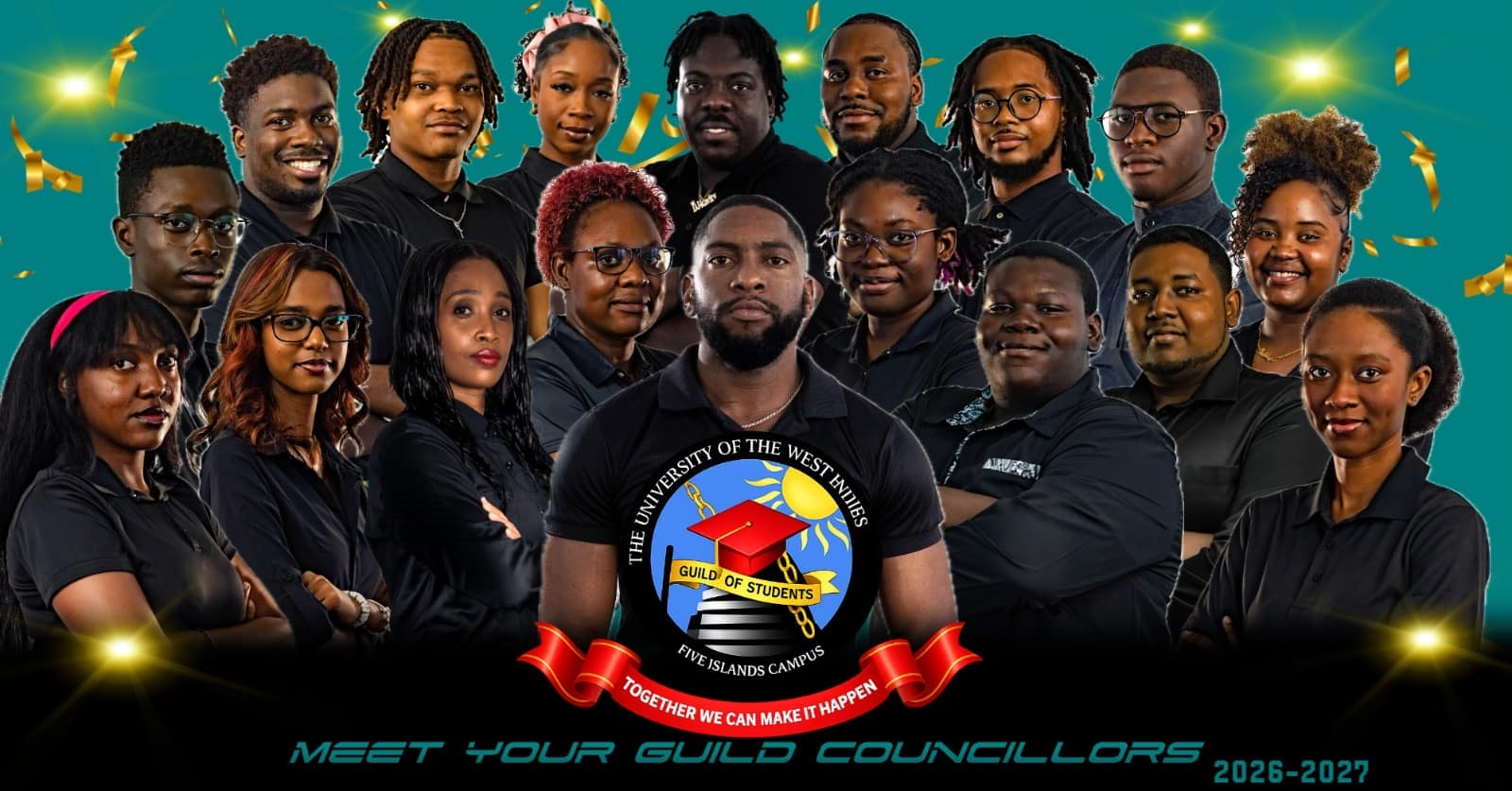
    The University of the West Indies Five Islands Campus has formally welcomed its new student Guild Council for the 2026/2027 academic year, marking not just a routine leadership handover but a fresh, purpose-driven commitment to elevating the student experience and upholding the core values of the student governing body. The incoming leadership team opened its public address by grounding its new term in gratitude, pausing to recognize the profound contributions of the outgoing council and every generation of student leaders that preceded it.

    The outgoing Guild Council’s tenure was defined by unwavering dedication, remarkable resilience, and consistent commitment to amplifying student needs. Through periods of challenge and celebrated milestones, its members worked tirelessly to advocate for student interests, strengthen campus community bonds, and drive meaningful institutional growth. Their work has left a solid foundation that the new council is privileged to build upon, the incoming team emphasized. Every prior Guild administration has left an indelible mark on the institution, weaving together the legacy of student voice and service that shapes the Guild today. Standing on the work of those who came before them, the new council says it does not take the weight of this responsibility lightly.

    Unlike narratives that frame new leadership as a complete break from the past, the 2026/2027 council frames its role as building on a long legacy of service. The team embraces both the achievements and hard-earned lessons of previous terms, and has committed to moving the Guild forward with radical integrity, clear purpose, and full accountability to the student body.

    At its core, the Guild exists to champion the needs and interests of every student on campus, advance their educational, personal, and social growth, and encourage active, meaningful participation in all areas of campus life. The new council has made a public pledge to keep these foundational principles at the center of every decision it makes.

    For the coming academic year, the council’s core mandate is clear: Rebuild the Guild and Restore Trust. The leadership team emphasizes that trust is never demanded, but earned—through consistent transparency, dependable action, full accountability, and authentic, ongoing engagement with the students the organization serves. Rebuilding the Guild will involve strengthening its internal structures, boosting its visibility across campus, and reinforcing a simple truth for every student: the Guild is not just a bureaucratic campus organization, it is your collective voice, your dedicated advocate, and your partner in shaping the campus experience.

    The new council brings a bold yet grounded vision for its term. Its members imagine a campus where every single student feels seen, heard, supported, and empowered to make an impact. They aim to build a Guild that leads proactively, rather than reacting to issues after they arise—one that anticipates emerging student needs and responds with creative solutions, compassion, and decisive action.

    Key priorities for the term include increasing overall student participation in campus governance and activities, fostering greater unity and connection across the student body, strengthening collaborative ties with campus administration, and expanding partnerships with other student Guilds and organizations across the region. The council notes that meaningful, lasting progress only comes through open dialogue, cross-group partnership, and collective effort from the entire campus community.

    In a direct address to the UWI Five Islands student body, the council reaffirmed that the Guild exists first and foremost for students. “We are honoured by your trust, inspired by your confidence, and humbled by the responsibility you have entrusted to us,” the statement reads. The team has pledged to listen closely to student concerns, advocate fearlessly for student interests, and serve faithfully throughout the coming academic year. Members commit to celebrating student wins, pushing for progress on pressing student needs, and working around the clock to ensure every student has the support and opportunities they need to thrive during their time on campus.

    The foundation for progress has already been laid by generations of past leaders, and the mantle of leadership has officially been passed. Carrying gratitude for the work of the past, confidence in what the campus community can achieve together, and a shared commitment to rebuilding the Guild and restoring student trust, the new leadership is ready to move forward alongside the entire student body. The council closed its address with a shared hope: that the 2026/2027 academic year will bring widespread progress, lasting unity, and exceptional achievement for all members of the UWI Five Islands Campus community.

  • Single-Lane Traffic to Continue on Sir Sydney Walling Highway

    Single-Lane Traffic to Continue on Sir Sydney Walling Highway

    Drivers and commuters traveling across Antigua and Barbuda’s key arterial routes are reminded that adjusted single-lane traffic management will remain in place to support critical ongoing infrastructure rehabilitation works, according to an official advisory from the Project Implementation Management Unit (PIMU) under the nation’s Ministry of Works.

    The long-running upgrade works are concentrated along the Sir Sydney Walling Highway, where construction crews have shifted focus to base preparation and asphalt resurfacing operations. These activities are advancing eastward from the Glanvilles area, with daily work commencing at approximately 8:00 a.m. local time.

    Transport officials have issued clear guidance for all road users to approach the work zone with extreme caution, noting that large, heavy-duty construction machinery is operating in close proximity to the active travel lane. Safety protocols require drivers to reduce speed, follow on-site directional signage, and adhere to instructions from traffic control personnel to prevent accidents.

    Crucially, all commercial establishments located along the affected stretch of highway will remain fully open for business throughout the duration of the repair works, ensuring that local economic activity continues uninterrupted.

    The project is being executed by C.O. Williams Ltd., the private construction firm contracted for the scheme. The company has issued a formal statement apologizing to the public for any travel disruptions or inconvenience caused by the ongoing works. The upgrade is a core component of Antigua and Barbuda’s national Second Road Infrastructure Rehabilitation Project, a government-led initiative designed to extend the service life of the country’s key road networks and improve overall transport safety.

    Stakeholders, including daily commuters, freight operators, and leisure travelers, are encouraged to review and adjust their travel schedules in advance, as minor to moderate delays should be expected when passing through the work zone. For any questions or additional information about the project or traffic arrangements, members of the public can contact the C.O. Williams project office directly via telephone at 562-9573.

  • UPDATE: APUA Confirms Fuel Leak at Former Friars Hill Facility

    UPDATE: APUA Confirms Fuel Leak at Former Friars Hill Facility

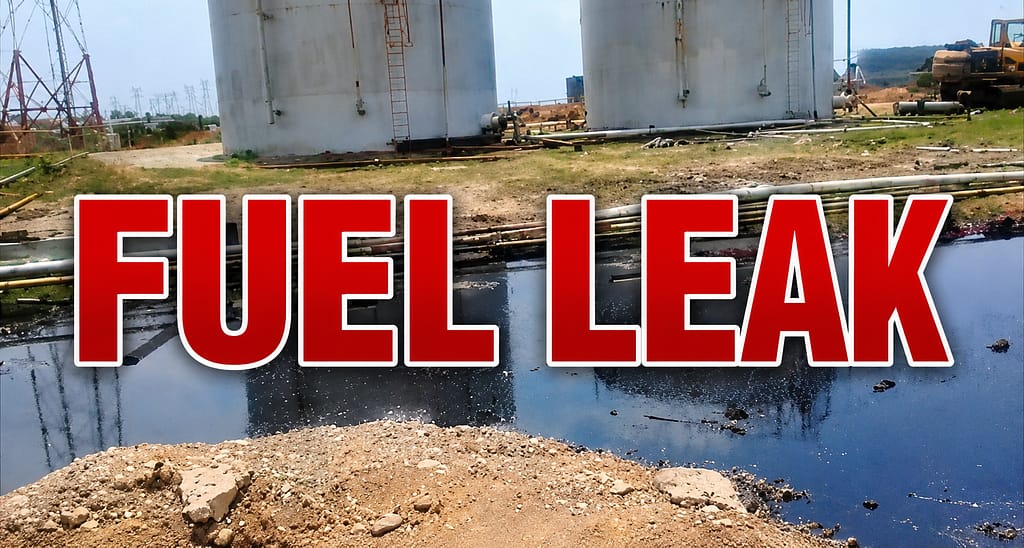
    A confirmed fuel leak from an abandoned storage tank at the former Friars Hill Facility in Antigua has triggered a coordinated multi-agency emergency response, led by the Antigua Public Utilities Authority (APUA).

    Once the leak was detected, APUA moved rapidly to activate internal emergency protocols and immediately notified a broad network of relevant government and regulatory bodies to join the assessment and mitigation effort. Partner agencies including the National Office of Disaster Services (NODS), Antigua and Barbuda Police Force, Central Board of Health, Development Control Authority (DCA), Antigua and Barbuda Fire Department, National Solid Waste Management Authority, West Indies Oil Company (WIOC), Department of Public Health, and Department of Environment have all deployed personnel to the site to support containment operations.

    Crews are currently working around the clock to install critical containment barriers designed to stop the spread of leaked fuel and reduce any potential harm to local ecosystems and nearby residential communities. As of the latest update, investigations into the root cause of the leak and full mapping of the spill’s total size remain ongoing, with no definitive conclusions released to the public.

    Local authorities have issued a public advisory urging motorists traveling along Friars Hill Road and residents living in adjacent neighborhoods to remain vigilant and follow all safety guidance posted by response teams throughout the duration of cleanup operations. APUA has reiterated its commitment to resolving the incident in full compliance with public safety and environmental protection standards, noting that it will continue to closely monitor site conditions and share new updates with the public as additional details are confirmed. The authority has also expressed gratitude for the public’s patience as response teams work to bring the situation under control.

  • LETTER: Urgent Need for Affordable Rental Housing Legislation for Working Citizens

    LETTER: Urgent Need for Affordable Rental Housing Legislation for Working Citizens

    A concerned citizen from Antigua and Barbuda has issued an open appeal to Prime Minister, the entire cabinet, and members of parliament, demanding urgent legislative intervention to tackle the country’s worsening affordable rental housing crisis. The appeal frames access to reasonably priced rental accommodation not as a privilege for high-income groups, but as a core basic necessity that all working citizens deserve regardless of their earnings.

    For a growing share of Antigua and Barbuda’s hardworking labor force, especially those earning the national minimum wage, market rental rates have slipped far out of reach in recent years, the petitioner argues. Safe, stable housing is universally recognized as a foundational requirement for human flourishing: it underpins personal dignity, keeps families intact, supports good physical and mental health, enables educational attainment, and sustains consistent economic productivity. When full-time workers cannot cover their rent, it undermines core principles of fairness and social equity, putting the overall well-being of national society at risk.

    Today, the problem hits low-wage workers in essential sectors the hardest. Employees in hospitality, retail, security, cleaning, caregiving and other frontline industries are routinely forced to allocate a disproportionate share of their limited earnings to housing costs. In a large number of cases, rent eats up more than 50% of a minimum wage worker’s monthly pay, leaving barely any funds left for other critical needs including groceries, transportation, utility bills, medical care, children’s education, or emergency savings.

    To address this systemic failure, the petitioner has laid out six targeted policy and legislative solutions for the government to adopt. First, develop new affordable rental housing projects through collaborative public-private partnerships. Second, offer financial or regulatory incentives to private property owners who rent units at below-market rates to low-income workers. Third, launch targeted rental assistance programs to support vulnerable working families that are struggling to cover housing costs. Fourth, implement rent stabilization policies in neighborhoods and regions that have seen uncontrolled, excessive rental price inflation. Fifth, update national housing regulations to mandate that all new residential developments set aside a share of units for affordable rental purposes. Sixth, introduce mandatory regular reviews of the national minimum wage to ensure it keeps pace with actual housing and living costs across the country.

    The appeal emphasizes that affordable rental housing is far more than just an economic policy issue: it is a question of social justice and long-term national development. A nation can only prosper when its core workforce can live with dignity, security, and confidence in the future. From teachers and nurses to hotel staff, cashiers, security guards and maintenance workers, low-wage essential workers form the backbone of Antigua and Barbuda’s economy. Their contributions to national prosperity deserve recognition through guaranteed access to housing they can afford, the petitioner argues.

    Concluding the appeal, the citizen urges the government to treat the ongoing affordability crisis with the urgent attention it demands. Current rental conditions are unsustainable for thousands of working people, and for minimum wage earners, the status quo is unnecessarily punitive and unreasonable. Deliberate, meaningful legislative action and practical, on-the-ground solutions are needed to turn affordable rental housing from an out-of-reach dream into a tangible reality for all working Antiguans and Barbudans. The petitioner closes by thanking officials for their time and expressing hope for decisive action to protect the welfare and dignity of working people across the twin-island nation.

  • ABFA Appoints Zorol Barthley as General Secretary

    ABFA Appoints Zorol Barthley as General Secretary

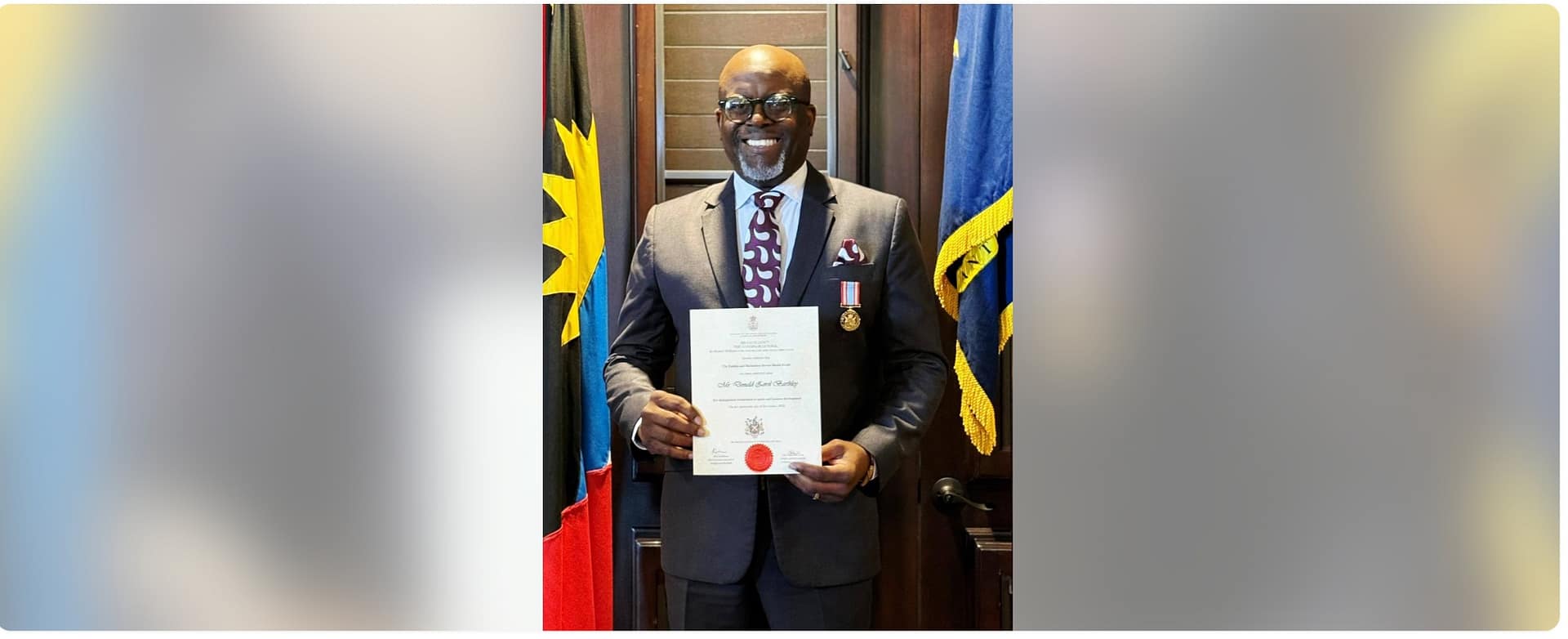
    The Antigua and Barbuda Football Association (ABFA), the governing body for football across the twin-island nation, has confirmed the appointment of Zorol Barthley to the key position of General Secretary. This leadership move comes as the ABFA works to advance local football development, strengthen institutional operations, and expand competitive opportunities for athletes at both the grassroots and elite levels.

    Barthley brings a robust professional background to the role, with years of experience in sports administration, organizational leadership, and strategic planning within the Caribbean football ecosystem. Prior to taking on this new appointment, he built a reputation for collaborative decision-making and a deep commitment to elevating the profile of Antiguan and Barbudan football on both the regional and international stage.

    In comments following the announcement, ABFA leadership emphasized that Barthley’s vision aligns closely with the organization’s long-term strategic goals. These priorities include upgrading grassroots training programs, improving infrastructure for local clubs, supporting national team preparations for regional and international tournaments, and strengthening partnerships with CONCACAF, the Confederation of North, Central American and Caribbean Association Football, and FIFA.

    Stakeholders across the local football community have welcomed the appointment, noting that Barthley’s familiarity with the challenges and opportunities facing the ABFA positions him well to drive meaningful progress. The General Secretary will officially take up his duties in the coming weeks, where he will oversee day-to-day operations, lead strategic initiatives, and serve as a key liaison between the ABFA, its member clubs, and international football governing bodies.

  • PM Browne Visits Indian Naval Training Ship During Antigua Port Call

    PM Browne Visits Indian Naval Training Ship During Antigua Port Call

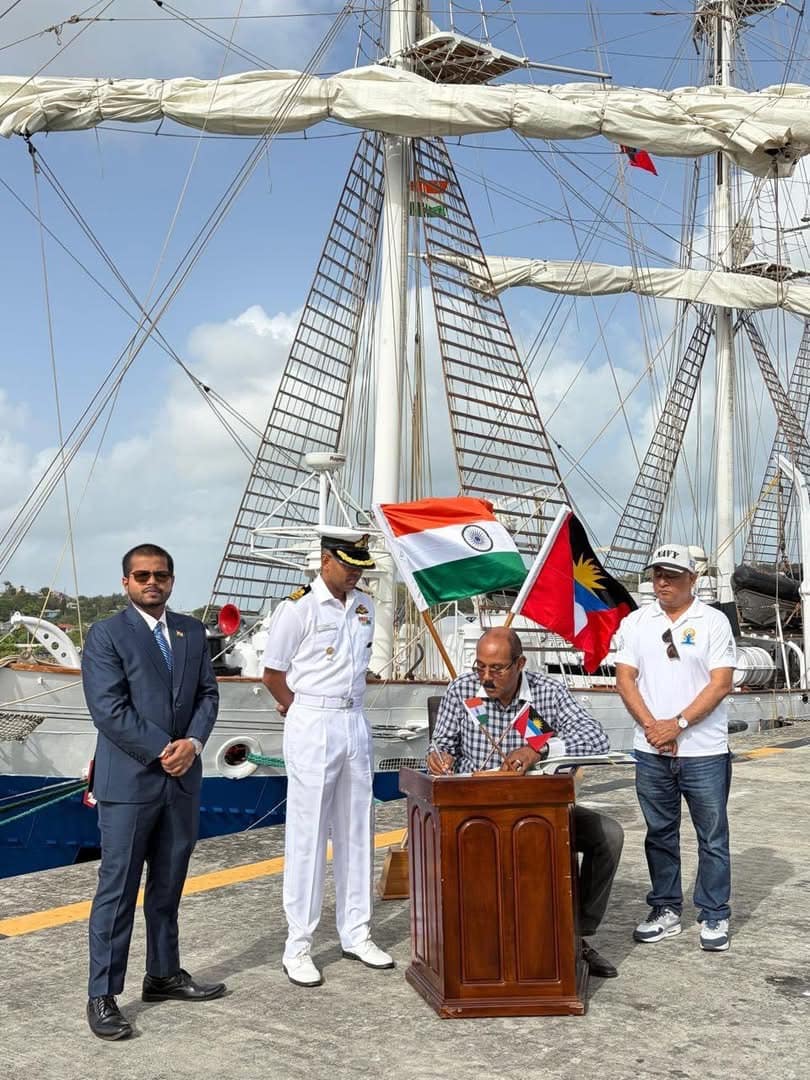
    A key moment in bilateral relations between Antigua and Barbuda and India unfolded this week, as Antigua and Barbuda’s Prime Minister Gaston Browne toured the Indian naval training vessel INS Sudarshini during its stopover at St. John’s Port. The visit, documented in an official social media post from the India in Guyana diplomatic mission, shines a spotlight on the deep, long-standing ties between the two nations and opens the door for expanded collaboration in the future.

    During his time aboard the ship, Browne received a full walking tour of the vessel, inspecting its on-board training infrastructure designed to prepare naval personnel for global operations. In discussions with the ship’s command crew, the prime minister shared that Antigua and Barbuda is keen to advance new partnerships in maritime security and defense cooperation, a proposal that would be advanced during an upcoming official visit to India, according to the post.

    The INS Sudarshini’s port call in Antigua and Barbuda is not an isolated stop: it is part of the vessel’s long-range international voyage under India’s #Lokayan26 initiative, a program focused on global naval engagement and diplomatic outreach through seagoing training missions. Following the conclusion of its visit, the ship is set to depart Antigua to continue its journey, with next stops scheduled at ports in the United States and other regional destinations.

    Official photos shared alongside the post captured warm interactions between Browne and the INS Sudarshini’s crew, including formal greetings and exchanges that underscored the friendly tone of the diplomatic engagement. This port visit marks another milestone in the gradual expansion of diplomatic and defense ties between India and Caribbean nations, aligned with India’s broader outreach to the Latin America and Caribbean region in recent years.

  • Flow Antigua and Barbuda prepared for 2026 Hurricane Season

    Flow Antigua and Barbuda prepared for 2026 Hurricane Season

    As the 2026 Atlantic Hurricane Season approaches, officially kicking off on June 1, leading regional telecommunications provider Liberty Caribbean — parent company of consumer brands Flow and BTC, and enterprise division Liberty Business — has formally announced it has completed all preparations to protect its networks and support communities across the Caribbean throughout the storm season, which runs through November 30.

    The company’s latest readiness push comes on the heels of Hurricane Melissa, which caused widespread disruption across Jamaica in 2025. That devastating storm served as a critical reminder of how vital resilient communications infrastructure is for crisis response across the hurricane-prone Caribbean region. In the aftermath of Melissa, Liberty Caribbean accelerated ongoing investments to harden its networks and sharpen its emergency response capabilities across all 20+ markets it serves.

    “Hurricane Melissa reminded us once again that connectivity is far more than technology. In moments of crisis, it becomes a lifeline for families, businesses, emergency responders, and governments,” said Inge Smidts, Chief Executive Officer of Liberty Caribbean. “The lessons from that experience have further strengthened our resolve and accelerated our investments in network resilience, operational preparedness, and recovery capabilities across the region. We remain committed to ensuring our customers and communities can rely on us when it matters most.”

    Over the 12 months following Hurricane Melissa, the company has rolled out a series of strategic infrastructure upgrades across its footprint. In Jamaica alone, upgrades include a major overhaul and expansion of the mobile network, increased spectrum capacity, more diverse transport routes to avoid single points of failure, hardened physical infrastructure to withstand extreme winds and flooding, expanded backup power systems, and additional network redundancy to minimize outages and speed up recovery efforts if service is disrupted.

    Beyond physical infrastructure upgrades, Liberty Caribbean has also ramped up operational preparedness across all markets. The company has conducted regular full-scale emergency response simulation drills, pre-staged fuel and critical logistics supplies across key hubs, and strengthened cross-functional coordination between local teams, regional leadership, and external partners to enable rapid mobilization the moment a storm threatens.

    While forecasters at the U.S. National Oceanic and Atmospheric Administration (NOAA) are predicting a milder-than-average 2026 season, Smidts emphasized that the company is preparing for the worst regardless of projections. NOAA’s official outlook puts the chance of a below-normal season at 55%, compared to a 35% chance of near-normal activity and just a 10% chance of an above-normal season. The agency forecasts 8 to 14 named storms (with winds of 63 km/h or higher) for the season, 3 to 6 of which will strengthen into hurricanes (with winds of at least 75 mph). Of those hurricanes, 1 to 3 are expected to reach major hurricane strength (Category 3, 4, or 5, with winds of 115 mph or more). By comparison, an average Atlantic hurricane season sees 14 named storms, seven hurricanes, and three major hurricanes.

    “Our teams have worked tirelessly to modernize our infrastructure, strengthen operational readiness, and improve how we respond during emergencies. While no network is immune to extreme weather events, our focus remains on building stronger, smarter, and more resilient systems capable of supporting the Caribbean through disruption and recovery alike,” Smidts added.

    With more than 150 years of history serving communities across the Caribbean, Liberty Caribbean frames its hurricane preparedness work as a core part of its commitment to the region. “We understand the responsibility that comes with serving the Caribbean. Our commitment extends beyond connectivity alone. It is also about supporting the resilience of the communities we serve and standing beside them before, during, and after times of crisis,” Smidts said.

    To complement its own preparations, Liberty Caribbean is urging all residential and business customers across the region to review their personal emergency preparedness plans and stay updated on weather forecasts and official alerts throughout the 2026 season.

    As a leading regional communications and technology provider, Liberty Caribbean serves more than 20 Caribbean markets. It delivers broadband, mobile, video, and voice services to residential consumers via its Flow and BTC brands, while its Liberty Business division provides enterprise-grade connectivity, cloud infrastructure, cybersecurity, and data center services to private businesses and government agencies, supporting digital economic growth across the region.

  • COMMENTARY: Spanish Should Be Taught, Supported, And Valued – But Not Made An Official Language

    COMMENTARY: Spanish Should Be Taught, Supported, And Valued – But Not Made An Official Language

    A prominent opinion piece from Yves R. Ephraim is calling on the government of Antigua and Barbuda to reverse its recent decision to designate Spanish as the country’s official second language, arguing the move poses existential, long-term risks to the small island nation’s core national identity that far outweigh any claimed benefits. Ephraim stresses that his opposition is not rooted in animosity toward Spanish or disrespect for the large Spanish-speaking Dominican community that has settled in the country; rather, it stems from a deep understanding that granting official language status is far more than a routine education policy adjustment. It is a foundational constitutional, cultural, administrative, and symbolic act that can permanently reshape the national character of a small, already vulnerable society, he says.

    Antigua and Barbuda currently recognizes English as its sole official language, while the local Antiguan and Barbudan dialect serves as a cherished, widely embraced vernacular that encapsulates the nation’s shared history, collective humor, unique worldview, calypso tradition, and core collective identity. Already facing sustained demographic, economic, and cultural pressure from outside forces, elevating Spanish to official status without first holding a broad, inclusive national conversation sends a dangerous signal, Ephraim warns: that the language and cultural heritage of the native Antiguan and Barbudan people are no longer the central pillar of the country’s national narrative.

    The timing of the policy has also raised questions about underlying political motivations. The Antigua Labour Party (ABLP) just returned to power in a landslide snap election held on April 30, 2026, claiming 15 out of 17 parliamentary seats despite winning the support of just 38% of all registered voters. When such a lopsided parliamentary victory is immediately followed by a major policy that would redefine national identity, Ephraim argues the public has every right to question whether the move is a genuine national development initiative, or a political reward to a strategically critical voting bloc.

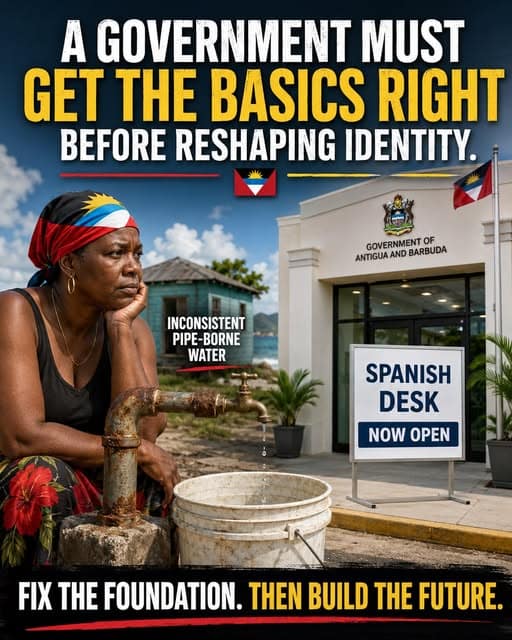
    Close examination of the Cabinet’s official statement further underscores the need for citizen concern, he adds. The policy does not stop at expanding access to Spanish language education; it explicitly ties official language status to a formal Dominican Republic Integration Programme, targeted support for Dominican nationals residing in Antigua and Barbuda, and the creation of a dedicated Spanish Desk within the Prime Minister’s Office. This package is far more than an effort to teach children a useful foreign language: it represents a state-endorsed reorientation of national identity, public administration, and diplomatic alignment around a single immigrant community and one foreign country. Ephraim points out that other long-established immigrant groups from across the Caribbean, including Guyana, Jamaica, and Dominica, have no comparable institutional support or official recognition for their cultural or linguistic traditions.

    At its core, granting Spanish official status is a power shift, Ephraim argues. It sends the message that Spanish-speaking residents have no obligation to learn English or integrate into the established Antiguan and Barbudan way of life. While teaching Spanish in schools equips citizens with a valuable professional and personal skill, official status enshrines the language’s legal and institutional claim to space in courts, government documents, public signage, hiring processes, education policy, and formal public legitimacy. This opens the door to a host of unaddressed practical and governance questions: Will public servants be required to speak Spanish? Must all government forms be translated? Will courts need to provide full Spanish-language accommodations? Will Spanish-speaking applicants receive preferential treatment in government hiring? Will students already struggling with English and math be forced to take on an additional mandatory academic burden? These are not anti-Spanish questions, Ephraim emphasizes—they are basic questions of good governance that the government has failed to answer.

    For small nations, the slow creep of cultural displacement is an underrecognized but profound threat, Ephraim notes. Cultural erasure rarely arrives as an overt, announced attack; it is almost always framed as modernization, regional integration, economic opportunity, inclusion, and improved global competitiveness. Each incremental policy change may seem reasonable on its own, but over decades, local language, collective memory, cultural traditions, speech patterns, community priorities, and native artistic expression are gradually pushed to the margins in their own homeland.

    history offers two clear cautionary examples to guide Antigua and Barbuda’s decision-makers, Ephraim argues. In Ireland, after the Irish language lost its central place in public life following centuries of political and socioeconomic pressure that pushed English to dominance, reversing that decline and reviving the native tongue has proven extraordinarily difficult, even with sustained government support. In Singapore, the government’s Speak Mandarin Campaign, launched to unify the country’s Chinese Singaporean population, led to an unplanned, sharp decline in the use of regional Chinese dialects in family and community life, a shift that researchers and commentators have widely documented.

    These cases demonstrate that granting Spanish official status is no trivial matter, Ephraim says. The true risk is not that Spanish will become more widely spoken—it is that deliberate state policy will unintentionally sideline the older, smaller, more fragile cultural and linguistic traditions that define Antigua and Barbudan identity. The country should not wait decades to discover that a policy marketed today as “integration” will be experienced by future generations as forced cultural displacement, he adds.

    Ephraim also notes that the policy is particularly hard to justify at a time when the government has yet to resolve basic, pressing quality-of-life issues that affect citizens every day, including the persistent lack of reliable pipe-borne water across the country. A government that cannot consistently deliver this core essential service should be extremely cautious about adopting a new policy that will create new administrative costs, add burdens to the national school curriculum, impose new mandatory translation requirements on public agencies, and raise unmet public expectations, he argues. True national development must start with meeting the basic needs of citizens: reliable water access, improved education quality, strengthened public health, reduced crime, more affordable housing, upgraded infrastructure, and expanded economic opportunity for native-born residents.

    Ephraim sums up his core position clearly: Spanish language proficiency is a valuable skill for Antiguan and Barbudans, but granting Spanish official status is unnecessary and carries dangerous risks for the nation’s future. Every legitimate goal the Cabinet has laid out for the policy can be achieved without changing the country’s official language architecture, he says, and proposes an alternative five-pronged National Multilingual Competency and Cultural Protection Policy that balances language access with protection of national identity.

    First, the government should teach Spanish as a compulsory foreign language at appropriate grade levels, with a practical focus on skills for tourism, trade, hospitality, and regional communication. This gives Antiguan and Barbudan children a useful skill without altering the symbolic foundation of the state.

    Second, any expansion of Spanish education must be paired with strengthened curriculum focused on protecting and promoting Antiguan and Barbudan identity. This includes expanding education on local history, civics, literature, folklore, the native dialect, local music, national heroes, Barbuda’s unique cultural heritage, and the country’s constitutional identity. Ephraim cites UNESCO’s 2025 guidance on multilingual education, which emphasizes mother-tongue-based learning and meaningful community input in policy design, noting that a policy that expands Spanish while neglecting local cultural transmission is not true multilingual education—it is cultural imbalance.

    Third, the government can provide targeted Spanish language access services for public agencies where needed, such as hospitals, immigration offices, police departments, social services, tourism hubs, and emergency communications, without granting Spanish full official status. Many countries provide interpretation services for migrant and minority communities without granting official status to every major immigrant language, he points out, and this practical model works for both newcomers and native citizens.

    Fourth, the Dominican Republic Integration Programme should be restructured to be reciprocal and centered on the host nation’s identity. Integration means welcoming newcomers to build lives in Antigua and Barbuda, not redesigning the entire country around the needs of newcomers. Dominican residents should receive structured support to learn English, understand local laws, respect local customs, and participate constructively in national life, while native Antiguan and Barbudans can access Spanish training to support trade, tourism, and diplomacy. Integration must be a two-way process, with the host nation’s identity remaining the central priority.

    Fifth, any change to the country’s official language status requires direct national input, either through broad public consultation or a national referendum. A unilateral Cabinet decision is not sufficient for a policy that touches the core of national identity. At a minimum, the government should hold inclusive consultations with educators, historians, faith leaders, trade unions, youth representatives, Barbudan community leaders, cultural workers, immigrant communities, and constitutional experts before moving forward. Any permanent change to the state’s official language structure should be put to a direct vote of the Antiguan and Barbudan people.

    Ephraim lays out a revised alternative policy framework that achieves all the government’s stated goals while protecting national identity: “The Government of Antigua and Barbuda shall strengthen Spanish-language education and provide appropriate Spanish-language access services where necessary for public safety, tourism, trade, education, and social inclusion. However, English shall remain the official language of the state, and Antiguan and Barbudan dialect, history, culture, music and civic identity shall be actively protected and promoted as central expressions of the national heritage.”

    This approach delivers everything the government claims to want: improved communication, stronger tourism competitiveness, deeper trade ties with Latin America, smoother cooperation with the Dominican Republic, and more inclusive access to public services for Spanish-speaking residents. But it avoids the dangerous step of altering the foundational identity of the state by granting Spanish official status.

    The debate is not over whether Antiguan and Barbudans should learn Spanish—Ephraim confirms they absolutely should. The core question is whether a small Caribbean nation should place a global language, tied to a politically significant immigrant community, alongside English as an official language, while the country’s own inherited cultural expressions remain underprotected. Opposing this policy is not xenophobia, Ephraim argues: it is responsible cultural self-defense.

    A confident, welcoming nation can host immigrant communities from the Dominican Republic, Guyana, Jamaica, Syria, Lebanon, Europe, China, and across the world without surrendering the core of its own identity, he concludes. Antigua and Barbuda can be hospitable to newcomers without becoming culturally hollow, it can embrace multilingualism without being politically naive, and it can teach Spanish without making Spanish official. Ephraim calls on the government to immediately withdraw or suspend the official language element of its policy, and replace it with a national language competency strategy that expands Spanish education while explicitly protecting the unique identity of Antigua and Barbuda.