标签: Antigua and Barbuda

安提瓜和巴布达

  • Freeland and Hill Tour Potters Project Scheduled for September Completion

    Freeland and Hill Tour Potters Project Scheduled for September Completion

    A major infrastructure upgrade project transforming Antigua and Barbuda’s Potters Playing Field into a modern multi-sport complex is progressing firmly on schedule, with full completion targeted well in advance of the 2026 Commonwealth Heads of Government Meeting (CHOGM), senior government and diplomatic officials have confirmed. Key sporting amenities across the redevelopment site are set to wrap up construction by the final week of September, putting the project on track to welcome global leaders when the country hosts the high-profile international gathering in late 2026.

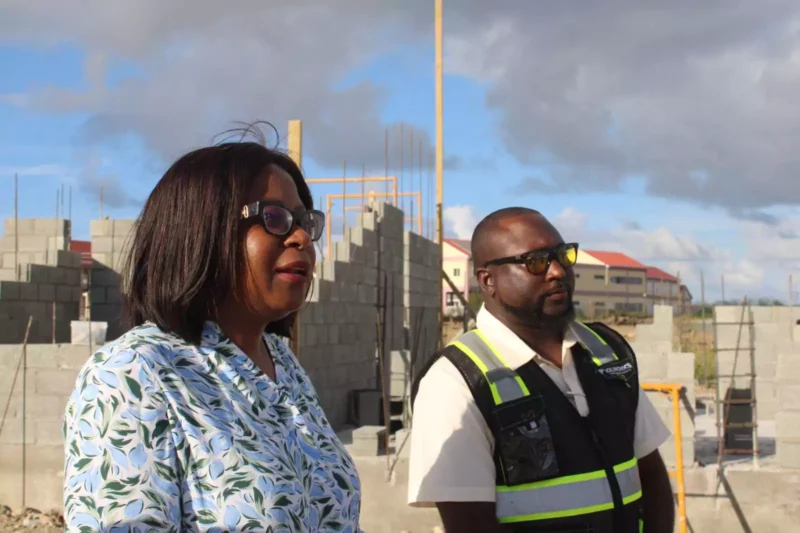
    This week, the development site welcomed a formal progress review led by Michael Freeland, the country’s Minister of State for Tourism and Member of Parliament for St. George, alongside Karen-Mae Hill, Antigua and Barbuda’s High Commissioner to the United Kingdom. The pair walked the entire construction zone alongside the project’s core leadership to inspect ongoing work and discuss next steps for delivery.

    According to Prince Charles, lead project manager for the redevelopment, work is advancing steadily on three purpose-built hard courts designed to host basketball, netball and volleyball competitions. Each court will include shaded covered seating that can accommodate approximately 225 spectators per facility, creating a comfortable viewing space for attendees at future community and national events. Agile Courts Construction, the contracted firm leading delivery of the court amenities, is currently handling resurfacing work as well as the installation of new perimeter fencing, upgraded event lighting, and other critical supporting infrastructure across the hard court zone.

    Beyond the dedicated court spaces, the redeveloped Potters Playing Field will also feature a dual-use open field calibrated for both football and cricket matches. Site crews have already completed core drainage work for the open field, and are on schedule to lay grass sod across the entire area in August, ahead of the final September completion target for sporting facilities.

    Officials confirmed during the site visit that the entire multi-sport complex is projected to reach substantial completion by September 30, more than a year ahead of the 2026 CHOGM, which will bring heads of government and senior diplomatic representatives from across the Commonwealth bloc to Antigua and Barbuda between November 1 and 4, 2026. The timeline ensures the facility will be fully operational and ready to support event activities and guest engagements during the international gathering.

    In addition to reviewing construction timelines, the walking tour included in-depth discussions on three key secondary priorities for the site: upgraded security protocols to protect visitors and event attendees, improved pedestrian access pathways to connect the complex to nearby neighborhoods and transportation routes, and adaptive reuse plans for existing Public Works buildings located on the property. The current structures will be renovated and repurposed to house new administrative offices for the complex and dedicated workshop spaces for maintenance and event operations, eliminating the need for new construction and reducing the project’s overall environmental footprint.
  • Antigua and Barbuda to Host OECS Services Sector Training Initiative

    Antigua and Barbuda to Host OECS Services Sector Training Initiative

    Against a backdrop of ongoing post-pandemic economic adjustment and intensifying competition in global services markets, Antigua and Barbuda has been selected to host a landmark specialized training initiative for the services sector, developed in partnership with the Organisation of Eastern Caribbean States (OECS). Scheduled to run from June 29 to July 2, 2026, the four-day program will take place daily from 9:00 a.m. to 3:30 p.m. at the Customs and Excise Division Conference Room located in Deep Water Harbour, Antigua.

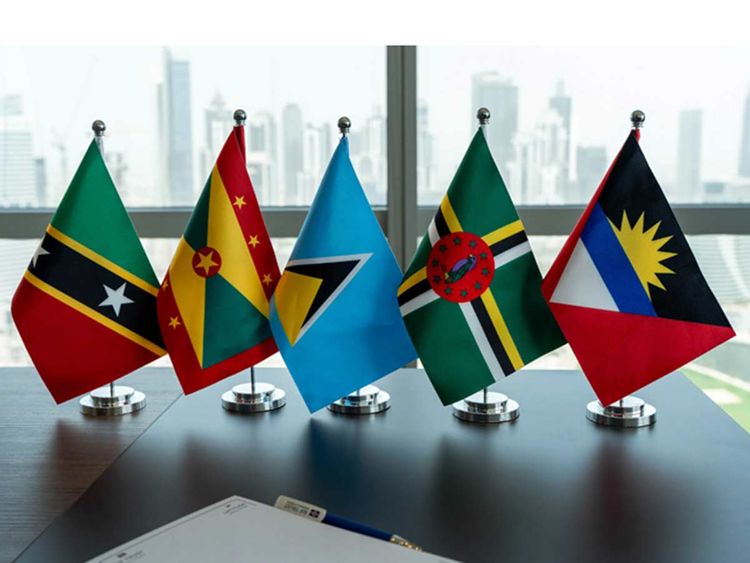
    This capacity-building effort forms a core component of a broader regional consultancy project commissioned by the OECS, with the formal mandate of strengthening technical knowledge, improving policy design capabilities, and honing negotiation skills for both public and private sector stakeholders across the bloc’s services industries. The 11-nation OECS bloc, whose participating member states include Antigua and Barbuda, Dominica, Grenada, Montserrat, Saint Kitts and Nevis, Saint Lucia, and Saint Vincent and the Grenadines, developed the initiative to advance the core goals of the Revised Treaty of Basseterre. That landmark agreement established the Eastern Caribbean Economic Union (ECEU), which works to accelerate deep economic integration, harmonize cross-border policy frameworks, and build a unified single economic space across the Eastern Caribbean.

    The timing of the program addresses a pressing need for the OECS: in the years following the COVID-19 pandemic, member states have prioritized building economic resilience and boosting competitiveness in global services trade, grappling with both persistent post-pandemic aftershocks and broader global economic headwinds. To that end, the training program is tailored to upskill three key groups that shape services sector performance: trade officials and public sector policymakers, representatives of Business Support Organisations (BSOs), and private sector services industry leaders.

    Over the course of the four days, participants will engage in a structured set of learning and collaboration activities. Attendees will contribute to the development of a customized Specialized Services Sector Training Plan aligned with the unique national needs of OECS member states, take part in a hands-on national workshop designed to build practical policy development and trade negotiation skills, and join a stakeholder sensitization seminar covering high-priority topics. Key seminar themes include emerging trends in traditional and non-traditional services sectors, existing obligations related to trade in services (TIS), strategies to address persistent barriers to cross-border services trade, and cutting-edge market intelligence tools to support domestic services sector growth.

    To remove barriers to participation for stakeholders across the region, the entire program will be delivered in a hybrid format, allowing both in-person and remote attendance for public and private sector representatives. OECS officials note that the initiative is designed to deliver long-term tangible benefits for the entire bloc: upon completion, member states will be better positioned to leverage the terms of existing trade agreements, update outdated domestic regulatory frameworks for the services sector, and boost their global competitiveness. By strengthening institutional capacity and improving policy coherence across public and private stakeholders, the program ultimately aims to drive sustainable long-term economic growth, boost regional economic resilience, and expand the participation of OECS member states in both regional and international trade networks.

    Local stakeholders in Antigua and Barbuda who are interested in participating in the initiative have been directed to contact the country’s Ministry of Trade via phone at 562-1532 or 562-8114 to request further information and secure registration details.

  • U.S. Revokes Visas in Crackdown on Birth Tourism Networks

    U.S. Revokes Visas in Crackdown on Birth Tourism Networks

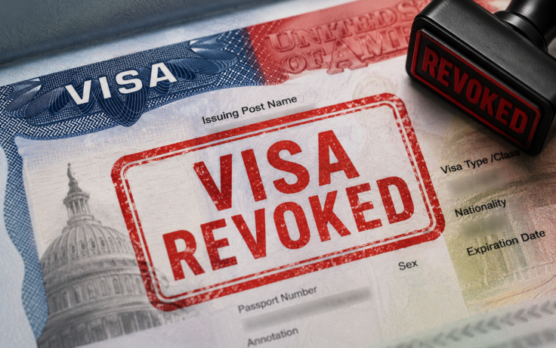
    The U.S. State Department has announced a major escalation of global efforts to dismantle illegal birth tourism operations, a practice that sees foreign nationals enter the country specifically to secure U.S. citizenship for their children by birth. As part of this expanding enforcement campaign, the agency has already revoked hundreds of visas linked to these schemes and moved to break up coordinated criminal networks operating across three continents. In an official statement released this week, the department outlined how consular teams working alongside law enforcement partners have uncovered multiple organized rings spanning multiple global regions. These networks allegedly relied on fraudulent paperwork, unlicensed visa consultants, and pre-interview coaching to help applicants secure tourist visas under false pretenses, hiding their true goal of giving birth on U.S. soil. One high-profile bust unfolded at a U.S. embassy in West Africa, where investigators uncovered a sophisticated operation connected to more than 100 participating foreign nationals. The probe confirmed that ring members used forged documentation and worked with so-called visa “fixers” to secure entry to the U.S. All visas linked to this network have been revoked, and U.S. officials are now collaborating with local law enforcement to root out other similar groups in the region. Enforcement action has also been aggressive in Europe, where one U.S. mission has identified over 400 suspected birth tourism cases since the start of 2024. Investigations tied these cases to at least six private companies that specialized in facilitating the scheme: they coached applicants on how to lie during consular visa interviews, booked long-term accommodations in the U.S., and coordinated all logistics for the upcoming childbirth. Beyond revoking all visas tied to this ring, the State Department has issued permanent travel bans barring several key organizers from ever entering the U.S. again. In North Africa, data analytics tools combined with joint work between consular staff and local law enforcement have led to the discovery of additional networks exploiting gaps in the U.S. immigration system. More than 100 visas have been revoked in this region after investigators confirmed that the applicants’ sole primary purpose of travel was to give birth in the U.S. and secure citizenship for their infants. The State Department emphasized that U.S. immigration law explicitly bars the issuance of visitor visas to any applicant whose primary travel goal is to obtain U.S. citizenship for a child via birthright citizenship. “Under President Trump, the State Department is defending the integrity of U.S. citizenship by ending illegal birth tourism schemes,” the statement read. The agency also reminded the public that a U.S. visa is a privilege, not an inherent right, and issued a clear warning that anyone caught misrepresenting their travel intentions can expect to face visa revocation and long-term restrictions on any future applications to enter the U.S. Officials confirmed that targeting and disrupting birth tourism networks will remain a top priority as part of the administration’s broader push to protect the integrity of the country’s immigration and visa systems. The latest wave of enforcement marks a clear shift toward a far more aggressive strategy by U.S. authorities, with active investigations now spanning multiple continents and impacting hundreds of visa holders linked to illicit schemes.

  • Shark Attack Leaves Urlings Fisherman Fighting to Save Hand

    Shark Attack Leaves Urlings Fisherman Fighting to Save Hand

    A terrifying incident unfolded off the coast of Urlings on Tuesday, when a young local fisherman suffered life-altering severe injuries during a spearfishing trip that landed him in emergency hospital care. According to local reports, the fisherman was submerged in nearshore waters alongside two other spearfishing companions when the unprovoked shark attack occurred. The encounter left the man with extensive, traumatic damage to one of his hands, requiring immediate urgent medical intervention.

    Quick-thinking fellow fishermen working nearby responded to the emergency within minutes, pulling the injured man from the water and coordinating his transport to a local hospital for emergency care. As of the latest updates, the young fisherman remains in the hospital receiving ongoing treatment for his injuries, leaving the tight-knit local fishing community on edge.

    The attack comes amid a growing trend that has raised alarm across the coastal area: multiple local fishermen have reported a noticeable uptick in shark sightings in the nearshore waters surrounding Urlings over the past several months. This rising frequency of encounters has fueled growing anxiety over safety, not only for the hundreds of local workers who rely on the ocean for their livelihoods, but also for recreational users who frequent the area’s coasts for swimming, boating, and other water-based activities. Community leaders and local fishermen are now calling for formal assessments of shark activity in the region to develop new safety protocols that can prevent similar attacks from occurring in the future.

  • Air Canada Pilot Flew More Than 900 Passenger Flights Without Proper Licence

    Air Canada Pilot Flew More Than 900 Passenger Flights Without Proper Licence

    A stunning revelation has sent shockwaves through Canada’s aviation industry after it emerged that an Air Canada pilot flew more than 900 commercial passenger flights without holding the required professional operating license. The scandal, first uncovered by aviation regulatory investigations, raises urgent questions about the carrier’s internal safety screening processes and broader industry oversight protocols.

    According to regulatory sources familiar with the probe, the unlicensed pilot began operating commercial flights years ago, after incorrectly moving through the airline’s internal qualification checks. Over the course of their career at the flag carrier, they completed more than 900 revenue-generating passenger trips, carrying untold numbers of travelers across domestic and international routes. Air Canada has since confirmed that the pilot has been removed from flight duty pending the outcome of a full, independent investigation into how the lapse went undetected for so long.

    Transport Canada, the national agency responsible for aviation safety regulation, has launched its own parallel inquiry into the incident, saying it will review whether existing monitoring frameworks are robust enough to prevent similar oversights in the future. Industry safety experts have warned that the case exposes critical gaps in crew qualification verification, noting that unlicensed pilots operating commercial aircraft pose a significant, unacceptable risk to passenger safety.

    The incident has sparked public outcry across Canada, with passenger advocacy groups calling for sweeping reforms to aviation safety auditing processes. Air Canada has issued a public statement saying it is cooperating fully with all regulatory investigations and will implement immediate changes to its internal qualification checking systems to address any identified vulnerabilities. The carrier has also emphasized that it takes full responsibility for the oversight and is committed to restoring public confidence in its safety standards.

  • Masked Gunman Shoots Into Vehicle, Injuring Occupant

    Masked Gunman Shoots Into Vehicle, Injuring Occupant

    In the pre-dawn hours of Tuesday, a brazen shooting unfolded on Dickenson Bay Street that has left local law enforcement working to piece together the details of the attack and identify the perpetrator. A 4 a.m. act of gun violence left a man with facial injuries after a shooter opened fire directly into the car where he was sitting.

    According to initial accounts from the scene, the attacker was concealed by a mask and wore all black clothing, a disguise that has complicated early witness descriptions for investigators. The assailant walked up to the stationary vehicle, took aim at the window, and fired a single bullet that crashed through the glass.

    The flying shards of shattered glass from the bullet’s impact caused the facial wounds that the victim sustained. Emergency responders quickly transported the injured man to Sir Lester Bird Medical Centre, where he has already received medical attention for his injuries. As of Tuesday, no updates have been released on his current condition, and no suspects have been taken into custody in connection with the attack.

    Local police have confirmed that they are still actively investigating every angle of the incident, working to collect forensic evidence from the scene, interview potential witnesses, and track down the masked gunman responsible for the early morning attack.

  • Taxes on rum and sweet drinks still too low, Health Authorities say

    Taxes on rum and sweet drinks still too low, Health Authorities say

    Two new reports released by the Pan American Health Organization (PAHO) deliver a stark warning for the Americas: current health taxes on alcohol and sugar-sweetened beverages (SSBs) are insufficient to drive meaningful reductions in consumption, even as the region grapples with some of the highest global intake rates of these products and a growing burden of preventable noncommunicable diseases (NCDs).

    Titled *Taxes on alcoholic beverages in the Americas* and *Taxes on sweetened beverages in the Americas*, the analyses find that average tax levels across the region consistently fall below global benchmarks, undermining what public health experts widely recognize as one of the most cost-effective interventions to improve population health. When broken down by product category, the median total tax burden on beer in the Americas hits just 25.5%, compared to a global median of 29.4%. For spirits, the regional average tax rate lands at 31.5%, well under the global median of 38.7%. For SSBs, the median tax burden equals only 17.1% of a product’s final retail price—slightly below the global median of 17.8%—with one-third of all regional nations imposing no tax whatsoever on sugary drinks.

    PAHO’s data underscores the urgent gap between policy and public health need: the Americas, particularly Latin America and the Caribbean, already lead the world in per capita consumption of both alcohol and SSBs. The average adult in the region consumes 7.8 servings of sugary beverages per week, nearly three times the global average of 2.7 servings.

    Elevated consumption of these products is directly tied to a cascade of severe negative health outcomes that strain regional health systems. Higher intake is linked to rising rates of overweight and obesity, which currently affect 67.5% of adults in the region, as well as type 2 diabetes, cardiovascular disease, multiple forms of cancer, liver disease, and a range of other NCDs. For alcohol, harmful use is additionally connected to increased rates of preventable injuries and violence.

    Well-designed health taxes serve a dual public policy purpose: they discourage consumption of products proven to harm health, while generating stable public revenue that governments can allocate to underfunded health and social priorities. Targeted taxation also delivers long-term preventive benefits, such as delaying the onset of alcohol use among adolescents, cutting rates of dangerous heavy drinking, and reducing overall SSB intake that drives obesity and chronic illness.

    Despite these proven benefits, the reports outline critical structural flaws holding back policy effectiveness across most of the region. Many nations maintain artificially low tax rates, limit the scope of taxed products, or fail to update tax levels regularly to account for inflation—all of which erode the long-term impact of these measures. A key gap in coverage is the exclusion of less obvious sugary products, including sugar-sweetened dairy drinks and processed fruit juices, which pushes consumers to shift their purchases to these untaxed alternatives and blunts the public health impact of existing tax policies.

    That said, the reports do highlight small but meaningful progress from a handful of regional nations in recent years. Barbados and Colombia have rolled out new targeted taxes on unhealthy products, while Dominica has raised tax rates across tobacco, alcohol, and sugary beverages.

    “In many countries of the Americas, existing taxes have not been designed in line with international best practices and remain too low to meaningfully influence consumption patterns, reduce exposure to health risks, or generate the level of health and fiscal gains that effective health taxes can deliver,” said Dr. Anselm Hennis, Director of PAHO’s Department of Noncommunicable Diseases.

    To unlock both maximum health improvements and fiscal benefits, PAHO is calling on regional governments to strengthen their health tax frameworks through four key reforms: implementing intentional, well-structured tax design, setting tax rates at levels sufficient to change consumer behavior, expanding coverage to include all sugar-added products that pose health risks, and building in automatic regular adjustments to account for inflation. The organization also emphasizes the need for consistent policy enforcement, ongoing outcome monitoring, and evidence-based iterative reform to ensure taxes deliver on their core goal of reducing harmful consumption and improving population health.

    “PAHO is committed to providing technical support to Member States to strengthen the implementation of health taxes, an evidence-based measure that contributes to reducing risk factors and protecting population health,” Dr. Hennis concluded.

    The reports were presented in May during a public webinar hosted by PAHO in partnership with Johns Hopkins University, and they contribute to broader regional and global efforts to track how fiscal policy can be aligned to meet public health targets.

  • Sir Rodney Williams and Sir Vivian Richards Featured in CHOGM Mural Project

    Sir Rodney Williams and Sir Vivian Richards Featured in CHOGM Mural Project

    Antigua and Barbuda has taken a major step forward in its preparations for the 2026 Commonwealth Heads of Government Meeting (CHOGM) with the public unveiling of a striking, eco-friendly mural crafted entirely from recycled plastic bottle caps. This creative community project, which features portraits of the nation’s governor-general Sir Rodney Williams and beloved Antiguan cricket icon Sir Vivian Richards, weaves together environmental advocacy, national pride, and public engagement as the Caribbean nation gears up for the landmark international summit. More than just a public art installation, the initiative is designed to embed sustainable development goals into the lead-up to the conference, driving nationwide conversations about environmental stewardship and encouraging widespread community participation in summit preparation efforts. Government officials involved in the project emphasized that the mural’s sustainable construction is no coincidence—it is a tangible public demonstration of Antigua and Barbuda’s long-standing commitment to environmental responsibility, particularly as the country prepares to make history as the smallest sovereign nation ever to host the quadrennial Commonwealth gathering. For the small island nation, which is disproportionately vulnerable to the impacts of climate change and sea-level rise, the project also serves as a quiet, powerful reminder of its climate advocacy priorities on the global stage ahead of the high-profile summit.

  • Minister Turner Holds Talks on Improving Sewage Systems and Protecting Coastlines

    Minister Turner Holds Talks on Improving Sewage Systems and Protecting Coastlines

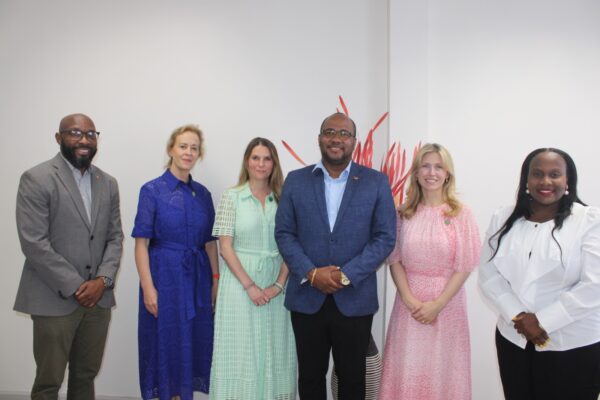
    As Antigua and Barbuda makes early preparations to host the 2026 Commonwealth Heads of Government Meeting (CHOGM), senior government official Minister Rawdon Turner has held high-level strategic discussions with the Sustainable Markets Initiative (SMI) to lay the groundwork for targeted progress on the country’s most pressing national development goals. The meeting, which brought together SMI chief executive Jennifer Jordan-Saifi and her communications team alongside Minister Turner, centered on aligning international support with Antigua and Barbuda’s long-term resilience and inclusive growth agendas.

    At the top of the government’s priority list is the urgent modernization of St. John’s aging sewage treatment infrastructure, a long-unresolved challenge that poses growing risks to the capital’s development trajectory, public health outcomes, and surrounding ecosystems. Outlining the administration’s vision for a future-proof, sustainable urban landscape, Turner emphasized that upgrading these outdated systems is non-negotiable for unlocking continued growth in the capital while safeguarding both community well-being and the natural environment.

    Inclusivity emerged as another core focus of the talks. Minister Turner highlighted the government’s goal to transform St. John’s into a universally accessible city for people living with disabilities, outlining plans to build connected, mobility-friendly urban corridors and upgrade existing public infrastructure. To turn this vision into actionable progress, he formally requested SMI’s technical guidance to help the government adapt and implement international best practices that will boost mobility, expand social inclusion, and raise quality of life for both local residents and the tourists that drive a key segment of the national economy.

    Climate resilience and environmental stewardship, long critical priorities for the low-lying island nation, also dominated the agenda. Minister Turner drew attention to the accelerating threat of coastal erosion and widespread beach degradation across Antigua and Barbuda, two interconnected challenges that put the country’s critical tourism industry and natural heritage at severe risk. To address this, he asked SMI to provide specialized consultancy support to develop evidence-based, practical strategies that can protect coastlines and preserve one of the country’s most economically and ecologically valuable natural assets.

    Following the productive discussions, SMI CEO Jordan-Saifi welcomed the opportunity to build a formal partnership with the government of Antigua and Barbuda. She confirmed the organization’s openness to exploring all viable avenues to deliver tangible, meaningful support aligned with the priorities laid out by Turner. Moving forward, SMI will conduct a detailed assessment of each priority area, then work to mobilize tailored support through one of several potential channels: grant funding, concessional financing, access to specialized technical expertise, or brokering targeted strategic partnerships with other global stakeholders.

    The high-level meeting underscores the Antigua and Barbuda government’s proactive commitment to leveraging international collaboration to solve long-standing national development challenges, as the country gears up to welcome heads of state and global leaders from across the Commonwealth for the 2026 CHOGM summit.

  • Patients Can Now Request Some Hospital Appointments Online

    Patients Can Now Request Some Hospital Appointments Online

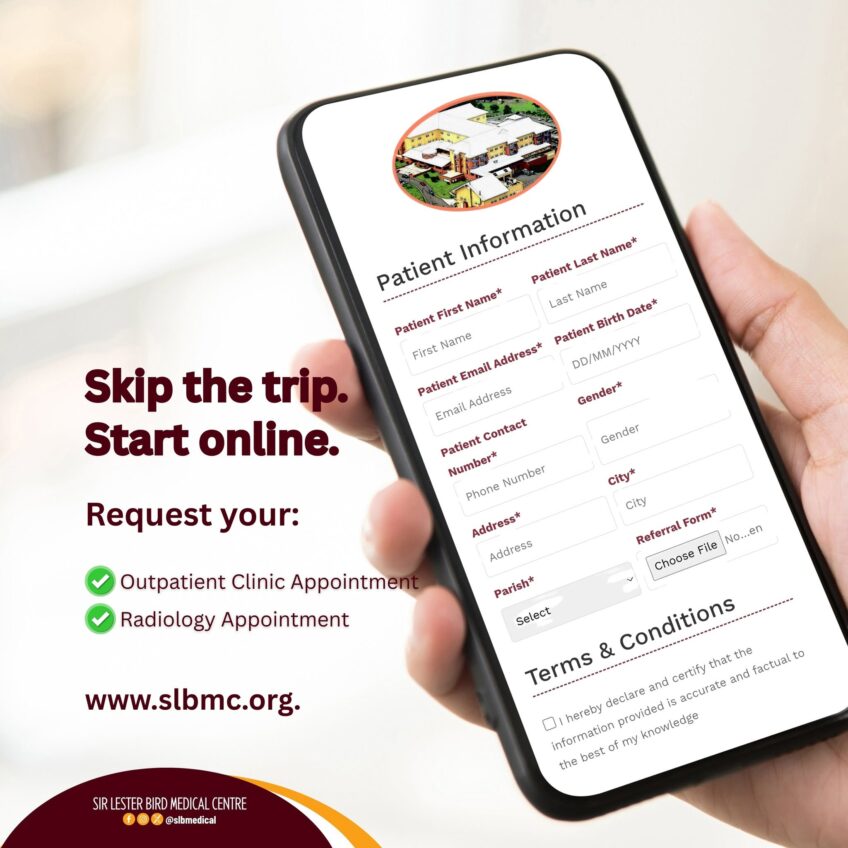
    The Sir Lester Bird Medical Centre (SLBMC) has recently issued a public call encouraging all patients to shift to its new digital appointment request platform for both outpatient clinical visits and radiology services, marking a key step in modernizing the facility’s patient experience.

    Unlike traditional booking processes that require patients to travel to the medical center in person to reserve a time slot, the new online system removes this geographic and logistical barrier entirely. Patients can submit their appointment requests at any point that fits their schedule, as the platform operates around the clock, 24 hours a day, seven days a week. This flexibility caters to working professionals, caregivers, and patients with mobility limitations who may struggle to visit the hospital during standard operating hours for non-urgent booking.

    After a patient submits an online request, the hospital’s administrative care team will review the submission and reach out directly to the patient to finalize and confirm all appointment details, including date, time, and any pre-appointment preparations patients need to complete ahead of their visit.

    Hospital administrators explained that the rollout of this digital booking tool is part of the facility’s broader effort to upgrade patient access to care. By moving routine appointment requests online, the center aims to cut down on on-site crowding, reduce wait times for in-person visitors, and streamline the entire care navigation process, ultimately making essential healthcare services more convenient and accessible for the communities it serves.