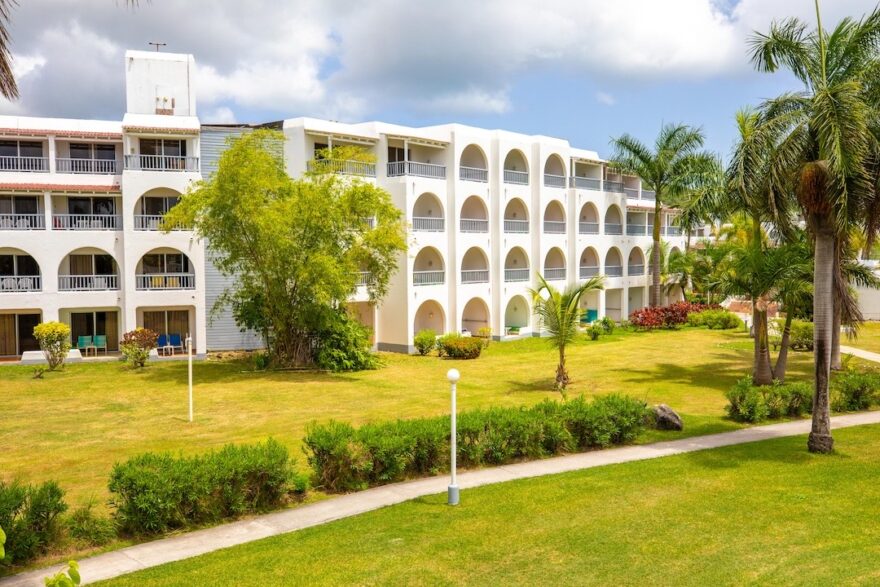
Antigua and Barbuda’s Prime Minister Gaston Browne has revealed a $13.5 million government-led upgrade initiative for Jolly Beach Resort, a key strategic asset designed to bolster the twin-island nation’s fast-growing tourism economy. The announcement, made during Browne’s weekly Saturday radio broadcast, frames the investment as a deliberate move to elevate guest experiences and expand the resort’s capabilities to host large-scale international conferences and corporate events.
标签: Antigua and Barbuda
安提瓜和巴布达
-
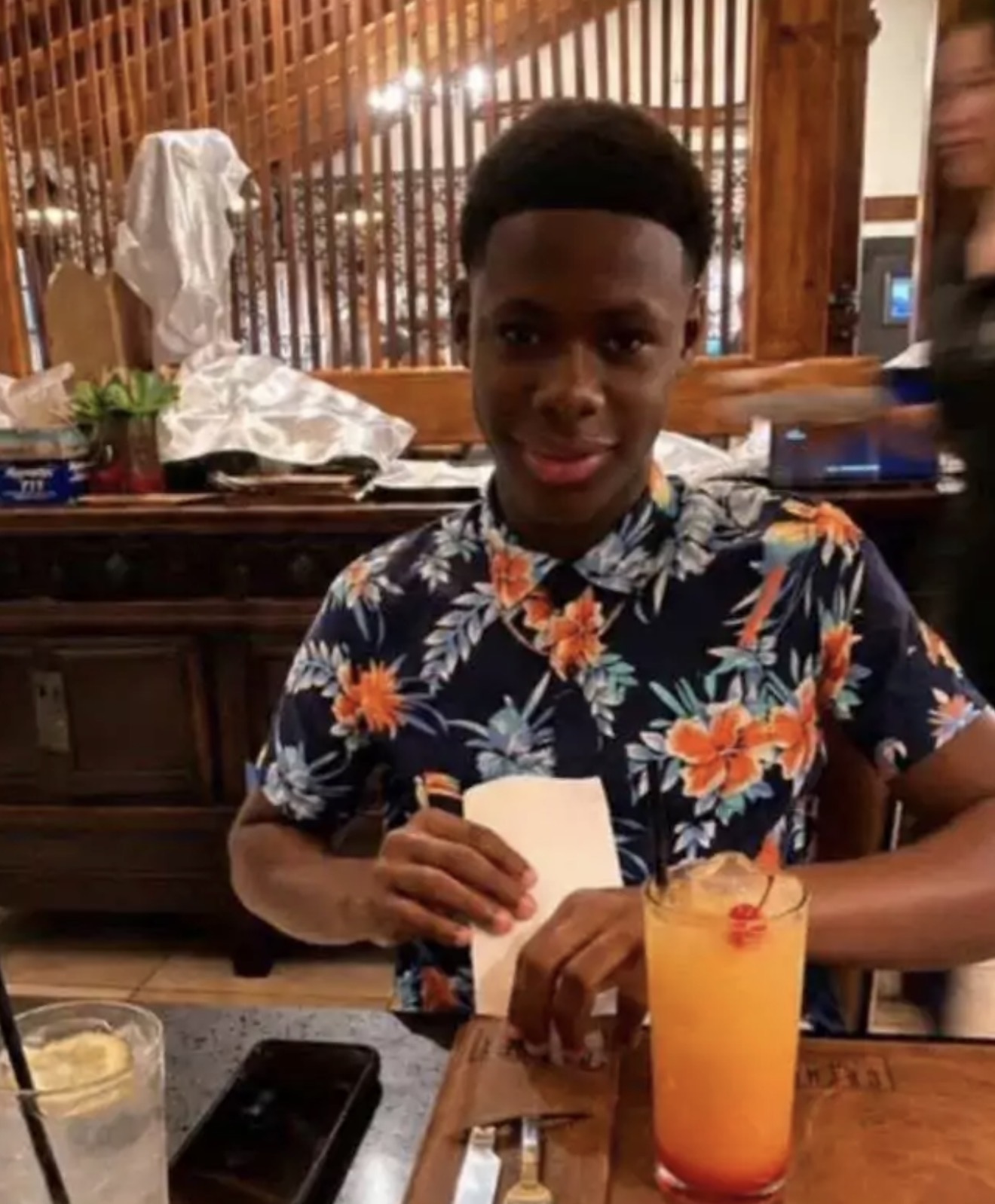
UPDATE: 15-Year-Old Deshawn James Has Been Located
A days-long search for missing 15-year-old Deshawn James has concluded on a hopeful note, after the teenager was confirmed to be found safe and unharmed. The successful outcome brings relief to both Deshawn’s family and the community that rallied to support the search effort. Just days prior, local law enforcement and Deshawn’s relatives issued a public call for assistance, after the teen was reported missing. At the time of the initial appeal, authorities did not disclose key details including the date and location of Deshawn’s last sighting, but urged community members to come forward with any information that could help locate him. Family members pushed for widespread sharing of the missing person notice, asking the public to remain vigilant as search operations got underway, and provided two dedicated contact numbers — 724-4415 and 781-1054 — for tips. Following the announcement that Deshawn had been found, family members moved quickly to confirm the good news and express their thanks. Relatives extended gratitude to every person who shared the missing person alert, reached out to the family with updates, and contributed time and effort to the search. As of the latest update, no additional details surrounding Deshawn’s disappearance or his recovery have been released to the public.
-
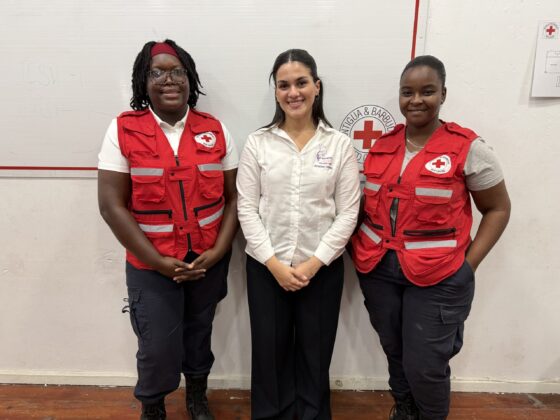
Hopeful Hearts Foundation Hosts Successful Food and Clothing Drive
A collaborative community assistance initiative led by the Hopeful Hearts Foundation in partnership with the Antigua and Barbuda Red Cross has concluded with resounding success, bringing critical relief to hundreds of struggling families across the twin-island nation.
The food and clothing drive united a diverse cross-section of local society, drawing generous contributions of non-perishable food, gently used clothing, and other life essentials from individual residents, local commercial enterprises, non-profit groups, and community leaders. Every donation went directly to support community members facing financial hardship, with hundreds of households walking away with the supplies they desperately needed. The outcome of the effort offers a powerful reminder of how collective action and shared compassion can address pressing local needs.
Organizers have publicly highlighted the key contributions of major supporters that made the drive’s success possible, including national retail chain Chase, regional supplier Anjo Wholesale, the youth-led service organization Rotaract Club of Antigua, and Senator Lamin Newton, alongside dozens of individual donors who gave clothing and essential goods. Without their timely, generous support, organizers note, the initiative would not have been able to reach as many families in need as it ultimately did.
After all planned distributions were completed, all leftover supplies were transferred to the Antigua and Barbuda Red Cross to support the organization’s ongoing work with vulnerable populations across the country. A portion of the remaining donations has also been set aside for future community outreach programs organized by the Hopeful Hearts Foundation, ensuring the generosity of initial donors will continue to create impact long after the conclusion of this drive.
Kristine Louisa, a representative of the Hopeful Hearts Foundation, shared her perspective on the initiative’s success: “We are deeply grateful to every donor, every volunteer, and every supporter who turned this drive from a plan into tangible help for hundreds of families. Together, we keep proving that even the smallest acts of kindness can add up to life-changing difference for people who need it most.”
Looking ahead, the Hopeful Hearts Foundation reaffirmed its long-term commitment to serving communities across Antigua and Barbuda. The organization plans to continue building sustainable community programs, expanding local outreach, and forging collaborative partnerships that create meaningful, lasting improvement for vulnerable populations across the islands.
-
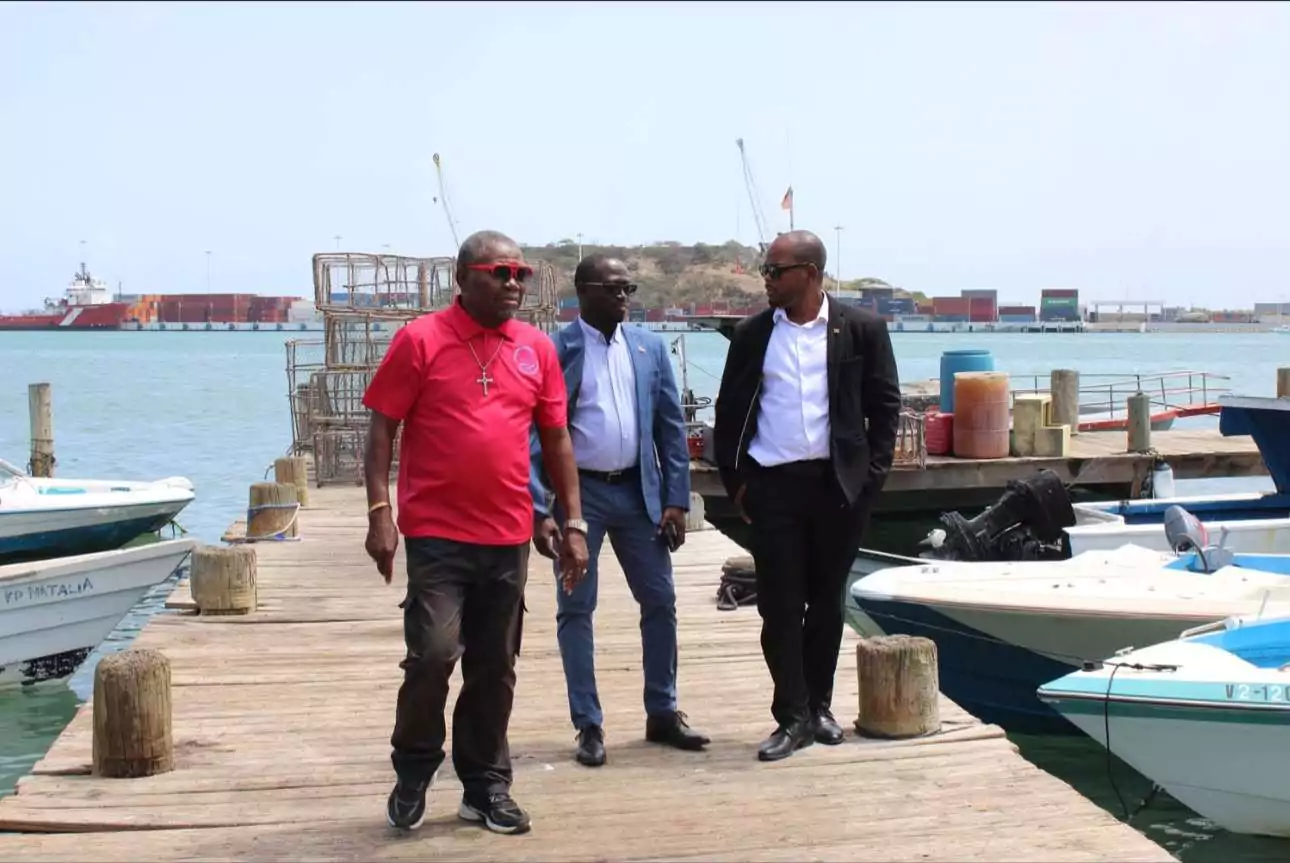
Government to Rebuild Keeling Point Pier
Antigua and Barbuda is advancing a critical infrastructure upgrade for one of its most important fishing hubs, with plans to completely replace the decades-old deteriorating pier at Keeling Point with a modern reinforced concrete structure. The project announcement came shortly after a site inspection led by Minister of State Randy Baltimore and Michael Joseph, Member of Parliament for St. John’s Rural West. During the visit, the two elected officials held talks with Conrad Simon, Coordinator of the country’s Fisheries Division, as well as representatives from the local fishing community to align on project goals and community needs.
Government technical experts have confirmed that incremental repairs carried out on the existing pier over the past several years have failed to resolve ongoing structural issues, and are no longer adequate to support the daily operations of local fishermen. After assessing multiple possible solutions, officials concluded that full reconstruction represents the most cost-effective and durable long-term strategy for the site.
The planned overhaul includes far more than a simple touch-up: all existing wooden support piles will be swapped out for sturdy concrete piles, and the pier will get a new reinforced concrete deck engineered to resist the corrosive effects of saltwater and withstand extreme tropical weather events common to the region. In a departure from the current layout, the new pier will adopt a T-shaped design instead of the existing L-shaped configuration, a change that will create additional working space for offloading catches and significantly improve vessel access for fishing boats of varying sizes.
Beyond infrastructure plans, the site visit also addressed urgent public safety concerns that emerged after a recent shark attack that injured a local fisherman. Minister Baltimore shared an update on the victim’s condition, confirming that the fisherman is currently recovering from his injuries. He also issued a reminder for all mariners and people using the coastal area to maintain heightened awareness of shark activity, noting that government agencies are continuing to monitor increased reports of shark sightings in the region.
Simon, the Fisheries Division coordinator, expressed strong support for the planned redevelopment, noting that the project is part of a wider national push to upgrade critical fisheries infrastructure across the country and lift working conditions for thousands of people who depend on the fishing industry for their livelihoods.
-
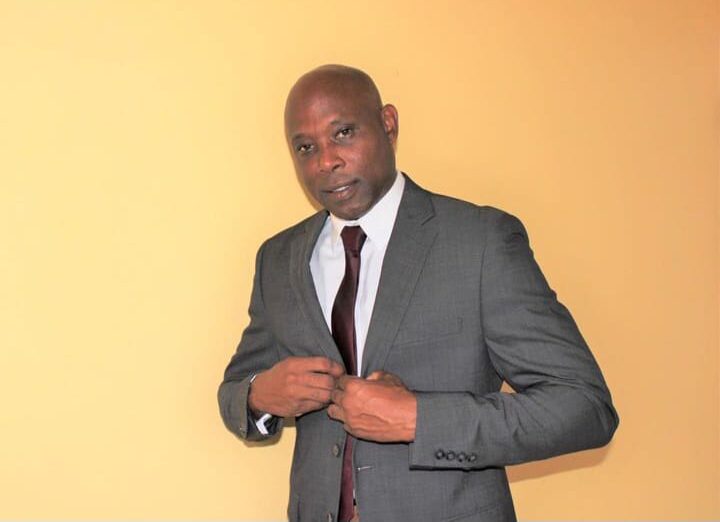
COMMENTARY: Banked, But for How Long?
For millions of households across the world, having money held in bank accounts has long been viewed as the gold standard of financial safety: liquid, insured, and free from the wild swings of stock and property markets that have sunk countless investments during downturns. But as global economic headwinds intensify, from persistent inflation eating into real returns to rising interest rates increasing pressure on bank balance sheets, a growing chorus of financial analysts are asking a pressing question that would have seemed unthinkable a decade ago: your money is banked today, but how long will that security last?
The post-2008 financial crisis landscape brought sweeping regulatory reforms designed to shore up bank stability and prevent the kind of bank runs that devastated communities during the Great Depression. Deposit insurance schemes in most developed economies now cover up to hundreds of thousands of dollars per account, giving everyday savers a reason to sleep easy. Yet recent events have laid bare new vulnerabilities that regulators did not fully anticipate. In 2023, the rapid collapse of three mid-sized U.S. regional banks, driven in large part by unrealized bond losses as interest rates spiked, triggered the first broad panic over deposit security in nearly 15 years. Even though regulators moved quickly to backstop all deposits, the event exposed how quickly confidence can erode in the digital age, where social media rumors and instant wire transfers can turn a small concern into a full-blown run in 48 hours or less.
Inflation adds a second, more insidious layer of risk. Even when deposits are fully protected, savers are losing purchasing power year after year if their savings accounts pay interest rates that lag behind rising consumer prices. For low and middle-income households that keep most of their wealth in checking and savings accounts, this silent erosion gradually eats away at emergency funds that took years to build. While some banks have started offering higher-yield savings products in response to rising central bank rates, many large commercial banks have been slow to pass those gains onto retail customers, leaving ordinary savers footing the bill for tighter monetary policy.
Looking ahead, the path forward remains uncertain. On one hand, regulatory safeguards put in place after recent bank failures have strengthened the system overall, and most major banks maintain far higher capital reserves than they did before 2008. On the other hand, persistent geopolitical tension, ongoing inflationary pressure, and the growing risk of a global recession could put new stress on smaller and mid-sized financial institutions that hold a disproportionate share of consumer deposits. For everyday savers, the current moment calls for cautious evaluation rather than panic: understanding deposit insurance limits, diversifying holdings where possible, and staying informed about the financial health of their banking partners is the best way to protect the savings they have worked so hard to build.
-
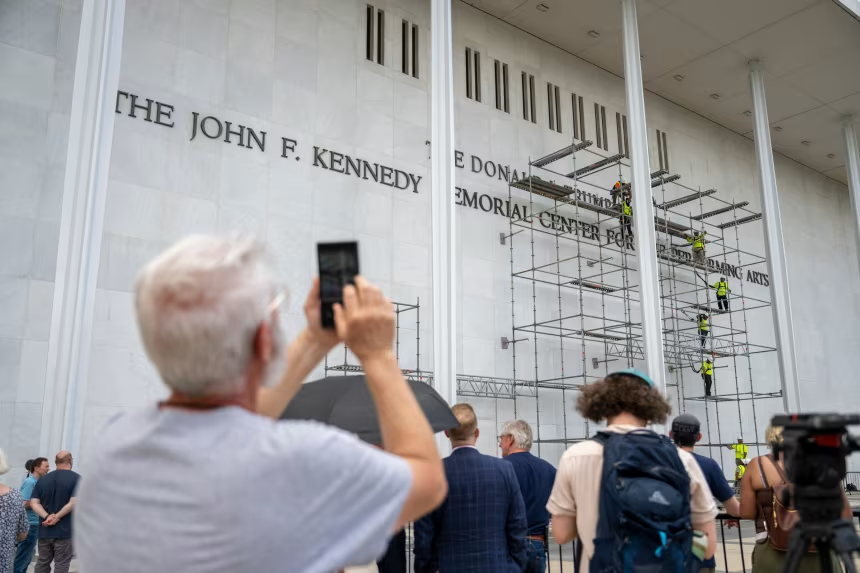
Kennedy Center says it has fully removed Trump’s name from its building
The John F. Kennedy Center for the Performing Arts, one of the United States’ most prominent cultural institutions located in Washington, D.C., has confirmed that it has completed the full removal of Donald J. Trump’s name from one of its on-campus buildings. This administrative move caps off a months-long process that began shortly after the end of Trump’s single four-year term as the 45th U.S. president, when the center’s board of trustees first voted to strip his name from the facility.
-

Perry Bay Earmarked for Housing and Marina Development
Local development authorities have formally earmarked Perry Bay, a long-overlooked coastal stretch on the region’s northern shoreline, for a transformative mixed-use development project combining new residential housing and a modern recreational marina. The site selection follows 18 months of environmental impact assessments, public consultation rounds, and infrastructure feasibility studies, which concluded that the location offers ideal natural conditions and access to existing transport links to support sustainable growth.
The proposed development is set to deliver over 800 new residential units, ranging from affordable starter homes for local first-time buyers to high-end waterfront apartments, addressing the region’s ongoing housing supply crunch that has pushed property prices up by 17% over the past three years. Complementing the residential component, the 220-berth marina will cater to recreational boaters, support local small businesses in the marine tourism sector, and include public waterfront access, walking trails, and a new coastal park open to all community members.
Project planners note that strict environmental protections have been built into the development blueprint to minimize disruption to local marine ecosystems, including protected seagrass beds and shorebird nesting habitats. The project is expected to break ground by the end of next year, creating more than 1,200 local construction jobs and generating an estimated $45 million in annual economic activity for the region once fully operational. While some local environmental groups have raised concerns about potential increased coastal traffic and ecological disruption, project leaders have committed to ongoing independent monitoring and regular public updates to address community worries.
-
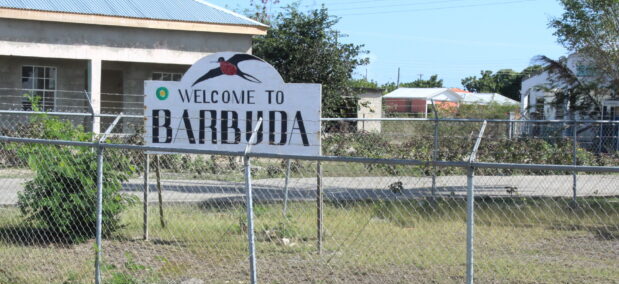
Cabinet Warns Illegal Structures in Barbuda Could Face Demolition
In a Wednesday Cabinet session focused on land governance in Barbuda, the government of Antigua and Barbuda has doubled down on its commitment to upholding the island’s land regulations, issuing a fresh, explicit warning that unapproved, unauthorized construction across Barbuda faces imminent legal enforcement, including demolition. The announcement came as Attorney General Sir Steadroy Benjamin updated lawmakers on ongoing progress toward launching the long-awaited formal Barbuda Land Registry, a cornerstone policy initiative designed to overhaul the island’s fragmented land administration system.
Maurice Merchant, Director General of Communications, outlined the body’s unified stance following the meeting: all structures built without the full suite of legally required permits, approvals, and authorizations are officially classified as illegal. Under the government’s newly tightened enforcement framework, authorities will not hesitate to carry out all permitted legal actions, including the full demolition and removal of these unlawful developments, in strict alignment with national land laws.
This public warning is not an isolated measure, but part of a broader government push to bring order to land ownership and development activity across Barbuda, concurrent with the rollout of the new registry system. During the session, Cabinet also reaffirmed a long-held legal position that the Barbuda Council holds no statutory authority to sell, lease, or transfer any land on the island – any transactions conducted outside of government-approved processes will be considered void and unrecognized by the national administration.
Merchant noted that Cabinet has growing concerns over the proliferation of unreported land transactions and unregulated development that operate outside of the state’s formal legal framework. The administration is fully committed to halting the spread of illegal construction, he stressed, and warned that any individual or entity moving forward with construction without securing proper authorization does so at their own legal and financial risk.
In a move designed to balance strict enforcement with protections for long-term residents, officials moved quickly to reassure Barbuda residents who have occupied land on the island for extended periods that they will not be penalized for past informal arrangements. Under the government’s upcoming land registration program, these residents will be given a clear pathway to formalize their land claims and obtain legal ownership documents. This includes the administration’s flagship $1 land ownership initiative, which offers eligible native Barbudans the chance to secure formal title for a nominal fee.
Cabinet emphasized that the completion of the Barbuda Land Registry will deliver far-reaching public benefits, bringing unprecedented certainty, transparency, and legal security to all matters related to land ownership and development across the island. The formal system will also ensure that all future infrastructure, residential, and commercial projects proceed in full compliance with the national laws of Antigua and Barbuda, laying the groundwork for sustainable, orderly growth on the island.
-
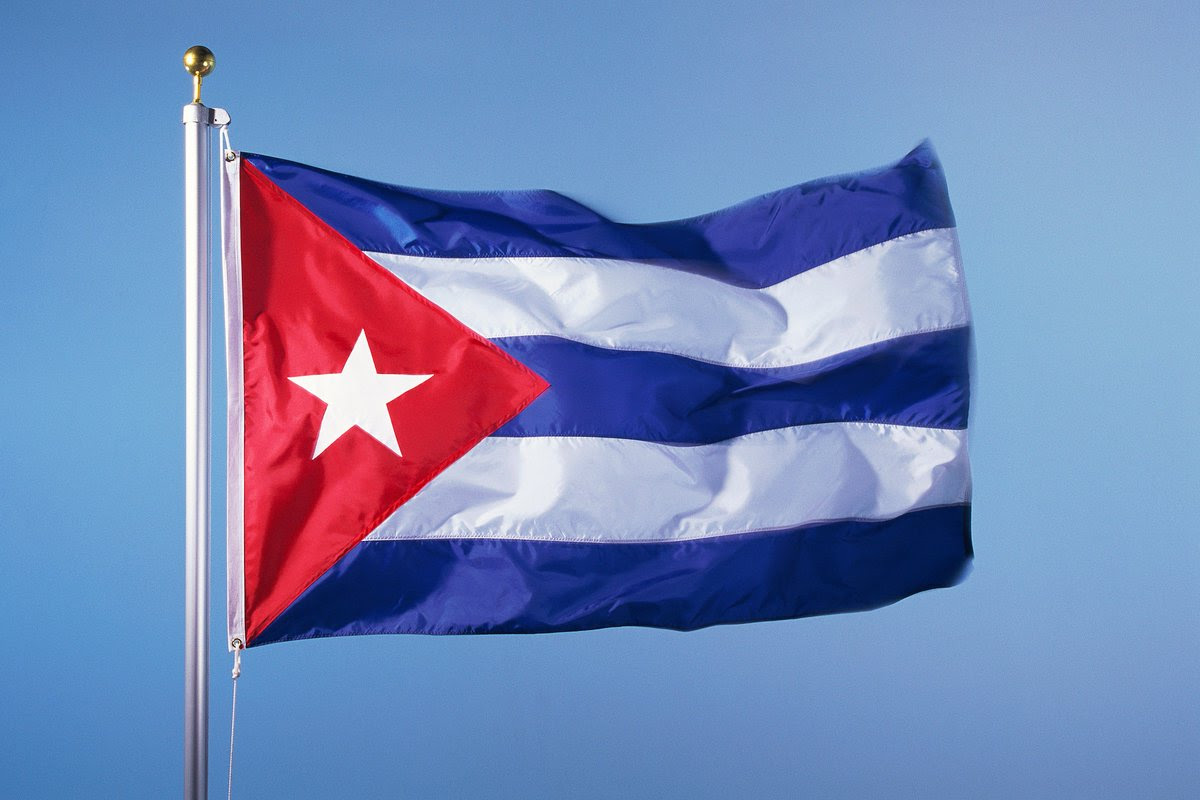
Antigua and Barbuda Reaffirms Support for Cuba and CARICOM Relief Efforts
Against the backdrop of sustained economic and humanitarian strain on Cuba, the government of Antigua and Barbuda has publicly reaffirmed its longstanding commitment to standing with the Caribbean island, while making clear it will honor all obligations to regional assistance efforts organized through the Caribbean Community (CARICOM). The pledge came during a post-Cabinet press briefing held Thursday, where Director General of Communications Maurice Merchant addressed questions from journalists about regional support frameworks for Cuba and Antigua and Barbuda’s participation in CARICOM’s coordinated humanitarian initiative. Merchant confirmed that the specific topic of Cuban assistance did not appear on the agenda for Wednesday’s weekly Cabinet meeting. He did, however, note that Antigua and Barbuda’s Minister of Foreign Affairs, E.P. Chet Greene, is currently participating in high-level regional gatherings where Cuba-related challenges remain a key standing discussion item. In clear, formal remarks, Merchant emphasized that the Antigua and Barbuda government’s commitment to supporting Cuba has not shifted, and the nation is fully prepared to meet any commitments tied to CARICOM’s regional support programs. “Antigua and Barbuda stands ready to fulfill its commitment to supporting the humanitarian effort towards Cuba,” Merchant stated. Framing Cuba as one of Antigua and Barbuda’s oldest and most reliable bilateral partners, Merchant added that the administration remains willing and able to extend tangible support wherever its resources allow. Beyond direct humanitarian assistance, Merchant also highlighted that Antigua and Barbuda has a long track record of advocating for Cuba in multilateral international forums, most notably on the issue of long-strained diplomatic and economic relations between Cuba and the United States. He confirmed that this advocacy work will continue, with Antigua and Barbuda remaining dedicated to all international efforts that aim to improve living and economic conditions for the Cuban public. “Anything to lessen the burden of the people of the Republic of Cuba, Antigua and Barbuda stands ready to give support,” he added. CARICOM’s leadership has for months repeatedly voiced public concern over the deepening economic hardships facing the Cuban population, and regional leaders have actively worked to develop and scale practical assistance programs through coordinated cross-national cooperation and targeted humanitarian initiatives. The diplomatic partnership between Antigua and Barbuda and Cuba stretches back decades, with deep, ongoing collaboration in core sectors including public health, education, and technical skills exchange. Government officials have repeatedly emphasized that this close bilateral relationship remains a central pillar of Antigua and Barbuda’s broader foreign policy strategy.
-

Antigua and Barbuda Well Represented on Commonwealth Youth Forum Planning Taskforce
A new cohort of 23 young leaders from across the Commonwealth has been selected to helm the international taskforce responsible for designing and rolling out the 2026 Commonwealth Youth Forum (CYF), which will take place alongside the 2026 Commonwealth Heads of Government Meeting (CHOGM) in Antigua and Barbuda. This diverse group of emerging leaders will partner closely with three key stakeholders: the Commonwealth Secretariat, the Commonwealth Youth Council (CYC), and the government of Antigua and Barbuda, to bring the forum to life. Key responsibilities for the taskforce include refining the event’s agenda, drafting youth-led policy recommendations, and coordinating critical on-the-ground logistics to ensure smooth operations.
Drawn from multiple Commonwealth regions and representing a wide cross-section of youth interest groups, the taskforce is centered on a core mission: pushing global policymakers to prioritize initiatives that drive inclusive sustainable development, shared economic prosperity, and targeted youth investment across the 56-nation bloc. Established in 2010, the CYF was founded to address a longstanding gap in global governance, ensuring that youth voices and concerns are not overlooked by national leaders ahead of CHOGM deliberations. Over more than a decade, it has evolved into one of the world’s most influential institutional platforms for young people to engage directly with heads of government and shape multilateral policy. The 2026 iteration of the forum is scheduled to run from 1 to 4 November in St. John’s, Antigua, carrying the official theme “Investing in Youth Agency—Co-Creating Pathways towards Shared Prosperity.”
Host nation officials have reaffirmed their full commitment to supporting the taskforce’s work. Senator Shenella Govia, Minister of State in Antigua and Barbuda’s Ministry of Works and Housing and the 2026 CYF lead, emphasized the significance of the new cohort. “I’m pleased to announce the Official Commonwealth Youth Forum Taskforce; a team we are confident will design and deliver a successful forum that reflects the diverse perspectives of our Commonwealth youth and provide a meaningful platform for dialogue and action,” Govia stated.
Jennifer Namgyal, Officer-in-Charge of the Social Development, Youth and Gender Directorate at the Commonwealth Secretariat, highlighted the outsized role the taskforce will play in centering youth needs across the bloc. “We are delighted to be collaborating with the official Commonwealth Youth Forum Taskforce, an important team of young leaders amplifying the aspirations of the Commonwealth’s 1.6 billion young people by highlighting their innovations, elevating their solutions to global challenges, and providing a global platform for their voices to be heard,” Namgyal explained.
For taskforce co-chair Neema Sheikh Abdikadir Abdikadir, who also serves as CYC Vice Chairperson for Inclusion and Engagement and represents Kenya, the forum comes at a critical geopolitical moment. “At a time when young people are questioning multilateralism in the current geopolitical context, this CYF will enable young leaders and other stakeholders to build their skills and co-create solutions that will shape the future,” Abdikadir said.
Donte Walter, the taskforce’s second co-chair and the host nation’s representative from Antigua and Barbuda, shared his pride in taking on the role. “I am deeply honoured to serve as Co-Chair of the Taskforce, representing the voices and aspirations of young people in Antigua and Barbuda and across the wider Caribbean region. I look forward to collaborating with fellow leaders and stakeholders to deliver a transformative and impactful youth forum, one that unites visionary youths, strengthens meaningful engagement, and empowers emerging leaders with the resilience and capacity to shape a more sustainable and inclusive Commonwealth,” Walter said.
In addition to the two co-chairs, the full taskforce roster includes Shacia Albertine (Antigua and Barbuda), Stanley Anigbogu (Nigeria), Eleala Avanitele (Tuvalu), Selena E. Jn Baptiste (Saint Lucia), Byron Christopher (Antigua and Barbuda), Lucia Ene-Lesikar (Tanzania/United Kingdom), Fathima Haneekah Rahil (Sri Lanka), Deborah Hatten (Antigua and Barbuda), Kaiesha Joseph (Antigua and Barbuda), Kristine Louisa (Antigua and Barbuda), Bodh Maathura (Sri Lanka), Desrie Markham (Antigua and Barbuda), Rondell Nedd (Guyana), Arielle Neely (United Kingdom, Turks and Caicos Islands), Eunice Oluwafeyisayo Oladejo (Canada), Christal Percival (Antigua and Barbuda), Vida Betances Reyes (Antigua and Barbuda), Janet Simon (Antigua and Barbuda), Vikrant Srivastava (India), Makiba Oliveia Ward (Antigua and Barbuda), and Amelia Williams (Antigua and Barbuda).
Organizers project that roughly 300 youth delegates from across the Commonwealth will travel to Antigua to attend the four-day forum in 2026. Additional details about the 2026 CYF and the accompanying CHOGM are available through the Commonwealth Youth Programme, with further updates expected to be released in the lead-up to the event.