博客

  • Archer: Youth must lead tourism transformation

    Archer: Youth must lead tourism transformation

    The 2026 Barbados Tourism Youth Congress officially kicked off on Wednesday, bringing together dozens of ambitious young debate competitors from across the island at the Walcott Warner Theatre, located within the University of the West Indies Cave Hill Campus’ Errol Barrow Centre for Creative Imagination. Ahead of the official debate competition, Youth and Culture Minister Senator Shane Archer took the stage to deliver a rallying call to the assembled participants, urging young Barbadians to embrace leadership roles early and contribute their fresh perspectives to reimagining the country’s vital tourism sector.

    In his address, Senator Archer pushed back against the widespread misconception that leadership is reserved for older generations, emphasizing that the qualities that define strong leadership have no connection to chronological age. “Leadership is not determined by the number of birthdays that you have celebrated. It is determined by your character, your discipline, your preparation, and your willingness to serve,” he told the assembled students. He encouraged young people to set aside self-doubt rooted in age, claiming their rightful space in industry conversations and speaking their ideas with confidence.

    “Youth is energy. Youth is imagination. Youth is possibilities that others may have stopped seeing,” the minister said. But he also stressed that raw talent and untapped potential are not enough to drive meaningful change. Young leaders must put in intentional preparation and quiet work even when their efforts go unobserved, he argued, so that when opportunities arise, they are ready to step forward confidently and claim their moment.

    Senator Archer highlighted one of the government’s key initiatives to embed youth in tourism governance: the Junior Minister of Tourism programme. Created to guarantee young people a voice in decision-making spaces long before they reach formal positions of institutional authority, the programme rejects the idea that young people must wait to earn a title before their ideas are taken seriously. “Young people should not have to wait until they hold a title before their ideas are taken seriously. They deserve a seat at the table,” he said. He added that the programme has a proven track record of培育 emerging leaders; past participants have gone on to represent Barbados at regional international events, serving as strong young ambassadors for the island nation.

    This year, the top participants from the national congress will earn the opportunity to advance to the regional stage: they will travel to Guyana to join the Caribbean Tourism Organization (CTO) Regional Tourism Youth Congress, held in conjunction with the CTO’s State of Tourism Industry Conference. There, they will sit alongside CTO board members and industry directors, contributing to discussions that shape regional tourism policy across the Caribbean. “Just imagine that one of you will move from this stage at Cave Hill to a regional table in Guyana, carrying the voice, the ideas, and the pride of Barbados. That is not a small opportunity,” Senator Archer told the crowd.

    Beyond encouraging youth leadership, the minister worked to reframe public understanding of tourism itself, pushing beyond the common narrative that reduces the industry to just hotels and beachfronts. He explained that tourism is fundamentally a people- and culture-centered sector, built on the lived experiences and daily contributions of ordinary Barbadians across dozens of fields. “Tourism is culture. Tourism is people,” he said. “It is a taxi driver who gives a visitor the first real welcome. It is the chef who tells the story of Barbados through food. It is the artist, the musician, the farmer, the event producer, the environmentalist and a storyteller who helps turn a visit into a real experience.” For Barbados, he added, tourism is a unique space where local culture becomes a viable enterprise, creativity translates to tangible economic opportunity, and community stories can be shared authentically with the whole world.

    This year’s national debate centered on five timely themes that are shaping the future of global tourism: multi-generational travel, the role of social media in destination marketing, sustainable destination management, the intersection of tourism and cultural industries innovation, and the evolving identity of tourism professionals in the 21st century. A core overarching question guided all discussions: How can Barbados remain competitive in a crowded global tourism market without sacrificing its unique cultural identity?

    Senator Archer noted that emerging technologies, from artificial intelligence to digital storytelling to immersive virtual experiences, are already transforming how tourism operates around the world, and young people are the ones best positioned to lead the industry’s adaptation to these changes. He urged participants not to focus solely on fitting into the existing industry structure, but to challenge the status quo and imagine what a better, more inclusive future for Barbadian tourism could look like. “Do not spend all of your energy trying to fit into the tourism industry as it exists today. Ask how we can improve it. Ask what is missing. Ask how it can become more sustainable, more creative, more inclusive, and more authentically Barbadian,” he said. “The next great tourism experience may not begin in the boardroom; it may begin with an idea from one of you.”

    At the close of the national competition, Jahneil McKenzie of Daryll Jordan Secondary School claimed first place, with Yadira Roberts of Springer Memorial taking second place and Harrison College’s Talesa Boyce securing third place.
  • Prevention push: free health checks launched for insured BARP members

    Prevention push: free health checks launched for insured BARP members

    A transformative new public-private preventative healthcare partnership has launched in Barbados, aiming to reverse the island nation’s soaring rates of chronic non-communicable disease by expanding access to free, routine early screening for at-risk populations. The initiative, organized by the Barbados Association of Retired Persons (BARP) in collaboration with private healthcare provider Urgent Care Barbados and leading local insurer Beacon Insurance Company Limited, marks a deliberate shift from the country’s long-dominant reactive treatment model to proactive prevention.

    Under the terms of the partnership, all BARP members with active Beacon health insurance plans will receive fully covered annual physician-led wellness checkups. Following the initial consultation, clinicians will order personalized targeted screenings aligned with each patient’s age and individual risk profile, including routine tests for blood sugar, cholesterol, kidney function, and multiple common cancers. Beyond free screenings, participating members also gain access to all Urgent Care facilities — including the provider’s newly opened full-service multidisciplinary hospital — at discounted rates negotiated exclusively for the program.

    Organizers designed the initiative to address longstanding systemic barriers to preventative care across Barbados, particularly cost barriers and limited accessibility that health officials say have directly contributed to the country’s current public health crisis. BARP President Marilyn Rice-Bowen emphasized at the official launch that the program’s reach extends far beyond the association’s retired membership base, opening enrollment to working adults aged 40 and older. This demographic is disproportionately affected by missed preventative care, Rice-Bowen explained, as many are squeezed by the competing financial pressures of raising children and supporting aging parents.

    “Today is more than launching another program. It is about changing the way we think about health,” Rice-Bowen said at the event. “For many years, healthcare has often been reactive. We wait until something goes wrong before seeking medical attention. Our message today is clear: Don’t wait for illness to tell you it has arrived. Find it before it finds you.” She urged participants to take advantage of the free screenings, noting that chronic conditions including diabetes and heart disease often progress for years without obvious visible symptoms. “Prevention is not simply good medicine. It is one of the smartest financial decisions any family can make,” she added, extending an invitation for non-members to join BARP to access the program.

    For Urgent Care Barbados, the launch coincides with the provider’s 10th anniversary, marking a major milestone in its growth from a small two-doctor mobile service launched in 2016 to a fully integrated full-scale healthcare provider with on-demand ambulance services across the island. Managing Director Dr. Bandele Majeks highlighted the alarming national health trends that prompted the partnership, sharing official data showing more than two-thirds of Barbadian adults are overweight, one in six lives with diabetes, and four in 10 live with hypertension — all major modifiable risk factors for life-threatening cardiovascular disease and kidney failure.

    “We are living longer than any generation before us, yet too many of those additional years are lived in poor health,” Dr. Majeks said. “A great deal of expense is incurred on conditions that could have and should have been identified years earlier through one inexpensive test. This program is designed to change that trajectory. Our purpose is straightforward: We want Bajans to live longer and to live those longer years well.”

    Beacon Insurance CEO Christopher Woodhams framed the partnership as part of a broader, industry-wide shift in health coverage, moving away from the traditional model of only covering care after a disease develops to investing in proactive prevention that reduces long-term costs and improves patient outcomes. He noted that existing data has long revealed a critical gap in accessible preventative care for adults aged 40 to 59 — the core demographic targeted by the new program. Early intervention for minor conditions in outpatient settings, rather than delayed care in costly hospital emergency departments, he argued, will help keep health insurance plans sustainable for all enrollees over the long term.

    “At Beacon, we believe the future of healthcare is about helping people stay healthier for longer,” Woodhams said. “When appropriate care is delivered in the right setting and at the right time, everyone benefits. Members receive faster treatment, healthcare resources are used more efficiently, and health plans become more sustainable.”

    All three partner organizations have positioned the collaborative initiative as a replicable model for Barbados’ national public healthcare system, integrating private clinical expertise, insurance sector funding, and community outreach to deliver accessible preventative care that addresses the root of the island’s chronic disease burden and improves long-term population health outcomes.

  • Derde helft WK 2026: Iraans team vertrekt uit WK-basis na moeizaam toernooi vol tegenslagen

    Derde helft WK 2026: Iraans team vertrekt uit WK-basis na moeizaam toernooi vol tegenslagen

    Iran’s national men’s football team departed their World Cup base in Tijuana, Mexico on Tuesday, bringing a close to one of the most dramatic and politically charged campaigns in this year’s tournament. The side exited the group stage after narrowly missing out on a historic knockout round berth, ending a run defined by off-field geopolitical tensions, inspiring on-field performances, and ultimately crushing late disappointment.

    After fighting to three hard-fought draws in their group matches, Iran’s knockout fate hung on the final simultaneous group games between Algeria and Austria. When Algeria took the lead in stoppage time, the Iranian camp erupted in celebration – one lifelong fan, Kimia Ranjbar, who traveled from the Los Angeles area to support the team, described the room as exploding with unfiltered joy. But Austria equalized in the dying seconds of the match, turning that celebration into stunned, sorrowful silence.

    That late heartbreak was not the only setback Iran faced throughout the tournament. Earlier in group play, a potential winning goal from defender Shoja Khalilzadeh against Egypt was controversially disallowed, denying the side three points that would have secured their knockout spot. Off the pitch, geopolitical tensions between Iran, the United States and Israel overshadowed the entire campaign, creating significant logistical and political headwinds for the team before they even kicked a ball. Iran’s participation faced calls for removal, with some pushing to replace the side with Italy, and the team was forced to relocate their training base from Arizona to Mexico after facing strict visa restrictions for coaching and support staff that were only partially lifted just before their final group match.

    In the aftermath of Iran’s elimination, U.S. Homeland Security Secretary Markwayne Mullin drew fierce condemnation from the team after announcing he had danced for joy when the side was knocked out, adding he was glad to see them depart. The Iranian team called the remarks disrespectful and a violation of basic international sporting norms, noting that Mullin’s open celebration of their elimination revealed more about his own petty bias than it did about the team. “It reflects a small-mindedness that cannot even tolerate the presence of a football team competing on the world’s biggest stage,” the team said in a statement.

    Before departing for the airport, the squad thanked the Mexican government and people of Tijuana for their warm hospitality, but doubled down on criticism of the treatment they received from U.S. authorities. “The decisions and logistical arrangements put in place undermined our sense of fair play, especially on the final match day,” the team said.

    The tournament also highlighted the divided views of the Iranian diaspora in North America, with some choosing not to support the team amid political tensions back home. But many fans argued that sport and politics should remain separate, pointing out that players are never held responsible for the actions of their home governments. “You don’t see anyone blaming Christian Pulisic for what Donald Trump does,” noted Mohammad Modarres, a fan who traveled from San Diego to see the team off.

    While the team avoided explicit political statements related to domestic issues, they did take a quiet, respectful stand to honor victims of a deadly rocket attack that hit a school early in the regional conflict that killed 168 people, most of them children. Players wore pins bearing the number 168 on their jerseys, and left a note in the Los Angeles Stadium changing room calling for peace “between all nations” with the hashtags #168 and #minab, the name of the targeted school.

    For all the turmoil and final disappointment, the tournament included a number of standout sporting moments for Iran. Captain and goalkeeper Alireza Beiranvand put in a man-of-the-match performance with seven spectacular saves to hold pre-tournament favorites Belgium to a 0-0 draw, while winger Ramin Rezaeian scored a stunning solo goal against New Zealand that earned viral acclaim across global football circles.

    Many fans who supported the team throughout the campaign say they do not see the side as losers, despite the early exit. “We are not going home as losers, we are going home as winners,” said Sherry Ghaemi, an Iranian-American fan. “We are so proud of what they achieved against all odds.”

    For Siavash Khosrowshahi, a fan who visited the team during their stay in Tijuana, the campaign provided a much-needed moment of connection amid ongoing regional conflict. He was unable to reach his parents in Tehran for days after fighting broke out, but arranged a surprise phone call between his mother and Beiranvand that gave her a much-needed moment of joy amid chaos. “It’s a source of joy for her, even right now,” he said.

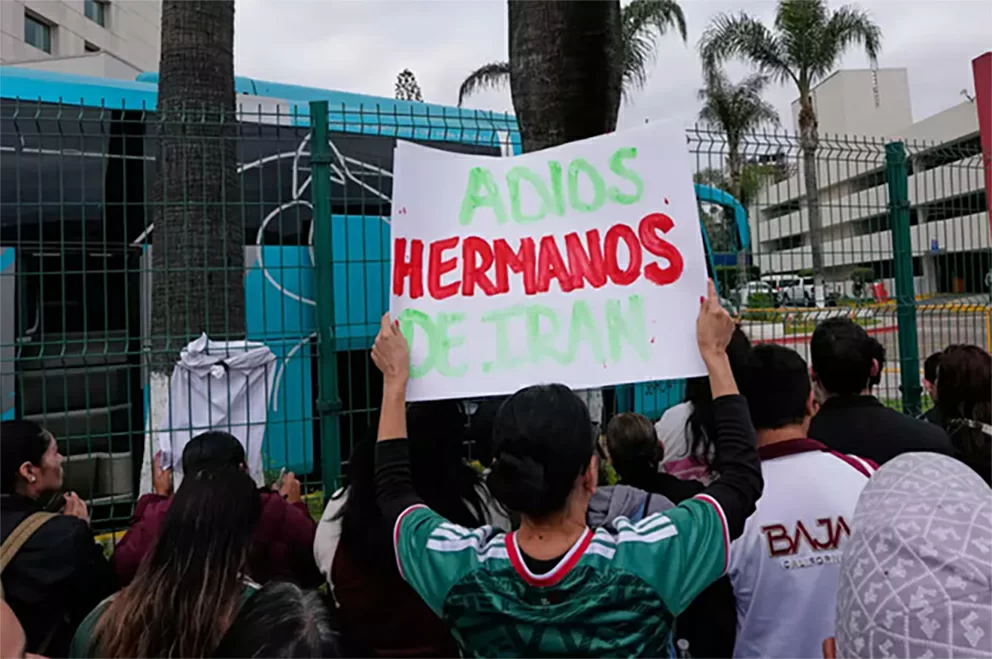
    The warm welcome the team received in Tijuana also built a lasting bond between Iranian and Mexican fans, with local supporters turning out in droves to greet the side during their stay and cheer them on as they left their hotel. Chants of “¡Irán, hermano, ya eres Mexicano!” – “Iran, brother, you are one of us now” – rang out as players boarded their bus for the airport. Arely Ramírez, a local Tijuana resident who came to the team’s hotel hoping to meet players, said the warm welcome was just how Mexico receives visitors. “Iran is taking the best of our country and our city home with them, that’s how we welcome outsiders here,” she said.

    Head coach Amir Ghalenoei, speaking through an interpreter before the team departed for the airport, summed up the feeling the side was leaving with. “We are leaving Tijuana physically, but our hearts and our souls remain here with the people who welcomed us,” he said.

  • ILO launches first official Haiti mission under Caribbean office’s expanded role

    ILO launches first official Haiti mission under Caribbean office’s expanded role

    Six months after the International Labour Organization (ILO) shifted oversight of its Haiti engagement to the ILO Decent Work Team and Office for the Caribbean based in Port of Spain, Trinidad and Tobago, a senior ILO delegation has arrived in Haiti for the body’s first official visit to the Caribbean nation under the new regional mandate.

    Led by Joni Musabayana, director of the Caribbean-based ILO office, and joined by Senior Programming Officer Ingerlyn Caines-Francis, the five-day mission kicked off on June 30, 2026. This visit ushers in a new chapter of collaboration between the ILO and Haiti’s tripartite stakeholders — the national government, employer associations, and labor union representatives — following months of preliminary consultations and joint planning to align on shared national priorities.

    The on-the-ground mission comes just over one month after the ILO and Haitian partners signed the landmark 2026-2027 ILO Country Programme for Haiti during a May 14 ceremony in Port of Spain. The two-year framework formalizes the ILO’s technical cooperation commitments to Haiti, and the organization notes the early launch of implementation activities demonstrates its dedication to turning agreed plans into tangible progress alongside Haitian stakeholders. The agreement was signed by all key parties: Haiti’s Minister of Social Affairs and Labour Marc Elie Nelson signed on behalf of the Haitian government; Association of Industries of Haiti (ADIH) President Maulik Radia represented national employers; Yvel Admettre, Secretary General of the Confederation of Public and Private Sector Workers, and Louis Fignole St Cyr, General Secretary of the Autonomous Central of Haitian Workers, signed for Haitian labor organizations; and Musabayana executed the agreement for the ILO.

    The country programme outlines five core focus areas for ILO support in Haiti: strengthening inclusive social dialogue and upholding fundamental workers’ rights, building the capacity of national labor institutions and improving governance of the employment sector, expanding productive employment opportunities to drive national economic recovery, bolstering vulnerable household livelihoods, and expanding access to social protection while advancing safer working conditions across all industries.

    In remarks ahead of the mission, Musabayana emphasized that the ILO’s top priority is immediate implementation of the commitments laid out in the May programme agreement. “This mission is about moving quickly from agreement to action. Haiti’s tripartite partners have worked with commitment and clarity to define shared priorities for decent work,” Musabayana said. “Today’s discussions confirmed the importance of staying close to workers, employers and institutions on the ground as we support implementation of the country programme. The ILO Caribbean Office is committed to working with Haiti’s constituents through practical technical assistance, social dialogue and partnership.”

    Beyond launching new development projects, Musabayana noted that the visit is also intended to deepen long-term collaborative ties between the regional ILO office and national partners across Haiti. “It is important for us to be here, so that the ILO Caribbean Office can deepen its understanding of the realities facing constituents and give effect to our commitment to work with our Haitian partners in a spirit of mutual respect and shared responsibility,” he added.

    According to the ILO’s official updates, during the first two days of the mission, the delegation held working meetings with government officials, private sector leaders, and trade union representatives in northern Haiti. Core discussion topics included mapping the country’s most pressing decent work priorities, identifying pathways to strengthen cross-stakeholder cooperation, and outlining practical steps to expand effective social dialogue in industries that serve as the backbone of Haiti’s employment, economic activity, and household livelihoods.

    The delegation also conducted site visits to a number of active work places across northern Haiti, allowing ILO officials to gather first-hand insight into the current challenges and opportunities facing Haiti’s industrial and employment sectors. During these on-the-ground visits, the team reviewed existing development initiatives, and explored how enhanced tripartite dialogue between employers, workers, and public institutions can improve workplace relations, build mutual trust, and foster greater economic and labor stability across the country.

    The transfer of Haiti oversight to the ILO Caribbean Office took effect in January 2026, expanding the office’s mandate to cover 14 ILO member states and nine non-metropolitan territories across the English- and Dutch-speaking Caribbean. The ILO notes that the broader mandate is designed to streamline regional coordination and deliver more timely, responsive technical support to Haiti and other Caribbean partner nations.

    The Haiti mission is scheduled to conclude on July 4, 2026, and will include additional working meetings with tripartite stakeholders and visits to ongoing ILO-supported development projects across the country. Citing ongoing national security concerns, the ILO has declined to disclose specific locations of mission activities to protect the safety of delegates and local partners.

    Moving forward, the ILO reaffirmed that its work in Haiti will remain rooted in its core global mandate: advancing decent work and social justice through tripartite cooperation between governments, employers, and workers. Under the new country programme, the organization will continue to support Haiti’s national efforts to strengthen labor institutions, expand social protection coverage, create inclusive employment opportunities, boost livelihoods, and advance productive social dialogue aligned with Haiti’s long-term national development priorities.

  • OECS advances community-based tourism strategy with regional policy workshop

    OECS advances community-based tourism strategy with regional policy workshop

    Earlier this June, senior tourism stakeholders from all 11 member states of the Organisation of Eastern Caribbean States (OECS) convened in St. Lucia for a landmark three-day workshop focused on scaling up community-centered tourism across the region. Held from June 9 to 11 under the official theme “From Assessment to Action: CBT Policy Development and National Action Planning,” the Community-Based Tourism (CBT) Capacity Building Workshop brought together public officials, tourism strategists, and community development practitioners to craft actionable, region-aligned policies and national implementation roadmaps for expanding locally rooted tourism.

    Unlike traditional mass tourism models that often channel most revenue away from local populations, CBT is rooted in a core principle: local communities must lead tourism development, and they deserve to capture the direct economic benefits of a growing sector. The workshop was designed to equip attendees with evidence-based frameworks, practical tools, and collaborative networks to build strategies that center local communities as the primary architects of tourism experiences, rather than passive participants in outside-led development.

    This regional initiative is backed by funding from the 11th European Development Fund (EDF), delivered through the Regional Integration Growth Harmonisation and Technology (RIGHT) Programme. The funding supports long-standing regional efforts to shift Eastern Caribbean tourism toward more sustainable, inclusive models that address systemic economic gaps. Proponents of CBT note that the approach creates targeted entrepreneurship opportunities for groups that are often excluded from mainstream tourism benefits: young people, women, rural residents, and members of marginalized, underserved communities.

    Beyond expanding inclusive economic growth, keeping a larger share of tourism revenue within local borders strengthens household livelihoods while creating direct incentives for communities to protect the region’s one-of-a-kind cultural traditions, irreplaceable historical heritage, and fragile natural ecosystems that draw millions of visitors each year. OECS officials emphasized that the St. Lucia workshop marks a critical milestone in the region’s transition to sustainable tourism, enabling member states to update national policy frameworks that embed community benefit at the core of tourism growth strategies. Moving forward, participating states will work to implement the national action plans developed during the workshop, with ongoing regional coordination to share best practices and measure progress toward inclusive, sustainable development goals.

  • ECAB Ends Aspiring Leaders Scholarship After UWI Tuition Made Free

    ECAB Ends Aspiring Leaders Scholarship After UWI Tuition Made Free

    One year ago, the Eastern Caribbean Asset Holdings Limited (ECAB) launched a transformative initiative designed to cultivate emerging leadership talent across Antigua & Barbuda: the ECAB Aspiring Leaders Scholarship. This program was created to remove financial barriers for young people seeking higher education, offering a full tuition waiver covering the entire three-year period of an undergraduate degree at the University of the West Indies (UWI) Five Islands Campus.

    To qualify, candidates had to be between the ages of 17 and 25, and they had to be pursuing their first undergraduate degree in either the School of Business & Management or the School of Science & Artificial Intelligence, two fast-growing fields aligned with the nation’s economic and technological development goals. After a rigorous and highly competitive selection process that drew dozens of qualified applicants, Tajhere Browne was selected as the program’s first and only recipient. Since beginning his studies, Browne has already distinguished himself academically, earning a spot on the UWI Five Islands Campus Honour Roll during his first semester – an achievement ECAB has highlighted with particular pride.

    When the scholarship program was first designed, ECAB leaders planned to expand the initiative to support more young scholars over the coming years, building a pipeline of homegrown leadership talent for Antigua & Barbuda. However, a recent policy announcement from the Government of Antigua & Barbuda has fundamentally shifted the landscape for undergraduate higher education at the UWI Five Islands Campus. The government has confirmed that tuition for most first-degree programs at the campus, including the specific fields of study the ECAB scholarship supported, will now be fully covered by the state for eligible students, eliminating out-of-pocket tuition costs for first-time undergraduate learners.

    ECAB has publicly welcomed this landmark policy shift, noting that the organization shares the government’s core belief that education is a powerful, transformative force that should be accessible to all young people regardless of their financial background. But the policy change has also rendered the original ECAB scholarship’s core purpose obsolete. With tuition already provided for free by the government, the full tuition coverage that was the centerpiece of the ECAB initiative no longer serves a unique function. In response, ECAB has announced that it will officially discontinue the ECAB Aspiring Leaders Scholarship program moving forward.

    Despite ending the scholarship initiative, ECAB emphasized that its long-term commitment to youth development, educational access, and community investment in Antigua & Barbuda remains completely unwavering. The organization confirmed that it will continue to fulfill all existing commitments to Browne, supporting the remaining components of his scholarship agreement as planned. Looking ahead, ECAB is continuing its other community programming: this year marks the third consecutive year the organization will sponsor the popular Mr. and Miss Teenage Pageant, a core part of Antigua & Barbuda’s annual Carnival celebrations. The organization also confirmed that it is developing new, targeted youth initiatives that will fill new gaps in support for aspiring young leaders across the country, with more details expected to be announced in the coming months.

  • Dominica to return to revived ANOECS athletics championships with nine-member team

    Dominica to return to revived ANOECS athletics championships with nine-member team

    After nearly a decade away from one of the Caribbean’s most prominent regional track and field competitions, Dominica is gearing up to mark its long-awaited return. The country’s Olympic Committee (DOC) and Athletics Association (DAA) made a joint official announcement confirming Dominica’s participation in the 2026 ANOECS Track and Field Championships, which will be hosted from July 4 to 5, 2026, in St. Kitts and Nevis.

    The regional championships were put on hold following the 2017 edition – the same year Dominica last took part in the event – making the 2026 gathering the official revival of the competition after a nine-year suspension.

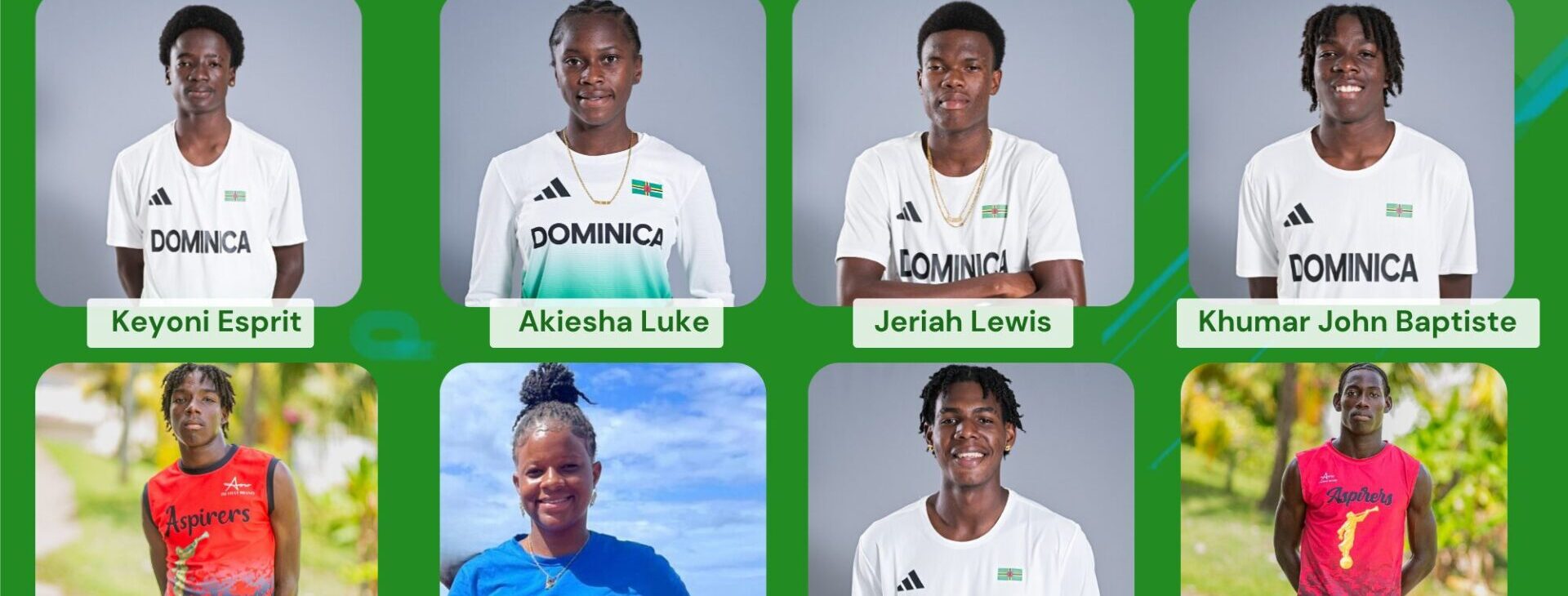
    Dominica will send a compact, competitive delegation of nine total members to the upcoming meet: eight rising and established athletes, accompanied by one head coach. Leading the contingent is Joel Hamilton, a seasoned coaching professional who currently holds the role of Club Representative for the DAA. The selected roster features athletes with prior international experience representing Dominica at the CARIFTA Games, and many of the competitors are also using the 2026 ANOECS Championships as a key preparation step for this year’s upcoming Central American and Caribbean Games and Youth Olympic Games.

    The full list of competitors includes: Jamical Titre, who will compete in the shot put event; Khaarim John Baptiste and Khumar John Baptiste, both set to contest the triple jump and high jump; Nycarl Williams, who will compete in the javelin throw; Keyoni Esprit, who will race the 100-meter and 200-meter sprints; Akiesha Luke, who is entered in the 400-meter and 800-meter middle-distance events; and Jeriah Lewis and Jaden Joseph, who will both compete in the long jump.

    Billy Doctrove, who holds dual roles as President of the Dominica Olympic Committee and Board Member of ANOECS, shared his enthusiasm for the revival of the championships and Dominica’s return. “I am very pleased ANOECS have taken steps to revive high level competition within the OECS, as is testament to the revival of this Track and Field Championships,” Doctrove said. He also extended gratitude to PANAM Sports for its critical funding and support that has made the 2026 championships and other ANOECS events this year possible. “I am confident Dominica will represent well, not just in athletic talent but also as young sports ambassadors and implore all members of the team to view this as a critical step in their athletic career,” he added.

    Brendan Williams, President of the Dominica Athletics Association, echoed that confidence in the selected national team. “On behalf of the Dominica Athletics Association, I am proud to see a team of talented local athletes representing our nation at the ANOECS Championships,” Williams said. “This group possesses tremendous promise, dedication, and the potential to make a significant mark on the regional stage. We have every confidence that they will compete with pride, determination, and the spirit that defines Dominican athletics. We wish them every success as they carry our flag with honor.”

    Per the DAA’s official statement, the 2026 ANOECS Championships serves a key developmental purpose for Dominica’s athletes: it will give rising competitors the chance to gain high-stakes regional competition experience while continuing their targeted preparations for the major international games on the 2026 calendar.

  • ILO begins first high-level mission to Haiti following new country programme agreement

    ILO begins first high-level mission to Haiti following new country programme agreement

    June 30 marked a key milestone in international labor engagement with Haiti, as a senior delegation from the International Labour Organization (ILO) kicked off its first official visit to the Caribbean nation. This mission comes after responsibility for ILO programming in Haiti was recently transferred to the organization’s Decent Work Team and Office for the Caribbean, which is headquartered in Port of Spain, Trinidad and Tobago.

    Heading the delegation is Joni Musabayana, the director of the Port of Spain-based ILO Caribbean office, joined by Ingerlyn Caines-Francis, a senior programming officer. The visit is not a sudden outreach effort: it is the culmination of months of preparatory work, including remote meetings, targeted consultations, and collaborative planning with Haiti’s tripartite core stakeholders — the national government, representative employers’ organizations, and formal workers’ associations. Together, these parties have already worked to align on shared priority goals for Haiti’s labor sector, making this on-the-ground mission a critical next step in deepening cooperation.

    A central focus of the visit will be advancing the development and rollout of the ILO Country Programme for Haiti, covering the 2026–2027 cycle. The launch of on-site work for this framework signals the Caribbean ILO office’s commitment to rapid progress, sustained close coordination with local Haitian partners, and the delivery of tangible technical cooperation support to turn agreed priorities into actionable, on-the-ground results for the country’s labor force and economy.

  • COMMENTARY: A Journey Between Two Shores

    COMMENTARY: A Journey Between Two Shores

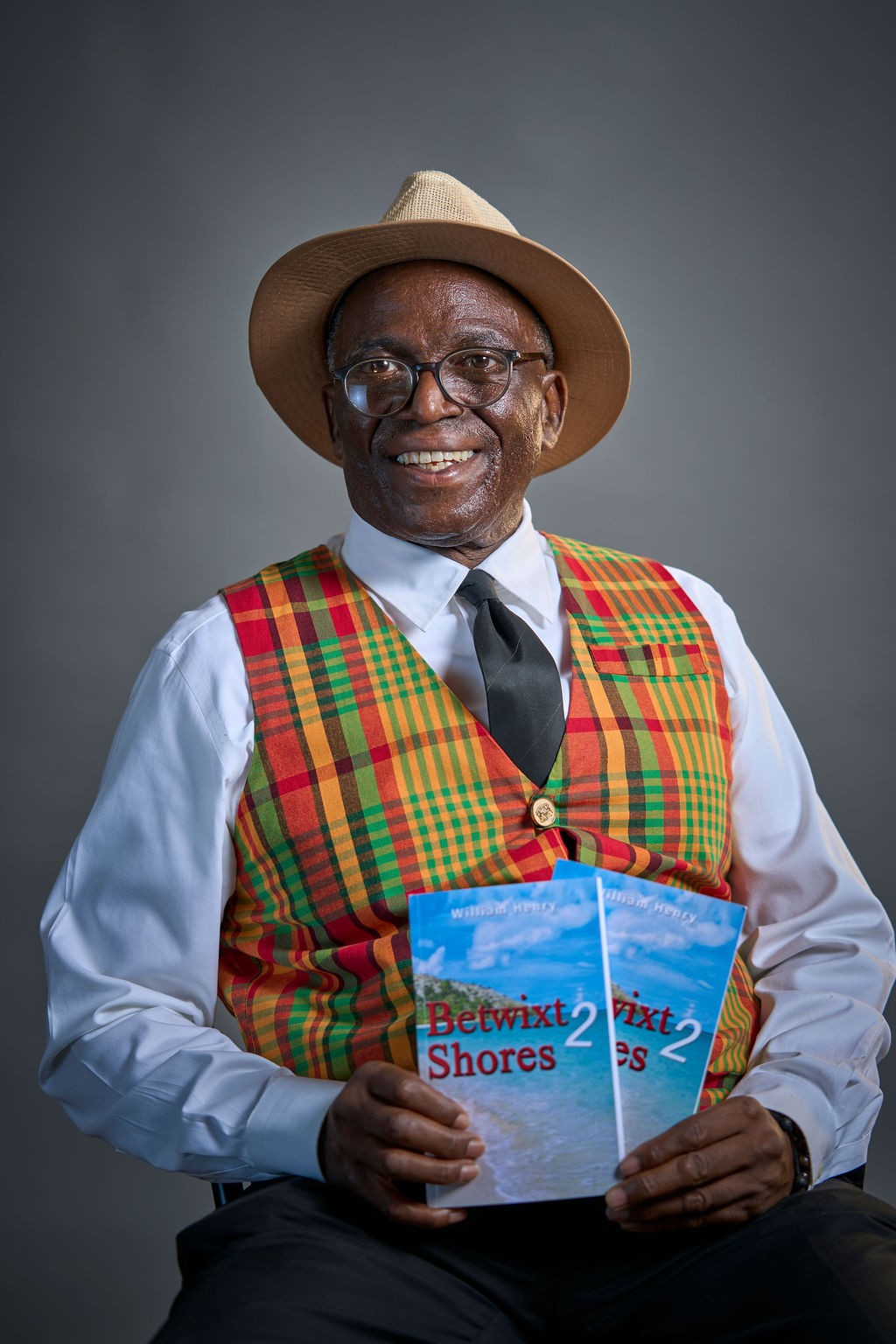
    Two evocative photographs hold layers of meaning that extend far beyond simple portraiture, weaving together the personal journey, cultural legacy, and generational experience of Antiguan author William Henry. His recently released memoir *Betwixt 2 Shores* chronicles the fateful journey Henry took in February 1970, when he left his home in Antigua as an unaccompanied 10-year-old minor to build a new life in London.

    At the core of the first photograph sits a well-worn, vintage grip — a small, sturdy suitcase that carries far more cultural weight than its size suggests. For generations of Antiguan travelers, a grip was more than luggage; it was a steady companion for every journey, big or small. In this image, the scuffed, lived-in grip transforms into a potent symbol: it stands for the pain of separation from home, the displacement of moving across oceans, the quiet resilience of young migrants, and the persistent hope that drives people to seek better futures. It mirrors Henry’s own transatlantic journey, and through him, it represents the experience of an entire generation of Caribbean children whose lives were permanently reshaped by migration, early separation from family, and the dream of opportunity abroad.

    The second central image element is no less meaningful: the vibrant, traditional national dress Henry wears with obvious pride. Woven from iconic Madras fabric, the garment carries the distinct cultural heritage of Antigua and Barbuda. The fabric’s own journey mirrors the complex history of the region: it originated in Madras, now Chennai, India, before traveling to the Caribbean via colonial trade routes. Over centuries, it became an integral part of daily life for people of African descent across the Caribbean, eventually evolving into a lasting emblem of Antiguan and Barbudan national identity.

    Today, this traditional national dress means far more than colorful cultural attire. It stands as a reminder that Antigua and Barbuda’s national character is shaped not only by its stunning natural landscapes, but also by a powerful history of resilience, perseverance, and unyielding cultural pride. It honors generations of Antiguans who turned hardship into hope, whose determination built the nation, and whose legacy continues to shape its identity today.

    As a long-respected Antiguan writer, Henry has dedicated much of his career to preserving this cultural heritage for future generations. Much of his body of work explores interconnected themes of personal identity, transnational migration, family separation, belonging, and collective memory, ensuring that stories rooted in Antigua’s unique history are not lost to time and are passed down to new audiences.

    The complementary symbolism of the grip and the national dress comes together seamlessly in the pages of *Betwixt 2 Shores*. The dress anchors Henry to the cultural heritage that stayed with him across decades and continents, enduring despite distance and change. The grip represents the life-altering journey that pulled a young boy away from his homeland and permanently altered the trajectory of his life. Combined, the two symbols tell a story shared by thousands of Antiguan and broader Caribbean families, whose collective histories have been shaped by migration, sacrifice, and the unwavering hope for a better life for coming generations.

    These photographs are far more than static portraits. They are living visual narratives that celebrate the enduring resilience of the Antiguan people, the fundamental importance of preserving cultural identity, and the unbreakable bond between the homeland and its global diaspora.

    At its core, *Betwixt 2 Shores* carries a universal message that resonates with migrants and diaspora communities across the world: no matter how far life carries people between distant shores, they remain forever anchored by their history, their culture, and the stories that make them who they are. Copies of the memoir are currently available for purchase on Amazon.

  • Police Urge Public to Be Vigilant After Jewellery and Phone Thefts

    Police Urge Public to Be Vigilant After Jewellery and Phone Thefts

    St. John’s, Antigua and Barbuda – July 2, 2026 – The Royal Police Force of Antigua and Barbuda has issued an urgent advisory to local residents, calling for heightened awareness and proactive security measures after a pair of recently reported theft incidents targeting personal valuables including jewellery and mobile phones.

    The first incident under active investigation is a residential burglary that took place in the Green Bay neighborhood just before midnight on Monday, June 29. Preliminary law enforcement findings outline that three unidentified males forced entry into a home occupied by a single woman. Before making their escape from the property, the suspects stole a range of personal items: multiple pieces of gold jewellery, silver chains, a mobile phone, a handbag, and a full jewellery box holding additional valuables.

    A second, separate theft is also being probed by police. In this case, a Samsung Galaxy A22 smartphone – valued at around 650 Eastern Caribbean dollars – was stolen between 4:30 p.m. and 5:10 p.m. on Tuesday, June 30, while its owner was in the Joseph Lane area of the island.

    In an official media release published through the force’s Office of Strategic Communications, police administration emphasized a key observation: criminal actors routinely target high-value, portable items that are left easily accessible or unattended in both private and public spaces. To help residents reduce their risk of falling victim to similar thefts, law enforcement has outlined a series of practical security steps for the public to adopt:

    First, homeowners should confirm all entry points including doors and windows are securely locked, particularly after dark and when no one is home. Second, properties should be outfitted with sufficient exterior lighting, and where feasible, security camera systems or intrusion alarms should be installed to deter intruders and aid investigations if a crime does occur. Third, the public is advised to avoid openly wearing or displaying expensive jewellery in public settings unless absolutely necessary. Fourth, mobile phones and other small valuables should be kept secured at all times, and never left unsupervised in public places. Fifth, residents should remain alert to their surroundings in crowded or public areas, and contact police immediately to report any unfamiliar individuals or activity that seems suspicious. Finally, law enforcement recommends that all residents record serial numbers and document unique identifying marks for all high-value personal items, a step that greatly improves the chance of recovery if property is stolen.

    Investigations into both the Green Bay burglary and the Joseph Lane smartphone theft remain ongoing. Police are asking any member of the public who may have information related to either incident – regardless of how small it may seem – to come forward to assist the investigation. Tips can be submitted directly to the Royal Police Force’s Criminal Investigations Department at 462-3913 or 462-3914, dropped off at the closest local police station, or submitted anonymously through the Crime Stoppers hotline at 800-TIPS (8477).