博客

  • Dominican Republic opens first official consular office in the Bronx

    Dominican Republic opens first official consular office in the Bronx

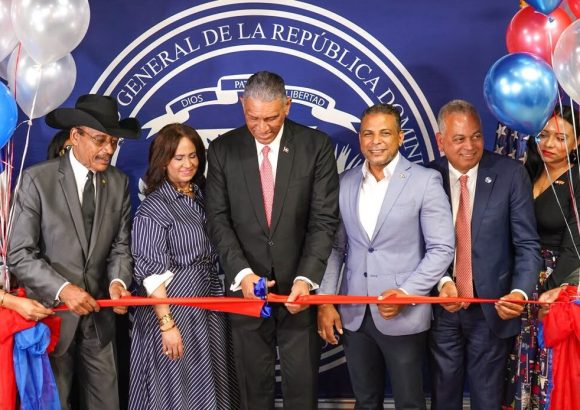
    In a move that marks a significant step forward for the Dominican diaspora in New York, a new permanent annex consular office has officially launched in the Bronx, at 305 East Fordham Road. Operating under the umbrella of the Dominican Consulate General in New York, the facility received formal authorization to open from the U.S. Department of State, clearing the final hurdle for its launch.

    Jesús Vásquez Martínez, the current Dominican Consul General in New York, framed the opening of the new Bronx office as a transformative milestone for the nearly 700,000 Dominicans who call New York City home, a large share of which reside in the Bronx. The borough is home to one of the most concentrated and vibrant Dominican populations in the entire United States, where Dominican culture, businesses, and community organizations shape the daily life of the area.

    Prior to the opening of this permanent location, Dominican residents in the Bronx had few options for accessing in-person consular services, relying almost entirely on periodic mobile consular outreach events. As the local population grew and demand for official services climbed, the consulate general was forced to expand its operating hours at its main location to seven days a week to accommodate backlogs. Even with that adjustment, long wait times and travel burdens for Bronx residents remained pervasive, creating a clear need for a permanent, local consular presence in the borough.

    The core mission of the new annex office is to bring critical consular services directly to the Bronx community, cutting down on the travel time and financial costs that residents previously incurred when they had to journey to Manhattan or other locations to complete official government procedures. The full suite of services offered at the new Bronx location includes everything from passport issuance and renewal, powers of attorney preparation and authentication, document legalization for use in the Dominican Republic, civil documentation processing such as birth, marriage and death certificates, general community assistance for residents facing legal or administrative issues, and formal consular protection for Dominican citizens in the region.

    The establishment of the Bronx annex is the culmination of years of collaborative advocacy and bureaucratic work, led by Consul General Vásquez Martínez, with backing from former Dominican Foreign Minister Roberto Álvarez and current Dominican Republic President Luis Abinader, who prioritized improving consular access for Dominicans living abroad as part of the administration’s diaspora outreach agenda.

  • Dominican Republic reaches 93% early childhood education coverage, UNESCO reports

    Dominican Republic reaches 93% early childhood education coverage, UNESCO reports

    New data from UNESCO’s 2026 Global Education Monitoring (GEM) Report reveals that the Dominican Republic has made extraordinary strides in expanding access to early childhood education over the past decade. As of 2024, just one year before the official age for primary school enrollment, 93% of eligible children in the country now access pre-primary education – a sharp increase from the 86% coverage rate recorded back in 2015. This seven-percentage-point jump marks one of the most meaningful expansions of early learning access in the Latin American and Caribbean region in recent years. Beyond pre-primary progress, the report also documents notable gains in upper secondary school completion, placing the Dominican Republic ahead of many neighboring nations in this key education metric.

    What stands out as one of the most groundbreaking achievements for the country is its success in erasing socioeconomic disparities in pre-primary education access. Between 2000 and 2024, the Dominican Republic became one of only a handful of nations across the region to fully close the participation gap separating children from the poorest and wealthiest households in the year leading up to primary school. When compared regionally, the Dominican Republic’s 93% pre-primary coverage rate puts it on par with Brazil, and just one percentage point behind Argentina, which holds a 94% coverage rate. It also outperforms a long list of regional peers, including El Salvador (85%), Guatemala (84%), Panama (77%), Paraguay (75%) and Honduras (59%). The GEM 2026 report characterizes the 2015–2024 decade as a period of unprecedented transformation for the Dominican education system, with major advances recorded across three core pillars: broader school access, higher completion rates, and improved educational equity.

    Even with these notable wins, the report does not shy away from highlighting ongoing challenges that require urgent attention. Learning outcomes in reading and mathematics at the primary education level remain a persistent weak spot for the country, and improving these results is critical for the Dominican Republic to meet the United Nations’ Sustainable Development Goal 4 (SDG 4). SDG 4 sets a global target of delivering inclusive, equitable, quality education for all learners by 2030. For its part, the Dominican government has already framed early childhood education and improved learning outcomes as top national priorities. Officials have committed to sustained investment in the country’s education system, with the goal of guaranteeing that all children gain access to stronger educational opportunities from the very start of their academic careers.

  • Belize, Taiwan Sign $3 Million Deal to Support Women and Youth-Owned Businesses

    Belize, Taiwan Sign $3 Million Deal to Support Women and Youth-Owned Businesses

    On August 25, 2026, Belize and Taiwan formalized a $3 million cooperation agreement designed to empower micro, small, and medium-sized enterprises (MSMEs) across Belize, with targeted support for businesses owned by women and young entrepreneurs.

    Dubbed the Belize Women and Youth MSMEs Development Project, the new initiative will be delivered as a joint effort between the Government of Belize and the Taiwan Technical Mission based in the Central American nation. This collaboration builds on a successful prior partnership between the two sides, which earlier supported approximately 2,000 women entrepreneurs and helped launch more than 100 new startup ventures across Belize.

    Under the terms of the fresh agreement, participating entrepreneurs will gain access to a comprehensive package of support tailored to their unique needs. This includes specialized skills training, one-on-one business mentorship, and assistance designed to strengthen daily operations, expand access to domestic and regional markets, generate new local employment opportunities, and lay the groundwork for long-term, sustainable business growth.

    Government officials in Belize have framed the project as a milestone investment in the country’s economic future, noting that it represents a critical step forward in building a more dynamic, inclusive, and shock-resistant national economy that benefits all segments of society.

  • Electoral Commission addresses discrepancy over candidate deposit

    Electoral Commission addresses discrepancy over candidate deposit

    A recent administrative misstep has prompted the Electoral Commission to issue an official clarification on the mandatory candidate registration deposit for upcoming elections, following amendments to the nation’s electoral legislation.

    Commission Chairman Duncan Stowe addressed the discrepancy during a press briefing held last Thursday, clearing up confusion that stemmed from outdated information printed on official candidate registration forms. Per the recently revised electoral laws, the required registration deposit has been raised from the original EC$500 to EC$1,000. However, the Electoral Office’s publicly distributed registration documents continued to list the old, lower EC$500 fee long after the legislative change took effect.

    This mismatch between statutory regulation and administrative documentation created a significant risk of misunderstanding for individuals planning to stand as candidates in the coming electoral contest. Stowe emphasized that the EC$1,000 deposit is the legally mandated amount that all candidates must pay to complete their registration under the updated rules.

    To resolve the issue, the Electoral Office has announced it will immediately move to correct the error by printing and distributing fully updated registration forms that accurately reflect the current statutory fee requirement. The commission’s proactive clarification comes as it works to ensure full transparency and compliance with the amended election laws ahead of candidate registration opening.

  • Caribbean braces for intensifying heat and drought as El Niño strengthens

    Caribbean braces for intensifying heat and drought as El Niño strengthens

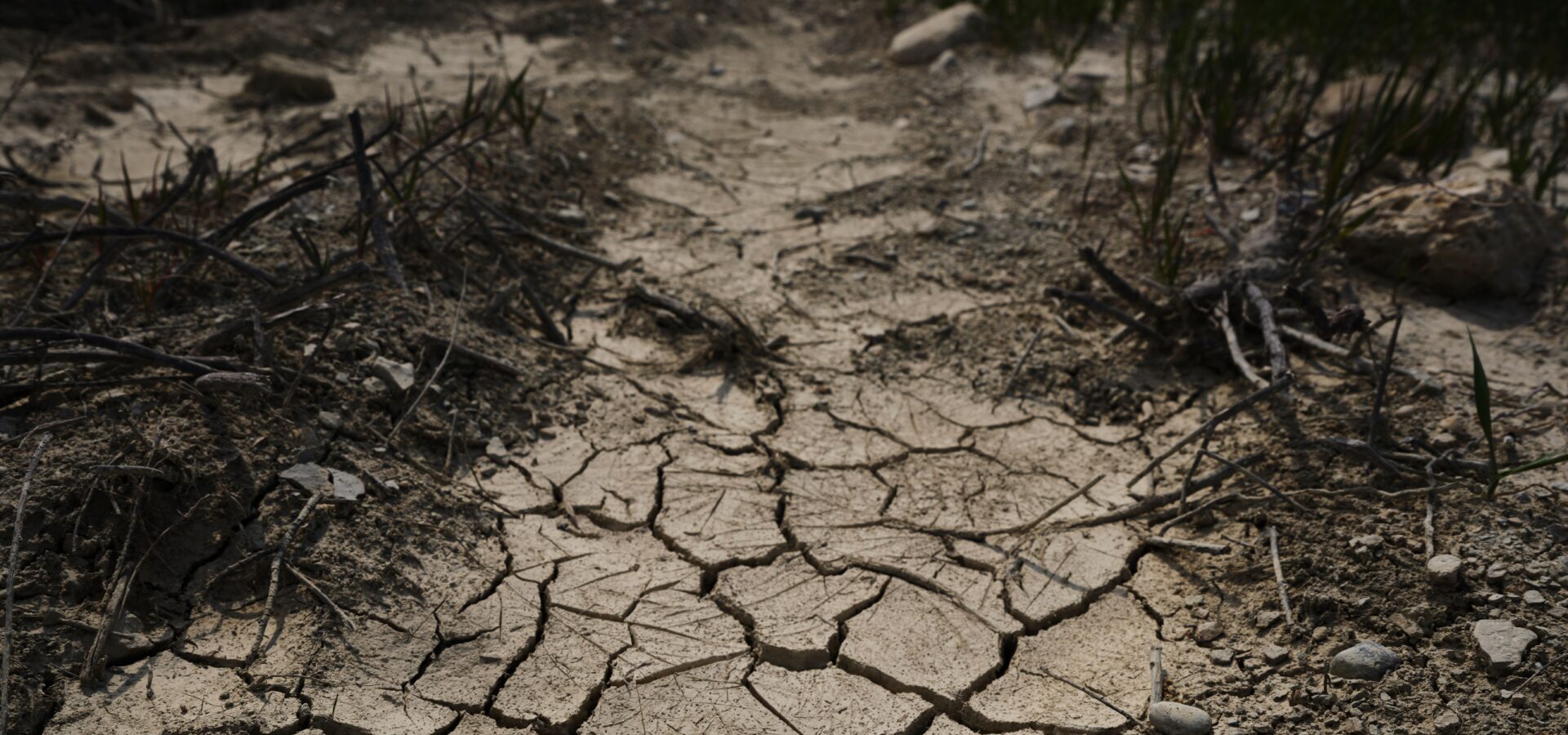
    As a rapidly strengthening El Niño event paves the way for potentially catastrophic climate extremes across the Caribbean basin, regional climate scientists are issuing urgent calls for accelerated preparedness to face the coming months of worsening heat and parched conditions.

    In an official press statement, the Barbados-based Caribbean Institute for Meteorology and Hydrology (CIMH) outlined that the period between August and October marks the annual peak of the region’s heat season. This timing makes the already unfolding dry conditions far more worrying, as the region heads into its regular climatological dry season that typically kicks off in November.

    CIMH climatologist Dr. Cedric Van Meerbeeck explained that El Niño strengthened far faster than expected over the early months of 2026, jumping from a weak event in May to a moderate event by the end of July. Current climate projections now point to a very strong El Niño taking hold between October and December 2026, with the event likely to linger and maintain its influence through at least March 2027.

    The official outlook projects widespread below-average rainfall across a huge swathe of the Caribbean, stretching from the Guianas, through the Lesser Antilles, and north into the Greater Antilles. This dry stretch will be paired with far more frequent and intense heatwaves than the region normally sees. By late 2026, significant drought conditions are expected to develop across most of the Windward Islands, Leeward Islands, and the ABC Islands (Aruba, Bonaire, Curaçao), as well as portions of Jamaica, Hispaniola, and the Bahamas. These harsh conditions are forecast to continue into the first months of 2027, bringing growing risks of crippling water shortages and out-of-control wildfires.

    Historical climate data confirms that strong El Niño events are strongly tied to severe drought in the Caribbean, including the devastating dry periods of 2009–2010 and 2014–2016. Past events have also triggered dangerous extreme humid heat, widespread wildfires, and marine heatwaves that cause mass coral bleaching across the region’s fragile reef ecosystems. Similar overlapping climate impacts were recorded during the global record hot years of 2010, 2023, and 2024.

    While El Niño is typically linked to a less active Atlantic hurricane season, Dr. Van Meerbeeck stressed that tropical cyclone risk cannot be dismissed. He pointed to 2015’s Tropical Storm Erika, which became one of the worst natural disasters in Dominica’s history. The storm caused catastrophic flooding and deadly landslides across the island even without making a direct landfall, proving that significant storm hazards remain even during El Niño years.

    Professor Michael Taylor, co-director of the University of the West Indies’ Centre for Sustainable Development and Climate Change Management, noted that the early warning signs from earlier this year are already coming to fruition. “The risks signalled by the science earlier this year are now beginning to materialise. We are seeing an emerging climate disaster whose impacts combine heat, drought, and marine extremes. Unlike a hurricane, the impacts will continue to build over months. However, that should not lessen the urgency or scale of our preparations. We must respond to the unfolding slow-moving crisis with the seriousness we bring to other major climate threats, since what we do now determines the options available to us later.”

    Regional climate experts warn that the prolonged El Niño conditions will ripple through nearly every sector of the Caribbean economy and society. Key vulnerable areas include agriculture, national food security, public health, potable water supplies, energy infrastructure, the critical tourism sector, and cross-regional supply chains. Rain-fed smallholder agriculture in Belize and Jamaica is identified as a particularly high-priority area of concern.

    CIMH principal Dr. David Farrell emphasized that ongoing access to and use of up-to-date climate data is critical to guiding adaptive decision-making across the region. “Proactive measures are vital for mitigating the impacts of extreme weather events on climate sensitive sectors, communities, and national economies,” he said.

    To support preparedness efforts, CIMH is urging national governments, local businesses, and community groups to follow the monthly updates published by the Caribbean Climate Outlook Forum as the region moves toward the overlapping heat and dry seasons, to stay informed of changing conditions and adjust plans accordingly.

  • Police Report False Robberies, Staged Crime Claims and Self-Inflicted Shootings

    Police Report False Robberies, Staged Crime Claims and Self-Inflicted Shootings

    Law enforcement agencies in Antigua and Barbuda are grappling with a persistent problem of fraudulent crime reporting, with cases ranging from people fabricating robberies to cover up embezzled funds to individuals who accidentally shoot themselves then falsely claim they were victims of violent attacks, senior police officials have confirmed.

    Assistant Commissioner Lisbon Michael, who leads the country’s Criminal Investigations Department, revealed that the police service receives an average of nine crime reports daily across the twin-island nation, but a significant share of these submissions are entirely fabricated. Michael shared the details of this ongoing challenge during a public interview on ABS’ flagship current affairs program *Antigua Barbuda Today*.

    Among the most common false reports Michael highlighted are cases involving custodians of collective “box monies” — community savings funds widely used across local communities — who misappropriate the funds entrusted to them, then file fake robbery or burglary reports to explain the missing cash. In other, more extreme incidents, people who sustain accidental self-inflicted gunshot wounds have deliberately misled investigators by claiming they were shot during armed robbery attempts.

    “We have instances where persons accidentally shot themselves and reported to the police that they were robbed and shot during the process,” Michael told the program.

    One recent high-profile example cited by Michael involved a young man who contacted police claiming he had been shot in an attack. When investigators processed the scene and collected forensic evidence, they determined the man had actually been injured while tampering with an unregistered, makeshift firearm. That case remains active and is still progressing through the investigative process.

    To date, thorough police investigations have uncovered the fraud in dozens of these false report cases, leading a number of people to face criminal charges for public mischief. Some of these cases have already been finalized through the court system, while others are still waiting to be heard.

    Michael’s public comments on the issue came as part of a broader discussion of the key hurdles police face in processing crime reports, as well as the force’s ongoing work to reinforce public trust in Antigua and Barbuda’s law enforcement institutions. Addressing false reports is a critical priority for the service, officials note, because fraudulent claims drain valuable investigative time and resources that would otherwise be deployed to solve real crimes and protect local communities.

  • Police Target Two Gangs as Authorities Move to Curb Youth Violence

    Police Target Two Gangs as Authorities Move to Curb Youth Violence

    Authorities in Antigua and Barbuda have stepped up targeted law enforcement action against two documented criminal gangs in a sweeping push to reverse a recent resurgence of youth violence and curb further gun-related crime, according to top law enforcement official Lisbon Michael, Assistant Commissioner of Police and head of the Criminal Investigations Department.

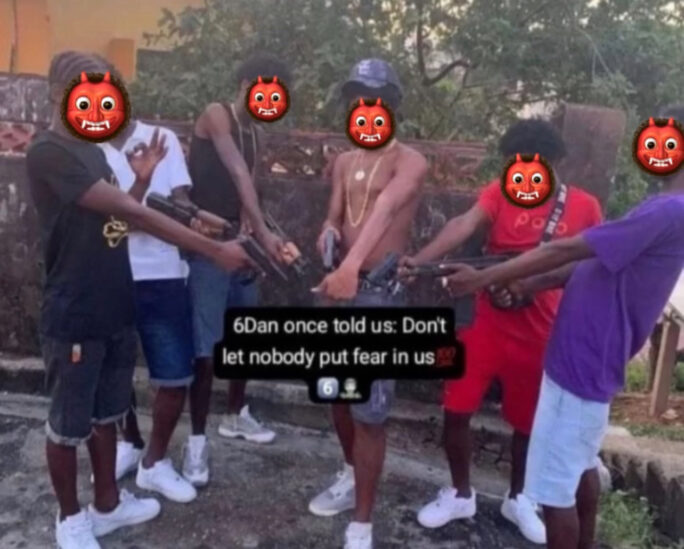
    In a public interview with ABS’ flagship current affairs program *Antigua Barbuda Today*, Michael publicly named the two targeted groups as the Grace Farm Killers and the Two Jilly gang. “As far as I’m aware, there are two gangs, Grace Farm Killers and the Two Jilly gangs,” Michael stated, confirming that law enforcement teams are actively and vigorously pursuing all individuals linked to these criminal organizations.

    This coordinated crackdown is a core component of Operation Restore Confidence, a strategic police initiative rolled out in response to growing public anxiety over rising gun violence and organized serious crime across the island nation. One of the operation’s central stated goals is to dismantle gang-related criminal networks that have established a foothold in local communities.

    Michael’s remarks came in response to public questions about worrying signs that youth violence, which had seen notable improvements in recent years, is now reemerging. He also drew a clear connection between the latest string of shooting incidents and unresolved tensions that originated during the annual J’ouvert morning celebration, part of the country’s popular Carnival season.

    “I think the most recent shootings that we had is something that sparked from the J’ouvert Morning celebration,” Michael explained. He was quick to clarify that the J’ouvert event and the broader Carnival celebrations remained overwhelmingly peaceful overall, but noted that an isolated altercation or incident during the festivities appears to have ignited subsequent retaliatory violence between rival groups.

    To date, law enforcement has already arrested and formally charged multiple individuals connected to the recent gang-related violence, and all pending cases are now working their way through the national judicial system, Michael confirmed.

    Beyond immediate enforcement action, Michael also highlighted the long-term preventive work of the police’s specialized Youth Intervention Department. The unit focuses on at-risk children and adolescents between the ages of 5 and 18, including young people showing early signs of behavioral dysfunction and those growing up in households impacted by ongoing conflict and violence.

    Michael reported that the intervention program has delivered measurable positive results, with significant behavioral improvements recorded among many participants and an overall reduction in youth involvement in violent crime. Even with these gains, he issued a stark warning that sustained, ongoing engagement with at-risk young people remains non-negotiable, warning that without continued investment in intervention work, the country risks losing “an entire generation” to cycles of violence.

  • Politic : Towards a strengthened partnership with Italy?

    Politic : Towards a strengthened partnership with Italy?

    Against a backdrop of ongoing political and humanitarian instability in Haiti, senior officials from both the Caribbean nation and Italy gathered for a high-profile discussion at Italy’s 2026 Rimini Meeting on August 24, opening a new pathway toward deepened bilateral cooperation. Haitian Foreign Minister Raina Forbin joined the panel, titled “Haiti and the strength to rise again”, virtually, while the event was organized by Associazione Volontari per il Servizio Internazionale (AVSI), an Italian international volunteer service organization. The discussion was moderated by Stefano Gatti, Director General for Development Cooperation at Italy’s Ministry of Foreign Affairs and International Cooperation, and featured a lineup of senior stakeholders including Italian Undersecretary of State Massimo Dell’Utri, Haitian Ambassador to Italy Gandy Thomas, FAO Deputy Director-General Maurizio Martina, and AVSI’s Haiti representative Annalisa Costanzo.

    In her address to the panel, Minister Forbin laid out the core governing priorities of the current administration led by Haitian Prime Minister Alix Didier Fils-Aimé. The government’s immediate and long-term agenda centers on four critical pillars: reestablishing widespread national security and full state authority across the country, holding inclusive democratic elections to legitimize governing institutions, kickstarting broad economic recovery after years of contraction, and scaling up responses to the country’s worsening humanitarian emergency. She emphasized that the administration is actively pursuing coordinated efforts to pull Haiti out of its protracted crisis and lay the foundation for long-term, sustainable stability.

    Minister Forbin used the platform to formally call for a strengthened bilateral partnership between Haiti and Italy, outlining a wide range of high-priority sectors for collaborative action. These proposed areas of cooperation include security sector support, capacity building for Haitian government institutions, sustainable agricultural development, expanded vocational training programs for the country’s large youth population, support for growing small and medium-sized enterprises, cross-border skills transfer, and attraction of productive foreign direct investment from Italian firms.

    The participation of top-ranking Italian government officials in the discussion and the substantive nature of the talks signal a shared commitment to advancing bilateral dialogue and collaboration between the two nations. From Italy’s perspective, Haiti offers unique strategic value: its central location in the Caribbean, close proximity to major North and South American markets, large young population, expansive global diaspora network, and untapped economic potential position the country as a strategic gateway for Italian businesses, universities, cultural institutions, and development cooperation initiatives to expand their footprint across the broader Caribbean and Latin American region.

    Rather than framing Haiti solely through the lens of its well-documented challenges, Minister Forbin repositioned the country as an emerging market of opportunity and a reliable long-term strategic partner. She emphasized that a deepened partnership between Haiti and Italy would deliver mutual benefits to both nations, opening a new chapter in bilateral diplomatic and economic relations.

  • Murders and Shootings Rise in Antigua and Barbuda Despite Overall Crime Decline

    Murders and Shootings Rise in Antigua and Barbuda Despite Overall Crime Decline

    Newly released crime statistics from Antigua and Barbuda’s police force reveal a mixed security landscape for the first seven months of 2026: while total reported offenses have continued a steady multi-year decline, the nation is grappling with a troubling uptick in violent gun-related crime, including homicides and shootings.

    Assistant Commissioner Lisbon Michael, who leads the country’s Criminal Investigations Department, shared the latest data during a public briefing addressing growing community anxiety over surging gun violence. Between January and July 2026, local police recorded 11 homicides, marking a 22% increase from the nine murders reported in the same seven-month window of 2025. Shooting incidents have also jumped sharply, climbing from 18 incidents in 2025’s first half to 24 this year.

    These rises in violent crime run counter to the broader downward trend in overall reported offenses across the island nation. This year, 1,756 total crimes were reported to police between January and July, down from 1,887 in 2025’s corresponding period. The decline is even more pronounced when compared to 2024, when 2,227 crimes were logged over the same seven months.

    Patterns across non-violent offense categories are similarly mixed. Robbery, another offense often linked to the illegal weapons trade, bucked the upward trend seen in homicides and shootings, falling from 115 incidents in 2025 to 94 this year. However, residential and commercial break-ins have moved in the opposite direction, rising from 85 last year to 97 in 2026 – a 14% increase year-over-year.

    In response to the growing public concern over rising gun-related violence, Antigua and Barbuda’s police force launched a targeted intervention called Operation Restore Confidence. The two-week initiative launched on August 15 and is set to wrap up on August 29. Michael outlined that the operation has already seen officers deploy aggressive, community-focused tactics including routine stop-and-search patrols, the execution of long-standing arrest warrants, the seizure of illegal firearms and recovered stolen property, and the arrest of multiple individuals linked to violent crime. The core goals of the operation are straightforward: crack down on the surge of serious violent offenses, reduce the circulation of illegal guns on the islands, and rebuild public trust in local law enforcement’s ability to keep communities safe.

  • Police Obtain ‘Useful Information’ in Deadly Potters Double Shooting

    Police Obtain ‘Useful Information’ in Deadly Potters Double Shooting

    A fatal daylight shooting in Antigua’s Potters Village has left one young man dead and another fighting for his life, with law enforcement officials confirming they have gathered actionable intelligence as their investigation into the violent incident progresses. The deceased victim has been identified as 29-year-old Leyandrew Hubbard, who was also known to local communities by the aliases “Leo” and “Chiney Man.” The second victim, an 18-year-old man who was accompanying Hubbard at the time of the attack, remains in critical condition at the Sir Lester Bird Medical Centre after sustaining multiple severe gunshot wounds.

    The shooting unfolded on a Sunday morning directly across the street from Potters Primary School, a location that puts the violent incident in close proximity to a site routinely frequented by children and education staff. Local residents told reporters they heard a rapid succession of gunshots ring out before exiting their homes to find the two wounded men. The brazen nature of the attack, carried out in broad daylight in a populated residential neighborhood near a public school, has drawn particular condemnation from authorities.

    Leading the investigation is Lisbon Michael, Assistant Commissioner of Police and head of the country’s Criminal Investigations Department. In an interview with ABS’ *Antigua Barbuda Today*, Michael shared that investigative teams have already conducted interviews with multiple persons of interest and witnesses connected to the case. “We have interviewed a number of persons and some useful information were obtained,” Michael stated in the interview. He added that law enforcement teams are still in the process of vetting, cross-referencing, and analyzing the intelligence gathered from these interviews and other forensic and investigative lines of inquiry.

    Despite the progress made in collecting information, Michael cautioned that the investigation remains in its active phase and stopped short of confirming that criminal charges against any suspect will be brought in the near future. When asked directly whether law enforcement was close to filing charges against any individuals connected to the shooting, Michael responded plainly, “I can’t tell yet.” The probe remains ongoing as investigators work to uncover the full circumstances behind the attack and identify those responsible.